Tracks
3 in., square
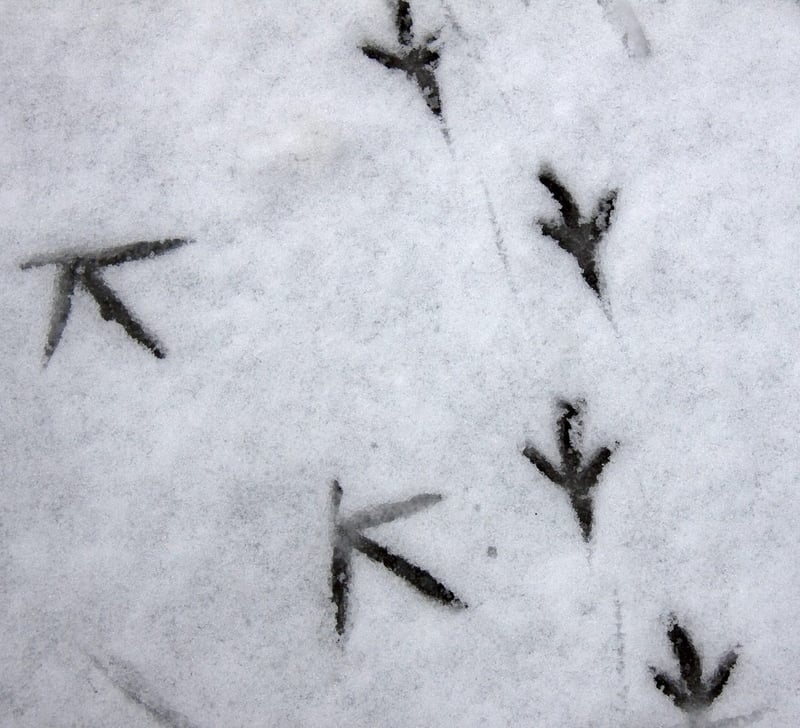
Nearly square with a soft, spreading pad and blunt tips — the toes splay wide for grip. Squarer and blockier than sheep tracks, which are more rectangular and hard-rimmed.
Hunting · Big Game · Mountain Goat
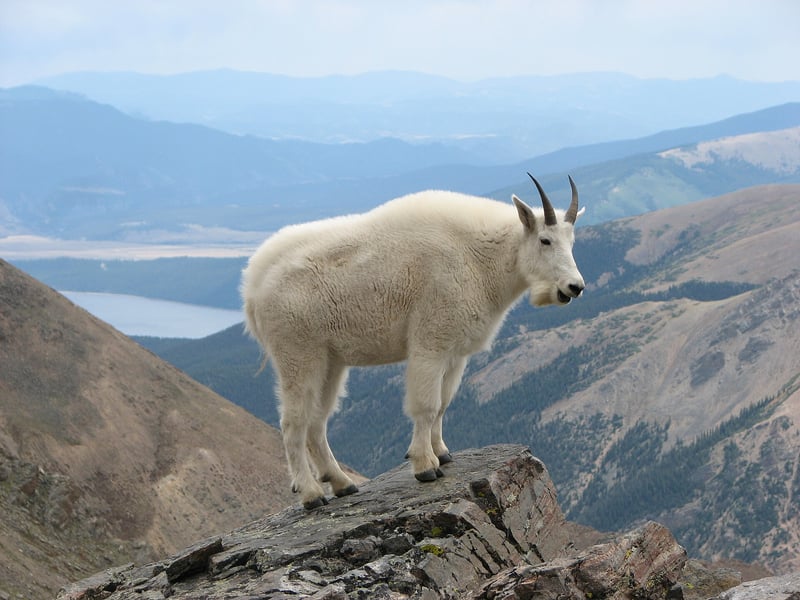
The most physically dangerous hunt on the continent — a shaggy alpine specialist that lives on cliffs where a bad step is fatal.
Mountain goats live on the steepest, most exposed terrain of any North American big game — sheer cliff bands, scree chutes, and knife-edge ridgelines well above treeline, often in country where a mule deer or elk simply couldn't survive.
Nearly every state and province issues mountain goat tags as extremely limited or once-in-a-lifetime licenses, and several require a mandatory hunter-education or orientation course specific to goat terrain before you can even hunt.
This is as much a mountaineering skill test as a hunting skill test. More goat hunters are injured or killed by falls than by any other cause in North American big-game hunting, and terrain assessment matters more than marksmanship.
01
The best goat hunting splits between Rocky Mountain interior populations (Montana, Colorado, Wyoming) and coastal populations in Alaska, British Columbia, and the Cascades that live in even steeper, wetter terrain.
| Place | Why it's worth your time | How you get a tag |
|---|---|---|
| Alaska | Largest goat population and the most accessible nonresident hunting | Nonresidents must hunt with a registered guide; tags available most years |
| British Columbia | Excellent interior and coastal goat hunting | Nonresident aliens require a licensed guide-outfitter |
| Montana & Wyoming | Strong Rocky Mountain herds in classic high alpine terrain | Once-in-a-lifetime draw; extremely low odds, especially for nonresidents |
| Colorado & Utah | Transplanted, well-managed herds with limited units | Once-in-a-lifetime draw with preference or bonus points |
| Washington (Cascades) | Wet, steep, brushy coastal-style terrain close to the Lower 48 population centers | Limited-entry draw, largely resident-focused |
02
Goat hunting is glassing distant cliff bands from a stable position, then executing a careful, terrain-first stalk that never puts you in a position you can't safely climb back out of.
03
Goat sign sits above the sheep sign, on the worst terrain in the range. White hair on rock is often the first confirmation you get.
3 in., square
Nearly square with a soft, spreading pad and blunt tips — the toes splay wide for grip. Squarer and blockier than sheep tracks, which are more rectangular and hard-rimmed.
Pellets on ledges
Small hard pellets accumulated in heaps on narrow ledges and in shallow caves used as bedding sites.
The giveaway
White wool snagged on rock edges, krummholz, and cliff-side brush. Goats shed heavily in summer and leave hair everywhere they travel.
Rock shelves
Scraped, dusty depressions on ledges and at the base of cliffs, usually with dung and hair together.
Reliable draw
Eroded mineral seeps with heavy track concentration, often the only predictable place goats appear on schedule.
04
Outside Alaska and British Columbia, a mountain goat tag is a lottery ticket you apply for every year and may never draw. If you actually want to hunt goats this decade, plan on a guided Alaska or BC hunt.
05
A goat hunt is largely a spotting-scope game played across a canyon: you find a billy on a cliff band and then spend hours studying the terrain between you and him before you ever move.
The stalk is deliberate and slow. Every step is tested, loose rock is avoided, and hunters frequently back off a route that looked fine from a distance but proves unsafe up close.
Weather changes fast at treeline and above, and wet rock turns a manageable slope into a genuine hazard — many experienced goat hunters simply wait out bad weather rather than push through it.
Shots are often at moderate range but at extreme up- or down-angles, and the true test is finding a stance stable enough to shoot from safely.
Recovery can be the hardest part of the entire hunt: goats often die where they stand or tumble into terrain that takes hours to safely access, and hunters must sometimes leave part of the animal if the ground is too dangerous to retrieve it.
06
Not a shopping list — the six or so items that change whether you fill the tag and whether the meat gets home in good condition.
.270 to .300 Win Mag
A light, precise rifle you can shoot well from awkward, angled positions; goats are tough for their size and a marginal hit can send one into unrecoverable terrain.
Cliff glassing
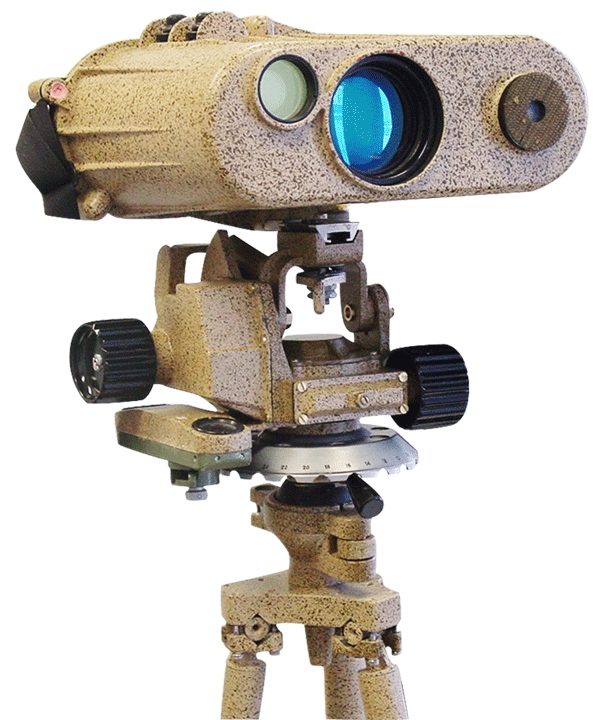
You'll spend far more time glassing than moving. A quality spotter is what lets you judge a billy and plan a route before committing to a stalk.
Terrain-first
Stiff-soled boots that hold an edge on rock and scree; approach shoes or trekking poles help on lower-angle terrain but boots do the real work up high.
Rockfall protection
Increasingly standard on serious goat hunts — loose rock is a real hazard both from your own footing and from animals above you.
Steep shots
Extreme up- and down-angle shots are the norm; true horizontal distance must be calculated correctly or you'll miss high or low.
Trophy & recovery
Sharp knives for caping the distinctive long-haired hide, salt, and a plan for a difficult pack-out over broken terrain.
07
Goats die in places you cannot safely reach. Where the animal will fall matters more than whether you can hit it.
08
Goat meat is better than its reputation and the hide is exceptional. Both are worth the extra care.
09
A goat yields 60–90 pounds of boneless meat. Older billies, especially in the rut, can be strong-flavored and tough; nannies and younger animals are noticeably better eating.
Bone the animal out where it falls and get the meat cooling in shade and airflow quickly — high-alpine temperatures are cool but direct sun on a dark hide can still warm meat fast.
Slow, moist cooking methods (braises, stews, sausage) suit goat well, especially from an older billy; younger animals can be treated more like venison steaks and roasts.
Seasons, fees, and draw rules change every year. These are the agencies and organizations that publish the current numbers — always confirm with them before you apply or hunt.
Guide requirements, unit quotas, and sex-identification guidance.
Guide-outfitter requirements and mountain goat management units.
Official scoring and fair-chase standards for mountain goat.
Mountain goat and wild sheep habitat and conservation funding across shared alpine range.
Questions
Where every hunting guide on The Wild10 starts.
Big game, small game, upland birds, and waterfowl — habitat and season.
Turkey, pheasant, grouse, quail, ducks, geese, rabbits, squirrels and predators.
All 50 states — seasons, tags, laws, public land and tactics.
Calling, shotguns, bows, camo, blinds, scouting, and spring vs fall.
Search every species and filter by tracks, droppings and sign, harvest, or skinning.
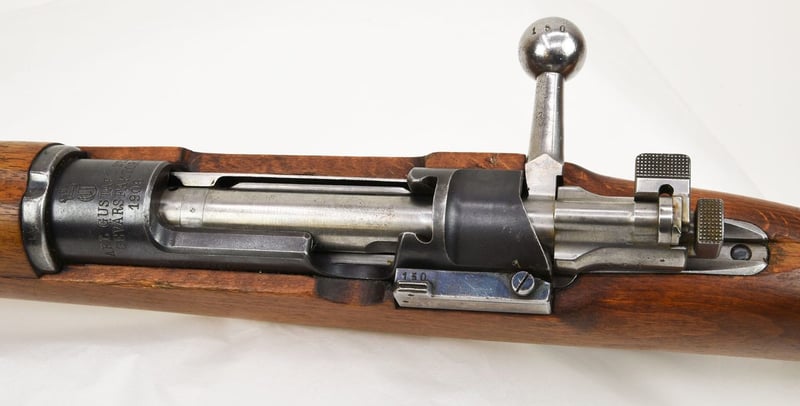
Cartridges, zero, field positions, wind, and shot placement.
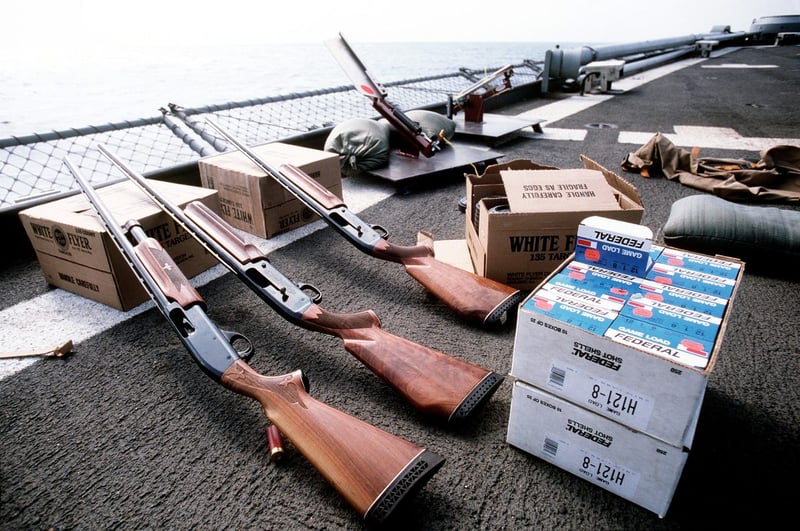
Gauges, chokes, shot size, and lead for birds and slug country.
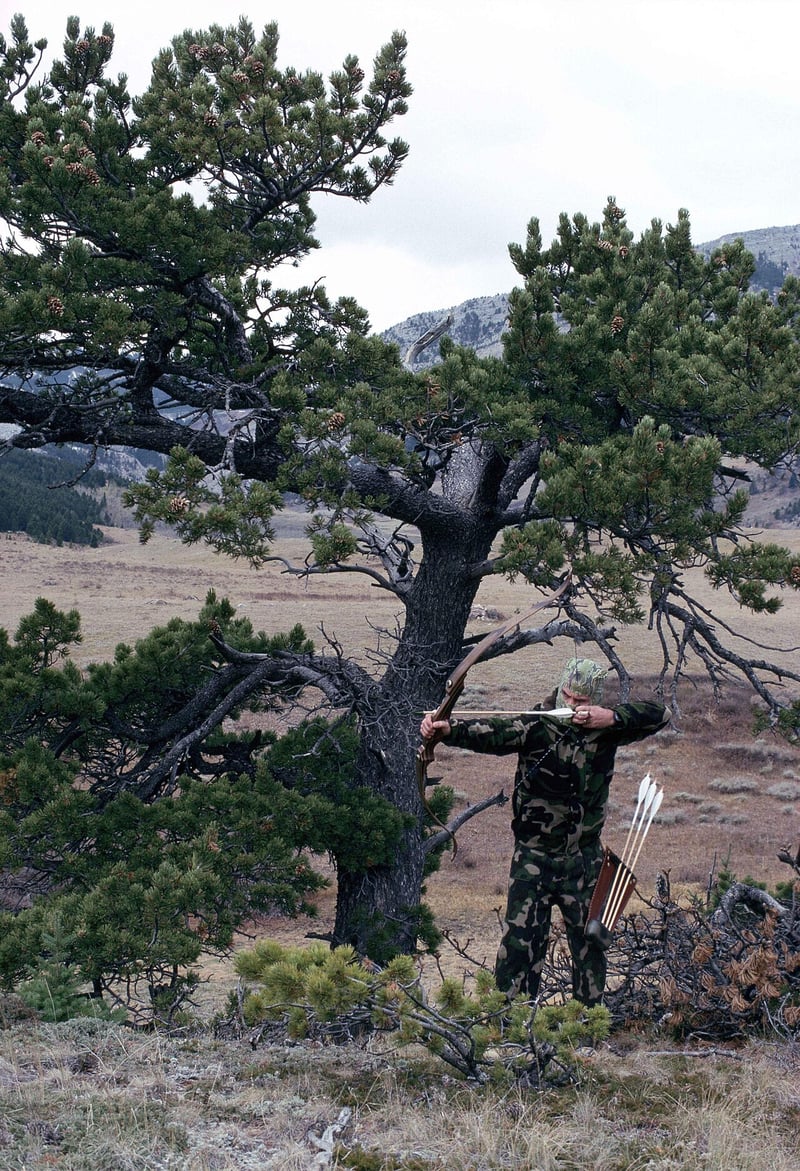
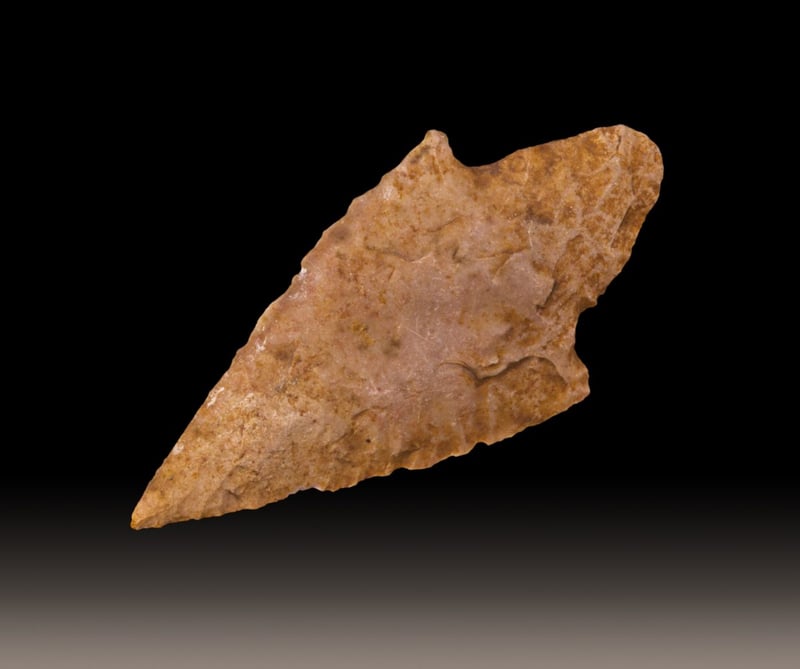
Instinctive shooting, draw weight, arrow spine, and close-range craft.
Eleven recurve and longbow guides: form, aiming, spine, tuning, and building tackle.
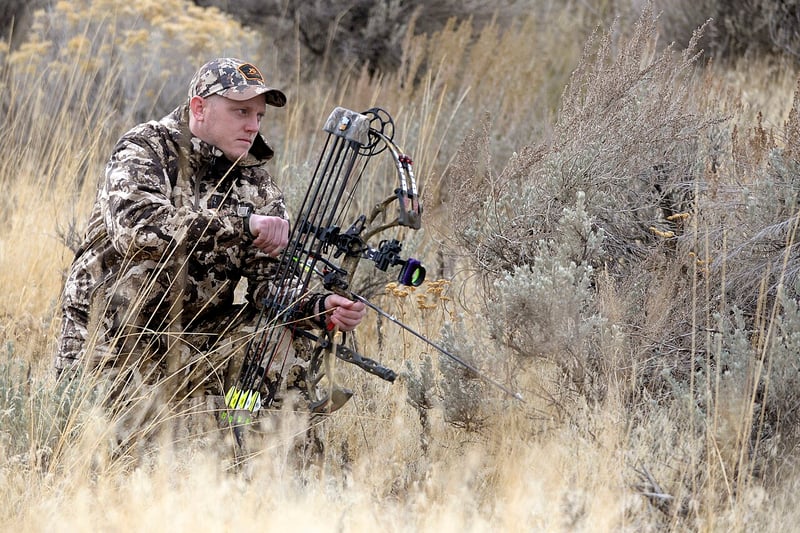
Draw length, sight and rest setup, broadhead tuning, and shot process.
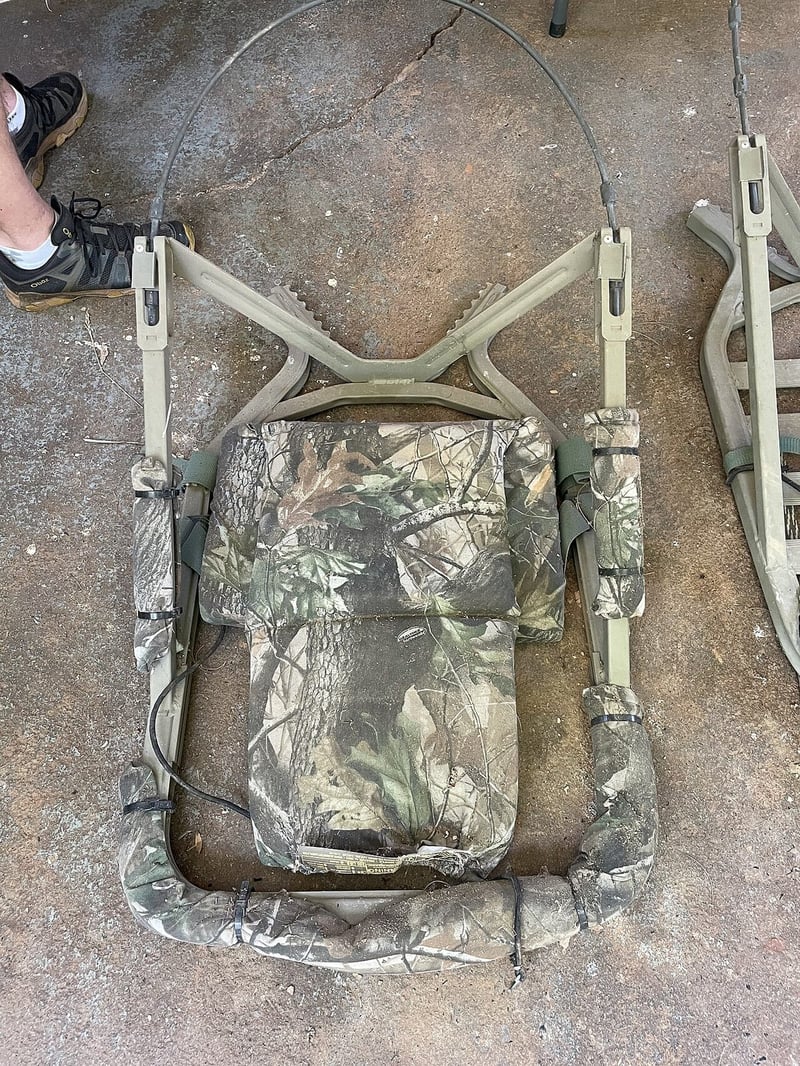
Wind discipline, stand placement, blood trailing, and meat care.
Keep going
Search every game profile by tracks, sign, harvest, and skinning guides.
Read →Cartridge choice, field positions, wind calls, and where the vitals actually sit.
Read →Gauges, chokes, slugs and straight-wall rules where rifles are not legal.
Read →Wind discipline, stand and stalk selection, blood trailing, and getting meat out cold.
Read →Book the rut week, map access, and plan the drive and cooler logistics before opening day.
Read →Top 10 lists
Ranked picks with real product photos, specs, and editor notes — the buying side of everything covered in these guides.
Bolt guns from budget workhorses to mountain rifles.
See the ranking →Rifled slug guns for shotgun-only whitetail country.
See the ranking →Spine, FOC, and broadhead pairings that fly true.
See the ranking →Quiet, wind-blocking shells for spring and early season.
See the ranking →Softshell and brush pants that move quiet and shed weather.
See the ranking →Insulated and shell layers ranked by warmth-to-noise.
See the ranking →Also on The Wild10
Fish identification, the knots that hold, lure selection by conditions, and the habits that fill a stringer.
Open the fishing hub →