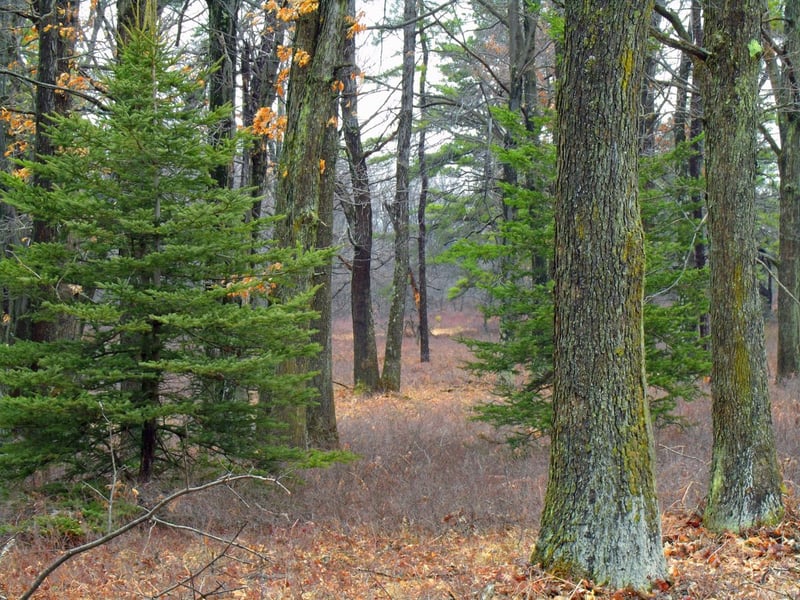
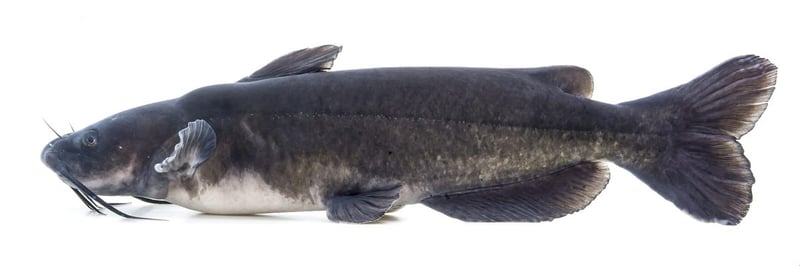
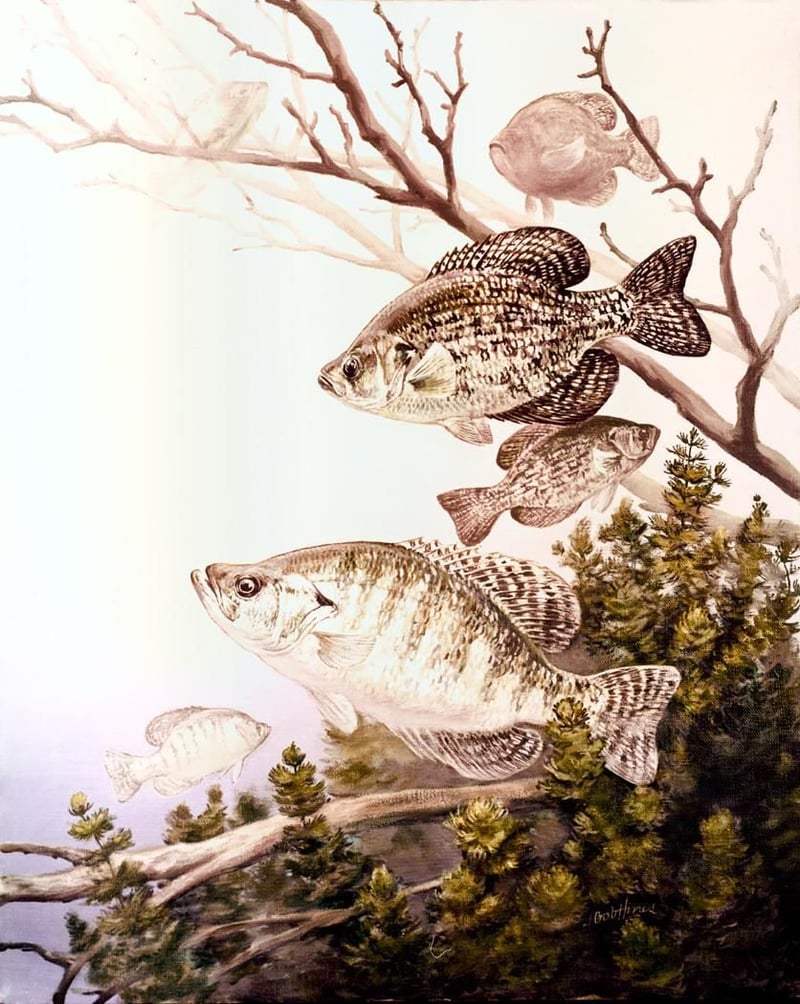
Shallow rock
Ice-out & fall
6–25 feet on main-lake points and reefs when surface temps are under about 50°F.
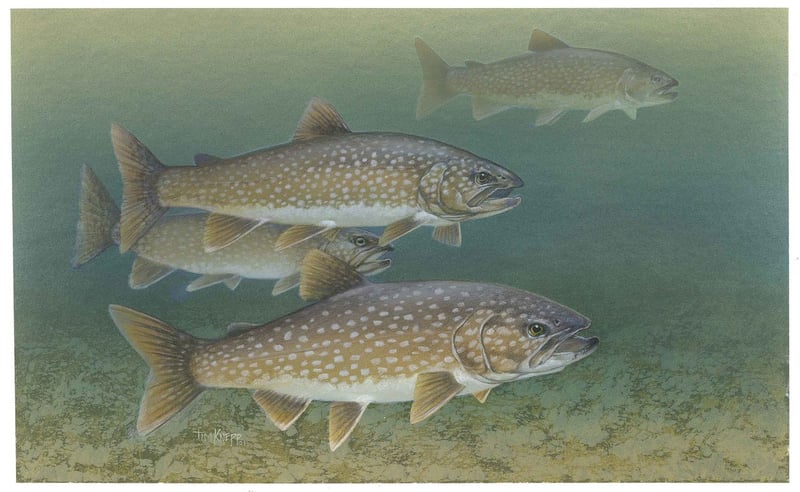
Fishing · Species · Lake Trout
A deep, cold-water char that comes within reach twice a year — right after ice-out and through the hardwater season.
Lake trout live by temperature. They want water in the mid-40s to low 50s, which in summer means 60 to 120 feet down in most lakes and, in far-north lakes, right under the surface all season.
That single constraint sets the whole calendar. Right after ice-out the whole lake is cold and lakers are shallow and catchable from a small boat; by July they're a downrigger fishery.
They're also long-lived — a 20-pound laker can be 25 years old — which is why limits are conservative and why releasing large fish matters so much.
01
Anywhere deep and cold enough. These fisheries combine access with real size.
| Water & region | Why it's worth your time | Access & license |
|---|---|---|
| Lake Superior | Restored wild population, big fish near structure | MI/MN/WI/ON license by side of the lake |
| Great Bear & Great Slave, NWT | Genuine 40 lb-plus fish in shallow water | NWT license; fly-in lodge access |
| Lake Champlain (VT/NY) | Strong put-grow-take fishery, easy access | VT or NY license; reciprocal water agreement |
| Flaming Gorge (UT/WY) | Trophy lake trout in the West | UT or WY license; specific slot rules |
| Canadian Shield lakes (ON/MB/SK) | Ice-out shallow fishing at its best | Provincial license; conservation limits common |
02
Find the temperature band, then choose the delivery method that keeps a bait in it.
03
Lakers follow temperature. They are shallow when the whole lake is cold and deep when it stratifies, and they will always be near open-water forage.
Ice-out & fall
6–25 feet on main-lake points and reefs when surface temps are under about 50°F.
Midsummer
60–120 feet suspended over the thermocline chasing ciscoes and smelt.
All year
Isolated structure topping into the fish's preferred temperature band concentrates them predictably.
Fall
Cobble reefs in 10–30 feet draw fish in October and November; many are closed to fishing then.
04
These are the presentations that consistently produce lake trout, with the conditions each one is actually for — not a tackle-shop wall.
Classic
A 3.5–5" white tube on a heavy head, dropped to bottom and hopped hard — the iconic Canadian shield laker bait.
Trolling & casting
Flutter spoons jigged vertically or trolled on downriggers; the flash imitates a fleeing cisco.
Deep summer
The only efficient way to cover 80–120 feet of water and find scattered fish.
Shallow season
4–6" paddle tail swum over rock at ice-out when they are up and aggressive.
Ice
Snap-jigged over deep structure through the ice, often with a cut-bait tipper.
05
Lake trout live where the water is coldest and follow the 45–52°F band through the year.
| Season | Where the fish are | What works |
|---|---|---|
| Ice-out / spring | Shallow! Fish cruise shorelines, points, and river mouths in 5–20 ft while water is cold | Casting spoons and jerkbaits from shore or boat; flatline trolling stickbaits |
| Early summer | Sliding down as surface warms; 30–60 ft on breaks and humps | Downrigger trolling with spoons and flasher-fly, vertical jigging |
| Mid-summer | Deep: 60–120 ft over basins and along steep structure, suspended over baitfish | Downriggers and wire line, heavy vertical jigging with tubes and spoons, or deep drop with cut bait |
| Fall (spawn, 48–52°F) | Shallow rock reefs and rubble shoals in 5–30 ft; big fish concentrated | Casting and jigging spoons, big tubes and swimbaits on reefs at dusk |
| Winter / ice | 20–80 ft on structure and over basins, roaming | Vertical jigging tubes, spoons, and airplane jigs; deadsticks with ciscoes |
06
Lakers feed through the day in deep water; light matters most when they are shallow.
Best shallow
Spring and fall shallow fish feed at first light on points and reefs before sun drives them down.
Deep summer fish bite all day; trolling and jigging over structure and bait schools is steady through the middle of the day.
Best shallow
Fall spawners move onto reefs at dusk; cast spoons and swimbaits over the rubble.
Mid-morning and late afternoon are the peaks through the ice; lakers roam and can hit at any hour.
07
Deep water demands the right delivery system.
4–5 in spoon 15–40 ft behind a release clipped at the depth you mark fish; troll 1.8–2.5 mph, faster than for walleye.
8–11 in flasher or a set of cowbells 24–36 in ahead of a trolling fly, cut bait, or a small spoon for the large-fish trolling program.
5–6 in white or glow tube on a 1–2 oz internal jighead, dropped to bottom and lifted in long pulls with pauses; watch for fish rising on sonar.
Three-way swivel, 8–16 oz sinker dropper, 3 ft leader to a large circle hook baited with a cisco or sucker strip, held just off bottom.
30 lb braid, 20 lb fluoro leader, 1–2 oz tube, airplane jig, or heavy spoon; deadstick with a live ciscoe on a large single hook.
08
Natural baits and cut bait are highly effective in deep water where scent travels.
#1
Whole or as strips behind a flasher, on a three-way rig, or on a deadstick through the ice. Their primary forage in most lakes.
Belly strips on a jig or a cut-bait rig; durable and oily.
Under a float in spring when lakers are shallow.
09
Find the temperature band and the bait, then work the depth precisely.
10
Lake trout carry the most conservative limits of any common freshwater fish because of how slowly they grow.
11
Ice-out laker fishing from a small boat is one of the best-value trips in North America: big fish, shallow water, and no crowd.
Summer fishing is a gear exercise — riggers, wire, and boat control — and is usually done from a bigger boat or a charter.
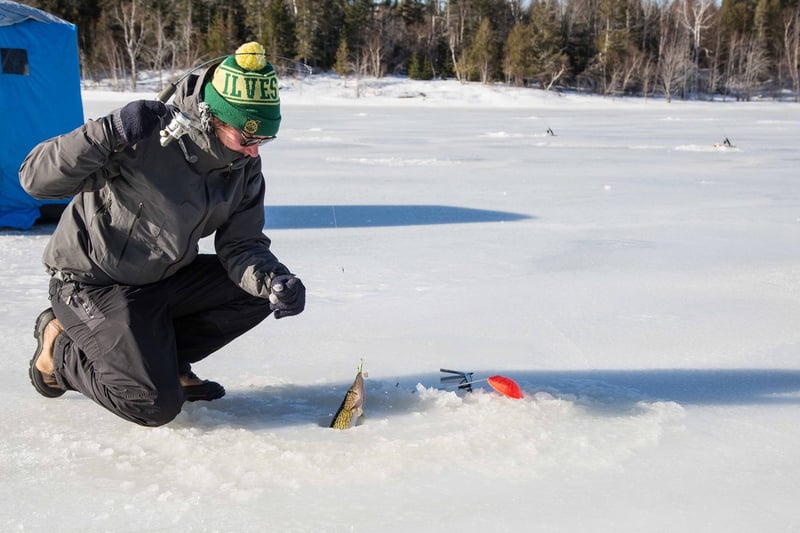
Ice fishing lake trout is genuinely active. You cover water, drill a lot of holes, and jig hard rather than sit on a bucket.
12
The rod, line, and terminal choices that actually change your hookup rate — with the numbers, not vague categories.
Core rod
Handles 2 oz jigs at depth and cushions a big fish at the boat.
Depth control is everything in this fishery.
Summer
The only practical way to hold a bait at 90 feet at trolling speed.
Flutter on the drop is what triggers strikes; most bites come as it falls.
The classic laker bait, on the ice and on open water.
Conservation
Gets deep-water releases back down safely.
13
What happens between the hookset and the cooler decides whether you land the fish and whether it is worth eating.
14
Cleaning a lake trout the right way takes about four minutes once you know the sequence.
15
Lake trout are rich and oily, closer to salmon than to a walleye fillet.
They're outstanding smoked, and very good grilled with the skin on; poor choice for a delicate pan fry.
Larger, older fish accumulate contaminants in Great Lakes water — read the state consumption advisory and prefer smaller fish for the table.
Size limits, creel limits, and seasons are set water by water and change every year. These agencies publish the current rules.
Lake trout restoration status and lakewide assessments.
Trophy lake trout limits and license requirements.
Questions
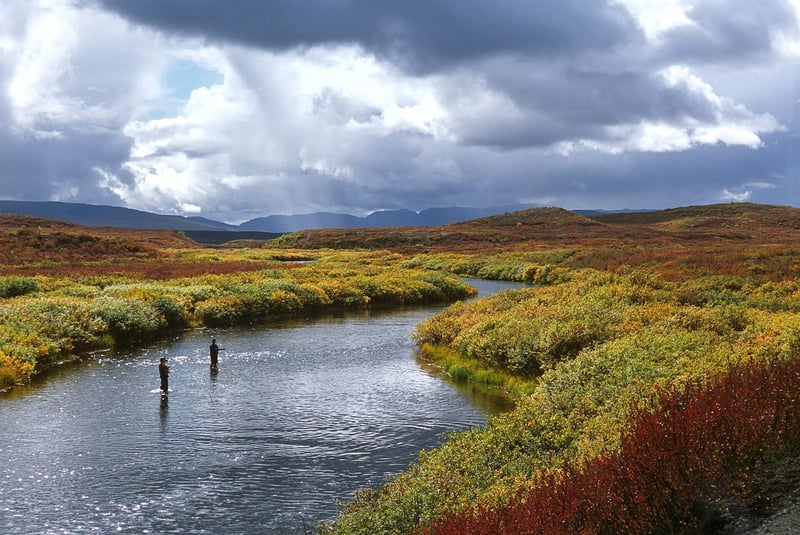
Where every fishing guide on The Wild10 starts.
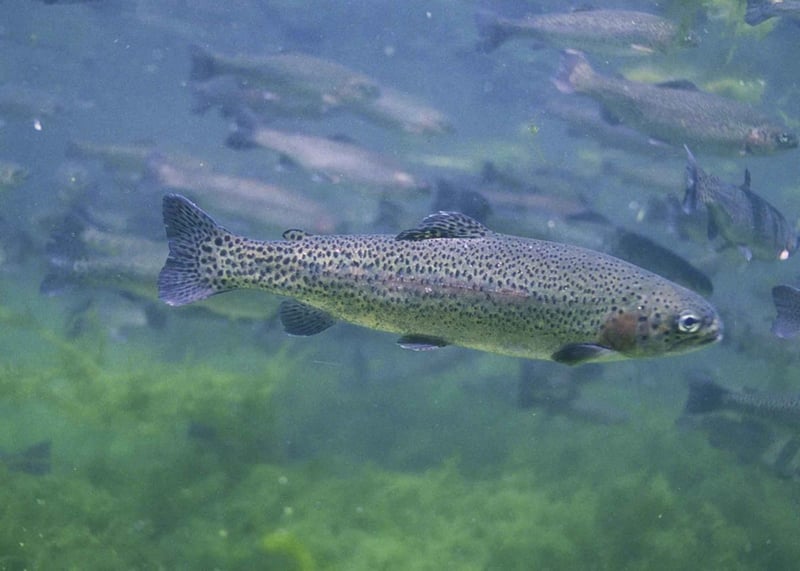
Body shape, fins, mouth, and markings for 30+ North American gamefish.
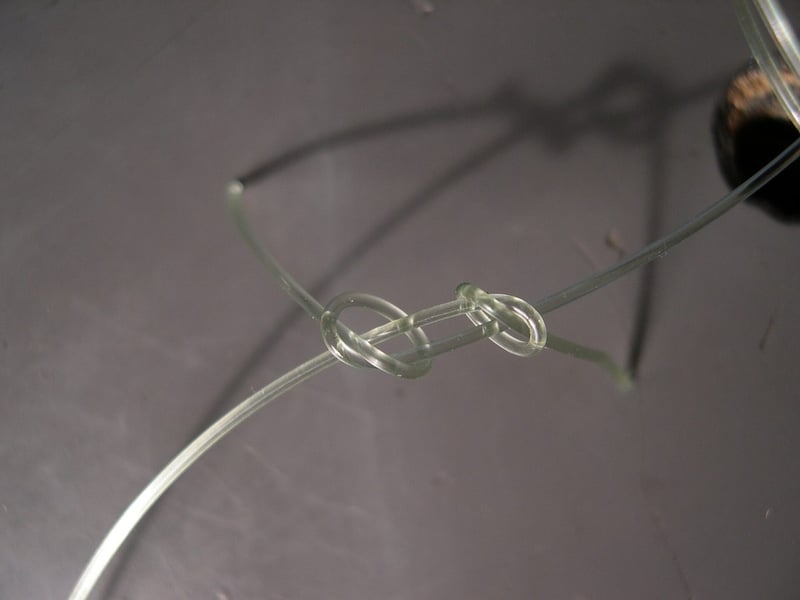
Twelve knots covering every hook, leader, and loop connection you need.
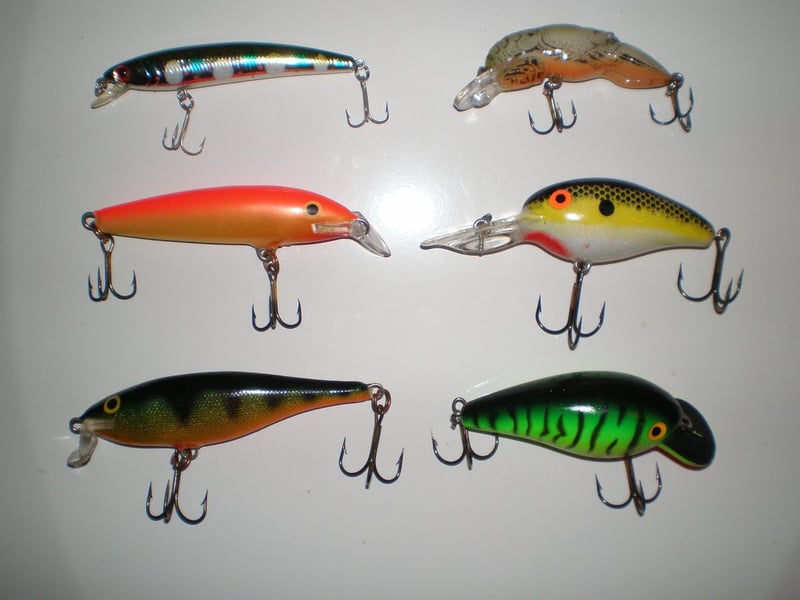
Matching lure category to temperature, clarity, depth, and season.
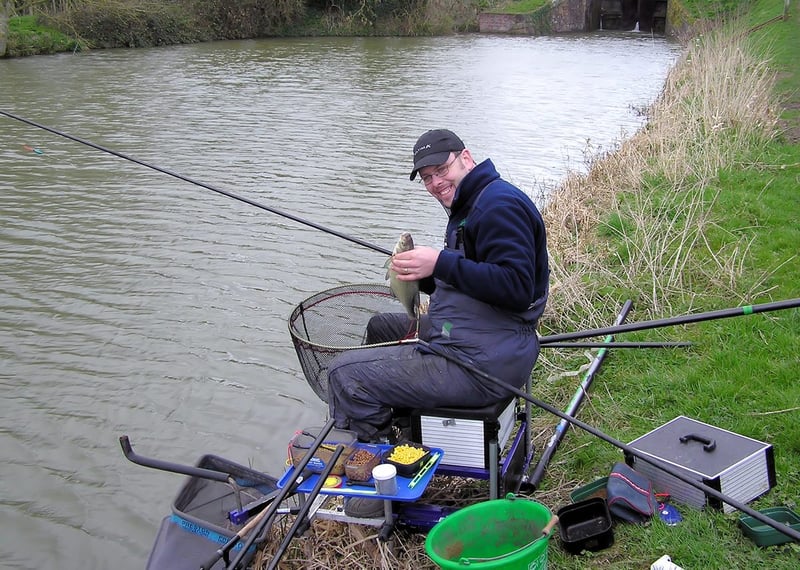
Reading water, timing the bite, and fixing a slow day on the spot.
Keep going
Tell lookalike species apart by fins, mouth, and markings.
Read →Match lure category to depth, clarity, and water temperature.
Read →The connections that keep big fish attached.
Read →Reading water and fixing a slow day on the spot.
Read →Top 10 lists
Ranked picks with real product photos, specs, and editor notes — the buying side of everything covered in these guides.
Bass, walleye, trout, and panfish rods ranked on feel.
See the ranking →Jig, crank, and heavy-cover rods by blank and taper.
See the ranking →Drag smoothness, line management, and long-haul gears.
See the ranking →Brake systems, backlash control, and drag under load.
See the ranking →Also on The Wild10
Same field-tested approach, applied to game species, rifles, shotguns, and bows — from scouting through meat care.
Open the hunting hub →