



Where on earth
Satellite imagery flying in from a world view to Everest Base Camp Trek, Worldwide. Use the + / − buttons, or click the map to zoom with your scroll wheel; drag to pan and pinch to zoom on touch.
- Region
- Nepal
- Country
- Worldwide
- Biome
- Himalayan (2,850–5,644 m)
- Best season
- October – November, March – April
- Difficulty
- moderate
- Backpacking
- Hiking
- Mountaineering
Key takeaways
- Biome: Himalayan (2,850–5,644 m)
- Best season: October – November, March – April
- Difficulty: moderate
- Top activity: backpacking
Photos of Everest Base Camp Trek
Topic summary
The 65-mile trek from Lukla to Base Camp at 5,364 m past Sherpa villages.
Key takeaways
- Difficulty: moderate
- Best season: October – November, March – April
Intended uses
backpacking
Climate suitability
Himalayan (2,850–5,644 m)
Tools for a trip here
Picked for how, when and where you're going. Free, no signup.
- Sleep System Temp CalculatorCold nights: check your bag and pad add up to a safe sleep.
- Base Weight CalculatorEvery ounce is carried — total your kit and find your base weight.
- Pack Volume SizerSize the pack for your trip length and season.
- Water Purification MatrixTreat water from streams and lakes on trail.
- Layering CalculatorCold-season miles: layer for climbs and camp.
Plan with verified data
Everest Base Camp Trek trip tools
How to get there
For the Nepal trek, select an itinerary to South Base Camp. Do not confuse it with North Base Camp in Tibet, which has paved-road access branching from China National Highway 318; that road does not provide access to Nepal’s South Base Camp.
- South Base Camp
The Nepal-side hiking destination and expedition camp at 5,364 metres (17,598 feet). It serves climbers using the southeast ridge and receives supplies carried by porters and pack animals, usually yaks.
- North Base Camp
A separate destination in Tibet at 5,150 metres (16,900 feet), not an access point for the Nepal trek. A paved road branches to it from China National Highway 318.
Sources: Wikipedia · Wikivoyage. Confirm road and trailhead conditions with the managing agency before you leave.
Popular pursuits at Everest Base Camp Trek
- Backpacking
Multi-day travel with everything on your back — see the packing blocks below.
- Hiking
Day miles on marked trail, with route notes and trail links below.
- Mountaineering
Glacier and high-route objectives with real consequence.
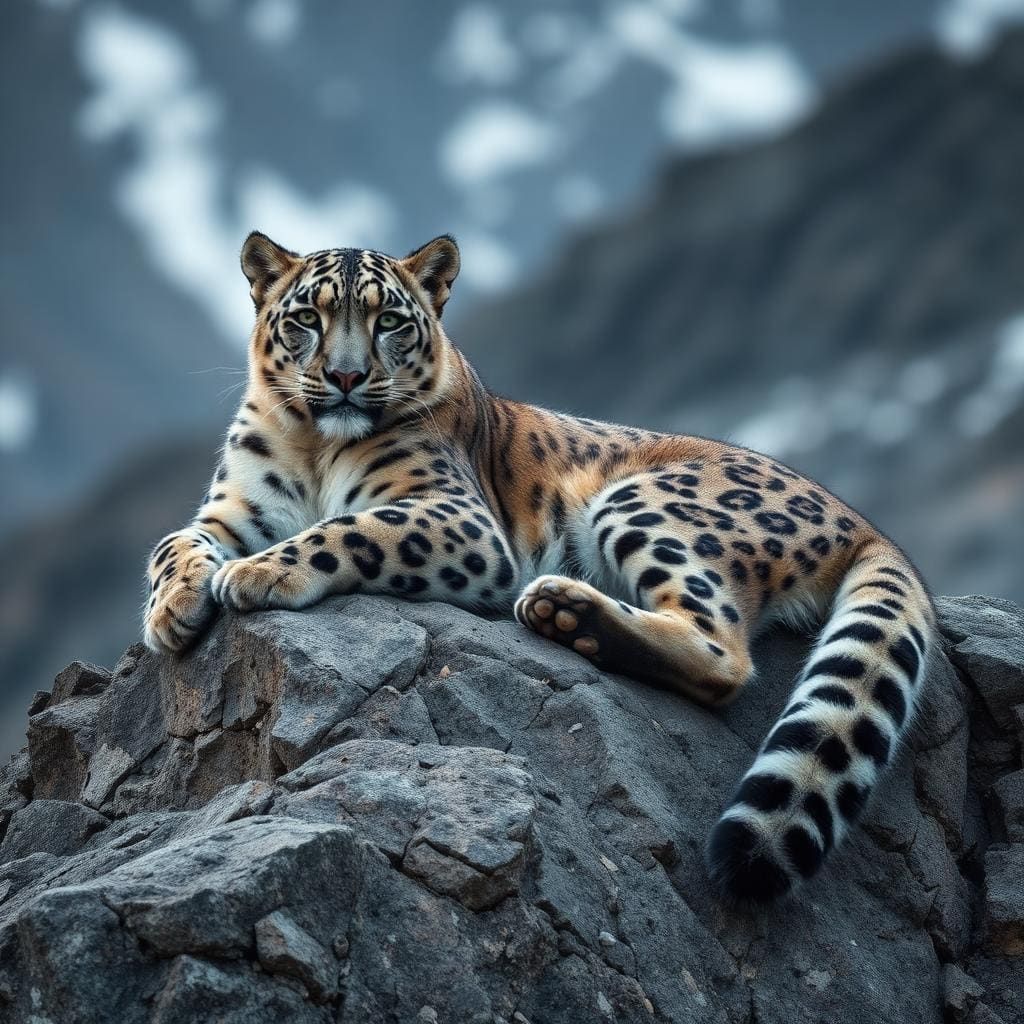
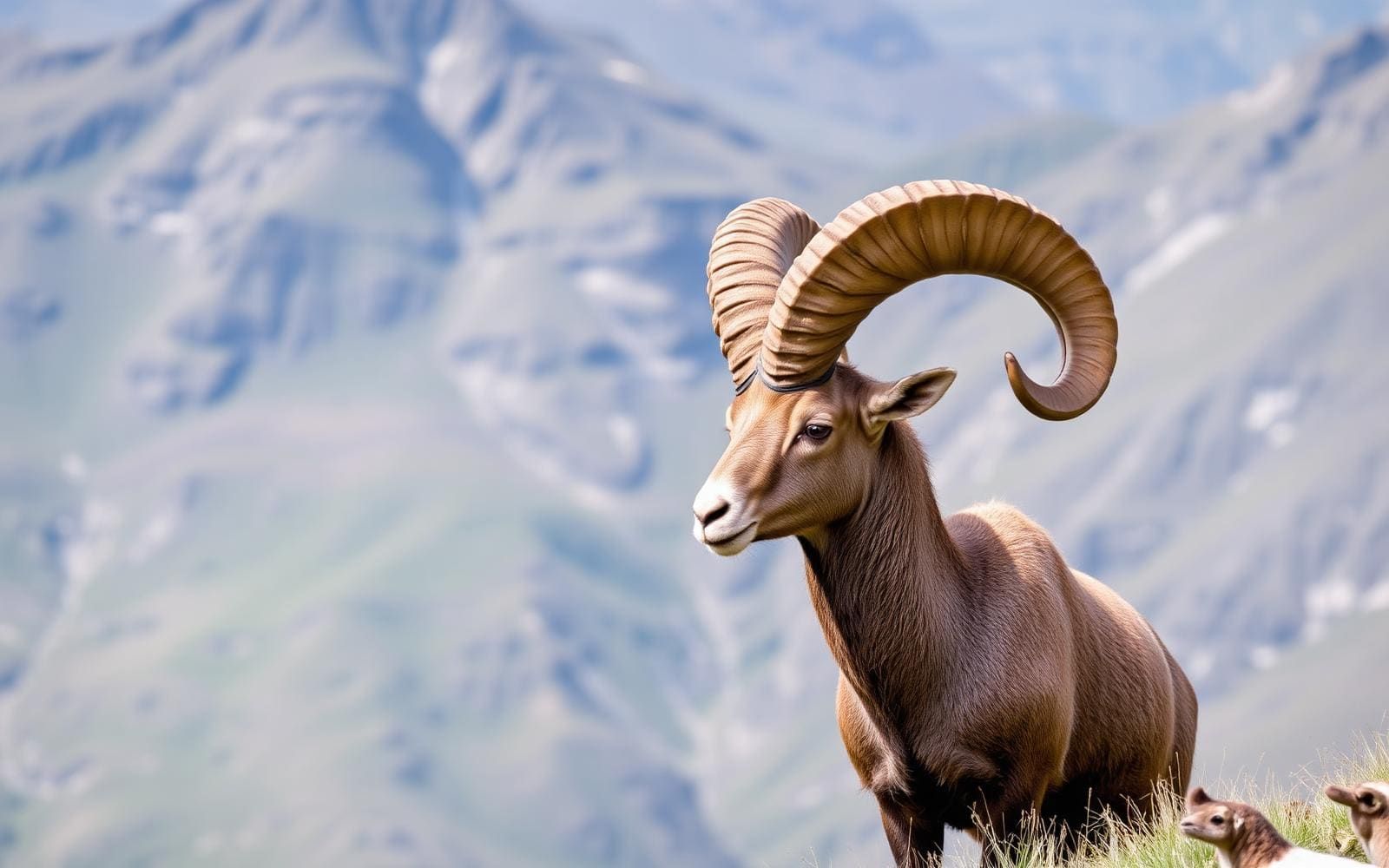
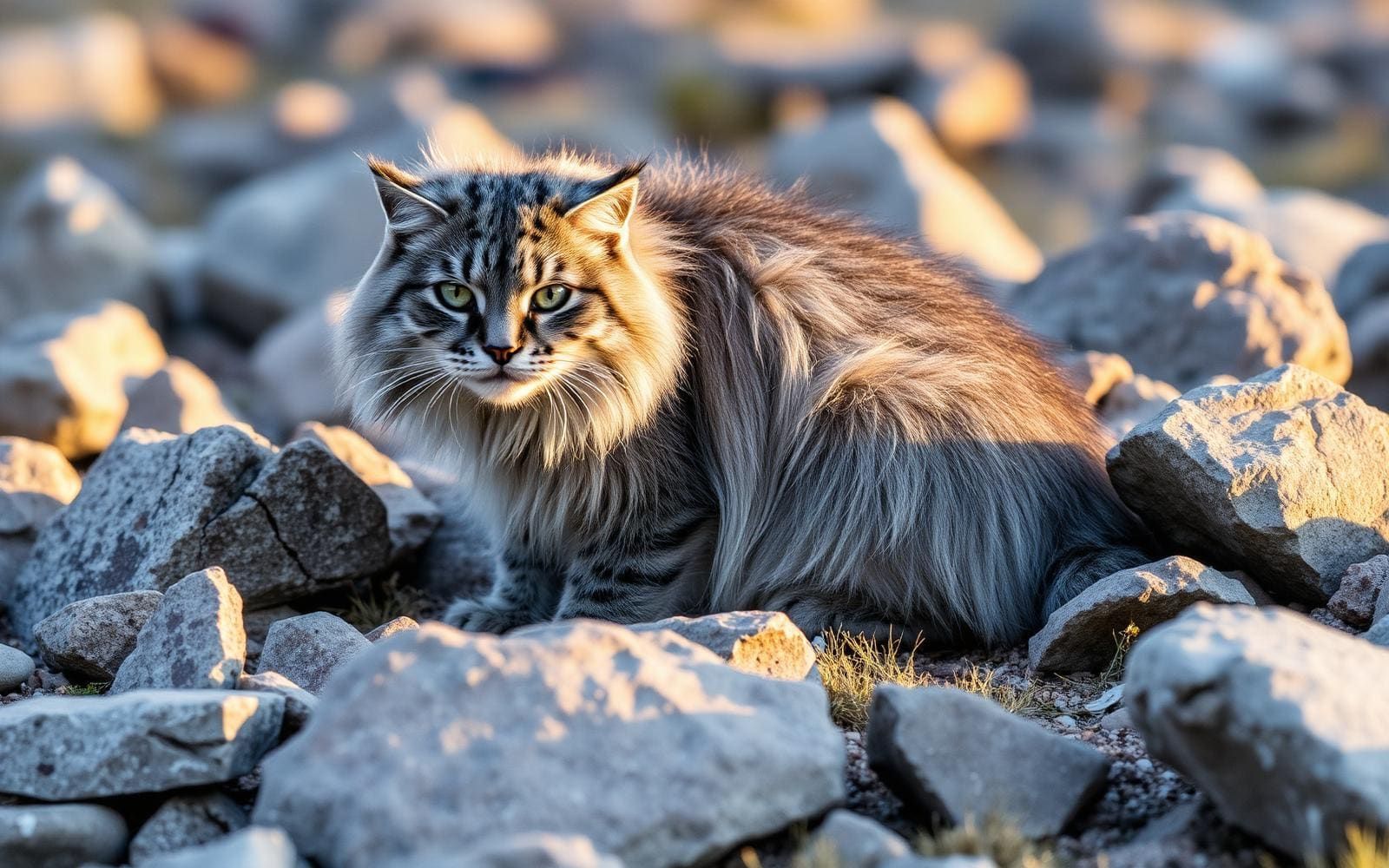
Animals around Everest Base Camp Trek

Maps, GPS & compass for this trip
Carry a waterproof paper map and a compass you can steer by, and treat the GPS as the backup — not the other way round. Buying links go to Amazon; Wild10 earns a commission at no cost to you.
Waterproof topo maps
- Waterproof topographic map — Everest Base Camp TrekAmazon search for waterproof, tear-resistant topo maps covering this area.
- National Geographic Trails IllustratedThe waterproof Trails Illustrated series — check for a sheet covering this area.
- Waterproof map case & compass lanyardKeep a paper map readable in rain, spray and a swamped boat.
Fishing at Everest Base Camp Trek
Planning to fish Everest Base Camp Trek, Nepal? Fishing licences, open seasons and catch limits in Nepal are set by the local wildlife authority and change every year — check the official source before you cast a line.
Do I need a fishing licence at Everest Base Camp Trek?
- A Nepal fishing licence is normally required for anyone over the local youth age.
- Read the current Nepal fishing regulations for special waters, barbless-hook or catch-and-release rules.
- Clean, drain and dry boats and gear between waters to stop invasive species.
We don't have a verified licensing link on file for Nepal yet — contact the park or land manager listed on this page for current hunting and fishing rules.
Hunting near Everest Base Camp Trek
Thinking about hunting Everest Base Camp Trek, Nepal? Hunting seasons, tags and draws in Nepal are set by the wildlife authority each year. Confirm the rules for your species and unit before you go.
Is hunting allowed at Everest Base Camp Trek?
- Confirm the land around Everest Base Camp Trek is open to hunting and which management unit it falls in.
What do I need to hunt in Nepal?
- A Nepal hunting licence — most jurisdictions also require hunter education certification.
- Species tags or draw results for big game such as deer, elk, moose or bear where they occur.
- Knowledge of firearm and bow transport rules, which differ by land type and border crossing.
We don't have a verified licensing link on file for Nepal yet — contact the park or land manager listed on this page for current hunting and fishing rules.
The Nepal destination: South Base Camp
The Everest Base Camp trek in Nepal leads to South Base Camp, at 5,364 metres (17,598 feet). Everest has another base camp on its opposite side: North Base Camp, in Tibet, at 5,150 metres (16,900 feet). That distinction matters when choosing an itinerary or checking access information. The two camps serve different climbing approaches and are not interchangeable destinations. South Base Camp supports climbers using Everest’s southeast ridge, while North Base Camp serves the northeast ridge. For hikers planning a Nepal trip, South Base Camp is the relevant objective. Reaching it means visiting a rudimentary high-altitude campsite used during climbing expeditions, rather than reaching Everest’s summit or completing a technical climbing route.
Altitude should shape the plan
South Base Camp’s elevation makes acclimatization a central planning concern, not an optional addition to the trek. Climbers typically rest at base camp for several days to acclimatize and reduce the risk of altitude sickness. That practice underscores the need to allow time for adjustment rather than treating the camp as a destination to reach as quickly as possible. A hiking itinerary should account for altitude throughout the approach; resting only after reaching the highest point is not a substitute for a measured ascent. Build flexibility into the plan, pay attention to how the body responds, and avoid making arrival at camp more important than health. Fitness alone should not be treated as protection against altitude illness.
A working camp, not a summit trek
South Base Camp is part of Everest’s expedition infrastructure as well as a hiking destination. Porters and pack animals, usually yaks, carry supplies to the camp. Hikers should expect to share the approach with people and animals doing essential transport work, give them room, and avoid obstructing their movement. The camp itself is described as rudimentary, so expectations should remain practical rather than assuming the comforts of a developed visitor facility. Its role also helps define the limits of the trip: visiting base camp is separate from climbing onward via the southeast ridge. Keep those objectives distinct when discussing an itinerary, equipment, or support. A base-camp hike should not be presented as preparation sufficient for an Everest ascent.
Route options
- South Base Camp hiking approach
The Nepal-side option for hikers visiting Everest Base Camp. The destination is a rudimentary expedition campsite at 5,364 metres; acclimatization and altitude-sickness awareness should guide planning.
- Southeast ridge climbing route
The Everest climbing route served by South Base Camp. This is an onward mountaineering objective, not an alternative hiking route or a routine extension of the base-camp trek.
Sample itineraries
- South Base Camp visit segment · 1 day
A suggested visit day within a longer, acclimatized trek, not a complete itinerary. South Base Camp sits at 5,364 metres in Nepal and is visited by hikers as well as climbers. Approach and return schedules require separate planning.
- Base camp acclimatization block · 3 days
An illustrative rest block for an established base camp stay, not an approach itinerary or assurance of adequate acclimatization. Climbers typically rest here for several days to reduce altitude-sickness risk. Further ascent should depend on health and acclimatization, not a fixed schedule.
Seasonal conditions
Spring
Confirm seasonal timing locally.
Specific spring conditions are not established here. South Base Camp's 5,364-metre elevation makes acclimatization central to planning regardless of season.
Summer
Confirm seasonal timing locally.
Check current weather and approach conditions before committing to a summer trek. Do not assume a summer visit removes high-altitude risks.
Fall
Confirm seasonal timing locally.
Specific fall conditions are not established here. Confirm current conditions and allow flexibility for acclimatization rather than relying on a fixed arrival schedule.
Winter
Confirm seasonal timing locally.
Confirm weather, access and available support before planning a winter visit. Base camp is a rudimentary campsite, not a guarantee of shelter or services.
| Season | Window | Conditions |
|---|---|---|
| Spring | Confirm seasonal timing locally. | Specific spring conditions are not established here. South Base Camp's 5,364-metre elevation makes acclimatization central to planning regardless of season. |
| Summer | Confirm seasonal timing locally. | Check current weather and approach conditions before committing to a summer trek. Do not assume a summer visit removes high-altitude risks. |
| Fall | Confirm seasonal timing locally. | Specific fall conditions are not established here. Confirm current conditions and allow flexibility for acclimatization rather than relying on a fixed arrival schedule. |
| Winter | Confirm seasonal timing locally. | Confirm weather, access and available support before planning a winter visit. Base camp is a rudimentary campsite, not a guarantee of shelter or services. |
Permits, fees & closures
Confirm current trekking permit and entry requirements with the managing agency.
Confirm current permits, fees, and closures with the managing agency before you go.
Hazards & regulations
- Altitude sickness is a major concern at South Base Camp's 5,364-metre elevation. Allow acclimatization time; a fixed number of rest days does not guarantee safety.
- Rudimentary campsite conditions mean shelter and support should not be assumed. Confirm arrangements before arrival.
- Porters and pack animals, usually yaks, carry supplies to South Base Camp. Give working animals space and avoid blocking their passage.
What to pack for Everest Base Camp Trek
- Insulating layers
- Weather-resistant outer layers
- Warm hat and gloves
- Supportive walking footwear
- Water-carrying capacity
- Sun protection
- Personal first-aid supplies
- Sleeping equipment suited to confirmed conditions
- Shelter arrangements confirmed before departure
Everest Base Camp Trek FAQ
- Which Everest base camp is in Nepal?
- South Base Camp is in Nepal at 5,364 metres. North Base Camp is in Tibet at 5,150 metres.
- Can hikers visit South Base Camp?
- Yes. Hikers visit South Base Camp, which also supports climbers ascending and descending Everest via the southeast ridge.
- Is South Base Camp reached by the paved road?
- The paved-road access described for Everest belongs to North Base Camp in Tibet, not South Base Camp in Nepal. Do not use northern access information to plan the Nepal trek.
- Why is acclimatization important?
- South Base Camp stands at 5,364 metres. Climbers typically rest at base camp for several days to reduce altitude-sickness risk. Trek planning also needs to account for acclimatization before reaching camp.
- What facilities should visitors expect?
- Base camp is a rudimentary campsite. Confirm sleeping arrangements and support rather than assuming established facilities. Supplies reach South Base Camp with porters and pack animals, usually yaks.
- Do these itineraries cover the entire trek?
- No. They are suggested base camp segments only. Confirm the approach, return route and full acclimatization schedule separately before making travel arrangements.