



- Region
- Montana
- Country
- United States
- Best for
- hiking, wildlife viewing, camping
- Best season
- Spring, Summer
- Permits
- Confirm current district-specific hunting …
Plan with verified data
Hunting District 210 (Bob Marshall Wilderness Complex) trip tools
Tools for a trip here
Picked for how, when and where you're going. Free, no signup.
- Sleep System Temp CalculatorCold nights: check your bag and pad add up to a safe sleep.
- Bear Country Food StorageBear country: canister, Ursack or hang, and the local rules.
- Base Weight CalculatorEvery ounce is carried — total your kit and find your base weight.
- Pack Volume SizerSize the pack for your trip length and season.
- Water Purification MatrixTreat water from streams and lakes on trail.
Photos of Hunting District 210 (Bob Marshall Wilderness Complex)
How to get there
Access to Hunting District 210 is described by its boundary, which begins at the Rock Creek interchange of Interstate 90. The district spans portions of Missoula and Granite Counties. Access is primarily via USFS roads and trails within this boundary description.
- Rock Creek Interchange (Interstate 90)
The boundary of HD 210 begins at the Rock Creek interchange of Interstate 90.
- Harvey Creek (from I-90)
From the Rock Creek interchange of Interstate 90, travel 15 miles easterly along I-90 to Harvey Creek.
- USFS Road 4308 (near Rock Creek-Harvey Creek Divide)
From Harvey Creek, travel about 13 miles southwesterly up the creek to Otter Creek, then southwesterly up Otter Creek to USFS Road 4308.
- USFS Road 16118
From USFS Road 4308, travel south along said road to USFS Road 16118.
- USFS Trail 206 (Chico Gulch)
From USFS Road 16118, travel southwest along said road to USFS Trail 206 (Chico Gulch).
- USFS Trail 65 (Ranch Creek)
From USFS Trail 206, travel westerly along said trail to USFS Trail 65 (Ranch Creek).
Sources: fwp.mt.gov · Wikipedia · Wikivoyage · HuntScore. Confirm road and trailhead conditions with the managing agency before you leave.
Montana · United States · Season: Fall hunting seasons
- Backpacking
- Hiking
- Hunting
- Mountaineering
- Winter Camping
- Skiing
- Wildlife Viewing
- Canoeing
Overview
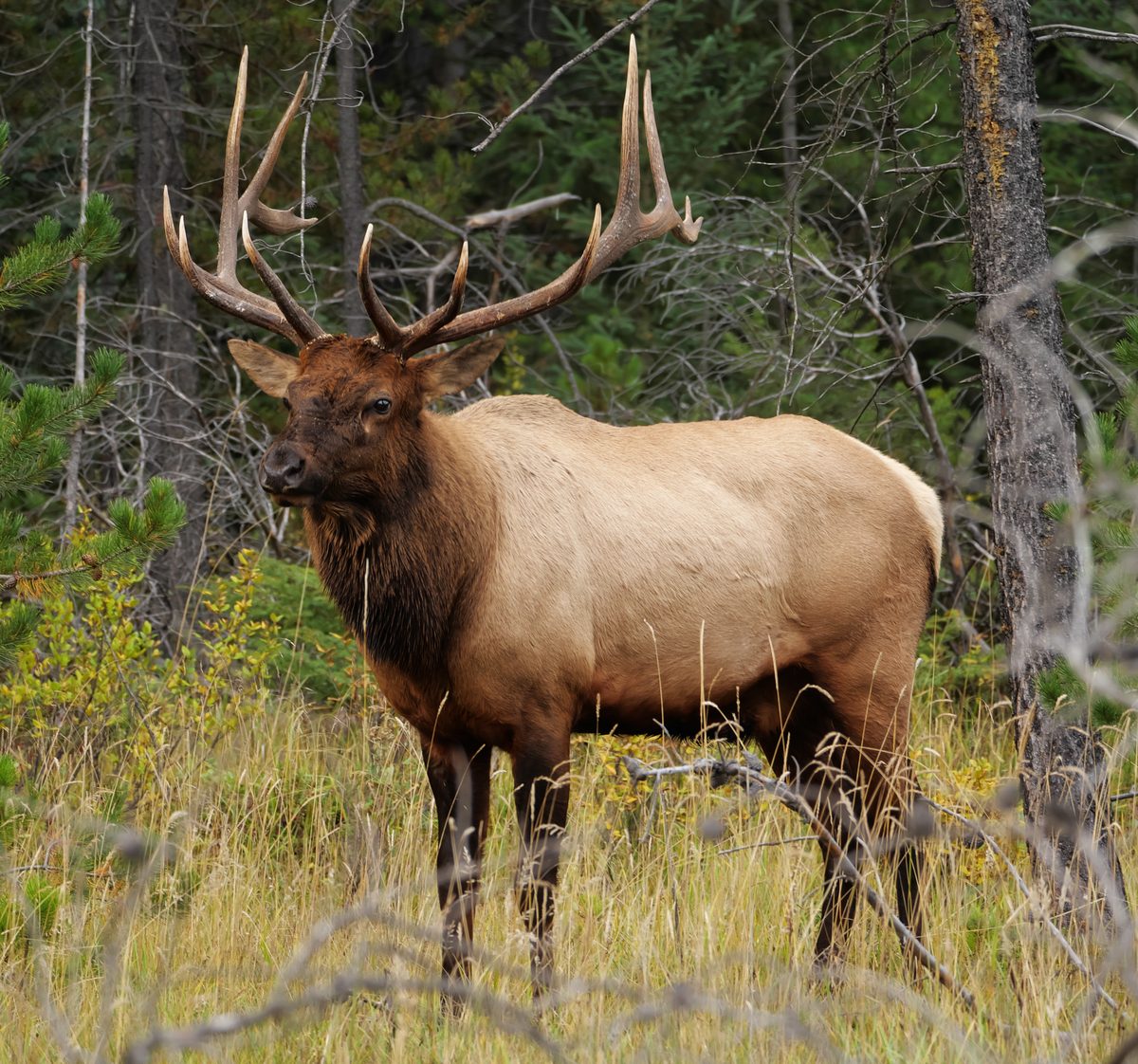
HD 210 plunges hunters into the heart of the Bob Marshall Wilderness Complex, offering an unparalleled backcountry elk experience. This is serious wilderness hunting, characterized by vast, untracked forests, high mountain meadows, and rugged river drainages. Expect to pack in by foot or horse, often 10+ miles, leaving the crowds far behind. The sheer scale of the landscape means elk have ample room to roam and are less impacted by human pressure once you're deep inside. This unit holds excellent numbers of elk and good bull quality for those willing to earn it. Access points are typically around the Hungry Horse Reservoir or from the east side near Benchmark. Weather is a major factor; expect cold, wet conditions, and early snow is common. Hunters must be entirely self-sufficient, proficient in wilderness navigation, and prepared for emergencies. Outfitters operate here, but DIY opportunities are immense for skilled backpack hunters. This unit requires a general tag, making it accessible but demanding. Success hinges on finding elk in their remote haunts and having the stamina to pursue them.
Best access points are Benchmark (east side) or Holland Lake/Condon (west side). Ideal season is late archery or early to mid-general rifle season before heavy snows make travel too difficult. This is for advanced, highly-fit hunters with wilderness experience. Permits are standard general tags. Trade-offs include extreme remoteness, harsh weather, and the physical demands of packing in and out.
Planning notes
Where: Montana, United States Best season: Fall hunting seasons Good for: Hiking, Wildlife Viewing, Camping, Backpacking Featured on: Top 10 Public Land Elk Units in Montana: High-Percentage Archery and Rifle (#3) Access point: Bob Marshall Wilderness Complex, Ovando, MT, USA
Check current permits, closures and fire restrictions with the managing agency before you commit to dates.
Where on earth
Satellite imagery flying in from a world view to Hunting District 210 (Bob Marshall Wilderness Complex), United States. Use the + / − buttons, or click the map to zoom with your scroll wheel; drag to pan and pinch to zoom on touch.
Coordinates
- Decimal degrees
- 47.3495, -113.0796
- Latitude (DMS)
- 47° 20′ 58.4″ N
- Longitude (DMS)
- 113° 4′ 46.7″ W
Coordinates are an access-point reference for Hunting District 210 (Bob Marshall Wilderness Complex), not a route. Carry a paper map and confirm trailhead or put-in access with the managing agency before you go.
Topic summary
HD 210 plunges hunters into the heart of the Bob Marshall Wilderness Complex, offering an unparalleled backcountry elk experience.
Key takeaways
- Region: Montana
- Country: United States
- Best season: Fall hunting seasons
- Good for: hiking, wildlife viewing, camping, backpacking
- Coordinates: 47.350, -113.080
Intended uses
- hiking
- wildlife viewing
- camping
- backpacking
Climate suitability
Fall hunting seasons
Keep planning
Popular pursuits at Hunting District 210 (Bob Marshall Wilderness Complex)
- Backpacking
Multi-day travel with everything on your back — see the packing blocks below.
- Hiking
Day miles on marked trail, with route notes and trail links below.
- Hunting
Seasons, tags, and the units that hold animals.
- Mountaineering
Glacier and high-route objectives with real consequence.
- Winter Camping
Cold-season travel and camp craft; layering matters more than mileage.
- Skiing
Ski-touring access when the road closes for the season.
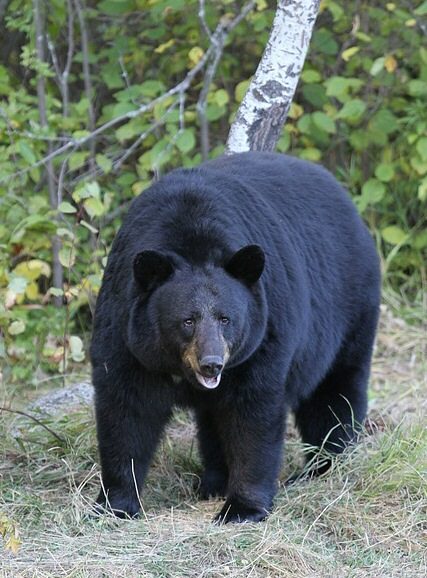
Animals around Hunting District 210 (Bob Marshall Wilderness Complex)



Confirm the district before planning
For a trip described as Hunting District 210 in the Bob Marshall Wilderness Complex, first confirm the district number, its current boundaries, and its relationship to the intended destination with Montana Fish, Wildlife & Parks. Do not treat a hunting district label as a trail map or proof of public access. A useful trip plan needs a verified destination, a legal access point, and a route that matches the intended activity. Until those details are confirmed, choosing an approach or estimating travel time would be premature. Keep hunting authorization and land access as separate planning questions: resolve the applicable hunting rules with FWP, then confirm access and recreation requirements with the agency responsible for the intended land.
Hunting licenses and application planning
Montana Fish, Wildlife & Parks provides an online licensing service through its Buy and Apply page, along with hunting license and permit information. It also offers guidance for resident and nonresident buyers, MyFWP app tutorials, and a directory of license ambassadors for purchasing licenses and permits. Use those services to confirm the requirements for the intended hunt rather than assuming that a general license covers the proposed trip. Before applying or buying, establish the correct district and check the applicable requirements, regulations, and deadlines directly with FWP. A statewide licensing page is a starting point for that process, not confirmation of district-specific eligibility. Keep the purchase decision separate from route planning until both the hunting authorization and intended access have been checked.
Build an itinerary around verified access
Keep the itinerary provisional until the intended access point and route have been confirmed. Ask the responsible land manager which entrance serves the destination, whether the planned travel method is allowed, and what current conditions affect the approach. Obtain a suitable map before choosing a turnaround point or an overnight plan. For a hunting trip, check how the proposed route relates to the district boundary rather than relying only on a destination name. Match the outing to the party’s ability after the terrain and route are established; there is no sound basis here for assigning a difficulty rating or travel duration. Confirm any land-use permission requirements with the managing agency before committing to transport, lodging, or other arrangements.
Sample itineraries
- One-day licensing and boundary planning · 1 day
Use Montana FWP’s Buy and Apply service to review hunting-license information. Confirm the current Hunting District 210 boundary and its relationship to the Bob Marshall Wilderness Complex before choosing access or a hunting area. This is a planning itinerary, not a verified field route.
- Two-day trip preparation · 2 days
Spend the first day confirming district boundaries and applicable hunting requirements with Montana FWP. Use the second day to confirm land management, legal access and current conditions with the managing agency. Select a field itinerary only after those details are settled.
Seasonal conditions
Spring
Local timing unconfirmed
District-specific spring conditions are not established. Confirm access and current conditions before setting travel dates.
Summer
Local timing unconfirmed
Summer recreation across the Rocky Mountains includes hiking, camping and horseback riding. That regional pattern does not establish suitable routes or access within Hunting District 210.
Fall
Local timing unconfirmed
District-specific fall conditions and hunting dates are not established. Confirm current hunting regulations separately from travel conditions.
Winter
Local timing unconfirmed
Winter recreation across the Rocky Mountains includes skiing and snowboarding. Local winter access and route suitability remain unconfirmed.
| Season | Window | Conditions |
|---|---|---|
| Spring | Local timing unconfirmed | District-specific spring conditions are not established. Confirm access and current conditions before setting travel dates. |
| Summer | Local timing unconfirmed | Summer recreation across the Rocky Mountains includes hiking, camping and horseback riding. That regional pattern does not establish suitable routes or access within Hunting District 210. |
| Fall | Local timing unconfirmed | District-specific fall conditions and hunting dates are not established. Confirm current hunting regulations separately from travel conditions. |
| Winter | Local timing unconfirmed | Winter recreation across the Rocky Mountains includes skiing and snowboarding. Local winter access and route suitability remain unconfirmed. |
Permits, fees & closures
Confirm current district-specific hunting requirements with Montana FWP and any access requirements with the managing agency.
Official source: Buy And Apply - Montana FWP · Verified September 18, 2026
Hazards & regulations
- Local hazards are unconfirmed; obtain a current safety briefing from the managing agency before field travel.
- Route-specific safety conditions are unconfirmed; do not treat these planning itineraries as field-route guidance.
- Seasonal safety conditions are unconfirmed; regional recreation descriptions do not establish safe travel conditions for this district.
What to pack for Hunting District 210 (Bob Marshall Wilderness Complex)
- Montana FWP hunting-license information
- Current licensing guidebook
- Applicable licenses and permits once requirements are confirmed
- Confirmed district boundary information
- Managing-agency access guidance
- Current local conditions information
Hunting District 210 (Bob Marshall Wilderness Complex) FAQ
- Is Hunting District 210 verified as part of the Bob Marshall Wilderness Complex?
- That geographic association is not established here. Confirm the current district boundary with Montana FWP before using the destination name to plan access or hunting.
- Where can hunting licenses and permits be obtained?
- Montana FWP offers online licensing through its Buy and Apply service. Its License Ambassadors directory also identifies places to purchase licenses and permits.
- What are the district’s hunting dates and fees?
- District-specific dates and fees are not established here. Check current Montana FWP hunting regulations and licensing information before applying or purchasing.
- Which trailhead or route should be used?
- No local trailhead or route is verified here. Confirm the district boundary, intended destination and legal access with the relevant agencies before choosing a route.
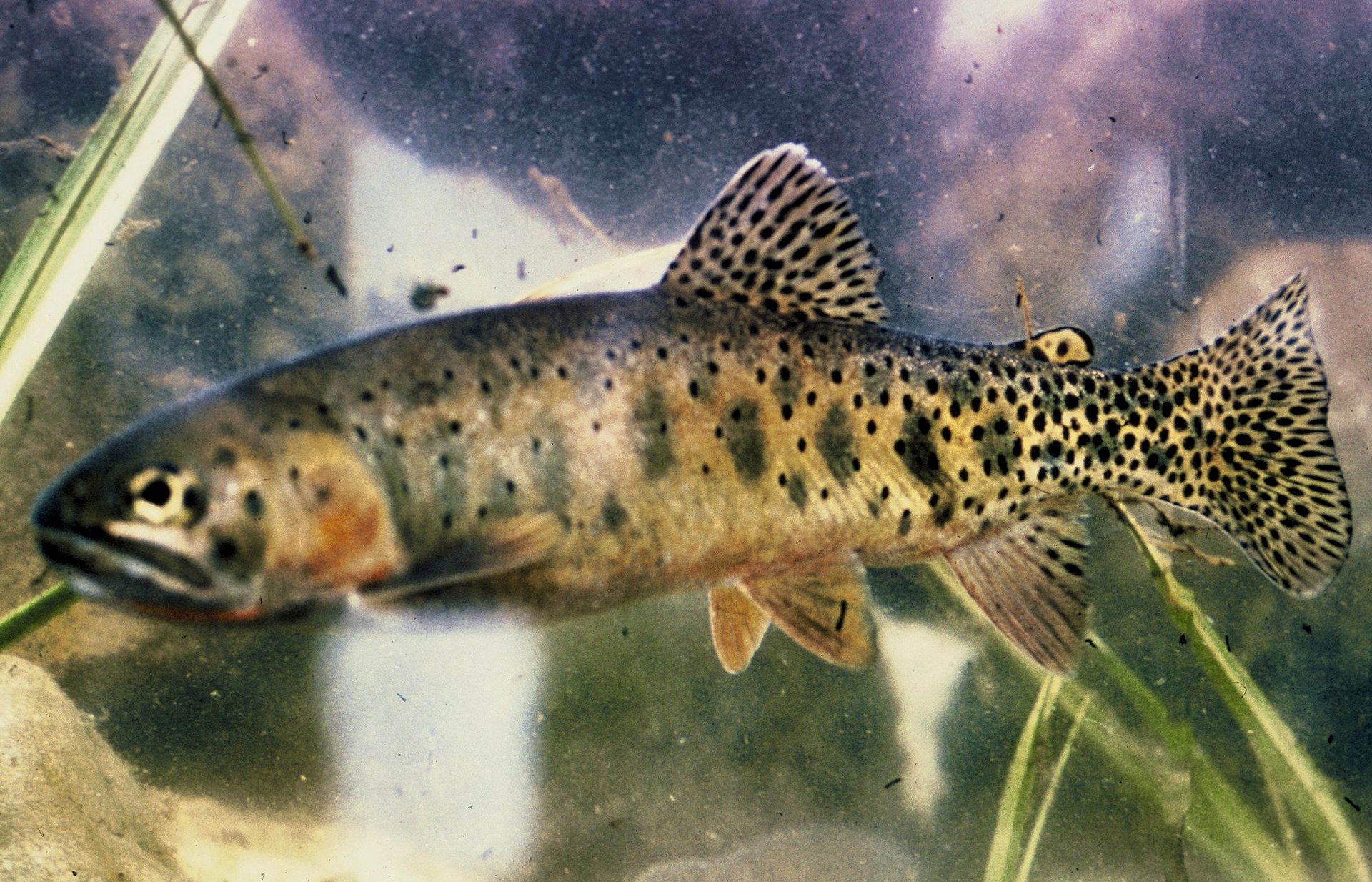
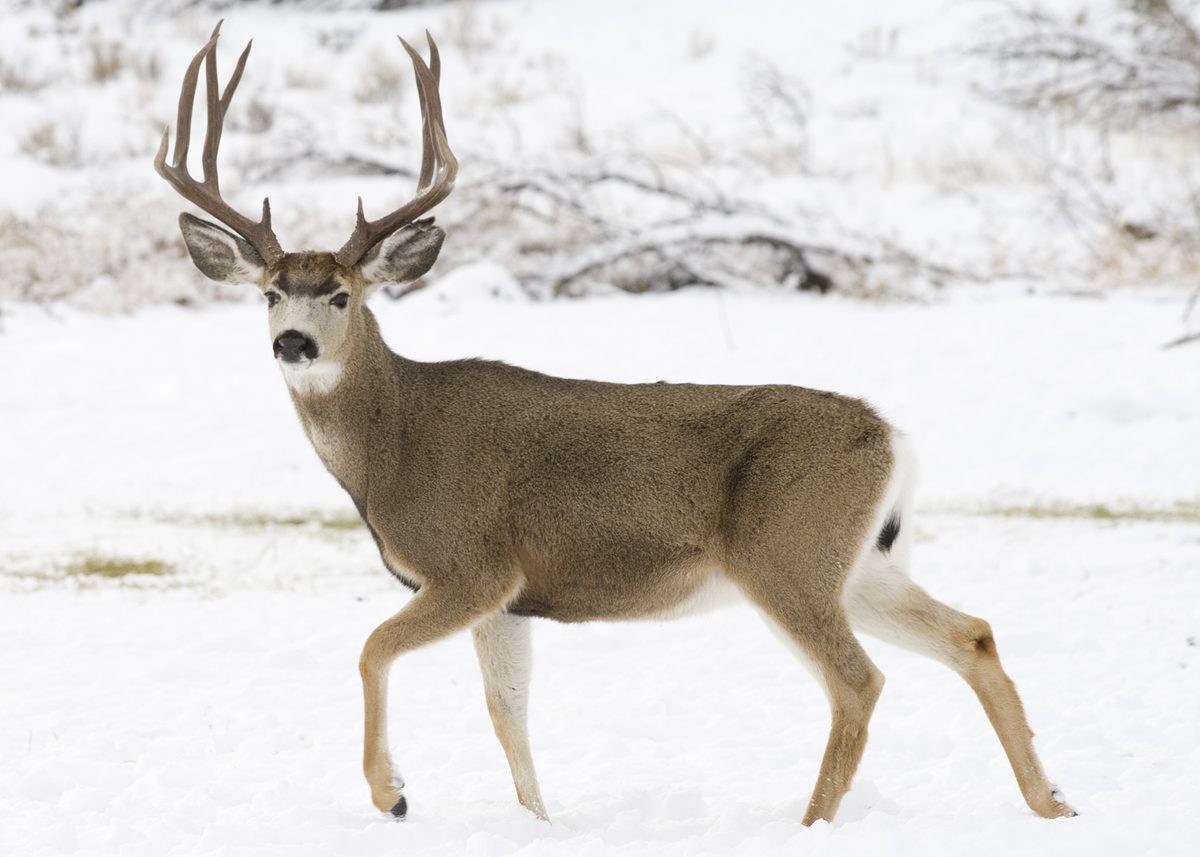
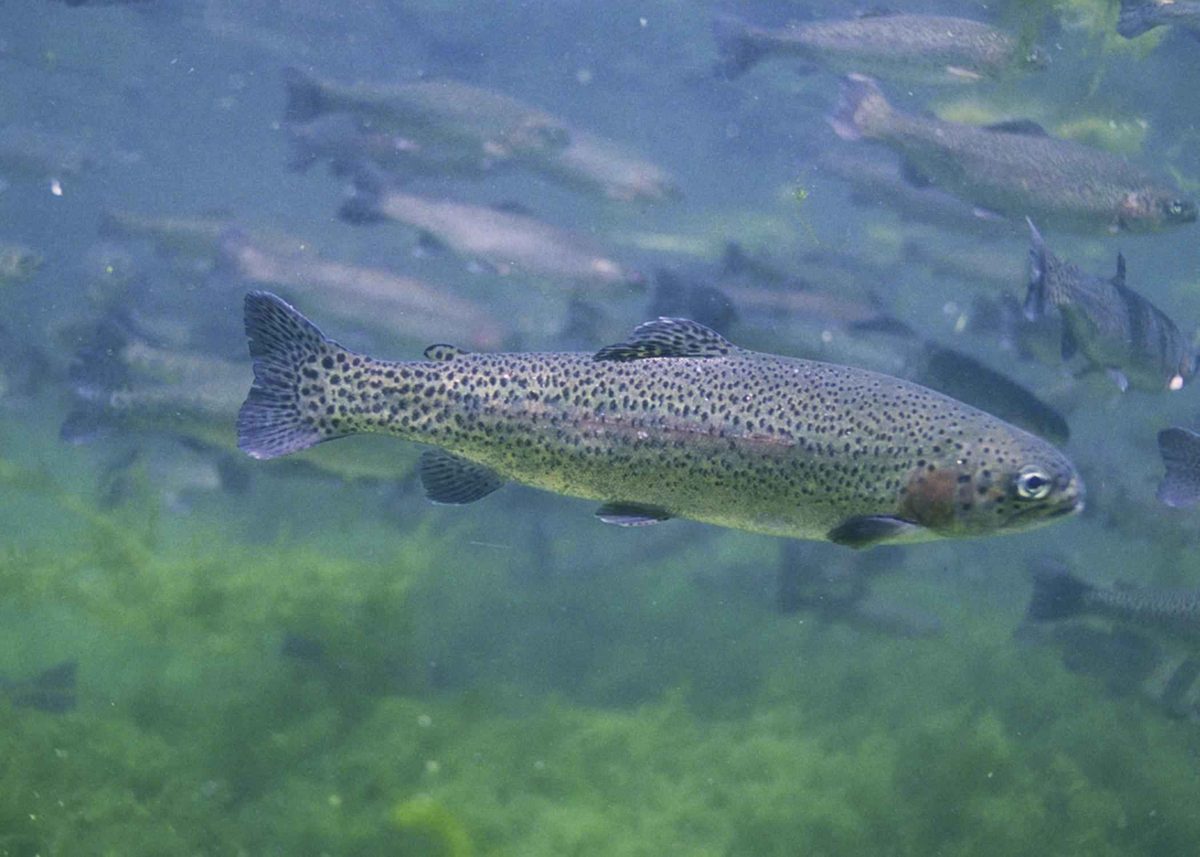
- What wildlife should visitors expect?
- A district-specific wildlife list is not established. Ask Montana FWP about local species and appropriate wildlife precautions before travel.