


- Region
- Alaska, USA
- Best season
- Spring, Summer
- Permits
- Confirm current permit requirements with K…
Plan with verified data
Katmai National Park trip tools
Tools for a trip here
Picked for how, when and where you're going. Free, no signup.
Photos of Katmai National Park
How to get there
Katmai National Park is in Alaska, USA. Its center point is 58.2713, -155.1227. Use these links for live turn-by-turn directions from where you are, then confirm road, trailhead and access conditions with the managing agency before you leave.
- Hallo Bay
Sandy coastal bay beneath the Aleutian Range, with bear viewing around sedge-rich tidal flats and clam-bearing mud. Confirm arrival arrangements and current visitation guidance with Katmai National Park & Preserve.
- Hallo Bay Camp
Small cabins and an eating area at Hallo Bay provide an accommodation option other than tents. Confirm availability and access arrangements before planning a stay.
Alaska, USA · Season: Best: June to September
- Fishing
- Mountaineering
- Desert Hiking
- Canyoneering
- Sea Kayaking
- Beachcombing
- Hiking
- Backpacking
The country
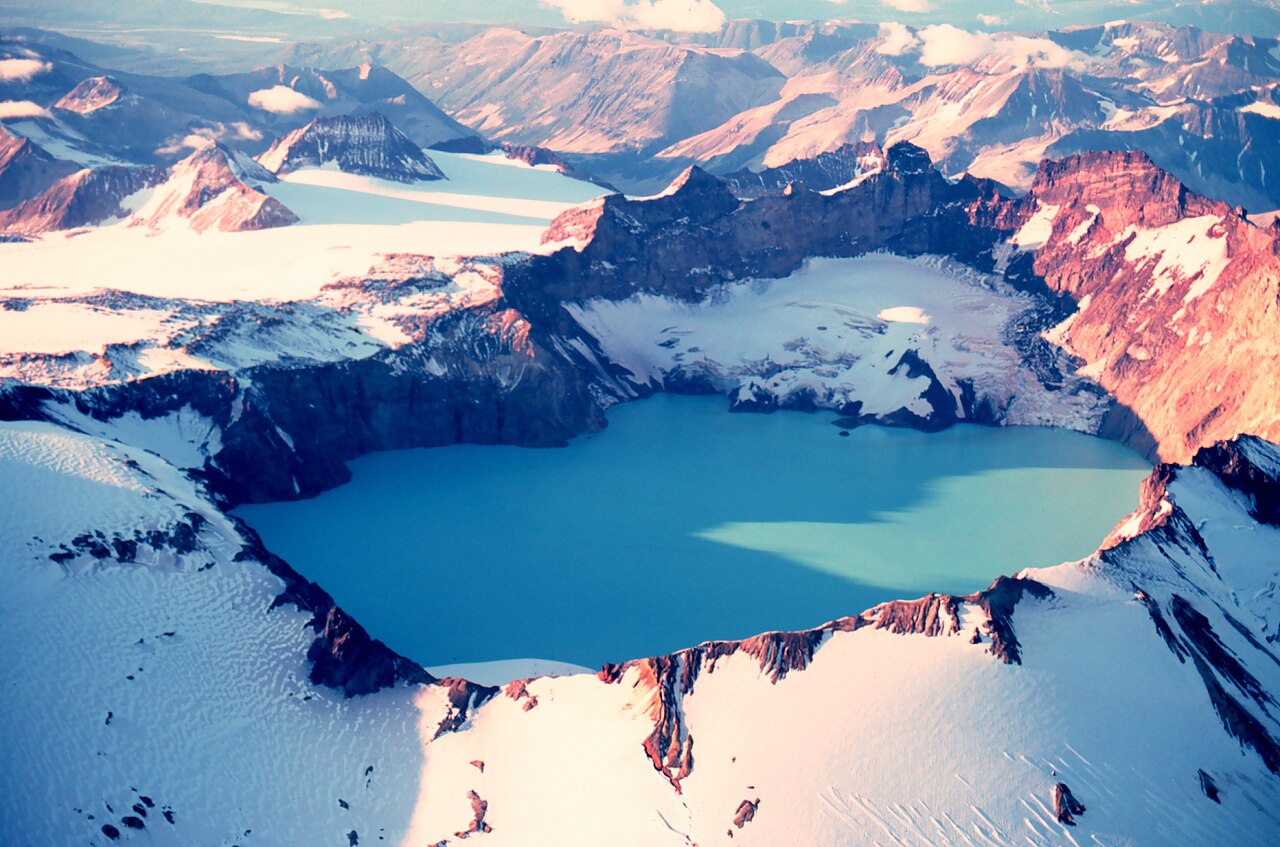
In 1912, the Novarupta volcano unleashed the largest eruption of the 20th century, burying a lush valley under up to 700 feet of ash and pumice. Today, the Valley of Ten Thousand Smokes is a barren, deeply incised badland carved by the River Lethe and Knife Creek. Surrounding the ash flows are wild coastal stretches and pristine lakes sustaining massive salmon populations.
Why enthusiasts come
While most visitors fly in for an afternoon to watch brown bears fishing at Brooks Falls, backpackers venture into the ash valley for a surreal, otherworldly trek. The sheer desolation, painted canyon walls, and persistent geothermal activity offer an alien environment. It is a striking contrast to Alaska's typical green tundra and glaciated peaks.
Top experiences
Backpacking into the Baked Mountain Huts provides a rudimentary shelter amid the wind-scoured ash plains. Explorers carefully navigate the precipitous gorges carved into the pumice to view the steaming vent of Novarupta itself. Hiking out to the coastal regions reveals an entirely distinct ecosystem dominated by sedge meadows and roaming coastal brown bears.
Planner-relevant notes
Access to the valley requires a float plane to Brooks Camp, followed by a daily 4x4 bus ride to the valley rim at Three Forks. Backcountry permits must be acquired at the Brooks Camp visitor center after mandatory bear orientation. Water sources in the valley are heavily laden with highly abrasive pumice, requiring careful management.
Field notes
- Fierce winds whip up blinding ash storms in the valley; bring tightly sealed goggles and durable rain gear.
- Standard water filters clog instantly in the ash-choked rivers; rely on alum to settle silt or use snowmelt.
- The River Lethe cuts deep, narrow, undercut gorges that are nearly invisible until you are standing on the edge.
- Maintain a 50-yard minimum distance from the world's densest concentration of brown bears near the water systems.
Where on earth
Satellite imagery flying in from a world view to Katmai National Park, Alaska, USA. Use the + / − buttons, or click the map to zoom with your scroll wheel; drag to pan and pinch to zoom on touch.
Coordinates
- Decimal degrees
- 58.2713, -155.1227
- Latitude (DMS)
- 58° 16′ 16.7″ N
- Longitude (DMS)
- 155° 7′ 21.7″ W
Coordinates are an access-point reference for Katmai National Park, not a route. Carry a paper map and confirm trailhead or put-in access with the managing agency before you go.
Topic summary
Hike across a surreal, barren landscape of deep volcanic ash born from a massive cataclysm.
Key takeaways
- Region: Alaska, USA
- Best season: Best: June to September
- Coordinates: 58.271, -155.123
Climate suitability
Best: June to September
Keep planning
Popular pursuits at Katmai National Park
- Fishing
Resident gamefish, seasons, and the water that holds them.
- Mountaineering
Glacier and high-route objectives with real consequence.
- Desert Hiking
Water carries and heat management drive the plan.
- Canyoneering
Narrows, downclimbs, and flash-flood timing.
- Sea Kayaking
Coastal crossings, tides, and protected camps.
- Beachcombing
Tide-line walking between camps.
Animals around Katmai National Park

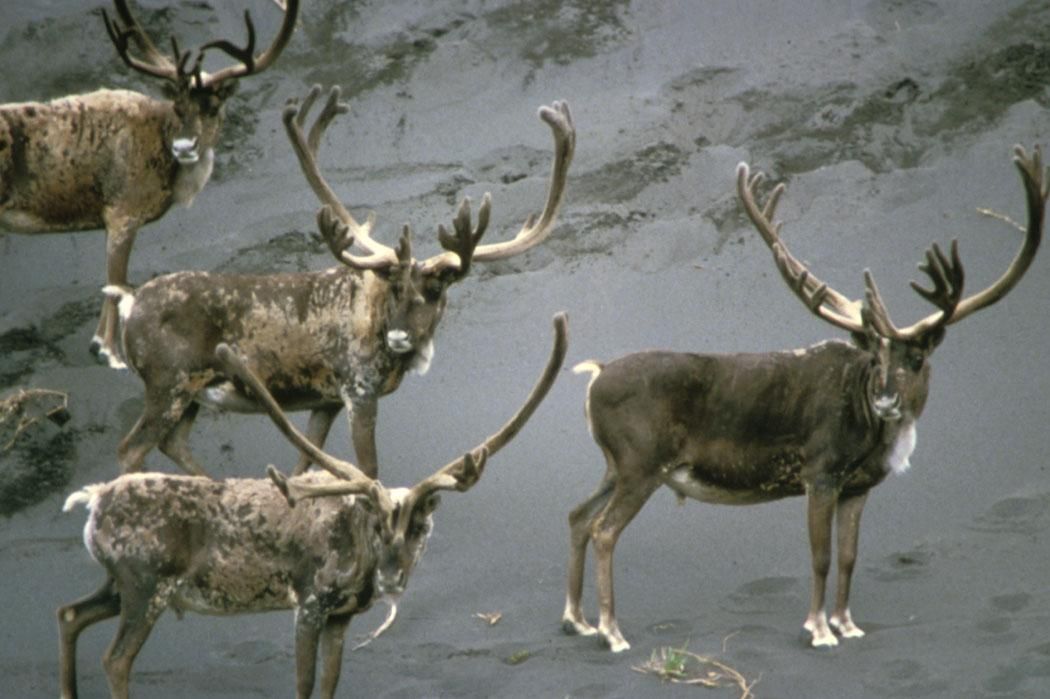
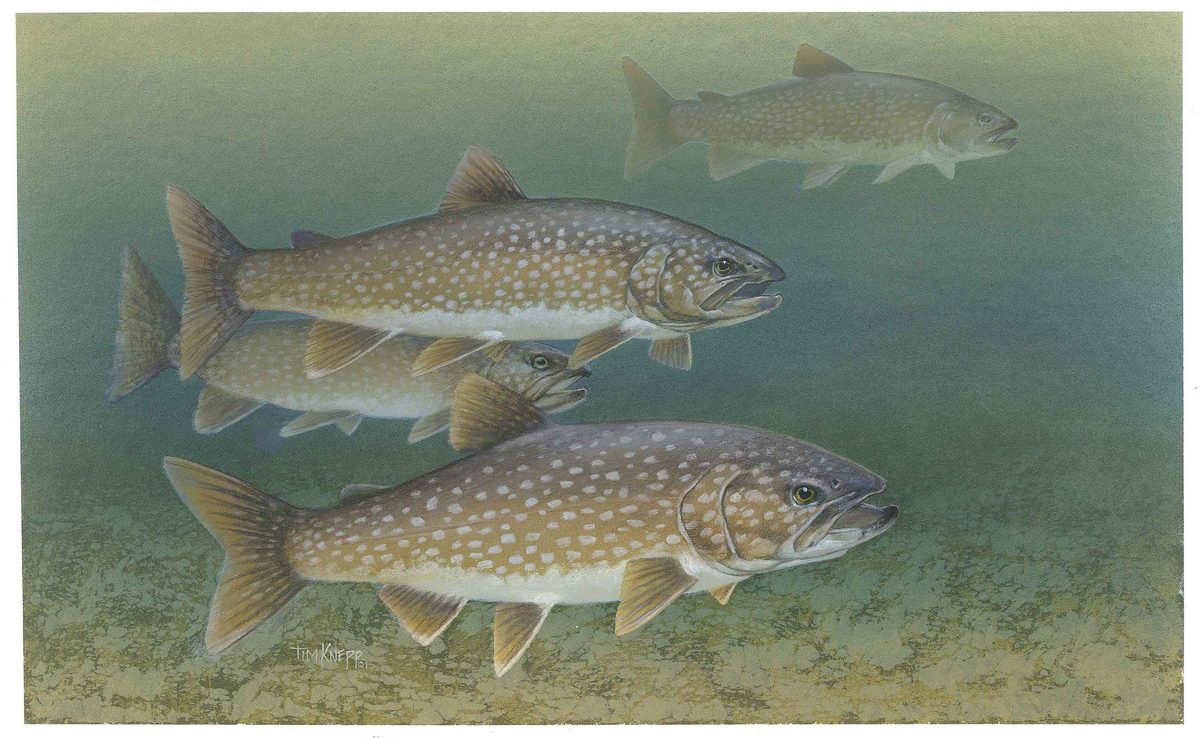

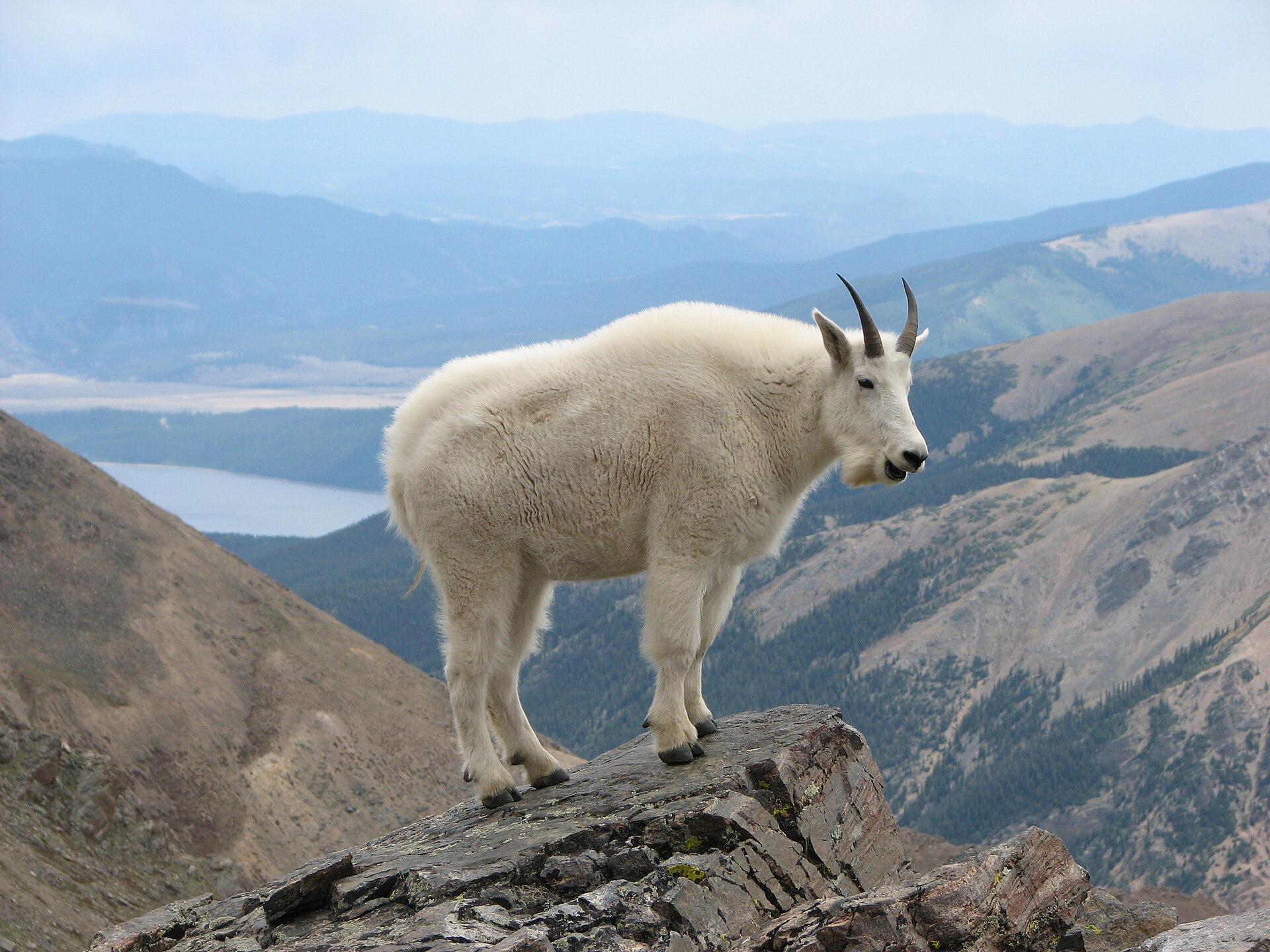
Hallo Bay: a coastal focus for a Katmai trip
Hallo Bay offers a coastal focus for a visit to Katmai National Park in Alaska. Known in Sugpiaq as Ayut or Ayu, the sandy bay lies beneath the peaks of the Aleutian Range. Its defining features are tidal flats, rich sedge growth, and feeding bears rather than a described network of hiking trails. A trip centered here is best approached as wildlife observation: spend time watching how bears use the shoreline and feeding areas, rather than building the day around mileage. The combination of mountain backdrop and productive coastal habitat gives Hallo Bay a distinct setting within Katmai. Plan specifically for this bay rather than assuming its conditions, accommodation, or viewing season apply throughout the park.
Bear viewing and seasonal food
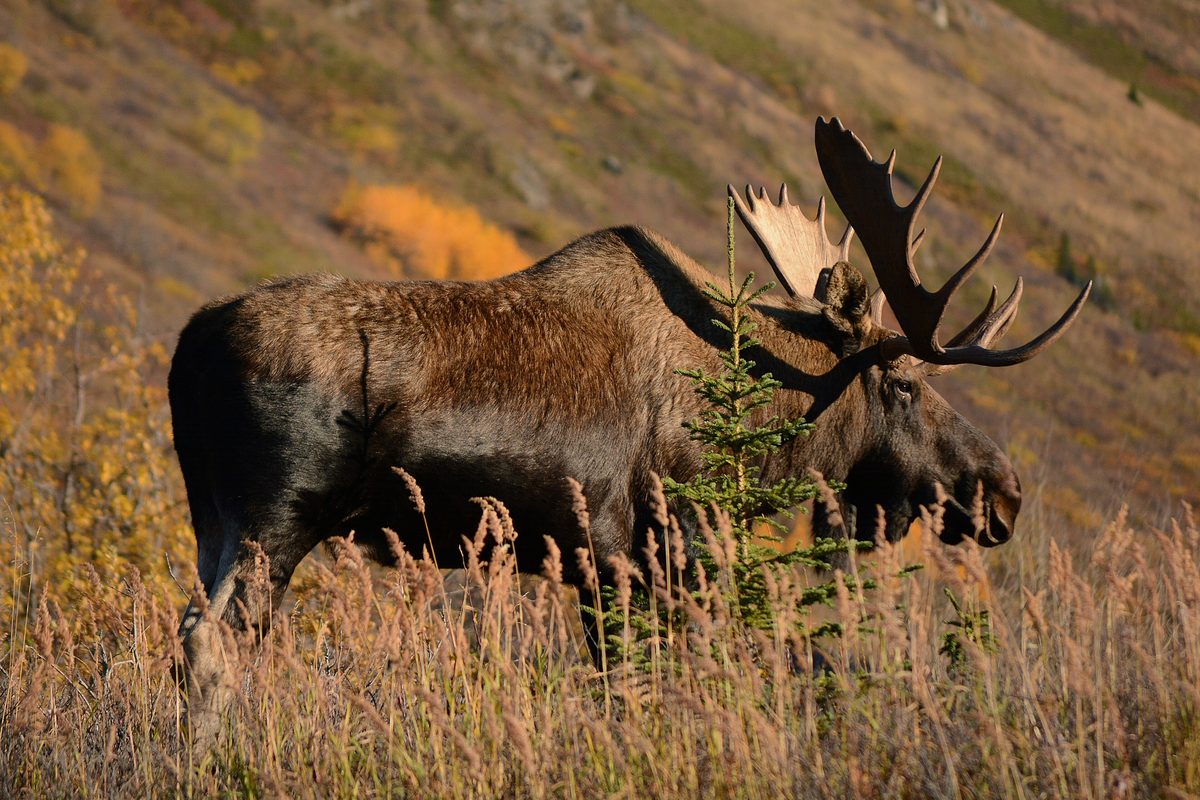
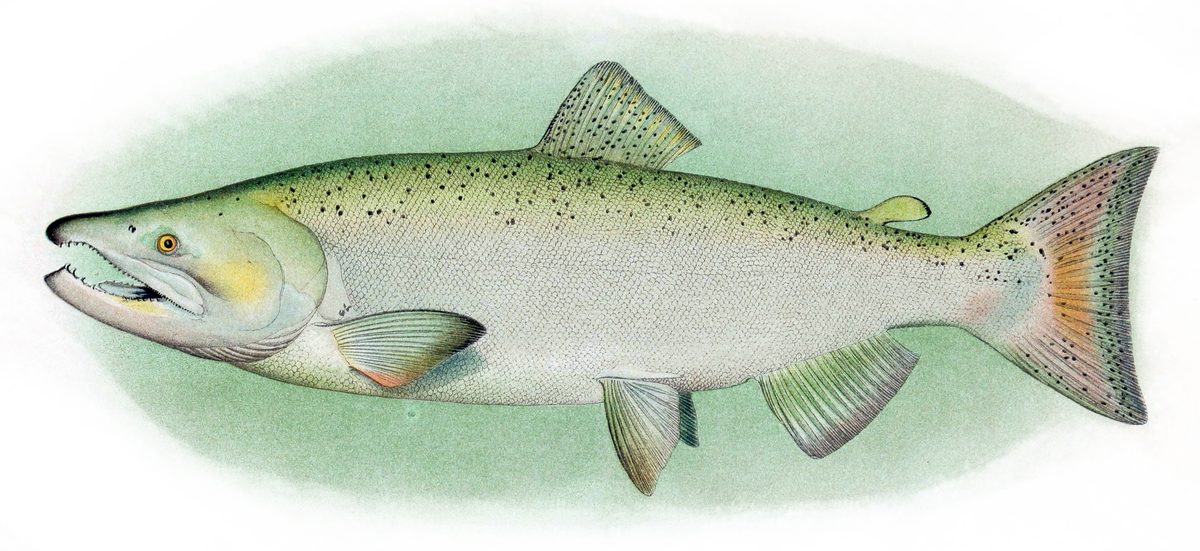
The main reason to visit Hallo Bay is to watch grizzly bears feeding along the coast. Rich sedges draw bears onto the tidal flats, while the mud provides places to dig for clams. Salmon fishing adds another feeding behavior to watch in July, which is identified as the peak viewing season. At times, five or six large bears can be visible feeding in the bay, but that is a possibility rather than a dependable count. Let the animals' activity shape the outing, and avoid treating any feeding area as a guaranteed viewing spot. Bears accustomed to people are still wild animals; apparent calm is not an invitation to approach, crowd them, or interfere with their access to food.
Staying at the bay and planning responsibly
Accommodation at Hallo Bay is limited in scope: tents and the small cabins at Hallo Bay Camp, which also has an eating area. Confirm arrangements before building an overnight itinerary around either option, and ask Katmai National Park & Preserve about current visitation guidance. The coastal setting calls for clothing and shelter suited to changing weather, while the concentration of feeding bears makes careful food handling and wildlife awareness central to preparation. Do not confuse the bears' familiarity with visitors with an absence of danger. A fatal bear incident involving Timothy Treadwell occurred near Hallo Bay in 2003. Keep the trip focused on observation, follow current wildlife guidance, and leave room to change plans when conditions or bear activity warrant it.
Route options
- Hallo Bay tidal-flat observation
A viewing-focused outing around the bay's sedge-rich tidal flats, where grizzly bears gather to feed. This is an observation option, not a marked trail itinerary; let bear activity and current wildlife guidance determine where to spend time.
- Hallo Bay coastal feeding observation
Focus on bears digging clams in the bay's mud or fishing for salmon in July. These are possible behaviors to watch rather than guaranteed encounters or a fixed walking route.
Sample itineraries
- Hallo Bay bear-viewing day · 1 day
Focus on Hallo Bay’s sandy shore and tidal flats beneath the Aleutian Range. Watch bears feeding on sedges or digging for clams without approaching them. July is the peak viewing season, with salmon fishing also observed then. Confirm access arrangements before committing to a day visit.
- Hallo Bay overnight · 2 days
Plan two days around bear viewing at Hallo Bay, using a tent or confirming accommodation at Hallo Bay Camp, described as small cabins with an eating area. Allow time to observe feeding behavior from a safe distance. Confirm access and overnight arrangements before departure.
Seasonal conditions
Spring
Spring
Do not assume July’s peak bear-viewing conditions apply in spring. Confirm local conditions and access before planning time on Hallo Bay’s sandy shore and tidal flats.
Summer
July
July is Hallo Bay’s peak bear-viewing season. Bears feed on rich sedges along the tidal flats, dig for clams, and may be seen fishing for salmon.
Fall
Fall
Bear-viewing expectations outside July need local confirmation. Check conditions and accommodation arrangements before planning a fall stay at Hallo Bay.
Winter
Winter
Confirm whether a winter visit to Hallo Bay is practical before making plans. Do not assume access, cabin availability, or bear-viewing opportunities match summer.
| Season | Window | Conditions |
|---|---|---|
| Spring | Spring | Do not assume July’s peak bear-viewing conditions apply in spring. Confirm local conditions and access before planning time on Hallo Bay’s sandy shore and tidal flats. |
| Summer | July | July is Hallo Bay’s peak bear-viewing season. Bears feed on rich sedges along the tidal flats, dig for clams, and may be seen fishing for salmon. |
| Fall | Fall | Bear-viewing expectations outside July need local confirmation. Check conditions and accommodation arrangements before planning a fall stay at Hallo Bay. |
| Winter | Winter | Confirm whether a winter visit to Hallo Bay is practical before making plans. Do not assume access, cabin availability, or bear-viewing opportunities match summer. |
Permits, fees & closures
Confirm current permit requirements with Katmai National Park & Preserve.
Confirm current permits, fees, and closures with the managing agency before you go.
Hazards & regulations
- Grizzly bears feed along Hallo Bay’s tidal flats. Apparent tolerance of people does not make close approaches safe.
- A fatal bear encounter occurred near Hallo Bay in 2003. Treat bear viewing as a wildlife-safety activity, not a close-contact experience.
- Tidal flats and clam-digging areas include mud. Watch footing and changing water levels while observing wildlife.
What to pack for Katmai National Park
- Binoculars for watching without approaching
- Camera with a long lens
- Waterproof footwear suitable for mud
- Weather-protective outer layers
- Tent and sleeping system
- Food-storage equipment appropriate for bear country
Katmai National Park FAQ
- Where should a bear-viewing visit focus?
- Hallo Bay is a sandy bay beneath the Aleutian Range within Katmai National Park. Its rich sedges and tidal-flat foods attract grizzly bears.
- When is peak bear viewing at Hallo Bay?
- July is the peak viewing season. Bears may also be observed fishing for salmon then.
- What overnight accommodation is described at Hallo Bay?
- Options described are tents and Hallo Bay Camp, which has several small cabins and an eating area. Confirm current availability before planning an overnight stay.
- Are bears safe to approach if they seem calm?
- No. Bears may appear tolerant of visitors, but that does not remove the danger. Keep your distance and avoid interrupting feeding.
- What do bears eat at Hallo Bay?
- Bears feed on sedges along the tidal flats, dig clams from the mud, and fish for salmon in July.