



- Region
- Alaska, USA
- Best season
- Spring, Summer
- Permits
- No National Park Service permits are neede…
- Managed by
- National Park Service
Plan with verified data
Lake Clark National Park trip tools
Tools for a trip here
Picked for how, when and where you're going. Free, no signup.
Photos of Lake Clark National Park
How to get there
No roads lead to Lake Clark National Park and Preserve. Access is by boat or small aircraft, typically floatplanes. The park lies about 100 miles southwest of Anchorage, and Port Alsworth on Lake Clark is its main settled area. Arrange transportation for the specific destination rather than treating the park as a single arrival point.
- Port Alsworth
The main settled area in the park and preserve, located on Lake Clark. A planning focus for a Lake Clark-based visit; there is no road access into the park.
- Twin Lakes
The destination for visiting Richard Proenneke’s cabin. Plan access specifically for a Twin Lakes outing within this boat- and aircraft-accessed park.
Sources: nps.gov · Wikipedia · Wikivoyage. Confirm road and trailhead conditions with the managing agency before you leave.
Alaska, USA · Season: Best: Jun – early Sep
- Fishing
- Mountaineering
- Sea Kayaking
- Beachcombing
- Hiking
- Backpacking
- Wildlife Viewing
- Winter Camping
The country
Lake Clark sits where the Alaska and Aleutian Ranges collide, mixing active volcanoes (Redoubt and Iliamna), glacier-fed lakes, tundra plateaus, and a Cook Inlet coast famous for brown bears feeding on sedges and salmon.
Why enthusiasts come
There are no roads and virtually no trails, so a trip here is a real bush-Alaska experience. Anglers come for wild sockeye and rainbow trout; photographers come for the coastal bears; backpackers come for the traverse-anywhere tundra above the treeline.
Top experiences
Fly-in to Port Alsworth and hike the Tanalian Falls-Kontrashibuna Lake loop, camp at Twin Lakes near Dick Proenneke's cabin, and take a day trip to Chinitna Bay or Silver Salmon Creek to watch brown bears at close range with a licensed guide.
Planner-relevant notes
Everything moves on the weather — build 1–2 buffer days into any itinerary. Bear canisters or IGBC-approved storage are required in the backcountry. A backcountry permit is not required but registering at Port Alsworth is smart.
Field notes
- Book air taxis months ahead for July and August — operators are small and fill up fast.
- The Chinitna Bay tidal flats are safe only with a guide who knows the tide and bear patterns.
- Weather-window fishing on the Newhalen and Kvichak systems is world-class but demands drysuit-grade rain gear.
- Bring cash for Port Alsworth; there is no ATM and only sporadic card service.
Where on earth
Satellite imagery flying in from a world view to Lake Clark National Park, Alaska, USA. Use the + / − buttons, or click the map to zoom with your scroll wheel; drag to pan and pinch to zoom on touch.
Coordinates
- Decimal degrees
- 60.4127, -153.4194
- Latitude (DMS)
- 60° 24′ 45.7″ N
- Longitude (DMS)
- 153° 25′ 9.8″ W
Coordinates are an access-point reference for Lake Clark National Park, not a route. Carry a paper map and confirm trailhead or put-in access with the managing agency before you go.
Topic summary
Volcanoes, salmon streams, and turquoise lakes in a roadless Alaskan wilderness only reachable by floatplane.
Key takeaways
- Region: Alaska, USA
- Best season: Best: Jun – early Sep
- Coordinates: 60.413, -153.419
Climate suitability
Best: Jun – early Sep
Keep planning
Popular pursuits at Lake Clark National Park
- Fishing
Resident gamefish, seasons, and the water that holds them.
- Mountaineering
Glacier and high-route objectives with real consequence.
- Sea Kayaking
Coastal crossings, tides, and protected camps.
- Beachcombing
Tide-line walking between camps.
- Hiking
Day miles on marked trail, with route notes and trail links below.
- Backpacking
Multi-day travel with everything on your back — see the packing blocks below.
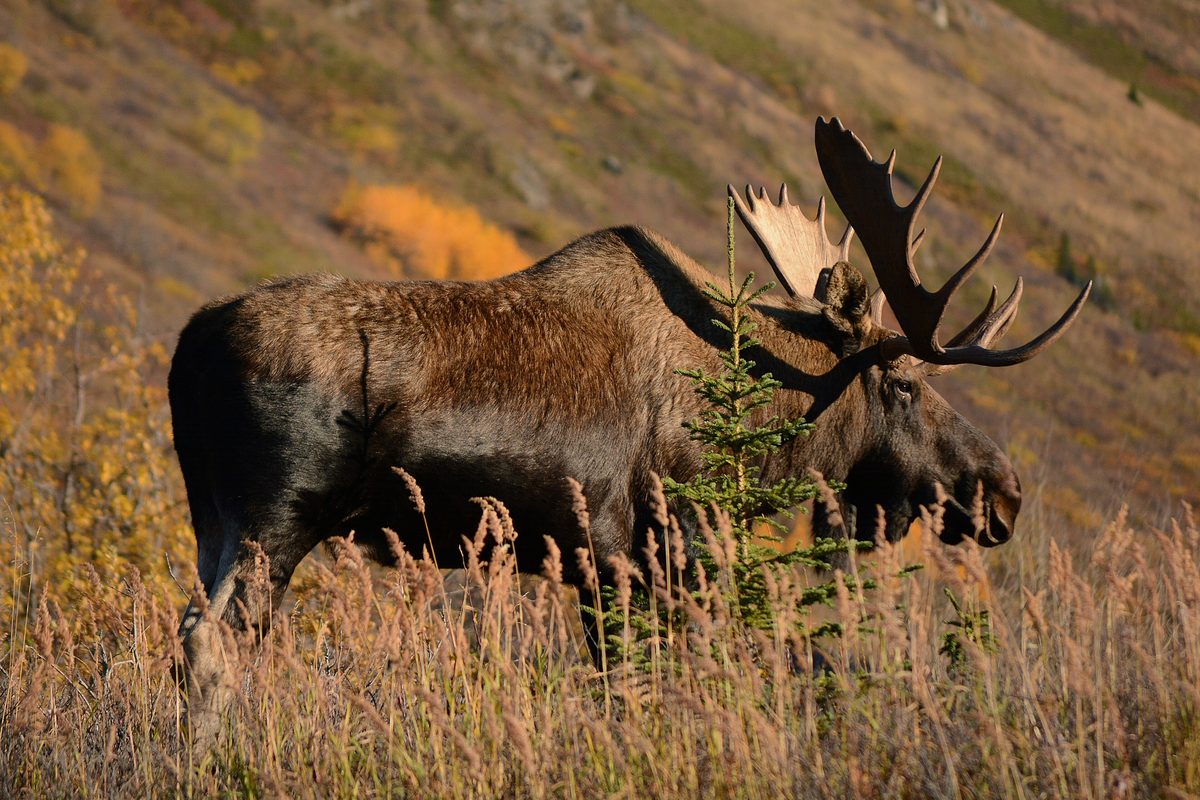
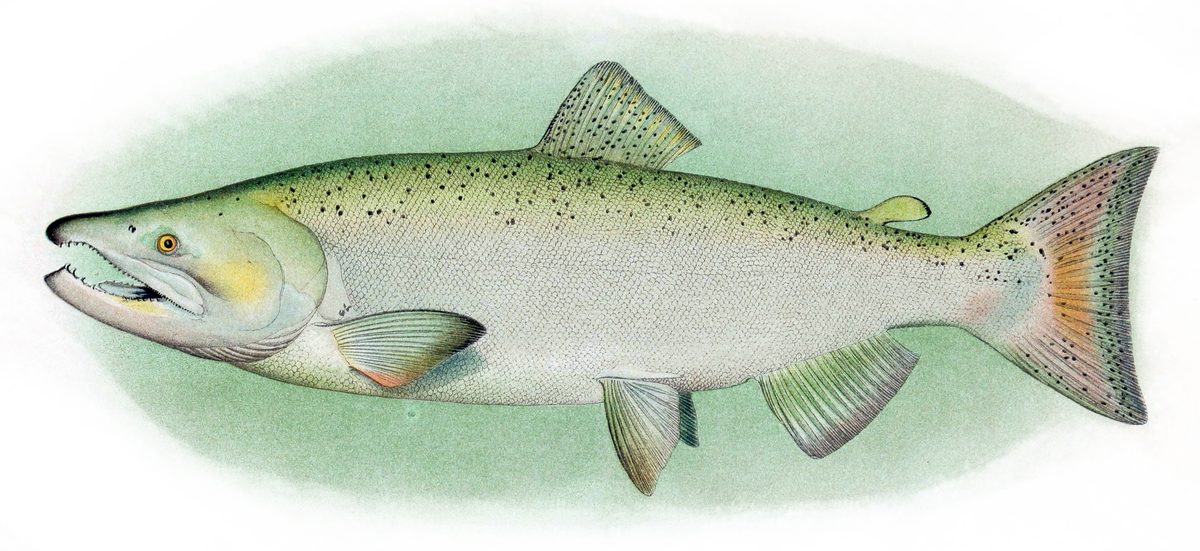
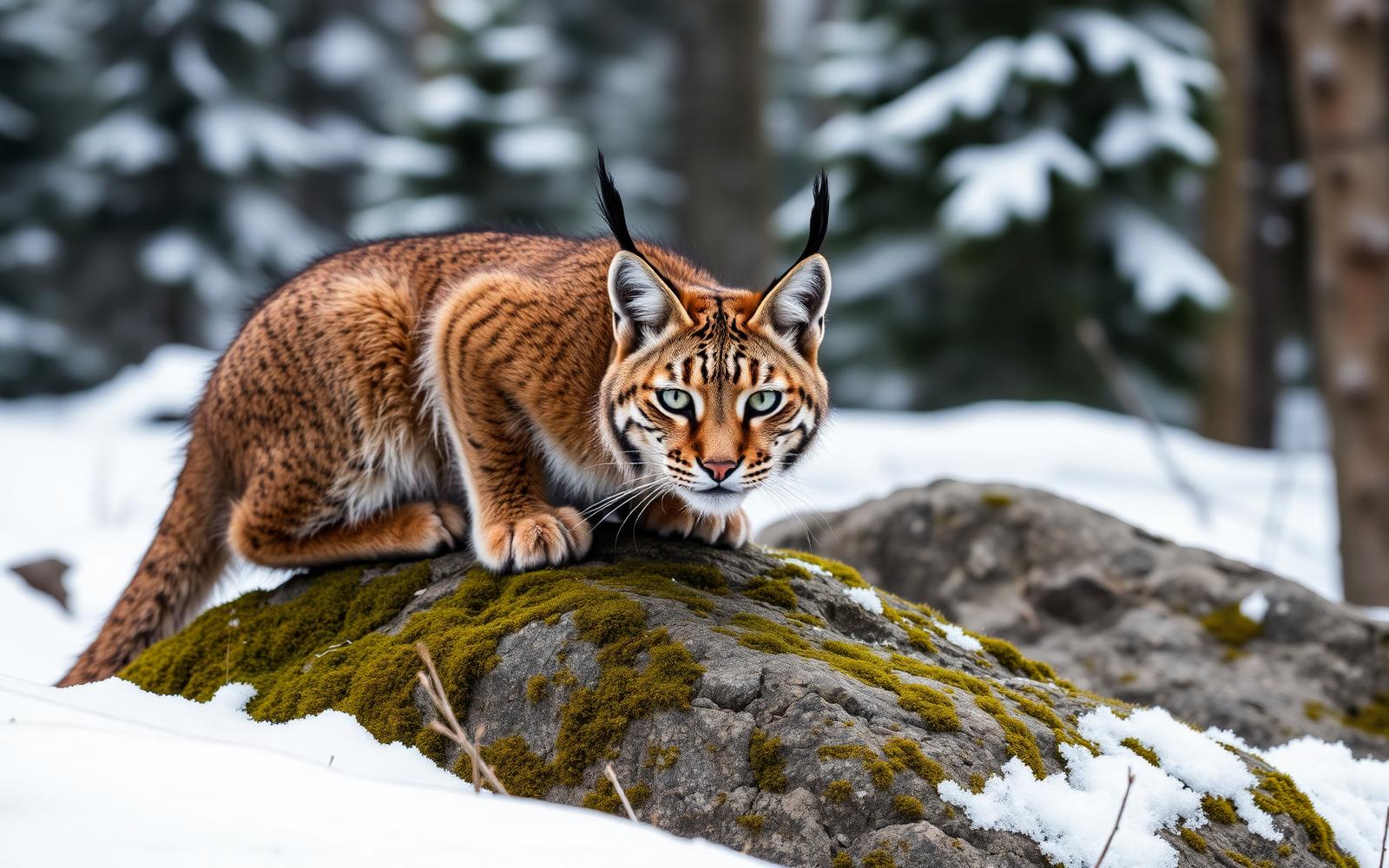
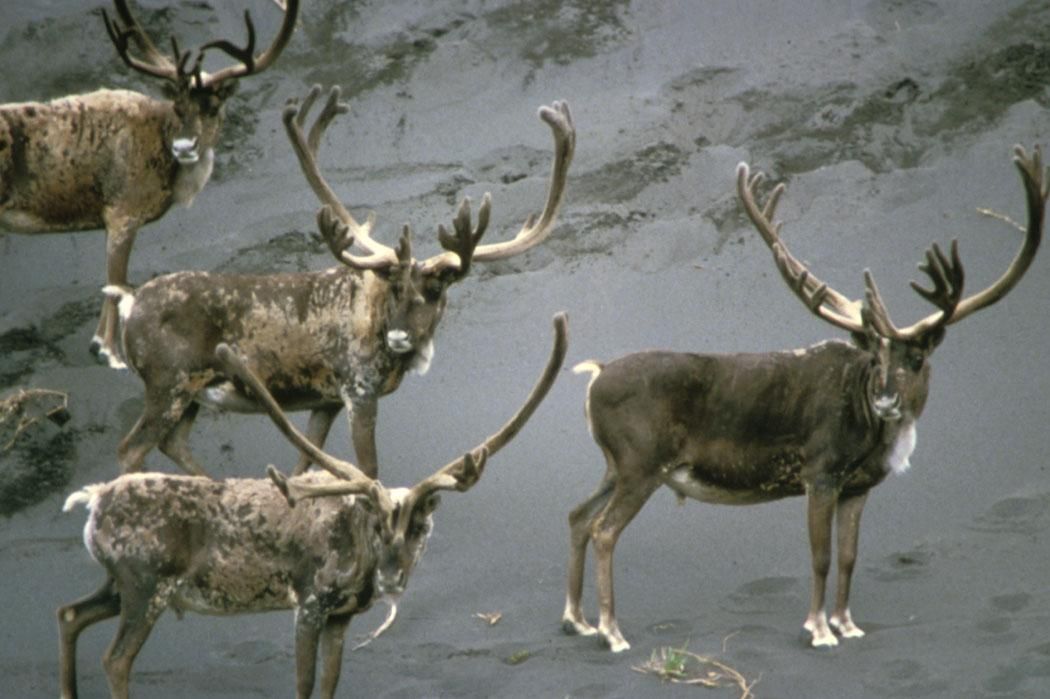
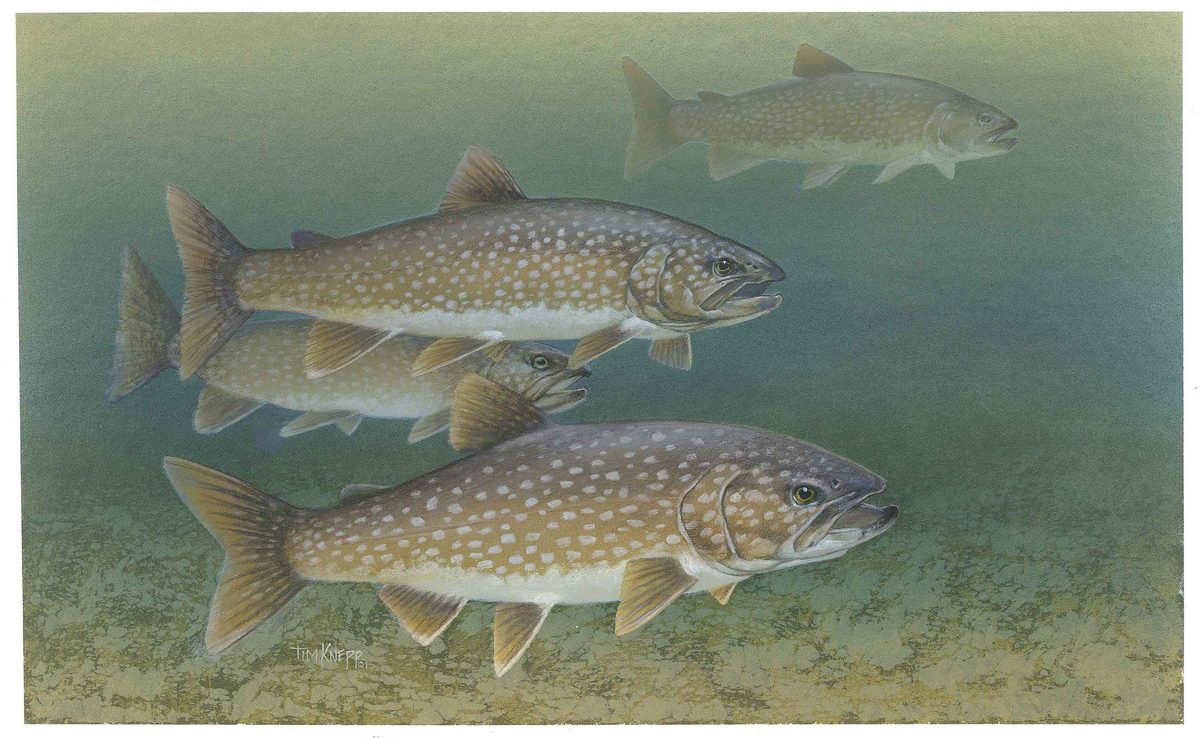
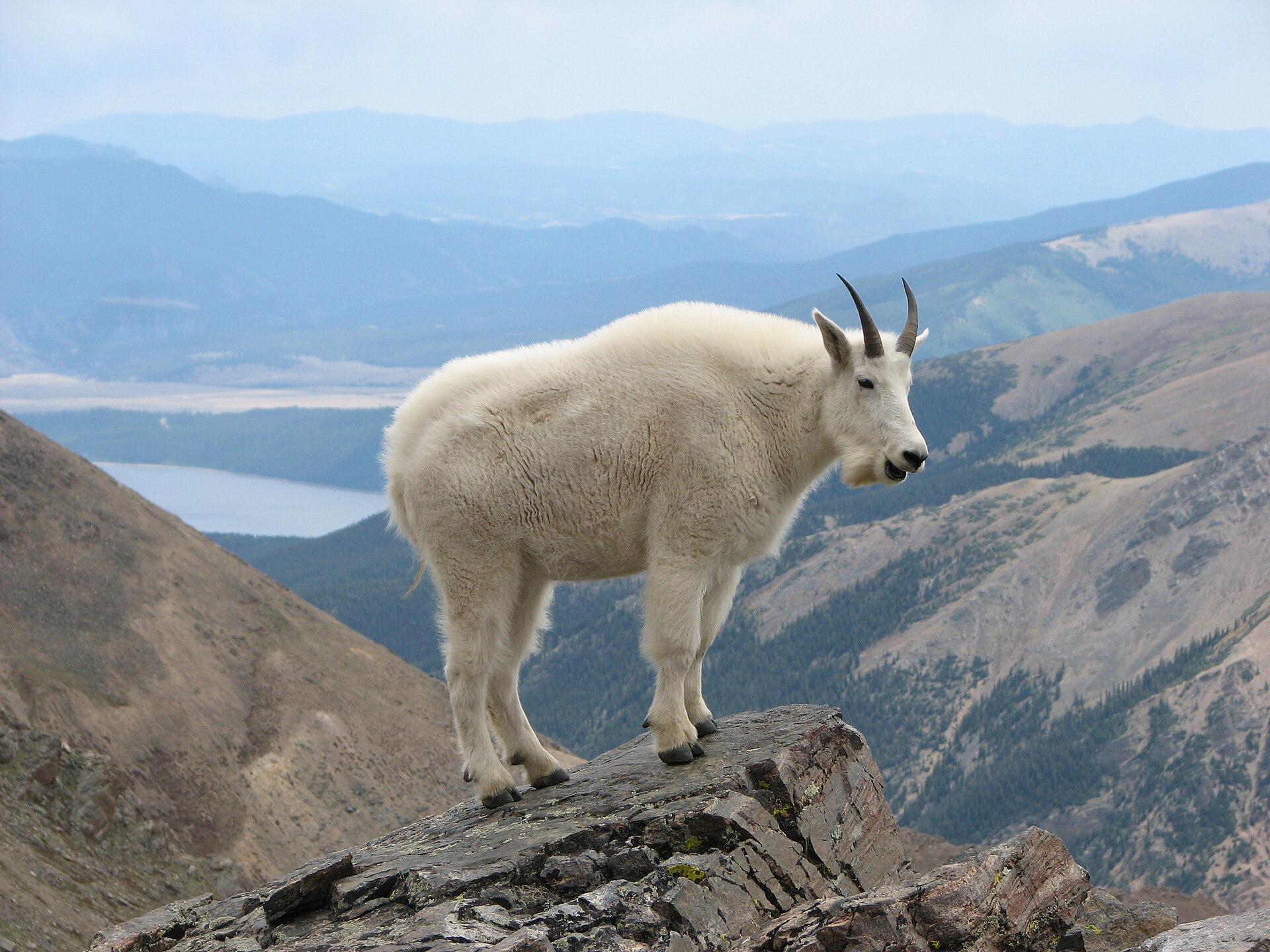
Animals around Lake Clark National Park


A roadless landscape of lakes, coast, and volcanoes
Lake Clark National Park and Preserve lies in southwest Alaska, about 100 miles southwest of Anchorage. Its namesake lake is part of a much larger landscape: rainforest along Cook Inlet, alpine tundra, glaciers, glacial lakes, and salmon-bearing rivers. Mount Redoubt and Mount Iliamna rise within the park; Redoubt is an active volcano. No roads lead into the park, so reaching it requires a boat or small aircraft, typically a floatplane. That makes transportation a central part of planning rather than a final detail. Choose the part of the park that matches the trip—coastal wildlife watching, time around Lake Clark, or a visit to Twin Lakes—then arrange suitable access. Port Alsworth, on Lake Clark, is the park and preserve’s main settled area.
Salmon, bears, and a lived-in landscape
Salmon connect Lake Clark’s waterways, wildlife, and human communities. The park protects streams and lakes important to the Bristol Bay salmon fishery, and sockeye salmon have a major role in both the ecosystem and local economy. Brown bears gather to feed on spawning salmon in the Kijik River and at Silver Salmon Creek, making bear watching a common reason to visit. Plan wildlife outings around observing animals without crowding them, and keep food secure during camping trips. This is also a lived-in landscape, not simply empty backcountry. Settlements near the park are populated mainly by Dena’ina people. At Twin Lakes, Richard Proenneke’s cabin offers another connection to the area’s human history through the solitary life he documented there.
Plan transport, shelter, and weather together
Start with the kind of outing and the support it needs. Backpacking, camping, river running, bear viewing, and visiting Dick Proenneke’s cabin are all recreational activities available in the park. Lake Clark National Park and Preserve charges no entrance fee, requires no entrance pass, and does not require National Park Service permits for recreational activities. Public use cabins are different: reservations are required and stays carry fees. Arrange those stays separately from transportation. Weather conditions can change rapidly, so carry protection from rain and cold and leave flexibility in travel plans. For water-based outings, prepare for changing conditions rather than assuming calm water will last. Remote access also makes it important to settle pickup arrangements and carry the supplies needed for the planned stay.
Route options
- Twin Lakes and Richard Proenneke’s cabin
Build an outing around Twin Lakes and the cabin where Richard Proenneke documented his solitary life. Treat this as a destination visit rather than a specified walking route.
- Silver Salmon Creek bear viewing
A wildlife-focused outing to a place where brown bears feed on spawning salmon. Keep the visit centered on observing bears without approaching or interfering with them.
- Kijik River wildlife outing
The Kijik River attracts brown bears feeding on spawning salmon. Plan a wildlife-viewing visit with bear safety and site-specific transportation in mind.
Sample itineraries
- Lake Clark and Port Alsworth · 3 days
Use Port Alsworth, the park's main settlement on Lake Clark, as a base for a lake-focused visit. Arrange boat or small-aircraft access, leave time for shoreline exploration, and keep the return schedule flexible for changing weather.
- Twin Lakes and Proenneke's Cabin · 3 days
Plan a Twin Lakes visit centered on Richard Proenneke's cabin and time outdoors by the lakes. Arrange transport before departure. Add camping only with suitable equipment and a self-sufficient plan; do not assume the historic cabin provides overnight accommodation.
- Silver Salmon Creek Bear Viewing · 2 days
Arrange a bear-viewing trip to Silver Salmon Creek, where brown bears feed on spawning salmon. Confirm current viewing conditions before choosing travel dates. Keep plans flexible for weather and prioritize space for bears over close photographs.
Seasonal conditions
Spring
Spring; check conditions before departure
Plan around local conditions rather than a fixed opening date. Lake, river, coastal, and alpine settings require different preparation. Confirm that the intended boat or aircraft access suits current conditions.
Summer
Summer; confirm activity conditions locally
Match camping, lake travel, or bear viewing to current weather and wildlife activity. Weather can change rapidly. Do not assume spawning salmon or feeding bears will be present on particular travel dates.
Fall
Fall; confirm transport and weather
Keep arrival and departure plans flexible in this roadless park. Pack insulation and waterproof layers, and check conditions for the specific lake, river, or coastal destination rather than treating the whole park alike.
Winter
Winter; verify conditions for the intended activity
Recreation is possible year-round, but winter travel calls for cold-weather preparation and a conservative plan. Do not assume lakes provide safe travel surfaces. Confirm access and conditions before committing to a remote trip.
| Season | Window | Conditions |
|---|---|---|
| Spring | Spring; check conditions before departure | Plan around local conditions rather than a fixed opening date. Lake, river, coastal, and alpine settings require different preparation. Confirm that the intended boat or aircraft access suits current conditions. |
| Summer | Summer; confirm activity conditions locally | Match camping, lake travel, or bear viewing to current weather and wildlife activity. Weather can change rapidly. Do not assume spawning salmon or feeding bears will be present on particular travel dates. |
| Fall | Fall; confirm transport and weather | Keep arrival and departure plans flexible in this roadless park. Pack insulation and waterproof layers, and check conditions for the specific lake, river, or coastal destination rather than treating the whole park alike. |
| Winter | Winter; verify conditions for the intended activity | Recreation is possible year-round, but winter travel calls for cold-weather preparation and a conservative plan. Do not assume lakes provide safe travel surfaces. Confirm access and conditions before committing to a remote trip. |
Permits, fees & closures
No National Park Service permits are needed for recreational activities, including backpacking, camping, river running, bear viewing, or visiting Dick Proenneke's cabin. Confirm requirements with the park for filming, research, or business activities.
Fees: Entrance is free, and no entrance pass is required. Staying in the park's public use cabins involves fees.
Reservations: Reservations are required for the park's public use cabins.
Official source: Fees & Passes - Lake Clark National Park & Preserve (U.S. National Park ... · Verified October 2, 2026
Hazards & regulations
- Weather can change rapidly. Carry protective layers and allow flexibility in boat or small-aircraft travel plans.
- Brown bears gather around spawning salmon, including at the Kijik River and Silver Salmon Creek. Give bears space and keep food secured.
- No roads lead to the park. Arrange access and return transport in advance, and carry supplies for an unexpected delay.
- Glaciers, alpine tundra, lakes, and major rivers require terrain-specific skills. Choose activities that match the group's experience and equipment.
- Mount Redoubt is an active volcano. Check current conditions before travel near volcanic terrain.
What to pack for Lake Clark National Park
- Waterproof jacket and pants
- Insulating layers
- Warm hat and gloves
- Waterproof protection for essential gear
- Map and navigation tools
- Emergency communication device
- First-aid kit
- Extra food
- Water treatment supplies
- Shelter and sleeping system suited to expected conditions
- Bear-resistant food storage
- Binoculars
- Camera with a long lens
- Personal flotation device for boating
Lake Clark National Park FAQ
- Can you drive to Lake Clark National Park?
- No roads lead to the park. Access is by boat or small aircraft, typically floatplanes. Arrange transport for the specific destination rather than assuming every part of the park is equally accessible.
- Where is the main settlement?
- Port Alsworth, on Lake Clark, is the main settled area within the park and preserve.
- Where can you watch bears?
- Silver Salmon Creek and the Kijik River attract brown bears feeding on spawning salmon. Confirm current activity before planning a viewing trip, and keep a respectful distance.
- What is distinctive about the landscape?
- The park spans Cook Inlet coastal rainforests, alpine tundra, glaciers, glacial lakes, and salmon-bearing rivers. Mount Redoubt and Mount Iliamna are its two volcanoes.
- Where is Richard Proenneke's cabin?
- The cabin is at Twin Lakes. A visit can anchor a lake-focused trip, but transport and overnight arrangements need separate planning.
- Is entrance free, and can you reserve a cabin?
- Entrance is free and requires no entrance pass. Public use cabins charge fees and require reservations. Recreational camping and backpacking do not require National Park Service permits.