



Where on earth
Satellite imagery flying in from a world view to Langtang Valley Trek, Nepal. Use the + / − buttons, or click the map to zoom with your scroll wheel; drag to pan and pinch to zoom on touch.
- Region
- Nepal
- Biome
- Himalayan alpine (1,500–4,984 m)
- Best season
- October – November, March – May
- Difficulty
- moderate
- Backpacking
- Hiking
- Climbing
Key takeaways
- Biome: Himalayan alpine (1,500–4,984 m)
- Best season: October – November, March – May
- Difficulty: moderate
- Top activity: backpacking
Photos of Langtang Valley Trek
Topic summary
A 7-8 day trek to Kyangjin Gompa in the Langtang Valley — devastated by 2015 earthquake, now rebuilt.
Key takeaways
- Difficulty: moderate
- Best season: October – November, March – May
Intended uses
backpacking
Climate suitability
Himalayan alpine (1,500–4,984 m)
Tools for a trip here
Picked for how, when and where you're going. Free, no signup.
- Sleep System Temp CalculatorCold nights: check your bag and pad add up to a safe sleep.
- Base Weight CalculatorEvery ounce is carried — total your kit and find your base weight.
- Pack Volume SizerSize the pack for your trip length and season.
- Water Purification MatrixTreat water from streams and lakes on trail.
- Layering CalculatorCold-season miles: layer for climbs and camp.
Plan with verified data
Langtang Valley Trek trip tools
How to get there
Langtang Valley Trek is in Nepal, Nepal. Its center point is 28.2167, 85.5833. Use these links for live turn-by-turn directions from where you are, then confirm road, trailhead and access conditions with the managing agency before you leave.
- Langtang Valley
The destination valley lies within Langtang National Park. Confirm the trailhead and transport arrangements before setting a departure plan.
- Langtang National Park
The wider protected area spans Nuwakot, Rasuwa and Sindhulpalchok districts. Confirm the entry location appropriate to the valley trek; a specific park gate or road access point is not established here.
Popular pursuits at Langtang Valley Trek
- Backpacking
Multi-day travel with everything on your back — see the packing blocks below.
- Hiking
Day miles on marked trail, with route notes and trail links below.
- Climbing
Rock and alpine lines with approach beta.
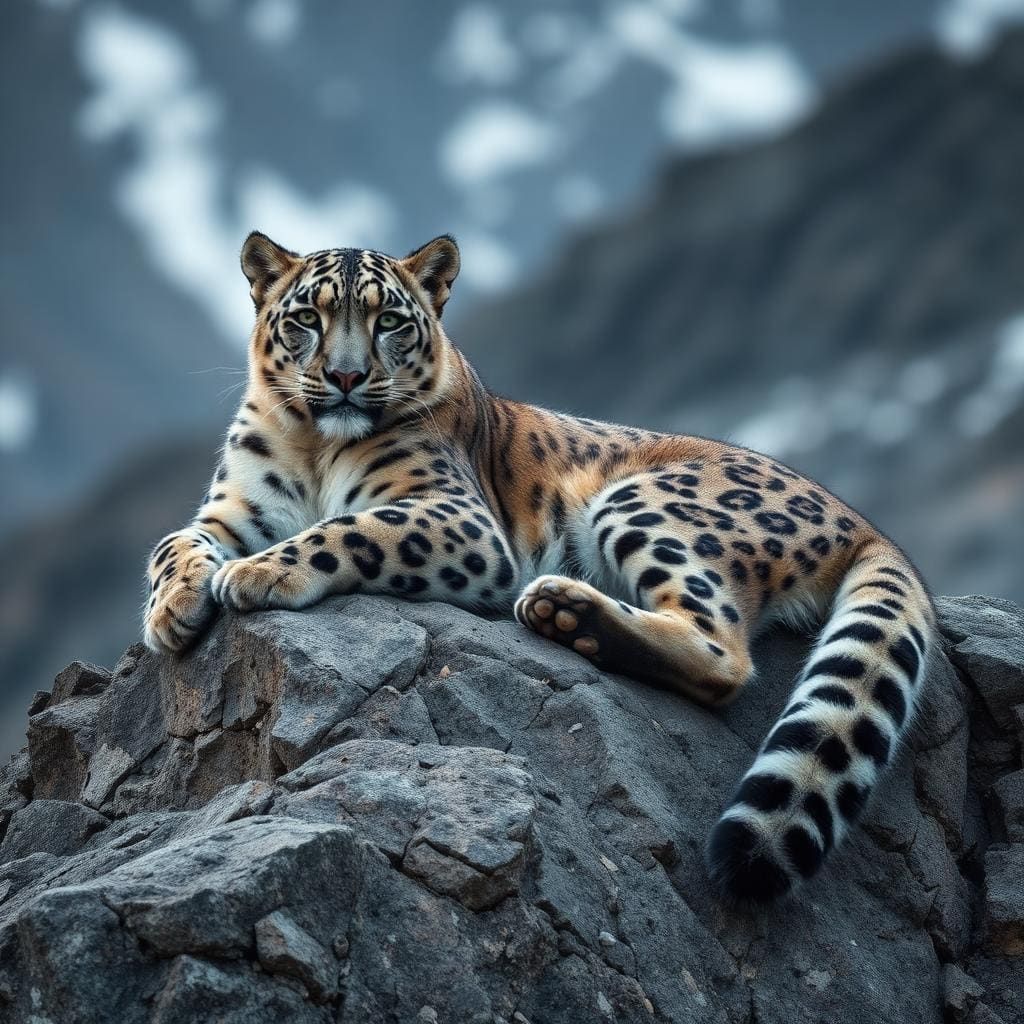
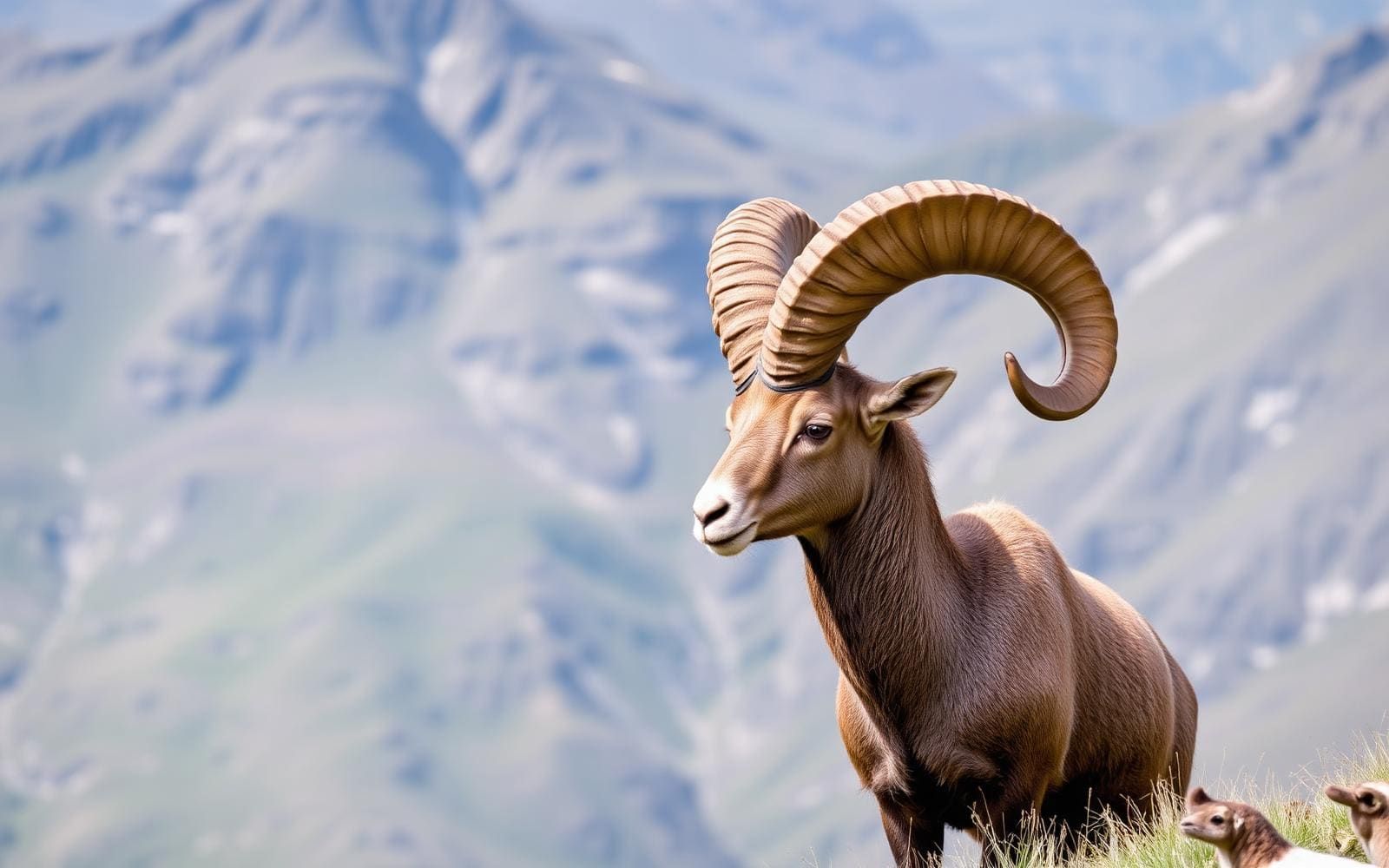
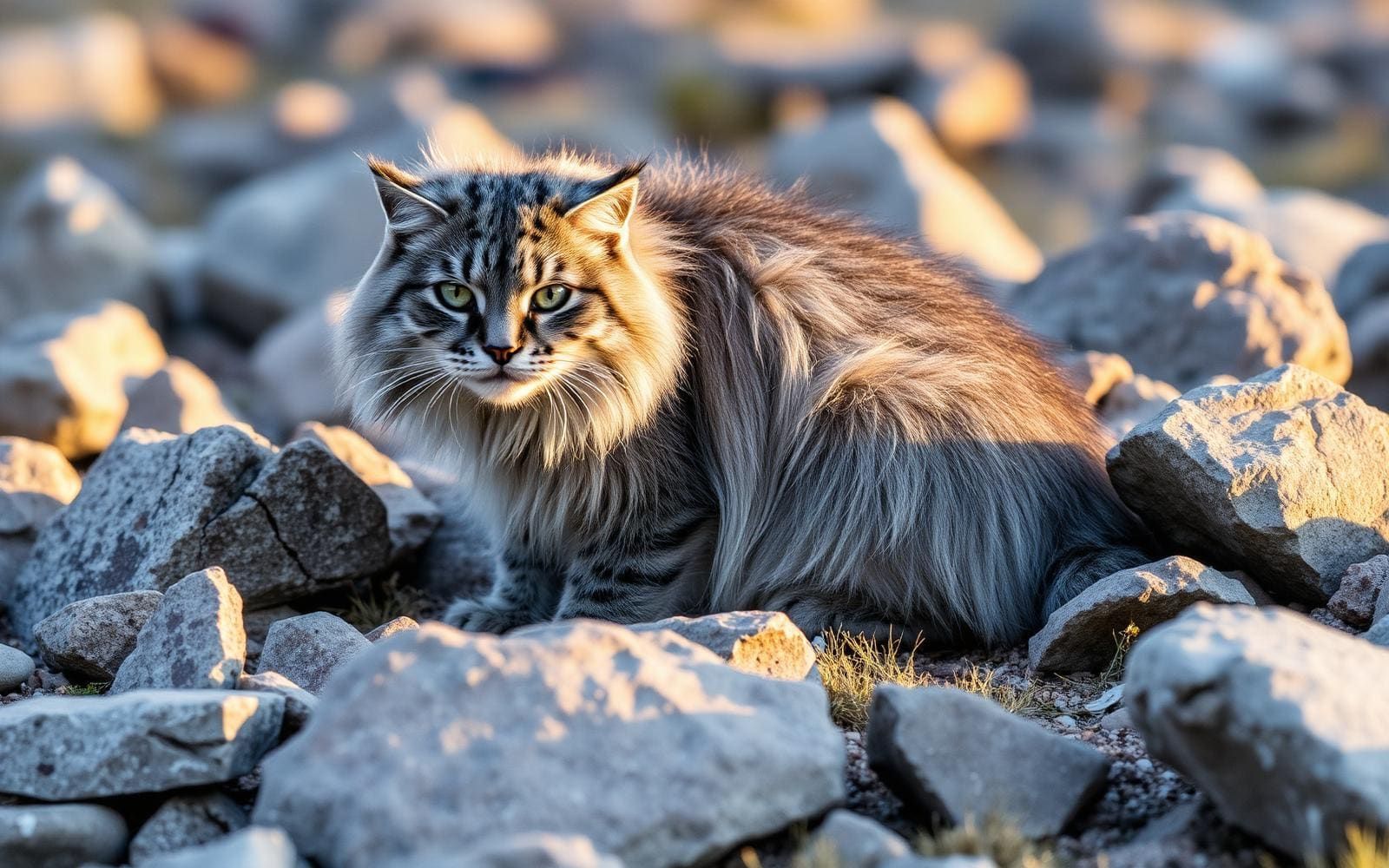
Animals around Langtang Valley Trek

Maps, GPS & compass for this trip
Carry a waterproof paper map and a compass you can steer by, and treat the GPS as the backup — not the other way round. Buying links go to Amazon; Wild10 earns a commission at no cost to you.
Waterproof topo maps
- Waterproof topographic map — Langtang Valley TrekAmazon search for waterproof, tear-resistant topo maps covering this area.
- National Geographic Trails IllustratedThe waterproof Trails Illustrated series — check for a sheet covering this area.
- Waterproof map case & compass lanyardKeep a paper map readable in rain, spray and a swamped boat.
Fishing at Langtang Valley Trek
Planning to fish Langtang Valley Trek, Nepal? Fishing licences, open seasons and catch limits in Nepal are set by the local wildlife authority and change every year — check the official source before you cast a line.
Do I need a fishing licence at Langtang Valley Trek?
- A Nepal fishing licence is normally required for anyone over the local youth age.
- Read the current Nepal fishing regulations for special waters, barbless-hook or catch-and-release rules.
- Clean, drain and dry boats and gear between waters to stop invasive species.
We don't have a verified licensing link on file for Nepal yet — contact the park or land manager listed on this page for current hunting and fishing rules.
Hunting near Langtang Valley Trek
Thinking about hunting Langtang Valley Trek, Nepal? Hunting seasons, tags and draws in Nepal are set by the wildlife authority each year. Confirm the rules for your species and unit before you go.
Is hunting allowed at Langtang Valley Trek?
- Confirm the land around Langtang Valley Trek is open to hunting and which management unit it falls in.
What do I need to hunt in Nepal?
- A Nepal hunting licence — most jurisdictions also require hunter education certification.
- Species tags or draw results for big game such as deer, elk, moose or bear where they occur.
- Knowledge of firearm and bow transport rules, which differ by land type and border crossing.
We don't have a verified licensing link on file for Nepal yet — contact the park or land manager listed on this page for current hunting and fishing rules.
Langtang Valley and its Himalayan setting
The Langtang Valley lies within Langtang National Park in north-central Nepal. Established in 1976 as Nepal’s first Himalayan national park, the protected area covers 1,710 square kilometres across Nuwakot, Rasuwa and Sindhulpalchok districts. Its mountain setting includes Langtang Lirung, the park’s highest point at 7,245 metres, and the Dorje Lakpa range, which reaches 6,988 metres. These are landscape elevations, not the heights a valley trekking itinerary necessarily reaches. The park’s western boundary follows the Trishuli River, while its eastern boundary follows the Bhote Koshi. For trip planning, keep the valley trek distinct from the much larger protected area: a place being inside Langtang National Park does not mean it lies along the valley route.
A protected landscape with village communities
Langtang National Park contains 26 village communities, so this is a lived-in mountain landscape rather than an empty wilderness. That context matters when approaching the valley on foot: settlements and local livelihoods are part of the place, not simply services for visitors. Across Nepal, trekking paths often carry residents transporting food, water and other necessities alongside walkers. Villages and teahouses are also an important part of the country’s trekking culture, offering places to pause and, on many routes, stay overnight. Those general patterns should not be treated as a confirmed accommodation list for Langtang. Check overnight arrangements for the chosen itinerary, leave room for local traffic on shared paths, and approach village spaces with consideration.
Keep the itinerary specific
The valley is only one part of a broad Himalayan protected area. Gosainkunda, a lake at 4,300 metres, is also inside Langtang National Park, but its presence within the same boundary does not establish a connection with a valley itinerary. Decide whether the trip is focused on Langtang Valley or includes another park destination before committing to transport and overnight plans. Given the mountain setting, carry layers and weather protection, and plan walking days around the actual elevations and terrain of the chosen route rather than nearby summit heights. Confirm trail access, overnight stops and current requirements locally. The park also forms part of the Sacred Himalayan Landscape and links north and east with Qomolangma National Nature Preserve in Tibet.
Route options
- Langtang Valley Trek
A valley-focused trek within Langtang National Park. Confirm the walking stages, overnight stops and turnaround point before choosing a schedule.
- Gosainkunda
A separate destination to consider within the park, centred on a lake at 4,300 metres. Treat it as a distinct planning option, not an assumed side trip or established connection from the Langtang Valley Trek.
Sample itineraries
- Kathmandu preparation day · 1 day
Use a suggested preparation day in Kathmandu to check trekking equipment, discuss a suitable Langtang Valley plan with a guide, and confirm current requirements with the managing agency. Gear is available for sale or rent. This is preparation, not a complete trekking itinerary.
- Langtang Valley walking day · 1 day
A suggested day module for trekkers already in Langtang Valley: choose an out-and-back walk suited to current conditions and acclimatization, leaving time for rest. Confirm the route and overnight arrangements locally. This is not an estimate of the time needed to reach or complete the valley trek.
Seasonal conditions
Spring
Check conditions for your intended elevation
Plan for changing Himalayan weather rather than assuming spring means warm walking throughout the valley. Carry layers and confirm trail conditions before committing to higher terrain.
Summer
Use current forecasts to choose walking days
Do not assume summer removes the need for cold-weather protection in a Himalayan setting. Keep rain protection accessible and allow flexibility when weather makes walking unsuitable.
Fall
Confirm local conditions before departure
Base departure decisions on current weather and the elevations in your plan. Carry insulation and waterproof protection; a seasonal label alone does not establish whether higher terrain is suitable.
Winter
Assess cold-weather suitability before committing
Prepare conservatively for cold in this Himalayan valley. Confirm that the proposed walking plan and overnight arrangements remain practical, and shorten or change the plan if conditions exceed the group's equipment or experience.
| Season | Window | Conditions |
|---|---|---|
| Spring | Check conditions for your intended elevation | Plan for changing Himalayan weather rather than assuming spring means warm walking throughout the valley. Carry layers and confirm trail conditions before committing to higher terrain. |
| Summer | Use current forecasts to choose walking days | Do not assume summer removes the need for cold-weather protection in a Himalayan setting. Keep rain protection accessible and allow flexibility when weather makes walking unsuitable. |
| Fall | Confirm local conditions before departure | Base departure decisions on current weather and the elevations in your plan. Carry insulation and waterproof protection; a seasonal label alone does not establish whether higher terrain is suitable. |
| Winter | Assess cold-weather suitability before committing | Prepare conservatively for cold in this Himalayan valley. Confirm that the proposed walking plan and overnight arrangements remain practical, and shorten or change the plan if conditions exceed the group's equipment or experience. |
Permits, fees & closures
Confirm current entry and trekking requirements with the agency managing Langtang National Park.
Confirm current permits, fees, and closures with the managing agency before you go.
Hazards & regulations
- High-elevation exertion: allow time to acclimatize, avoid pushing through worsening symptoms, and descend if altitude illness is suspected.
- Changing Himalayan weather: carry insulation and waterproof layers, and adjust walking plans when conditions deteriorate.
- Fatigue on sustained walking days: choose manageable stages and preserve enough energy for the return or overnight stop.
- Drinking-water safety: carry a treatment method rather than assuming available water is safe untreated.
What to pack for Langtang Valley Trek
- Broken-in walking footwear
- Insulating layers
- Waterproof outer layer
- Warm hat and gloves
- Reusable water bottles
- Water-treatment supplies
- Personal medications
- Basic first-aid and blister supplies
- Comfortable daypack
- Navigation information for the agreed route
- Headlamp
- Food for the planned walking day
- Sun protection
Langtang Valley Trek FAQ
- Where is Langtang Valley?
- Langtang Valley lies within Langtang National Park in north-central Nepal. The park spans parts of Nuwakot, Rasuwa and Sindhulpalchok districts and belongs to the Sacred Himalayan Landscape.
- Is this an uninhabited wilderness trek?
- The park contains 26 village communities. Plan with respect for a lived-in landscape: keep paths clear, avoid obstructing people carrying supplies, and ask before photographing residents.
- Which mountains define the park?
- Langtang Lirung, at 7,245 metres, is the park's highest point. The Dorje Lakpa range reaches 6,988 metres and bisects the park. These are mountain elevations, not the elevations of a standard valley walking itinerary.
- Is Gosainkunda part of the valley trek?
- Gosainkunda lies within Langtang National Park at 4,300 metres. Being in the same park does not establish that it belongs on your valley itinerary. Confirm routing and the additional time and preparation before including it.
- Can teahouses be assumed at every planned stop?
- Villages and teahouses support trekking in Nepal, but confirm overnight options for each proposed Langtang stage. Do not build a schedule around an unverified accommodation stop.
- How should the trek duration be chosen?
- Set the duration after confirming the route, overnight stops, current conditions and acclimatization needs. The suggested day modules here are not a complete end-to-end trekking schedule.