



Lares Trek
A 3-day cultural trek through Quechua villages in the Sacred Valley — hot springs and traditional weaving communities.
Where on earth
Satellite imagery flying in from a world view to Lares Trek, Latin America. Use the + / − buttons, or click the map to zoom with your scroll wheel; drag to pan and pinch to zoom on touch.
- Region
- Peru
- Country
- Latin America
- Biome
- Andean pastoral (2,900–4,600 m)
- Best season
- May – September
- Difficulty
- moderate
- Backpacking
- Hiking
- Hot Springs
Key takeaways
- Biome: Andean pastoral (2,900–4,600 m)
- Best season: May – September
- Difficulty: moderate
- Top activity: backpacking
Topic summary
A 3-day cultural trek through Quechua villages in the Sacred Valley — hot springs and traditional weaving communities.
Key takeaways
- Difficulty: moderate
- Best season: May – September
Intended uses
backpacking
Climate suitability
Andean pastoral (2,900–4,600 m)
Verification notes
Last verified January 1, 1970.
Plan with verified data
Lares Trek trip tools
Popular pursuits at Lares Trek
- Backpacking
Multi-day travel with everything on your back — see the packing blocks below.
- Hiking
Day miles on marked trail, with route notes and trail links below.
- Hot Springs
Soakable water and the etiquette that keeps it open.
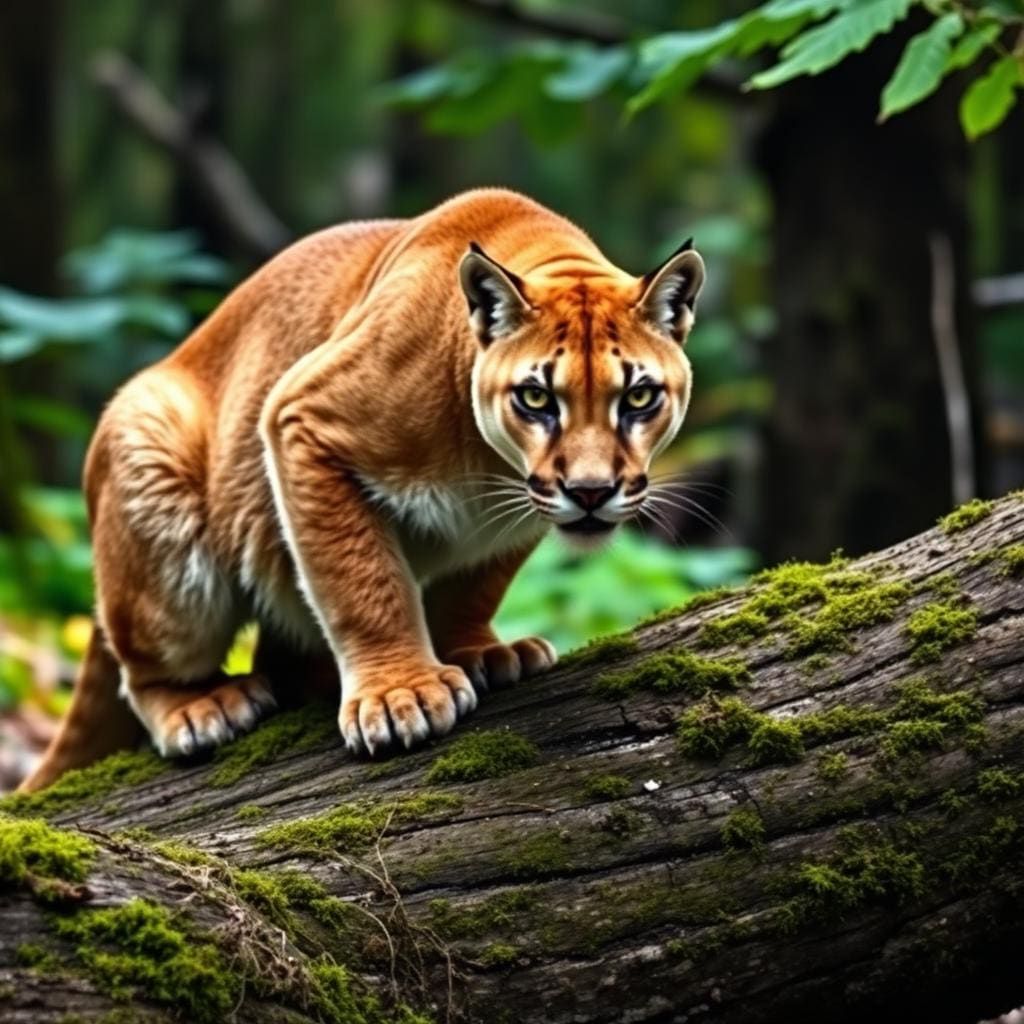
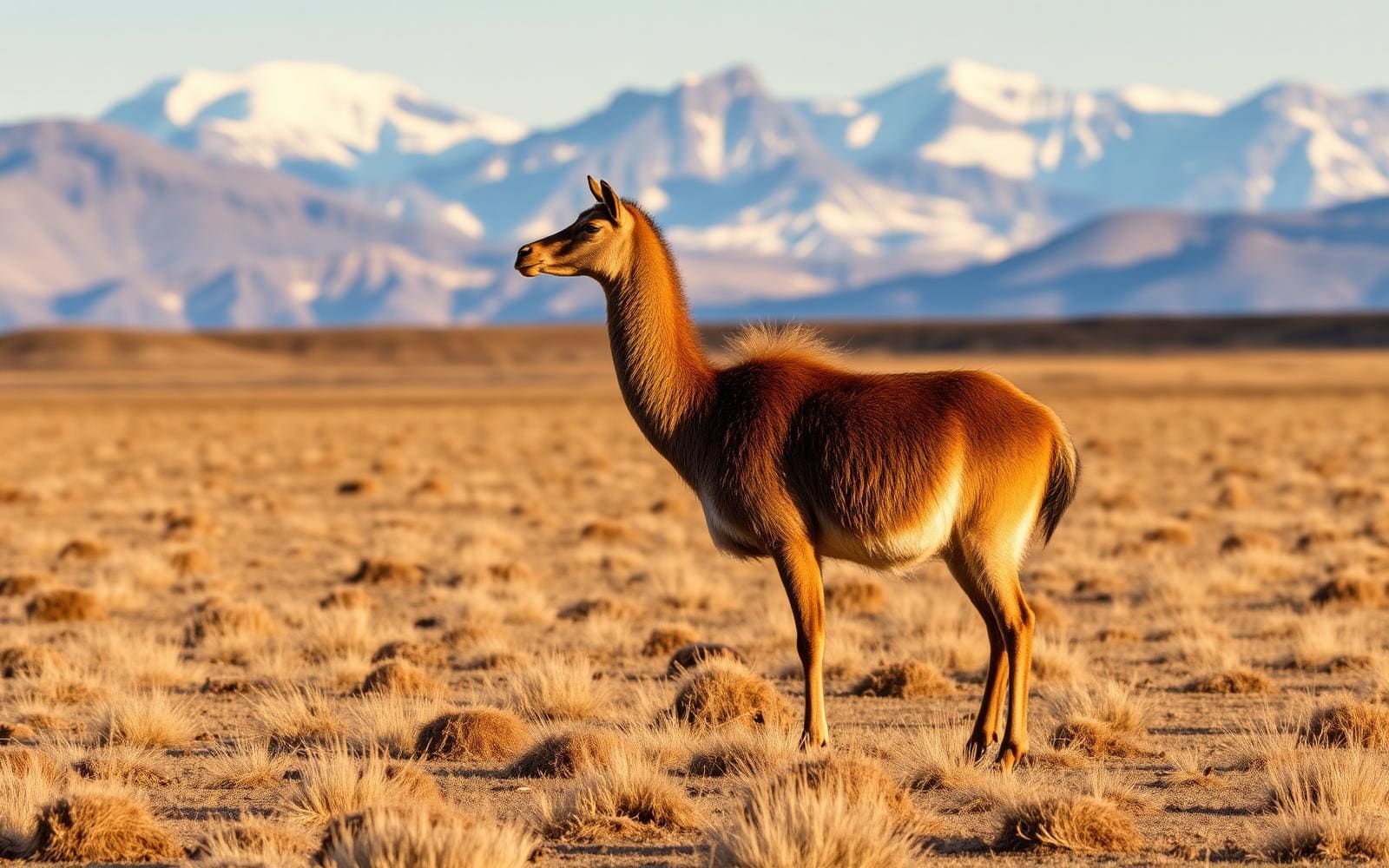
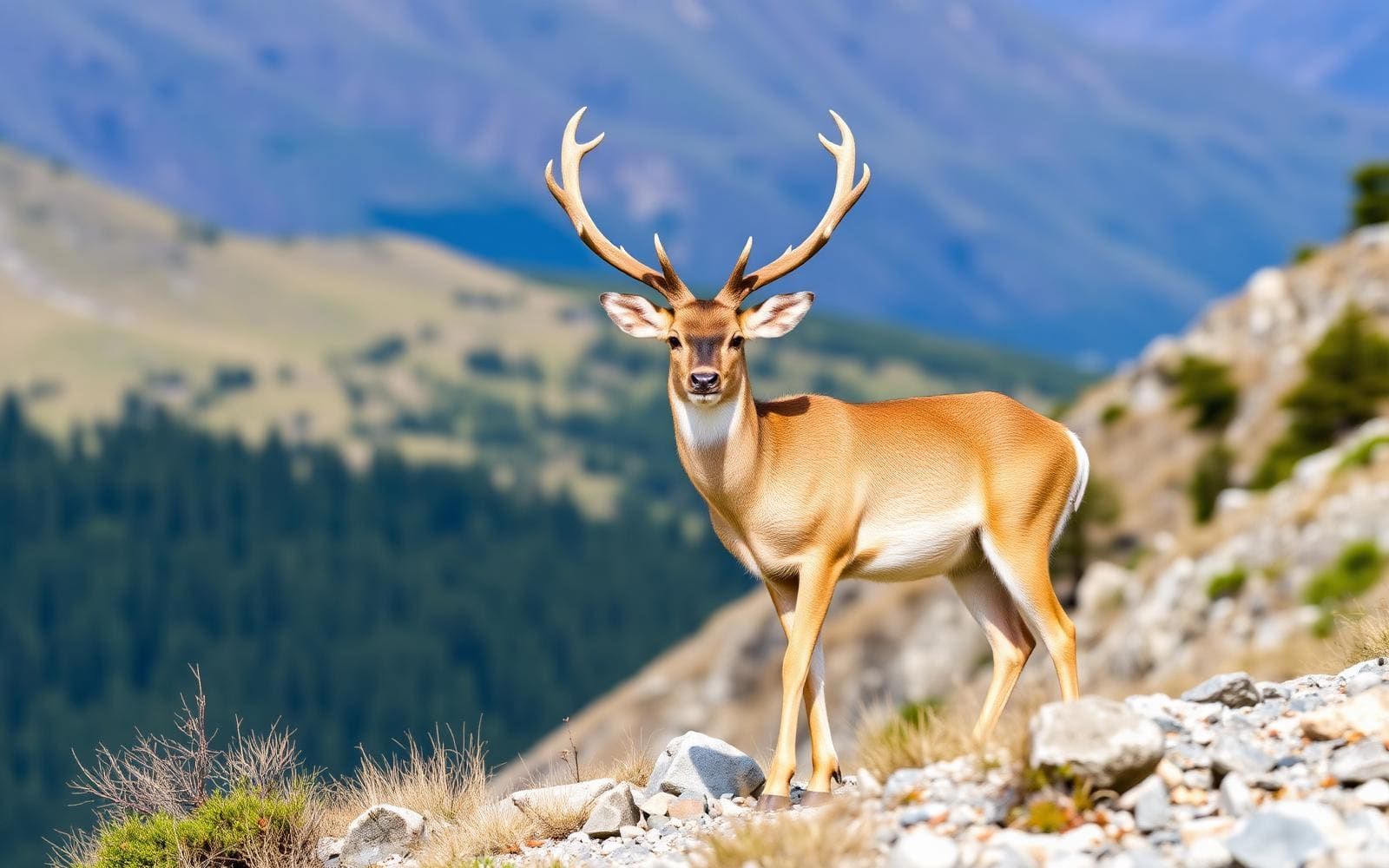
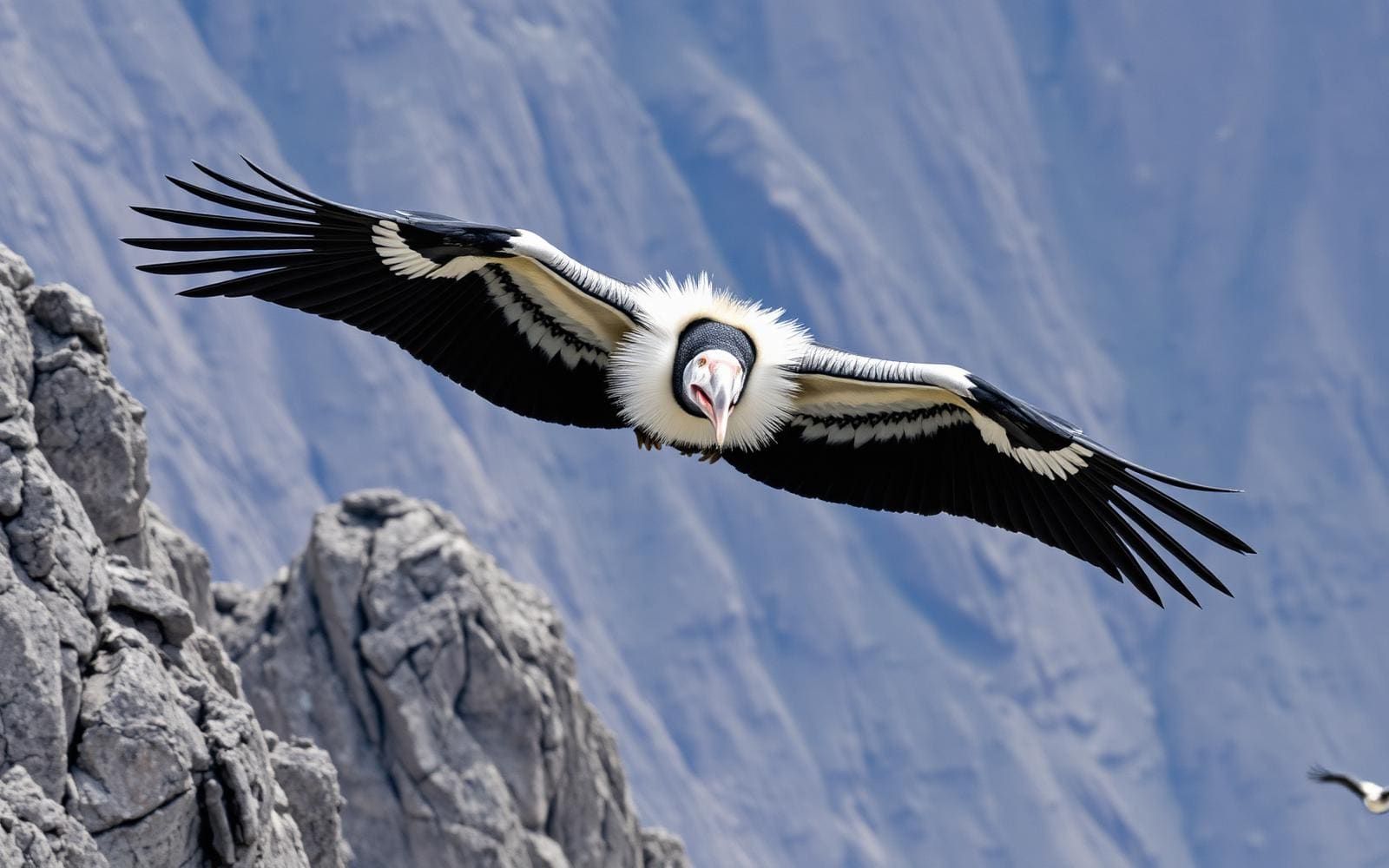
Animals around Lares Trek
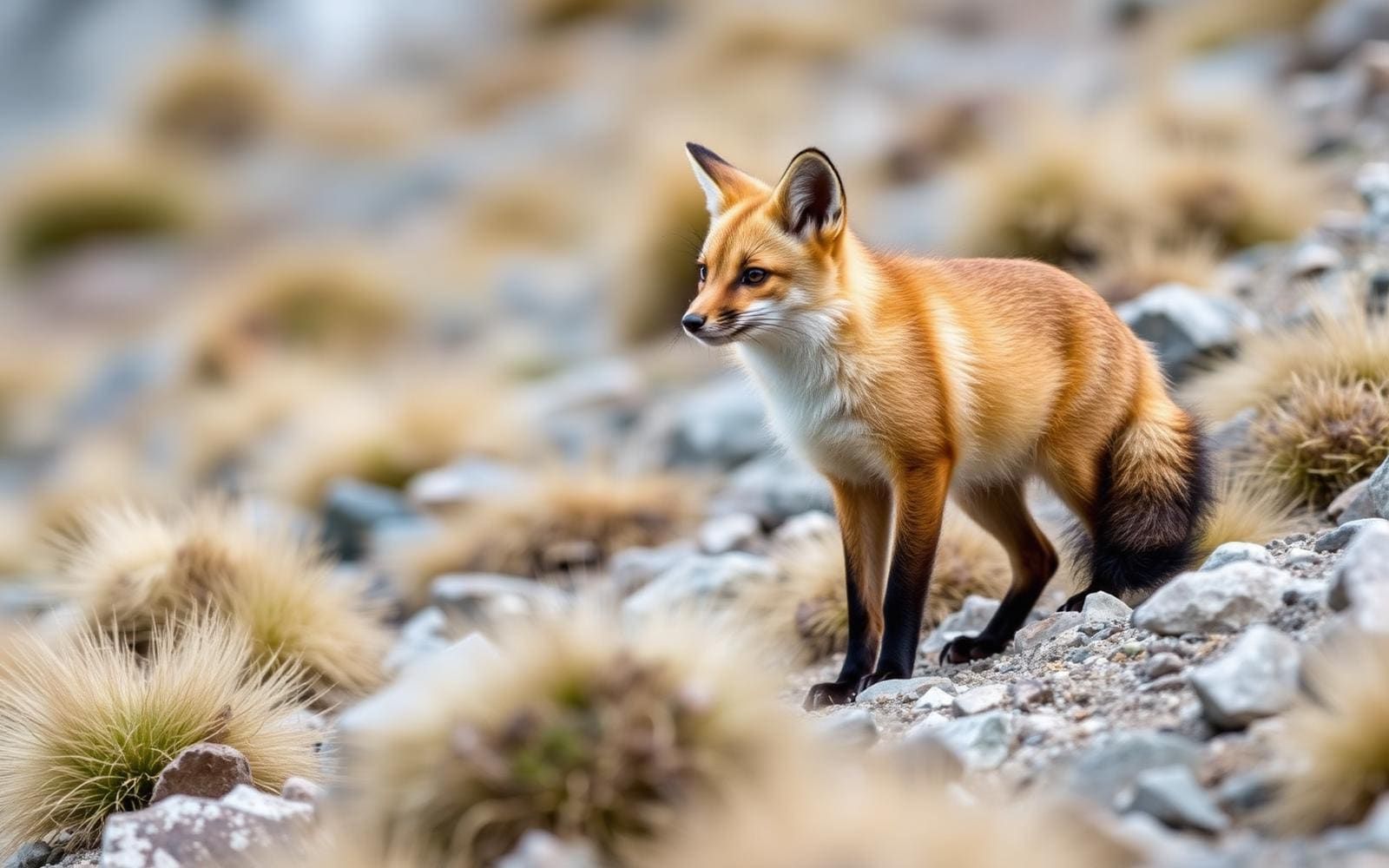
The Lares Trek: An Andean Immersion
The Lares Trek offers a high-altitude hiking experience in the Cusco region of Peru. This 2-3 day journey takes hikers through typical Peruvian Andean mountain areas, beginning near the village of Lares, situated approximately 40 miles north of Cusco and 35 miles east of Machu Picchu. The trek traverses part of the Sacred Valley, providing a distinct alternative to the more heavily trafficked Inca Trail. Unlike its counterpart, the Lares Trek does not require permits, making it an accessible option for those seeking a less crowded adventure. It is known for its serene environment and the opportunity to experience local culture firsthand. The trail is quieter and less widely known, offering a more intimate connection with the Andean landscape and its traditional communities. This trek is ideal for those looking to explore the natural beauty and cultural richness of the Peruvian Andes away from the main tourist routes.
Cultural Connection and Local Life
The Lares Valley is home to indigenous communities of traditional weavers and farmers, making it famous for its homemade textiles. As hikers traverse the valley, there are opportunities to observe and connect with local life. The inhabitants of this region primarily speak Quechua and Spanish, preserving their rich cultural heritage. This cultural immersion is a significant aspect of the Lares Trek, providing insights into the Andean way of life that has persisted for centuries. The trek routes are designed to pass through or near these communities, allowing for a unique and authentic experience. The quiet nature of the trail facilitates a deeper connection with both the natural surroundings and the people who call this rugged landscape home, distinguishing it from other regional treks.
High Altitude Challenges and Scenic Rewards
While the Lares Trek is generally considered slightly easier than the Inca Trail in terms of terrain, its increased altitude presents a unique physical challenge. The trek involves crossing three high passes, with the highest point reaching 14,400 feet (4,400 meters). This demands proper acclimatization and a good level of fitness from all participants. The high-altitude environment offers breathtaking panoramic views of the Urubamba mountain range and the surrounding Andean peaks. The diverse landscapes encountered along the route include alpine valleys, pristine lakes, and rugged mountain passes. Despite the physical demands, the scenic rewards and the sense of accomplishment upon completing the trek make it a highly fulfilling experience for outdoor enthusiasts.
Accessibility and Route Flexibility
The Lares Trek is easily accessible from Cusco, serving as a convenient starting point for many travelers. The journey to the trailhead typically involves a bus or van trip of approximately five hours from the village of Lares itself. This logistical ease contributes to its appeal as an alternative to the Inca Trail. Furthermore, the Lares Trek offers a variety of route itineraries and variations, allowing for flexibility in planning based on individual preferences and available time. This adaptability caters to a range of hiking styles, from those seeking a shorter, more concentrated experience to those desiring a more extended exploration of the valley. The absence of permit requirements further enhances its flexibility, allowing for more spontaneous trip planning.
Getting to Lares Trek
Access to the starting point of the trek requires a bus or van trip of approximately five hours from the village of Lares. The trek is accessible from Cusco.
Sample itineraries
- Standard Lares Trek · 2 days
A high-altitude hike through the Lares Valley, traversing Andean mountain areas and reaching elevations up to 14,400 feet. This option offers a condensed experience of the region's natural beauty and cultural aspects.
- Extended Lares Trek · 3 days
A longer high-altitude hike in the Lares Valley, allowing more time to immerse in the Andean environment. This itinerary also involves crossing three high passes, offering extensive views and cultural encounters.
Seasonal conditions
| Season | Window | Conditions |
|---|---|---|
| Spring | September - November | Transition period with varying weather. Can offer clear skies and mild temperatures, but also increased chances of rain towards the end of the season. |
| Summer | December - February | Known as the wet season, characterized by higher rainfall. Trails can be muddy, but the landscape is lush and green. Views may be obscured by clouds. |
| Fall | March - May | Transition period as the rainy season ends. Conditions improve, with decreasing rainfall and clearing skies. Temperatures become milder. |
| Winter | June - August | Dry season, offering the most stable and clear weather. Colder temperatures, especially at night and at high altitudes, but generally sunny days. Ideal for high-altitude trekking. |
Permits, fees & closures
Permits are not required to hike the Lares Trek. Confirm any specific entry requirements with the managing agency.
Confirm current permits, fees, and closures with the managing agency before you go.
Hazards & regulations
- High altitude sickness due to elevations up to 14,400 feet (4,400 meters)
- Sudden weather changes in Andean mountain areas
- Uneven and challenging terrain
What to pack for Lares Trek
- Layers for varying temperatures
- Rain gear
- Warm hat and gloves
- Sturdy hiking boots
- Backpack
- Sleeping bag (if camping)
- Water bottle or hydration system
- Sunscreen and sun hat
- First-aid kit
- Snacks and energy food
Lares Trek FAQ
- How long is the Lares Trek?
- The Lares Trek is typically a two- or three-day high-altitude hike.
- Is the Lares Trek more challenging than the Inca Trail?
- The Lares Trek is slightly easier than the Inca Trail based on terrain, but the increased altitude can be more physically challenging as there are three high passes to cross, the highest at 14,400 feet (4,400 meters).
- Are permits required for the Lares Trek?
- No, permits are not required to hike the Lares Trek.
- What is the highest point of the Lares Trek?
- The highest point on the Lares Trek is 14,400 feet (4,400 meters).
- What can I expect culturally on the Lares Trek?
- The Lares Valley is home to traditional weavers and farmers, offering opportunities to observe local life and handmade textiles. The indigenous people speak Quechua and Spanish.