



Where on earth
Satellite imagery flying in from a world view to Valley of Flowers Trek, India. Use the + / − buttons, or click the map to zoom with your scroll wheel; drag to pan and pinch to zoom on touch.
- Region
- India
- Biome
- Himalayan valley (1,800–3,600 m)
- Best season
- July – September
- Difficulty
- moderate
- Backpacking
- Hiking
- Mountaineering
Key takeaways
- Biome: Himalayan valley (1,800–3,600 m)
- Best season: July – September
- Difficulty: moderate
- Top activity: backpacking
Photos of Valley of Flowers Trek
Topic summary
A 4-day trek into a wildflower-carpeted UNESCO valley in Uttarakhand's Himalaya.
Key takeaways
- Difficulty: moderate
- Best season: July – September
Intended uses
backpacking
Climate suitability
Himalayan valley (1,800–3,600 m)
Tools for a trip here
Picked for how, when and where you're going. Free, no signup.
- Sleep System Temp CalculatorCold nights: check your bag and pad add up to a safe sleep.
- Base Weight CalculatorEvery ounce is carried — total your kit and find your base weight.
- Pack Volume SizerSize the pack for your trip length and season.
- Water Purification MatrixTreat water from streams and lakes on trail.
- Layering CalculatorCold-season miles: layer for climbs and camp.
Plan with verified data
Valley of Flowers Trek trip tools
How to get there
Valley of Flowers Trek is in India, India. Its center point is 30.7333, 79.6000. Use these links for live turn-by-turn directions from where you are, then confirm road, trailhead and access conditions with the managing agency before you leave.
Popular pursuits at Valley of Flowers Trek
- Backpacking
Multi-day travel with everything on your back — see the packing blocks below.
- Hiking
Day miles on marked trail, with route notes and trail links below.
- Mountaineering
Glacier and high-route objectives with real consequence.
Animals around Valley of Flowers Trek
Maps, GPS & compass for this trip
Carry a waterproof paper map and a compass you can steer by, and treat the GPS as the backup — not the other way round. Buying links go to Amazon; Wild10 earns a commission at no cost to you.
Waterproof topo maps
- Waterproof topographic map — Valley of Flowers TrekAmazon search for waterproof, tear-resistant topo maps covering this area.
- National Geographic Trails IllustratedThe waterproof Trails Illustrated series — check for a sheet covering this area.
- Waterproof map case & compass lanyardKeep a paper map readable in rain, spray and a swamped boat.
Fishing at Valley of Flowers Trek
Planning to fish Valley of Flowers Trek, India? Fishing licences, open seasons and catch limits in India are set by the local wildlife authority and change every year — check the official source before you cast a line.
Do I need a fishing licence at Valley of Flowers Trek?
- A India fishing licence is normally required for anyone over the local youth age.
- Read the current India fishing regulations for special waters, barbless-hook or catch-and-release rules.
- Clean, drain and dry boats and gear between waters to stop invasive species.
We don't have a verified licensing link on file for India yet — contact the park or land manager listed on this page for current hunting and fishing rules.
Hunting near Valley of Flowers Trek
Thinking about hunting Valley of Flowers Trek, India? Hunting seasons, tags and draws in India are set by the wildlife authority each year. Confirm the rules for your species and unit before you go.
Is hunting allowed at Valley of Flowers Trek?
- Confirm the land around Valley of Flowers Trek is open to hunting and which management unit it falls in.
What do I need to hunt in India?
- A India hunting licence — most jurisdictions also require hunter education certification.
- Species tags or draw results for big game such as deer, elk, moose or bear where they occur.
- Knowledge of firearm and bow transport rules, which differ by land type and border crossing.
We don't have a verified licensing link on file for India yet — contact the park or land manager listed on this page for current hunting and fishing rules.
An alpine valley in Uttarakhand
Valley of Flowers National Park lies in Chamoli, in the Indian state of Uttarakhand. Its defining landscape is a series of alpine flower meadows, set at elevations of 3,352 to 3,658 meters. The park covers 87.50 square kilometers and is described as about 8 kilometers long and 2 kilometers wide; those dimensions are not a trekking distance. Established in 1982, it protects a richly varied flora, including endemic alpine flowers. For a walking trip, the appeal is close observation of the meadows and their mountain setting rather than simply reaching an endpoint. The landscape is relatively gentle in comparison with neighboring Nanda Devi National Park, but its high elevation still calls for a measured pace and attention to how the body responds.
Season and mountain conditions
The park’s stated opening season runs from June to October, with heavy snow covering it for the rest of the year. That makes seasonal access a central planning consideration rather than a minor detail. Confirm current access conditions with the managing agency before committing to travel, and do not assume that every part of the opening season offers the same walking conditions or flower display. The entire park lies in the temperate alpine zone, so preparation should reflect its elevation rather than the gentleness of the valley floor. Carry layers and weather protection, leave room in the itinerary for changing mountain conditions, and choose a pace that remains comfortable above 3,000 meters. The park’s elevation and snowbound winter distinguish this from a low-altitude meadow walk.
Wildlife and the wider protected landscape
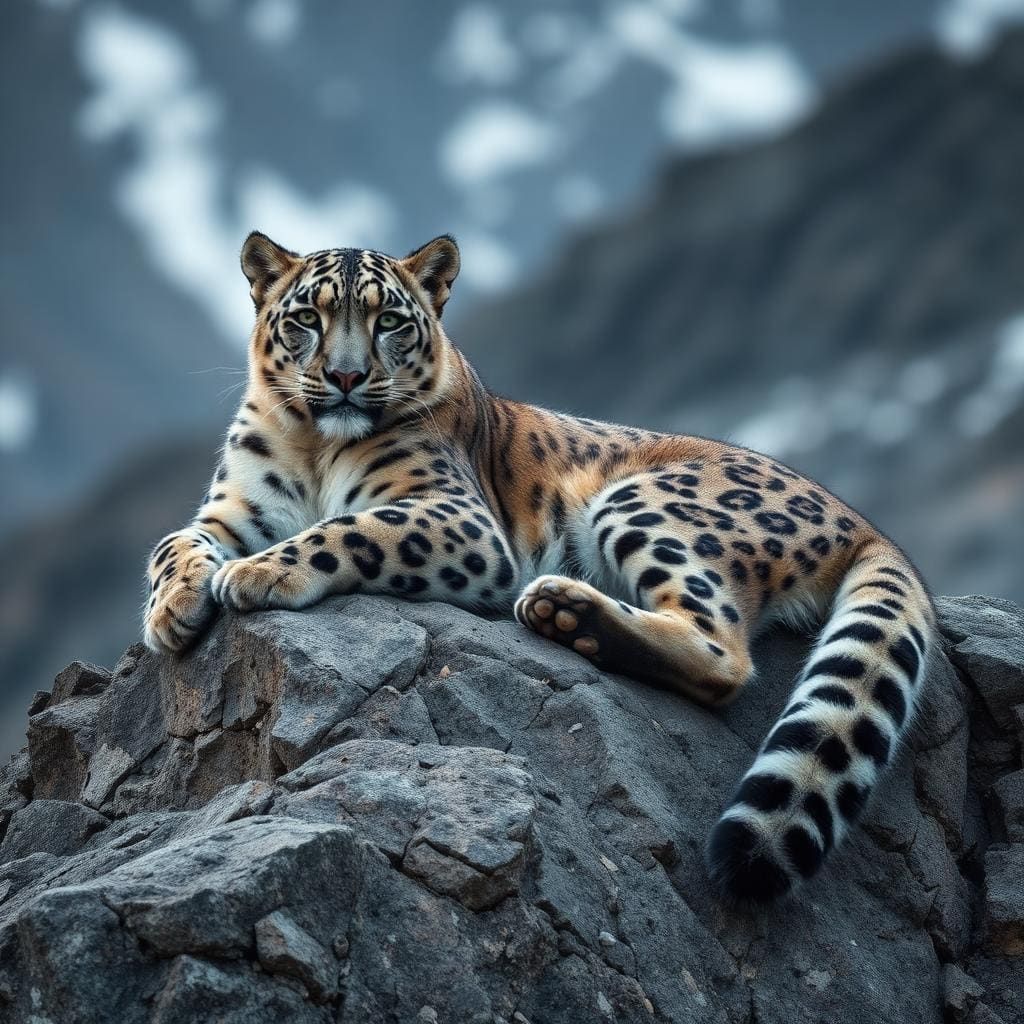
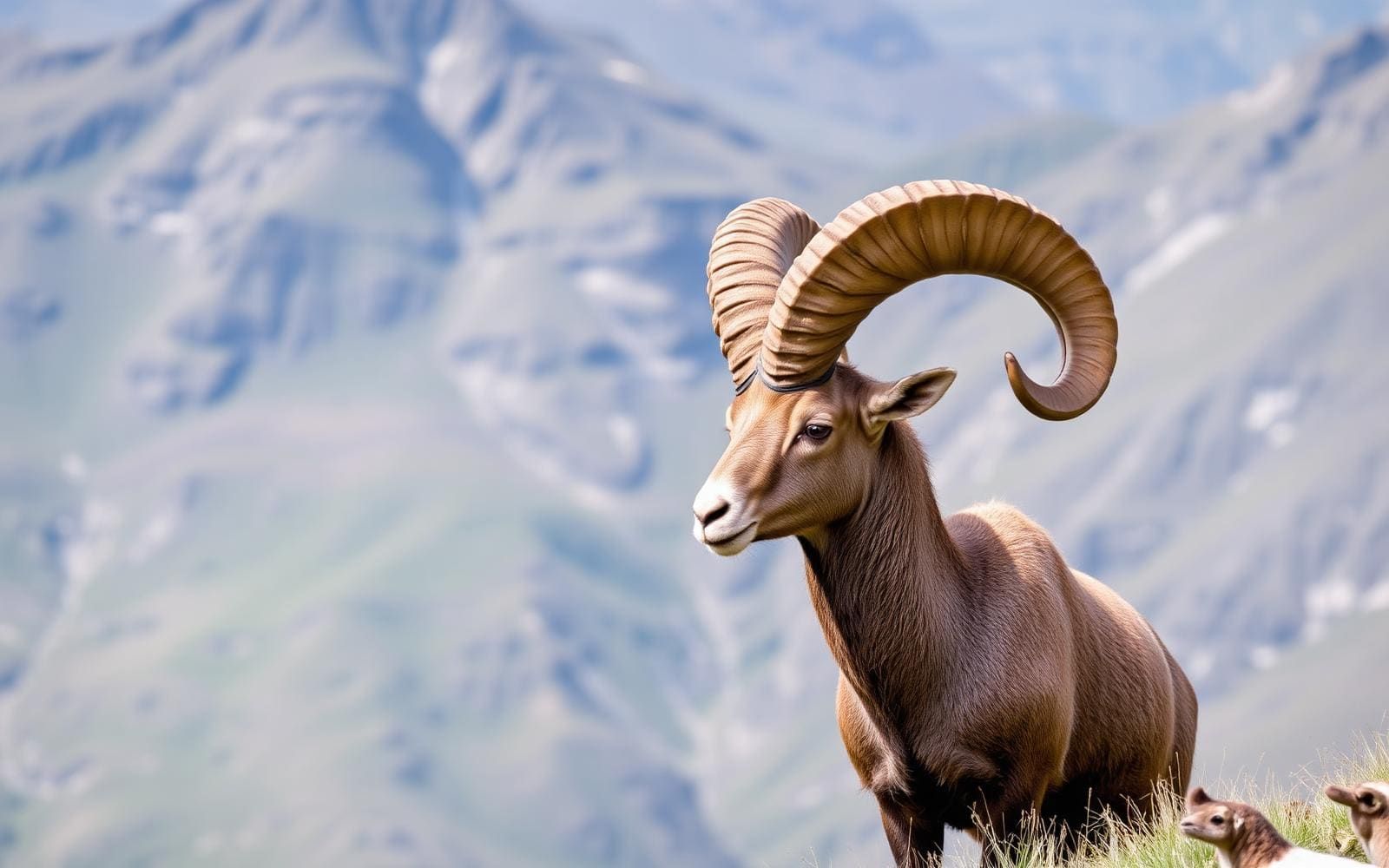
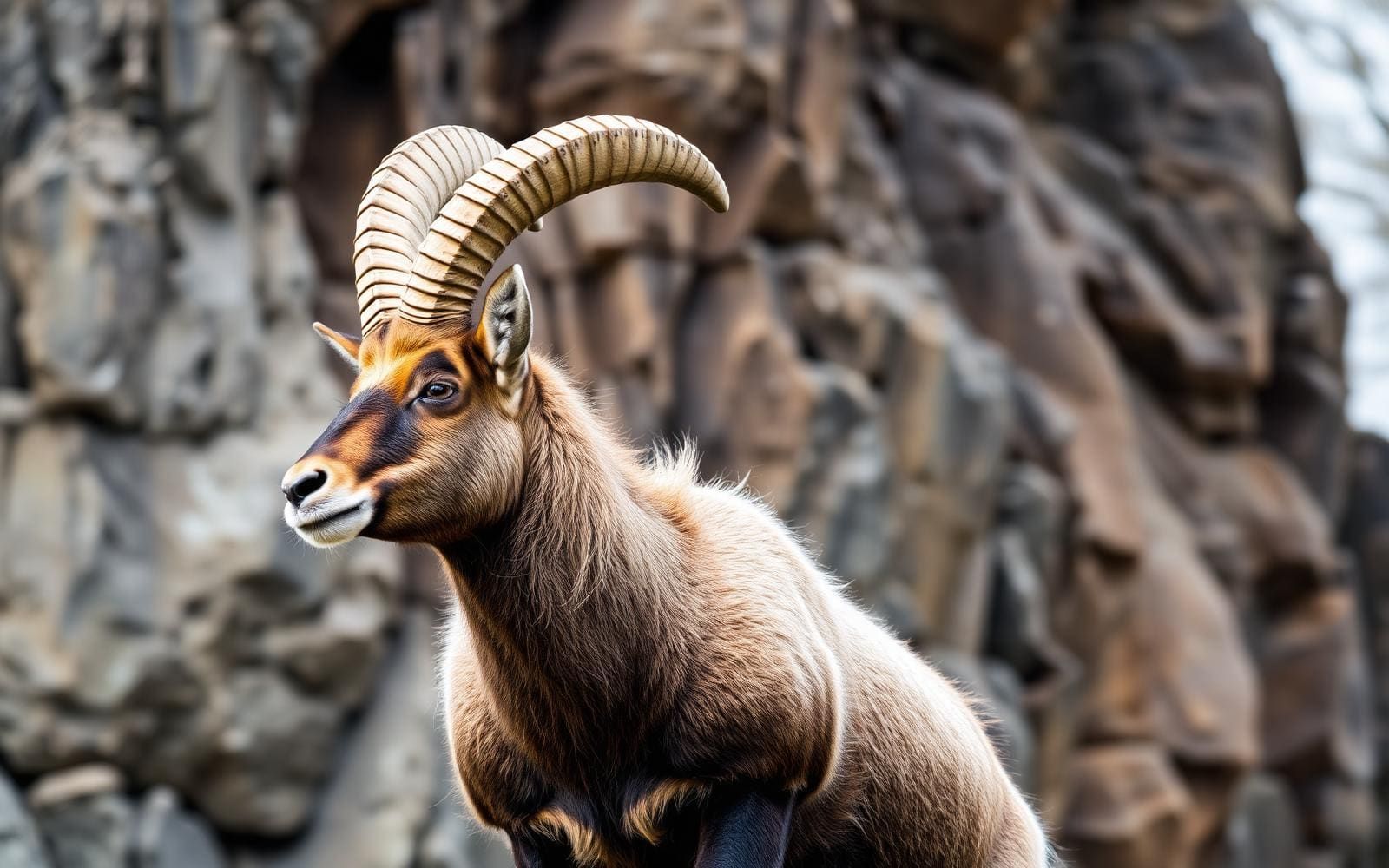
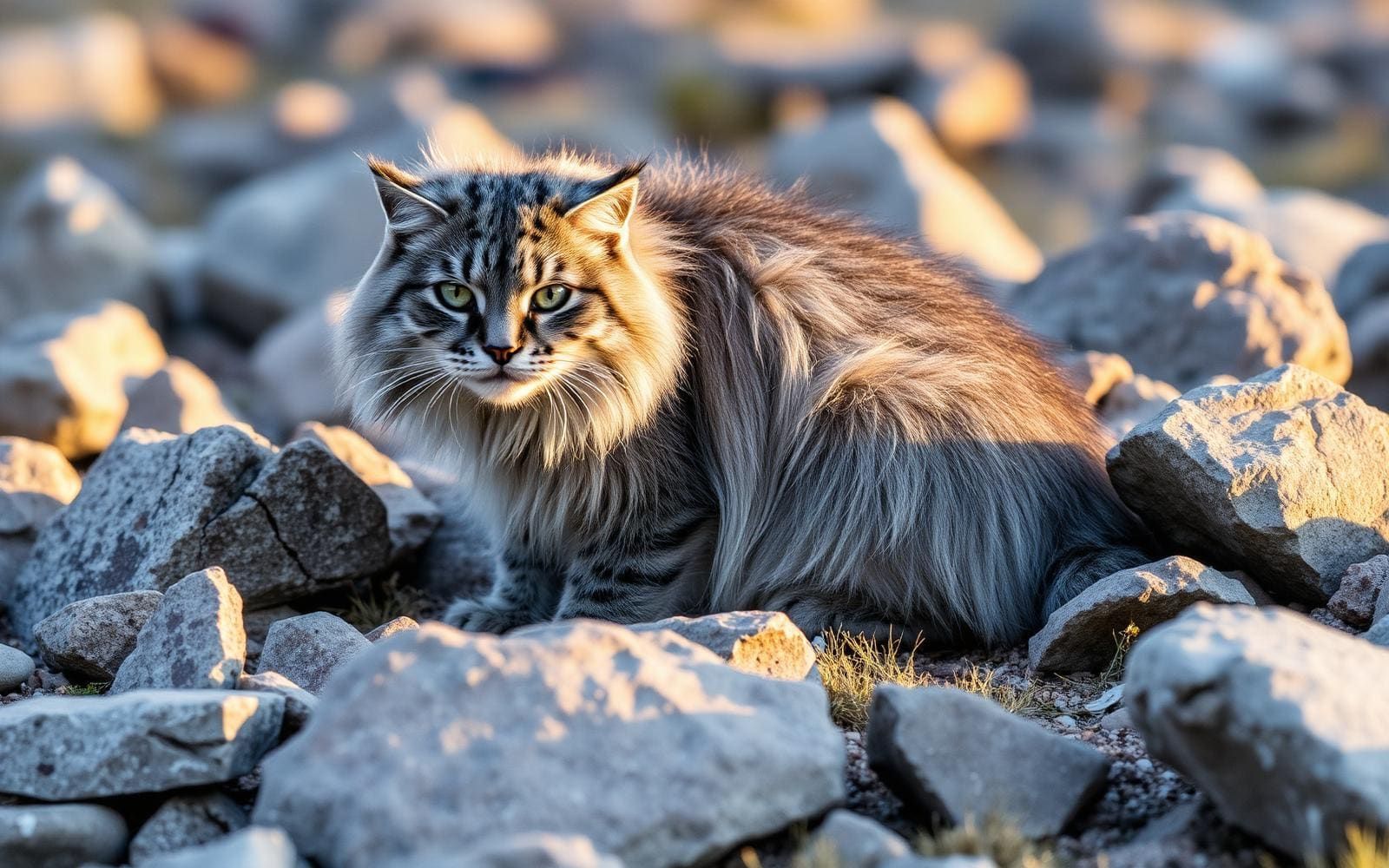
The flower meadows are part of a broader Himalayan conservation landscape. Valley of Flowers and Nanda Devi National Park, to its east, are both encompassed within the Nanda Devi Biosphere Reserve. Together, the parks occupy a transition zone between the Zanskar and Great Himalayan mountain ranges, with the valley’s gentler terrain contrasting with Nanda Devi’s rugged wilderness. Wildlife recorded in Valley of Flowers includes Asiatic black bear, snow leopard, musk deer, brown bear, red fox and blue sheep. Himalayan monal pheasant and other high-altitude birds also occur here. Treat that list as a description of habitat, not a promise of sightings. Keep a respectful distance from animals, avoid disturbing birds, and leave flowers undamaged so that close observation does not come at the expense of the park’s vegetation.
Sample itineraries
- Alpine Flower Meadows · 1 day
Plan a meadow-focused day in Valley of Flowers National Park, with time to observe alpine plants and photograph the landscape. Keep the walking plan flexible at altitude. This is an in-park outing, not a complete approach itinerary; confirm access arrangements before travel.
- Meadows and Mountain Wildlife · 2 days
Allow two days for separate in-park outings: one focused on flowers, the other on landscape and bird observation. Look for Himalayan monal and other high-altitude birds without expecting sightings. Confirm access and overnight arrangements separately; this plan does not assume camping inside the park.
Seasonal conditions
Spring
Before the June opening period
Heavy snow covers the park outside its June–October opening period. Do not plan spring meadow walking; confirm current access with the managing agency.
Summer
June through summer
The stated opening period begins in June. Temperate alpine meadows are the main attraction, but elevations of 3,352–3,658 meters warrant warm layers and a measured walking pace. Flower displays vary; no precise peak-bloom window is established.
Fall
Through October
The stated opening period extends through October. Prepare for cold conditions at altitude and confirm access before departure rather than assuming every day within that period is suitable for trekking.
Winter
Outside the June–October opening period
Heavy snow covers the park, and it is outside the stated visitor opening period. Plan meadow visits for the open season instead.
| Season | Window | Conditions |
|---|---|---|
| Spring | Before the June opening period | Heavy snow covers the park outside its June–October opening period. Do not plan spring meadow walking; confirm current access with the managing agency. |
| Summer | June through summer | The stated opening period begins in June. Temperate alpine meadows are the main attraction, but elevations of 3,352–3,658 meters warrant warm layers and a measured walking pace. Flower displays vary; no precise peak-bloom window is established. |
| Fall | Through October | The stated opening period extends through October. Prepare for cold conditions at altitude and confirm access before departure rather than assuming every day within that period is suitable for trekking. |
| Winter | Outside the June–October opening period | Heavy snow covers the park, and it is outside the stated visitor opening period. Plan meadow visits for the open season instead. |
Permits, fees & closures
Confirm current entry requirements and access arrangements with the park managing agency before travel.
Confirm current permits, fees, and closures with the managing agency before you go.
Hazards & regulations
- Altitude: the valley lies at 3,352–3,658 meters. Allow time to acclimatize, keep exertion moderate, and descend if altitude symptoms develop or worsen.
- Heavy snow: the park is snow-covered outside its June–October opening period. Do not assume walking access outside that window.
- Alpine exposure: carry warm and weather-protective layers even for a meadow-focused outing.
- Wildlife encounters: Asiatic black bears and brown bears occur here. Keep your distance, secure food, and never approach or feed animals.
What to pack for Valley of Flowers Trek
- Insulating layer
- Weatherproof outer layer
- Warm hat and gloves
- Supportive walking footwear
- Drinking water
- Food in secure containers
- Sun protection
- Personal first-aid supplies
- Daypack
- Binoculars for distant wildlife
- Camera for recording flowers without picking them
- Bag to carry out litter
Wildlife you may see
- Asiatic black bear
- Snow leopard
- Musk deer
- Brown bear
- Red fox
- Blue sheep
- Himalayan monal pheasant
Valley of Flowers Trek FAQ
- Where is the Valley of Flowers?
- The park is in Chamoli, Uttarakhand, India. It lies in the temperate alpine zone between the Zanskar and Great Himalaya ranges, with Nanda Devi National Park to the east.
- When can the park be visited?
- The stated opening period is June to October. Heavy snow covers the park for the rest of the year. Confirm current access before making travel arrangements.
- How high is the valley?
- The valley lies at 3,352–3,658 meters above sea level. Its relatively gentle landscape does not remove the need for acclimatization or careful pacing.
- How long is the trek?
- The park is described as about 8 kilometers long and 2 kilometers wide, but those dimensions are not a trek distance. Confirm the approach route and walking distances before planning daily stages.
- What makes the landscape distinctive?
- Endemic alpine flower meadows define the valley. Its gentle terrain contrasts with the rugged wilderness of neighboring Nanda Devi National Park; both sit within the Nanda Devi Biosphere Reserve.
- Are wildlife sightings guaranteed?
- No. The park supports rare and endangered mammals, along with Himalayan monal and other high-altitude birds. Treat sightings as incidental, observe from a distance, and avoid disturbing animals to obtain photographs.