



Alone (US) · Season 13
Richardson Mountains
Above tree line in the Arctic — tundra ridges, autumn reds, and a filming window that runs straight into deep winter.
Northwest Territories, Canada
Where on earth
Satellite imagery flying in from a world view to Richardson Mountains, Northwest Territories, Canada. Use the + / − buttons, or click the map to zoom with your scroll wheel; drag to pan and pinch to zoom on touch.
- Region
- Northwest Territories, Canada
- Biome
- Arctic tundra / subarctic transition
- Hunting
- Winter Camping
- Skiing
- Wildlife Viewing
Key takeaways
- Biome: Arctic tundra / subarctic transition
- Biome
- Arctic tundra / subarctic transition
- Latitude
- ~67° N
- Winter lows
- -35 to -45 °C
- Key food
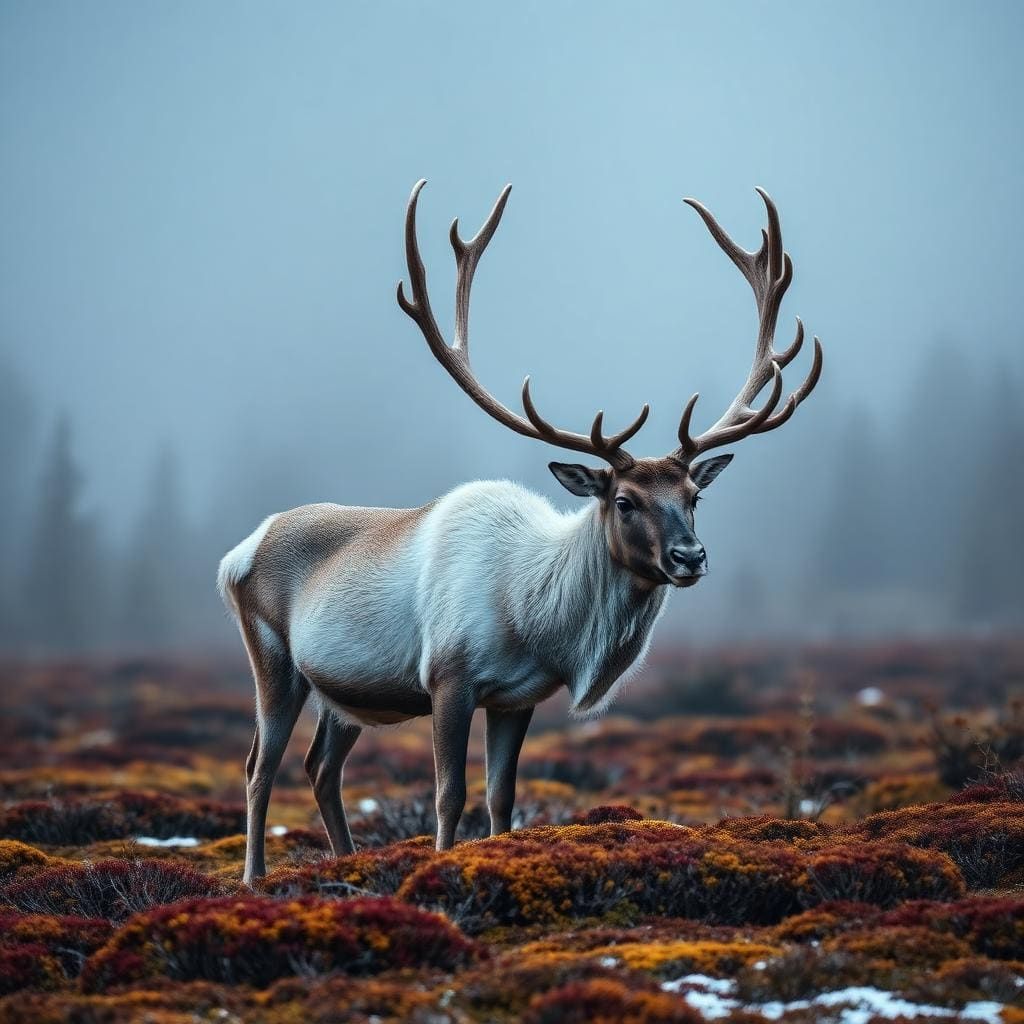
- Ptarmigan, hare, caribou, char
- Big predators
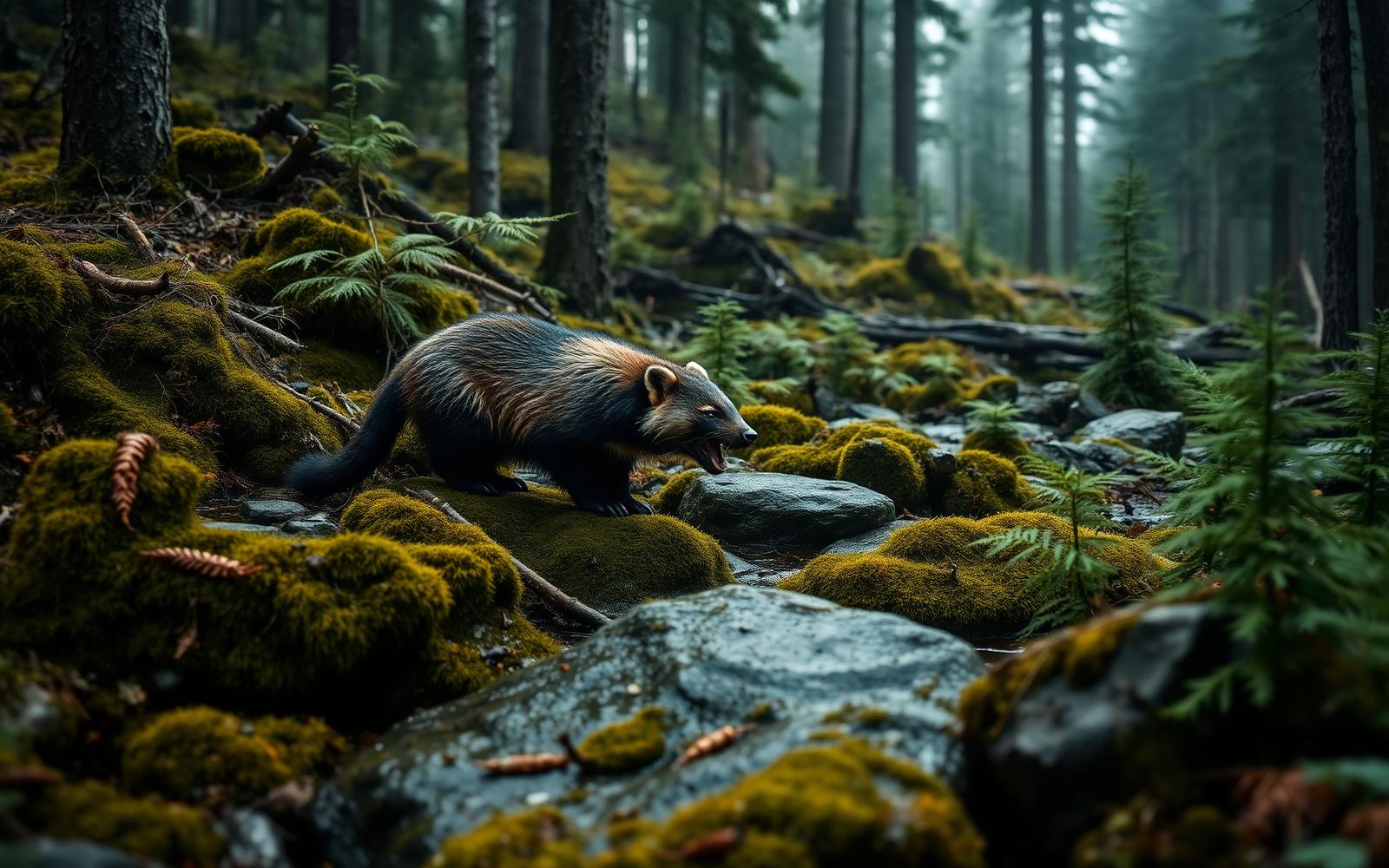
- Grizzly, wolf, wolverine
Topic summary
Above tree line in the Arctic — tundra ridges, autumn reds, and a filming window that runs straight into deep winter. The Richardson Mountains straddle the Yukon–NWT border, running north above tree line into the Arctic. Vegetation drops to dwarf birch, willow, lichen, and moss; the ridges are tundra rock and wind. The palette in autumn
Key takeaways
- Biome: Arctic tundra / subarctic transition
- Latitude: ~67° N
- Winter lows: -35 to -45 °C
- Key food: Ptarmigan, hare, caribou, char
- Big predators: Grizzly, wolf, wolverine
Intended uses
Alone (US) Season 13 filming location background
Climate suitability
Arctic tundra / subarctic transition
Verification notes
Compiled from published show records, regional agencies, and topographical / satellite imagery. Region: Northwest Territories, Canada. Coordinates: 66.500, -136.500.
The country
The Richardson Mountains straddle the Yukon–NWT border, running north above tree line into the Arctic. Vegetation drops to dwarf birch, willow, lichen, and moss; the ridges are tundra rock and wind. The palette in autumn is a red-and-gold shock; the winter that follows is very serious.
Why the show came here
Season 13 is the show's hardest environment yet — a genuine tundra season with almost no useful timber and a filming window that pushes participants deep into winter. Success here is a question of shelter thermodynamics and pre-freeze-up food caching.
Planner-relevant notes
Snow is a building material, not a nuisance. Plan for quinzhee or snow-block shelter as your winter home, not a stopgap. Fuel is measured in twigs; a wood stove concept doesn't work — think small, hot, sheltered fires.
Field notes
- Wind chill drives frostbite before ambient temperature does — face cover matters.
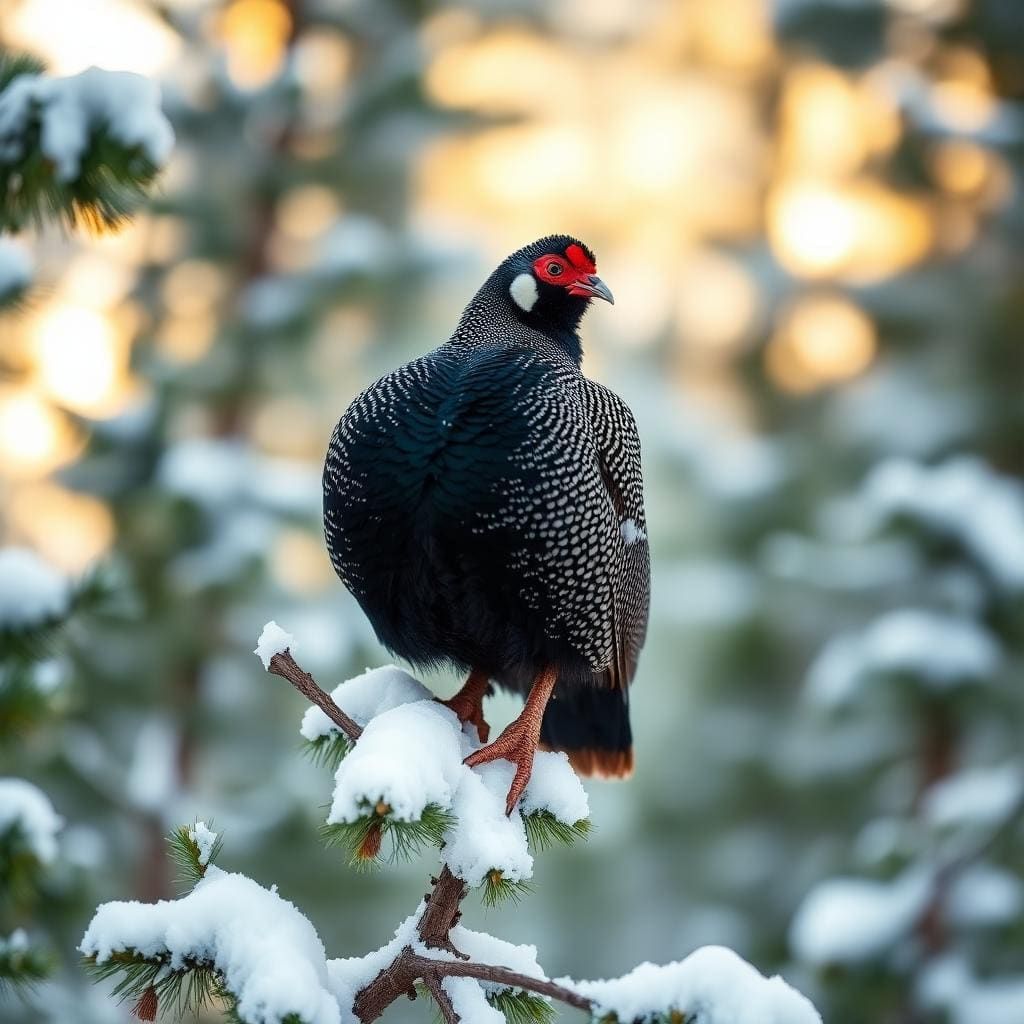
- Ptarmigan flocks are the fastest tundra protein — plan for close shots.
- Cache food inside your shelter footprint; wolverines will find anything else.
Frequently asked about Richardson Mountains
- Where was Alone (US) Season 13 filmed?
- Richardson Mountains is in Northwest Territories, Canada. Above tree line in the Arctic — tundra ridges, autumn reds, and a filming window that runs straight into deep winter.
- What is the climate like at Richardson Mountains?
- Arctic tundra / subarctic transition. The Richardson Mountains straddle the Yukon–NWT border, running north above tree line into the Arctic. Vegetation drops to dwarf birch, willow, lichen, and moss; the ridges are tundra rock and wind. The palette in autumn
- Can you visit the Alone (US) Season 13 filming site?
- Exact drop points are on public land or private timber leases and are not published, but the general area around Richardson Mountains is accessible with permits, guides, or self-supported trips.
Build a ten for Richardson Mountains
Assemble your own 10-item Alone loadout tuned to this biome — cold, wet, and food strategy already scoped.
Open the builderShelter that suits this terrain
Browse shelter builds and site-selection guides matched to conditions like the ones here.
Wildlife
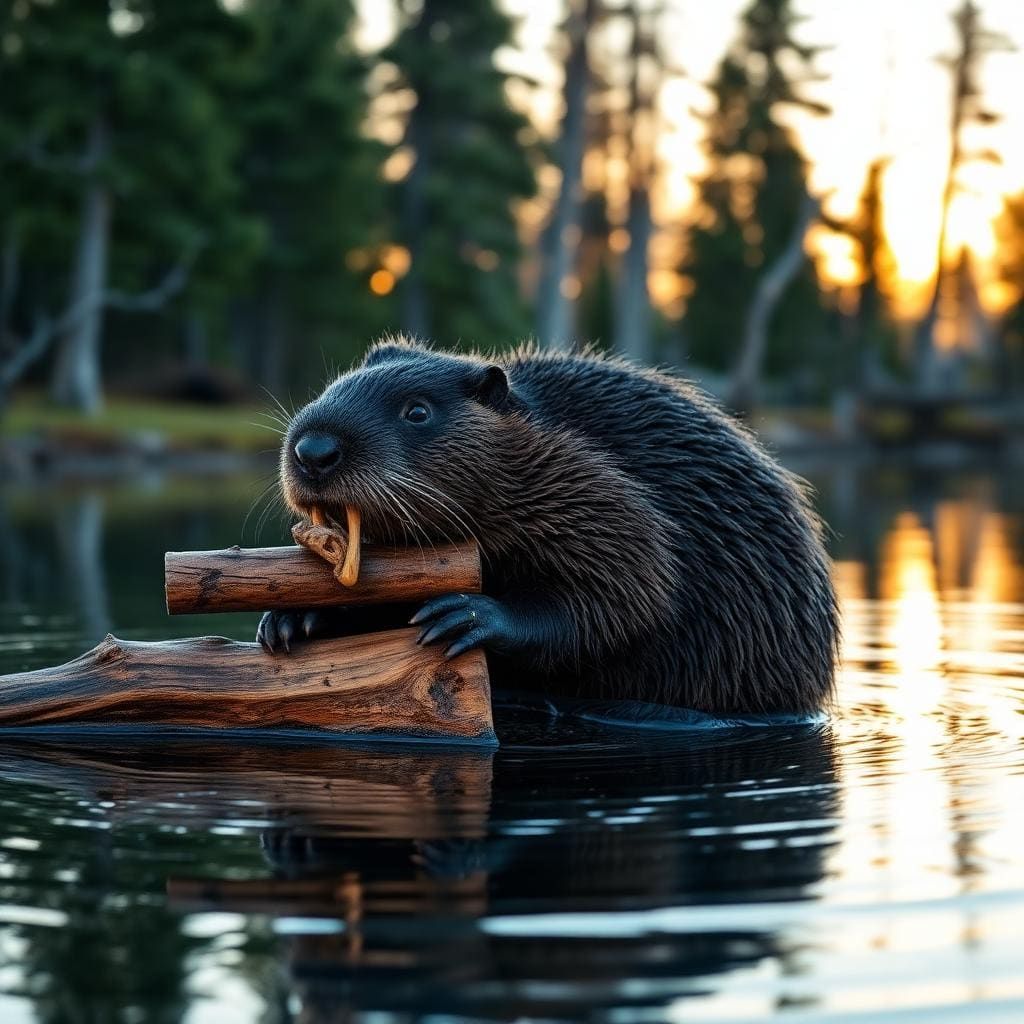
Wildlife found around Richardson Mountains
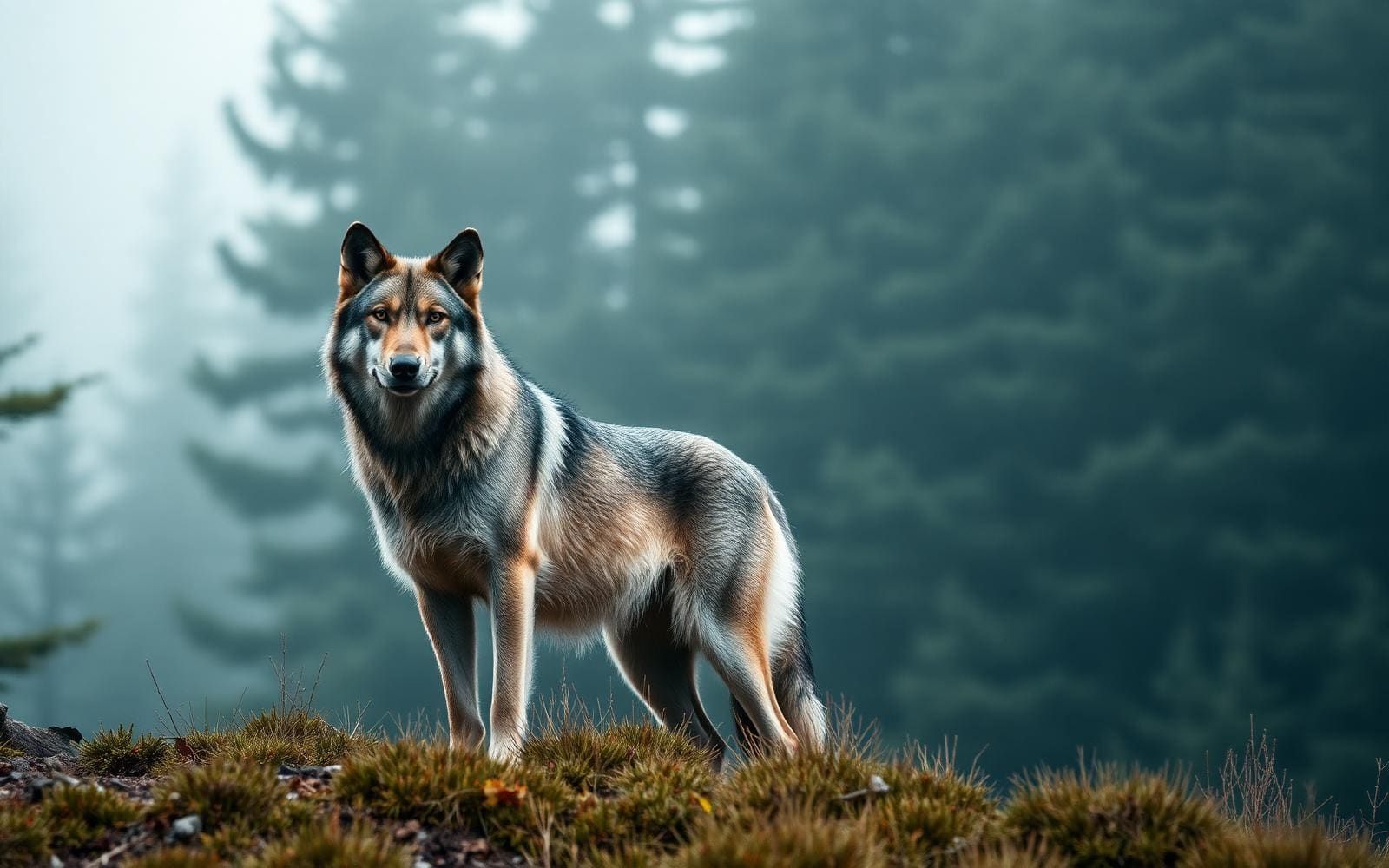
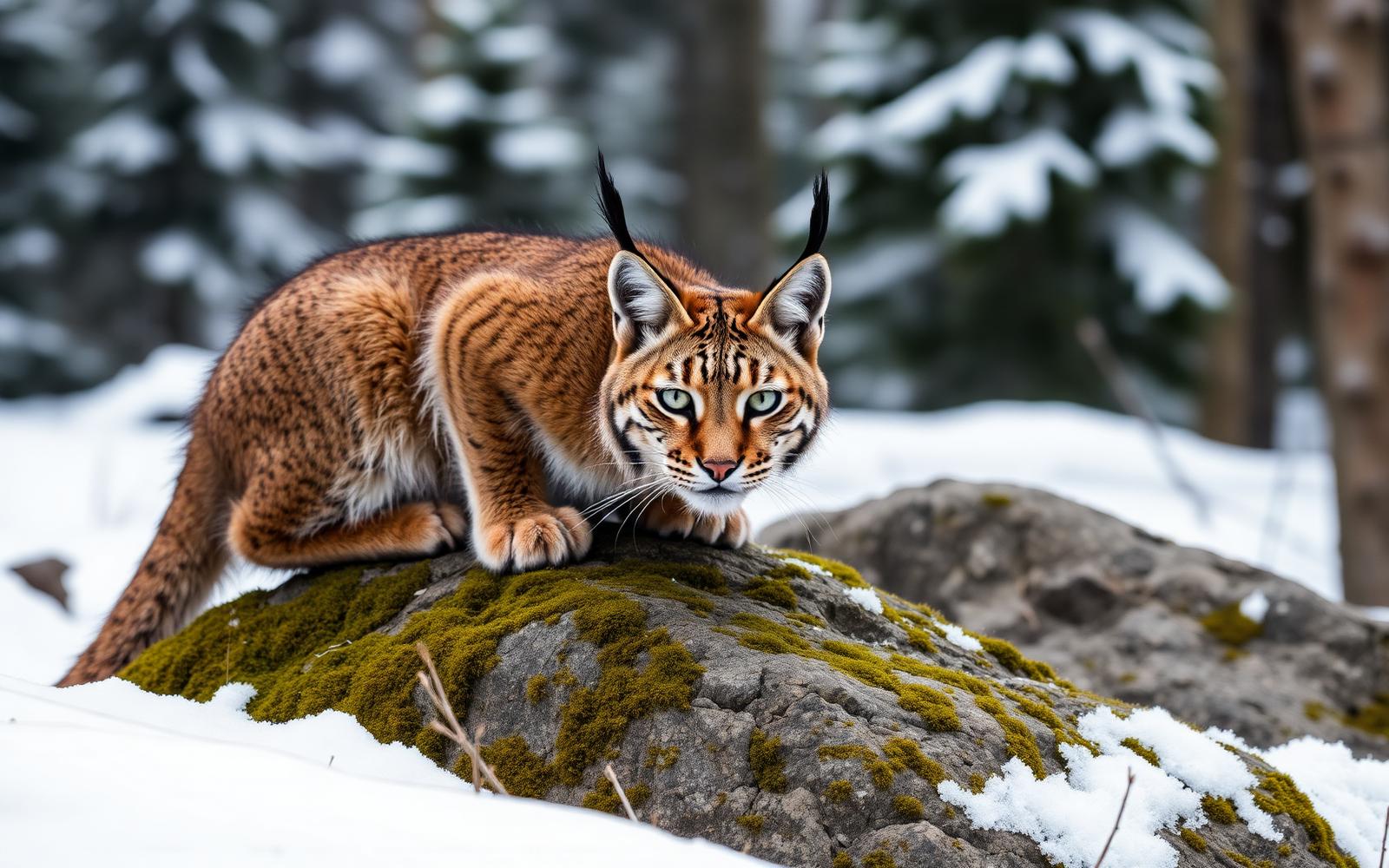
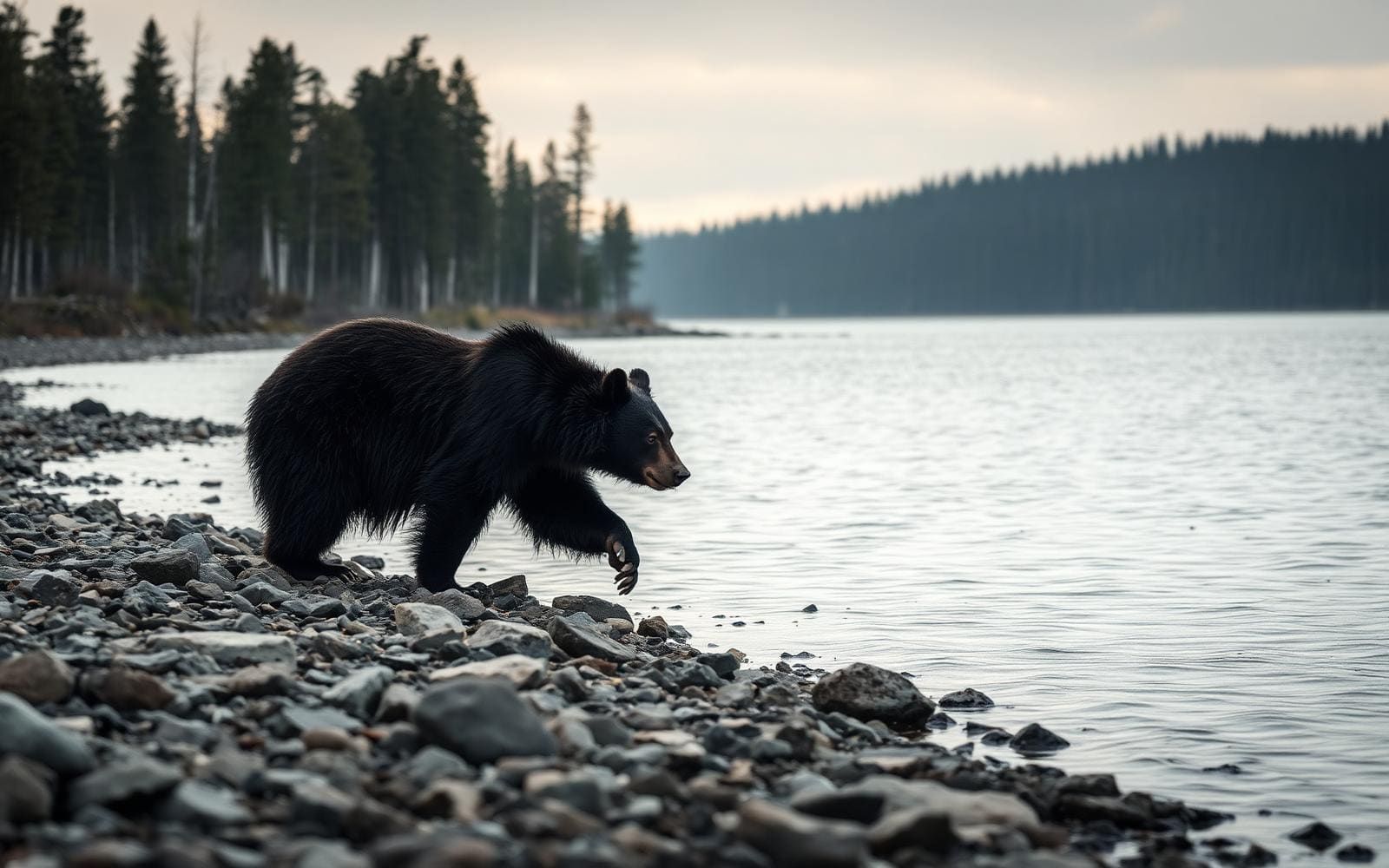
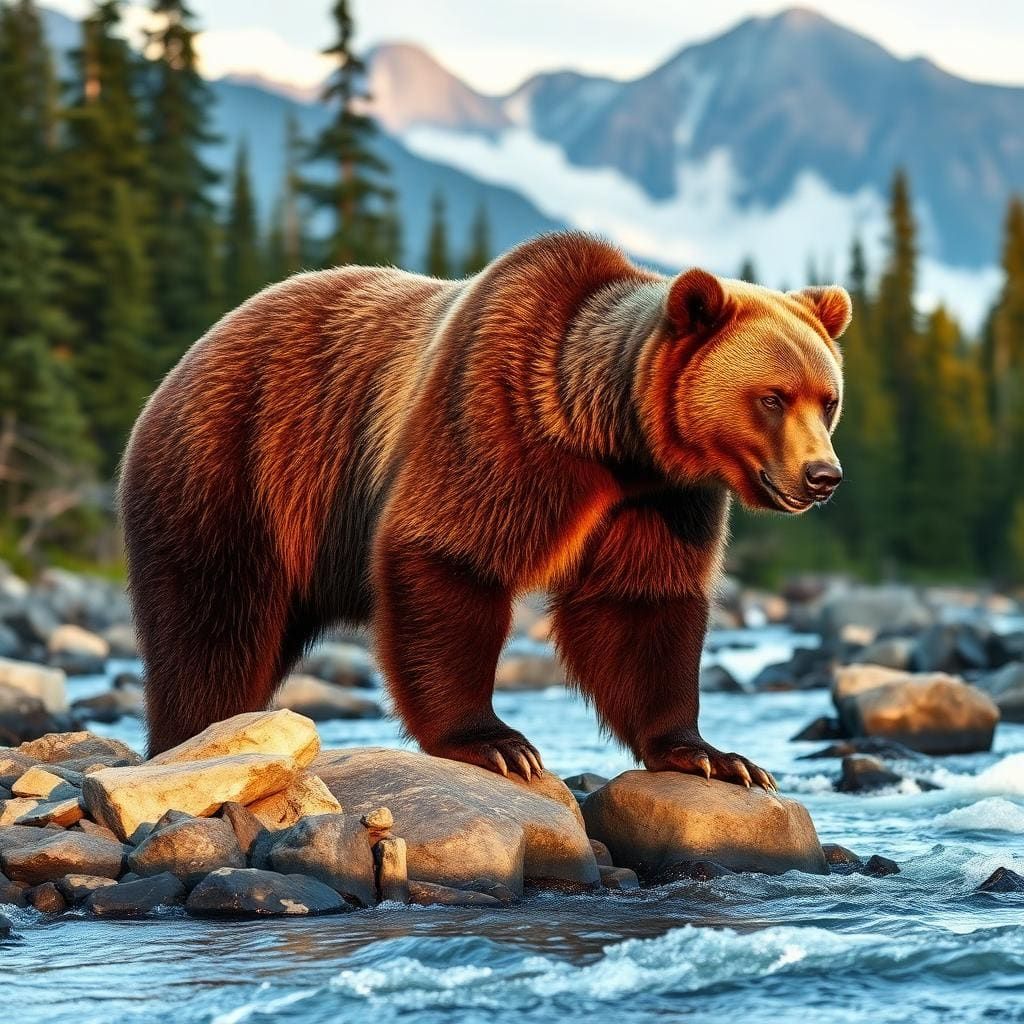
Same ground, different cast
Seasons filmed at Richardson Mountains
Compare how contestants adapted their loadouts to the same terrain in different years.
- Alone Season 13
Richardson Mountains2026
The gear behind what you just read
Ranked lists for the exact categories that decide a season.
- Top 10 Winter JacketsDown parkas, synthetic belay pieces, and heavy wool coats for real cold.See the ranking
- Top 10 Merino Wool Base LayersNext-to-skin wool that works in real cold, real heat, and days between washes.See the ranking
- Top 10 Three-Season Sleeping BagsDown and synthetic bags that cover the honest 20°F–40°F working range.See the ranking
- Top 10 Winter Camping LocationsCold-country trips built around snow, ice, and quiet skies.See the ranking
- Best Cold-Weather HatsWool watch caps, ushankas, and windproof beanies for real winter.See the ranking