


Backpacking Trips · #3
Appalachian Trail (thru or long section)
Eastern USA

Reader rating
Rate it and you move it. Community ratings re-rank this product inside its Top 10 list.
Expert-picked, reader-ranked. Our editors choose the products and the launch order; member star ratings move picks up or down over time.
3,500 km of green tunnel and hut culture. The birthplace of American thru-hiking.
Pros
- Well-marked, continuous footpath
- Strong trail community and culture
- Frequent resupply points and shelters
- Accessible from numerous road crossings
- Immersive 'green tunnel' forest experience
Cons
- Crowding, especially in peak seasons/sections
- Persistent mud and rocky terrain
- Humidity and insects in summer
- Variable weather demands versatile gear
Best uses
- Thru-hiking adventure
- Long-distance section hiking
- Experiencing trail community
- Forest immersion backpacking
Specifications
- Length
- Approx. 3,500 km (2,190 miles)
- Duration (Thru-Hike)
- 5-7 months
- States Traversed
- 14
- Trail Type
- Footpath, Hut-to-Hut sections
- Highest Point
- Clingmans Dome, TN (2,025 m)
- Difficulty
- Moderate to Strenuous
Best for
Thru-hiking adventure, Long-distance section hiking, Experiencing trail community, Forest immersion backpacking
The Appalachian Trail, or AT, is an iconic American long-distance footpath stretching approximately 3,500 kilometers from Springer Mountain, Georgia, to Mount Katahdin, Maine. It traverses 14 states, offering a continuous experience of the Appalachian Mountains' unique 'green tunnel' environment – long stretches of forest canopy broken by occasional open ridges and bald mountains. While a full thru-hike takes five to seven months, making it a significant life undertaking, many hikers opt for long sections, experiencing the trail's distinctive culture and varied terrain. The AT is often cited as the birthplace of modern American thru-hiking, fostering a strong community of hikers known for their trail names, 'trail magic,' and shared experience of the journey. The trail's accessibility from numerous towns and road crossings allows for flexible trip planning, from multi-day excursions to multi-week or multi-month adventures, making it approachable for a wide range of skill levels and time commitments. Unlike many Western trails that prioritize dramatic vistas and alpine environments, the AT's charm lies in its immersive forest experience, rolling ascents, and the profound sense of connection to nature and a supportive hiking community. Hikers encounter a spectrum of trail conditions, from well-maintained paths to rocky, root-bound sections that demand careful foot placement. Resupply points are generally frequent, and shelters are strategically placed along the route, offering basic accommodation and a communal gathering spot. Weather can be highly variable, ranging from sweltering humidity in the South to freezing temperatures and snow in the higher elevations, particularly in the northern states or during shoulder seasons. Preparation for diverse weather and terrain is crucial for a successful and enjoyable AT experience.
Geography and Terrain
The AT meanders through the ancient, worn peaks of the Appalachian Mountains, characterized by dense hardwood forests, rhododendron tunnels, and occasional open 'balds.' Terrain varies significantly: southern sections are generally rolling, with long climbs and descents, while the Mid-Atlantic can be rockier, especially in Pennsylvania. New England presents the most challenging terrain with steep, rugged ascents, exposed ridgelines, and unpredictable weather, particularly in the White Mountains of New Hampshire and throughout Maine. Water sources are generally plentiful, but can be seasonal in dry spells. Mud is a frequent companion, especially after rain, and roots are a constant obstacle. Elevation changes are continuous, but rarely involve prolonged, high-altitude exposure, making acclimatization less of an issue than on Western trails.
Seasons and Weather Windows
For thru-hikers, spring (March/April) is the ideal start from Georgia to finish in Maine by early fall. This strategy avoids the harshest summer heat in the South and the onset of winter in the North. Section hikers have more flexibility. The spring bloom and fall foliage offer spectacular beauty, though spring can bring heavy rains and black flies, while fall means cooler temperatures but shorter days. Summer can be hot and humid, especially in the southern and mid-Atlantic states, with frequent thunderstorms. Winter hiking is possible in shorter sections, particularly in the South, but requires specialized gear, experience with snow and ice, and preparedness for limited services and colder temperatures. The weather is unpredictable and can change rapidly, particularly at higher elevations, necessitating versatile layering systems.
Wildlife Encounters
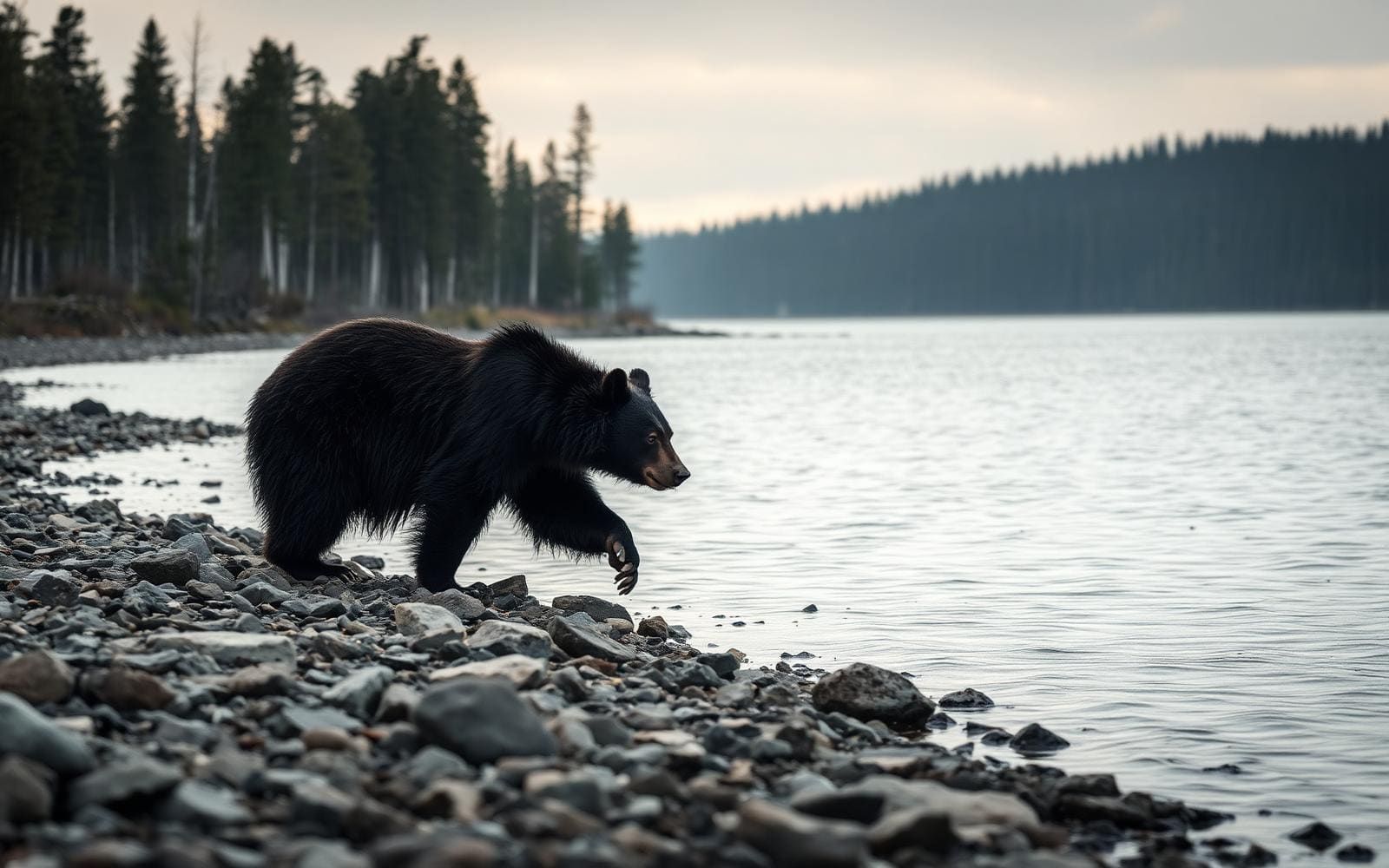
The AT is home to abundant wildlife, with black bears being the most significant animal hikers are likely to encounter. Proper food storage (bear canisters or Ursacks in designated areas, or hanging food) is mandatory to prevent negative interactions. Deer, moose (especially in New England), various bird species, snakes (including venomous copperheads and rattlesnakes in certain regions), and smaller mammals like squirrels and raccoons are common. Ticks are prevalent throughout the trail, especially in warmer months, and pose a risk of Lyme disease, requiring diligent checking and prevention. Wildlife encounters are generally positive, but respecting their space and taking precautions are essential for safety and conservation.
Key Routes and Attractions
Beyond the continuous footpath, the AT offers numerous highlights. Famous sections include the Great Smoky Mountains National Park, the Roan Highlands, Shenandoah National Park with its Skyline Drive, the challenging White Mountains of New Hampshire (home to the AMC huts), and the remote wilderness of Maine's Hundred Mile Wilderness leading to Katahdin. Specialized routes include side trails to scenic overlooks, waterfalls, and historical sites. Shelters provide rustic accommodation every 8-15 miles on average, serving as focal points for the trail community. Iconic landmarks like McAfee Knob in Virginia and Springer Mountain in Georgia draw many day and section hikers. Each state brings its own unique character, from the charming small towns of Virginia to the rugged isolation of Maine.
Permits and Access
A permit is required for thru-hikers starting southbound or northbound to help manage crowding and impact. Specific permits are also needed for camping within Great Smoky Mountains National Park and for climbing Mount Katahdin in Baxter State Park. Otherwise, no single long-distance permit covers the entire trail. Access points are numerous, with many road crossings and trailheads making section hiking straightforward. Shuttle services operate in many areas to assist with logistics, particularly for resupply or reaching trailheads. It's crucial to check current regulations for each section of the trail, as rules can vary between national parks, forests, and private lands, and permit requirements can change. Planning logistics for transportation to and from the trail is a key part of the preparation process for any hike.
How we chose
We built this ranking from trip reports, agency data, permit records, and our editors' own time on the ground. 10 places made the final cut out of a much longer working list, and each one had to clear the same set of criteria before it earned a spot.
- Quality of the terrain
- Landscape, route variety, and whether the place rewards multiple days rather than one overlook.
- Season and weather windows
- How long the reliable window is, and how badly the shoulder seasons punish a bad forecast.
- Access and permits
- Trailhead logistics, permit odds, quotas, and how much lead time a trip realistically takes.
- Solitude vs. crowding
- How far you have to walk before the place feels like wilderness instead of a queue.
- Wildlife and ecology
- What you can reasonably expect to see, and what you have to plan around.
- Risk and skill required
- Navigation, water crossings, exposure, and rescue distance — stated plainly.
Appalachian Trail (thru or long section) — frequently asked questions
- Is Appalachian Trail (thru or long section) worth the trip?
- We rank it #3 in Backpacking Trips. 3,500 km of green tunnel and hut culture. The birthplace of American thru-hiking.
- Who is Appalachian Trail (thru or long section) best for?
- Best for thru-hiking adventure, long-distance section hiking, experiencing trail community and forest immersion backpacking. Standouts: well-marked, continuous footpath and strong trail community and culture.
- What are the drawbacks of Appalachian Trail (thru or long section)?
- Crowding, especially in peak seasons/sections, Persistent mud and rocky terrain and Humidity and insects in summer.
- What are the key details for Appalachian Trail (thru or long section)?
- Length: Approx. 3,500 km (2,190 miles) · Duration (Thru-Hike): 5-7 months · States Traversed: 14 · Trail Type: Footpath, Hut-to-Hut sections · Highest Point: Clingmans Dome, TN (2,025 m)
- Geography and Terrain — what should I know about the Appalachian Trail (thru or long section)?
- ' Terrain varies significantly: southern sections are generally rolling, with long climbs and descents, while the Mid-Atlantic can be rockier, especially in Pennsylvania. New England presents the most challenging terrain with steep, rugged ascents, exposed ridgelines, and unpredictable weather, particularly in the…
- Seasons and Weather Windows — what should I know about the Appalachian Trail (thru or long section)?
- For thru-hikers, spring (March/April) is the ideal start from Georgia to finish in Maine by early fall. This strategy avoids the harshest summer heat in the South and the onset of winter in the North.
Where on earth
Satellite imagery flying in from a world view to Appalachian Trail (thru or long section), United States. Use the + / − buttons, or click the map to zoom with your scroll wheel; drag to pan and pinch to zoom on touch.
United States · 38.917, -78.050
Wildlife found around Appalachian Trail (thru or long section)





Compare side by side
Put the Appalachian Trail (thru or long section) against any other pick on this list — specs, price, pros, cons and reader ratings.