


Backpacking Trips · #2
Pacific Crest Trail (section or thru)
USA

Reader rating
Rate it and you move it. Community ratings re-rank this product inside its Top 10 list.
Expert-picked, reader-ranked. Our editors choose the products and the launch order; member star ratings move picks up or down over time.
4,265 km from Mexico to Canada. Section hikes in Washington and the Sierra are the best introductions.
Pros
- Unparalleled diversity of ecosystems and landscapes
- Deep immersion in remote wilderness and solitude
- Challenging yet rewarding physical and mental journey
- Well-maintained trail infrastructure in many sections
- Strong sense of community among thru- and section-hikers
Cons
- Demanding physical and mental exertion
- Significant logistical planning for permits, water, and resupply
- Exposure to extreme weather and environmental hazards
- Popular sections can experience crowding
- Access to remote trailheads can be challenging
Best uses
- Long-distance thru-hiking
- Multi-week section hikes
- Advanced backpacking trips
- Seeking remote wilderness experiences
Specifications
- Total Length
- 4,265 km (2,650 miles)
- Termini
- Mexico border (CA) to Canada border (BC)
- Highest Point
- Forester Pass (4,009 m / 13,153 ft)
- Designation
- National Scenic Trail
- Primary Terrain
- Desert, high alpine, temperate rainforest
- Key Wildlife
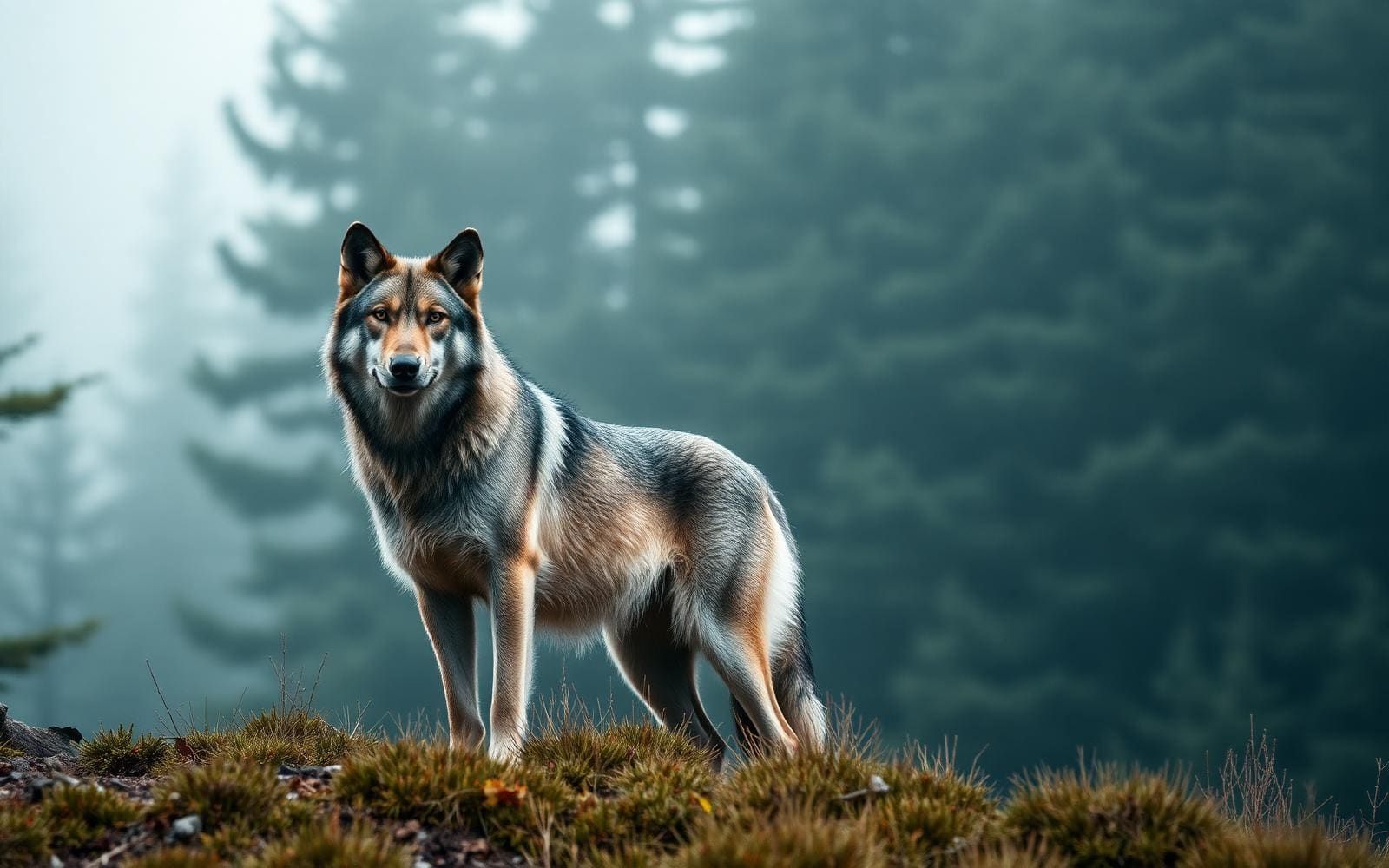
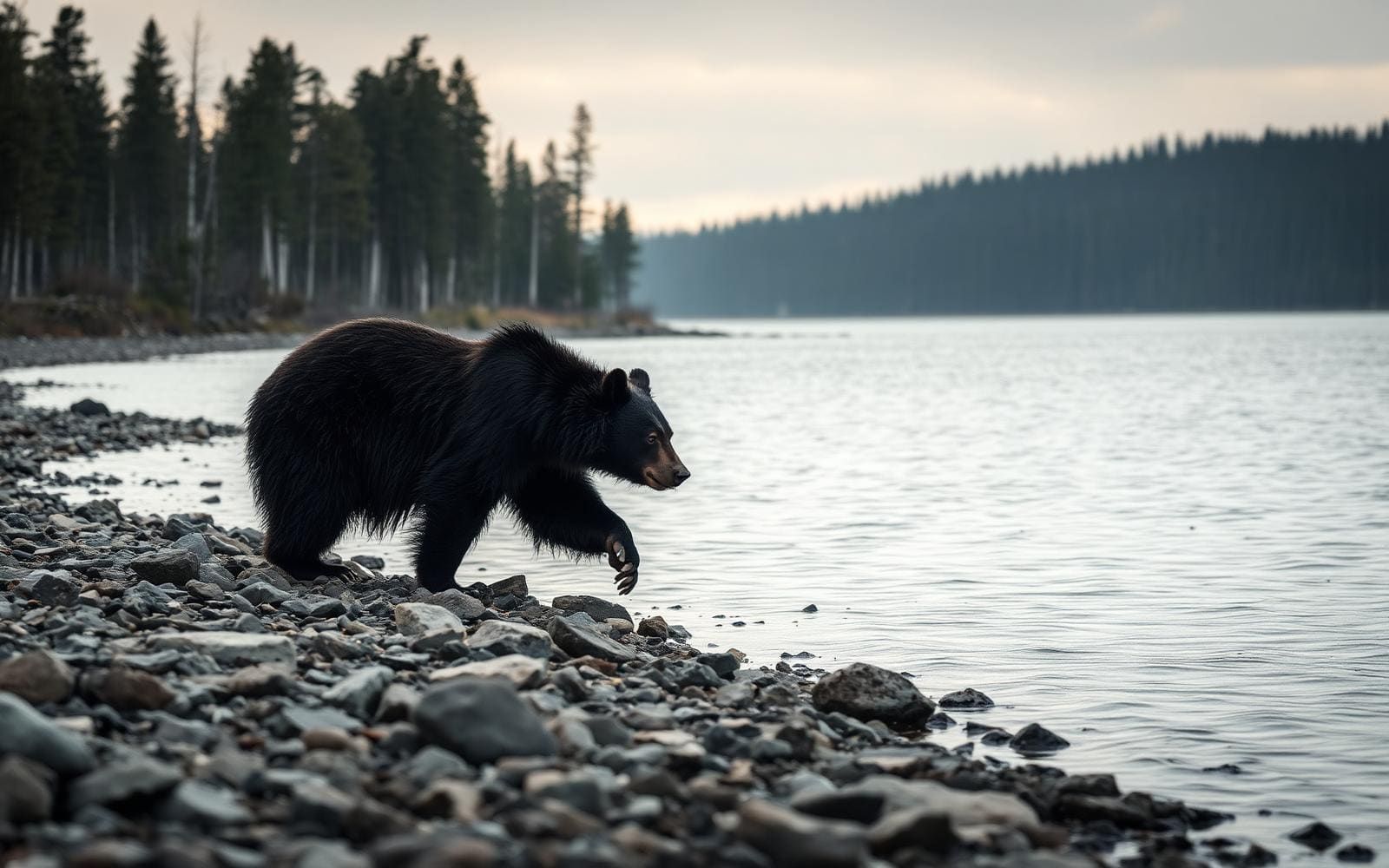
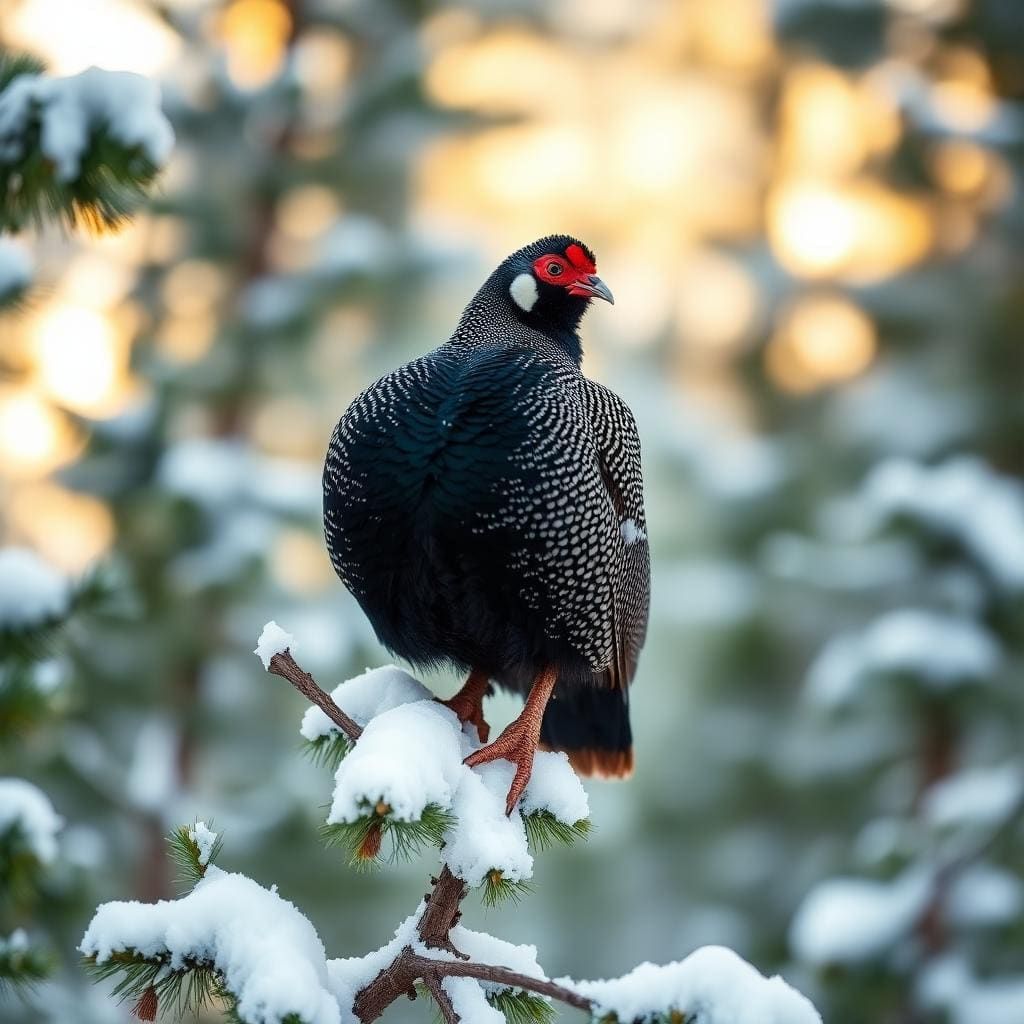
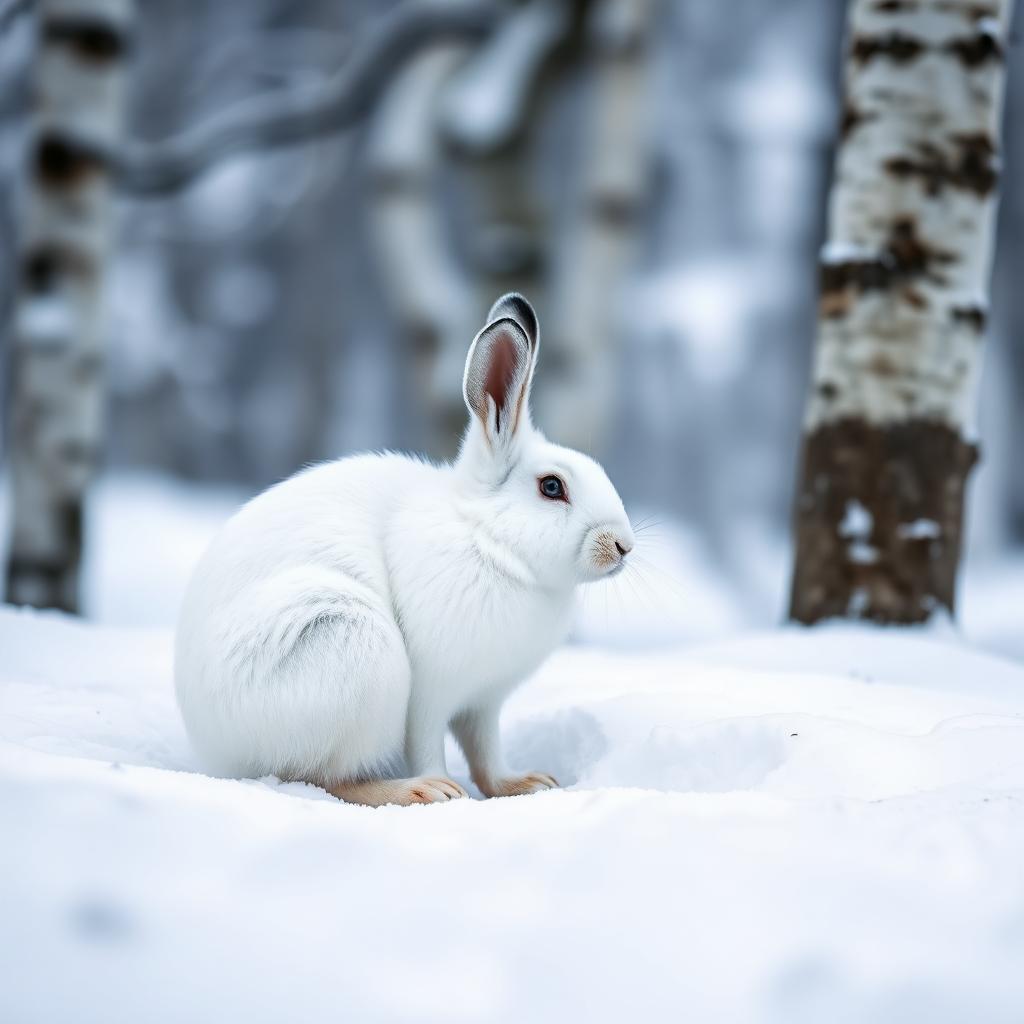
- Deer, bear, marmot, pika, numerous bird species
Best for
Long-distance thru-hiking, Multi-week section hikes, Advanced backpacking trips, Seeking remote wilderness experiences
The Pacific Crest Trail, or PCT, is a behemoth, stretching 4,265 kilometers from the US-Mexico border up to Manning Provincial Park in British Columbia. While most know it as a thru-hike, attempting the entire trail in one go, its true beauty and accessibility often lie in its sections. From the stark, sun-baked deserts of Southern California to the glaciated peaks of the Sierra Nevada and the moss-draped forests of the Pacific Northwest, the PCT offers an unparalleled diversity of ecosystems. It’s a trail that demands respect, meticulous planning, and a deep well of resilience, but it repays that effort with some of the most breathtaking and solitary wilderness experiences available on the continent. However, this isn't a walk in the park. Even section hiking requires significant preparation for varying terrain, extreme weather, and the mental fortitude to push through long, often remote stretches. The trail is generally well-maintained, thanks to the efforts of countless volunteers, but navigation can still be tricky in places, especially with early or late-season snow. Water sources, particularly in the desert, are a critical concern and must be planned for rigorously. While the allure of 'the PCT' is strong, understanding its challenges and selecting a section that matches your skill and experience is key to a rewarding journey.
Geography & Terrain
The PCT traverses three distinct states, each with its own character. California presents a dramatic shift from the arid Sonoran Desert to the towering granite of the Sierra Nevada, characterized by high passes, alpine lakes, and dramatic elevation changes. Oregon offers a more volcanic landscape with exposed ridges, expansive views of peaks like Mt. Hood and Three Sisters, and generally lower elevations. Washington culminates the journey in rugged, often rainy, and heavily forested mountains, including the North Cascades, demanding river crossings and navigating dense growth. Each section requires a specific skillset and preparation, from desert heat management to snow travel in the high mountains.
Best Season & Weather
For thru-hikers, the window is typically April to September, northbound. Section hikers have more flexibility. The California desert is best in spring (March-May) before extreme summer heat. The Sierra Nevada is optimal mid-summer (July-August) when snowmelt has subsided, though early season travel demands ice axe and crampons. Oregon and Washington are best in late summer to early fall (August-September) to avoid heavy spring snow and early autumn rains. Weather can be unpredictable everywhere; sudden thunderstorms, high winds, and rapid temperature drops are always a possibility, even in prime season. Always check forecasts and be prepared for anything.
Wildlife Encounters
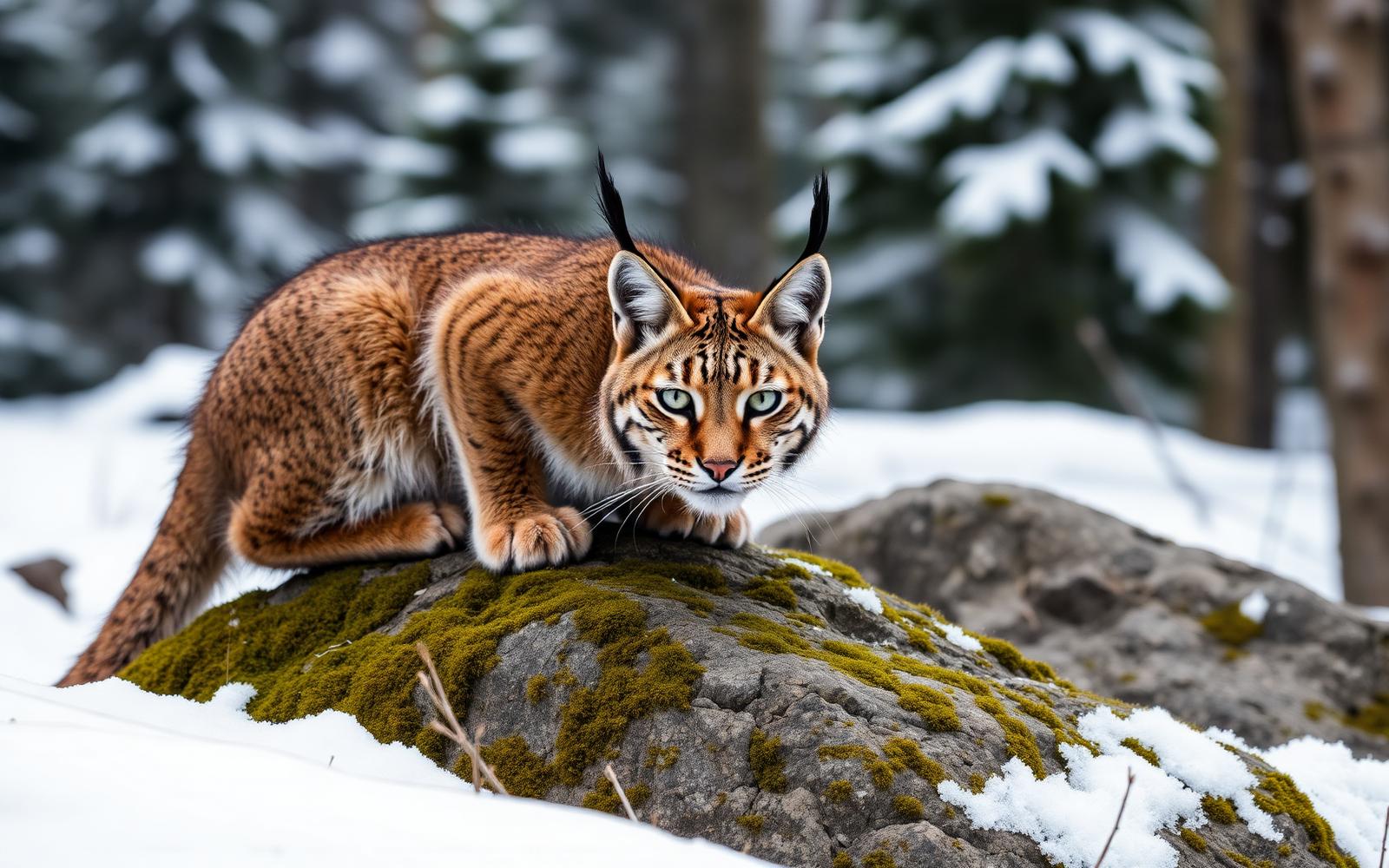
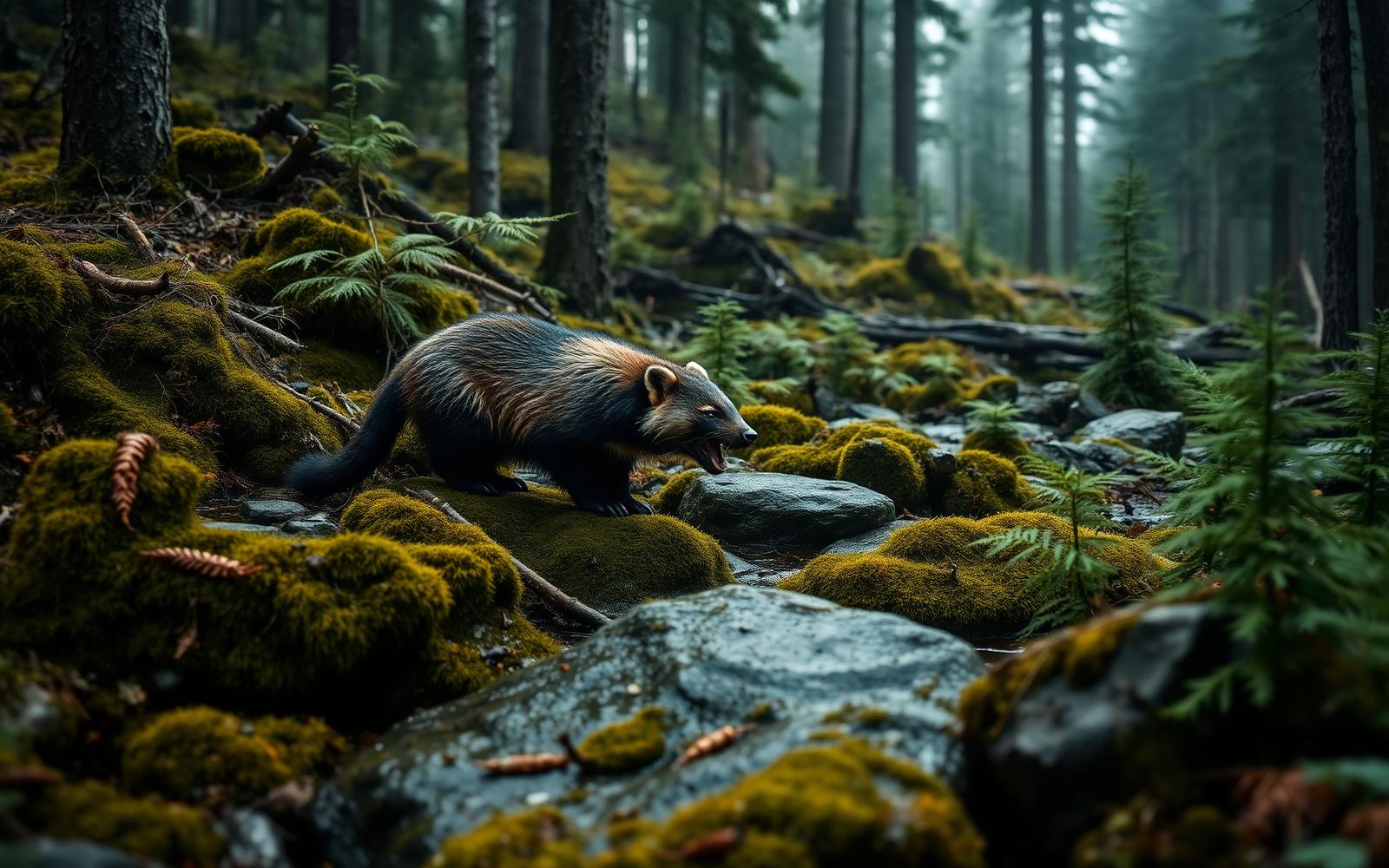
The PCT is home to a rich array of wildlife. In the desert, you might spot rattlesnakes, lizards, and various rodents. The Sierra hosts black bears, marmots, pikas, and deer. Oregon and Washington introduce larger mammals like elk and moose in certain areas, alongside more frequent bear sightings. Birdlife is abundant throughout. Proper food storage (bear canisters in the Sierra and some other areas are mandatory) is critical to protect both hikers and animals. While dangerous encounters are rare, maintaining awareness, making noise on the trail, and never approaching wildlife are essential practices.
Key Routes & Attractions
Beyond the entire thru-hike, popular sections include the John Muir Trail overlap in the Sierra, offering iconic views of Yosemite and Kings Canyon. The Hat Creek Rim in Northern California provides unique volcanic landscapes. Oregon boasts stunning volcanic peaks and the surreal Crater Lake. Washington's North Cascades feature remote, dramatic alpine scenery. Specific highlights often involve difficult but rewarding passes, high-elevation lakes, and expansive ridge walks. Researching specific segments like the Sierra High Route or parts of the Goat Rocks Wilderness can reveal some of the most spectacular, if challenging, sub-routes.
Permits & Access
Permits are a significant factor for the PCT. Thru-hikers need a long-distance permit from the PCTA, which is highly competitive and released in two windows. Section hikers typically need permits for specific national parks (e.g., Yosemite, Sequoia, Kings Canyon) and wilderness areas, often obtained via a lottery system or reservation. Access points vary from easily accessible road crossings to remote trailheads requiring shuttle services or substantial hiking. Researching permit requirements and access logistics for your chosen section well in advance is non-negotiable. Without the correct permits, you risk fines and impacting the trail's fragile ecosystems.
Trade-offs & Hazards
The PCT, while rewarding, comes with inherent trade-offs. Popular sections, especially those coinciding with the John Muir Trail, can be crowded during peak season. Hazards include extreme weather (heat, cold, lightning), difficult river crossings (especially early season), wildfire smoke, rattlesnakes, ticks, and giardia. Water scarcity in the desert is a constant concern. Snow travel in the Sierra requires technical skills and equipment. The mental toll of long stretches of solitude, physical exertion, and managing logistics should not be underestimated. This is not a trail for the unprepared or faint of heart.
How we chose
We built this ranking from trip reports, agency data, permit records, and our editors' own time on the ground. 10 places made the final cut out of a much longer working list, and each one had to clear the same set of criteria before it earned a spot.
- Quality of the terrain
- Landscape, route variety, and whether the place rewards multiple days rather than one overlook.
- Season and weather windows
- How long the reliable window is, and how badly the shoulder seasons punish a bad forecast.
- Access and permits
- Trailhead logistics, permit odds, quotas, and how much lead time a trip realistically takes.
- Solitude vs. crowding
- How far you have to walk before the place feels like wilderness instead of a queue.
- Wildlife and ecology
- What you can reasonably expect to see, and what you have to plan around.
- Risk and skill required
- Navigation, water crossings, exposure, and rescue distance — stated plainly.
Pacific Crest Trail (section or thru) — frequently asked questions
- Is Pacific Crest Trail (section or thru) worth the trip?
- We rank it #2 in Backpacking Trips. 4,265 km from Mexico to Canada. Section hikes in Washington and the Sierra are the best introductions.
- Who is Pacific Crest Trail (section or thru) best for?
- Best for long-distance thru-hiking, multi-week section hikes, advanced backpacking trips and seeking remote wilderness experiences. Standouts: unparalleled diversity of ecosystems and landscapes and deep immersion in remote wilderness and solitude.
- What are the drawbacks of Pacific Crest Trail (section or thru)?
- Demanding physical and mental exertion, Significant logistical planning for permits, water, and resupply and Exposure to extreme weather and environmental hazards.
- What are the key details for Pacific Crest Trail (section or thru)?
- Total Length: 4,265 km (2,650 miles) · Termini: Mexico border (CA) to Canada border (BC) · Highest Point: Forester Pass (4,009 m / 13,153 ft) · Designation: National Scenic Trail · Primary Terrain: Desert, high alpine, temperate rainforest
- Geography & Terrain — what should I know about the Pacific Crest Trail (section or thru)?
- The PCT traverses three distinct states, each with its own character. California presents a dramatic shift from the arid Sonoran Desert to the towering granite of the Sierra Nevada, characterized by high passes, alpine lakes, and dramatic elevation changes.
- Best Season & Weather — what should I know about the Pacific Crest Trail (section or thru)?
- For thru-hikers, the window is typically April to September, northbound. Section hikers have more flexibility.
Where on earth
Satellite imagery flying in from a world view to Pacific Crest Trail (section or thru), United States. Use the + / − buttons, or click the map to zoom with your scroll wheel; drag to pan and pinch to zoom on touch.
Pacific Crest Nat'l Scenic Trl, United States · 40.754, -121.386
Wildlife found around Pacific Crest Trail (section or thru)


Compare side by side
Put the Pacific Crest Trail (section or thru) against any other pick on this list — specs, price, pros, cons and reader ratings.