



- Region
- British Columbia
- Country
- Canada
- Best for
- canoeing, camping, fishing
- Best season
- Spring, Summer
- Permits
- A permit is required to complete the Bowro…
- Managed by
- BC Parks
Plan with verified data
Bowron Lake circuit trip tools
Tools for a trip here
Picked for how, when and where you're going. Free, no signup.
- Water Purification MatrixDrinking from the water you paddle — pick a treatment that fits.
- Layering CalculatorCold water: dress for immersion, not just the air temperature.
- Sleep System Temp CalculatorCold nights: check your bag and pad add up to a safe sleep.
- Bear Country Food StorageBear country: canister, Ursack or hang, and the local rules.
- The 10 EssentialsBackcountry safety basics, printable.
How to get there
Access to Bowron Lake Provincial Park is primarily by driving. From Vancouver, the journey is approximately 700 km to Quesnel. From Quesnel, it's about 110 km inland to the park via Highway 26. The highway is paved from Quesnel to Barkerville, with the final 30 km being a gravel road. This gravel section is generally in good condition but requires slower driving speeds. Cell service is unavailable in the park once leaving Quesnel.
Sources: Wikipedia · mariaadey.com. Confirm road and trailhead conditions with the managing agency before you leave.
British Columbia · Canada · Season: Late spring through early fall
- Canoeing
- Kayaking
- Fishing
Overview
116 km loop through connected lakes — the rare wilderness paddle you can do without a shuttle.
Planning notes
Where: British Columbia, Canada Best season: Late spring through early fall Good for: Canoeing, Camping, Fishing Featured on: Top 10 Canoeing Trips (#9) Access point: Bowron Lake Provincial Park, Cariboo C Bowron Lake, Cariboo, BC V0K 2R0, Canada
Check current permits, closures and fire restrictions with the managing agency before you commit to dates.
Where on earth
Satellite imagery flying in from a world view to Bowron Lake circuit, Canada. Use the + / − buttons, or click the map to zoom with your scroll wheel; drag to pan and pinch to zoom on touch.
Coordinates
- Decimal degrees
- 53.2072, -120.9633
- Latitude (DMS)
- 53° 12′ 25.9″ N
- Longitude (DMS)
- 120° 57′ 47.9″ W
Coordinates are an access-point reference for Bowron Lake circuit, not a route. Carry a paper map and confirm trailhead or put-in access with the managing agency before you go.
Topic summary
116 km loop through connected lakes — the rare wilderness paddle you can do without a shuttle.
Key takeaways
- Region: British Columbia
- Country: Canada
- Best season: Late spring through early fall
- Good for: canoeing, camping, fishing
- Coordinates: 53.207, -120.963
Intended uses
- canoeing
- camping
- fishing
Climate suitability
Late spring through early fall
Keep planning
Popular pursuits at Bowron Lake circuit
Animals around Bowron Lake circuit
 Wildlife guideTimber wolfCanis lupus
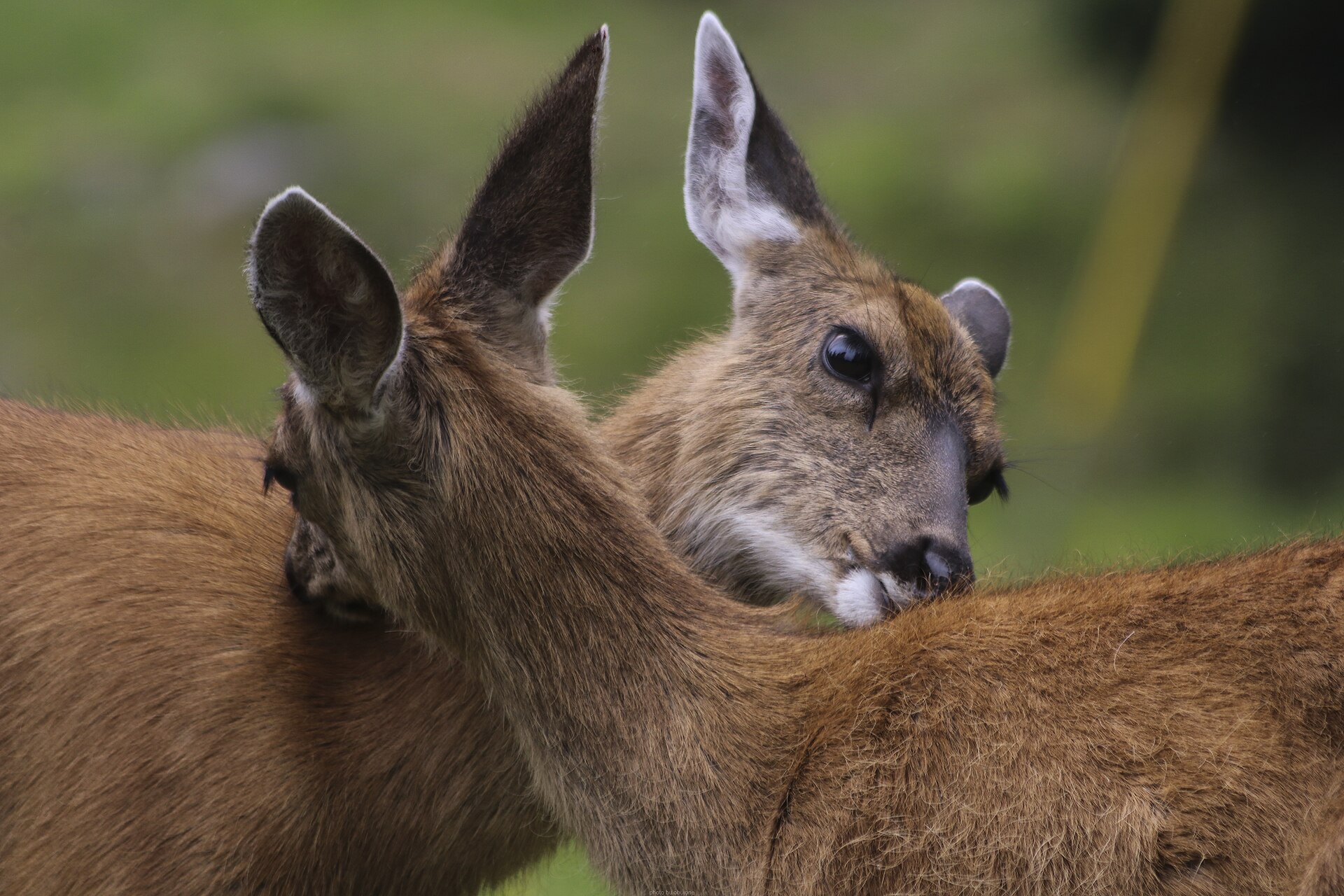 Big gameBlacktail DeerOdocoileus hemionus columbianus
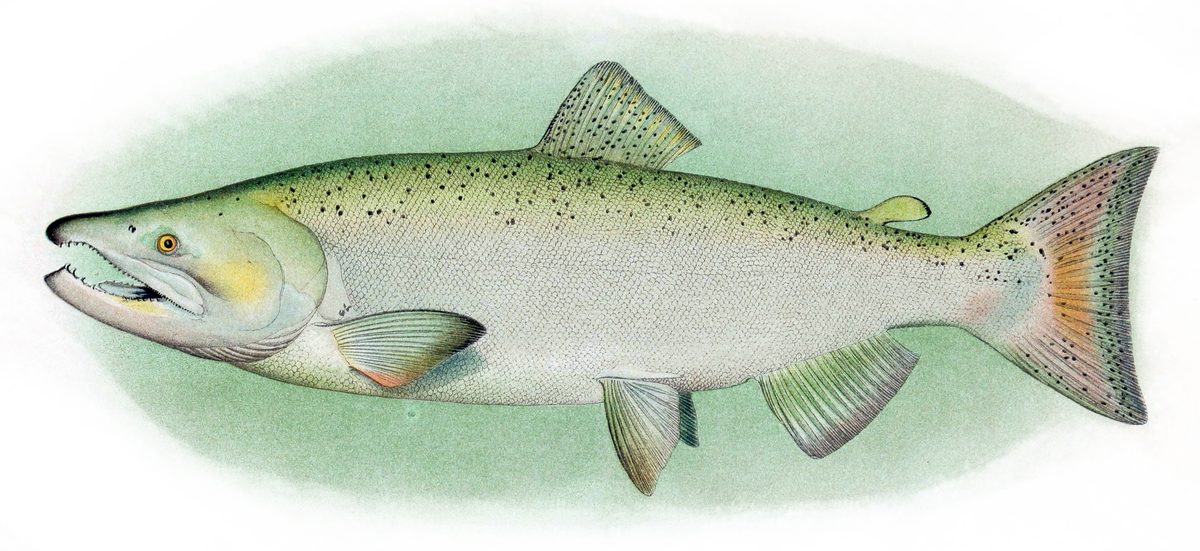 GamefishPacific SalmonOncorhynchus spp.
 Wildlife guideCanada lynxLynx canadensis
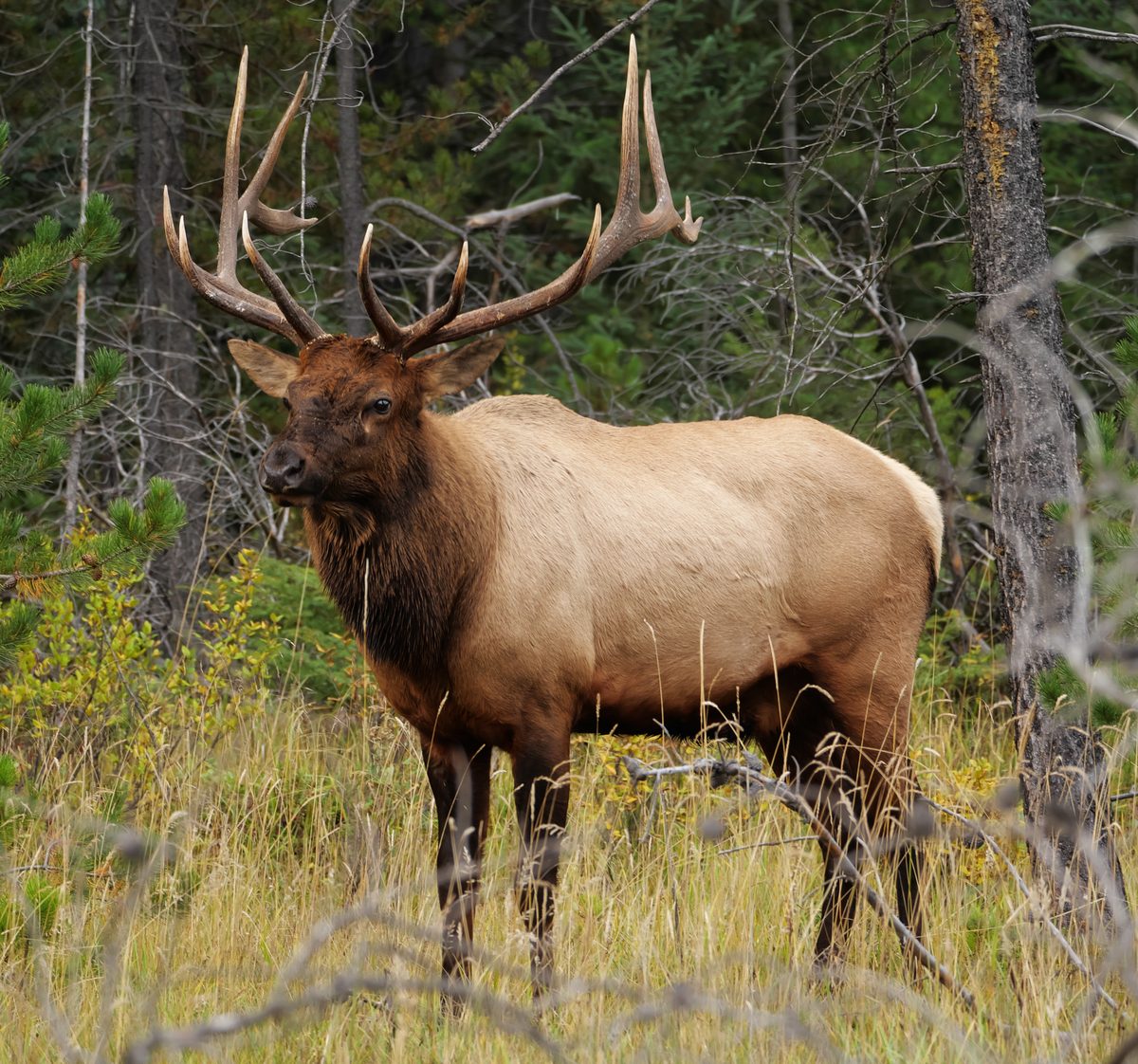 Big gameElkCervus canadensis
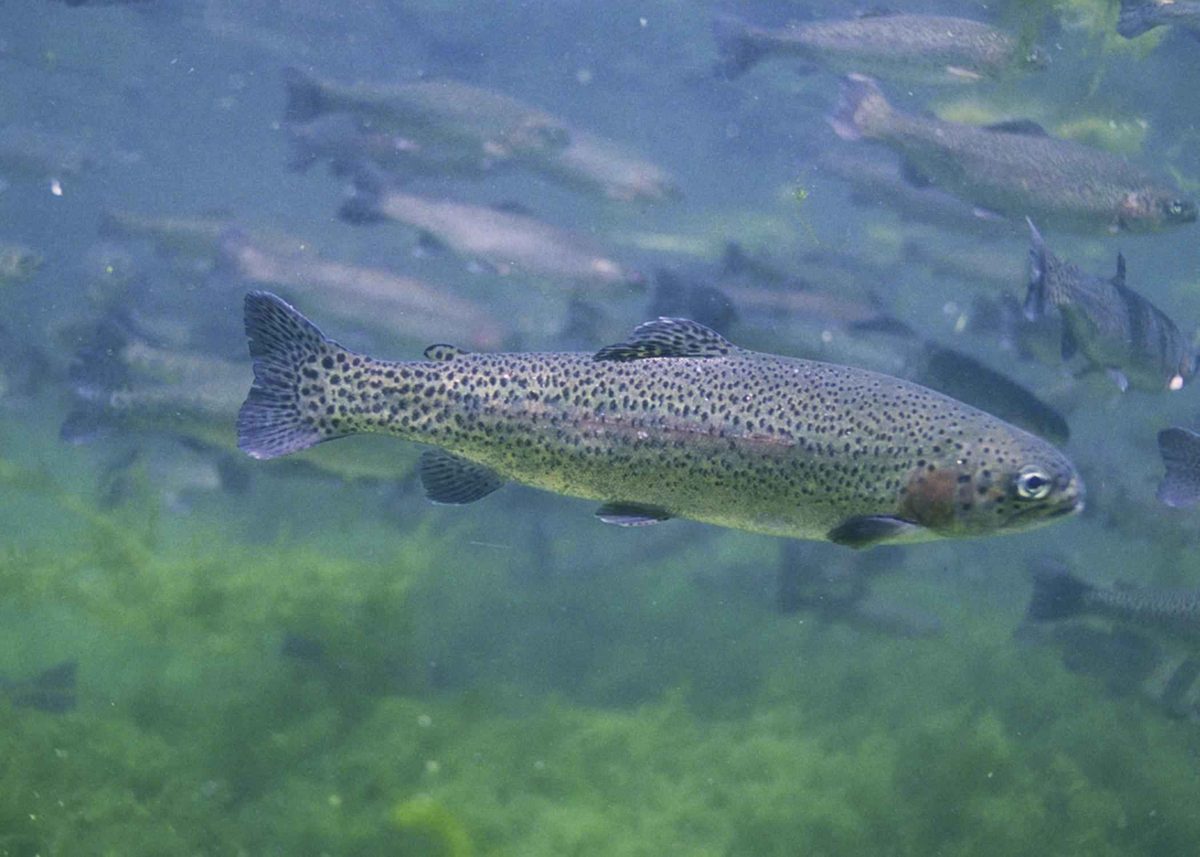 GamefishRainbow TroutOncorhynchus mykiss
 Wildlife guideBlack bearUrsus americanus
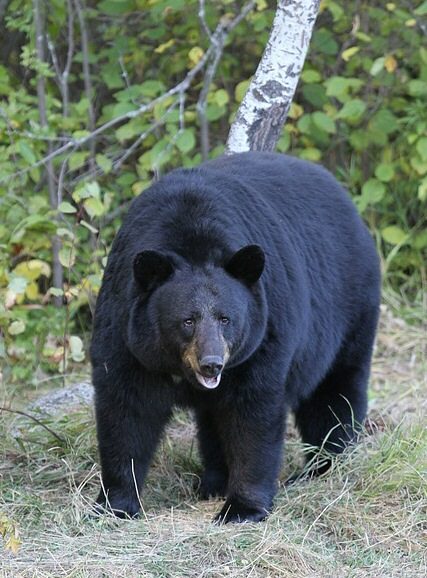 Big gameBlack BearUrsus americanus
Bowron Lake Circuit Overview
The Bowron Lake Circuit, located in Bowron Lake Provincial Park in east-central British Columbia, is a renowned wilderness paddling route. This 117 km circuit traverses 12 lakes and connecting waterways, including approximately 11 km of portages. It is recognized for its remote setting, abundant wildlife, and rugged glaciated mountain views within the Cariboo Mountains. The park is 117 km east of Quesnel, a 7-8 hour drive north of Vancouver. Once a popular hunting and fishing area, the park is now protected, drawing paddlers from around the world. Outside magazine has named it one of the top ten canoe trips globally. The circuit begins at the park registration center at the north end of Bowron Lake. While the official length is 117 km, GPS tracking has shown it can be closer to 135 km in practice. Paddlers are allowed up to 14 days to complete the circuit, though many finish in approximately 7 days, covering 15 to 25 km per day over 5-6 hours of paddling.
Paddling Experience and Preparedness
Completing the Bowron Lake Circuit demands a significant level of preparedness and prior paddling experience. This is a remote and challenging trip, unlike paddling in simpler conditions. Paddlers should have at least basic paddling skills, including partner and self-rescue techniques. Experience with backcountry camping and a working knowledge of basic first aid, ideally a Remote First Aid course, is also recommended. Participants should be prepared for multi-day paddling, potentially up to 5-6 hours daily, and be fully self-sufficient. While the 11 km of portaging might seem minor, towing or carrying a boat, along with unloading and reloading gear, can be physically demanding. Doing an overnight trip beforehand can help condition muscles for sustained effort. Emergency radios are available along the circuit, but carrying a satellite communication device like an InReach is advisable for personal safety in the remote environment.
Circuit Highlights and Challenges
The circuit starts with an initial portage before progressing through its 12 lakes. Some transitions between lakes require portaging, while others are connected by rivers navigable by paddle. Isaac Lake, the largest on the circuit at approximately 35 km long, can be particularly challenging due to strong afternoon headwinds. The end of Isaac Lake marks the halfway point and features 'the Chute,' followed by the Cariboo River. After navigating the Cariboo River, the paddling often becomes less strenuous, and groups tend to be more spread out. The circuit features 54 campsites, which are available on a first-come, first-served basis, except for designated group sites. The last campsite is situated at the head of the Bowron River, known for its wildlife viewing opportunities, before paddlers return to the start via Bowron Lake.
Seasonal Considerations
The time of year significantly impacts conditions on the Bowron Lake Circuit. Peak season, from late June to the end of August, generally offers more forgiving weather with less rain, calmer waters, and warmer nights, making it suitable for less experienced paddlers. However, summer can also bring high heat or smoke from wildfires. Shoulder seasons (Spring and Fall) offer fewer crowds, fewer insects, and reduced risk of smoke or fire bans. However, these periods present more challenging weather, including colder overnight temperatures, frequent rain, and higher winds, which can be a showstopper. Lakes typically become ice-free by late April, meaning water temperatures in May are quite cold. More experienced backcountry paddlers may prefer the shoulder seasons, while novices are advised to consider the busier summer months for more manageable conditions.
Route options
- Full Circuit117 kmChallenging
This is the complete 117 km loop, including 11 km of portaging and 106 km of paddling across 12 lakes, starting and ending at Bowron Lake. Paddlers have up to 14 days to complete it, though 7 days is common.
- West Circuit
An out-and-back route on Bowron Lake. Paddlers can travel as far as Unna Lake before returning to Bowron Lake. This option is suitable for those with less time.
Sample itineraries
- Standard Full Circuit · 7 days
A common duration for experienced paddlers to complete the entire 117 km circuit, typically covering 15-25 km per day.
- Leisurely Full Circuit · 14 days
The maximum allowed time to complete the full circuit, allowing for a slower pace and more time to explore or rest.
- Group Booking Full Circuit · 8 days
Specific itinerary for groups of 7 or more, requiring stays at designated group campsites. This can be for either the full or west circuit.
Seasonal conditions
Spring
May
Circuit generally opens in mid-May. Water is very cold, and overnight temperatures are cold. Frequent rain and higher winds are common. Less crowded with fewer bugs. Lakes become ice-free by late April.
Summer
Late June - August
Peak season with generally less rain, calmer paddling conditions, and warmer nights. Water is warmer for swimming. Can be hot or smoky. Expect more people.
Fall
September
Less crowded with fewer bugs. Reduced likelihood of smoke and fire bans. Weather can be challenging with colder temperatures, rain, and higher winds. Circuit closes at the end of September.
Winter
The park is closed to paddling for the circuit from late September to mid-May, with lakes frozen during this period.
| Season | Window | Conditions |
|---|---|---|
| Spring | May | Circuit generally opens in mid-May. Water is very cold, and overnight temperatures are cold. Frequent rain and higher winds are common. Less crowded with fewer bugs. Lakes become ice-free by late April. |
| Summer | Late June - August | Peak season with generally less rain, calmer paddling conditions, and warmer nights. Water is warmer for swimming. Can be hot or smoky. Expect more people. |
| Fall | September | Less crowded with fewer bugs. Reduced likelihood of smoke and fire bans. Weather can be challenging with colder temperatures, rain, and higher winds. Circuit closes at the end of September. |
| Winter | The park is closed to paddling for the circuit from late September to mid-May, with lakes frozen during this period. |
Permits, fees & closures
A permit is required to complete the Bowron Lake Circuit, issued by BC Parks. The number of people and boats on the circuit is capped daily. Full Circuit permits allow up to 14 days. West Circuit permits are available for shorter trips. Groups of 7 or more require a special group booking, which has a fixed itinerary and uses specific group sites. Permits are released for the following summer, typically in late October or early December for the initial release, with a second set in March. Reservations can be difficult to obtain, especially for peak season.
Confirm current permits, fees, and closures with the managing agency before you go.
Hazards & regulations
- Remote location with no cell service
- Challenging weather: high winds, rain, cold temperatures
- Physical demands of portaging and multi-day paddling
- Cold water temperatures, especially in shoulder seasons
- Headwinds on large lakes like Isaac Lake
- Potential for low water levels in rivers during summer
What to pack for Bowron Lake circuit
- First aid kit (Remote First Aid knowledge recommended)
- Satellite communication device (e.g., InReach)
- Navigation tools (GPS, maps, compass)
- Emergency radios (available on circuit)
- Canoe or kayak (16-foot Boreal Storm kayaks mentioned as suitable)
- Paddles
- Personal flotation devices (PFDs)
- Boat repair kit
- Tow line
- Backcountry camping gear (tent, sleeping bag, sleeping pad)
- Warm clothing, including layers for cold nights
- Rain gear (jacket and pants)
- Sturdy footwear
- Cook stove and fuel
- Food for duration of trip
Bowron Lake circuit FAQ
- How long is the Bowron Lake Circuit?
- The official length of the circuit is 117 km, including 11 km of portaging and 106 km of paddling. GPS measurements have indicated it can be closer to 135 km.
- How many days are needed to complete the circuit?
- Paddlers are allowed up to 14 days. Most complete the full circuit in approximately 7 days, paddling 15-25 km per day.
- Is previous paddling experience required?
- Yes, previous paddling experience is strongly recommended due to the remote setting and potential for challenging conditions. Basic paddling, self-rescue, and backcountry camping experience are advisable.
- When is the best time to paddle the circuit?
- Peak season (late June to end of August) offers more forgiving weather, though it is busier. Shoulder seasons (May, September) have fewer crowds and bugs but present more challenging weather conditions like cold, rain, and wind.
- Are there campsites along the circuit?
- There are 54 campsites spread around the circuit. These are first-come, first-served, except for group sites which require specific group bookings.
- Where do I get permits?
- Permits are required and can be reserved through camping.bcparks.ca. They are released in advance for the following season, typically in late fall or early winter for the initial release.