



- Region
- Alberta
- Country
- Canada
- Best for
- climbing, hiking
- Best season
- Spring, Summer
- Permits
- Confirm permits and access requirements wi…
Plan with verified data
Canmore Area trip tools
Tools for a trip here
Picked for how, when and where you're going. Free, no signup.
How to get there
Canmore is approximately 81 kilometres west of Calgary, in the Bow Valley within Alberta’s Rocky Mountains, near the southeast boundary of Banff National Park.
- Canmore
Town-level base in the Bow Valley, near Banff National Park and bordering Kananaskis Country. Confirm the specific starting point for each outdoor outing.
- Calgary
Regional arrival reference east of Canmore; Canmore lies approximately 81 kilometres west of the city.
Sources: parks.canada.ca · Wikipedia · Wikivoyage. Confirm road and trailhead conditions with the managing agency before you leave.
Alberta · Canada · Season: Winter (Dec–Mar)
- Climbing
- Winter Camping
- Skiing
- Desert Hiking
- Canyoneering
- Hiking
Overview
Canmore, while often serving as the base for climbs on the Parkway, also boasts a number of excellent, more local ice climbing options right on its doorstep. These routes are incredibly convenient, often requiring short drives and approaches, making them perfect for shorter days, evening sessions, or when conditions on the Parkway are unfavorable. The accessibility here is a huge draw, and you'll find a good mix of grades suitable for both beginners and intermediate climbers looking to hone their skills. The proximity to town means quick access to food, gear shops, and comfortable lodging, which is a major bonus.
Canmore itself is the primary town, offering all necessary amenities. The season typically runs from November to March. You'll find everything from single-pitch top-roping walls (like the one near the Canmore Nordic Centre) to multi-pitch routes (such as those in Grotto Canyon or along Ha Ling). No specific permits are required for climbing in these local areas, though some are on provincial lands. The main trade-off is that popular, easily accessed routes can become quite crowded, especially on weekends. Ice quality can also be more variable than in higher, colder alpine regions.
Planning notes
Where: Alberta, Canada Best season: Winter (Dec–Mar) Good for: Climbing, Hiking Featured on: Top 10 Ice Climbing Destinations in the Canadian Rockies (#6) Access point: Canmore, AB, Canada
Check current permits, closures and fire restrictions with the managing agency before you commit to dates.
Where on earth
Satellite imagery flying in from a world view to Canmore Area, Canada. Use the + / − buttons, or click the map to zoom with your scroll wheel; drag to pan and pinch to zoom on touch.
Coordinates
- Decimal degrees
- 51.0884, -115.3479
- Latitude (DMS)
- 51° 5′ 18.1″ N
- Longitude (DMS)
- 115° 20′ 52.5″ W
Coordinates are an access-point reference for Canmore Area, not a route. Carry a paper map and confirm trailhead or put-in access with the managing agency before you go.
Topic summary
Canmore, while often serving as the base for climbs on the Parkway, also boasts a number of excellent, more local ice climbing options right on its doorstep.
Key takeaways
- Region: Alberta
- Country: Canada
- Best season: Winter (Dec–Mar)
- Good for: climbing, hiking
- Coordinates: 51.088, -115.348
Intended uses
- climbing
- hiking
Climate suitability
Winter (Dec–Mar)
Keep planning
Popular pursuits at Canmore Area
- Climbing
Rock and alpine lines with approach beta.
- Winter Camping
Cold-season travel and camp craft; layering matters more than mileage.
- Skiing
Ski-touring access when the road closes for the season.
- Desert Hiking
Water carries and heat management drive the plan.
- Canyoneering
Narrows, downclimbs, and flash-flood timing.
- Hiking
Day miles on marked trail, with route notes and trail links below.
Animals around Canmore Area

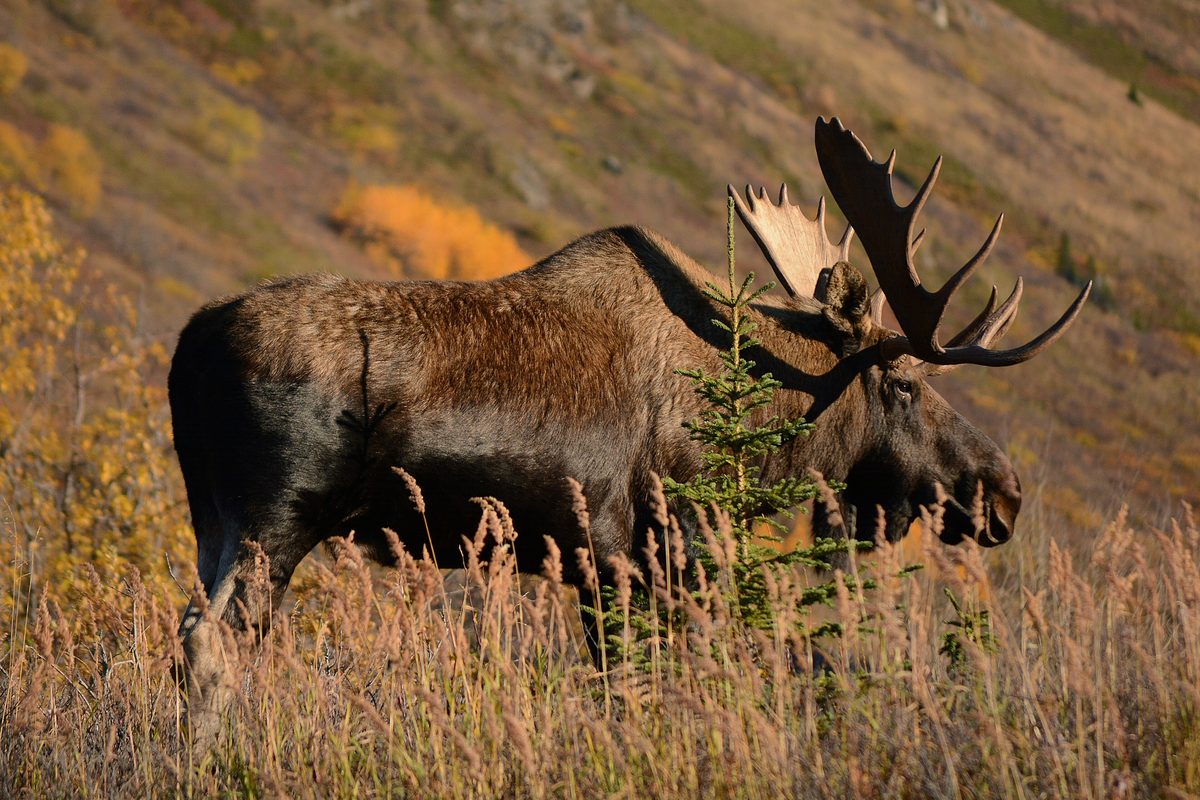
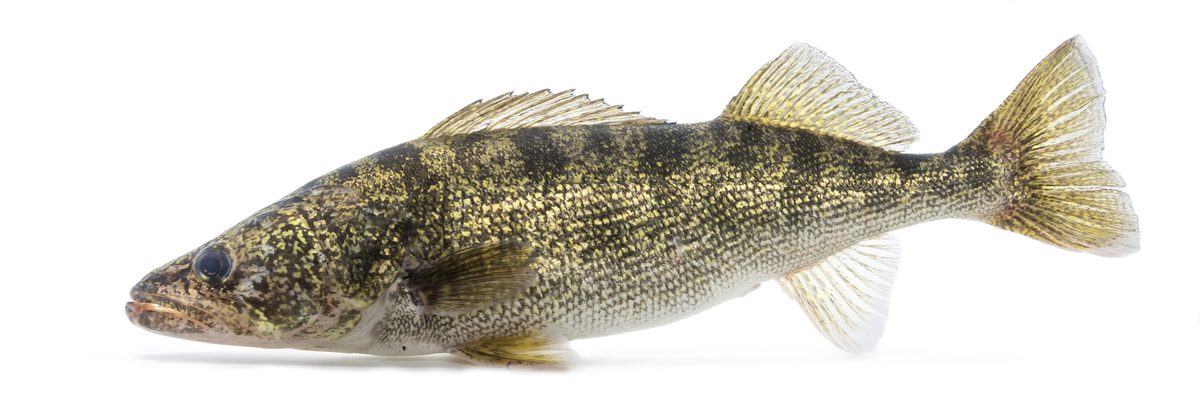

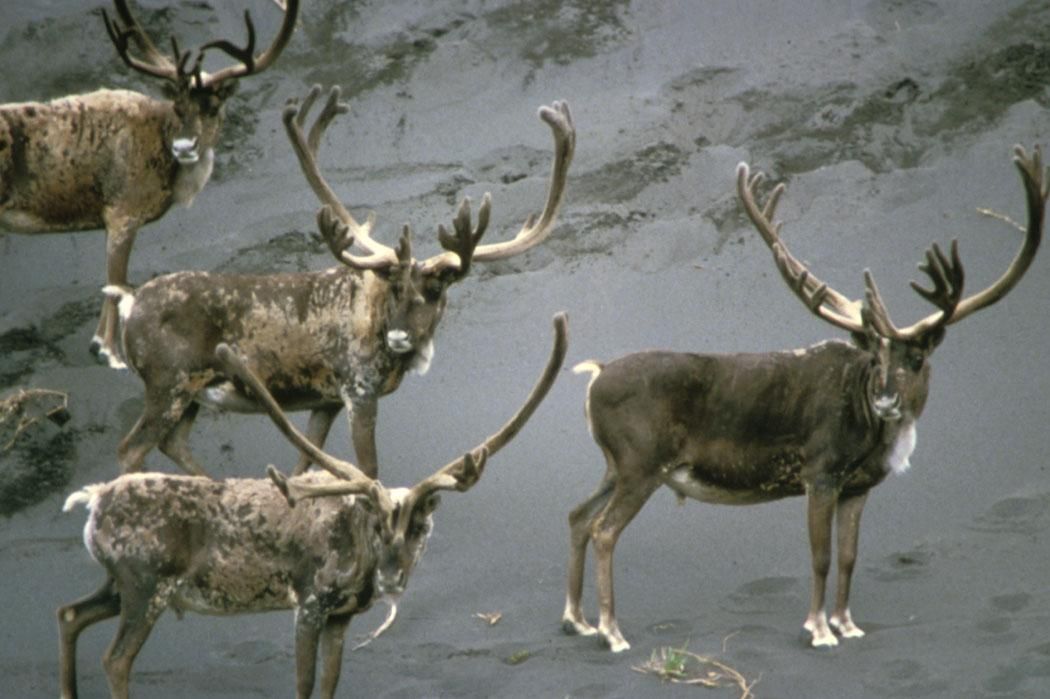
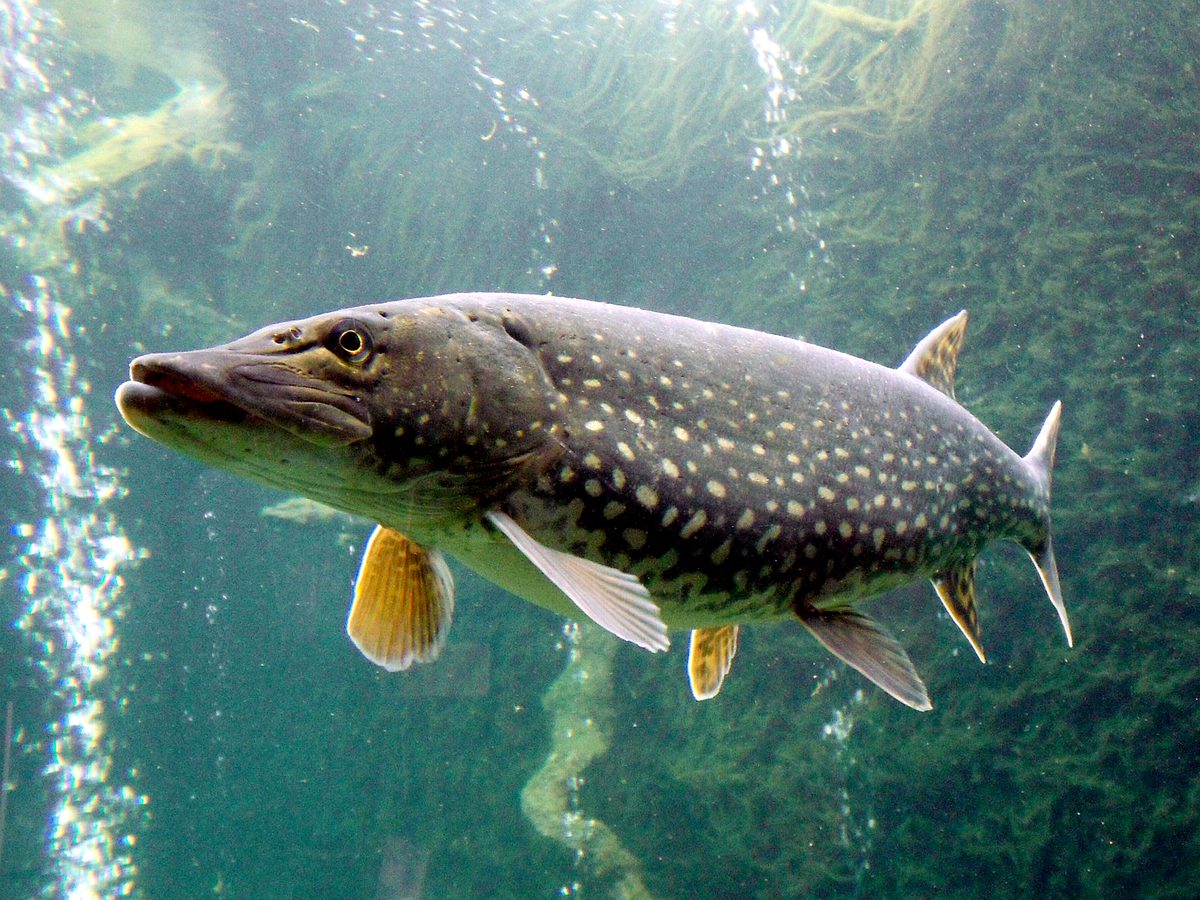

A Bow Valley base
Canmore sits in the Bow Valley within Alberta’s Rocky Mountains, approximately 81 kilometres west of Calgary. Its setting is the main reason to consider it as a base: Banff National Park lies near the town’s southeast-boundary side, while Kananaskis Country borders Canmore to the west and south. These are separate areas to investigate when building an outdoor itinerary, rather than interchangeable names for the same destination. Start by deciding whether the trip will focus on Canmore itself, Banff National Park or Kananaskis Country, then establish the exact outing and access arrangements. For a mountain visit, keep the plan flexible enough to respond to weather and match each day’s ambitions to the group’s experience, equipment and available time.
Choose an area before choosing an outing
The useful starting point for a Canmore itinerary is regional geography, not an assumed trail connection. Canmore is near the southeast boundary of Banff National Park and shares its western and southern borders with Kananaskis Country. That gives a trip planner two distinct neighboring areas to consider, but proximity alone does not establish a trailhead, driving route or suitable day hike. Choose a specific destination within the intended area before setting departure times or estimating effort. Confirm the actual starting point, route length, elevation change and current conditions before committing to an outing. Keep a less demanding alternative in the plan, and carry clothing, food and water appropriate to a mountain day rather than relying on conditions in town.
Keep park admission separate from local planning
For a visit that includes Banff National Park, Parks Canada lists the park among the destinations where its Discovery Pass can be purchased or presented for daily admission. The annual pass covers admission to more than 80 destinations for 12 months, and some locations have conditions or extra fees. That is an admission option for the national-park part of a trip, not a basis for assuming that every outing around Canmore has the same requirements. Confirm permits and access requirements with the managing agency for the exact destination. Organize the itinerary around those individual destinations, with admission checks separate from route research. A pass does not establish whether a particular mountain outing suits the group or the conditions.
Route options
- Banff National Park
A regional outing option near Canmore’s location by the park’s southeast boundary, rather than a defined trail route. Select a specific destination and confirm its access and route details before departure.
- Kananaskis Country
A neighboring area bordering Canmore to the west and south. Treat it as an area for further trip planning, not a single route; establish the exact starting point and outing before estimating travel or walking time.
Sample itineraries
- Canmore and the Bow Valley · 2 days
Spend the first day getting oriented in Canmore and choosing an outing suited to current conditions. Use the second day for a Bow Valley outdoor day. Keep the plan flexible: Canmore sits in Alberta's Rocky Mountains, where an outing should match both the weather and the group's experience.
- Canmore Base with Banff and Kananaskis · 3 days
Start with a day around Canmore, then plan separate days in nearby Banff National Park and Kananaskis Country. Select specific outings after checking local access and conditions. Confirm requirements separately for each destination rather than assuming one pass covers the whole trip.
Seasonal conditions
Spring
Spring transition; check conditions before choosing an outing
Treat the change of season cautiously in this Rocky Mountain setting. Do not assume conditions in Canmore represent those higher in the mountains. Carry warm layers and choose an outing based on current local reports.
Summer
Summer; plan around the daily mountain forecast
Use Canmore as a base for Bow Valley and nearby mountain outings. Pack weather protection even for a short day, carry sufficient water, and leave room to shorten plans if conditions change.
Fall
Fall transition; reassess plans close to departure
Favor flexible plans rather than assuming summer conditions continue. In mountain terrain, insulation and weather protection remain useful even when the day starts comfortably in town.
Winter
Winter; confirm conditions for the intended activity
Alberta has a long ski season, but that does not establish conditions at any particular Canmore-area site. Choose outings suited to winter skills and equipment, and check local operating and access information.
| Season | Window | Conditions |
|---|---|---|
| Spring | Spring transition; check conditions before choosing an outing | Treat the change of season cautiously in this Rocky Mountain setting. Do not assume conditions in Canmore represent those higher in the mountains. Carry warm layers and choose an outing based on current local reports. |
| Summer | Summer; plan around the daily mountain forecast | Use Canmore as a base for Bow Valley and nearby mountain outings. Pack weather protection even for a short day, carry sufficient water, and leave room to shorten plans if conditions change. |
| Fall | Fall transition; reassess plans close to departure | Favor flexible plans rather than assuming summer conditions continue. In mountain terrain, insulation and weather protection remain useful even when the day starts comfortably in town. |
| Winter | Winter; confirm conditions for the intended activity | Alberta has a long ski season, but that does not establish conditions at any particular Canmore-area site. Choose outings suited to winter skills and equipment, and check local operating and access information. |
Permits, fees & closures
Confirm permits and access requirements with the managing agency for each outing. For Banff National Park, the Parks Canada Discovery Pass covers admission; do not assume it covers other Canmore-area destinations.
Official source: Passes, permits and fees - Parks Canada · Verified September 18, 2026
Hazards & regulations
- Mountain weather: check the forecast for the intended outing rather than relying only on conditions in Canmore.
- Cold exposure: carry insulation and weather protection appropriate to the season, with enough margin for a delayed return.
- Overextending an outing: choose mountain terrain that matches the group's fitness, equipment, and experience; keep a shorter alternative available.
What to pack for Canmore Area
- Layered clothing
- Insulating layer
- Waterproof outer layer
- Season-appropriate hat and gloves
- Drinking water
- Food and extra snacks
- First-aid kit
- Headlamp
- Sun protection
- Map for the chosen outing
- Charged phone
- Backup power
- Footwear suited to the terrain and season
Canmore Area FAQ
- Where is Canmore?
- Canmore is in Alberta's Bow Valley within the Rocky Mountains, approximately 81 kilometres west of Calgary. It lies near the southeast boundary of Banff National Park.
- Is Canmore the same destination as Banff National Park?
- No. Canmore is a town near the park's southeast boundary. Treat a visit to Banff National Park as a separate part of the trip when checking admission and access requirements.
- Where is Kananaskis Country relative to Canmore?
- Canmore borders Kananaskis Country to the west and south. Confirm the location and managing agency of a chosen outing before making access plans.
- Does the Parks Canada Discovery Pass cover Banff?
- Yes. The annual Discovery Pass covers admission to Banff National Park and more than 80 Parks Canada destinations for 12 months. Some locations have conditions or extra fees. It should not be treated as a universal Canmore-area pass.
- How should a first visit be organized?
- Start with Canmore and the Bow Valley, then add separate days for Banff National Park or Kananaskis Country. Choose specific outings using current local information, and avoid committing every day to mountain objectives before checking conditions.