



Where on earth
Satellite imagery flying in from a world view to Chamonix — Aiguille du Midi, Worldwide. Use the + / − buttons, or click the map to zoom with your scroll wheel; drag to pan and pinch to zoom on touch.
- Region
- France
- Country
- Worldwide
- Biome
- Alpine granite (3,842 m)
- Best season
- June – September
- Difficulty
- moderate
- Backpacking
- Hiking
- Climbing
Key takeaways
- Biome: Alpine granite (3,842 m)
- Best season: June – September
- Difficulty: moderate
- Top activity: backpacking
Photos of Chamonix — Aiguille du Midi
Topic summary
Cable-car access to 12,600 ft granite spires — the world's most concentrated alpine climbing.
Key takeaways
- Difficulty: moderate
- Best season: June – September
Intended uses
backpacking
Climate suitability
Alpine granite (3,842 m)
Tools for a trip here
Picked for how, when and where you're going. Free, no signup.
- Sleep System Temp CalculatorCold nights: check your bag and pad add up to a safe sleep.
- Base Weight CalculatorEvery ounce is carried — total your kit and find your base weight.
- Pack Volume SizerSize the pack for your trip length and season.
- Water Purification MatrixTreat water from streams and lakes on trail.
- Layering CalculatorCold-season miles: layer for climbs and camp.
Plan with verified data
Chamonix — Aiguille du Midi trip tools
How to get there
Use Chamonix-Mont-Blanc in Haute-Savoie, southeastern France, as the base for the Aiguille du Midi cable car. Chamonix lies just north of Mont Blanc, between the Aiguilles Rouges and the Aiguille du Midi.
- Chamonix-Mont-Blanc
French mountain-town base for the Aiguille du Midi and an approach to the Mont Blanc massif.
- Aiguille du Midi cable car
Lift access to the Aiguille du Midi, also used to reach the Vallée Blanche off-piste ski run.
Sources: Wikipedia · Wikivoyage. Confirm road and trailhead conditions with the managing agency before you leave.
Popular pursuits at Chamonix — Aiguille du Midi
- Backpacking
Multi-day travel with everything on your back — see the packing blocks below.
- Hiking
Day miles on marked trail, with route notes and trail links below.
- Climbing
Rock and alpine lines with approach beta.
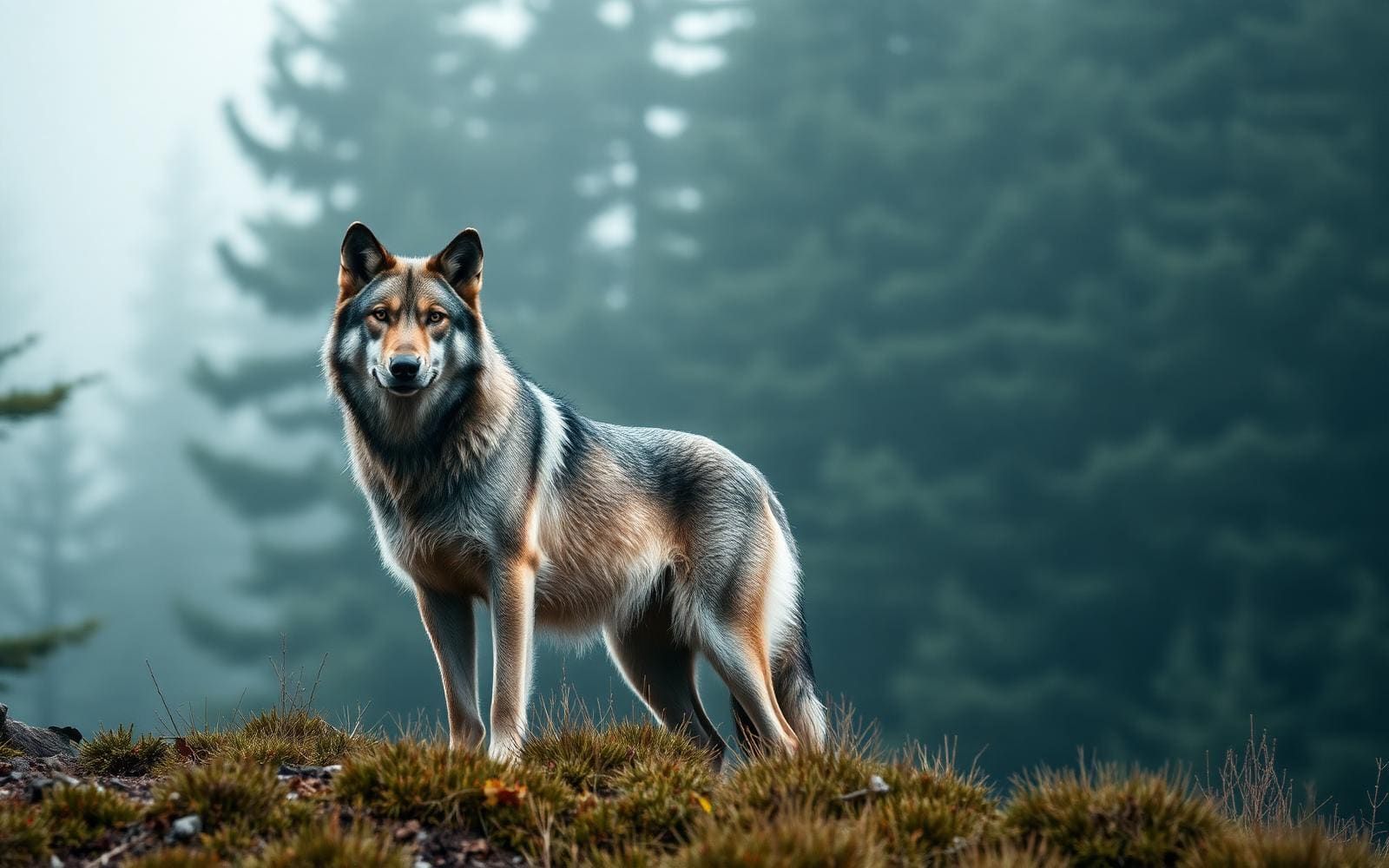
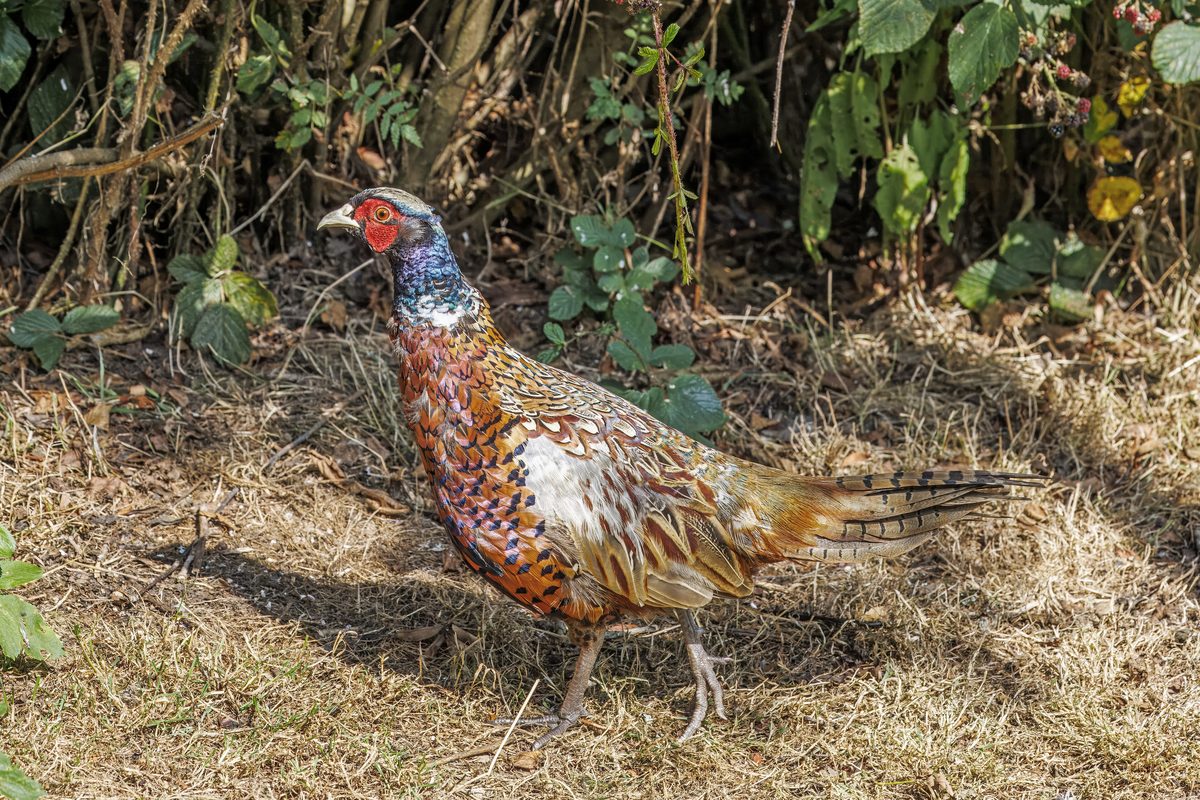
Animals around Chamonix — Aiguille du Midi

Maps, GPS & compass for this trip
Carry a waterproof paper map and a compass you can steer by, and treat the GPS as the backup — not the other way round. Buying links go to Amazon; Wild10 earns a commission at no cost to you.
Waterproof topo maps
- Waterproof topographic map — Chamonix — Aiguille du MidiAmazon search for waterproof, tear-resistant topo maps covering this area.
- National Geographic Trails IllustratedThe waterproof Trails Illustrated series — check for a sheet covering this area.
- Waterproof map case & compass lanyardKeep a paper map readable in rain, spray and a swamped boat.
Fishing at Chamonix — Aiguille du Midi
Planning to fish Chamonix — Aiguille du Midi, France? Fishing licences, open seasons and catch limits in France are set by the local wildlife authority and change every year — check the official source before you cast a line.
Do I need a fishing licence at Chamonix — Aiguille du Midi?
- A France fishing licence is normally required for anyone over the local youth age.
- Read the current France fishing regulations for special waters, barbless-hook or catch-and-release rules.
- Clean, drain and dry boats and gear between waters to stop invasive species.
We don't have a verified licensing link on file for France yet — contact the park or land manager listed on this page for current hunting and fishing rules.
Hunting near Chamonix — Aiguille du Midi
Thinking about hunting Chamonix — Aiguille du Midi, France? Hunting seasons, tags and draws in France are set by the wildlife authority each year. Confirm the rules for your species and unit before you go.
Is hunting allowed at Chamonix — Aiguille du Midi?
- Confirm the land around Chamonix — Aiguille du Midi is open to hunting and which management unit it falls in.
What do I need to hunt in France?
- A France hunting licence — most jurisdictions also require hunter education certification.
- Species tags or draw results for big game such as deer, elk, moose or bear where they occur.
- Knowledge of firearm and bow transport rules, which differ by land type and border crossing.
We don't have a verified licensing link on file for France yet — contact the park or land manager listed on this page for current hunting and fishing rules.
Chamonix and the Mont Blanc setting
Chamonix-Mont-Blanc sits in the French Alps just north of Mont Blanc, in the Haute-Savoie department of southeastern France. The commune lies between the Aiguilles Rouges and the Aiguille du Midi and borders both Switzerland and Italy. That setting gives this destination two distinct scales: a long-established mountain town and the much larger alpine landscape around it. Chamonix is one of France’s oldest ski resorts and hosted the first Winter Olympics in 1924, but its appeal is not limited to skiing. It is also a base for alpinists and other mountain visitors. For planning, keep the Aiguille du Midi outing separate from a Mont Blanc summit objective: access to one should not be mistaken for a plan to climb the other.
The Aiguille du Midi and Vallée Blanche
The cable car to the Aiguille du Midi is the central access link for this destination. It also provides access to the Vallée Blanche, an off-piste ski run whose name means “white valley.” These are different outing choices, even though they share the lift: taking a cable car into the mountains is not the same undertaking as continuing onto an off-piste descent. Skiers should make that distinction before committing to a day’s objective. Match equipment, experience and decisions to the skiing rather than assuming lift access makes the terrain straightforward. Mountain weather and snow conditions should shape the plan. Anyone considering the Vallée Blanche should seek current local advice about conditions and whether their skills are appropriate before heading beyond the lift.
Choosing the scope of the trip
Chamonix is a French approach base for the Mont Blanc massif; Courmayeur serves as an approach from Italy. Mont Blanc itself stands on the border between the two countries and is the highest summit in Western Europe. Its summit is capped by snow and ice, so its measured height is not a permanently fixed figure. For an Aiguille du Midi visit, the useful distinction is between enjoying access to an alpine setting and undertaking a separate mountain ascent. Decide whether the trip is centered on the cable car, off-piste skiing or a broader mountaineering objective, then prepare accordingly. Clothing suited to mountain weather, a willingness to change plans and advice matched to the chosen activity matter more than trying to combine every objective into one outing.
Route options
- Aiguille du Midi cable car outing
Reach the Aiguille du Midi by cable car from Chamonix. Treat the lift outing as a separate choice from off-piste skiing or a Mont Blanc ascent.
- Vallée BlancheOff-piste skiing
An off-piste ski run accessed via the Aiguille du Midi cable car. Plan around skiing ability and current mountain and snow conditions rather than lift access alone.
Sample itineraries
- Chamonix and Aiguille du Midi · 1 day
Start in Chamonix, then take the cable car to the Aiguille du Midi if operating and conditions allow. Keep the visit focused on the mountain setting; cable-car access does not make surrounding alpine terrain suitable for casual walking.
- Chamonix with a Flexible Mountain Day · 2 days
Spend one day exploring Chamonix and its setting between the Aiguilles Rouges and Aiguille du Midi. Use the better-weather day for the Aiguille du Midi cable car. Experienced skiers considering the Vallée Blanche should treat it as a separate off-piste undertaking, not a sightseeing extension.
Seasonal conditions
Spring
Spring; check current mountain conditions
Plan for a contrast between the valley and high alpine terrain. Do not assume warmer conditions in Chamonix mean snow and ice are absent higher up. Assess sightseeing and off-piste skiing separately.
Summer
Summer; check current mountain conditions
The Mont Blanc massif includes high terrain with persistent snow and ice. Carry warm layers for the mountain visit rather than packing only for valley temperatures.
Fall
Fall; check current mountain conditions
Keep the cable-car visit flexible around mountain weather. Prepare for cold conditions at height and verify operations before committing to the day's plan.
Winter
Winter; check current mountain conditions
Chamonix is a long-established ski destination. The Vallée Blanche is an off-piste ski run accessed via the Aiguille du Midi cable car; its accessibility should not be confused with suitability for every skier.
| Season | Window | Conditions |
|---|---|---|
| Spring | Spring; check current mountain conditions | Plan for a contrast between the valley and high alpine terrain. Do not assume warmer conditions in Chamonix mean snow and ice are absent higher up. Assess sightseeing and off-piste skiing separately. |
| Summer | Summer; check current mountain conditions | The Mont Blanc massif includes high terrain with persistent snow and ice. Carry warm layers for the mountain visit rather than packing only for valley temperatures. |
| Fall | Fall; check current mountain conditions | Keep the cable-car visit flexible around mountain weather. Prepare for cold conditions at height and verify operations before committing to the day's plan. |
| Winter | Winter; check current mountain conditions | Chamonix is a long-established ski destination. The Vallée Blanche is an off-piste ski run accessed via the Aiguille du Midi cable car; its accessibility should not be confused with suitability for every skier. |
Permits, fees & closures
Confirm current access requirements with the managing agency and cable-car operator before travel.
Confirm current permits, fees, and closures with the managing agency before you go.
Hazards & regulations
- High alpine altitude can affect visitors even when they arrive by cable car. Avoid exertion if unwell and seek help if symptoms develop.
- Cold and changing mountain weather require warmer clothing than valley conditions may suggest.
- Snow and ice demand appropriate footwear, equipment, and judgment; do not treat alpine terrain as an ordinary walking route.
- The Vallée Blanche is off-piste terrain. Cable-car access does not remove the need for suitable skiing ability and mountain expertise.
What to pack for Chamonix — Aiguille du Midi
- Warm insulating layer
- Windproof and waterproof outer layer
- Gloves and warm hat
- Sturdy footwear
- Water and snacks
- Sunglasses and sunscreen
- Charged phone
- Small daypack
- Equipment selected for the intended terrain and current conditions
- A separate safety plan for any skiing beyond the sightseeing visit
Chamonix — Aiguille du Midi FAQ
- Where is Chamonix?
- Chamonix is in Haute-Savoie in southeastern France, in the French Alps just north of Mont Blanc. The commune borders Switzerland and Italy.
- How is the Aiguille du Midi accessed?
- A cable car connects Chamonix with the Aiguille du Midi. Confirm current operations with the operator before planning the visit.
- What is the Vallée Blanche?
- The Vallée Blanche is an off-piste ski run accessible via the Aiguille du Midi cable car. It should be planned as a mountain skiing outing, not treated as part of a routine sightseeing visit.
- Is visiting the Aiguille du Midi the same as climbing Mont Blanc?
- No. A cable-car visit to the Aiguille du Midi and an ascent of Mont Blanc are different objectives. Chamonix is an approach point for Mont Blanc, but sightseeing access does not constitute a summit route.
- Can the mountain visit fit into one day?
- A one-day plan can combine Chamonix with a cable-car visit, subject to current operations and conditions. Allowing a second day offers more flexibility when mountain weather is unsuitable.