



- Region
- Montana
- Country
- United States
- Best for
- hiking, wildlife viewing, camping
- Best season
- Spring, Summer
- Permits
- Confirm current Hunting District 130 permi…
Plan with verified data
Hunting District 130 trip tools
Tools for a trip here
Picked for how, when and where you're going. Free, no signup.
- Sleep System Temp CalculatorCold nights: check your bag and pad add up to a safe sleep.
- Bear Country Food StorageBear country: canister, Ursack or hang, and the local rules.
- The 10 EssentialsDay on trail: carry the ten essentials.
- Water Purification MatrixRefilling on trail: compare treatment options.
- Layering CalculatorCool temps: build a layer stack for the climb and the summit.
How to get there
Hunting District 130 is located near Polson and Flathead Lake in Lake and Missoula Counties, Montana. It is 16 miles north-east of Ronan and 47 miles south-east of Kalispell. Access can be an issue, especially on farmlands within a mile of the Swan River.
- Mission Mountains Wilderness boundary (near Lindbergh Lake)
The hunting district boundary begins at the junction of Swan River and the USFS Mission Mountains Wilderness boundary near Lindbergh Lake. The boundary follows the wilderness boundary to return to this point.
Sources: Wikipedia · Wikivoyage · GOHUNT · HuntScore. Confirm road and trailhead conditions with the managing agency before you leave.
Montana · United States · Season: Fall hunting seasons
- Hunting
- Winter Camping
- Skiing
- Hiking
- Wildlife Viewing
- Backpacking
Overview
Situated in the Bitterroot Mountains, primarily within the Bitterroot National Forest, HD 130 offers rugged, heavily timbered hunting with good elk populations. The terrain is characterized by steep slopes, deep canyons, and thick conifer forests. Hamilton, Stevensville, and Darby are the main towns providing services. Access is via numerous forest roads and trailheads, though getting away from roads quickly leads to steep, difficult country. Archery season can be productive with calling strategies in the timbered draws. Rifle season often sees success as elk move with snow. This unit can hold significant numbers of elk, but their density in the thick timber makes them challenging to locate and hunt. Expect to work hard, covering steep ground. Grizzly bears are present, and wolves are established. Weather can range from mild to significant snow and cold. Success often comes to hunters who are patient, physically fit, and willing to push into the remote corners of the unit.
Planning notes
Where: Montana, United States Best season: Fall hunting seasons Good for: Hiking, Wildlife Viewing, Camping Featured on: Top 10 Public Land Elk Units in Montana: High-Percentage Bull Hunting (#9) Access point: Montana, USA
Check current permits, closures and fire restrictions with the managing agency before you commit to dates.
Where on earth
Satellite imagery flying in from a world view to Hunting District 130, United States. Use the + / − buttons, or click the map to zoom with your scroll wheel; drag to pan and pinch to zoom on touch.
Coordinates
- Decimal degrees
- 46.8797, -110.3626
- Latitude (DMS)
- 46° 52′ 46.9″ N
- Longitude (DMS)
- 110° 21′ 45.2″ W
Coordinates are an access-point reference for Hunting District 130, not a route. Carry a paper map and confirm trailhead or put-in access with the managing agency before you go.
Topic summary
Situated in the Bitterroot Mountains, primarily within the Bitterroot National Forest, HD 130 offers rugged, heavily timbered hunting with good elk populations.
Key takeaways
- Region: Montana
- Country: United States
- Best season: Fall hunting seasons
- Good for: hiking, wildlife viewing, camping
- Coordinates: 46.880, -110.363
Intended uses
- hiking
- wildlife viewing
- camping
Climate suitability
Fall hunting seasons
Keep planning
Popular pursuits at Hunting District 130
- Hunting
Seasons, tags, and the units that hold animals.
- Winter Camping
Cold-season travel and camp craft; layering matters more than mileage.
- Skiing
Ski-touring access when the road closes for the season.
- Hiking
Day miles on marked trail, with route notes and trail links below.
- Wildlife Viewing
Best light, best season, and where animals move.
- Backpacking
Multi-day travel with everything on your back — see the packing blocks below.
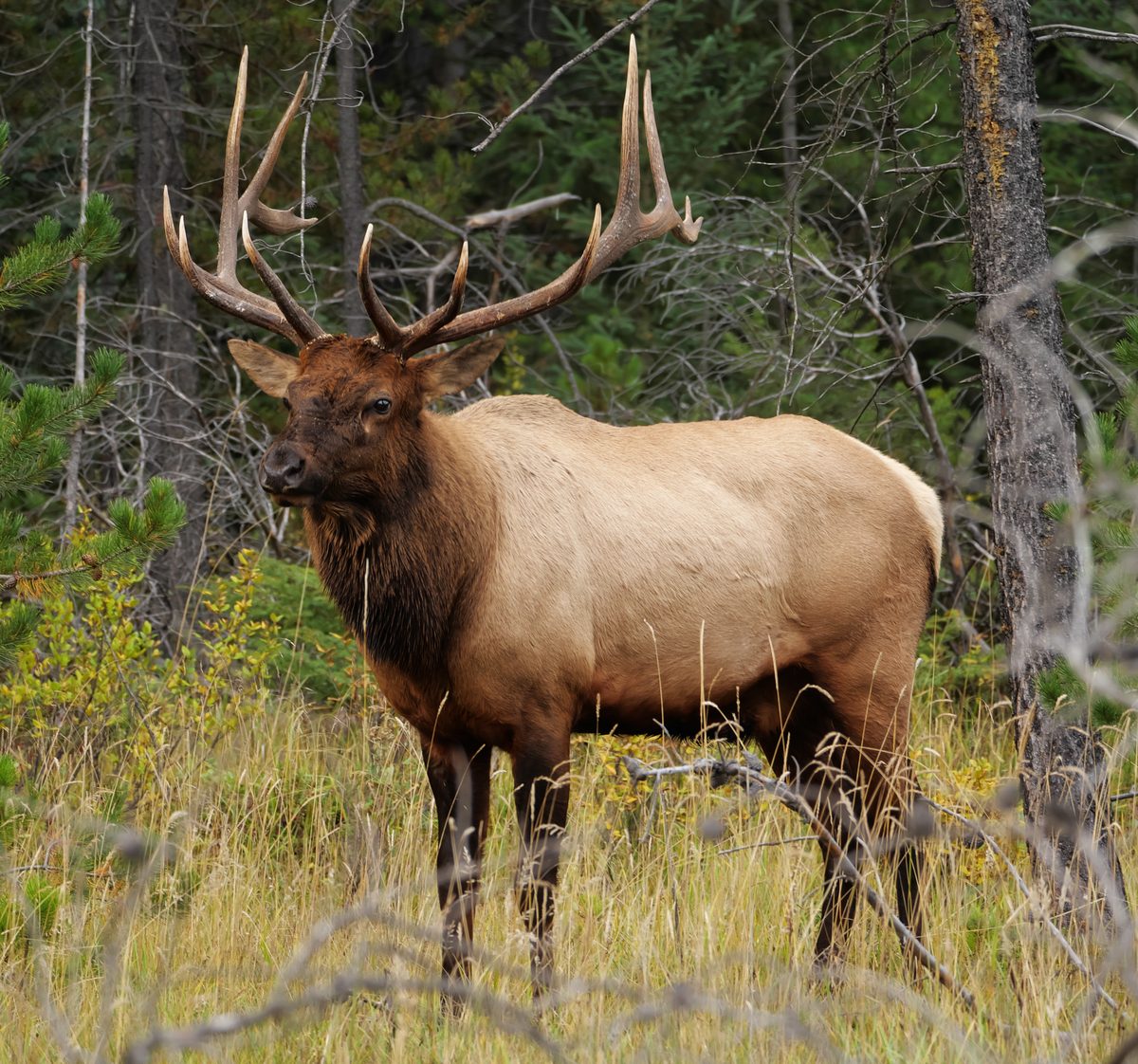
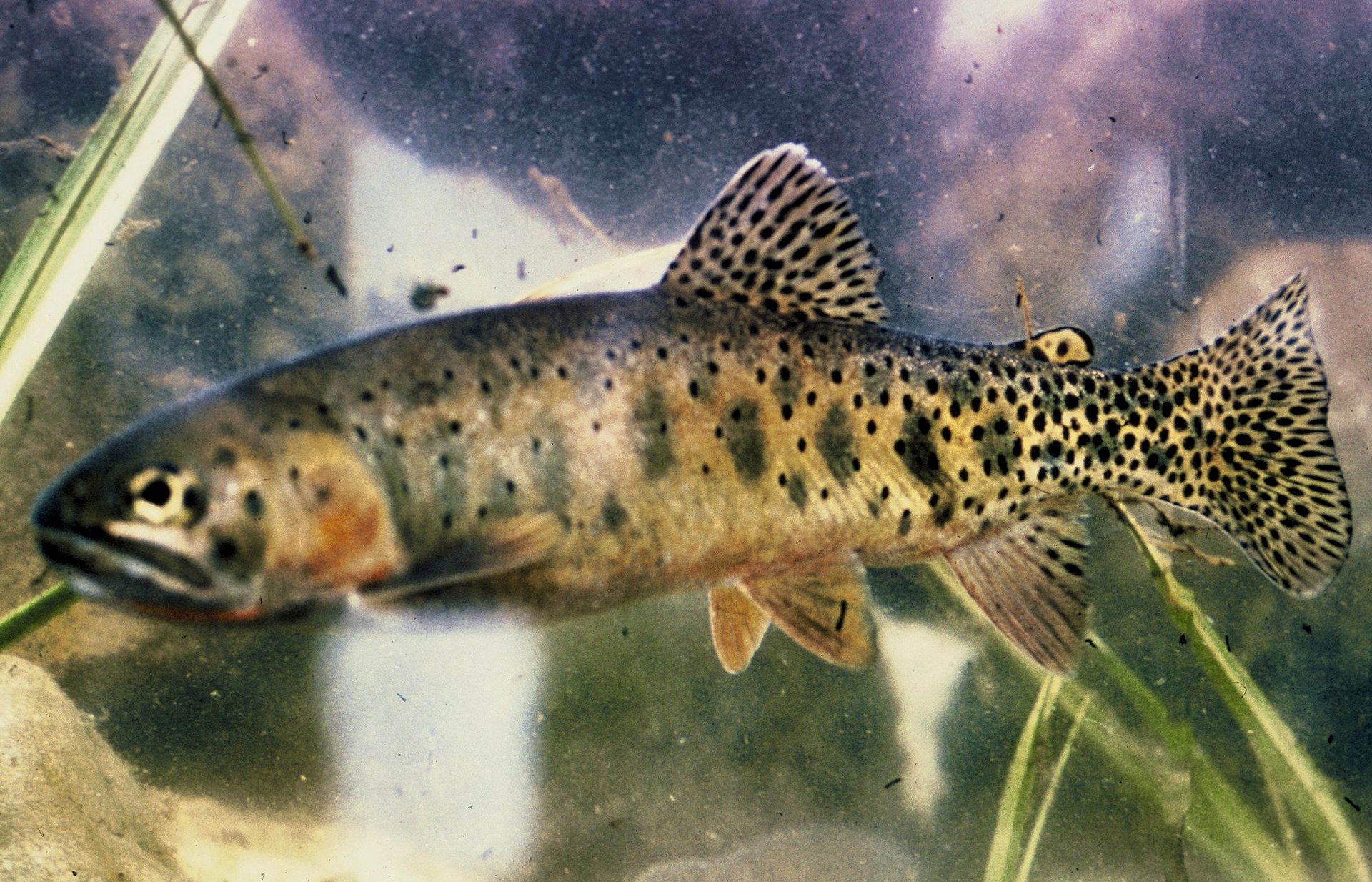
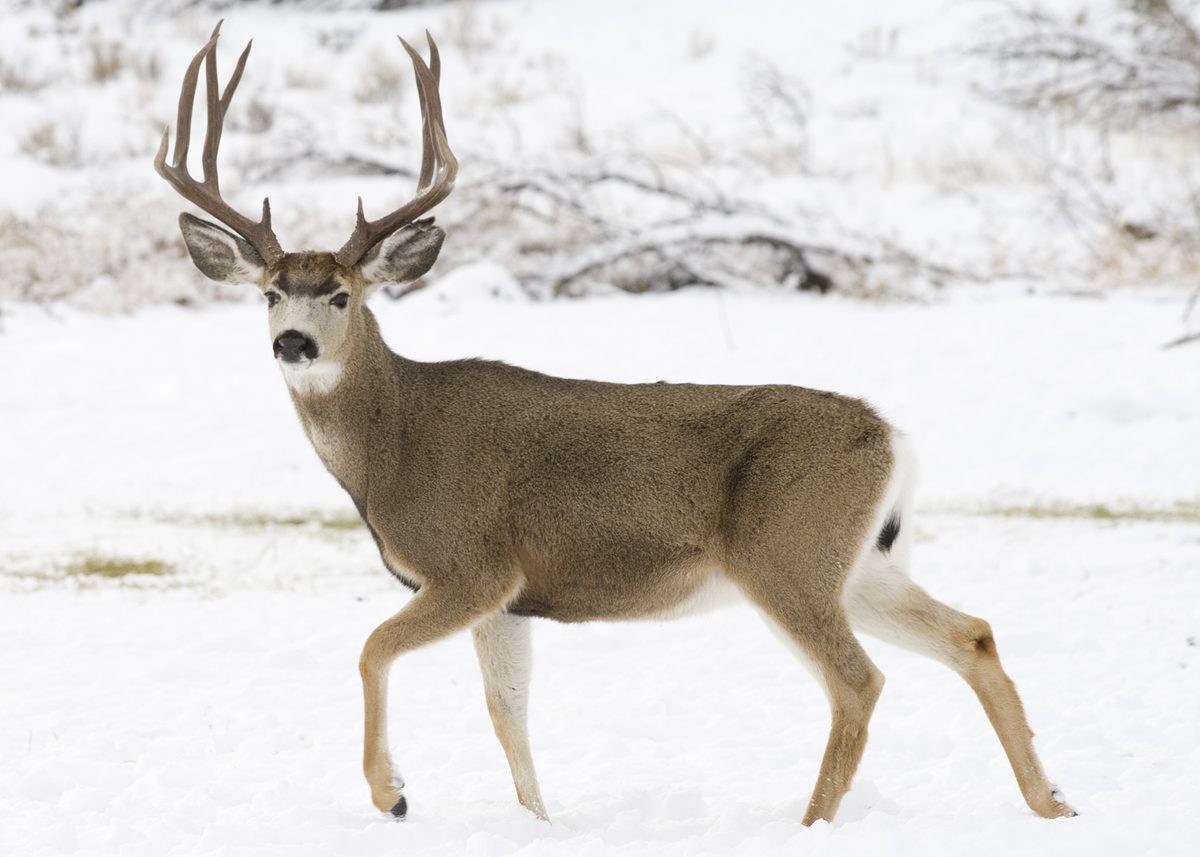
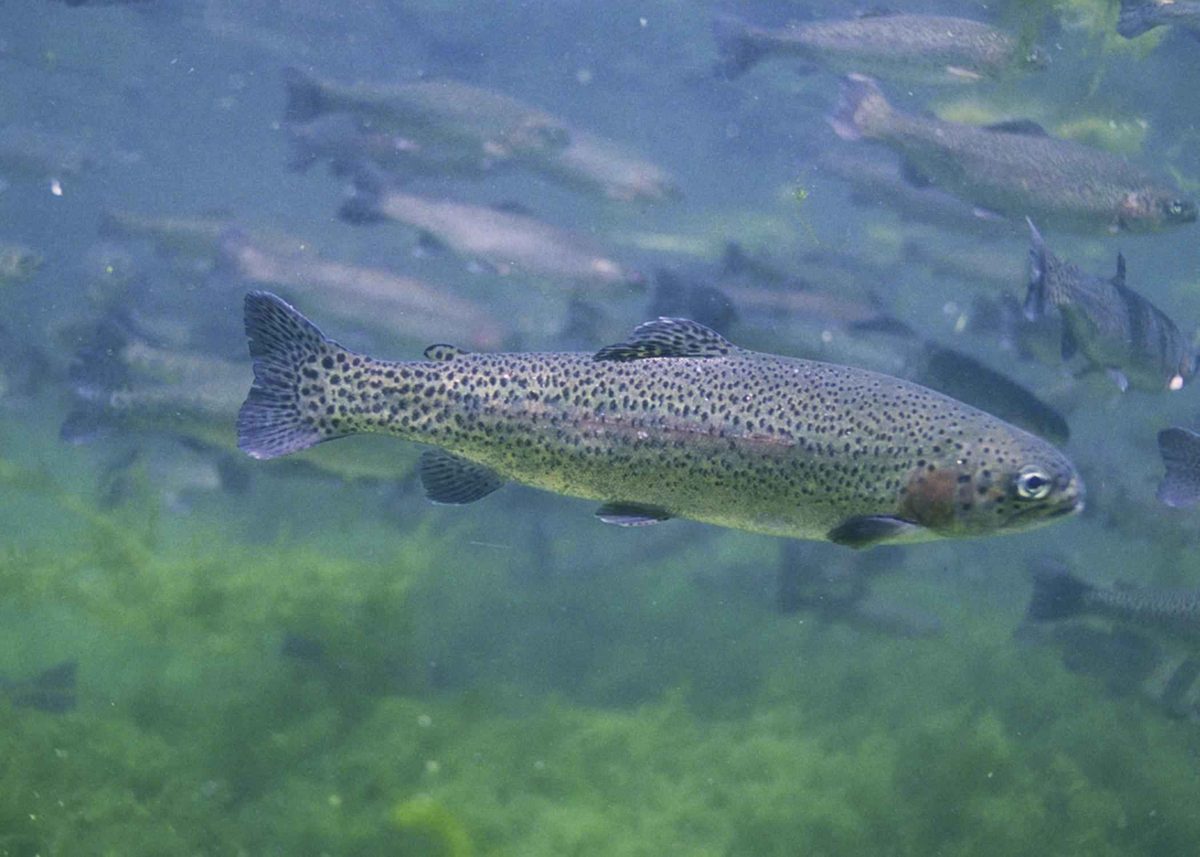
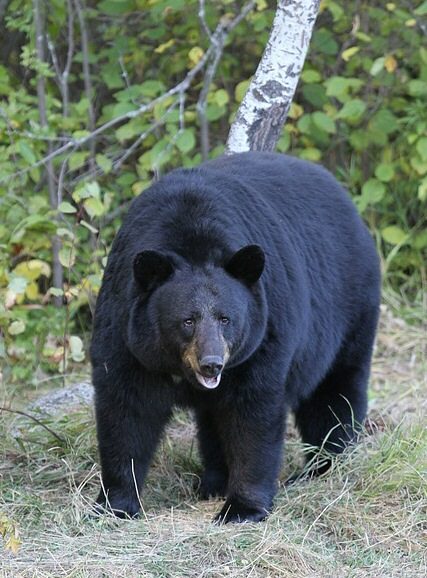
Animals around Hunting District 130



Hunting District 130: planning context
Hunting District 130 is the destination for this Montana trip, but its boundaries, local terrain, and access arrangements are not established here. Those details are essential before choosing a base, planning a drive, or setting out on foot. Montana is a large, sparsely populated state in the Mountain West, with substantial differences between its western and eastern landscapes. A statewide description cannot establish what conditions apply inside a particular hunting district. Treat this profile as preliminary planning context rather than a field guide. Before building an itinerary, confirm the district’s current mapped boundary and identify the land you intend to visit. Keep travel plans provisional until the location and lawful access are clear.
Landscape and trip preparation
Montana’s western half contains numerous mountain ranges, particularly the Rocky Mountains. Its eastern half is characterized by prairie and badlands, with smaller mountain ranges elsewhere in the state. That contrast matters for outdoor planning, but neither landscape can be assigned to Hunting District 130 without a verified location. Do not assume this is a mountain hunt, an open-country outing, or a trip with established trails. Once the district is located, use its actual terrain and your intended activity to guide footwear, clothing, navigation equipment, water planning, and turnaround decisions. Weather preparation should likewise follow the specific location and travel period rather than a broad impression of Montana. No district-specific season, wildlife expectation, or terrain difficulty is established here.
Access and hunting arrangements
A hunting district name alone does not establish where visitors may park, cross land, camp, or hunt. Confirm access and current hunting requirements with the managing agency before committing to an outing. District boundaries, property boundaries, and usable entry points need to be checked separately; a district map should not be treated as permission to enter every parcel within it. No specific road, trailhead, walking route, or local service town can be identified for this destination here. Similarly, there is no basis for estimating drive times, route lengths, or difficulty. Build the trip around verified entry points and a clearly understood return route. If those details remain unresolved, postpone route selection rather than relying on an assumed approach.
Sample itineraries
- One-day visit planning outline · 1 day
Before visiting Hunting District 130, confirm its current boundary, lawful access and activity rules with the managing agency. Choose an outing only after verifying those details; no district-specific route or access point is established here.
- Two-day visit planning outline · 2 days
Use the first day for orientation at an agency-confirmed access point. Keep the second day flexible for an outing matched to verified terrain and conditions. Confirm accommodation separately; camping availability within Hunting District 130 is not established.
Seasonal conditions
Spring
District-specific timing not established
Local spring conditions and access are unconfirmed. Check current weather and access before choosing an outing.
Summer
District-specific timing not established
No district-specific summer conditions are established. Confirm terrain, water availability and the forecast before setting the day's scope.
Fall
District-specific timing not established
Fall travel conditions and hunting dates are unconfirmed. Check current district regulations rather than assuming an activity is authorized.
Winter
District-specific timing not established
Winter access and local conditions are unconfirmed. Obtain current access information and a local forecast before committing to travel.
| Season | Window | Conditions |
|---|---|---|
| Spring | District-specific timing not established | Local spring conditions and access are unconfirmed. Check current weather and access before choosing an outing. |
| Summer | District-specific timing not established | No district-specific summer conditions are established. Confirm terrain, water availability and the forecast before setting the day's scope. |
| Fall | District-specific timing not established | Fall travel conditions and hunting dates are unconfirmed. Check current district regulations rather than assuming an activity is authorized. |
| Winter | District-specific timing not established | Winter access and local conditions are unconfirmed. Obtain current access information and a local forecast before committing to travel. |
Permits, fees & closures
Confirm current Hunting District 130 permit requirements and activity rules with the managing agency.
Confirm current permits, fees, and closures with the managing agency before you go.
Hazards & regulations
- Terrain uncertainty: Montana includes mountains, prairie and badlands, but Hunting District 130's terrain is not established here. Verify the landscape before choosing equipment or an outing.
- Weather uncertainty: district-specific conditions are unconfirmed. Check a local forecast and adjust plans to conditions.
- Water uncertainty: reliable drinking-water availability is unconfirmed. Plan an independent supply rather than relying on an unidentified source.
What to pack for Hunting District 130
- Current district boundary map
- Verified access information
- Current activity regulations
- Drinking water
- Food
- Layers matched to the local forecast
- First-aid kit
Hunting District 130 FAQ
- Where exactly is Hunting District 130?
- The destination is identified as being in Montana, United States. Its precise boundary and location within the state are not established here; obtain a current district map before planning access.
- Which access points or routes should be used?
- No district-specific access points or routes are established. Confirm lawful entry and a suitable route with the managing agency before traveling.
- What terrain should visitors expect?
- Montana has extensive mountain ranges in its western half and prairie and badlands in its eastern half. That statewide description does not establish the terrain within Hunting District 130.
- What wildlife occurs in the district?
- District-specific wildlife is not established here. Confirm local species and relevant wildlife precautions before heading out.
- When is hunting allowed?
- Hunting dates and species-specific rules are not established here. Confirm current regulations for Hunting District 130 with the managing agency before making hunting plans.