



- Region
- Montana
- Country
- United States
- Best for
- hiking, wildlife viewing, camping
- Best season
- Spring, Summer
- Permits
- A general deer license is required to hunt…
- Managed by
- Montana Fish, Wildlife & Parks (FWP)
Plan with verified data
Hunting District 280 trip tools
Tools for a trip here
Picked for how, when and where you're going. Free, no signup.
- Sleep System Temp CalculatorCold nights: check your bag and pad add up to a safe sleep.
- Bear Country Food StorageBear country: canister, Ursack or hang, and the local rules.
- The 10 EssentialsDay on trail: carry the ten essentials.
- Water Purification MatrixRefilling on trail: compare treatment options.
- Layering CalculatorCool temps: build a layer stack for the climb and the summit.
How to get there
Hunting District 280 encompasses an enormous tract of land in west-central Montana, primarily within the Bitterroot National Forest, and also includes portions of the Helena and Lolo National Forests and Scapegoat Wilderness. Access in the northern end of the unit has far fewer roads, while southern and eastern portions offer more low-lying private lands and logging access. Main access points often stem from U.S. Highway 93, which runs north-south through the Bitterroot Valley, with Forest Service roads branching off into the mountains. For the North Blackfoot district, the closest main highway is Montana Route 200.
- North Fork Blackfoot Trailhead
This trailhead is mentioned as a point in the district's boundary description, accessible via North Fork Blackfoot Trail 32.
- Hunters Gulch Trailhead
Follow Highway 280 east of Helena approximately 16 miles to York. Proceed north on the county road about 8 miles to Nelson and the intersection with Beaver Creek Road #138. Turn left and follow Beaver Creek Road approximately 1/4 mile to the trailhead, which is off Forest Service Road #4140.
Sources: fwp.mt.gov · Wikipedia · Wikivoyage · GoHunt. Confirm road and trailhead conditions with the managing agency before you leave.
Montana · United States · Season: Fall hunting seasons
- Hunting
- Hiking
- Wildlife Viewing
- Backpacking
Overview
HD 280 is located in the Big Belt Mountains, primarily within the Helena National Forest. This unit offers a classic Montana timber hunting experience. The terrain is steep and heavily timbered in places, with some open ridges. Access is good from towns like White Sulphur Springs and Townsend, with many forest service roads. Elk can be found throughout the unit, often holding in dense cover. Hunting here requires patience and the ability to still hunt or track effectively. While not as rugged as the wilderness units, it's still physically demanding. Pressure can be moderate to high, particularly around roads. Focus on getting deeper into the timber. General elk tag. Expect standard Montana hunting license and stamp fees.
Planning notes
Where: Montana, United States Best season: Fall hunting seasons Good for: Hiking, Wildlife Viewing, Camping Featured on: Top 10 Public Land Elk Units in Montana: High-Percentage Districts (#3) Access point: Montana, USA
Check current permits, closures and fire restrictions with the managing agency before you commit to dates.
Where on earth
Satellite imagery flying in from a world view to Hunting District 280, United States. Use the + / − buttons, or click the map to zoom with your scroll wheel; drag to pan and pinch to zoom on touch.
Coordinates
- Decimal degrees
- 46.8797, -110.3626
- Latitude (DMS)
- 46° 52′ 46.9″ N
- Longitude (DMS)
- 110° 21′ 45.2″ W
Coordinates are an access-point reference for Hunting District 280, not a route. Carry a paper map and confirm trailhead or put-in access with the managing agency before you go.
Topic summary
HD 280 is located in the Big Belt Mountains, primarily within the Helena National Forest.
Key takeaways
- Region: Montana
- Country: United States
- Best season: Fall hunting seasons
- Good for: hiking, wildlife viewing, camping
- Coordinates: 46.880, -110.363
Intended uses
- hiking
- wildlife viewing
- camping
Climate suitability
Fall hunting seasons
Keep planning
Popular pursuits at Hunting District 280
- Hunting
Seasons, tags, and the units that hold animals.
- Hiking
Day miles on marked trail, with route notes and trail links below.
- Wildlife Viewing
Best light, best season, and where animals move.
- Backpacking
Multi-day travel with everything on your back — see the packing blocks below.
Animals around Hunting District 280
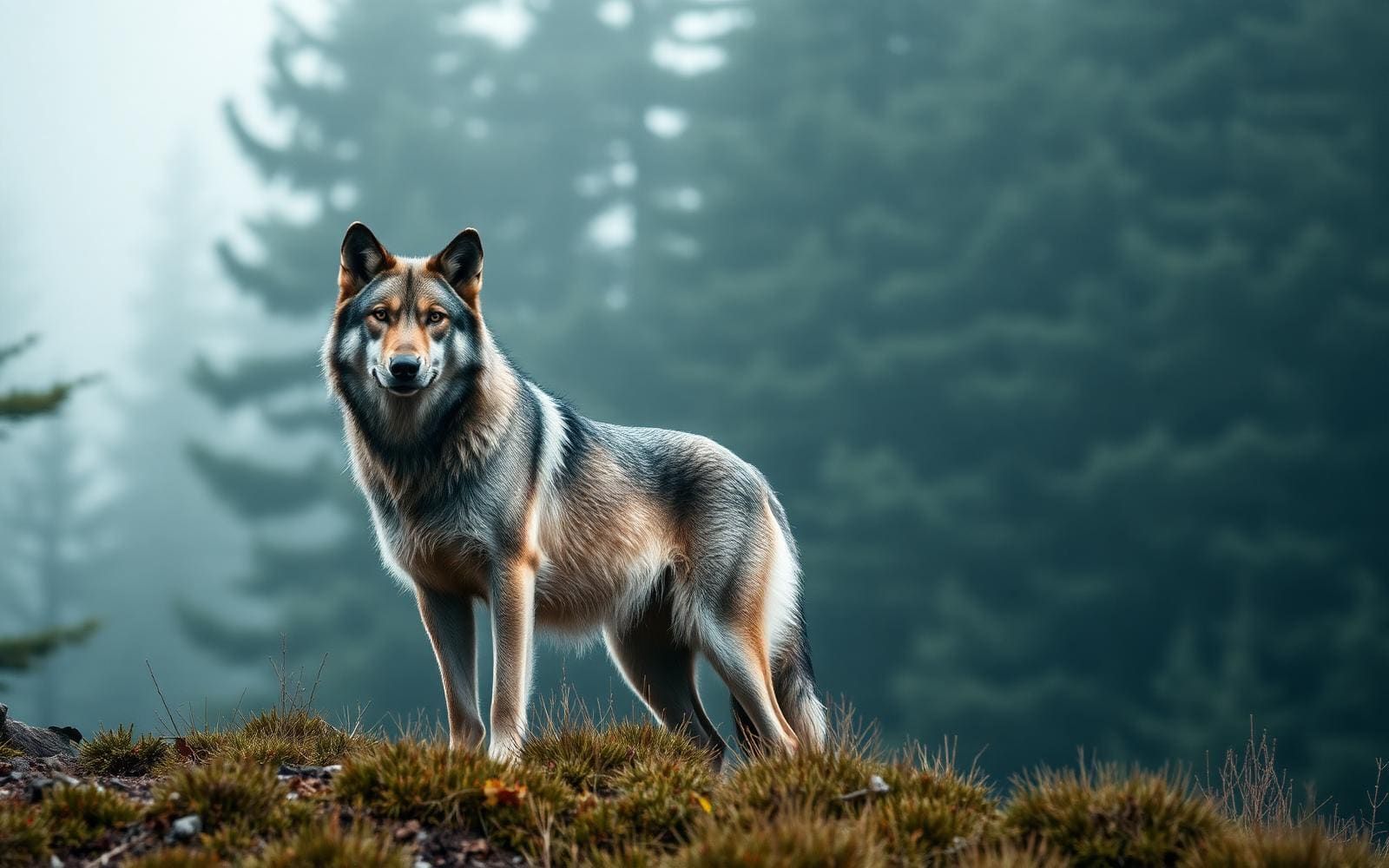
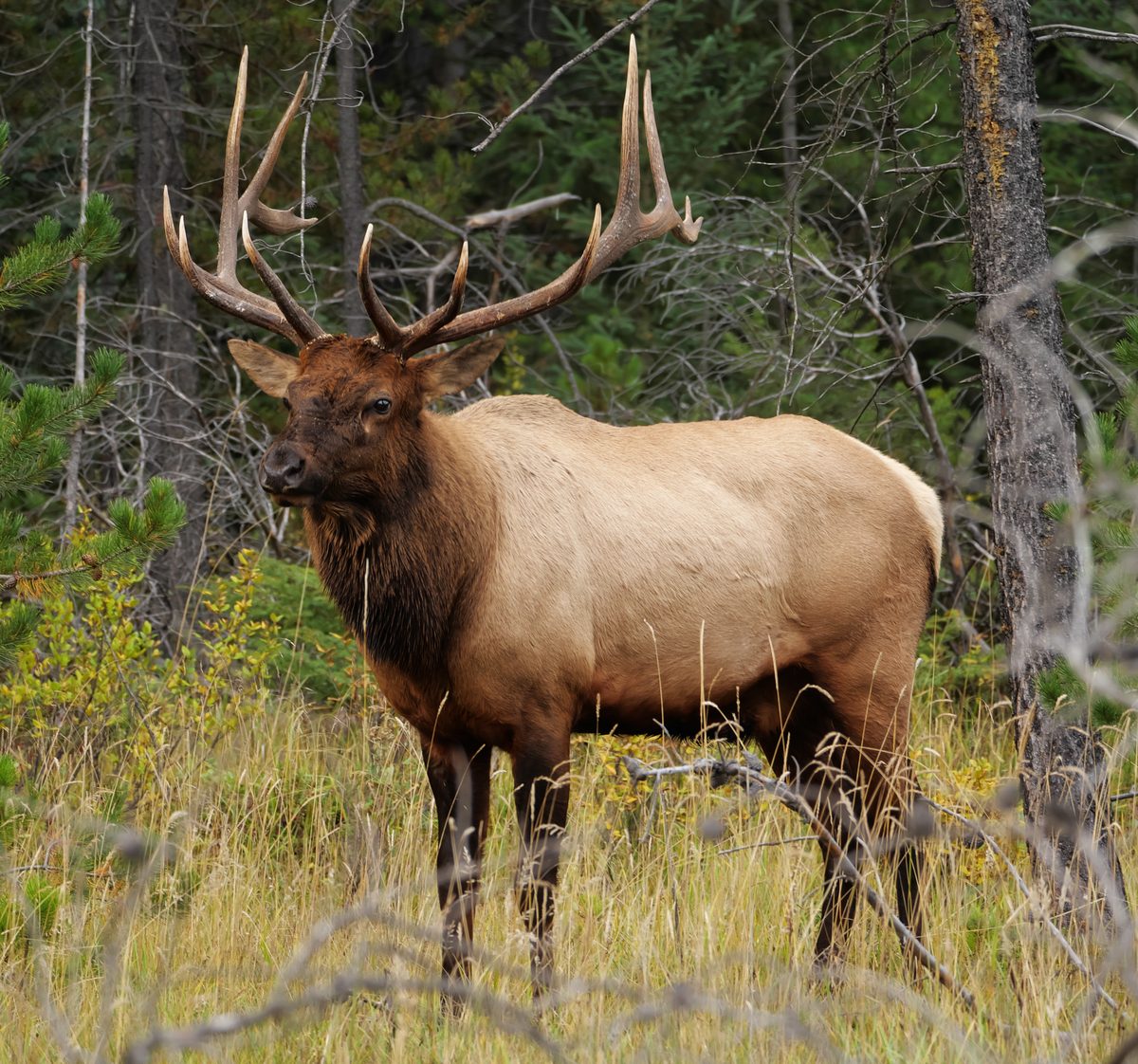
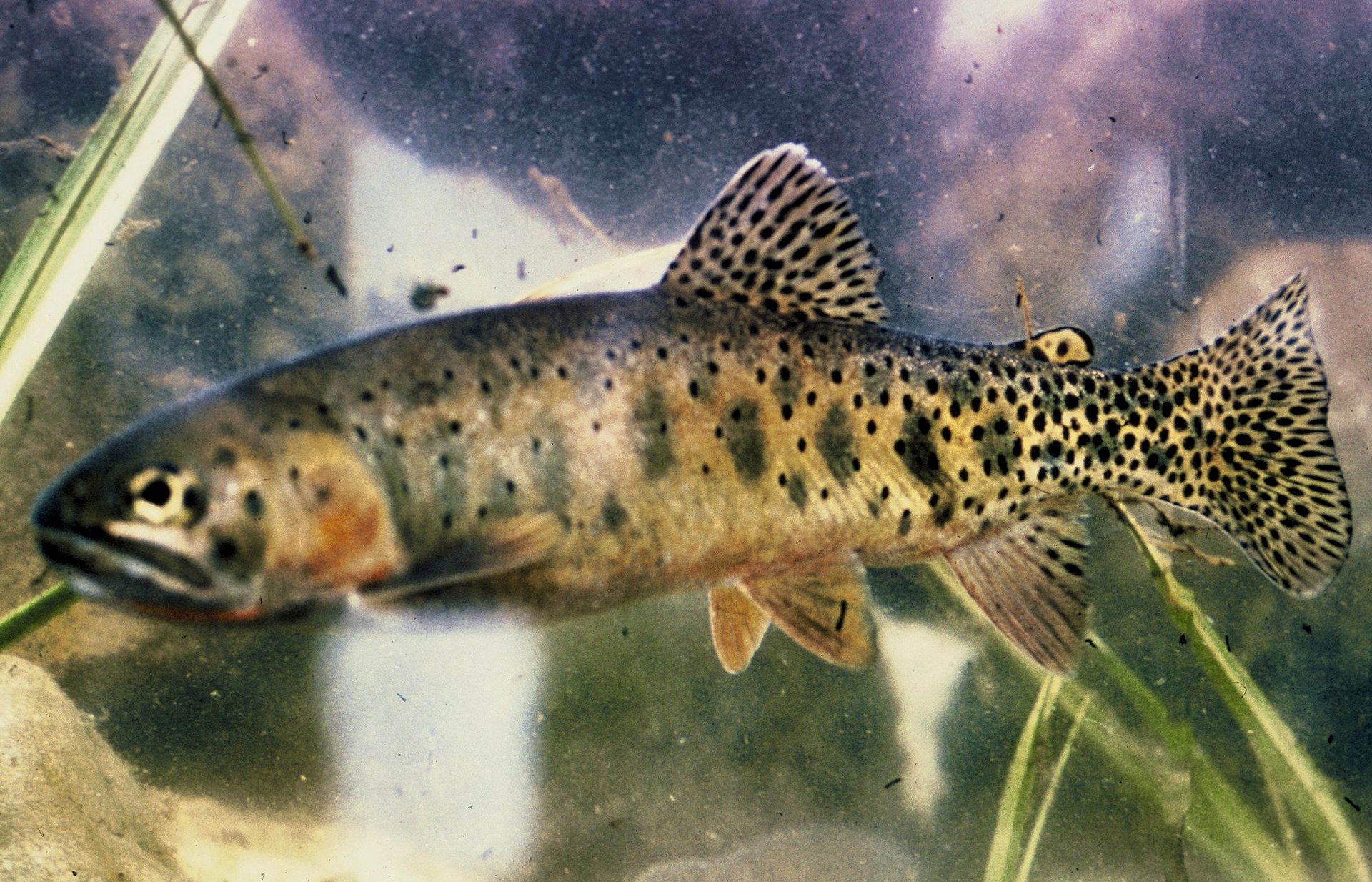
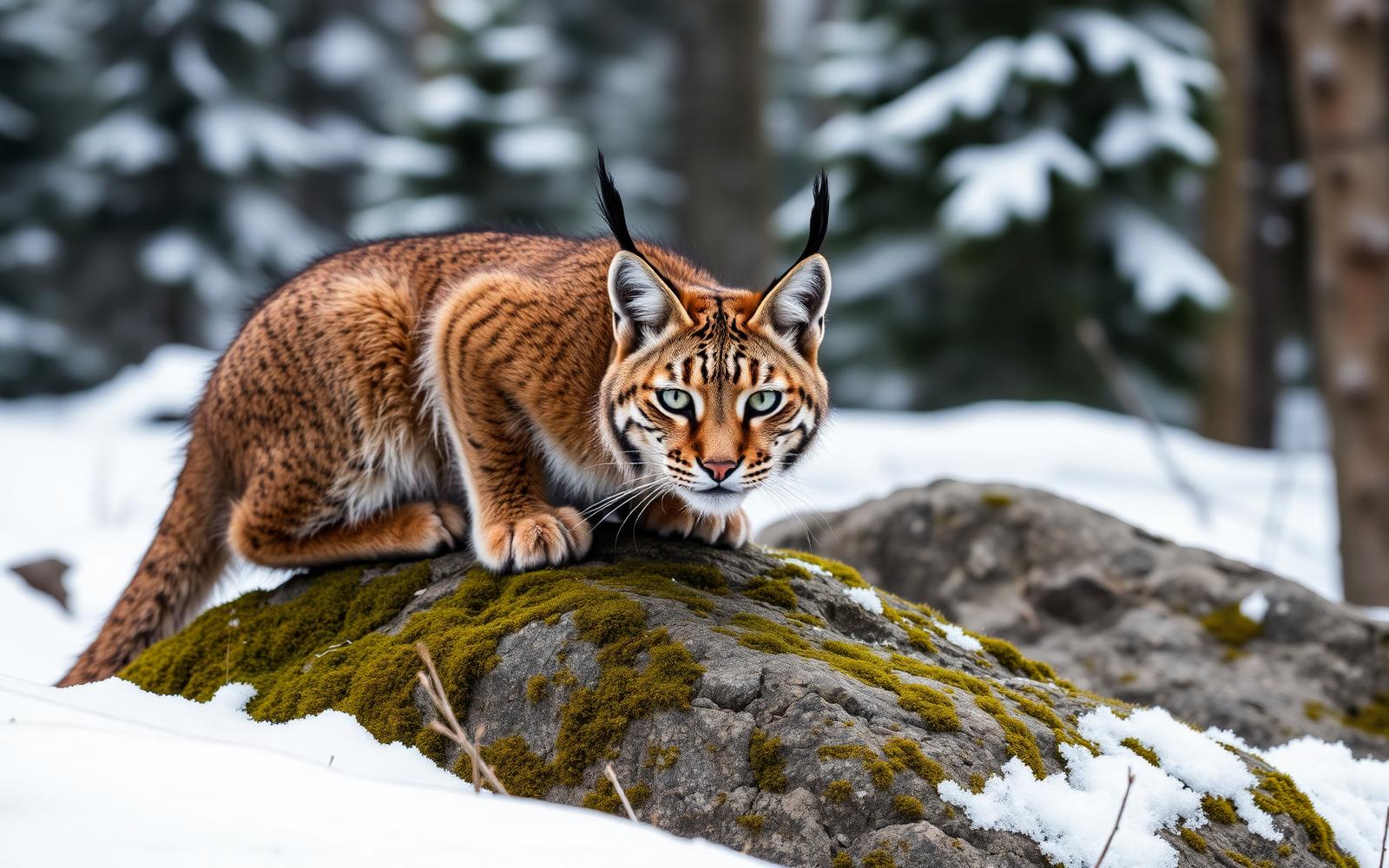
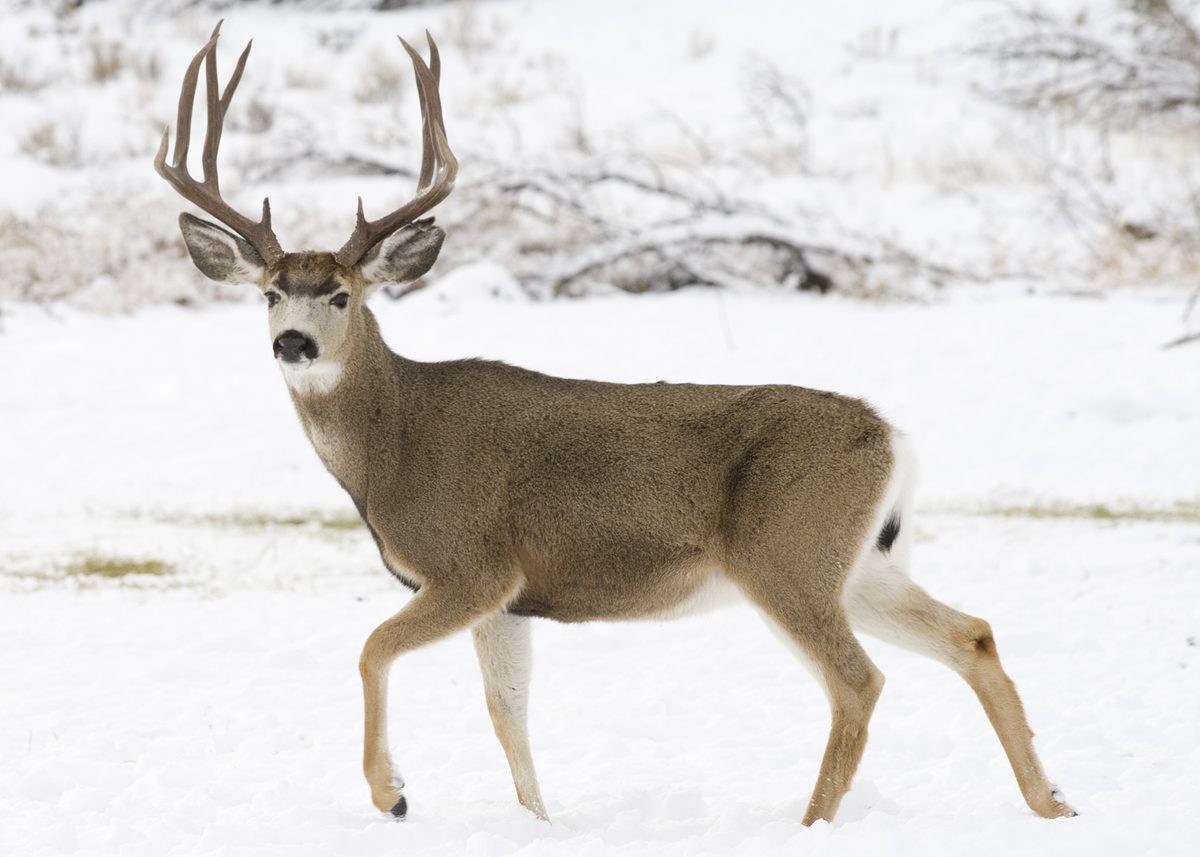
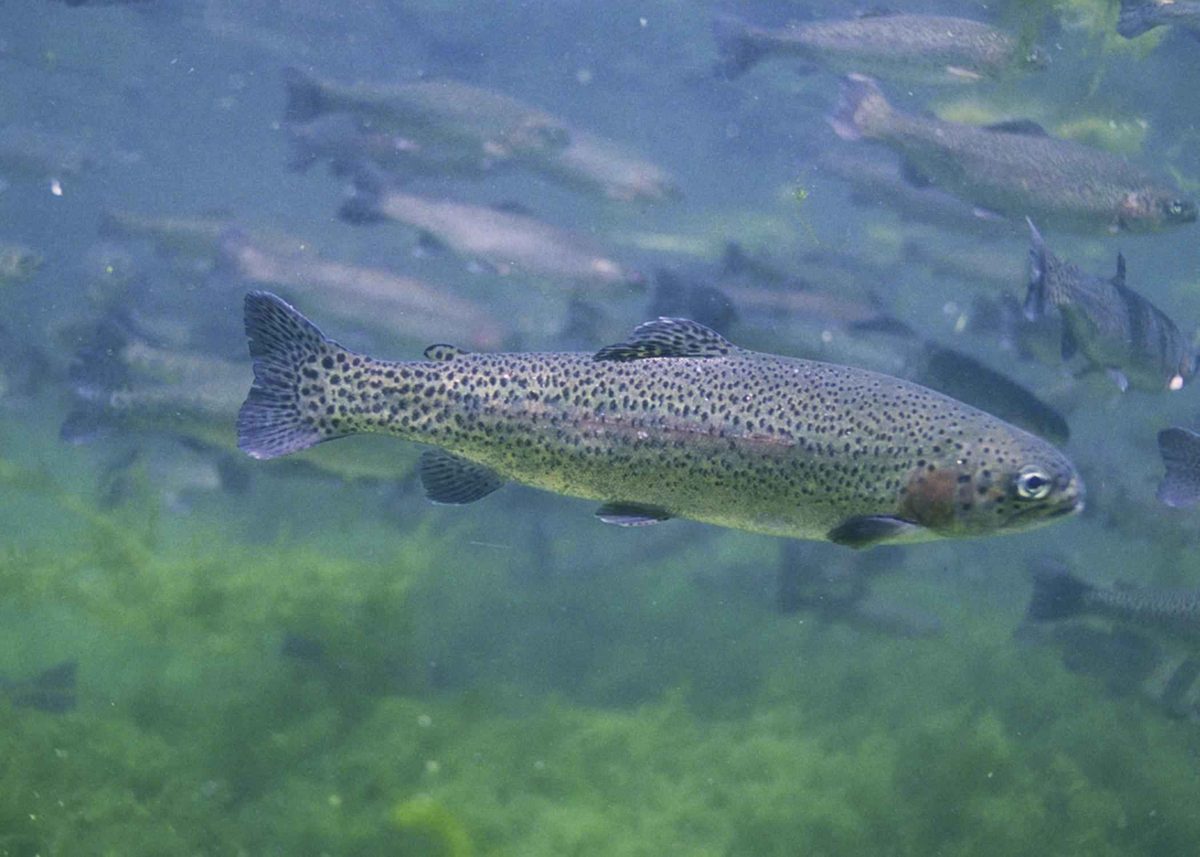

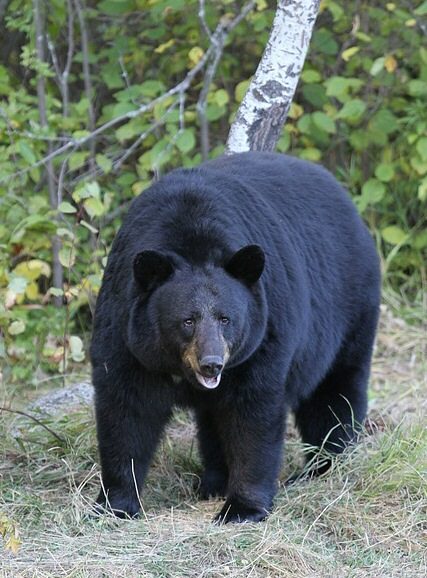
Hunting District 280 Overview
Hunting District 280 is a designated area within Montana known for backcountry deer hunting. It is subject to specific regulations and seasons set by Montana Fish, Wildlife & Parks (FWP). Hunters should utilize the FWP's online Hunt Planner map for detailed information, legal descriptions, and statistics. The district's unique backcountry designation impacts its hunting season structure, differentiating it from other districts. Prospective hunters are encouraged to review the official regulations carefully, as seasons and licensing requirements can vary significantly. This area offers an opportunity for a backcountry hunting experience, requiring thorough preparation and understanding of local guidelines.
Deer Hunting Seasons
Hunting District 280 features distinct seasons for deer. The General season for backcountry hunting in HDs 150, 280, and 316 runs from September 15 to November 29. This differs from the statewide general deer season, which typically starts in late October. Other statewide seasons include Archery from September 5 to October 18, Youth deer-only on October 15-16, Muzzleloader from December 12-20, and Shoulder seasons with varying dates between August 15 and February 15. Hunters must consult the FWP's online Hunt Planner or current regulations for specific dates and any district-specific exceptions beyond the backcountry general season. Always confirm season dates before planning a hunt.
Permits and Licenses
To hunt deer in Hunting District 280, a General Deer License is required. Montana residents can purchase this over the counter, while most nonresidents obtain it through a drawing or combination license. A General Deer License is valid for one deer. Additionally, deer permits are available and must be used in conjunction with a general deer hunting license. These permits expand hunting opportunities within specific districts, such as allowing for the harvest of a Buck Mule Deer in some areas, but do not grant an additional animal. Hunters must hold a valid general deer license to apply for a permit. Nonresidents must also possess a big game or deer combination license to apply for permits.
Licensing Options and Fees
Montana offers various deer licenses and combinations. A General Deer License costs $16 for residents, with reduced fees for specific resident groups. Deer B licenses, for antlerless deer, are available via drawing ($15 resident, $80 nonresident) or over-the-counter ($10 resident, $75 nonresident). An Antlerless Whitetail Single Region Deer B license is also $10 for residents and $75 for nonresidents. Nonresidents can opt for Deer Combination licenses, which include a General Deer license, fishing, and upland bird hunting, priced at $704. Deer permits cost $5 for both residents and nonresidents. Specific nonresident combination licenses like 'Montana Native' and 'Come Home to Hunt' are also available with unique qualification criteria and fees. All applicants should verify current fees and requirements with FWP.
Sample itineraries
- Backcountry Deer Hunt · 15 days
Plan a multi-day backcountry deer hunt within Hunting District 280. This allows for exploration of the terrain and increased opportunity during the extended backcountry general season. Focus on understanding the specific regulations for HD 280, including its unique season dates. Hunters should prepare for self-sufficiency and remote conditions typical of a backcountry experience.
- Late Fall General Season Hunt · 7 days
Target the later part of the General season in Hunting District 280. The backcountry general season extends into late November, providing opportunities after other general seasons may have closed. Hunters should monitor weather conditions, as late fall in Montana can bring significant changes. This period often coincides with colder temperatures and potentially snow, which can influence deer movement.
Seasonal conditions
Spring
March - May
Regulations for the upcoming deer season are typically posted online in late February. This is a planning period rather than a hunting period for deer.
Summer
June - August
Shoulder seasons for deer may begin in mid-August in some areas, though specific to Hunting District 280, the backcountry general season starts mid-September. This period involves preparation for the hunting season, including reviewing regulations and obtaining licenses.
Fall
September - November
The primary deer hunting season in Hunting District 280, with the backcountry general season running from September 15 to November 29. Archery season statewide runs from September 5 to October 18, with the Youth deer-only season on October 15-16. Weather can vary from mild to cold with potential for snow, especially later in the season.
Winter
December - February
Muzzleloader season runs from December 12-20. Shoulder seasons may extend into February in some districts. This period is characterized by cold temperatures and snow, requiring specialized gear and preparation for winter hunting conditions.
| Season | Window | Conditions |
|---|---|---|
| Spring | March - May | Regulations for the upcoming deer season are typically posted online in late February. This is a planning period rather than a hunting period for deer. |
| Summer | June - August | Shoulder seasons for deer may begin in mid-August in some areas, though specific to Hunting District 280, the backcountry general season starts mid-September. This period involves preparation for the hunting season, including reviewing regulations and obtaining licenses. |
| Fall | September - November | The primary deer hunting season in Hunting District 280, with the backcountry general season running from September 15 to November 29. Archery season statewide runs from September 5 to October 18, with the Youth deer-only season on October 15-16. Weather can vary from mild to cold with potential for snow, especially later in the season. |
| Winter | December - February | Muzzleloader season runs from December 12-20. Shoulder seasons may extend into February in some districts. This period is characterized by cold temperatures and snow, requiring specialized gear and preparation for winter hunting conditions. |
Permits, fees & closures
A general deer license is required to hunt deer. Deer permits are also available and must be used with a general deer hunting license; they are not a second license but expand hunting opportunities in specific districts (e.g., allowing for Buck Mule Deer harvest). Residents must hold a valid general deer license to apply for permits. Nonresidents must hold a big game or deer combination license to apply for permits. Confirm specific permit requirements with the managing agency.
Fees: General Deer License: Resident $16 (reduced for specific residents), Nonresident N/A. Deer B - Drawing: Resident $15, Nonresident $80. Deer B - Over the Counter: Resident $10, Nonresident $75. Deer B - Antlerless Whitetail, Single Region: Resident $10, Nonresident $75. Deer Permits: Resident $5, Nonresident $5. Nonresident Deer Combination (includes General Deer license, fishing, upland birds): $704. Other nonresident combination licenses (Montana Native, Come Home to Hunt, Student) range from $323-$604.
Official source: Hunt By Species: Deer | Montana FWP · Verified September 10, 2026
Hazards & regulations
- Changing weather conditions
- Cold temperatures
- Snow
- Navigating remote backcountry terrain
- Wildlife encounters
What to pack for Hunting District 280
- Hunting license and permits
- Appropriate firearm or archery equipment
- Ammunition/Arrows
- Binoculars
- Hunting knife
- Game bags
- Layered clothing for varying temperatures
- Waterproof and windproof outer layers
- Insulated boots suitable for rugged terrain and cold weather
- Warm hat and gloves
- Map (physical and/or digital)
- Compass
- GPS device
- Headlamp with extra batteries
- First-aid kit
- Emergency shelter/space blanket
- Fire starter
- Backpack suitable for multi-day trips
- Sleeping bag and pad
- Tent or shelter
- Water filter or purification tablets
- Sufficient food and snacks
- Cooking equipment
- Bear spray
Hunting District 280 FAQ
- What is the general deer season for Hunting District 280?
- Hunting District 280 has a specific backcountry general season from September 15 to November 29. Hunters should verify all dates with the official FWP regulations.
- Do I need a special permit for Hunting District 280?
- A general deer license is required. Deer permits are available to expand hunting opportunities, such as for a Buck Mule Deer, but they are not a second license. These permits must be used with a general deer license. Consult FWP for specific permit details.
- Where can I find maps and detailed regulations for Hunting District 280?
- Maps, legal descriptions, regulations, and statistics are available through the Montana FWP's online Hunt Planner Map and the official Deer, Elk, and Antelope Regulations document.
- Are there different license fees for residents and nonresidents?
- Yes, license and permit fees vary significantly between residents and nonresidents. Residents generally pay lower fees, while nonresidents often require combination licenses or draw-based applications with higher costs. Specific details are outlined in the FWP fee schedule.
- Can nonresidents purchase a General Deer License over the counter?
- Most nonresidents cannot purchase a General Deer License over the counter; it typically must be obtained through a drawing or as part of a combination license. Residents can purchase it over the counter.
- What types of deer can be hunted in Hunting District 280?
- The General Deer License allows for one deer. Specific permits may expand opportunities, such as allowing for a Buck Mule Deer. Deer B licenses are for antlerless deer, including antlerless white-tailed deer in specific regions.