



Where on earth
Satellite imagery flying in from a world view to Tsum Valley Trek, Nepal. Use the + / − buttons, or click the map to zoom with your scroll wheel; drag to pan and pinch to zoom on touch.
- Region
- Nepal
- Biome
- Himalayan valley (1,900–3,700 m)
- Best season
- October – November, March – May
- Difficulty
- moderate
- Backpacking
- Hiking
Key takeaways
- Biome: Himalayan valley (1,900–3,700 m)
- Best season: October – November, March – May
- Difficulty: moderate
- Top activity: backpacking
Photos of Tsum Valley Trek
Topic summary
A 7-9 day trek into a hidden Tibetan valley in the Manaslu region — often combined with Manaslu Circuit.
Key takeaways
- Difficulty: moderate
- Best season: October – November, March – May
Intended uses
backpacking
Climate suitability
Himalayan valley (1,900–3,700 m)
Tools for a trip here
Picked for how, when and where you're going. Free, no signup.
- Sleep System Temp CalculatorCold nights: check your bag and pad add up to a safe sleep.
- Base Weight CalculatorEvery ounce is carried — total your kit and find your base weight.
- Pack Volume SizerSize the pack for your trip length and season.
- Water Purification MatrixTreat water from streams and lakes on trail.
- Layering CalculatorCold-season miles: layer for climbs and camp.
Plan with verified data
Tsum Valley Trek trip tools
How to get there
Tsum Valley Trek is in Nepal, Nepal. Its center point is 28.6667, 85.0000. Use these links for live turn-by-turn directions from where you are, then confirm road, trailhead and access conditions with the managing agency before you leave.
Popular pursuits at Tsum Valley Trek
- Backpacking
Multi-day travel with everything on your back — see the packing blocks below.
- Hiking
Day miles on marked trail, with route notes and trail links below.
Animals around Tsum Valley Trek

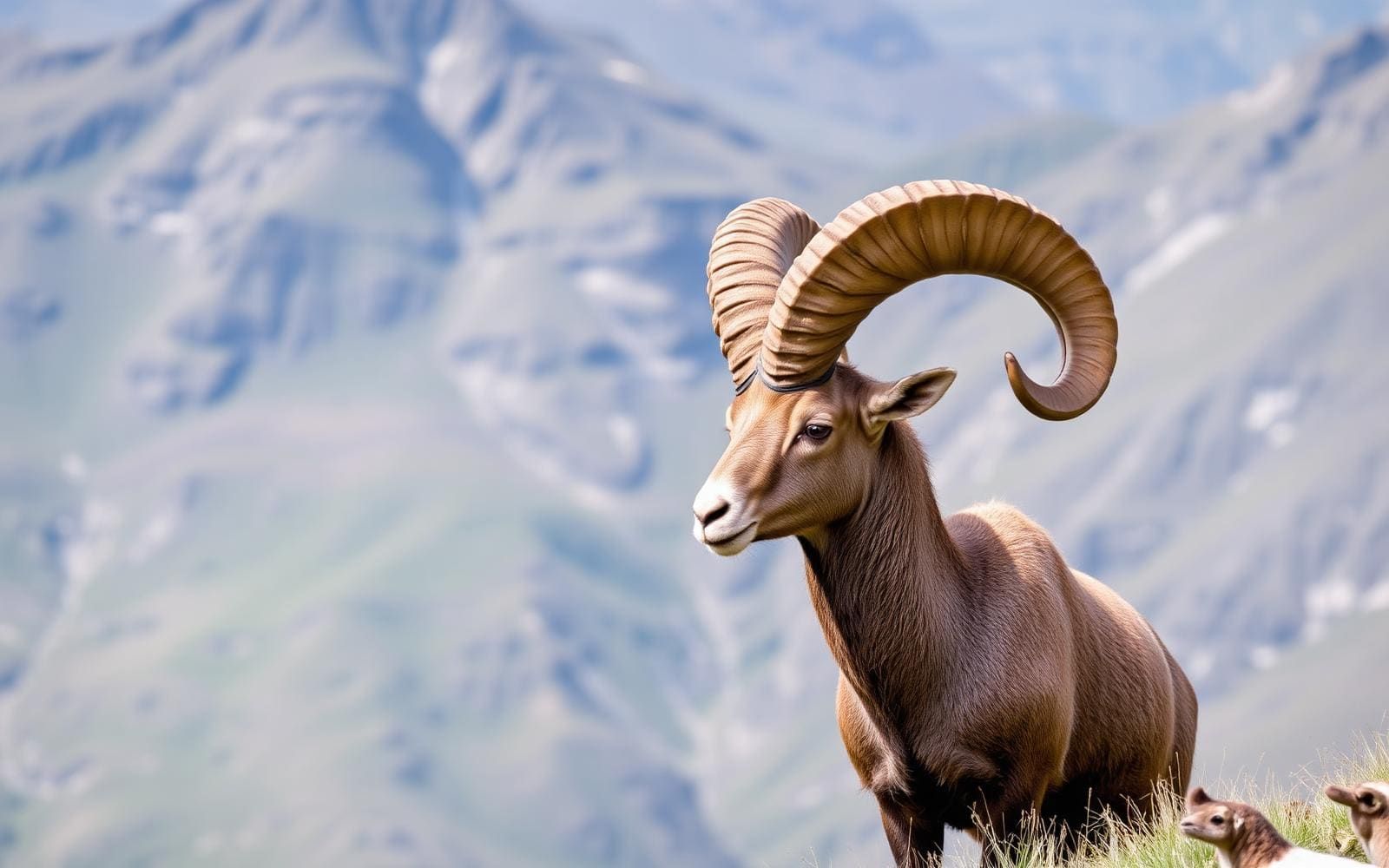


Maps, GPS & compass for this trip
Carry a waterproof paper map and a compass you can steer by, and treat the GPS as the backup — not the other way round. Buying links go to Amazon; Wild10 earns a commission at no cost to you.
Waterproof topo maps
- Waterproof topographic map — Tsum Valley TrekAmazon search for waterproof, tear-resistant topo maps covering this area.
- National Geographic Trails IllustratedThe waterproof Trails Illustrated series — check for a sheet covering this area.
- Waterproof map case & compass lanyardKeep a paper map readable in rain, spray and a swamped boat.
Fishing at Tsum Valley Trek
Planning to fish Tsum Valley Trek, Nepal? Fishing licences, open seasons and catch limits in Nepal are set by the local wildlife authority and change every year — check the official source before you cast a line.
Do I need a fishing licence at Tsum Valley Trek?
- A Nepal fishing licence is normally required for anyone over the local youth age.
- Read the current Nepal fishing regulations for special waters, barbless-hook or catch-and-release rules.
- Clean, drain and dry boats and gear between waters to stop invasive species.
We don't have a verified licensing link on file for Nepal yet — contact the park or land manager listed on this page for current hunting and fishing rules.
Hunting near Tsum Valley Trek
Thinking about hunting Tsum Valley Trek, Nepal? Hunting seasons, tags and draws in Nepal are set by the wildlife authority each year. Confirm the rules for your species and unit before you go.
Is hunting allowed at Tsum Valley Trek?
- Confirm the land around Tsum Valley Trek is open to hunting and which management unit it falls in.
What do I need to hunt in Nepal?
- A Nepal hunting licence — most jurisdictions also require hunter education certification.
- Species tags or draw results for big game such as deer, elk, moose or bear where they occur.
- Knowledge of firearm and bow transport rules, which differ by land type and border crossing.
We don't have a verified licensing link on file for Nepal yet — contact the park or land manager listed on this page for current hunting and fishing rules.
A Remote Valley in Northern Gorkha
Tsum Valley lies in northern Gorkha District, in Nepal’s Gandaki Province, close to the Tibetan border. It sits within the Manaslu Conservation Area, placing the trek in a remote Himalayan setting rather than a destination defined by easy roadside access. The valley’s landscapes and Buddhist cultural heritage are central to its character. Plan around that combination: time outdoors should leave room for understanding the places encountered, not simply moving through them. Remoteness also calls for a conservative approach to preparation. Confirm the practical details of reaching the valley before committing to an itinerary, and avoid treating its broad location as sufficient navigation information. A workable trek plan needs verified access and route details.
Buddhist Heritage and Sacred Places
Tsum Valley is associated with the Tibetan Buddhist idea of a Beyul, a place of spiritual refuge. That meaning gives context to the valley’s sacred Buddhist monasteries and distinctive cultural heritage. Approach these places as religious spaces rather than simply landmarks along a trek. Ask locally about appropriate conduct before entering sacred areas or taking photographs, and let local guidance shape any visit. An itinerary focused entirely on walking can overlook an important part of what makes this valley distinct. Leave flexibility for respectful encounters without assuming that every monastery will be accessible to visitors. The valley’s proximity to Tibet is useful geographic context, but it should not substitute for learning about the particular customs encountered here.
Planning for a Remote Himalayan Trek
The valley’s remote Himalayan location should guide preparation more than a fixed daily schedule. Allow flexibility for mountain weather, carry clothing suited to changing conditions, and make a realistic plan for drinking water and essential supplies. Verify the intended route and available support before departure rather than assuming that services will be present wherever needed. Choose daily walking goals that suit the group’s fitness and leave room to adjust when conditions demand it. Confirm current entry requirements and access arrangements with the agency responsible for the Manaslu Conservation Area. Keep cultural visits flexible as well: a sacred landscape calls for patience and respectful decisions, alongside the practical judgment needed for travel in remote mountains.
Sample itineraries
- Valley orientation day · 1 day
A suggested day within a longer trek, not a complete approach itinerary. Keep walking modest while adjusting to the Himalayan setting, with time to learn about Tsum Valley’s Buddhist heritage. Choose the day’s route according to local advice and conditions.
- Buddhist heritage focus · 2 days
A suggested two-day segment within a longer visit. Allow time for sacred Buddhist monasteries and the surrounding valley landscape, subject to local access guidance. These days do not include travel into or out of the remote valley.
Seasonal conditions
Spring
Confirm locally before choosing spring dates.
Do not assume mild conditions throughout a Himalayan valley. Check current weather and trail conditions, and carry layers for changing temperatures.
Summer
Confirm locally before choosing summer dates.
Check rainfall forecasts and trail conditions before departure. Keep plans flexible in this remote mountain setting rather than relying on a fixed daily schedule.
Fall
Confirm locally before choosing fall dates.
Check current visibility, temperatures, and trail conditions. A seasonal label alone is not enough to establish whether the intended route is suitable.
Winter
Confirm locally before choosing winter dates.
Assess cold-weather readiness and ask locally about snow, ice, and access before committing. Do not assume the same walking conditions or support as in other seasons.
| Season | Window | Conditions |
|---|---|---|
| Spring | Confirm locally before choosing spring dates. | Do not assume mild conditions throughout a Himalayan valley. Check current weather and trail conditions, and carry layers for changing temperatures. |
| Summer | Confirm locally before choosing summer dates. | Check rainfall forecasts and trail conditions before departure. Keep plans flexible in this remote mountain setting rather than relying on a fixed daily schedule. |
| Fall | Confirm locally before choosing fall dates. | Check current visibility, temperatures, and trail conditions. A seasonal label alone is not enough to establish whether the intended route is suitable. |
| Winter | Confirm locally before choosing winter dates. | Assess cold-weather readiness and ask locally about snow, ice, and access before committing. Do not assume the same walking conditions or support as in other seasons. |
Permits, fees & closures
Confirm current entry requirements with the managing agency for Tsum Valley and the Manaslu Conservation Area.
Confirm current permits, fees, and closures with the managing agency before you go.
Hazards & regulations
- Altitude requires conservative pacing in a Himalayan setting. Allow time to adjust and respond promptly to symptoms of altitude illness.
- Remoteness can complicate assistance and evacuation. Establish an emergency plan before entering the valley.
- Changing mountain weather can affect warmth, visibility, and walking decisions. Carry protective layers and allow flexibility.
- Do not assume drinking water is safe untreated. Carry a reliable treatment method.
What to pack for Tsum Valley Trek
- Insulating layers
- Weatherproof outer layers
- Warm hat and gloves
- Supportive walking footwear
- Water containers and treatment
- Personal medicines and first-aid supplies
- Sun protection
- Headlamp and spare power
- Navigation resources
- Emergency communication plan
- Modest clothing for monastery visits
- Bag for carrying out rubbish
Tsum Valley Trek FAQ
- Where is Tsum Valley?
- Tsum Valley lies in northern Gorkha District, Gandaki Province, Nepal. It is within the Manaslu Conservation Area, close to the Tibetan border.
- What gives the valley its cultural significance?
- The valley has a distinctive Buddhist heritage and sacred monasteries. It has been described as a Beyul, a Tibetan Buddhist concept referring to a place of spiritual refuge.
- Are these itineraries complete treks?
- No. They are suggested short segments for a longer journey. Arrange the approach, departure, overnight stops, and total duration using current local guidance.
- How should monastery visits be approached?
- Treat monasteries as sacred places rather than sightseeing stops alone. Ask before entering or photographing, dress modestly, and follow local instructions.
- What should be confirmed before departure?
- Confirm entry requirements, route access, weather, overnight arrangements, and emergency options. The valley’s remote Himalayan location makes advance planning important.