



- Region
- Washington
- Country
- United States
- Best for
- kayaking, camping
- Best season
- Spring, Summer
- Permits
- Confirm permit and pass requirements with …
- Managed by
- Washington State Parks
Plan with verified data
Wenatchee River trip tools
Tools for a trip here
Picked for how, when and where you're going. Free, no signup.
- Water Purification MatrixLake water needs treating — compare filters, chemicals and boiling.
- Layering CalculatorCold water: dress for immersion, not just the air temperature.
- Sleep System Temp CalculatorCold nights: check your bag and pad add up to a safe sleep.
- The 10 EssentialsBackcountry safety basics, printable.
- Packing ChecklistsPrintable packing list for this kind of trip.
How to get there
The Wenatchee River is accessible from various points near Leavenworth and Wenatchee, Washington. Main routes include Highway 2 and Highway 207, with specific turn-offs for trailheads and parks. Access points range from state parks to informal river access sites.
- Wenatchee River Road Trailhead (NF-7906)
From Leavenworth, drive 9.4 miles west on Highway 2 past the gas station on the corner of Icicle Road and Highway 2 West, then turn right on the unmarked road #7906, about a half mile past Tumwater Campground. From Stevens Pass, travel 25.3 miles east on Highway 2 and turn left on the unmarked road #7906. There is a small parking area.

Photo: Forest Service Pacific Northwest Region / Public domain Lake Wenatchee (Wenatchee National Forest Land)From Highway 207, turn toward Lake Wenatchee at the Ranger Station, then turn right onto North Shore Drive, and go to 17499 North Shore Drive (building 1211) where a dirt road with an iron bar across it leads to the access. There's not a lot of parking spaces.
- Lake Wenatchee—University Beach
Parking for University Beach is between the YMCA camp and the first house on N Shore Road, where an unmarked path leads from the lake to N Shore Rd. The distance from Highway 207 and the trails is 1.2 miles.
- Lake Wenatchee State Park Boat Ramp (South Entrance)
To reach the put-in, turn off Highway 2 at Cole's Corner (Highway 2 mile 84.7) and head north on Highway 207 for 3.5 miles to Cedar Brae Road. Turn left on Cedar Brae Road and continue 1 mile to the boat ramp in South Lake Wenatchee State Park, which is at the outlet of Lake Wenatchee.
- Glacier View Campground
Located 5.5 miles from the south state park entrance, Glacier View Campground is on the opposite side of Lake Wenatchee.
- Plain Access (Highway 209 bridge)
At the bridge on Highway 209, near Plain, there is room to park about 4 vehicles on the upstream, river right side. From there, boats must be carried to the river. An intermediate access point can be reached by heading north on Highway 207 for 3.8 miles from Highway 2 at Cole’s Corner (Highway 2 mile 84.7), then turning right onto Highway 209 (Chumstick Highway) and continuing 4.5 miles east to the bridge across the Wenatchee River. A lot holds roughly a dozen vehicles and a short gravel path leads to concrete stairs.
Sources: parks.wa.gov · Wikipedia · Wikivoyage · Leavenworth Chamber of Commerce. Confirm road and trailhead conditions with the managing agency before you leave.
Washington · United States · Season: Late spring through early fall
- Canoeing
- Kayaking
- Rafting
- Desert Hiking
- Canyoneering
- Fishing
- Photography
Overview
The Wenatchee River is Washington's most popular commercial whitewater river, and for good reason. It offers exciting, splashy Class III rapids that are perfect for first-timers, families, and groups looking for a fun day on the water. The section from Leavenworth to Monitor is the main attraction, especially during the spring and early summer snowmelt. The river flows through the scenic Tumwater Canyon, surrounded by the dramatic peaks of the eastern Cascades. Access is excellent, with numerous outfitters and put-ins near Leavenworth, a Bavarian-themed town that adds to the overall trip experience. While it's predominantly Class III, the rapid 'Boulder Bend' can be a stout Class IV at higher flows. The biggest trade-off here is the sheer popularity; expect crowds, especially on warm summer weekends. The water is cold, but the sunny disposition of Eastern Washington often offsets this. No permits are typically required for private rafters for day trips, but check local regulations.
Why it stands out
Family-friendly Class III rapids, good for all skill levels
Iconic 'Boulder Bend' rapid
Scenic backdrop of Tumwater Canyon and Eastern Cascades
Proximity to Leavenworth for post-rafting amenities
High flow reliability during spring snowmelt
Know before you go
Extremely popular, expect crowds and commercial traffic
Cold, snowmelt-fed water
Rapids can be pushy at high flows
Limited opportunities for true wilderness solitude
Planning notes
Where: Washington, United States Best season: Late spring through early fall Good for: Kayaking, Camping Featured on: Top 10 Whitewater Rafting Trips in the Pacific Northwest (#4) Access point: Wenatchee River, Washington, USA
Check current permits, closures and fire restrictions with the managing agency before you commit to dates.
Field notes
- Family-friendly Class III rapids, good for all skill levels
- Iconic 'Boulder Bend' rapid
- Scenic backdrop of Tumwater Canyon and Eastern Cascades
- Proximity to Leavenworth for post-rafting amenities
- High flow reliability during spring snowmelt
Where on earth
Satellite imagery flying in from a world view to Wenatchee River, United States. Use the + / − buttons, or click the map to zoom with your scroll wheel; drag to pan and pinch to zoom on touch.
Coordinates
- Decimal degrees
- 47.6308, -120.5390
- Latitude (DMS)
- 47° 37′ 51.0″ N
- Longitude (DMS)
- 120° 32′ 20.3″ W
Coordinates are an access-point reference for Wenatchee River, not a route. Carry a paper map and confirm trailhead or put-in access with the managing agency before you go.
Topic summary
The Wenatchee River is Washington's most popular commercial whitewater river, and for good reason.
Key takeaways
- Region: Washington
- Country: United States
- Best season: Late spring through early fall
- Good for: kayaking, camping
- Coordinates: 47.631, -120.539
Intended uses
- kayaking
- camping
Climate suitability
Late spring through early fall
Keep planning
Popular pursuits at Wenatchee River
- Canoeing
Paddle routes, portages, and put-ins.
- Kayaking
Sheltered and open-water paddling lines.
- Rafting
Whitewater sections and the flows that make them run.
- Desert Hiking
Water carries and heat management drive the plan.
- Canyoneering
Narrows, downclimbs, and flash-flood timing.
- Fishing
Resident gamefish, seasons, and the water that holds them.
Animals around Wenatchee River

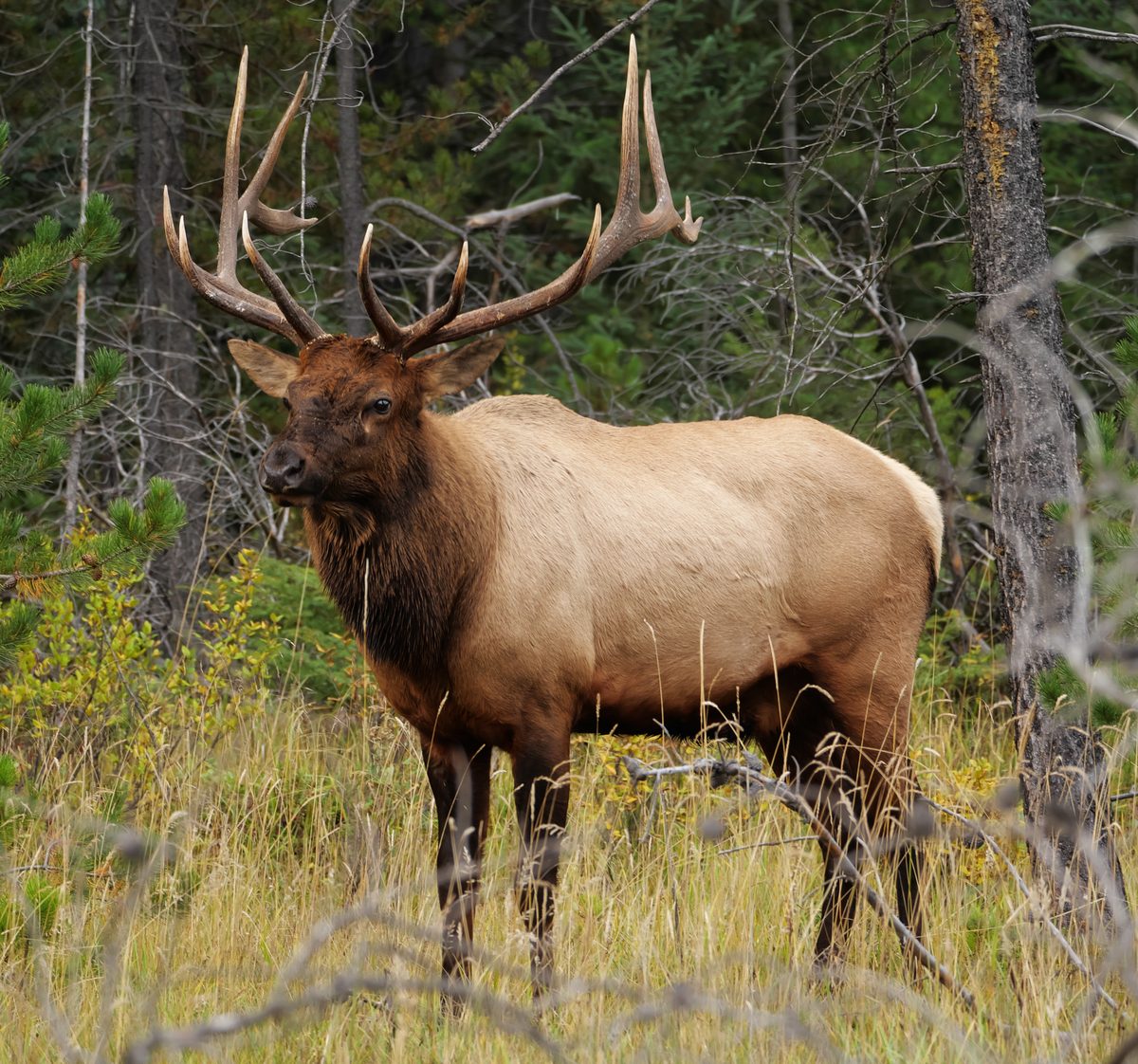
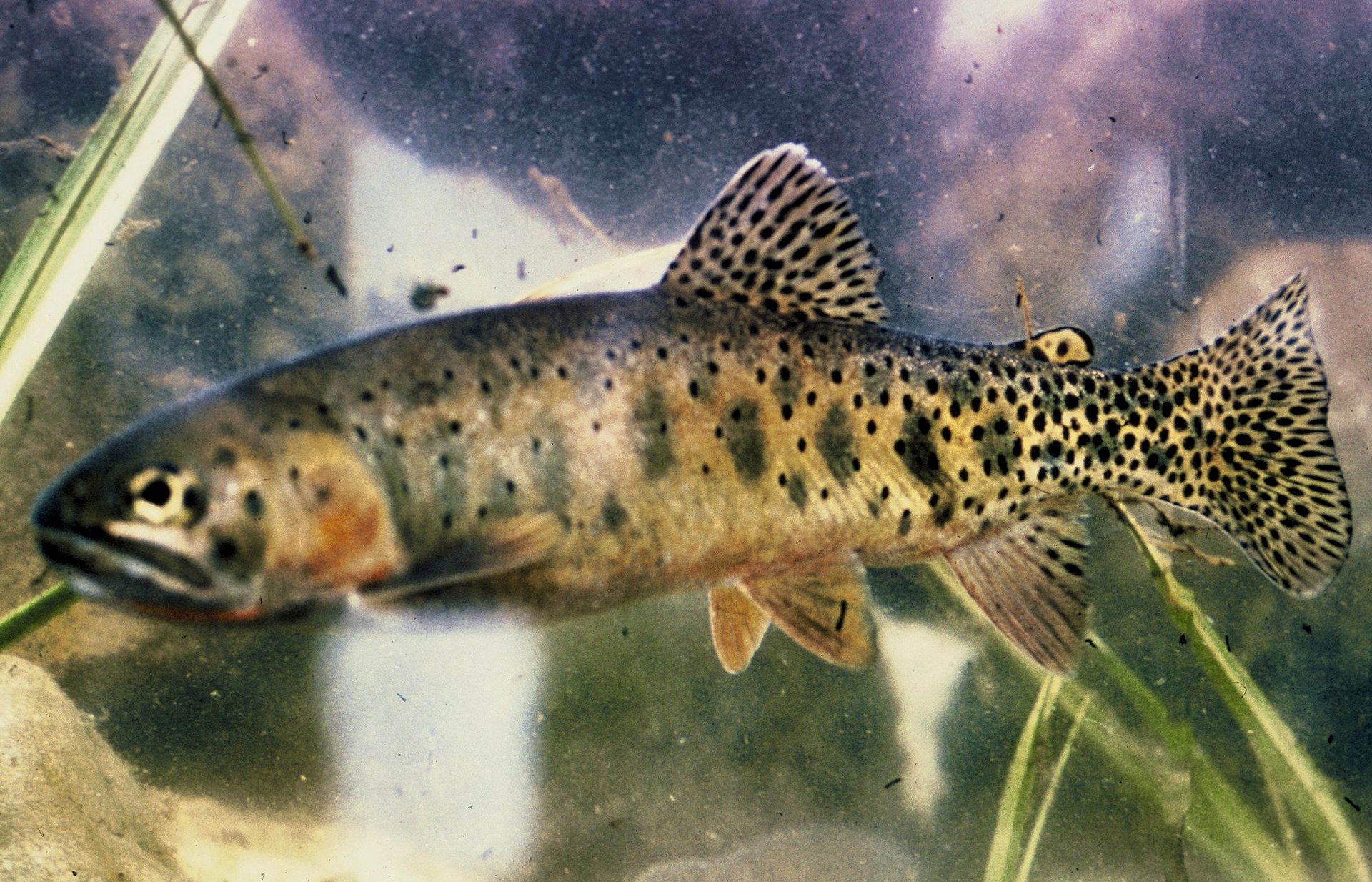

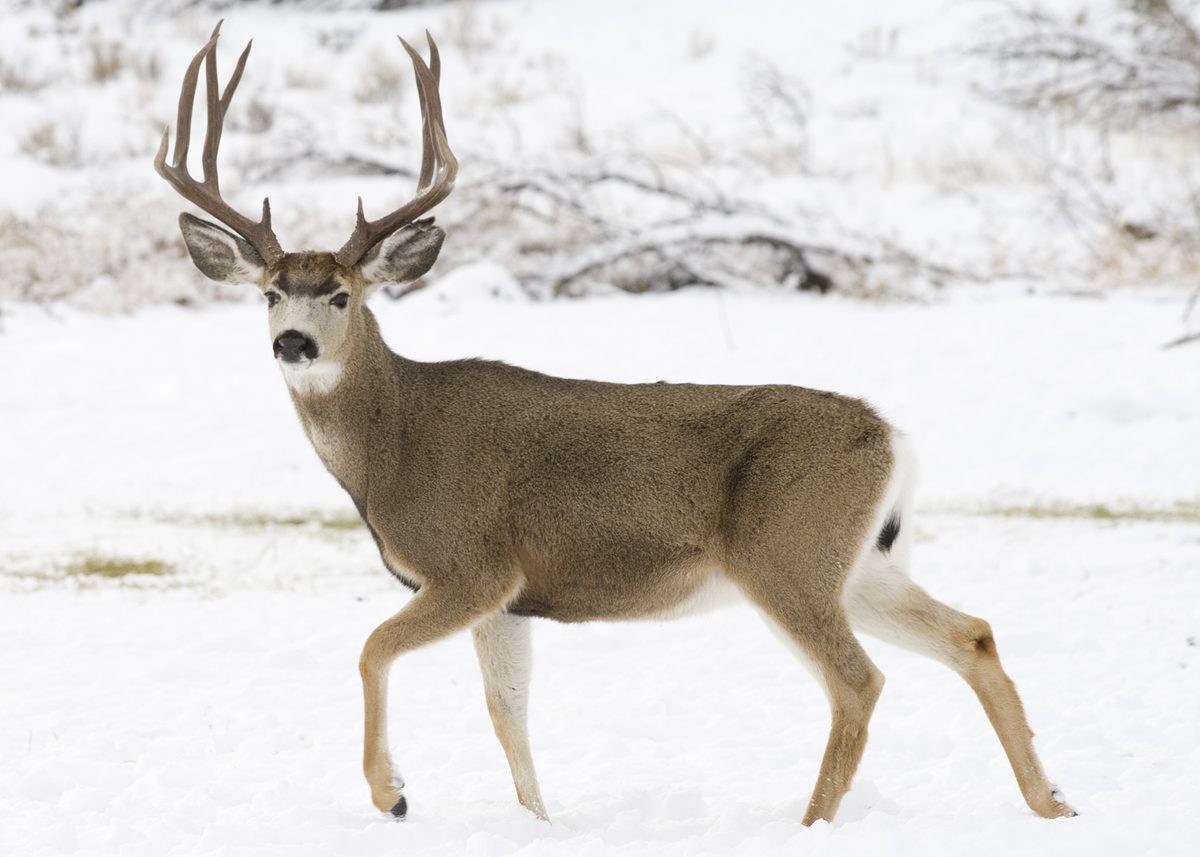
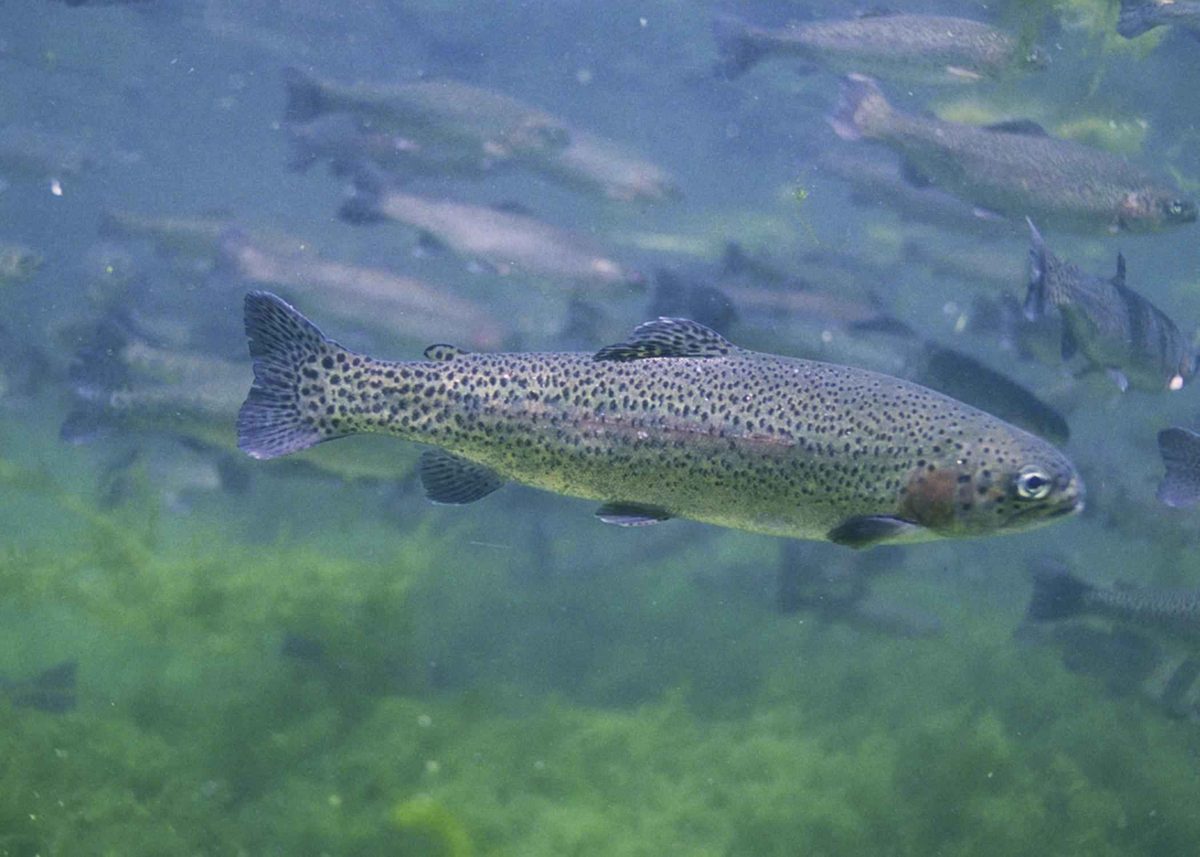

Introduction to the Wenatchee River Area
The Wenatchee River is a prominent waterway in north-central Washington, flowing through the eastern foothills of the Cascade Range. Its name derives from the Wenatchi, a Native American tribe, and means "river which comes from canyons" or "robe of the rainbow." This river is part of a larger ecosystem that includes Lake Wenatchee and the Wenatchee National Forest. The area is a destination for outdoor enthusiasts seeking mountain and freshwater experiences. The city of Wenatchee, located at the confluence of the Wenatchee and Columbia Rivers, serves as a hub for the region, known for its apple orchards and as the "Apple Capital of the World." Visitors can expect clear blue waters, forested mountains, and a variety of recreational activities.
Lake Wenatchee State Park: A Year-Round Destination
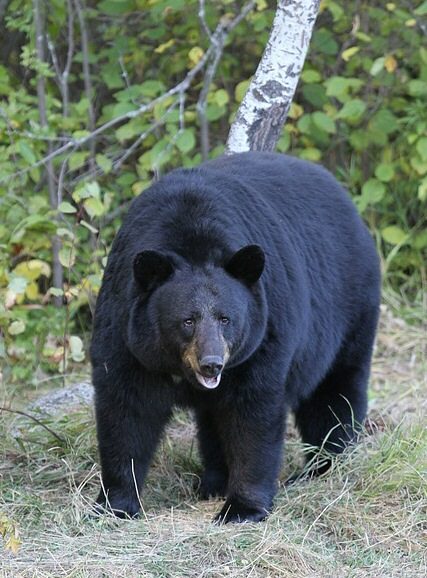
Lake Wenatchee State Park offers extensive recreational opportunities centered around the 5-mile-long, glacier-fed Lake Wenatchee and the Wenatchee River. During the summer, visitors can enjoy beach exploration, swimming, kayaking, paddleboarding, fishing, boating, and hiking. The park provides various camping options, including standard and partial utility sites. As winter arrives, the park transforms into a Sno-Park, offering groomed cross-country and skate ski trails, a groomed sled hill, and marked snowshoe trails. Winter camping with heated restrooms and showers is available. The park is a natural wildlife area, and visitors should be aware of the presence of bears.
Staying Safe and Prepared
The Wenatchee River area, particularly Lake Wenatchee State Park, is situated in bear country. Proper food storage is essential; coolers must be stowed away, and food should never be left unattended. Fires are permitted only in designated areas. During summer, the park operates with specific hours, and park gates close at dusk, reopening after posted opening hours. Day-use visitors are not permitted inside the park after closing. Real-time travel conditions, air quality, and fire conditions should be checked before visiting, especially during wildfire season, as smoke conditions can vary depending on wind and weather.
Permits and Reservations
Accessing Lake Wenatchee State Park requires specific passes or permits depending on the season and activity. A Discover Pass is generally required for vehicle access. During the winter Sno-Park season, a Sno-Park Permit is necessary, and the Discover Pass is not valid then. Camping reservations are required year-round and can be made in advance. Same-day reservations are possible during specified hours. Always confirm the most current permit and reservation requirements with Washington State Parks before your visit.
Sample itineraries
- Summer Watersports and Camping Trip · 3 days
Spend three days enjoying the clear waters of Lake Wenatchee. Day one involves setting up camp, swimming, and beach exploration. Day two can be dedicated to kayaking, paddleboarding, or fishing on the lake. Day three allows for hiking the park trails or a final swim before departure. Ensure camping reservations are secured in advance.
- Winter Sno-Park Adventure · 2 days
Experience the winter landscape of Lake Wenatchee as a Sno-Park. Day one includes cross-country skiing or skate skiing on groomed trails, or sledding down the groomed hill. Day two offers snowshoeing on marked trails or further exploration of winter sports. Winter camping with heated facilities is available, requiring a Sno-Park Permit.
Seasonal conditions
Spring
Transition season. Expect variable weather. Water levels in the Wenatchee River may be higher due to snowmelt. Wildlife activity increases.
Summer
Mid-June to September 1
Ideal for swimming, boating, fishing, and hiking. Park operates with specific summer hours. Wildfire smoke may be a factor depending on regional fire conditions and wind. Burn bans may be in effect, restricting charcoal or wood fires.
Fall
Cooler temperatures and changing foliage. Good for hiking and observing nature. Preparations for winter season begin. Wildlife remains active.
Winter
The park transforms into a Sno-Park, offering groomed trails for cross-country skiing, skate skiing, and snowshoeing. A groomed sled hill is also available. Winter camping is offered with heated facilities. Snow accumulation can be significant.
| Season | Window | Conditions |
|---|---|---|
| Spring | Transition season. Expect variable weather. Water levels in the Wenatchee River may be higher due to snowmelt. Wildlife activity increases. | |
| Summer | Mid-June to September 1 | Ideal for swimming, boating, fishing, and hiking. Park operates with specific summer hours. Wildfire smoke may be a factor depending on regional fire conditions and wind. Burn bans may be in effect, restricting charcoal or wood fires. |
| Fall | Cooler temperatures and changing foliage. Good for hiking and observing nature. Preparations for winter season begin. Wildlife remains active. | |
| Winter | The park transforms into a Sno-Park, offering groomed trails for cross-country skiing, skate skiing, and snowshoeing. A groomed sled hill is also available. Winter camping is offered with heated facilities. Snow accumulation can be significant. |
Permits, fees & closures
Confirm permit and pass requirements with Washington State Parks. A Discover Pass is generally required for vehicle access. During the winter Sno-Park season, a Sno-Park Permit is necessary, and the Discover Pass is not valid. Camping reservations are required.
Reservations: Required for camping. Reservations can be made online or by phone. Same-day reservations are possible between 7 a.m. and 2 p.m. at the park booth.
Official source: Lake Wenatchee State Park - Washington State Parks - WA.GOV · Verified August 22, 2026
Hazards & regulations
- Bears
- Wildfires and smoke
- Unattended overnight vehicle parking prohibited; park gates close at dusk
- Water hazards (cold water, currents)
What to pack for Wenatchee River
- Cooler (for food storage)
- Food (to be stored securely)
- Appropriate clothing for weather conditions
- Sun protection
- Cross-country skis
- Skate skis
- Snowshoes
- Sled
- Warm layers
- Kayaks
- Paddleboards
- Fishing gear
- Swimwear
Wenatchee River FAQ
- Are fires allowed in Lake Wenatchee State Park?
- Fires are allowed only in designated areas. During burn bans, only gas/propane self-contained camping stoves and portable gas/propane fire pits are permitted. Charcoal or wood fires are prohibited during Level 3 burn bans.
- Can I bring my dog to Lake Wenatchee State Park?
- Dogs are allowed but must be kept on a leash at all times.
- What should I do about food storage in Lake Wenatchee State Park?
- The park is in bear country, so coolers must be stowed away, and food should never be left out unattended.
- Is winter camping available at Lake Wenatchee State Park?
- Yes, winter camping is available and includes access to heated restrooms and showers. A Sno-Park Permit is required during the winter season for vehicle access.
- How do I make a camping reservation?
- Reservations are required for camping and can be made online at washington.goingtocamp.com or by calling (888) 226-7688. Same-day reservations can be made between 7 a.m. and 2 p.m.
- What is the Discover Pass, and when is it valid?
- The Discover Pass is generally required for vehicle access to Washington State Parks. However, it is not valid during the winter Sno-Park season at Lake Wenatchee State Park, when a specific Sno-Park Permit is required.