



Beyond Alone · Best: Jun – early Sep
Lake Clark National Park
Volcanoes, salmon streams, and turquoise lakes in a roadless Alaskan wilderness only reachable by floatplane.
Alaska, USA
Where on earth
Satellite imagery flying in from a world view to Lake Clark National Park, Alaska, USA. Use the + / − buttons, or click the map to zoom with your scroll wheel; drag to pan and pinch to zoom on touch.
- Region
- Alaska, USA
- Fishing
- Mountaineering
- Sea Kayaking
- Beachcombing
- Hiking
- Backpacking
- Wildlife Viewing
- Winter Camping
- Area
- 4,030,000 acres
- Elevation
- Sea level – 10,197 ft (Redoubt)
- Best window
- Late Jun – early Sep
- Key draws
- Twin Lakes, Chinitna Bay bears, Tanalian Falls
- Access
- Floatplane from Anchorage or Homer (~1 hr)
Topic summary
Volcanoes, salmon streams, and turquoise lakes in a roadless Alaskan wilderness only reachable by floatplane. Lake Clark sits where the Alaska and Aleutian Ranges collide, mixing active volcanoes (Redoubt and Iliamna), glacier-fed lakes, tundra plateaus, and a Cook Inlet coast famous for brown bears feeding on sedges and salmon.
Key takeaways
- Area: 4,030,000 acres
- Elevation: Sea level – 10,197 ft (Redoubt)
- Best window: Late Jun – early Sep
- Key draws: Twin Lakes, Chinitna Bay bears, Tanalian Falls
- Access: Floatplane from Anchorage or Homer (~1 hr)
Intended uses
- Wilderness trip planning and destination research
- Access: Floatplane from Anchorage or Homer (~1 hr)
Verification notes
Compiled from published show records, regional agencies, and topographical / satellite imagery. Region: Alaska, USA. Coordinates: 60.413, -153.419.
The country
Lake Clark sits where the Alaska and Aleutian Ranges collide, mixing active volcanoes (Redoubt and Iliamna), glacier-fed lakes, tundra plateaus, and a Cook Inlet coast famous for brown bears feeding on sedges and salmon.
Why enthusiasts come
There are no roads and virtually no trails, so a trip here is a real bush-Alaska experience. Anglers come for wild sockeye and rainbow trout; photographers come for the coastal bears; backpackers come for the traverse-anywhere tundra above the treeline.
Top experiences
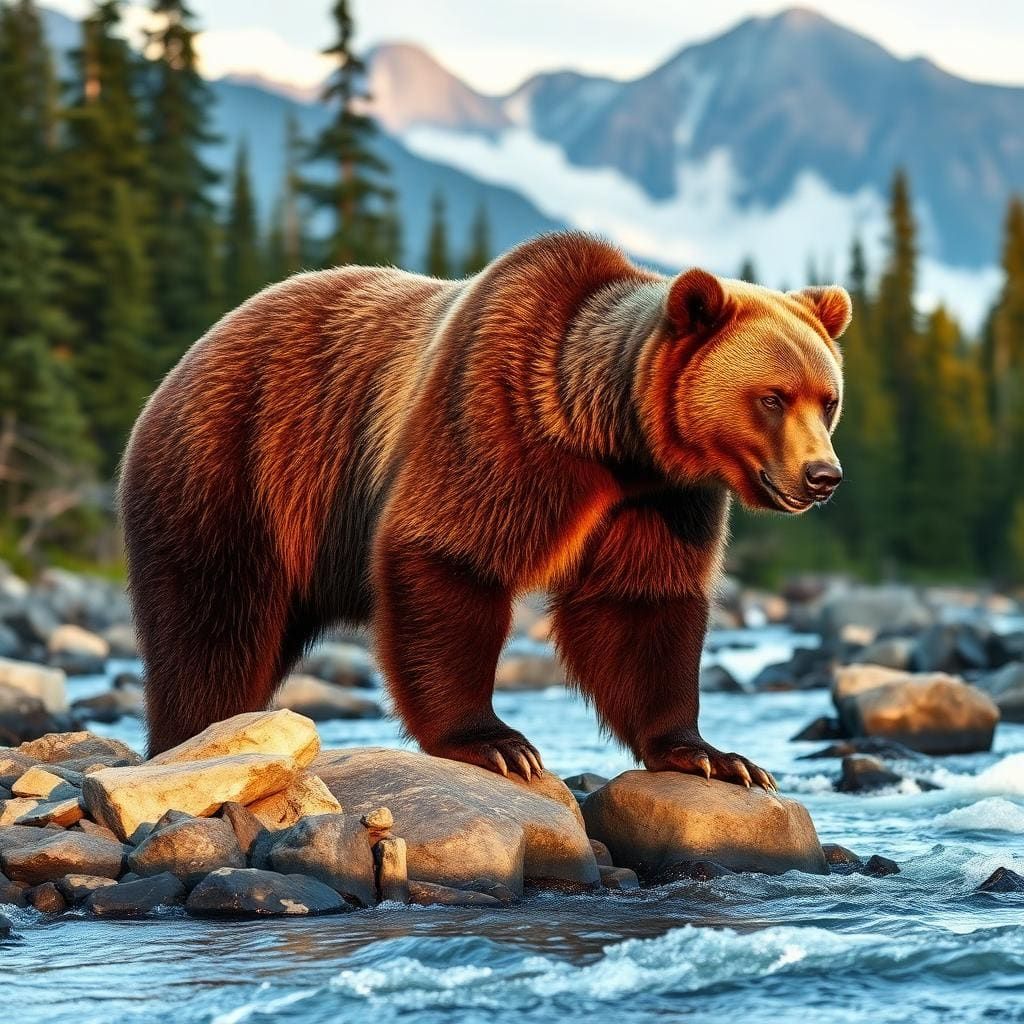
Fly-in to Port Alsworth and hike the Tanalian Falls-Kontrashibuna Lake loop, camp at Twin Lakes near Dick Proenneke's cabin, and take a day trip to Chinitna Bay or Silver Salmon Creek to watch brown bears at close range with a licensed guide.
Planner-relevant notes
Everything moves on the weather — build 1–2 buffer days into any itinerary. Bear canisters or IGBC-approved storage are required in the backcountry. A backcountry permit is not required but registering at Port Alsworth is smart.
Field notes
- Book air taxis months ahead for July and August — operators are small and fill up fast.
- The Chinitna Bay tidal flats are safe only with a guide who knows the tide and bear patterns.
- Weather-window fishing on the Newhalen and Kvichak systems is world-class but demands drysuit-grade rain gear.
- Bring cash for Port Alsworth; there is no ATM and only sporadic card service.
Frequently asked about Lake Clark National Park
- Where is Lake Clark National Park?
- Lake Clark National Park is in Alaska, USA. Volcanoes, salmon streams, and turquoise lakes in a roadless Alaskan wilderness only reachable by floatplane.
- How do you get to Lake Clark National Park?
- Access: Floatplane from Anchorage or Homer (~1 hr). Expect a multi-leg trip — flights to the nearest hub, then float plane, boat, or 4WD depending on conditions.
Build a ten for Lake Clark National Park
Assemble your own 10-item Alone loadout tuned to this biome — cold, wet, and food strategy already scoped.
Open the builderShelter that suits this terrain
Browse shelter builds and site-selection guides matched to conditions like the ones here.
Wildlife
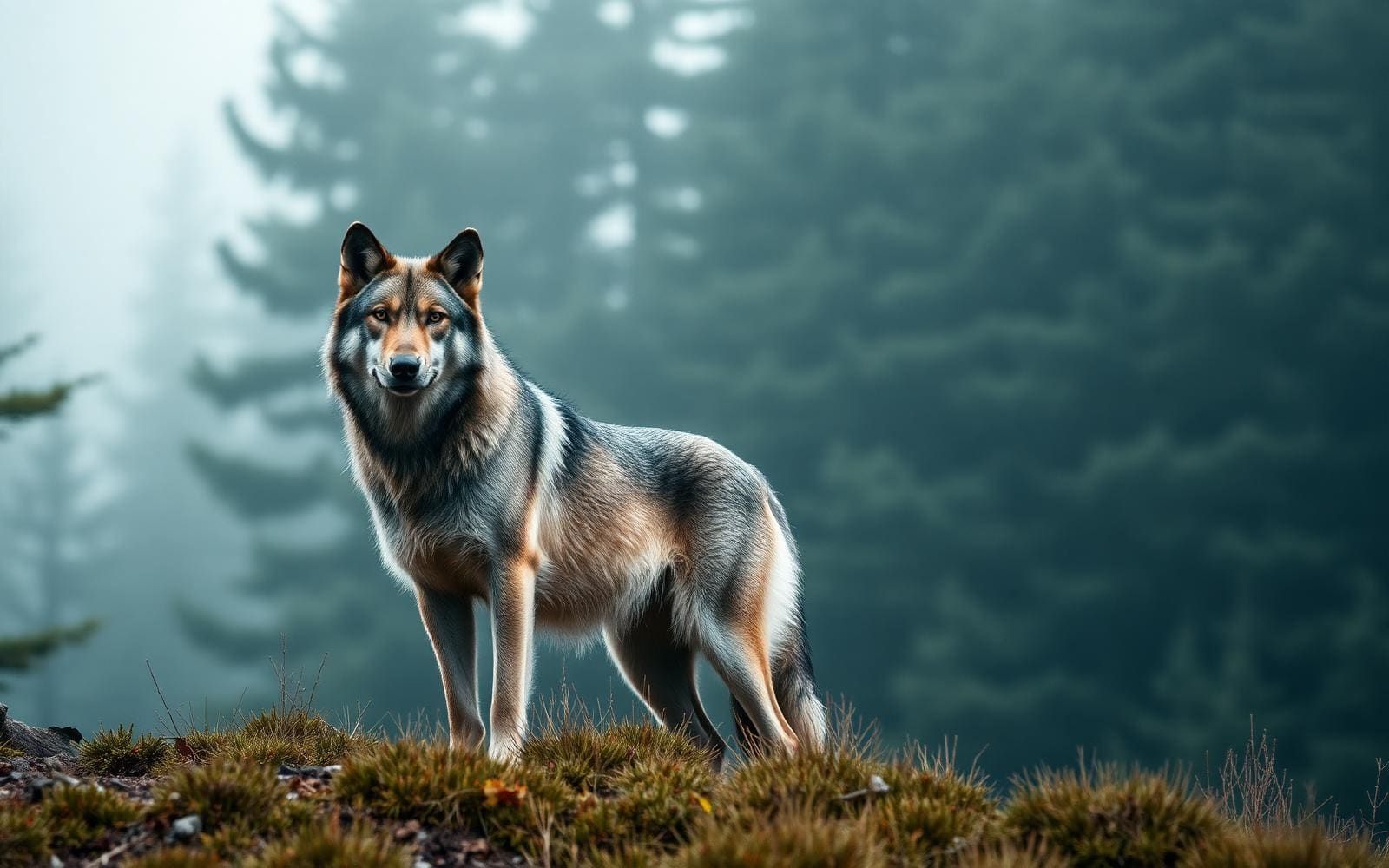
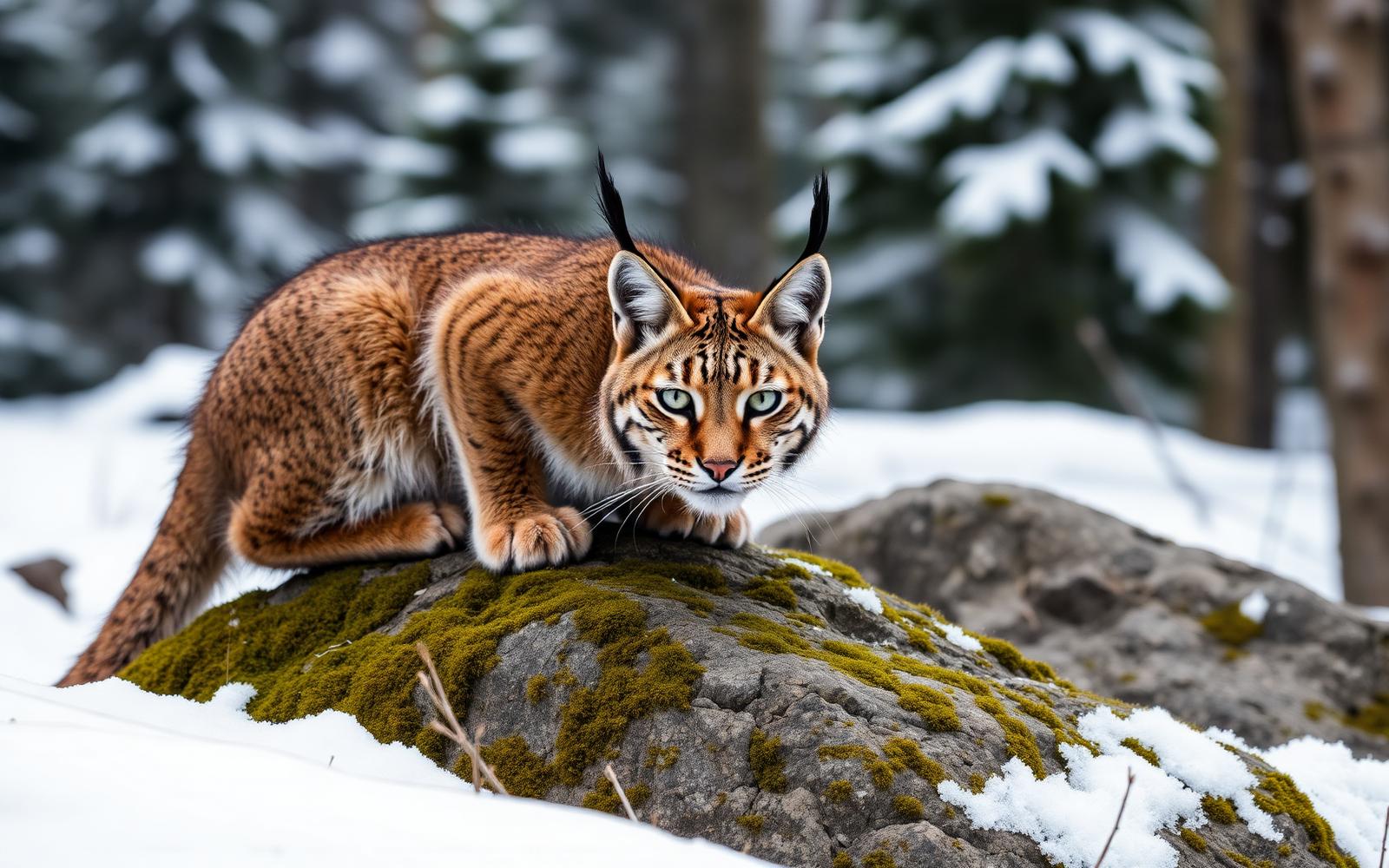
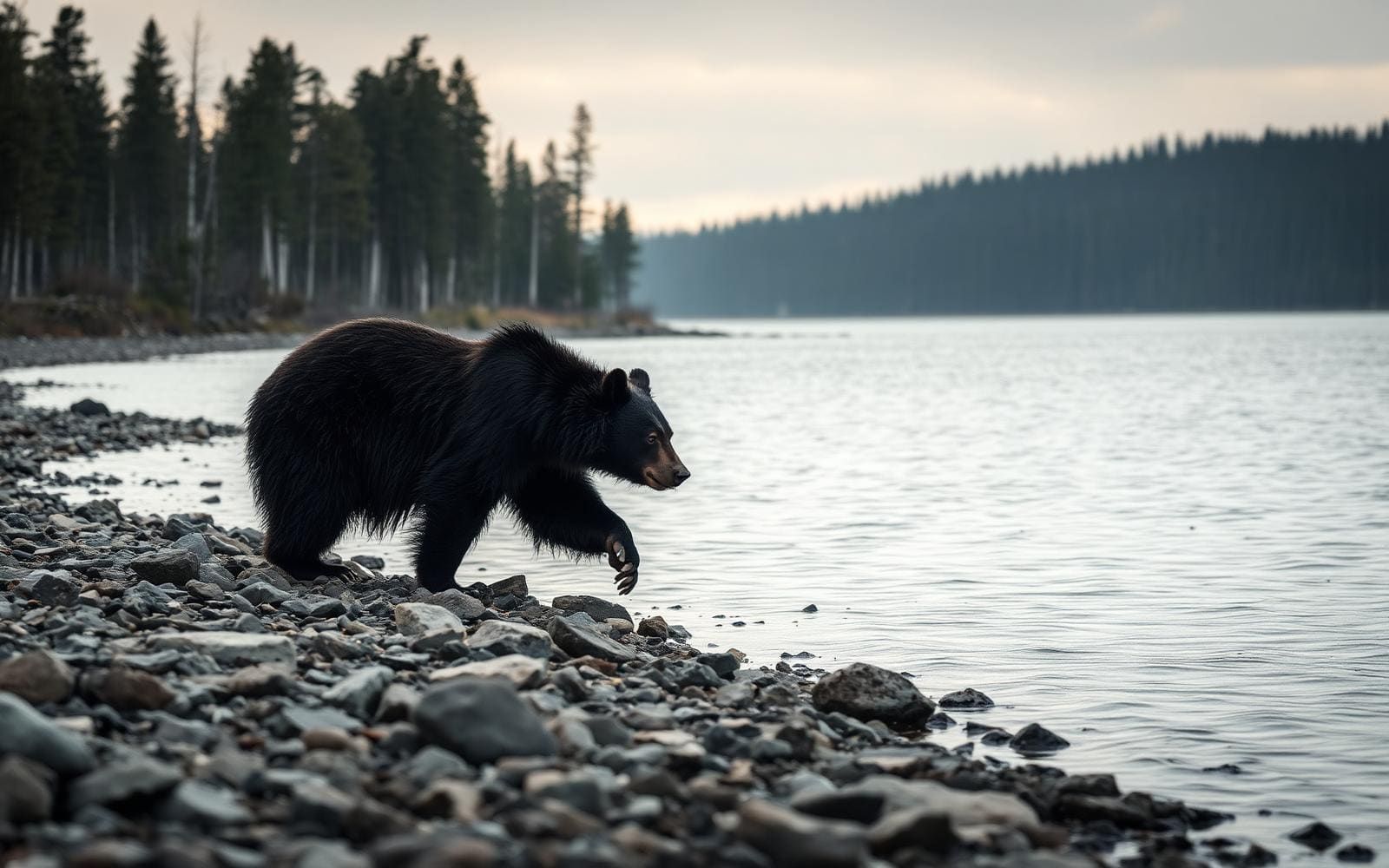
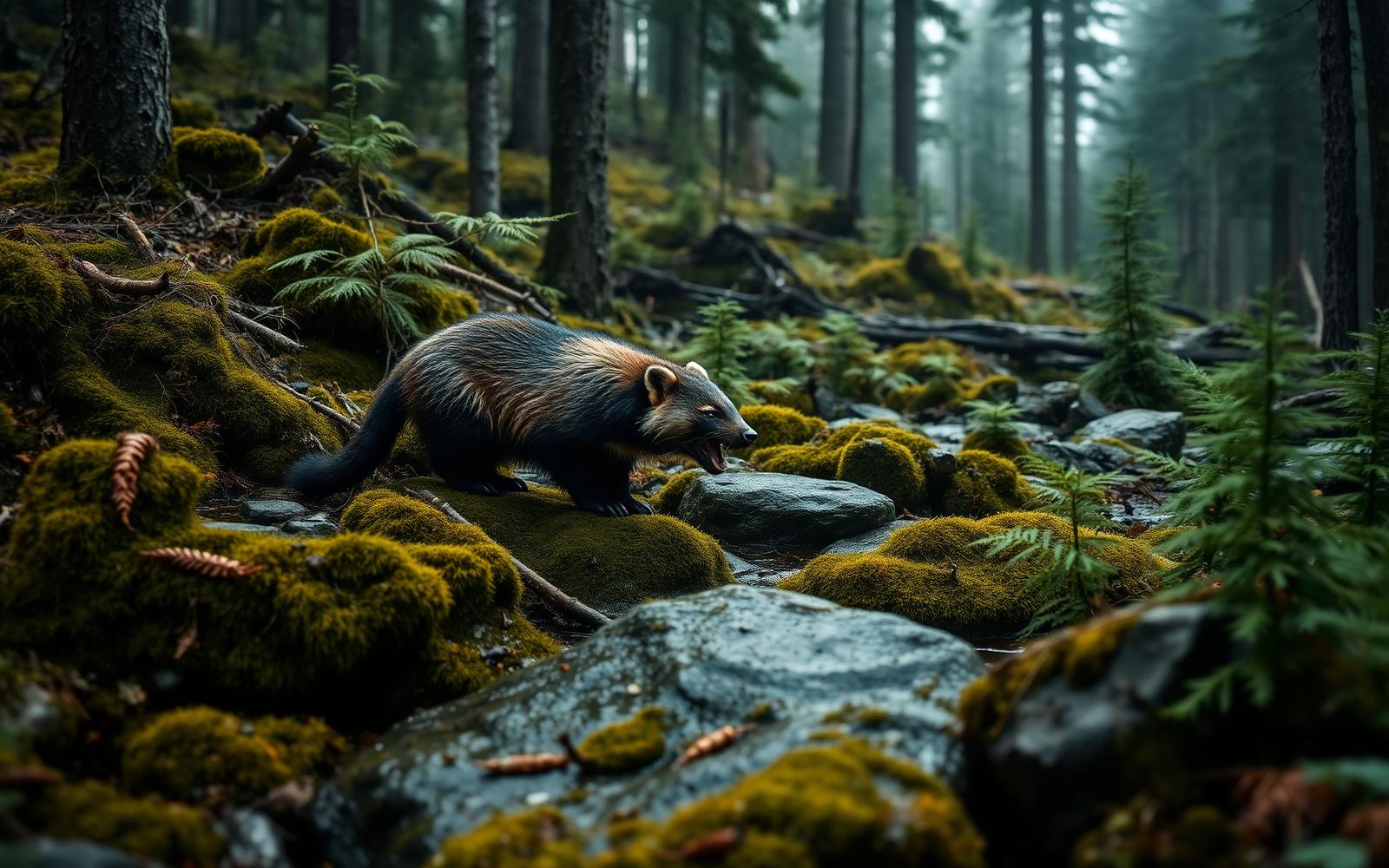
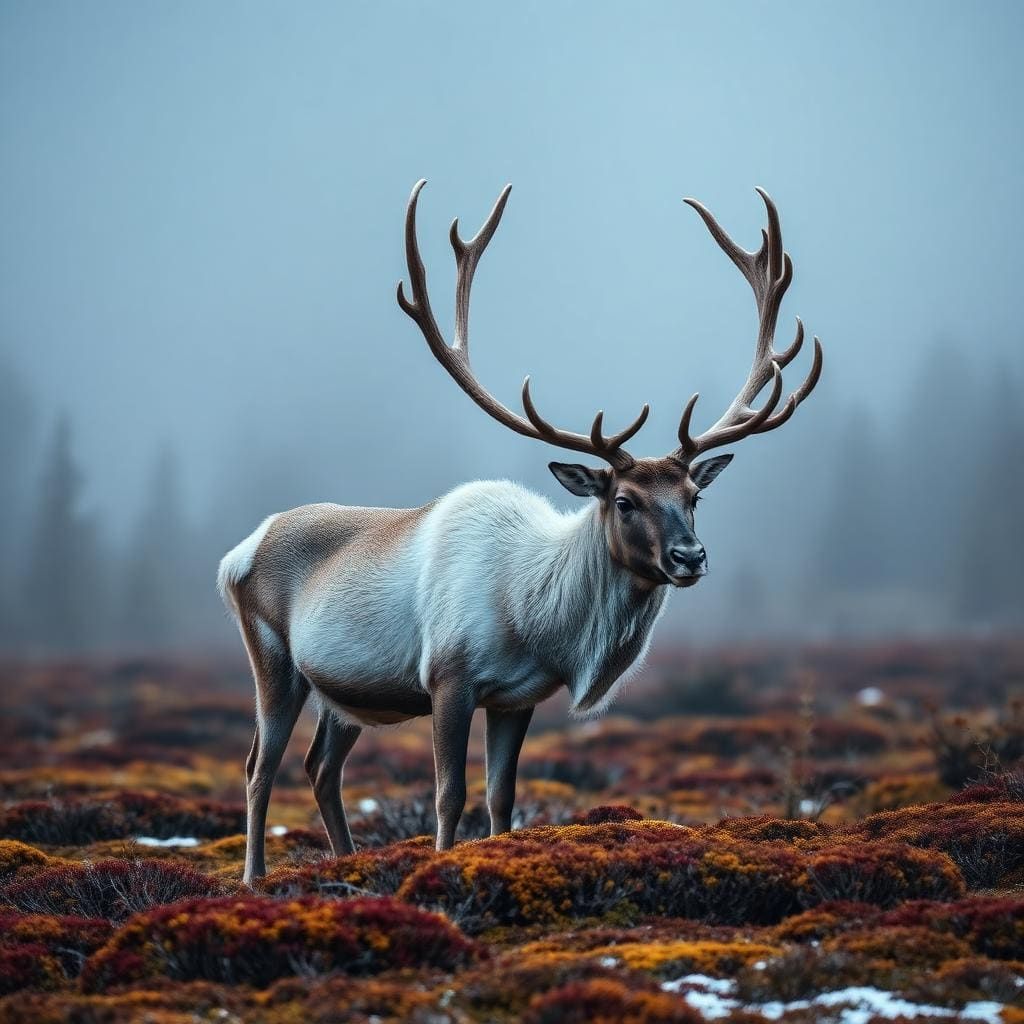
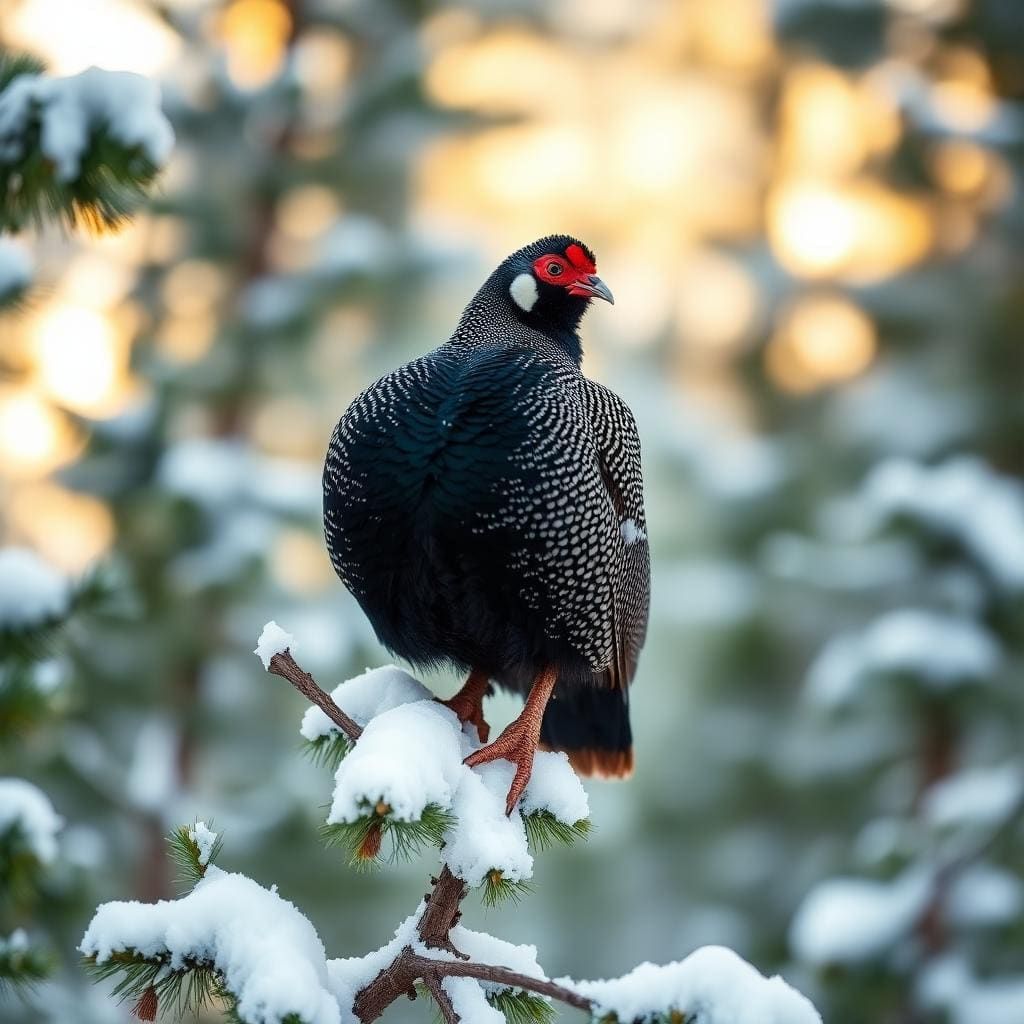
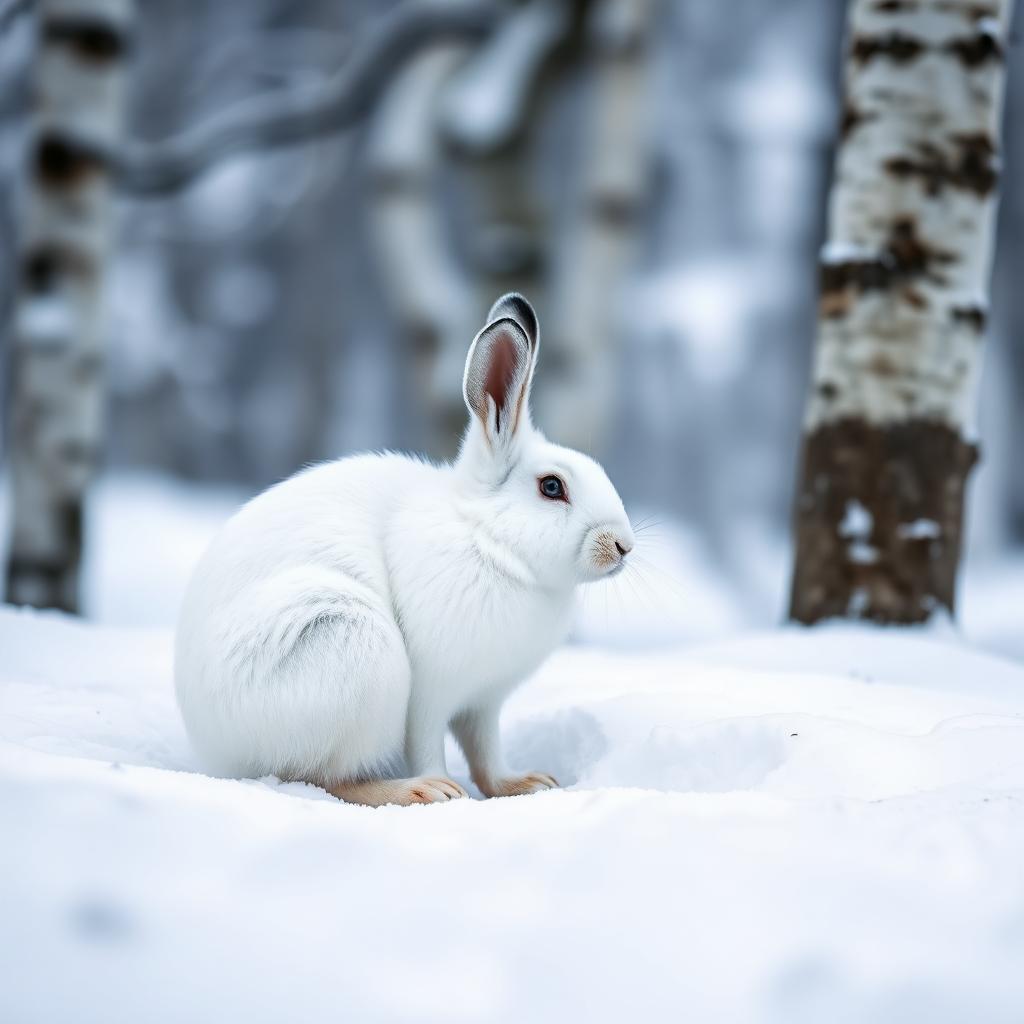
Wildlife found around Lake Clark National Park
The gear behind what you just read
Ranked lists for the exact categories that decide a season.
- Top 10 Winter JacketsDown parkas, synthetic belay pieces, and heavy wool coats for real cold.See the ranking
- Top 10 Merino Wool Base LayersNext-to-skin wool that works in real cold, real heat, and days between washes.See the ranking
- Top 10 Three-Season Sleeping BagsDown and synthetic bags that cover the honest 20°F–40°F working range.See the ranking
- Top 10 Winter Camping LocationsCold-country trips built around snow, ice, and quiet skies.See the ranking
- Best Cold-Weather HatsWool watch caps, ushankas, and windproof beanies for real winter.See the ranking