Lily pads and weed mats
Prime
Pickerel lie motionless just inside the edge of the vegetation, facing the opening.
Fishing · Species · Chain Pickerel
The little pike of eastern swamps and ponds — a savage striker that bites when it is too cold for anything else to move.
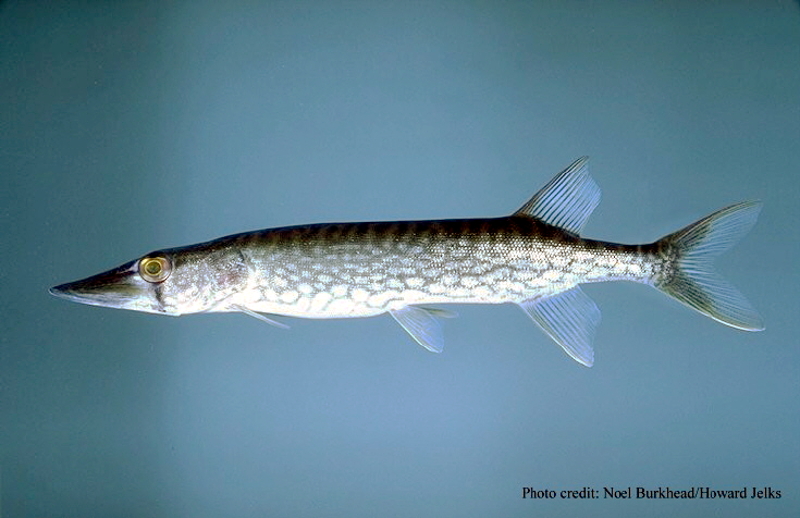
Chain pickerel are the fish that keeps eastern anglers sane in winter. When bass have shut down and the water is in the high 30s, pickerel are still sitting on the weed edge waiting to kill something.
They are built like a small pike — long, green, and marked with a distinctive dark chain-link pattern — and they hunt exactly the same way, sitting motionless in cover and accelerating hard at anything that passes.
They are also badly underrated. A four-pound pickerel on light tackle is a genuinely violent fight, and they are the easiest predator fish in the East to catch from the bank.
01
Pickerel want shallow, weedy, tannic water. The nastier the pond looks, the better it usually fishes.
| Water & region | Why it's worth your time | Access & license |
|---|---|---|
| Maine and New Hampshire ponds | Big average size and reliable hard-water fishing | State license; ice-fishing rules on tip-up counts |
| New Jersey Pine Barrens | Tannic, weedy water with heavy pickerel densities | NJ license; some WMAs have seasonal access rules |
| Chesapeake tidal creeks | Winter fish in brackish grass edges | Freshwater license, sometimes plus tidal registration |
| Adirondack and Catskill lakes, New York | Excellent ice fishery with easy shoreline access | NY license; check tip-up limits by county |
| Southeastern blackwater rivers | Year-round fish along cypress and lily edges | State license; bank access at most bridge crossings |
02
Pickerel fishing is edge fishing. Find the last line of standing vegetation before deeper water and work it methodically.
03
Pickerel hang in shallow, weedy, tannic water where bigger pike would not survive, and they hold ridiculously tight to cover.
Prime
Pickerel lie motionless just inside the edge of the vegetation, facing the opening.
Wood
Any wood in 2–6 feet of dark water is worth three casts.
Winter
Slow, dark coves stay slightly warmer and hold active pickerel through the cold months.
Ponds
The slight depth change through a shallow pond concentrates fish and forage.
04
These are the presentations that consistently produce chain pickerel, with the conditions each one is actually for — not a tackle-shop wall.
Best all-around
A #3–#4 spinner burned just under the surface over weeds draws vicious strikes.
Classic
A weedless Johnson silver minnow with a trailer skated over pads is the traditional pickerel bait.
Pressured fish
A weightless fluke twitched in pockets when the fish are following but not committing.
Stained water
Comes through sparse grass and calls fish in low visibility.
Winter
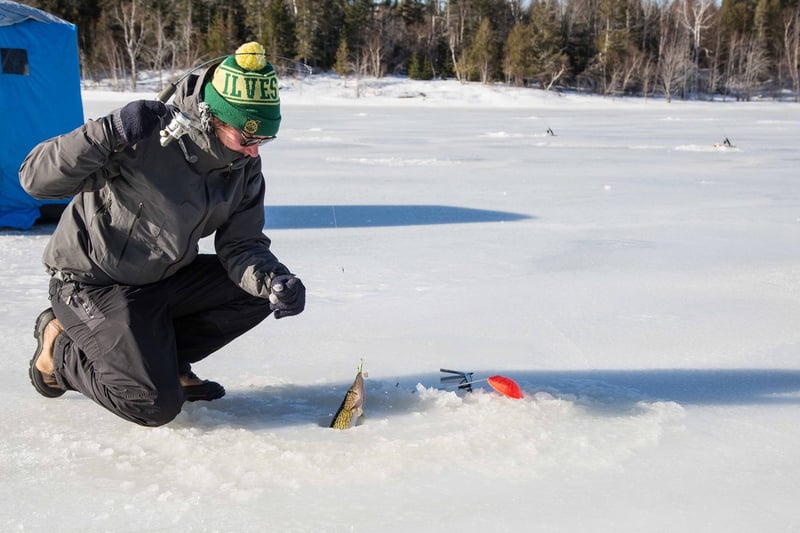
The highest-percentage cold-water method for big pickerel in New England ponds.
05
Pickerel are the coldest-tolerant of the pike family and one of the few gamefish that stay aggressive all winter.
| Season | Where the fish are | What works |
|---|---|---|
| Early spring (spawn, 45–52°F) | Shallow weedy backwaters and marsh channels | Slow spinnerbaits, spoons, and shiners under floats |
| Summer | Weed edges and lily-pad pockets in 3–10 ft | Weedless frogs, spinnerbaits, spoons over the pads; early and late |
| Fall | Feeding heavily; still shallow and aggressive along dying weed beds | Jerkbaits, spoons, and swimbaits; a very good size window |
| Winter / ice | Weed flats in 4–12 ft; among the most aggressive fish under the ice | Tip-ups with live shiners set just above the weeds |
06
Pickerel are sight feeders that hunt during daylight.
Best
Cruising the weed edges and pad fields, striking fast-moving baits.
Still very catchable — pickerel bite in bright sun more readily than most predators.
Second push along shallow weeds; topwater over pads at dusk in summer.
07
Always run a leader — pickerel teeth cut mono instantly.
8–12 in of 20–30 lb fluorocarbon or light wire with a small snap; light enough not to kill the action of small baits.
Johnson-style silver spoon with a pork or plastic trailer, retrieved just over the pads and grass.
Slip float with a 3–5 in live shiner set a foot above the weed tops; the tip-up rig on ice, the float rig in open water.
3/8 oz with a paddle-tail trailer, retrieved steadily along the weed line.
08
Live minnows are the winter and cold-water answer.
#1
3–5 in, hooked through the back under a float or on a tip-up; nothing else comes close on hard water.
For bigger pickerel in ponds and slow rivers.
09
Fast and shallow. Pickerel are the easiest fish in the Northeast to catch on purpose.
10
No draw or tag. Rules focus on ice-fishing gear and live bait, both of which vary substantially by state.
11
The strike is the whole reason to fish for them — a hard, sideways hit that often happens six feet from your boots.
Expect to lose lures to weeds. Bring doubles of whatever is working and fish it confidently rather than tentatively.
Winter is the season. A 35-degree day with a light chop on a shallow pond is prime pickerel weather.
12
The rod, line, and terminal choices that actually change your hookup rate — with the numbers, not vague categories.
Core rod
Light enough to enjoy the fight, strong enough to pull fish from grass.
Braid cuts through weeds and drives hooks on a slack-line strike.
Required
Pickerel teeth will shear straight braid on the strike.
The single most effective pickerel lure ever made.
The cold-water bait; long pauses trigger the winter bite.
Non-negotiable for unhooking a mouth full of teeth.
13
What happens between the hookset and the cooler decides whether you land the fish and whether it is worth eating.
14
Cleaning a chain pickerel the right way takes about four minutes once you know the sequence.
15
Pickerel flesh is white, firm, and genuinely excellent — the flavor is better than most people who have never eaten one expect.
The obstacle is the Y-bones. Either learn the pike filleting method that removes them in strips, or score the fillet finely and fry it hot so the small bones dissolve.
They freeze poorly compared to walleye or perch; eat them fresh within a couple of days.
Size limits, creel limits, and seasons are set water by water and change every year. These agencies publish the current rules.
Pine Barrens access, seasons, and pickerel limits.
Ice-fishing regulations and tip-up rules.
Range map and introduction records.
Questions
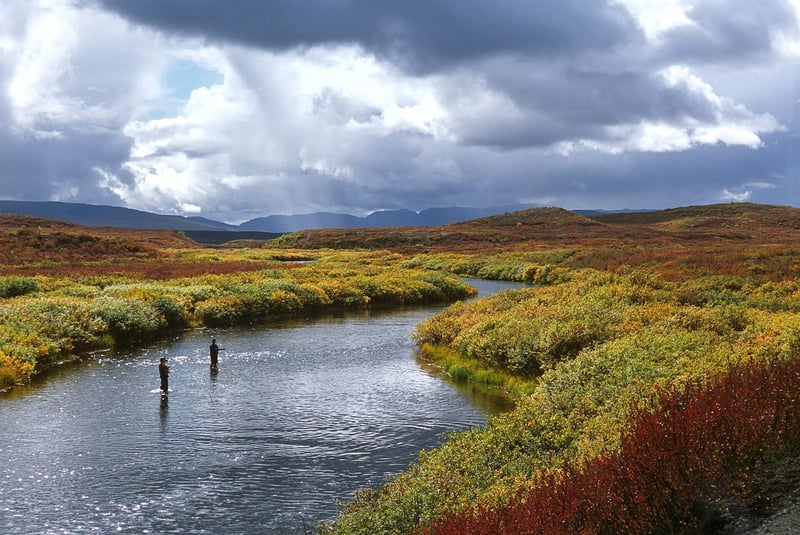
Where every fishing guide on The Wild10 starts.
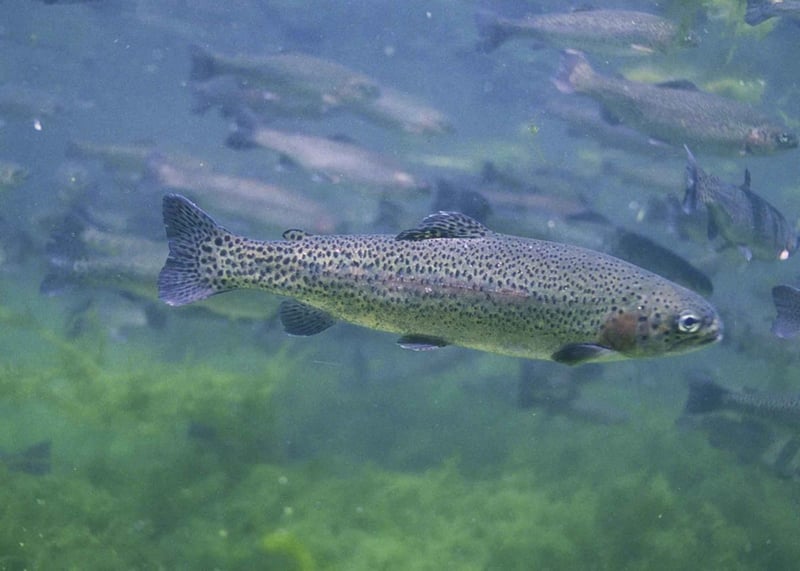
Body shape, fins, mouth, and markings for 30+ North American gamefish.
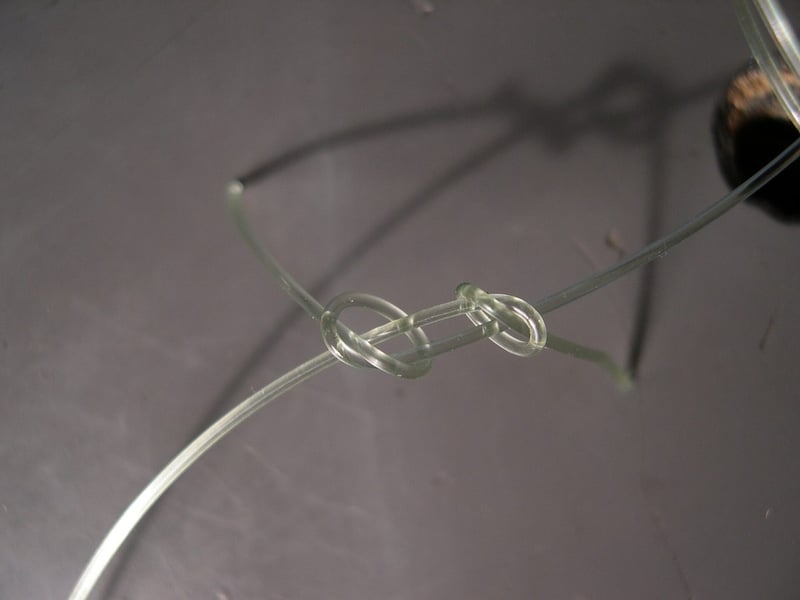
Twelve knots covering every hook, leader, and loop connection you need.
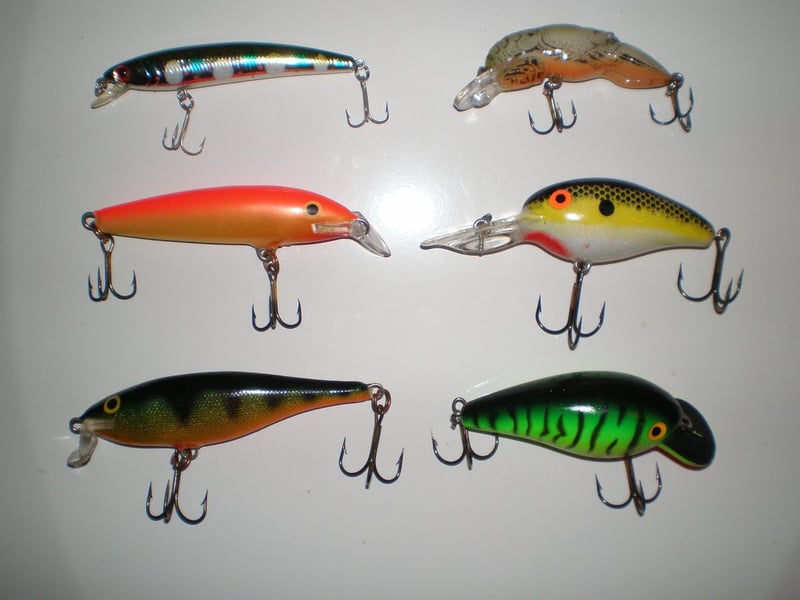
Matching lure category to temperature, clarity, depth, and season.
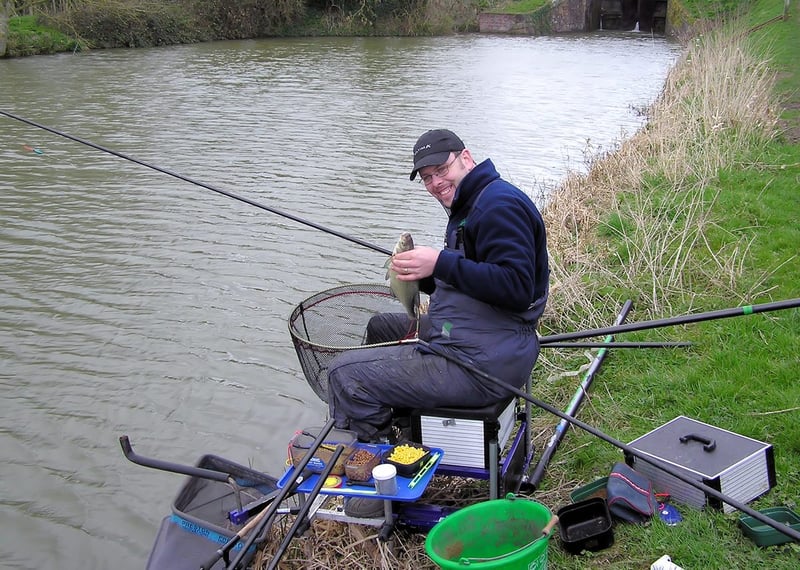
Reading water, timing the bite, and fixing a slow day on the spot.
Keep going
Tell lookalike species apart by fins, mouth, and markings.
Read →Match lure category to depth, clarity, and water temperature.
Read →The connections that keep big fish attached.
Read →Reading water and fixing a slow day on the spot.
Read →Top 10 lists
Ranked picks with real product photos, specs, and editor notes — the buying side of everything covered in these guides.
Bass, walleye, trout, and panfish rods ranked on feel.
See the ranking →Jig, crank, and heavy-cover rods by blank and taper.
See the ranking →Drag smoothness, line management, and long-haul gears.
See the ranking →Brake systems, backlash control, and drag under load.
See the ranking →Also on The Wild10
Same field-tested approach, applied to game species, rifles, shotguns, and bows — from scouting through meat care.
Open the hunting hub →