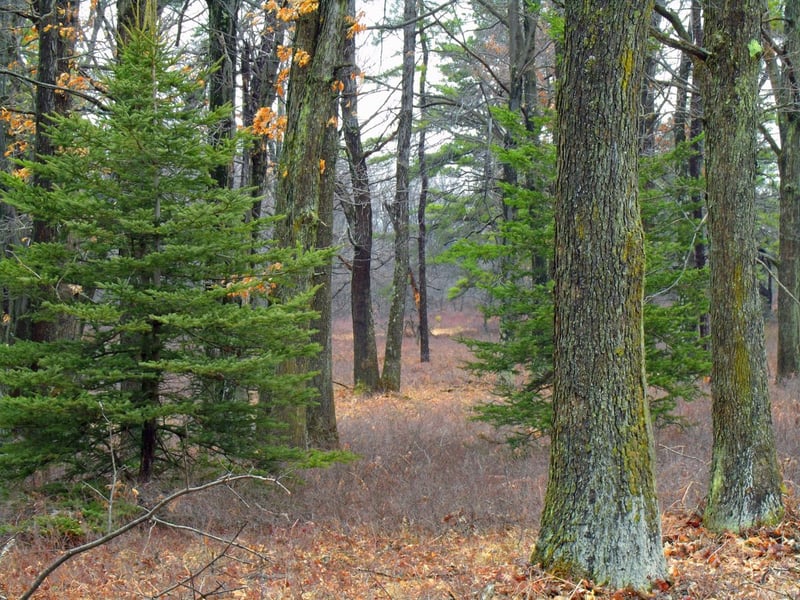
Grass flats with potholes
Core
Sand holes inside turtle grass in 2–5 feet; trout sit in the holes and ambush across the grass.
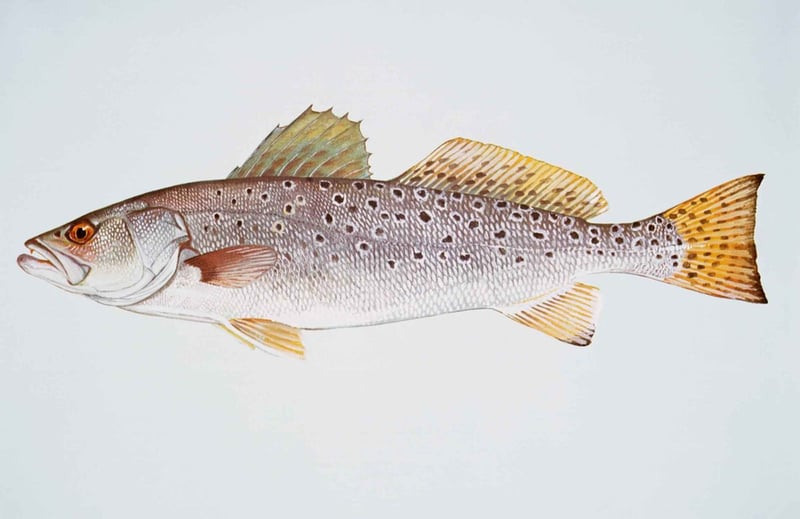
Fishing · Species · Spotted Seatrout
The inshore fish that eats a topwater at sunrise and hides in a deep hole by January.
Speckled trout are the everyday inshore fish of the Gulf and South Atlantic — abundant, willing, and available from a boat, a kayak, or a pair of waders.
They live over seagrass and sand, feeding on shrimp and small baitfish, and they hold in a predictable relationship to depth and temperature that changes through the year.
The sunrise topwater bite over a grass flat in spring is one of the great American fishing experiences, and it is available to anyone with a rod and access to the flat.
01
Trout are everywhere along the Gulf. These are the areas known for both numbers and big fish.
| Water & region | Why it's worth your time | Access & license |
|---|---|---|
| Laguna Madre, Texas | Trophy trout over 28 inches in clear grass | TX license plus saltwater stamp; strict trout limits |
| Louisiana marsh and bays | Enormous numbers, easy limits | LA saltwater license |
| Florida Big Bend (Steinhatchee, Homosassa) | Vast shallow grass flats | FL saltwater license; regional slot rules |
| Mississippi/Alabama Sound | Reliable spring and fall fishing | State saltwater license |
| North Carolina sounds | Fall run of quality specks | NC coastal license; cold-stun closures possible |
02
Match depth to temperature, then work grass edges and potholes methodically.
03
Trout relate to grass, potholes, and moving water, and they change depth with temperature more than almost any other inshore fish.
Core
Sand holes inside turtle grass in 2–5 feet; trout sit in the holes and ambush across the grass.
Winter/summer
When it is very cold or very hot, trout drop into 8–20 foot channels and canals adjacent to the flats.
Tidal
Any depth change with current sweeping over it holds feeding fish.
Night
Lit docks concentrate shrimp and glass minnows and are the easiest trout fishing there is after dark.
Cold snaps
Dark mud bottoms warm fastest on a sunny winter afternoon and hold big trout.
04
These are the presentations that consistently produce spotted seatrout, with the conditions each one is actually for — not a tackle-shop wall.
Standard
1/8–1/4 oz head, a 3–4" shrimp or paddle tail, hopped across potholes.
Numbers
Covers water and calls trout from across a flat; the go-to rig for anyone learning.
Big trout
A slow-sinking hard bait worked with long pauses over grass is the trophy trout lure.
Dawn/dusk
Walked over a grass flat on a calm morning; expect misses and keep walking the bait.
Bait
The most reliable way to catch trout anywhere on the Gulf and South Atlantic coast.
Fly rod
7-weight and an intermediate line over a flat at first light.
05
Speckled trout are temperature-sensitive; they move deep in cold and shallow to feed the rest of the year.
| Season | Where the fish are | What works |
|---|---|---|
| Spring | Moving onto grass flats and into bays as water hits the 60s; pre-spawn feeding | Popping corks with shrimp, soft plastics, suspending twitch baits |
| Summer (spawn) | Grass flats, passes, and deeper channel edges; spawning at night near passes | Topwater at dawn, soft plastics over grass, live shrimp under corks; deeper by midday |
| Fall | Feeding hard on shrimp and mullet moving out of the marsh; heavy in bayous and drains | Everything works — corks, plastics, topwater; the best month of the year |
| Winter | Deep mud-bottom holes, bayous, canals, and warm-water discharges; big gator trout in shallow mud on sunny afternoons | Slow-sinking twitch baits and soft plastics fished very slowly; the trophy window |
06
Moving water and low light.
Best
Topwater over grass flats and along shorelines; explosive strikes before the sun is up.
Key
Trout feed on current; a slack tide typically shuts the bite down entirely regardless of hour.
Dock and bridge lights concentrate shrimp and baitfish; a suspending twitch bait or a shrimp on the light line is reliable all summer.
Sun-warmed mud flats in the afternoon hold the biggest trout of the year.
07
Light leader and a suspended presentation.
Cork with 18–30 in of 20 lb fluoro to a shrimp or a 1/8 oz jighead; the pop imitates feeding trout and calls fish over grass.
1/8–1/4 oz with a 3–4 in shad or shrimp imitation, hopped over grass and along drop-offs.
Single 1/0 circle hook, no weight, drifted with the current through a pass or along a shoreline.
MirrOlure-style slow-sinking plug on 20 lb leader; the winter and big-trout standard, twitched and paused for several seconds.
Light jighead or a shrimp on a small circle hook drifted through the edge of a dock light's shadow line at night.
08
Shrimp and small baitfish.
#1
Under a cork or free-lined; the universal inshore bait.
Big trout
The Texas summer trophy bait — free-lined or on a light Carolina rig over grass.
Live under a cork for larger trout.
On a jighead when live isn't available; still catches numbers.
09
Grass, current, and a slow presentation for size.
10
Trout limits have tightened significantly across the Gulf after freeze events and pressure.
11
The dawn topwater window is short and worth setting an alarm for. Once the sun is up, the fishing becomes work.
Wade fishing is the underrated approach — quieter than a boat, and it lets you cover a productive flat carefully.
Big trout are a separate pursuit: fewer bites, larger baits, and often a slow-sinking twitch bait fished in the coldest months.
12
The rod, line, and terminal choices that actually change your hookup rate — with the numbers, not vague categories.
Core rod
Soft enough for a delicate mouth, long enough to work a cork.
Handles grass and the occasional bycatch redfish.
Dawn bait
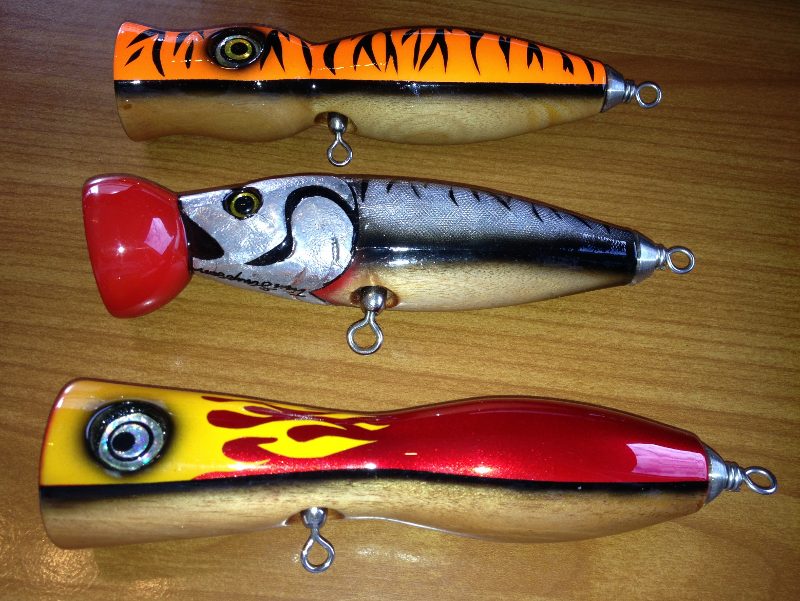
The most exciting and one of the most effective trout presentations.
The all-day workhorse over grass and potholes.
Calls fish in from a distance in stained or choppy water.
Safety
Shuffle your feet on Gulf flats — rays bury in the sand.
13
What happens between the hookset and the cooler decides whether you land the fish and whether it is worth eating.
14
Cleaning a spotted seatrout the right way takes about four minutes once you know the sequence.
15
Speckled trout are very good but delicate — the flesh is soft and does not hold up to long storage.
Ice them immediately and eat them within a day or two; frozen speck fillets deteriorate noticeably.
They fry and broil beautifully. Skip the heavy sauces; the flavor is mild and clean.
Keep within the slot and release the large females, which are the primary spawners.
Size limits, creel limits, and seasons are set water by water and change every year. These agencies publish the current rules.
Current bag and slot limits by bay system.
Recent speckled trout limit changes and season rules.
Questions
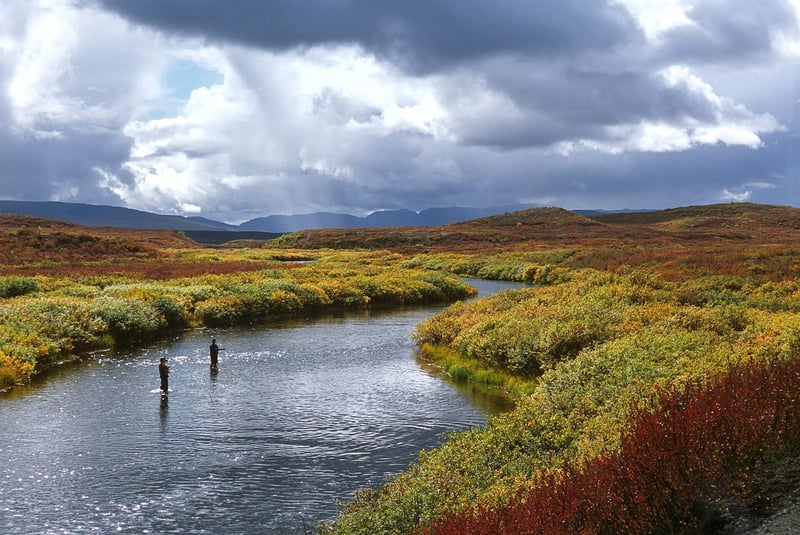
Where every fishing guide on The Wild10 starts.
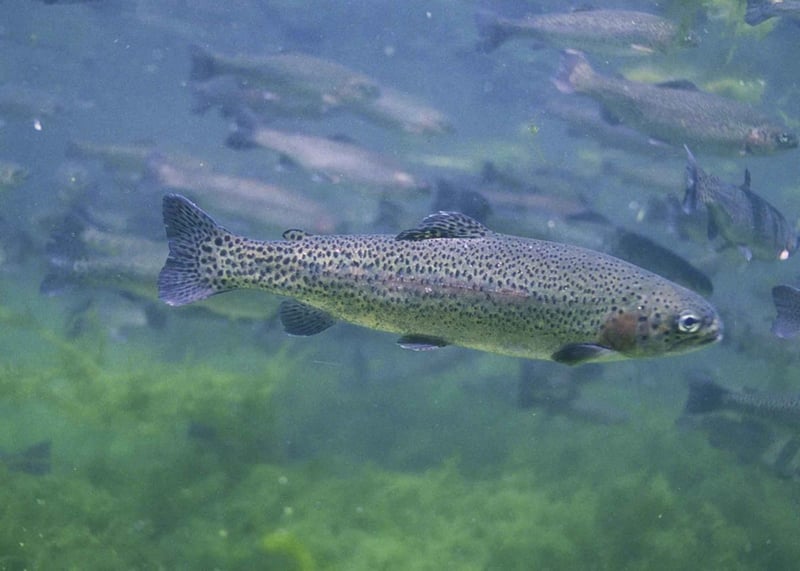
Body shape, fins, mouth, and markings for 30+ North American gamefish.
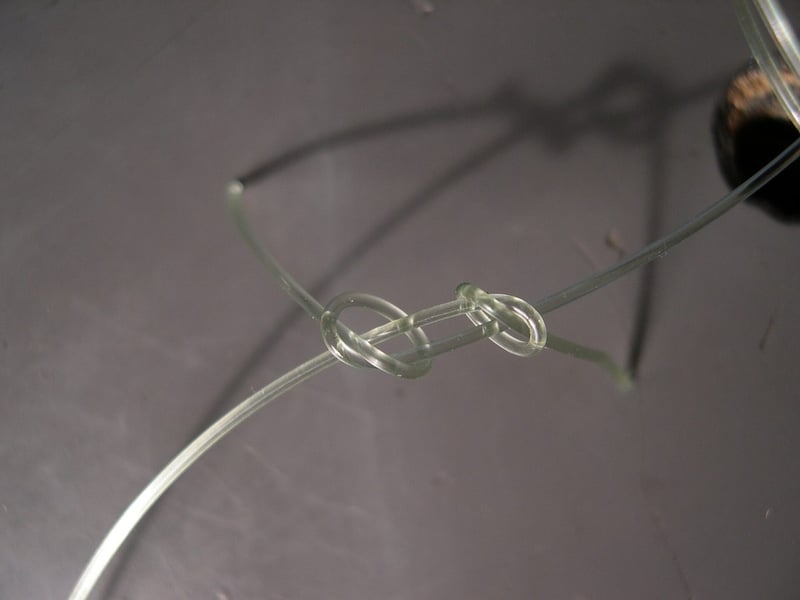
Twelve knots covering every hook, leader, and loop connection you need.
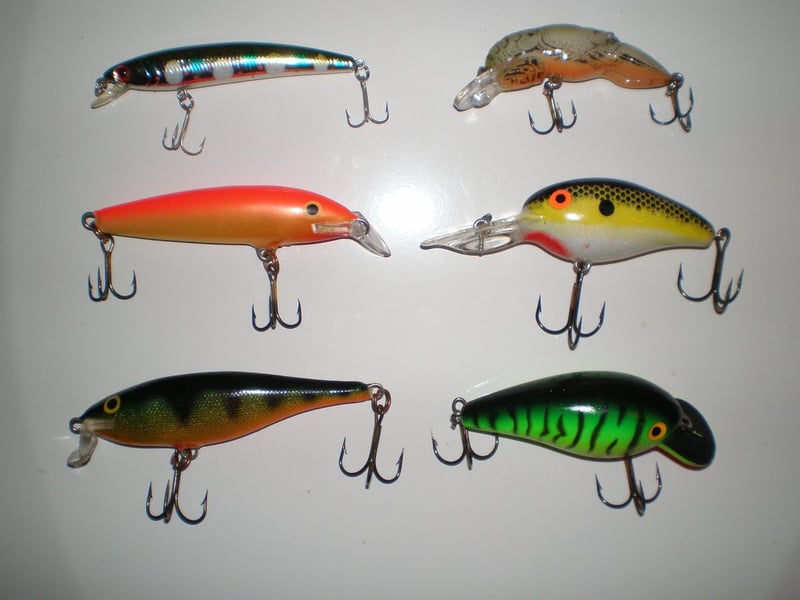
Matching lure category to temperature, clarity, depth, and season.
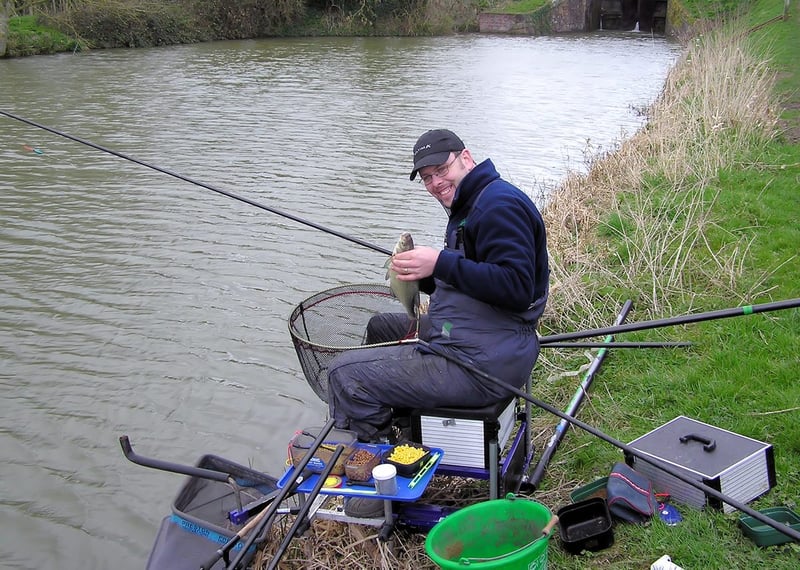
Reading water, timing the bite, and fixing a slow day on the spot.
Keep going
Tell lookalike species apart by fins, mouth, and markings.
Read →Match lure category to depth, clarity, and water temperature.
Read →The connections that keep big fish attached.
Read →Reading water and fixing a slow day on the spot.
Read →Top 10 lists
Ranked picks with real product photos, specs, and editor notes — the buying side of everything covered in these guides.
Bass, walleye, trout, and panfish rods ranked on feel.
See the ranking →Jig, crank, and heavy-cover rods by blank and taper.
See the ranking →Drag smoothness, line management, and long-haul gears.
See the ranking →Brake systems, backlash control, and drag under load.
See the ranking →Also on The Wild10
Same field-tested approach, applied to game species, rifles, shotguns, and bows — from scouting through meat care.
Open the hunting hub →