


US National Parks · #5
North Cascades
Washington

Reader rating
Rate it and you move it. Community ratings re-rank this product inside its Top 10 list.
Expert-picked, reader-ranked. Our editors choose the products and the launch order; member star ratings move picks up or down over time.
'America's Alps' — glaciated peaks, quiet valleys, minimal crowds even in summer.
Pros
- Exceptional solitude and minimal crowds even in peak season
- Stunning alpine scenery with abundant glaciers and jagged peaks
- Challenging terrain provides a true wilderness experience
- Diverse ecosystems from deep forests to high alpine zones
- Opportunity for extensive multi-day backpacking and climbing
Cons
- Short backcountry season due to heavy snowpack
- Difficult access; main highway closed for much of the year
- Weather can be highly unpredictable and harsh
- Requires advanced navigation and outdoor skills
- Limited cell service; remote and self-reliant travel is essential
Best uses
- Experienced Backpacking
- Alpine Climbing
- Wilderness Immersion
- Glacier Viewing
- Solitude Seeking
Specifications
- Location
- Northern Washington, USA
- Designation
- National Park Complex (NPS)
- Size
- 504,000 acres
- Glaciers
- Over 300 active glaciers
- Nearest Town
- Sedro-Woolley, Marblemount
- Terrain
- Rugged, glaciated, alpine
Best for
Experienced Backpacking, Alpine Climbing, Wilderness Immersion, Glacier Viewing, Solitude Seeking
North Cascades National Park, often called 'America's Alps,' is a rugged, glaciated wilderness in Washington State that offers unparalleled backcountry experiences. Unlike many more accessible national parks, North Cascades retains a truly wild character, characterized by jagged peaks, deep valleys, and over 300 glaciers – more than any other park in the lower 48 states. This park is not for the faint of heart; trails can be steep and arduous, often requiring significant elevation gain and loss. However, the reward is solitude and breathtaking scenery that feels genuinely untamed. Backcountry travel here is a commitment, but it’s a commitment repaid by vast, uncrowded landscapes and a profound sense of immersion in nature. The park's relatively low visitation numbers, especially compared to its more famous neighbors, are a testament to its challenging terrain and a gift to those seeking a remote experience.
Geography & Terrain
North Cascades is defined by its dramatic, alpine geography. The park is bisected by the Skagit River, forming deep valleys that quickly ascend into towering, glaciated peaks. Elevations range from a few hundred feet along river valleys to over 9,000 feet at Goode Mountain. The landscape is a product of intense glaciation, resulting in U-shaped valleys, cirques, and arêtes. Forests of Douglas fir and Western hemlock dominate lower elevations, giving way to subalpine meadows and finally to rock, ice, and snowfields at higher altitudes. Rivers are fast-flowing and cold, fed by snowmelt and glaciers, often presenting significant crossings depending on the season and specific route. The park's ruggedness means off-trail travel requires advanced navigation and mountaineering skills.
Best Seasons & Weather
The optimal window for backcountry travel in North Cascades is July through September. Snow can persist on high-elevation trails well into July, and new snow often begins to fall by late September. August typically offers the most stable weather and accessible trails. During the summer, daytime temperatures can range from the 50s to 70s Fahrenheit, with nights dropping into the 30s or 40s. Weather is notoriously unpredictable in the mountains; sudden shifts, including rain, hail, or even snow, can occur at any time, even in summer. Layered clothing and reliable rain gear are non-negotiable. Spring and fall present significant snowpack and avalanche danger, making most high-country routes impassable without technical winter travel skills.
Wildlife Encounters
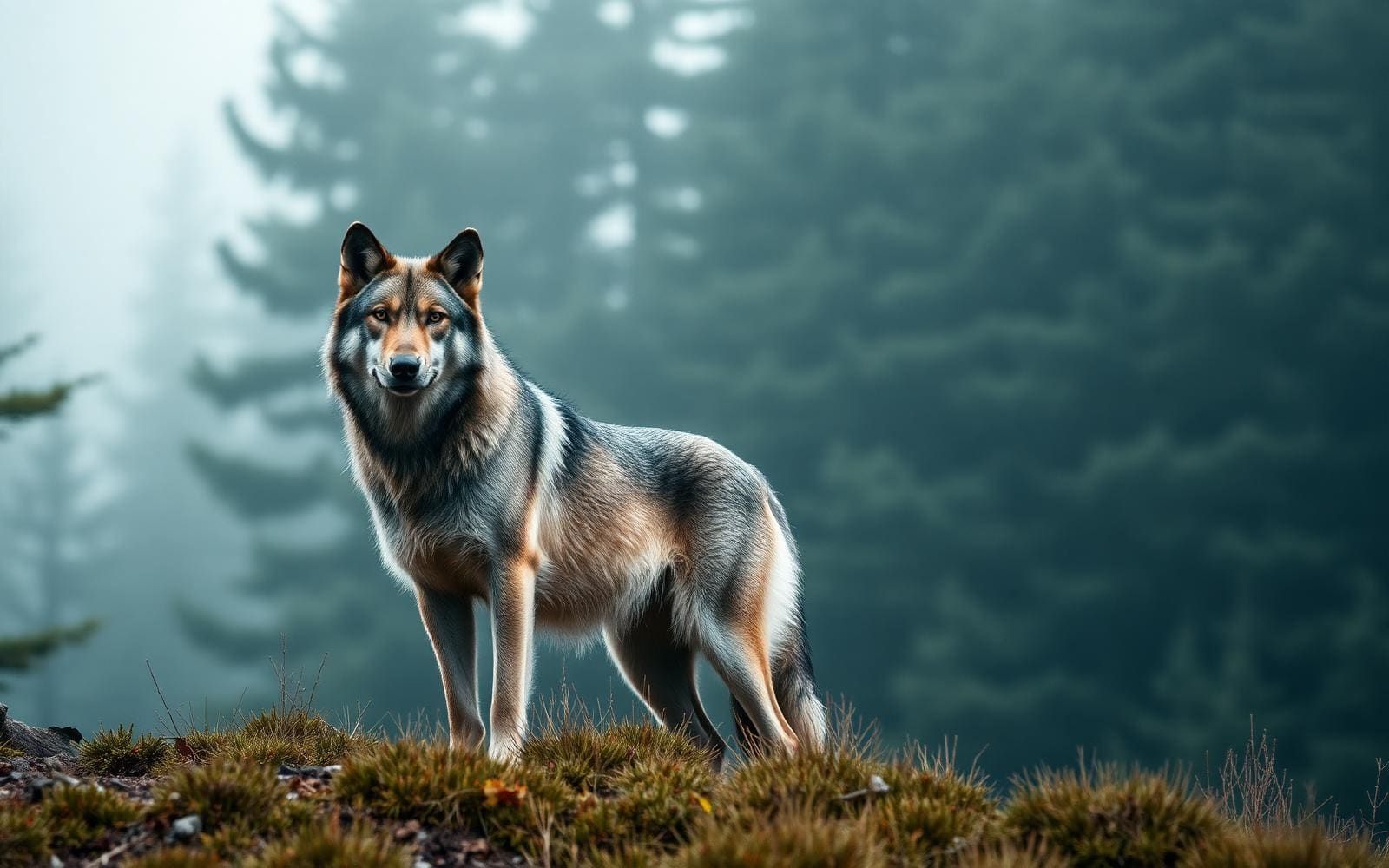
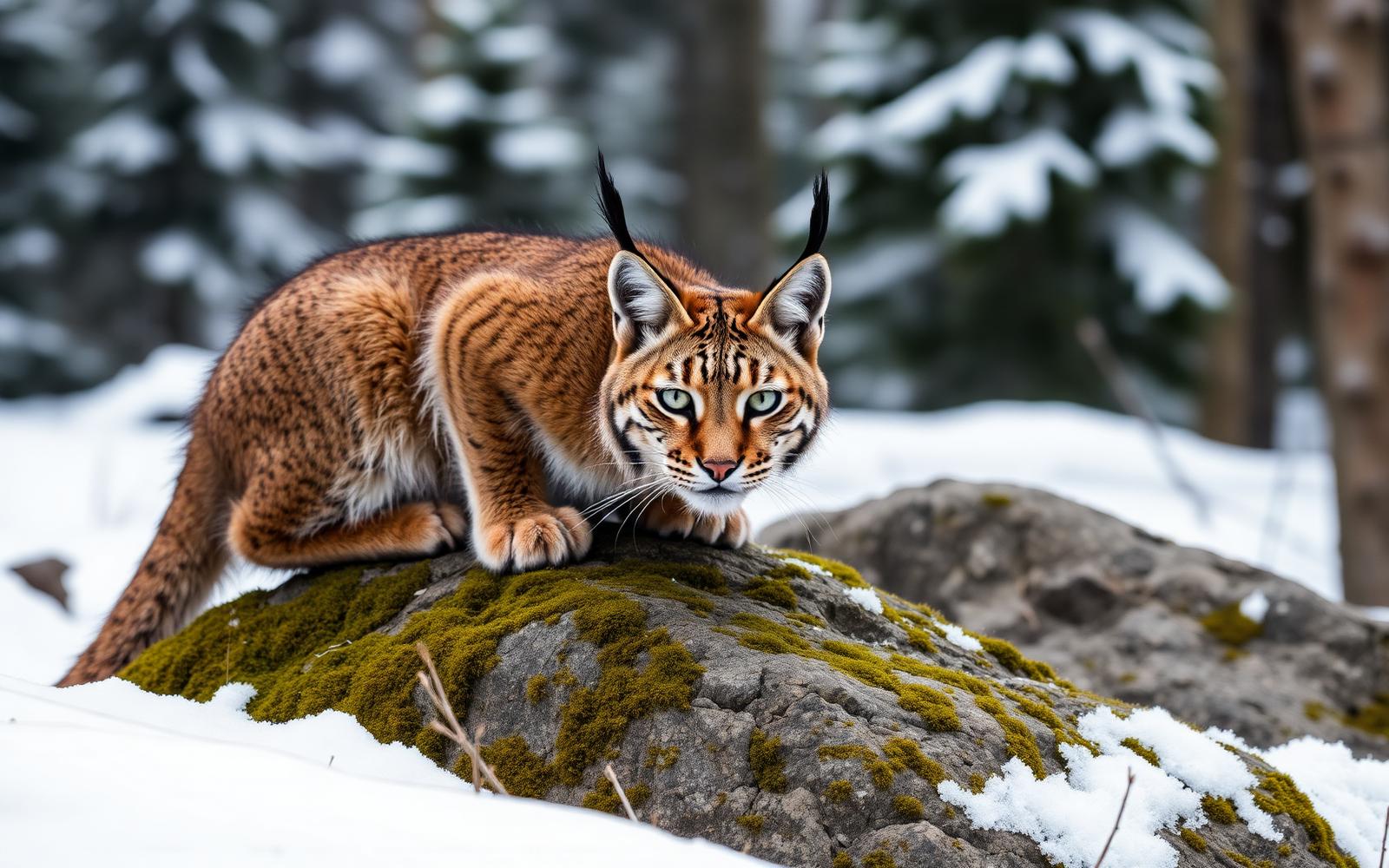
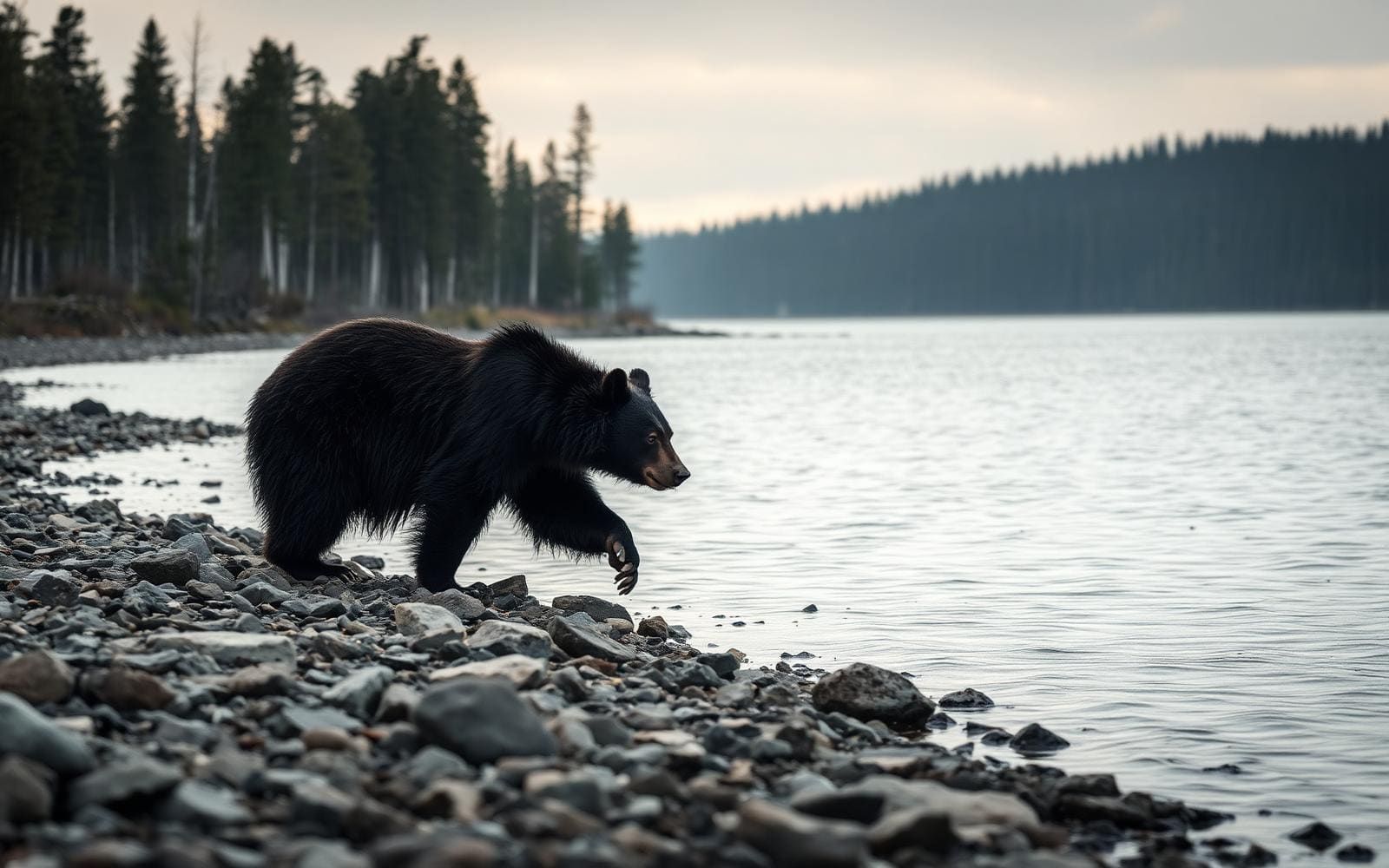
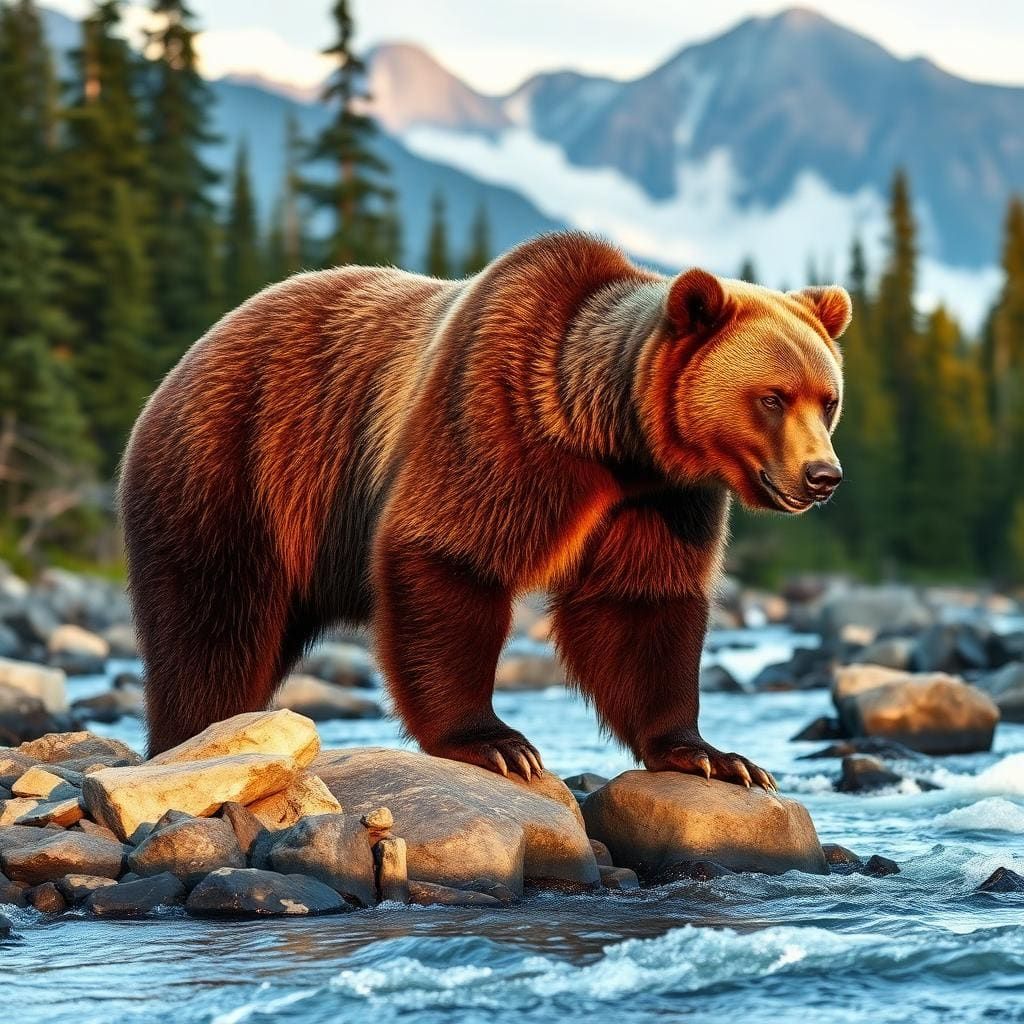
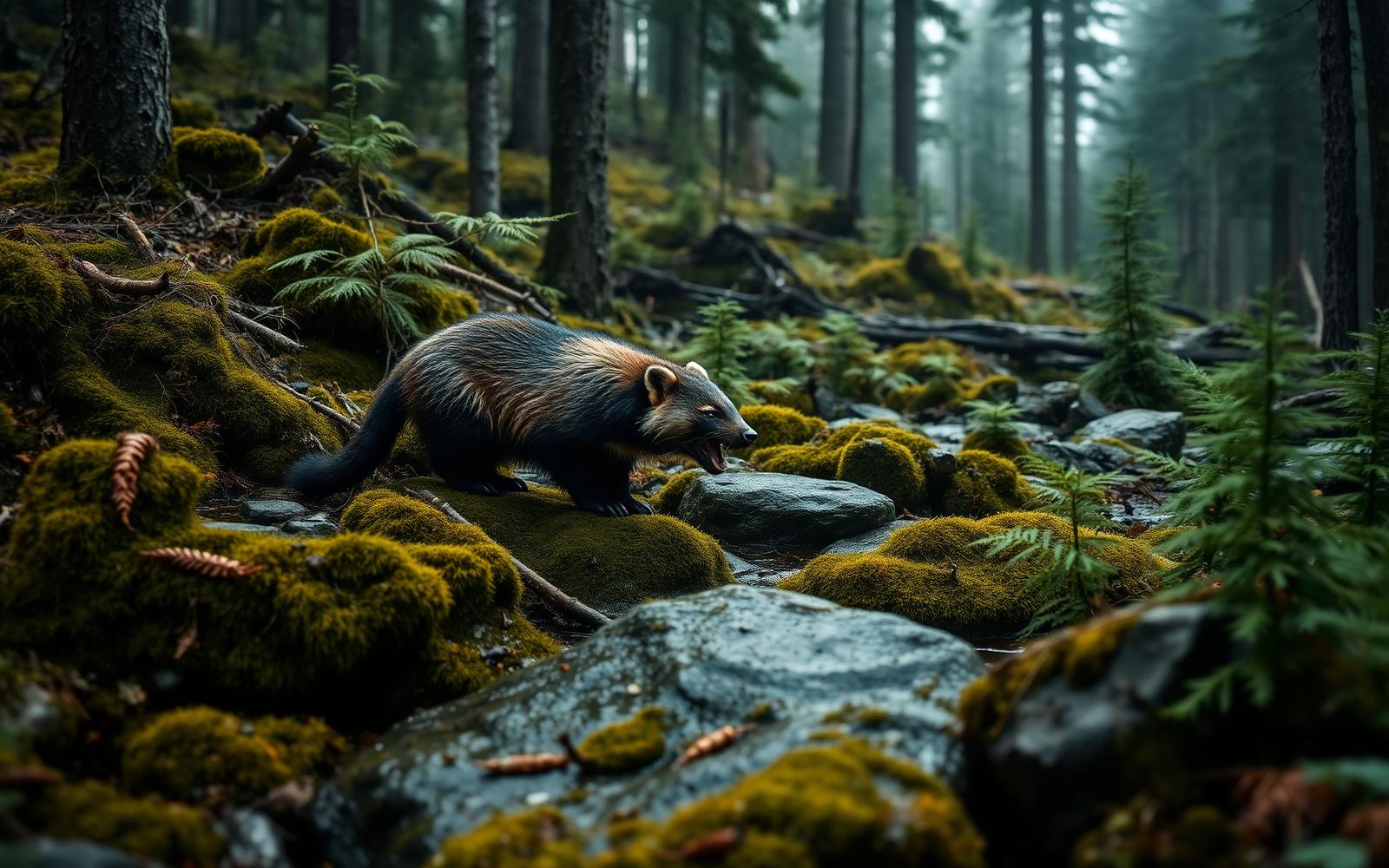
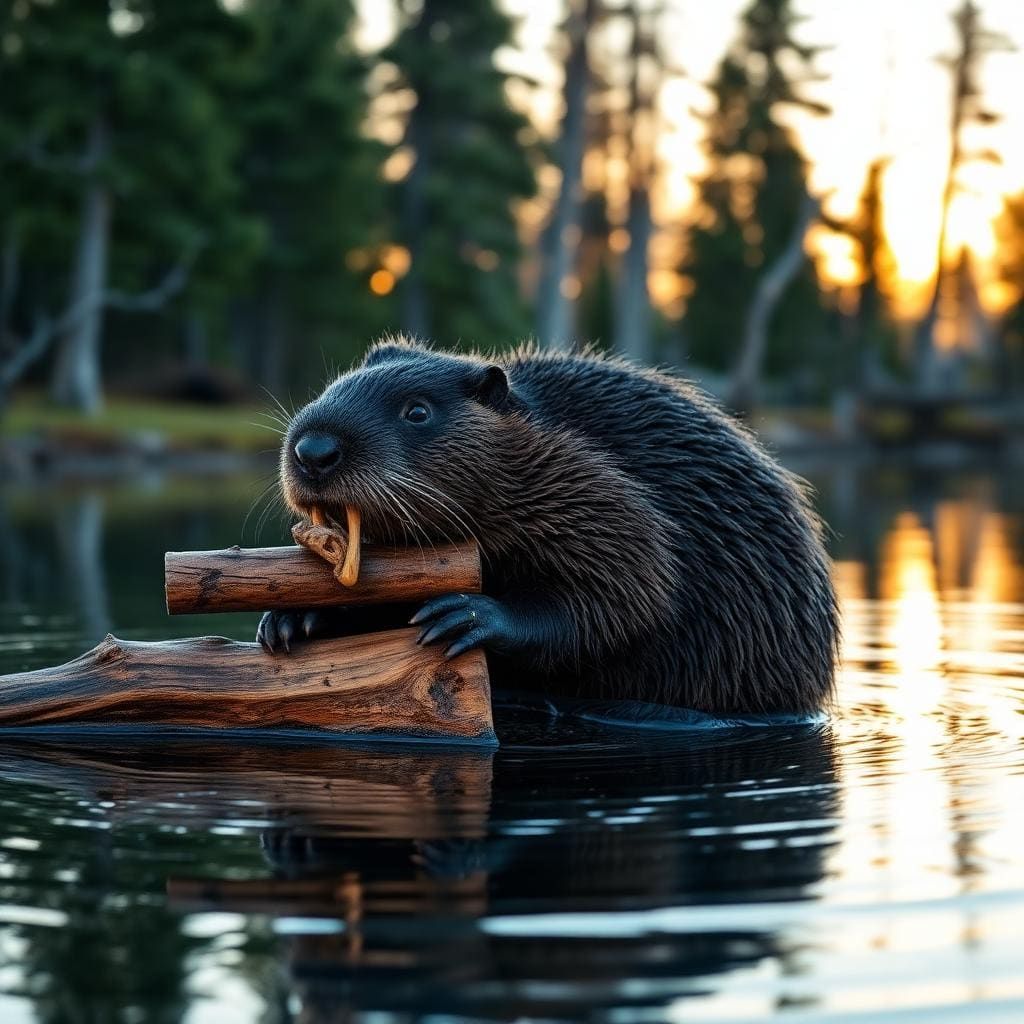
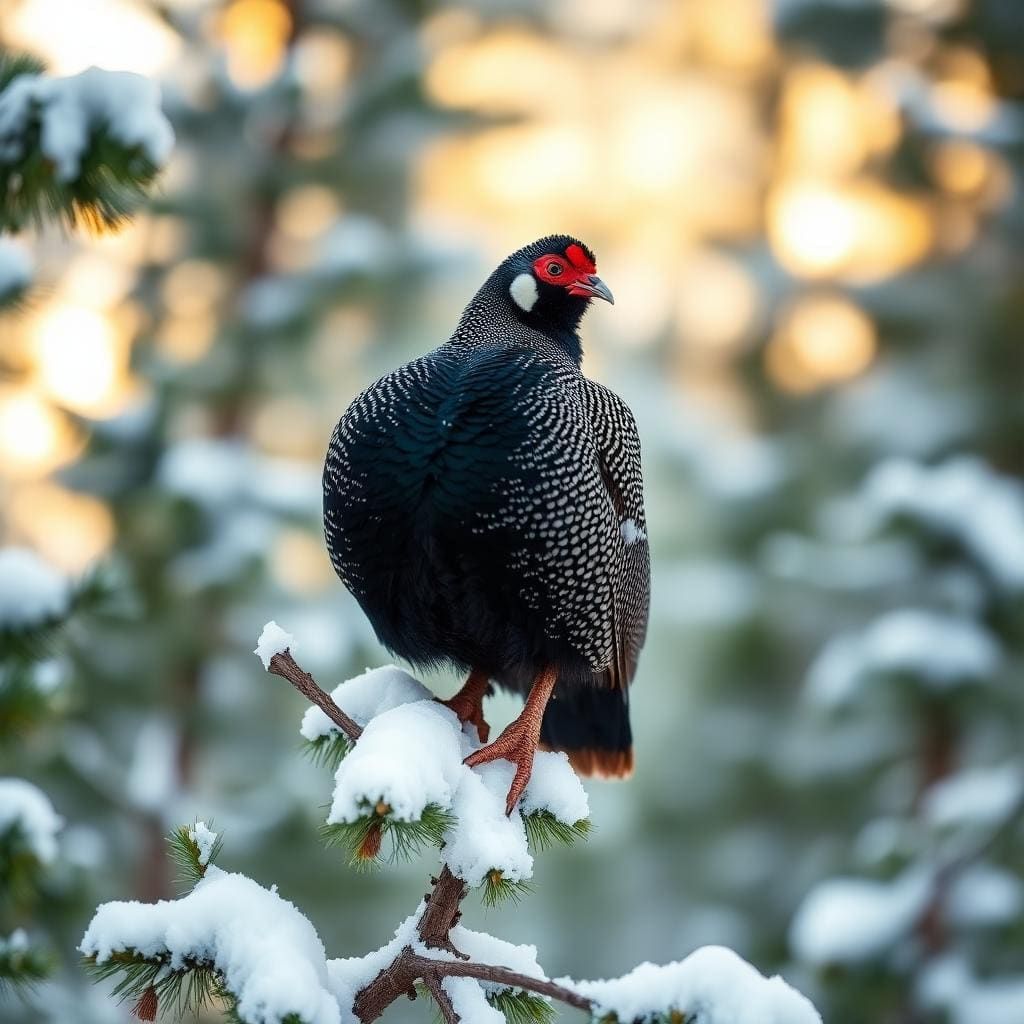
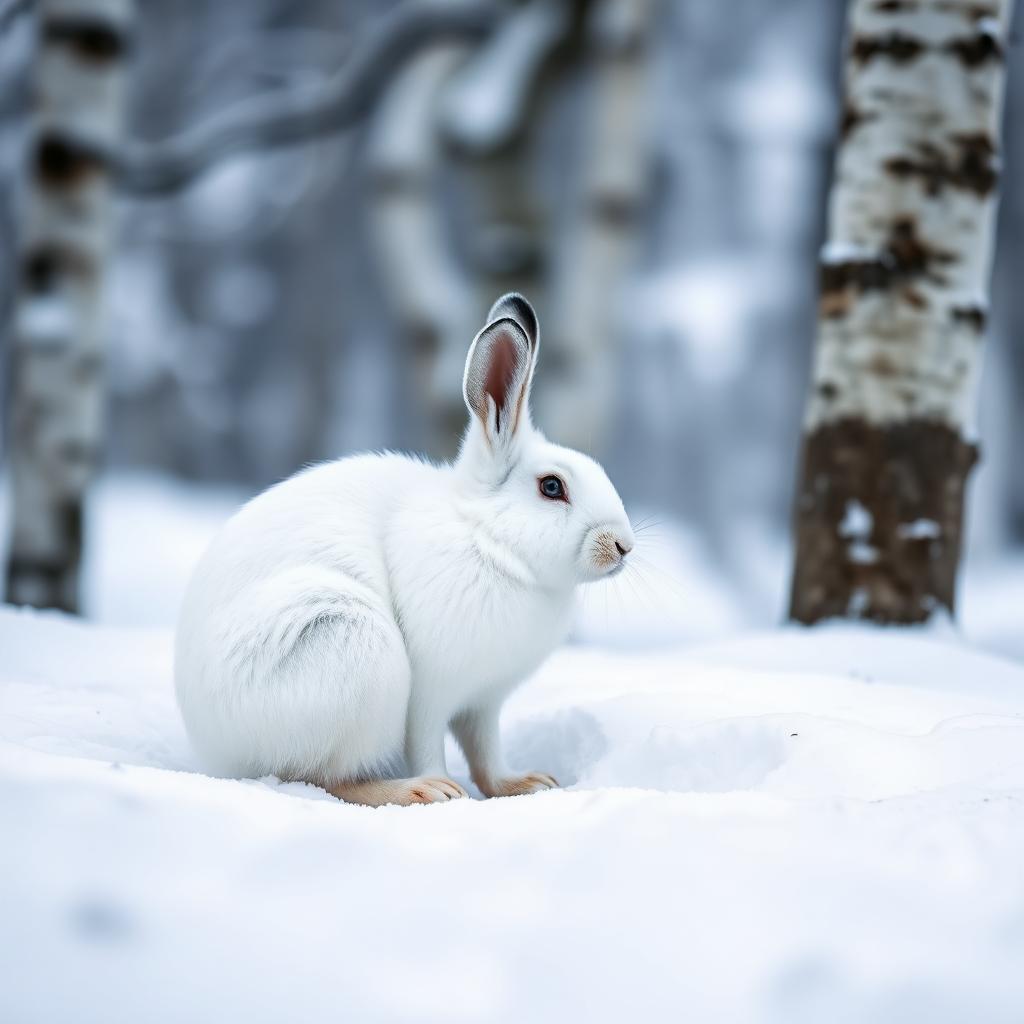
The park supports a diverse array of wildlife, including black bears, grizzly bears (though sightings are rare), mountain goats, deer, elk, and various smaller mammals. Birdlife is abundant, from raptors to songbirds in the lower forests. Backcountry travelers should be prepared for bear encounters by carrying bear spray, using bear canisters or Ursacks for food storage, and knowing how to respond if an animal is encountered. Mountain goats are common in higher elevations and should be given a wide berth. Respecting wildlife and maintaining a safe distance is crucial for both visitor safety and animal well-being. Awareness of surroundings is key, particularly in dense forested areas.
Key Routes & Attractions
Popular backcountry routes include the Sahale Glacier Camp, offering stunning views and glacier access, and the Thunder Creek Trail, which provides access to numerous side valleys and alpine lakes. The Pacific Crest Trail (PCT) traverses a section of the park, offering through-hikers a taste of its raw beauty. Ross Lake and Diablo Lake, both reservoir lakes, offer unique boating and paddle-in camping opportunities. For climbers, the park is a mecca, with countless peaks offering technical ascents. Even without technical climbing, many high-country passes provide challenging but rewarding multi-day backpacking loops. Researching specific routes and their current conditions is essential before committing to a trip.
Permits & Access
Backcountry permits are required for all overnight stays in the North Cascades backcountry. Permits are obtained through a lottery system for peak season dates or on a first-come, first-served basis for walk-up permits. The lottery typically opens in early spring. Access to the park is primarily via State Route 20 (North Cascades Highway), which is generally open from late spring through late fall. This highway closes seasonally due to snow, limiting access to the core of the park for several months each year. Trailheads are generally well-marked, but many are long drives from gateway communities. Cell service is virtually nonexistent in most of the park, so satellite communication is recommended.
How we chose
We built this ranking from trip reports, agency data, permit records, and our editors' own time on the ground. 10 places made the final cut out of a much longer working list, and each one had to clear the same set of criteria before it earned a spot.
- Quality of the terrain
- Landscape, route variety, and whether the place rewards multiple days rather than one overlook.
- Season and weather windows
- How long the reliable window is, and how badly the shoulder seasons punish a bad forecast.
- Access and permits
- Trailhead logistics, permit odds, quotas, and how much lead time a trip realistically takes.
- Solitude vs. crowding
- How far you have to walk before the place feels like wilderness instead of a queue.
- Wildlife and ecology
- What you can reasonably expect to see, and what you have to plan around.
- Risk and skill required
- Navigation, water crossings, exposure, and rescue distance — stated plainly.
North Cascades — frequently asked questions
- Is North Cascades worth the trip?
- We rank it #5 in US National Parks. 'America's Alps' — glaciated peaks, quiet valleys, minimal crowds even in summer.
- Who is North Cascades best for?
- Best for experienced backpacking, alpine climbing, wilderness immersion and glacier viewing. Standouts: exceptional solitude and minimal crowds even in peak season and stunning alpine scenery with abundant glaciers and jagged peaks.
- What are the drawbacks of North Cascades?
- Short backcountry season due to heavy snowpack, Difficult access; main highway closed for much of the year and Weather can be highly unpredictable and harsh.
- What are the key details for North Cascades?
- Location: Northern Washington, USA · Designation: National Park Complex (NPS) · Size: 504,000 acres · Glaciers: Over 300 active glaciers · Nearest Town: Sedro-Woolley, Marblemount
- Geography & Terrain — what should I know about the North Cascades?
- North Cascades is defined by its dramatic, alpine geography. The park is bisected by the Skagit River, forming deep valleys that quickly ascend into towering, glaciated peaks.
- Best Seasons & Weather — what should I know about the North Cascades?
- The optimal window for backcountry travel in North Cascades is July through September. Snow can persist on high-elevation trails well into July, and new snow often begins to fall by late September.
Where on earth
Satellite imagery flying in from a world view to North Cascades, Washington, United States. Use the + / − buttons, or click the map to zoom with your scroll wheel; drag to pan and pinch to zoom on touch.
North Cascades, Washington 98283, USA · 48.933, -121.284
Wildlife found around North Cascades
Compare side by side
Put the North Cascades against any other pick on this list — specs, price, pros, cons and reader ratings.