


US National Parks · #4
Olympic
Washington
Reader rating
Rate it and you move it. Community ratings re-rank this product inside its Top 10 list.
Expert-picked, reader-ranked. Our editors choose the products and the launch order; member star ratings move picks up or down over time.
Three ecosystems in one park: coastal, rainforest, and alpine. Excellent backcountry permit system.
Pros
- Unparalleled ecosystem diversity: coast, rainforest, mountains in one park
- Excellent, well-managed backcountry permit system for predictable planning
- Opportunities for true wilderness solitude, despite overall popularity
- Iconic old-growth forests and unique coastal geology
- Good range of difficulty from accessible coastal walks to challenging alpine routes
Cons
- Weather can be extremely unpredictable, especially in the rainforest and mountains
- Mosquitoes and biting insects are prevalent in summer, particularly near water
- Popular trailheads can be very crowded during peak season and holidays
- Road access to some trailheads can be long and unpaved, requiring higher clearance
Best uses
- Long-distance thru-hiking
- Ecosystem diversity studies
- Coastal backpacking
- Temperate rainforest immersion
- Alpine lake camping
Specifications
- Location
- Olympic Peninsula, Washington, USA
- Area
- 922,650 acres
- Ecosystems
- Coastal, Temperate Rainforest, Alpine
- Highest Point
- Mount Olympus (7,965 ft)
- Designation
- National Park, UNESCO World Heritage Site
- Primary Access
- US-101 loop around the peninsula
Best for
Long-distance thru-hiking, Ecosystem diversity studies, Coastal backpacking, Temperate rainforest immersion, Alpine lake camping
Olympic National Park, claiming the fourth spot on our list, is a study in ecological diversity. Tucked away on Washington's Olympic Peninsula, it's a genuine three-for-one deal: vast stretches of wild coastline, lush temperate rainforests, and rugged alpine peaks. This geographical trifecta means backcountry travelers can string together itineraries that range from tide-pooling and beach camping to slogging through verdant, moss-draped forests and scrambling above the tree line to glaciated cirques. The park's relatively isolated location has historically preserved its wilderness character, making it a prime destination for those seeking solitude and a genuine escape from the beaten path. While its proximity to Seattle and Portland can mean busy trailheads during peak season, the sheer scale of the park's backcountry quickly disperses crowds. Its well-managed permit system, which we've lauded before, is a testament to its commitment to sustainable wilderness recreation, allowing for predictable planning and a smoother experience once you're on the ground.
Geography & Terrain
Olympic's terrain is defined by the Olympic Mountains, carved by ancient glaciers and reaching nearly 8,000 feet. The western side of the range funnels immense moisture, feeding the iconic temperate rainforests like the Hoh and Quinault, characterized by towering old-growth conifers and thick understories of moss and ferns. To the east, the rain shadow creates drier, more open forests. The park's western boundary is a rugged, 73-mile stretch of undeveloped coastline, featuring sea stacks, tide pools, and driftwood-strewn beaches. Backcountry routes vary from gentle coastal walks to challenging mountaineering ascents, often requiring significant elevation gain through dense forest before breaking out into alpine meadows and rocky ridges.
Best Season & Weather
Summer, from late June through September, offers the most reliable weather for alpine and high-country travel, with warmer temperatures and less rain. However, this is also peak season for crowds, particularly at popular trailheads. Spring and fall can be excellent for coastal and lower-elevation rainforest hikes, with fewer people and vibrant seasonal changes, but be prepared for significant rain and cooler temperatures. Winter backcountry travel is primarily limited to experienced snowshoers, skiers, and mountaineers, with heavy snowpack, avalanche hazards, and limited access. Coastal areas remain accessible year-round, though storms are frequent and intense from October to April.
Wildlife Encounters
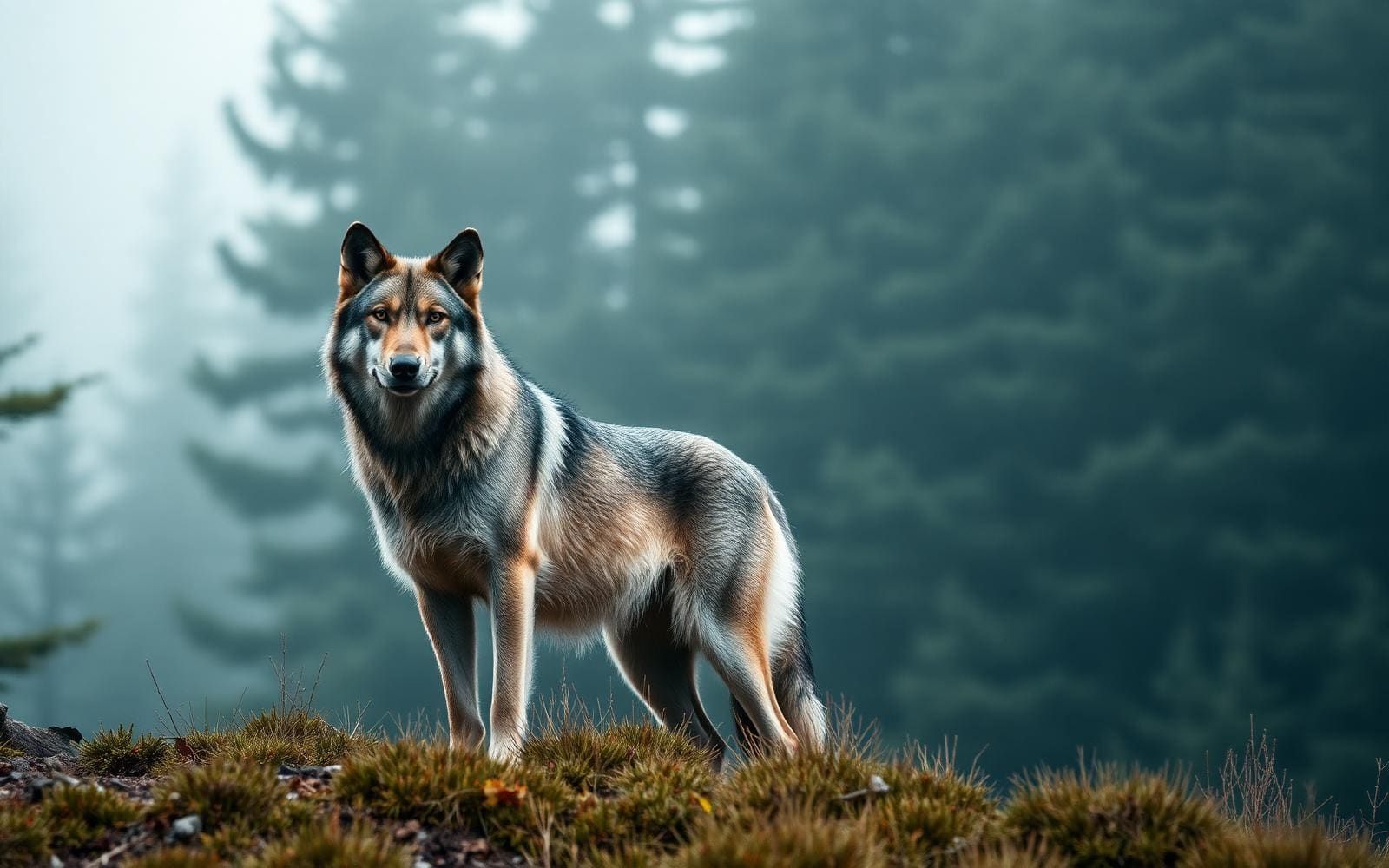
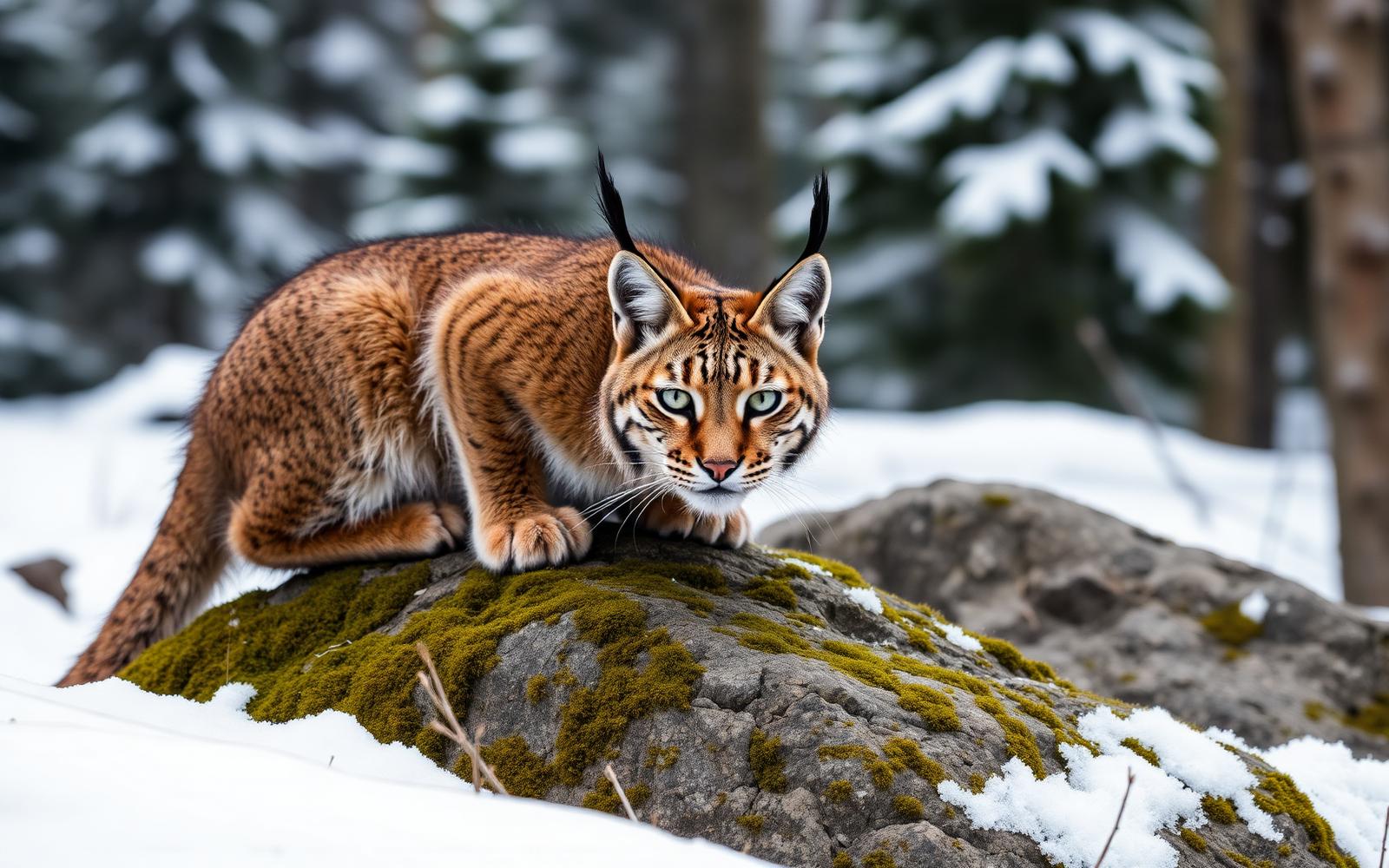
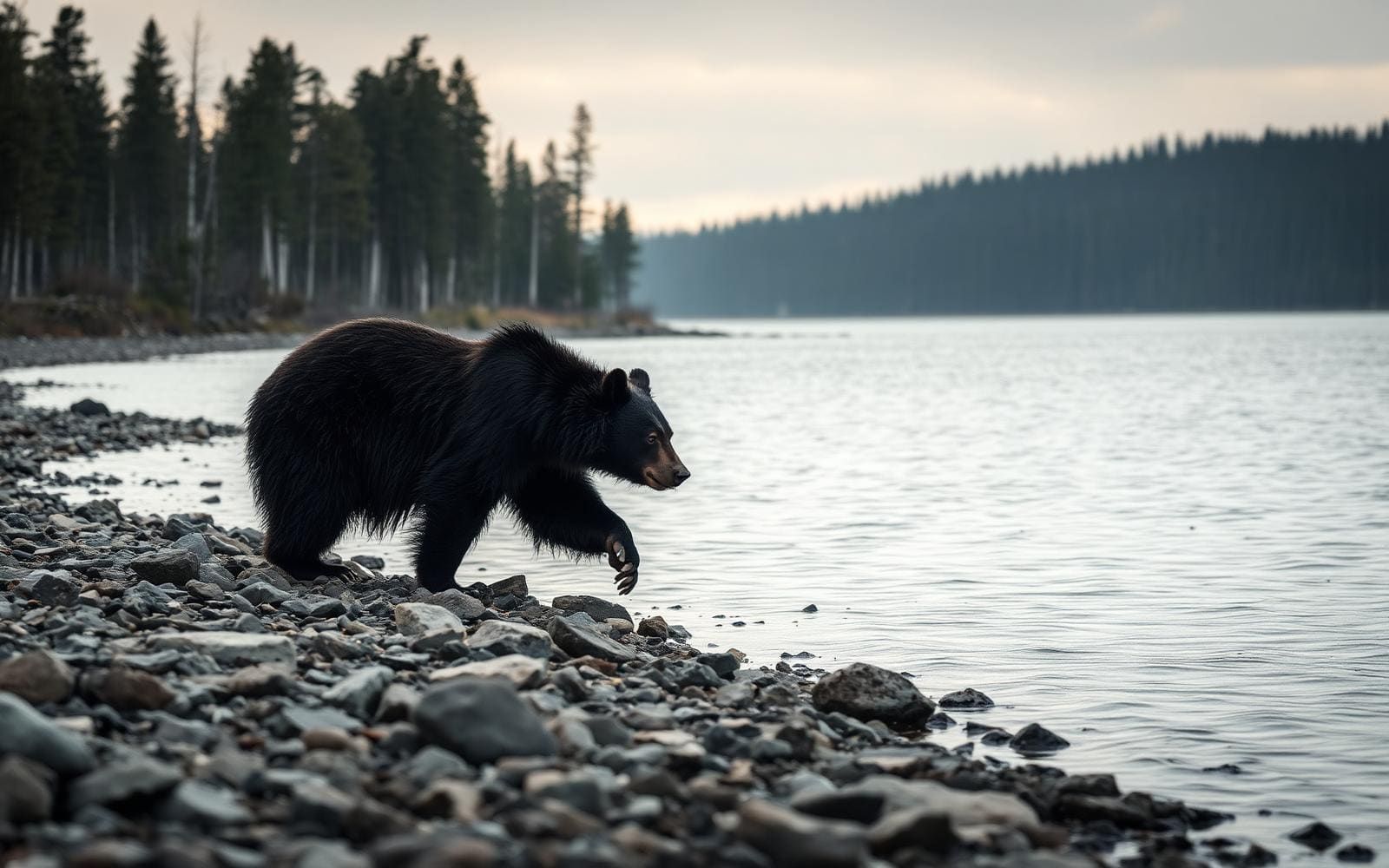
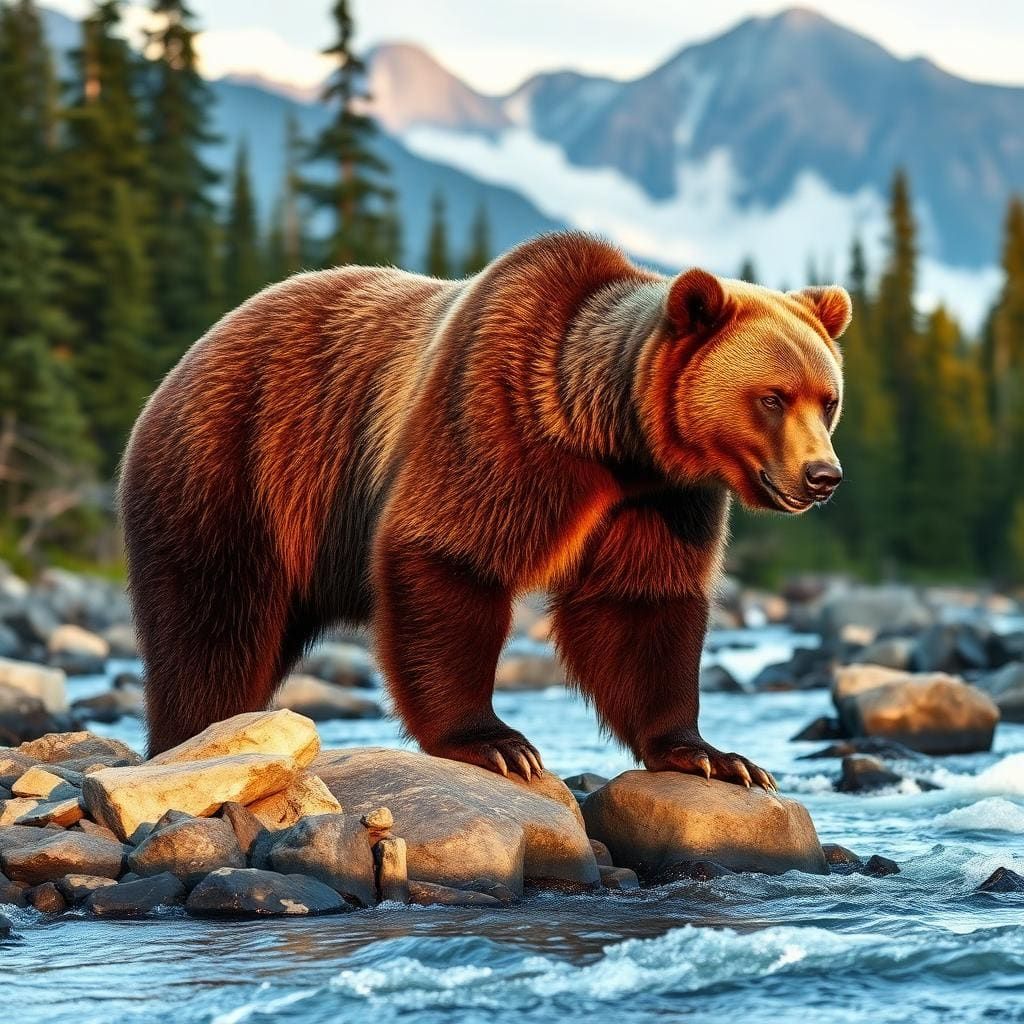
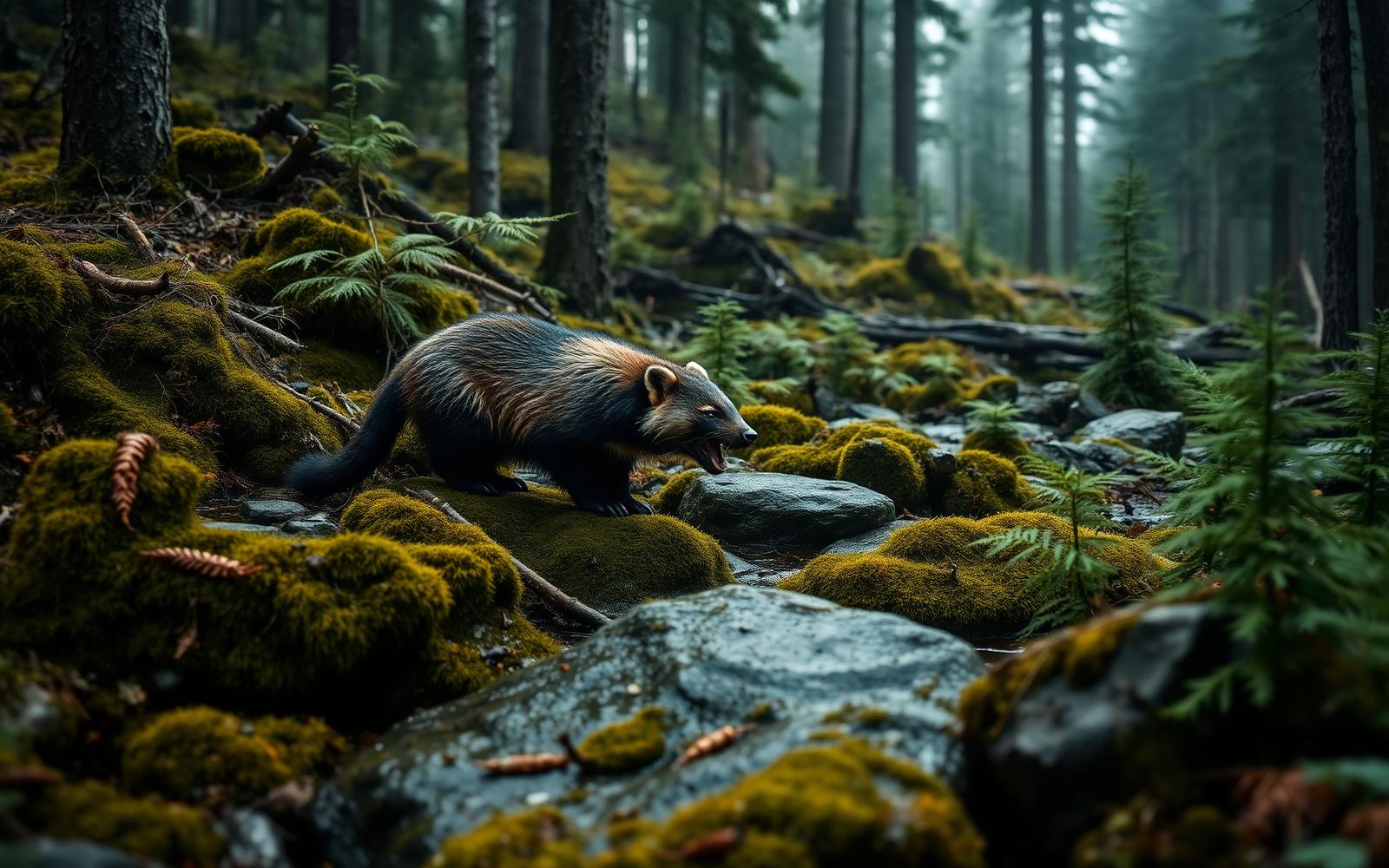
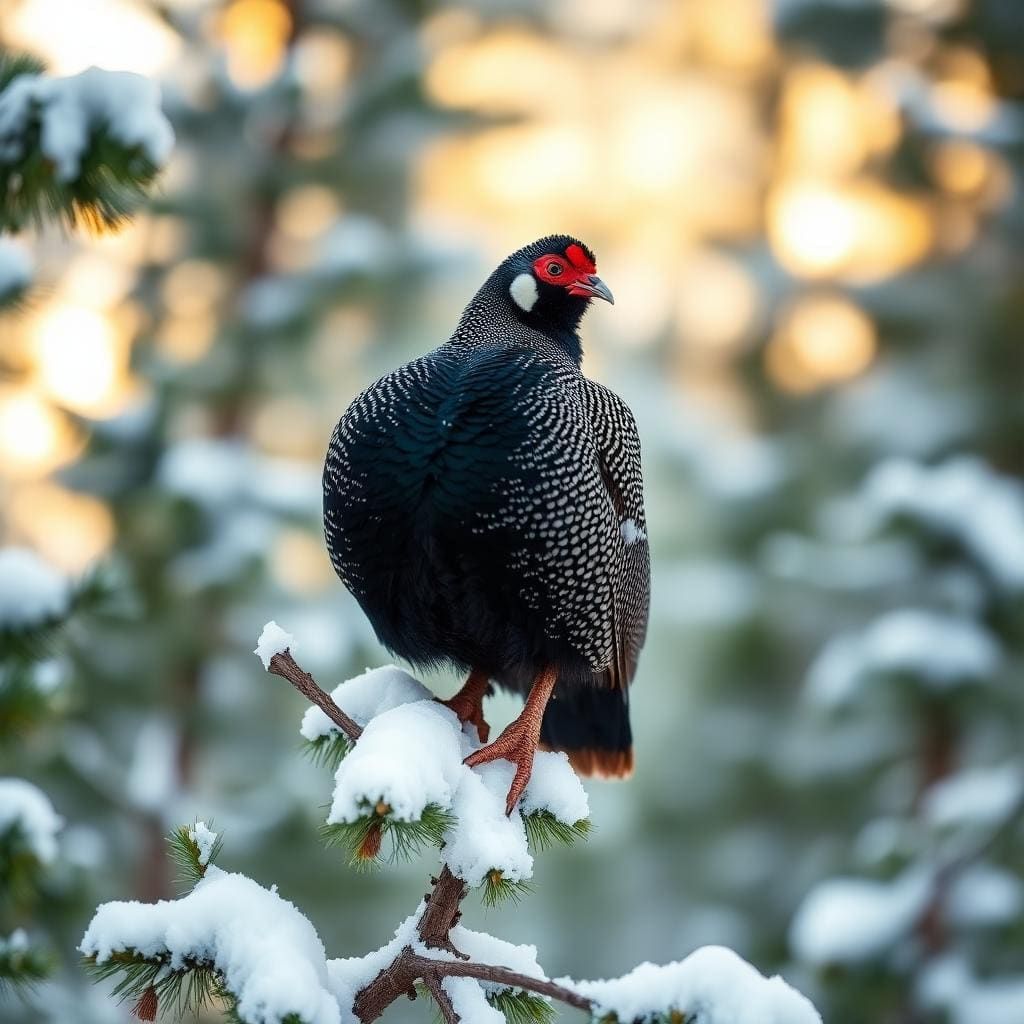
The park is home to an impressive array of wildlife. Roosevelt elk are iconic residents, often seen grazing in meadows or along forest trails, especially in the Hoh and Quinault valleys. Black bears are present throughout the park; proper food storage is non-negotiable. Mountain goats inhabit the higher elevations, often seen navigating steep cliffs. Along the coast, visitors might spot sea otters, harbor seals, and migrating whales. Birdwatching is also excellent, with a diversity of species from coastal seabirds to forest owls and alpine raptors. Always maintain a respectful distance from all wildlife and never feed animals.
Key Routes & Attractions
For coastal immersion, the Ozette Loop or Shi Shi Beach offer multi-day backpacking options, complete with native American cultural sites and stunning sea stacks. In the rainforest, the Hoh River Trail provides a classic deep-forest experience leading towards Mount Olympus. For alpine objectives, the High Divide Loop, accessed via the Sol Duc or Deer Park areas, delivers panoramic views of the interior mountains and pristine lakes. The Enchanted Valley, though a longer trek, is renowned for its remote charm and historic chalet. Many of these routes can be combined for extended trips, offering a comprehensive tour of the park's diverse landscapes.
Permits & Access
Backcountry permits are required year-round for all overnight stays in the wilderness. These are reservable in advance through Recreation.gov, with a portion held for walk-up permits. Given the park's popularity, especially for prime summer dates, advance reservations are highly recommended. Specific quota areas exist for popular trails and campsites to manage impact. Access to different sections of the park is via paved roads, mostly off US-101, but many trailheads are at the end of long, sometimes unpaved, forest service roads. Road closures due to snow are common in winter and spring, particularly at higher elevations.
How we chose
We built this ranking from trip reports, agency data, permit records, and our editors' own time on the ground. 10 places made the final cut out of a much longer working list, and each one had to clear the same set of criteria before it earned a spot.
- Quality of the terrain
- Landscape, route variety, and whether the place rewards multiple days rather than one overlook.
- Season and weather windows
- How long the reliable window is, and how badly the shoulder seasons punish a bad forecast.
- Access and permits
- Trailhead logistics, permit odds, quotas, and how much lead time a trip realistically takes.
- Solitude vs. crowding
- How far you have to walk before the place feels like wilderness instead of a queue.
- Wildlife and ecology
- What you can reasonably expect to see, and what you have to plan around.
- Risk and skill required
- Navigation, water crossings, exposure, and rescue distance — stated plainly.
Olympic — frequently asked questions
- Is Olympic worth the trip?
- We rank it #4 in US National Parks. Three ecosystems in one park: coastal, rainforest, and alpine. Excellent backcountry permit system.
- Who is Olympic best for?
- Best for long-distance thru-hiking, ecosystem diversity studies, coastal backpacking and temperate rainforest immersion. Standouts: unparalleled ecosystem diversity: coast, rainforest, mountains in one park and excellent, well-managed backcountry permit system for predictable planning.
- What are the drawbacks of Olympic?
- Weather can be extremely unpredictable, especially in the rainforest and mountains, Mosquitoes and biting insects are prevalent in summer, particularly near water and Popular trailheads can be very crowded during peak season and holidays.
- What are the key details for Olympic?
- Location: Olympic Peninsula, Washington, USA · Area: 922,650 acres · Ecosystems: Coastal, Temperate Rainforest, Alpine · Highest Point: Mount Olympus (7,965 ft) · Designation: National Park, UNESCO World Heritage Site
- Geography & Terrain — what should I know about the Olympic?
- Olympic's terrain is defined by the Olympic Mountains, carved by ancient glaciers and reaching nearly 8,000 feet. The western side of the range funnels immense moisture, feeding the iconic temperate rainforests like the Hoh and Quinault, characterized by towering old-growth conifers and thick understories of moss and…
- Best Season & Weather — what should I know about the Olympic?
- Summer, from late June through September, offers the most reliable weather for alpine and high-country travel, with warmer temperatures and less rain. However, this is also peak season for crowds, particularly at popular trailheads.
Where on earth
Satellite imagery flying in from a world view to Olympic, United States. Use the + / − buttons, or click the map to zoom with your scroll wheel; drag to pan and pinch to zoom on touch.
United States · 38.795, -106.535
Wildlife found around Olympic


Compare side by side
Put the Olympic against any other pick on this list — specs, price, pros, cons and reader ratings.