


Winter Camping · #5
White Mountains
New Hampshire, USA
Reader rating
Rate it and you move it. Community ratings re-rank this product inside its Top 10 list.
Expert-picked, reader-ranked. Our editors choose the products and the launch order; member star ratings move picks up or down over time.
AMC huts and hardened winter hikers' scene. Real above-treeline weather, accessible base.
Pros
- True alpine winter experience on the East Coast
- Accessible trailheads and established trail network
- Challenge and reward of extreme weather camping
- Opportunities for ice climbing and backcountry skiing
- Stunning, starkly beautiful snow-covered landscapes
Cons
- Extremely challenging weather, high objective hazards
- Requires advanced winter skills and extensive gear
- Can be crowded, especially on popular routes and weekends
- Limited official shelter options in deep winter
Best uses
- Advanced winter backpacking
- Mountaineering training
- Ice climbing trips
- Backcountry ski tours
- Extreme cold weather testing
Specifications
- Location
- New Hampshire, USA
- Terrain
- Alpine, subalpine, boreal forest, peaks up to 6,288 ft
- Hazards
- Extreme cold, high winds, avalanches, rapid weather shifts
- Winter Season
- Late Nov - Early Apr
- Access
- Trailheads off US-302, NH-16
- Wildlife
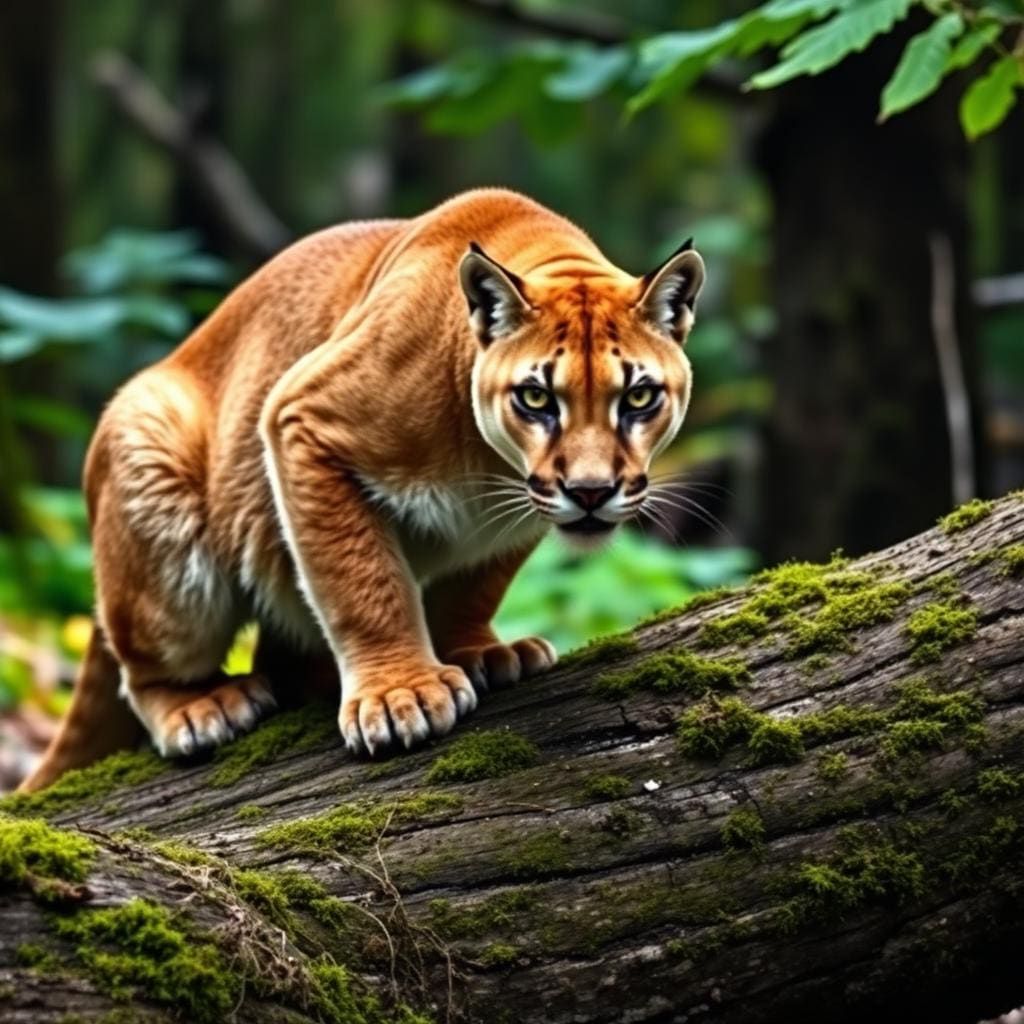
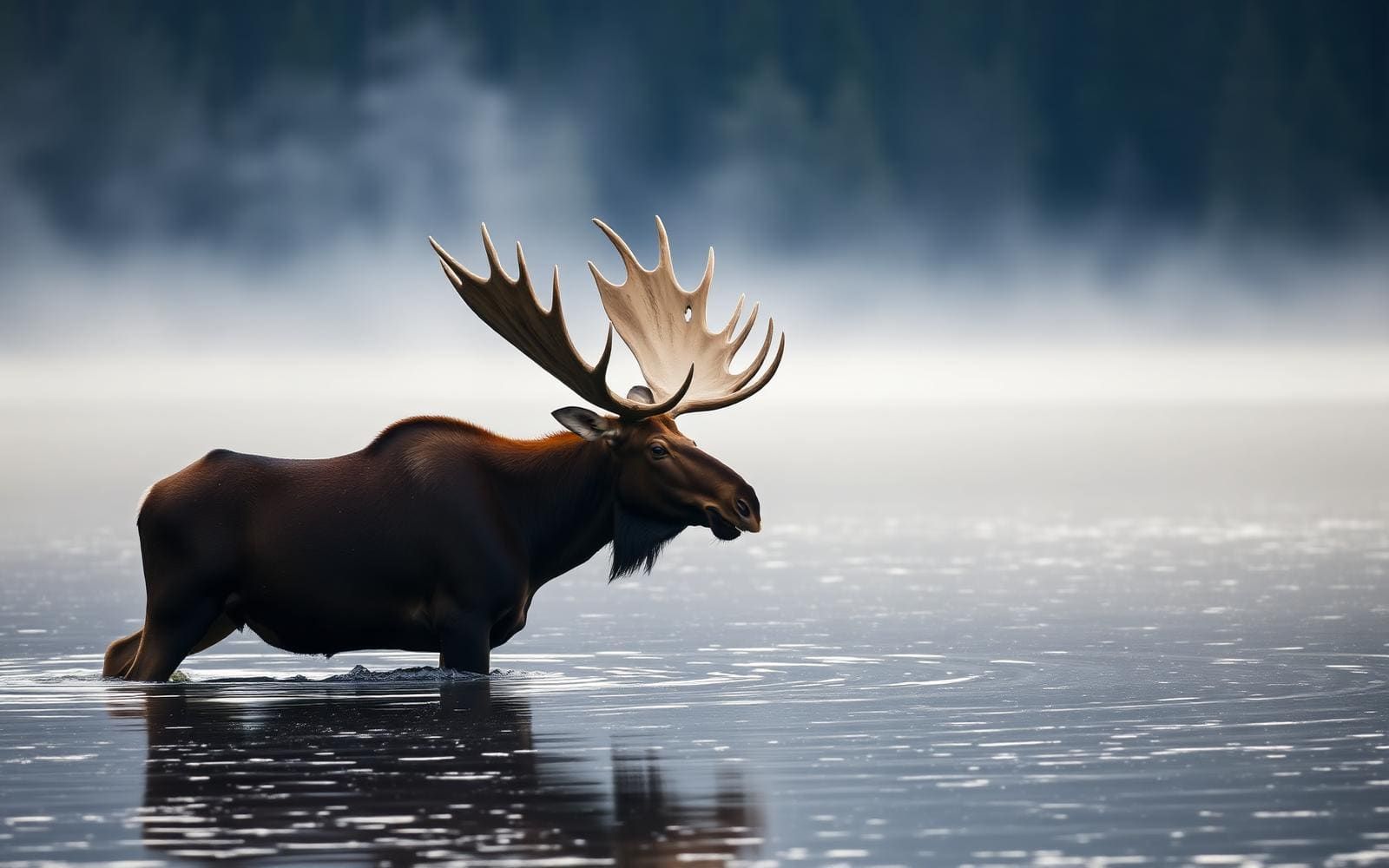
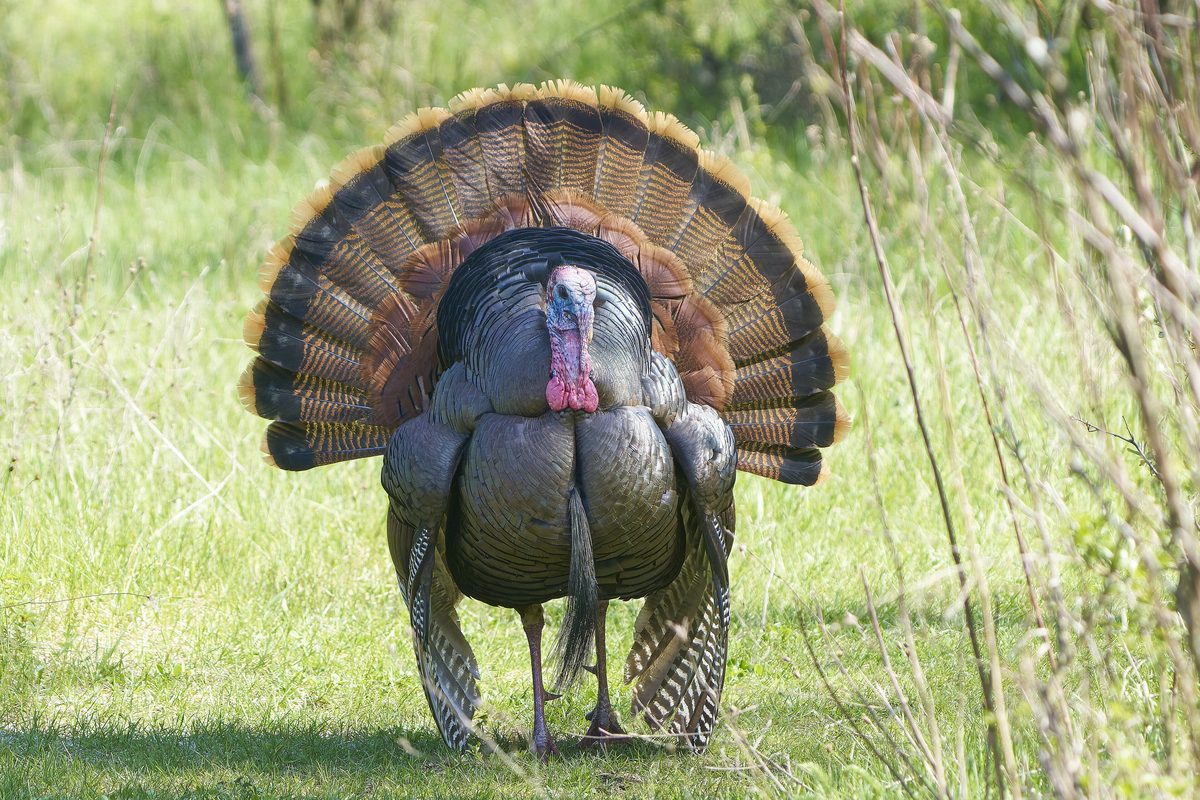
- Moose, deer, various birds, snowshoe hare
Best for
Advanced winter backpacking, Mountaineering training, Ice climbing trips, Backcountry ski tours, Extreme cold weather testing
New Hampshire's White Mountains, specifically the Presidential Range and surrounding peaks, offer an unparalleled winter camping experience in the northeastern United States. This region is a true alpine environment, notorious for its extreme weather, which can shift from calm to blizzard conditions in minutes. Despite the often-brutal cold and high winds, the Whites draw a dedicated community of winter enthusiasts, from ice climbers to backcountry skiers and seasoned hikers. Its accessibility from major East Coast cities belies the serious nature of its highest elevations. Winter camping here demands meticulous preparation, proper gear, and a healthy respect for the mountains. The Appalachian Mountain Club (AMC) operates a network of huts, some offering limited winter services, while designated campsites and primitive backcountry zones provide options for those seeking a more solitary experience. The reward for enduring the challenges is a landscape transformed by snow and ice, offering breathtaking views and a profound sense of accomplishment. This isn't a beginner's winter destination, but for those with the skills, it's a deeply rewarding one.
Geography & Terrain
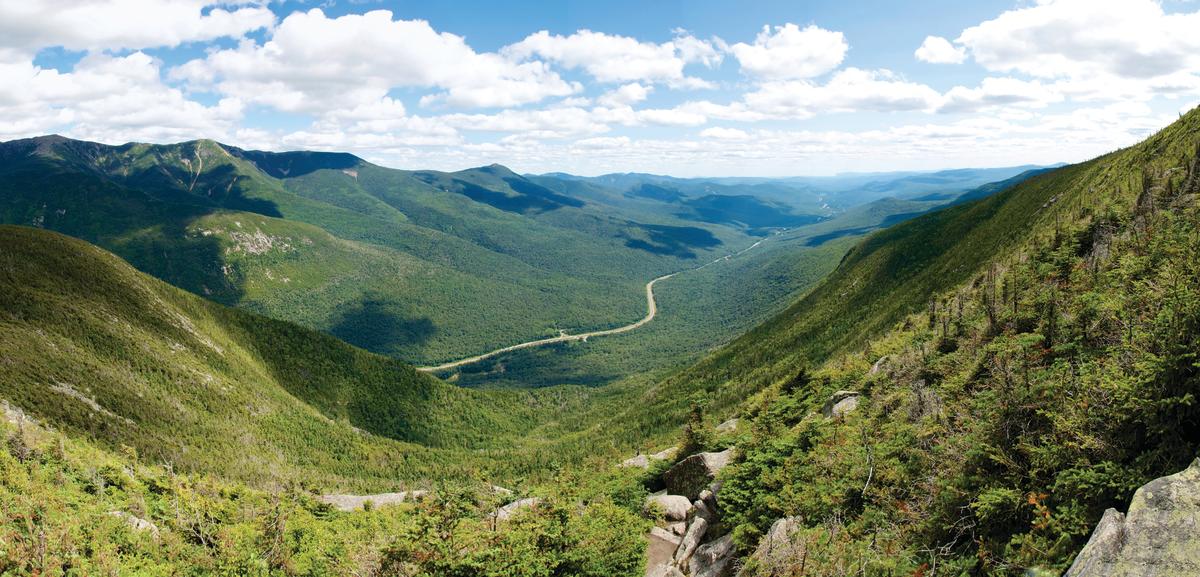
The White Mountains are a prominent range within the northern Appalachian Mountains, characterized by rugged, exposed summits and steep, heavily forested valleys. The Presidential Range, home to Mount Washington, boasts a treeline that can be as low as 4,000 feet, leaving expansive areas of arctic-like tundra exposed to the full force of winter storms. Below treeline, dense coniferous forests dominate, offering some protection from the wind. Elevation changes are significant, often involving thousands of feet of climbing. This diverse topography provides a variety of challenging conditions, from sheltered valley camping to exposed alpine bivouacs.
Best Season & Weather
The prime window for serious winter camping in the Whites typically runs from late November through early April. January and February are generally the coldest and snowiest months. Weather in the Presidential Range is famously unpredictable; Mount Washington holds records for extreme wind speeds and rapid temperature drops. Conditions can change drastically within hours, making constant monitoring of weather forecasts crucial. Hikers should be prepared for temperatures well below 0°F, wind chills in the -50s or lower, and whiteout conditions. Clear, calm days do occur, but they are often followed by severe weather.
Wildlife & Nature
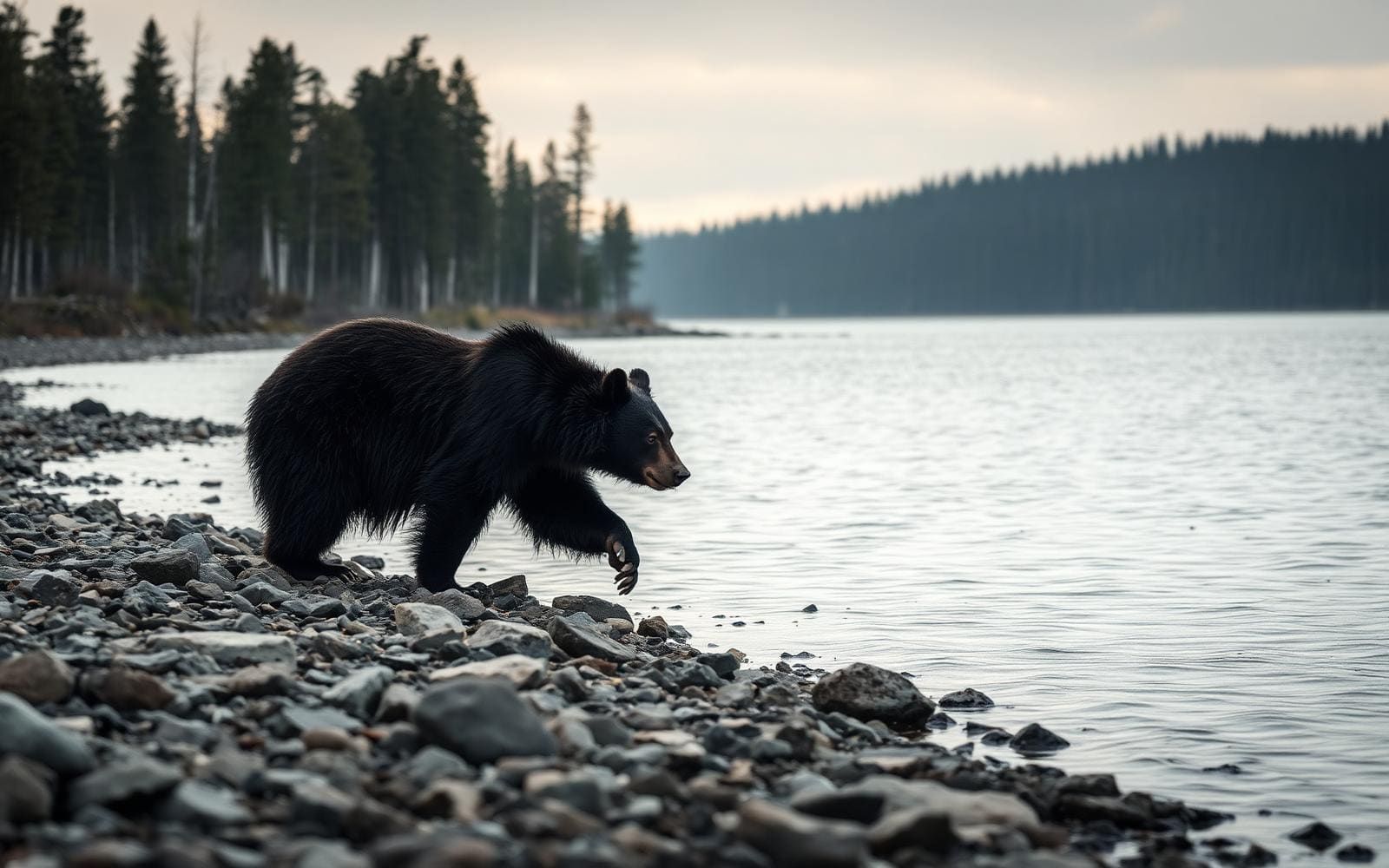
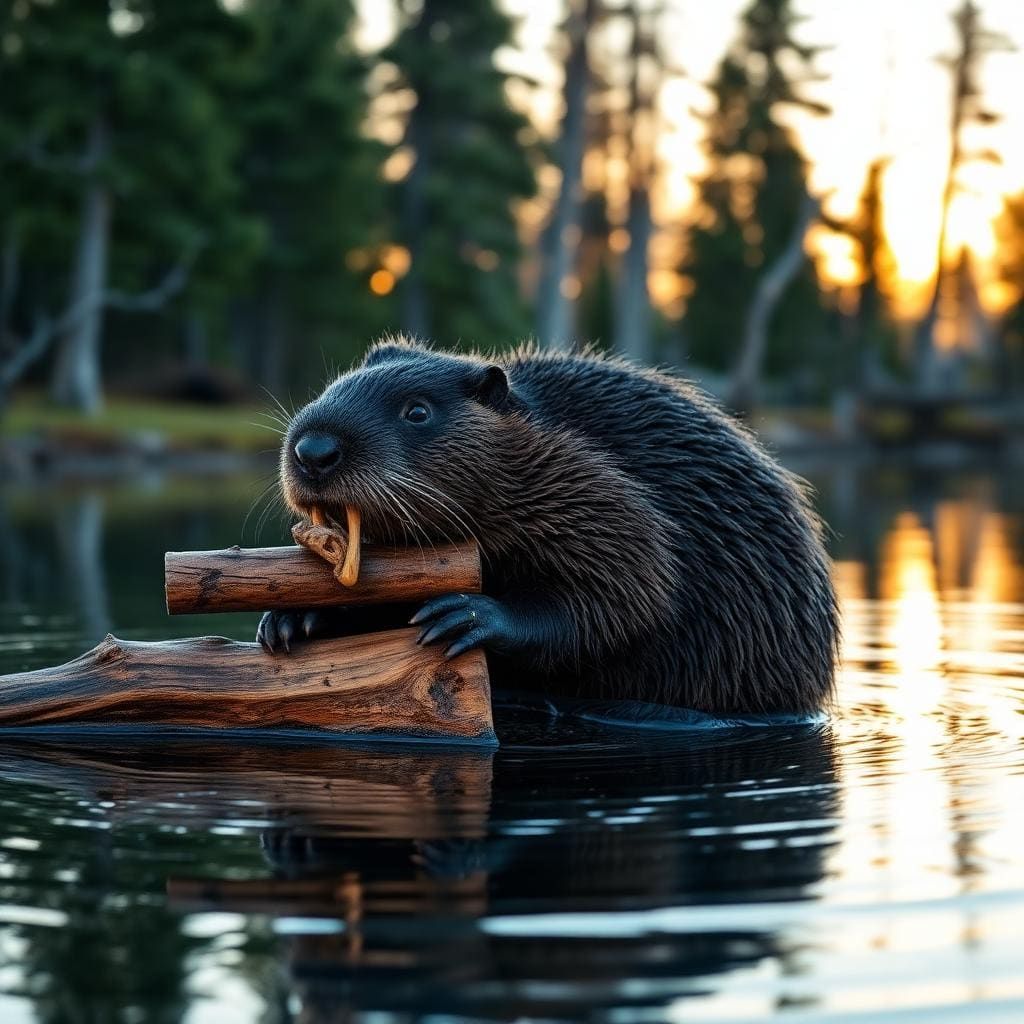
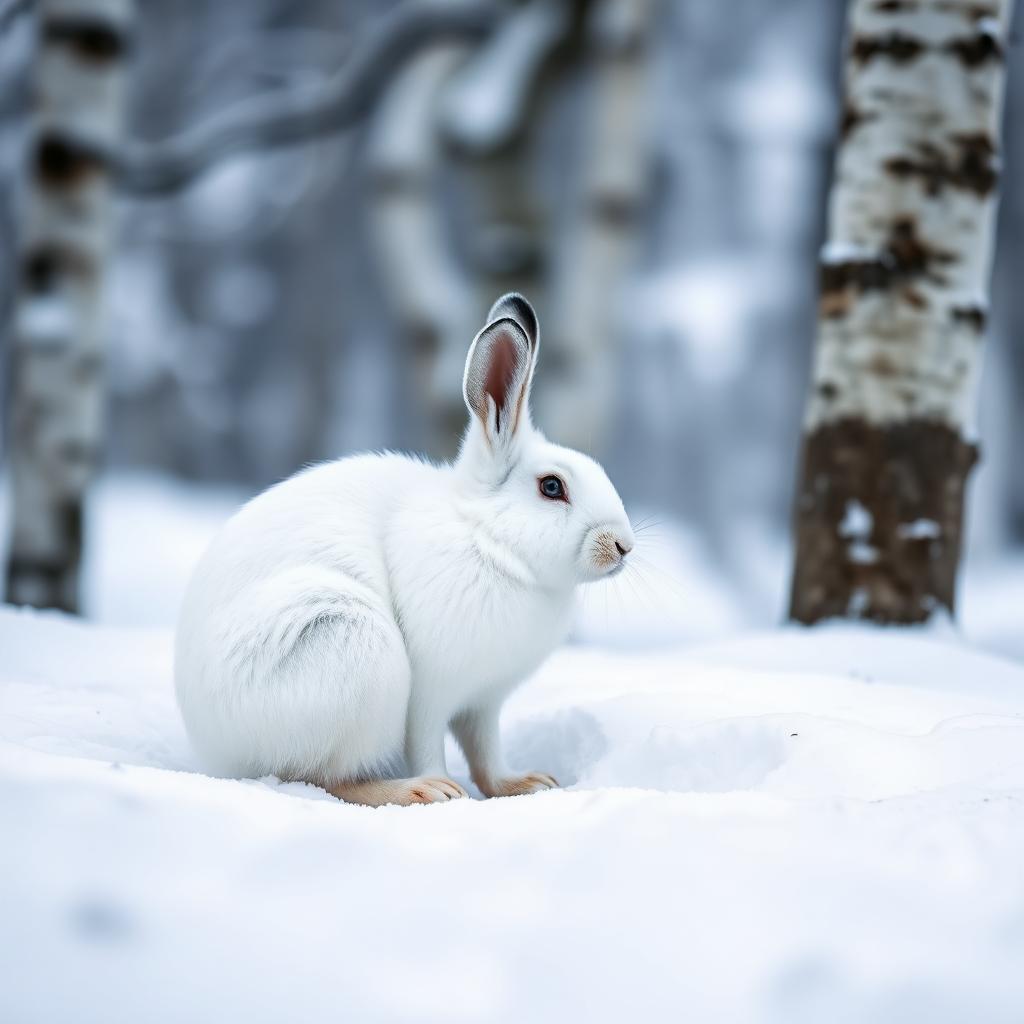
Despite the harsh winter environment, the White Mountains support a variety of wildlife. Moose and white-tailed deer are present, though often less active and harder to spot in deep snow. Smaller mammals like snowshoe hare, ermine, and various rodents are adapted to the cold. Birdlife includes species such as the Canada jay, boreal chickadee, and various owls. The snow-covered landscape itself is a major attraction, with vast expanses of pristine snow, ice formations, and rime-covered trees creating a starkly beautiful, otherworldly setting. Observing animal tracks in fresh snow adds to the wilderness experience.
Routes & Attractions
Key winter routes include ascents of Mount Washington via Tuckerman Ravine (for experienced mountaineers only) or the Lion Head Winter Route. Numerous trails lead to other prominent peaks like Mount Pierce, Mount Eisenhower, and Mount Lafayette. The high huts, such as Lakes of the Clouds and Madison Spring, are often buried in snow but provide emergency shelter. Lower elevation attractions include frozen waterfalls suitable for ice climbing in areas like Frankenstein Cliff. The Crawford Notch and Franconia Notch State Parks offer excellent access to trailheads and scenic vistas, often less exposed than the higher elevations.
Permits & Access
Most of the White Mountain National Forest does not require specific permits for backcountry camping, though there are regulations regarding site selection (e.g., camping 200 feet from trails and water sources, below treeline). Some designated campsites, like those along the Kancamagus Highway, may require a fee or reservation. AMC huts often require reservations even for winter, though some offer self-service options. Trailheads are generally accessible off US-302 and NH-16, but winter road closures, particularly on the Kancamagus, can impact access. Always check road conditions before heading out.
How we chose
We built this ranking from trip reports, agency data, permit records, and our editors' own time on the ground. 10 places made the final cut out of a much longer working list, and each one had to clear the same set of criteria before it earned a spot.
- Quality of the terrain
- Landscape, route variety, and whether the place rewards multiple days rather than one overlook.
- Season and weather windows
- How long the reliable window is, and how badly the shoulder seasons punish a bad forecast.
- Access and permits
- Trailhead logistics, permit odds, quotas, and how much lead time a trip realistically takes.
- Solitude vs. crowding
- How far you have to walk before the place feels like wilderness instead of a queue.
- Wildlife and ecology
- What you can reasonably expect to see, and what you have to plan around.
- Risk and skill required
- Navigation, water crossings, exposure, and rescue distance — stated plainly.
White Mountains — frequently asked questions
- Is White Mountains worth the trip?
- We rank it #5 in Winter Camping. AMC huts and hardened winter hikers' scene. Real above-treeline weather, accessible base.
- Who is White Mountains best for?
- Best for advanced winter backpacking, mountaineering training, ice climbing trips and backcountry ski tours. Standouts: true alpine winter experience on the east coast and accessible trailheads and established trail network.
- What are the drawbacks of White Mountains?
- Extremely challenging weather, high objective hazards, Requires advanced winter skills and extensive gear and Can be crowded, especially on popular routes and weekends.
- What are the key details for White Mountains?
- Location: New Hampshire, USA · Terrain: Alpine, subalpine, boreal forest, peaks up to 6,288 ft · Hazards: Extreme cold, high winds, avalanches, rapid weather shifts · Winter Season: Late Nov - Early Apr · Access: Trailheads off US-302, NH-16
- Geography & Terrain — what should I know about the White Mountains?
- The White Mountains are a prominent range within the northern Appalachian Mountains, characterized by rugged, exposed summits and steep, heavily forested valleys. The Presidential Range, home to Mount Washington, boasts a treeline that can be as low as 4,000 feet, leaving expansive areas of arctic-like tundra exposed…
- Best Season & Weather — what should I know about the White Mountains?
- The prime window for serious winter camping in the Whites typically runs from late November through early April. January and February are generally the coldest and snowiest months.
Where on earth
Satellite imagery flying in from a world view to White Mountains, New Hampshire, United States. Use the + / − buttons, or click the map to zoom with your scroll wheel; drag to pan and pinch to zoom on touch.
White Mountains, Lincoln, NH 03251, USA · 44.164, -71.433
Wildlife found around White Mountains
Compare side by side
Put the White Mountains against any other pick on this list — specs, price, pros, cons and reader ratings.