


Winter Camping · #10
Yosemite Valley (winter)
California, USA

Reader rating
Rate it and you move it. Community ratings re-rank this product inside its Top 10 list.
Expert-picked, reader-ranked. Our editors choose the products and the launch order; member star ratings move picks up or down over time.
Snow-camping and ski touring around the valley walls. Access without full expedition logistics.
Pros
- Unmatched winter solitude in a world-famous park
- Stunning snow-covered granite landscapes
- Relatively accessible compared to higher-elevation winter areas
- Opportunities for snowshoeing, skiing, and ice skating
- Profound sense of quiet and wilderness
Cons
- Extreme cold and heavy snowfall possible
- Limited services and amenities compared to summer
- Tire chains often required for vehicle access
- Avalanche risk on steeper slopes (requires awareness)
Best uses
- Winter camping for experienced individuals
- Snowshoeing and cross-country skiing
- Photography in unique winter light
- Escaping crowds for quiet contemplation
- Introduction to accessible winter backcountry
Specifications
- Location
- Yosemite National Park, California, USA
- Typical Season
- November to April
- Terrain
- Valley floor, granite cliffs, forested areas
- Avg. Winter Temp
- 20s-40s F (-6 to 4 C)
- Winter Precipitation
- Snow, rain
- Closest Town
- El Portal, CA
Best for
Winter camping for experienced individuals, Snowshoeing and cross-country skiing, Photography in unique winter light, Escaping crowds for quiet contemplation, Introduction to accessible winter backcountry
Winter in Yosemite Valley is a different beast entirely. Gone are the throngs of summer tourists, replaced by a quiet, often snow-draped landscape that feels both intimate and grand. While many associate Yosemite with granite cliffs and waterfalls, in winter, it transforms into a wonderland of frosty trees, ice formations, and a stillness that’s rarely experienced during peak season. This isn't a place for casual car camping; it's an opportunity for those willing to embrace the cold and the challenges that come with it. You'll find a profound sense of solitude here, an escape into a Yosemite few ever truly see. It demands respect and preparation, but the rewards—like waking up to a silent, snow-covered El Capitan or skiing through a hushed meadow—are unparalleled. Access remains relatively straightforward, especially compared to higher-elevation winter destinations. The valley floor typically stays open, making it feasible for those with reliable winter vehicles and appropriate tire chains. The key is to understand that while access is easier, the conditions themselves can be severe. Temperatures often dip below freezing, and heavy snowfalls can quickly change travel plans. It's an ideal choice for experienced winter campers or those looking to expand their skills in a somewhat more accessible, yet still genuinely wild, winter environment. The beauty lies in the contrast: a world-famous park, rendered almost unrecognizable and deeply personal by the snow.
Geography & Terrain
Yosemite Valley is famously U-shaped, carved by glaciers, with towering granite monoliths like El Capitan and Half Dome defining its skyline. In winter, snow transforms the valley floor into a soft, undulating landscape. The Merced River, though colder, still flows, often flanked by ice. While the Valley itself is relatively flat, the surrounding walls rise dramatically, offering ample opportunities for snowshoeing or ski touring on lower-angle slopes and through pine forests. Expect a mix of open meadows that can be wind-swept, and sheltered forested areas. Elevation on the valley floor is around 4,000 feet, which means significant snow accumulation is common, but it's generally below the persistent deep snowpack found at higher elevations in the park.
Best Season & Weather
The prime window for winter camping and snow activities in Yosemite Valley is typically from December through March. Early winter (November/December) can offer good snowfalls without the absolute coldest temperatures, while late winter (March/April) might bring warmer days but also more unpredictable conditions and potential for rain. Prepare for a full spectrum of weather: bright, sunny days that can feel surprisingly warm, but also heavy snowstorms, persistent overcast skies, and temperatures well below freezing, especially at night. It's crucial to monitor the forecast closely and be ready to adapt. Whiteouts are rare on the valley floor but heavy snowfall can significantly reduce visibility.
Wildlife Encounters
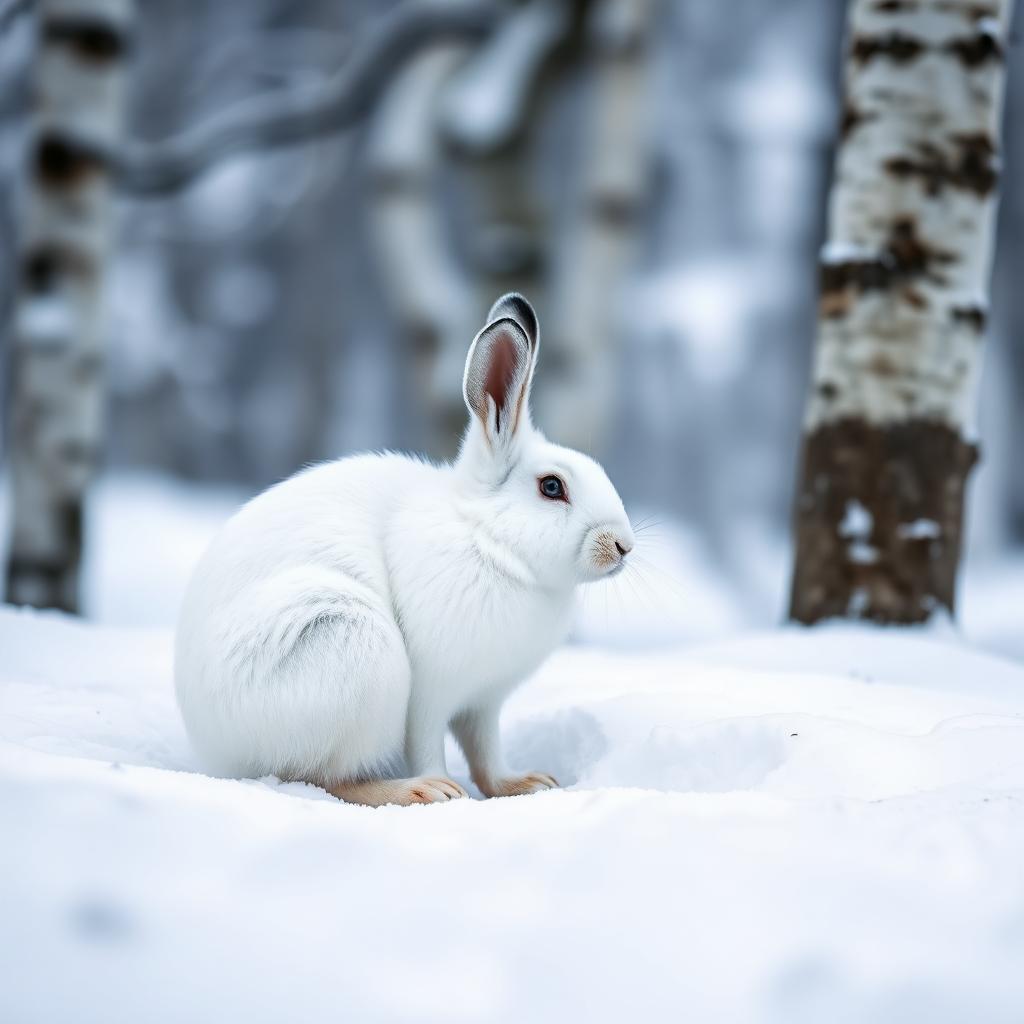
Wildlife in winter is less abundant and often harder to spot, but still present. Mule deer are common, sometimes seen grazing in snowy meadows. Coyotes are frequently heard and occasionally spotted. Look for tracks of smaller mammals like snowshoe hares, martens, and various rodents. Bear activity is significantly reduced as most are denning, but it's never impossible, so proper food storage is still required. Bird species shift; you might see various woodpeckers, jays, and perhaps some winter migratory birds. The quiet of winter makes wildlife encounters, when they occur, feel even more special and undisturbed.
Key Routes & Attractions
For snow camping, designated sites in Camp 4 and Upper Pines are often open, though amenities are reduced. Snowshoeing and cross-country skiing are popular on the valley loop trail, through Cook's Meadow, and along parts of the Mirror Lake trail. The Lower Yosemite Fall trail is accessible and offers stunning frozen views. For those with backcountry experience, moderate ski touring on the lower slopes near Tunnel View or along sections of the Pohono Trail can offer rewarding views without extreme avalanche risk (always check conditions). The ice skating rink in Curry Village is a classic winter attraction, and provides a break from the backcountry experience.
Permits & Access
A wilderness permit is required for any overnight backcountry camping in Yosemite, even in winter. These can be reserved or obtained as walk-up permits. For car camping, reservations are highly recommended for the open campgrounds, though winter generally sees lower demand. Entrance into Yosemite National Park requires a fee. Highway 140 (El Portal Road) is generally open year-round, providing the most reliable access to the Valley. However, tire chains are frequently required, even for 4WD vehicles, depending on snow conditions. Always check park road conditions and chain requirements before heading out. Glacier Point Road and Tioga Pass Road are closed in winter.
How we chose
We built this ranking from trip reports, agency data, permit records, and our editors' own time on the ground. 10 places made the final cut out of a much longer working list, and each one had to clear the same set of criteria before it earned a spot.
- Quality of the terrain
- Landscape, route variety, and whether the place rewards multiple days rather than one overlook.
- Season and weather windows
- How long the reliable window is, and how badly the shoulder seasons punish a bad forecast.
- Access and permits
- Trailhead logistics, permit odds, quotas, and how much lead time a trip realistically takes.
- Solitude vs. crowding
- How far you have to walk before the place feels like wilderness instead of a queue.
- Wildlife and ecology
- What you can reasonably expect to see, and what you have to plan around.
- Risk and skill required
- Navigation, water crossings, exposure, and rescue distance — stated plainly.
Yosemite Valley (winter) — frequently asked questions
- Is Yosemite Valley (winter) worth the trip?
- We rank it #10 in Winter Camping. Snow-camping and ski touring around the valley walls. Access without full expedition logistics.
- Who is Yosemite Valley (winter) best for?
- Best for winter camping for experienced individuals, snowshoeing and cross-country skiing, photography in unique winter light and escaping crowds for quiet contemplation. Standouts: unmatched winter solitude in a world-famous park and stunning snow-covered granite landscapes.
- What are the drawbacks of Yosemite Valley (winter)?
- Extreme cold and heavy snowfall possible, Limited services and amenities compared to summer and Tire chains often required for vehicle access.
- What are the key details for Yosemite Valley (winter)?
- Location: Yosemite National Park, California, USA · Typical Season: November to April · Terrain: Valley floor, granite cliffs, forested areas · Avg. Winter Temp: 20s-40s F (-6 to 4 C) · Winter Precipitation: Snow, rain
- Geography & Terrain — what should I know about the Yosemite Valley (winter)?
- Yosemite Valley is famously U-shaped, carved by glaciers, with towering granite monoliths like El Capitan and Half Dome defining its skyline. In winter, snow transforms the valley floor into a soft, undulating landscape.
- Best Season & Weather — what should I know about the Yosemite Valley (winter)?
- The prime window for winter camping and snow activities in Yosemite Valley is typically from December through March. Early winter (November/December) can offer good snowfalls without the absolute coldest temperatures, while late winter (March/April) might bring warmer days but also more unpredictable conditions and…
Where on earth
Satellite imagery flying in from a world view to Yosemite Valley (winter), California, United States. Use the + / − buttons, or click the map to zoom with your scroll wheel; drag to pan and pinch to zoom on touch.
Yosemite National Park, California, USA · 37.865, -119.538
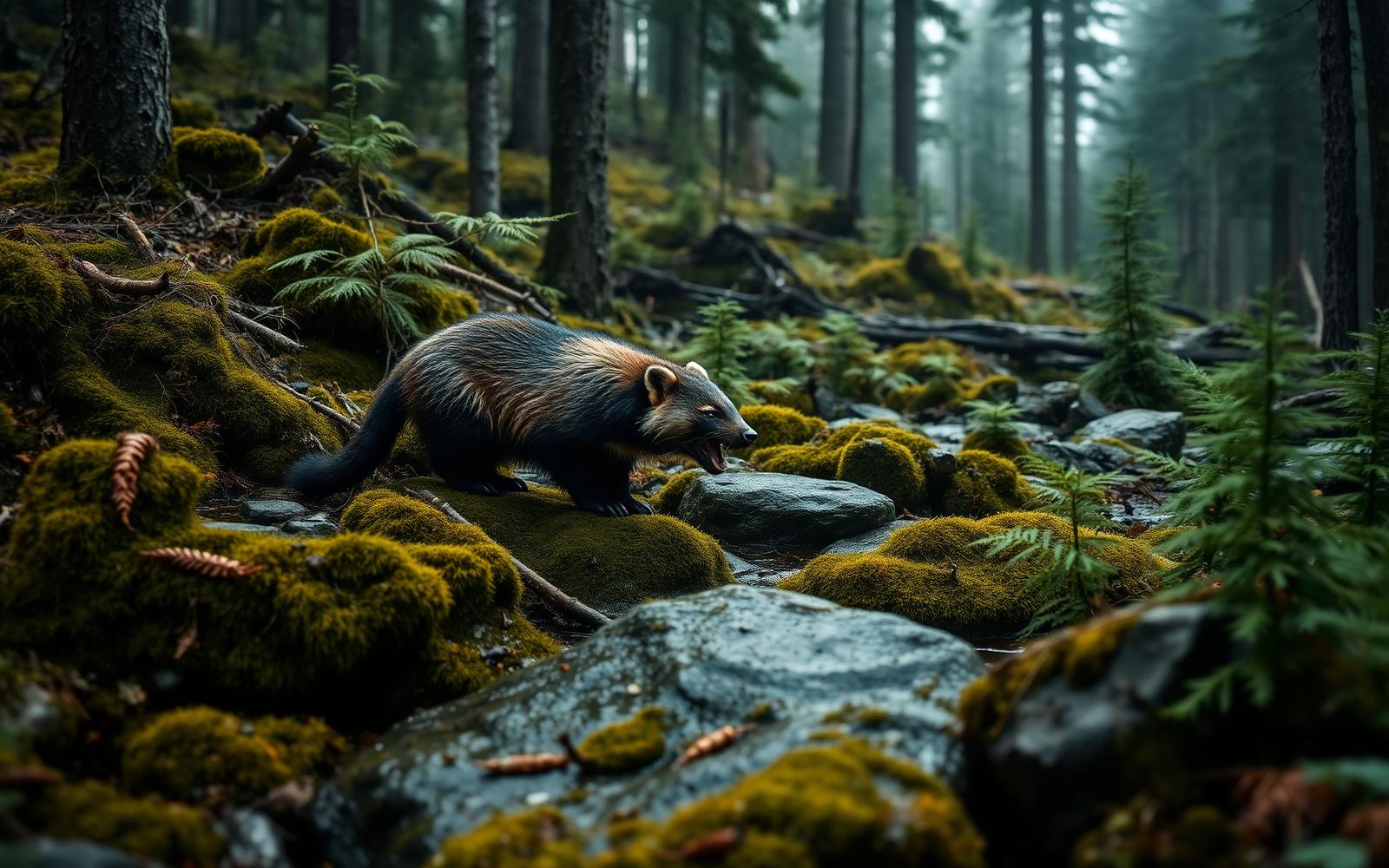
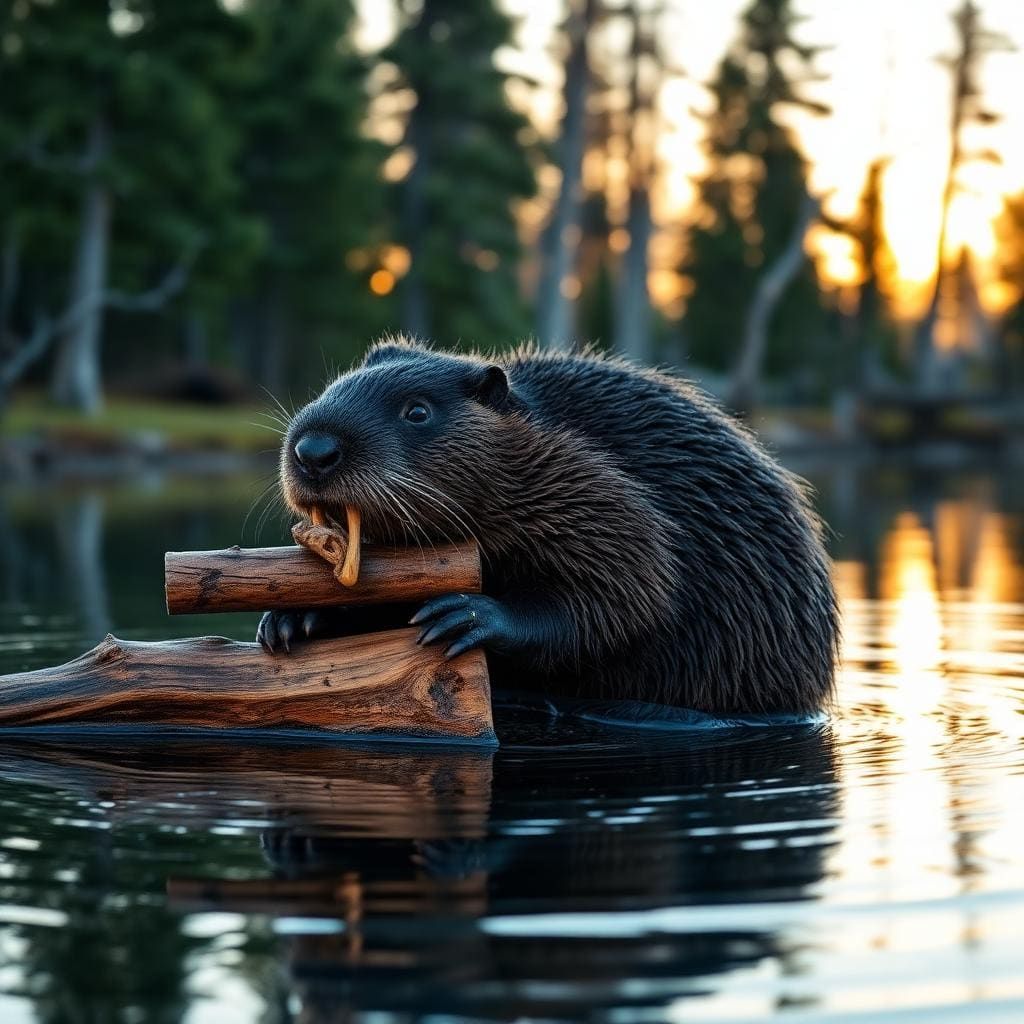
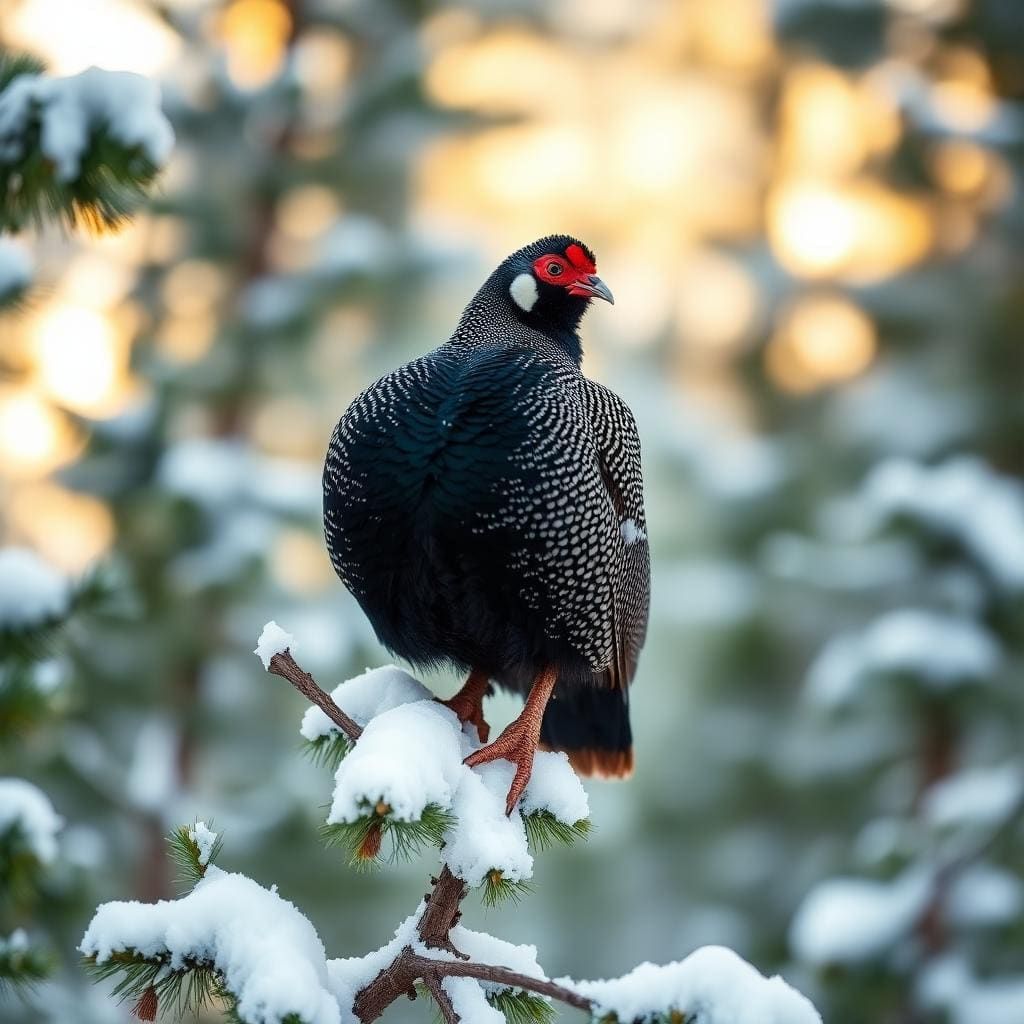
Wildlife found around Yosemite Valley (winter)
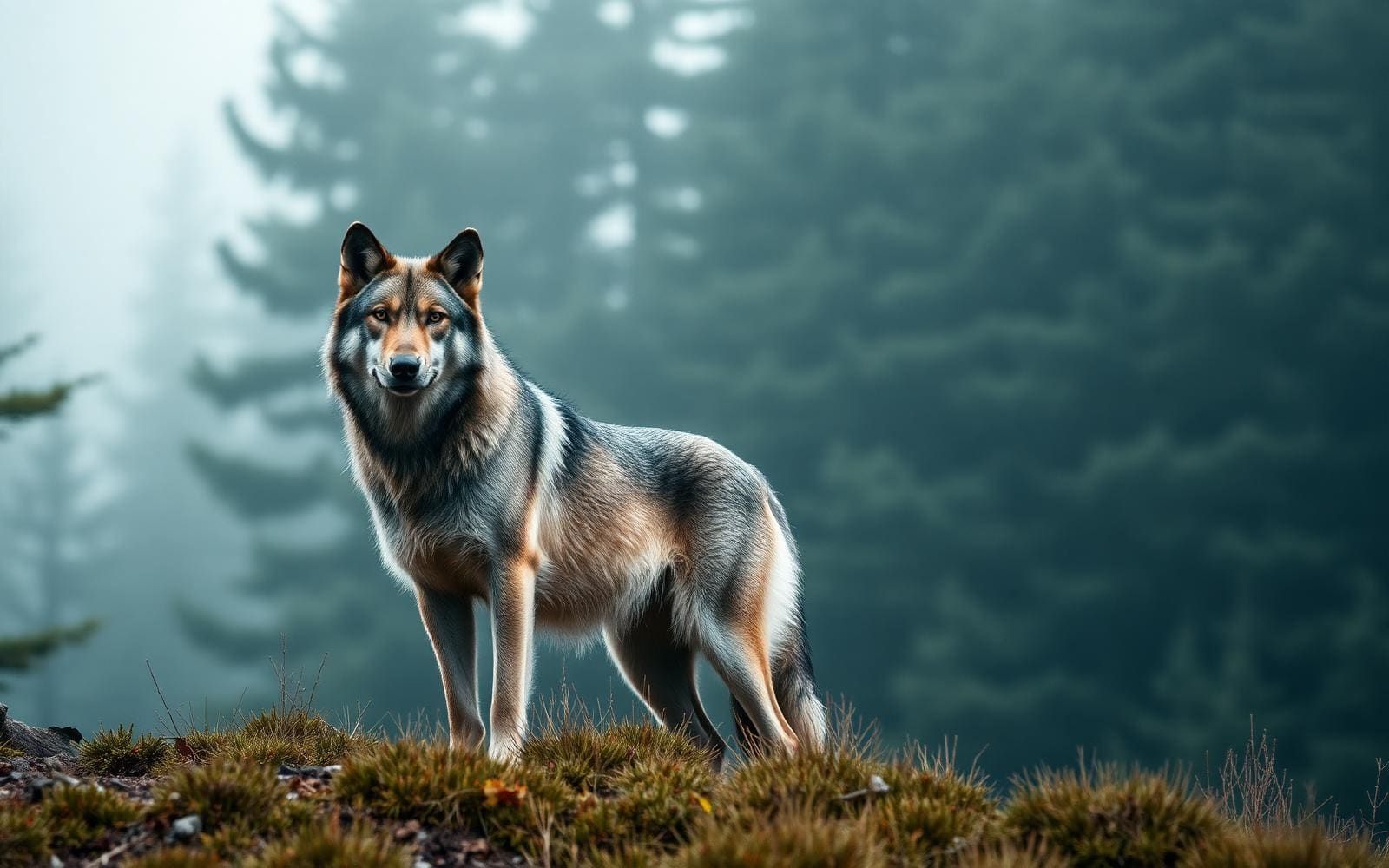
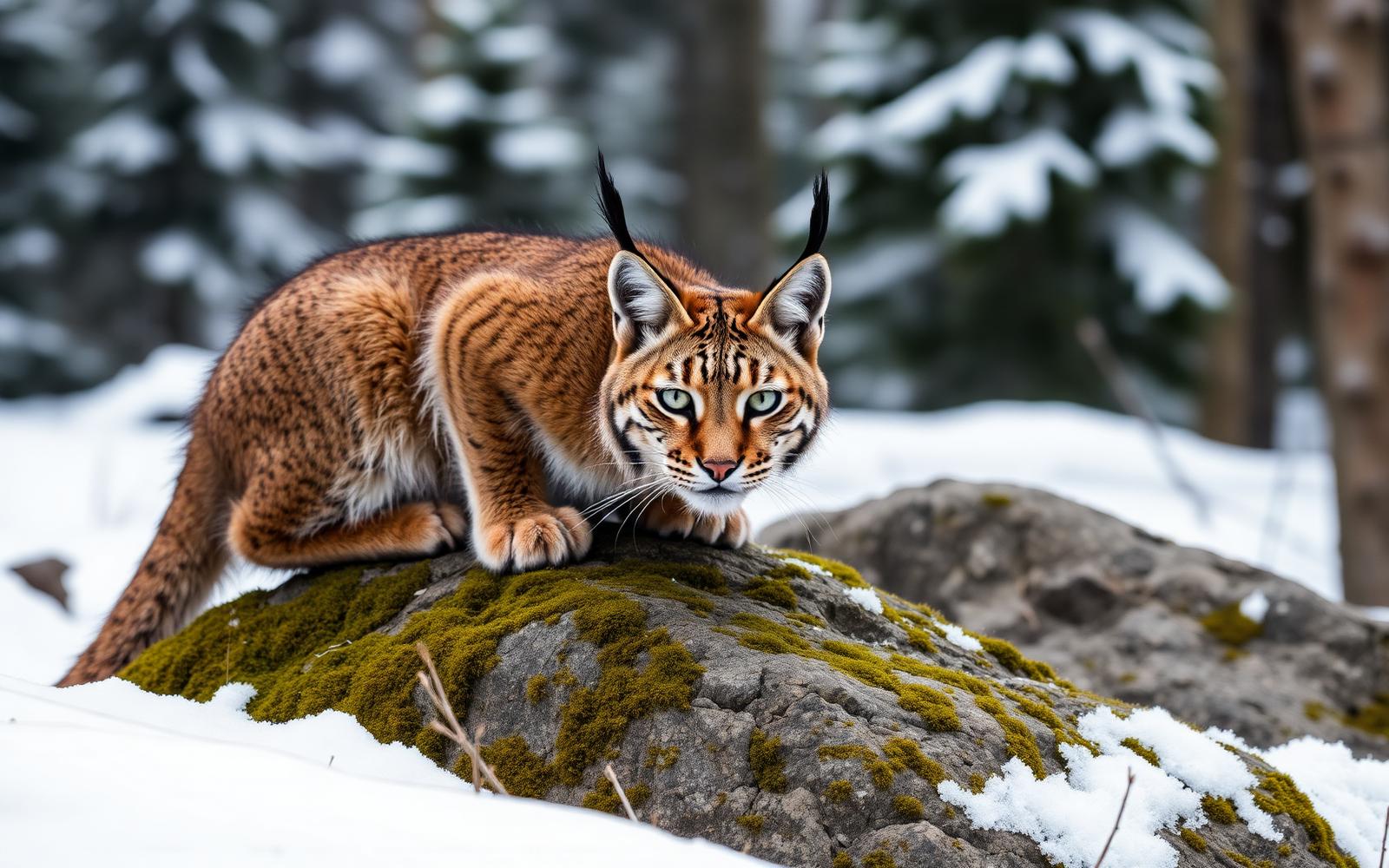
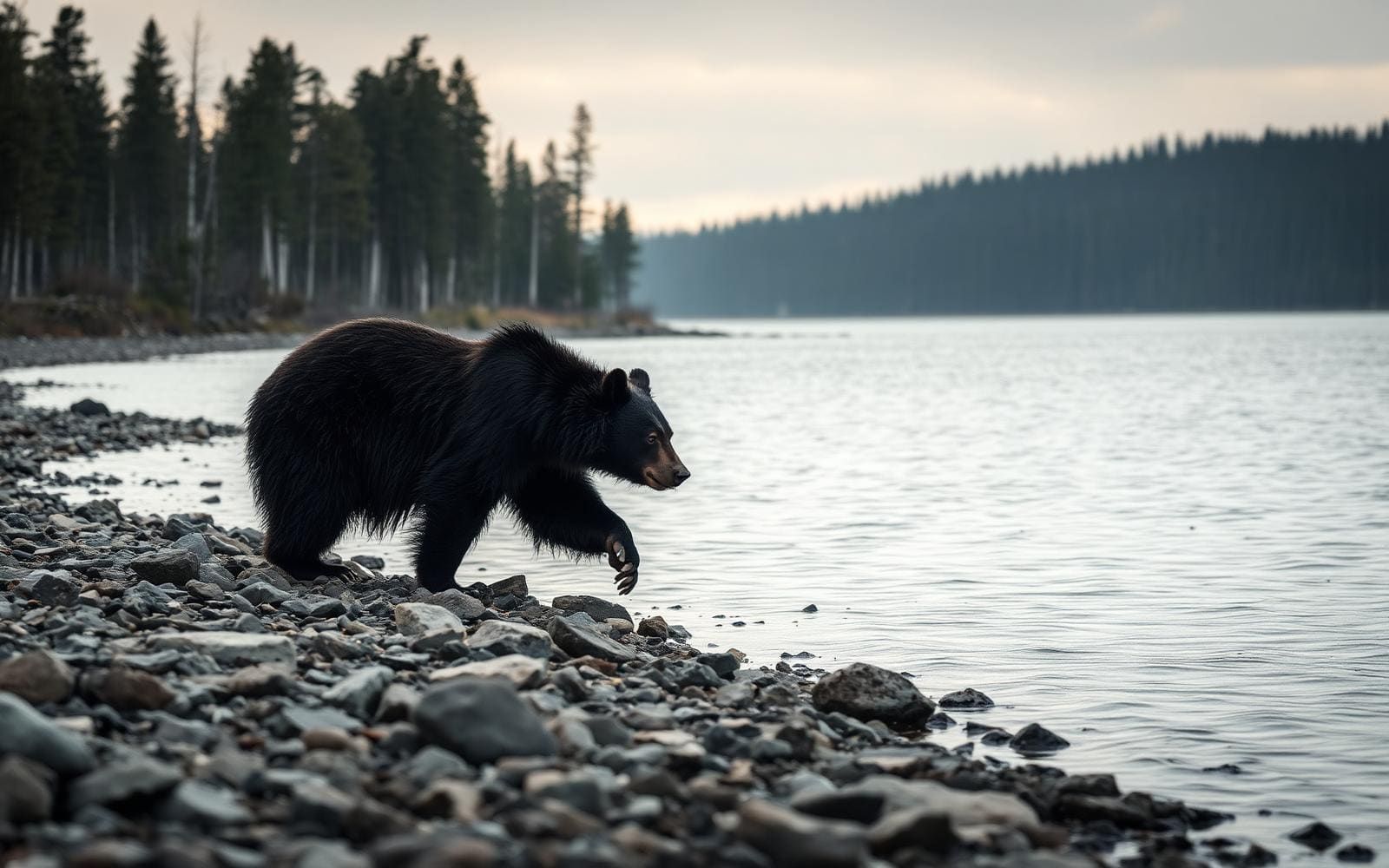
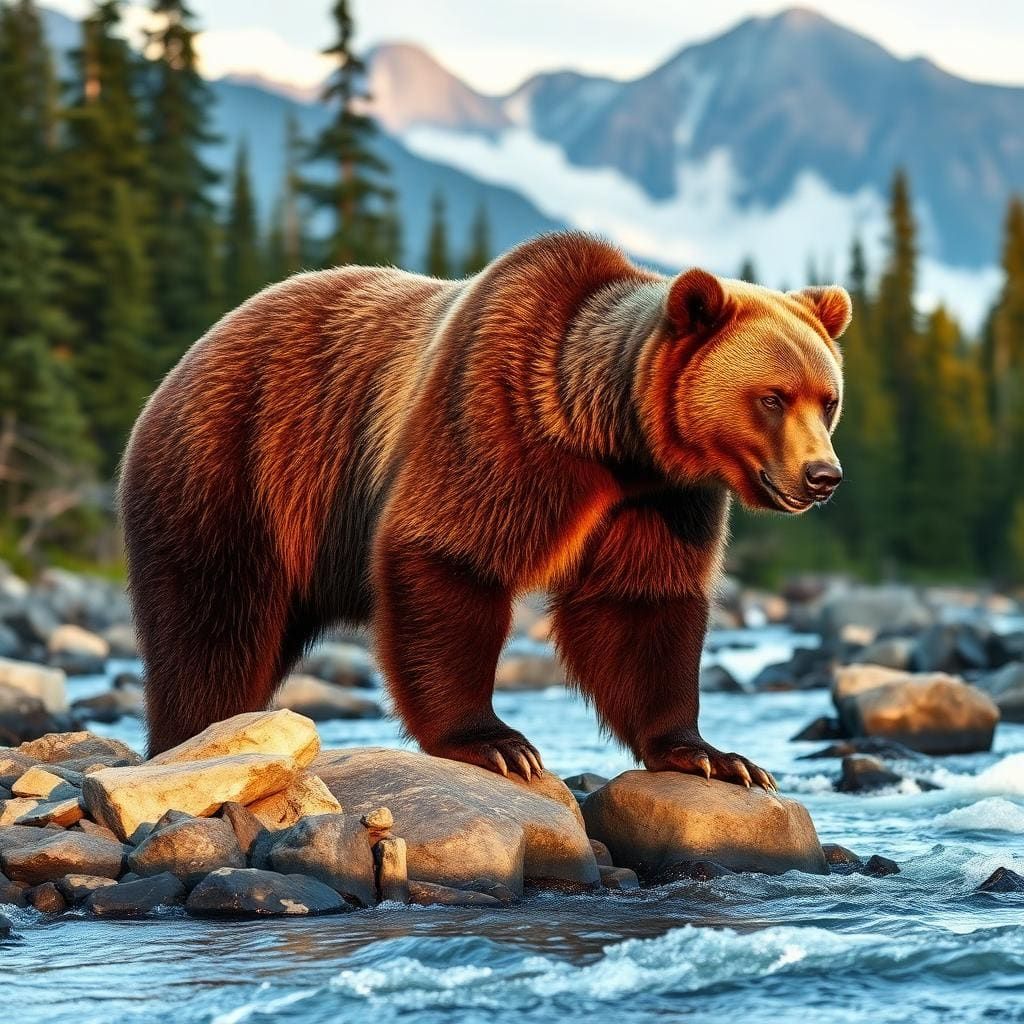
Compare side by side
Put the Yosemite Valley (winter) against any other pick on this list — specs, price, pros, cons and reader ratings.