



- Region
- NC, USA
- Country
- United States
- Best for
- hiking
- Best season
- Spring, Summer
- Permits
- Confirm current permit requirements and ac…
- Managed by
- U.S. Forest Service, Croatan National Forest
Plan with verified data
Catfish Lake South Wilderness trip tools
Tools for a trip here
Picked for how, when and where you're going. Free, no signup.
Photos of Catfish Lake South Wilderness
How to get there
Catfish Lake South Wilderness is in Croatan National Forest, North Carolina. Roads border the wilderness, and Catfish Lake borders it on the northeast. Confirm a legal entry and parking location with the Forest Service before traveling. The mapped point at 34.92201, -77.143725 is inside the wilderness; it is not a trailhead, campsite, or access point.
Sources: unioncountync.gov · University of Montana / federal agency partners · Wilderness Connect / federal wilderness boundary inventory. Confirm road and trailhead conditions with the managing agency before you leave.
NC, USA · United States
- Sea Kayaking
- Beachcombing
- Hiking
- Wildlife Viewing
- Backpacking
- Canoeing
- Fishing
Raised bogland in Croatan National Forest
Catfish Lake South Wilderness protects a predominantly raised-bog landscape in North Carolina’s Croatan National Forest. The surrounding forest occupies a coastal setting between the Atlantic Ocean and the Neuse River, with estuaries that support oysters, shrimp, and crabs. Here, the defining terrain is bogland rather than a developed hiking network. Roads border the wilderness, and Catfish Lake forms its northeastern edge, but there are no trails within the wilderness. That distinction matters when planning a visit: a road nearby does not establish a usable entrance or an easy walking route. Treat this as a destination requiring careful navigation and advance access checks, not a place to arrive expecting signed loops. Choose objectives conservatively and confirm a suitable entry location before setting out.
Wildlife and insectivorous plants
The wilderness supports an unusually varied collection of insectivorous plants: pitcher plants, round-leafed sundews, butterworts, Venus flytraps, and aquatic bladderworts. Their different forms make close observation rewarding without requiring a long walking itinerary. Leave plants undisturbed and avoid trampling vegetation while looking for them. Wildlife includes deer, bears, squirrels, rabbits, raccoons, muskrats, minks, and otters. Catfish Lake lies on the Atlantic Flyway and attracts ducks and geese; other birds recorded here include egrets, flycatchers, woodpeckers, hawks, woodcocks, owls, and ospreys. Binoculars are useful for watching birds and mammals without approaching them. Keep observation plans flexible rather than expecting particular sightings. With no trail system to guide movement, finding wildlife should remain secondary to maintaining a clear sense of position and a dependable way back.
Conditions and trip preparation
Biting insects are a significant part of the experience, so bring repellent and clothing that limits exposed skin. American alligators and venomous snakes occur here, including cottonmouths, copperheads, canebrake rattlers, eastern diamondback rattlers, and pygmy rattlers. Watch where hands and feet go, give animals space, and avoid approaching wildlife at the water’s edge. Carry navigation tools and drinking water, and keep plans modest in this trail-less bog environment. Catfish Lake draws anglers seeking bass, redbreast, bluegill, chain pickerel, warmouth, yellow perch, and catfish, though its high acidity can make fishing disappointing. Do not build a trip around an expected catch. Before departure, confirm current access arrangements, applicable permits, and activity rules with the Forest Service, including any requirements relevant to fishing or an overnight visit.
Where on earth
Satellite imagery flying in from a world view to Catfish Lake South Wilderness, United States. Use the + / − buttons, or click the map to zoom with your scroll wheel; drag to pan and pinch to zoom on touch.
Coordinates
- Decimal degrees
- 34.9220, -77.1437
- Latitude (DMS)
- 34° 55′ 19.2″ N
- Longitude (DMS)
- 77° 8′ 37.4″ W
Coordinates are an access-point reference for Catfish Lake South Wilderness, not a route. Carry a paper map and confirm trailhead or put-in access with the managing agency before you go.
Topic summary
North Carolina's Croatan National Forest is a unique coastal ecosystem set between the Atlantic Ocean and the Neuse River and interlaced with the sea's nurseries, called estuaries, where oysters, shrimp...
Key takeaways
- Region: NC, USA
- Country: United States
- Good for: hiking
- Coordinates: 34.922, -77.144
Intended uses
hiking
Keep planning
Popular pursuits at Catfish Lake South Wilderness
- Sea Kayaking
Coastal crossings, tides, and protected camps.
- Beachcombing
Tide-line walking between camps.
- Hiking
Day miles on marked trail, with route notes and trail links below.
- Wildlife Viewing
Best light, best season, and where animals move.
- Backpacking
Multi-day travel with everything on your back — see the packing blocks below.
- Canoeing
Paddle routes, portages, and put-ins.
Animals around Catfish Lake South Wilderness
 Wildlife guideBlack bearUrsus americanus
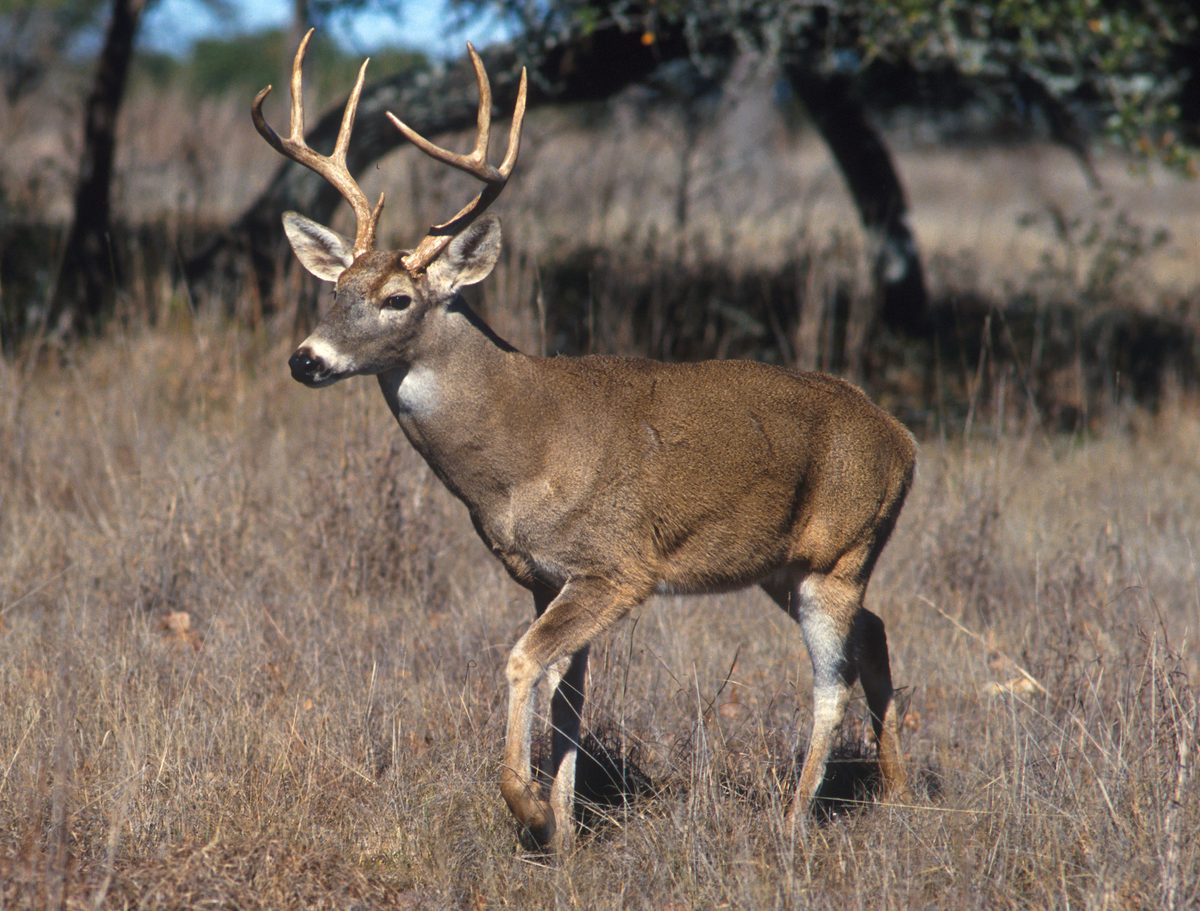 Big gameWhitetail DeerOdocoileus virginianus
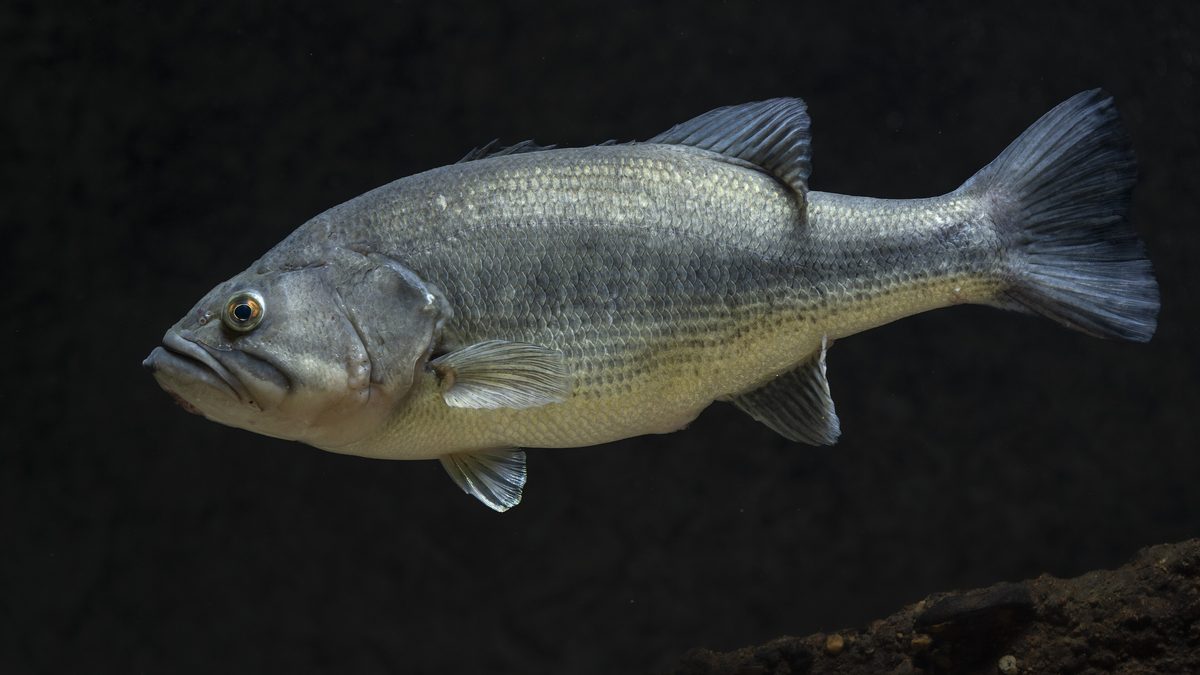 GamefishLargemouth BassMicropterus nigricans
 Wildlife guideNorth American beaverCastor canadensis
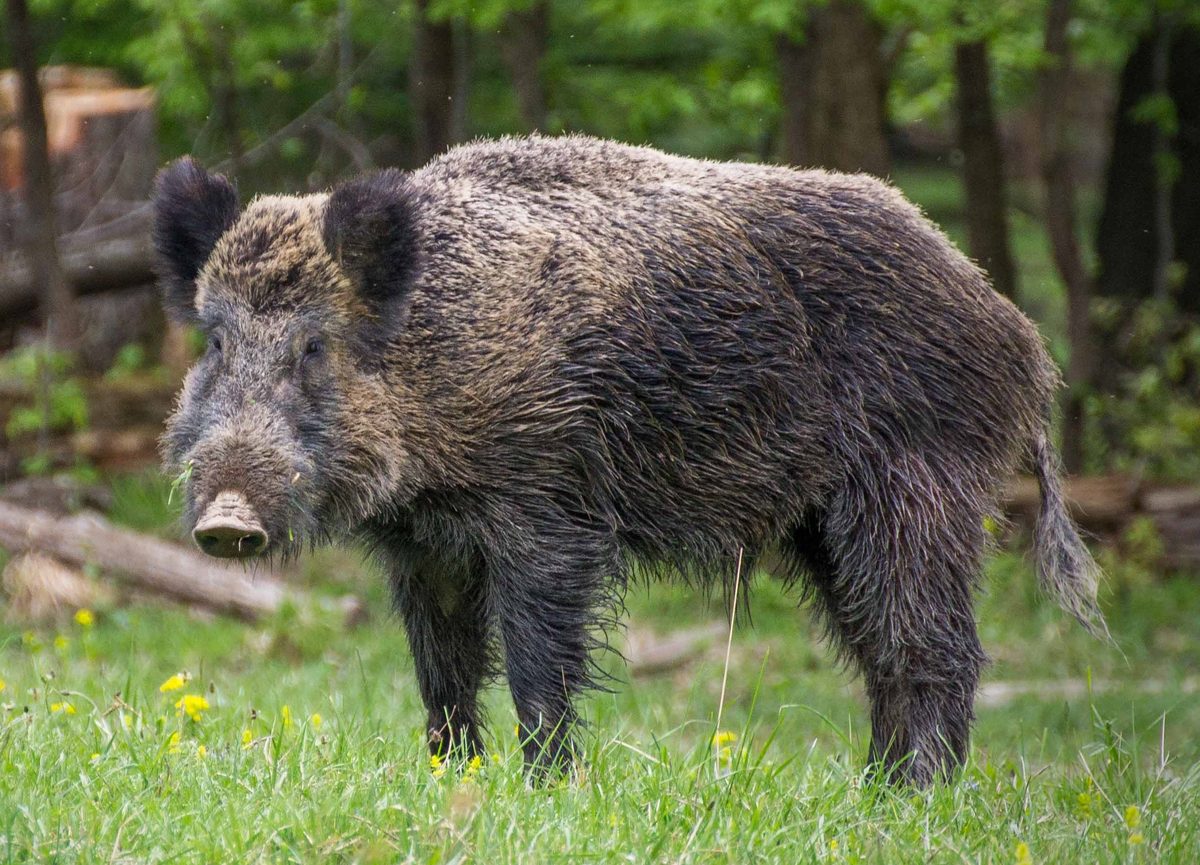 Big gameWild HogSus scrofa
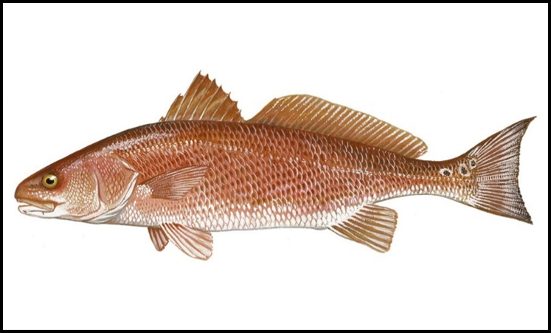 GamefishRed DrumSciaenops ocellatus
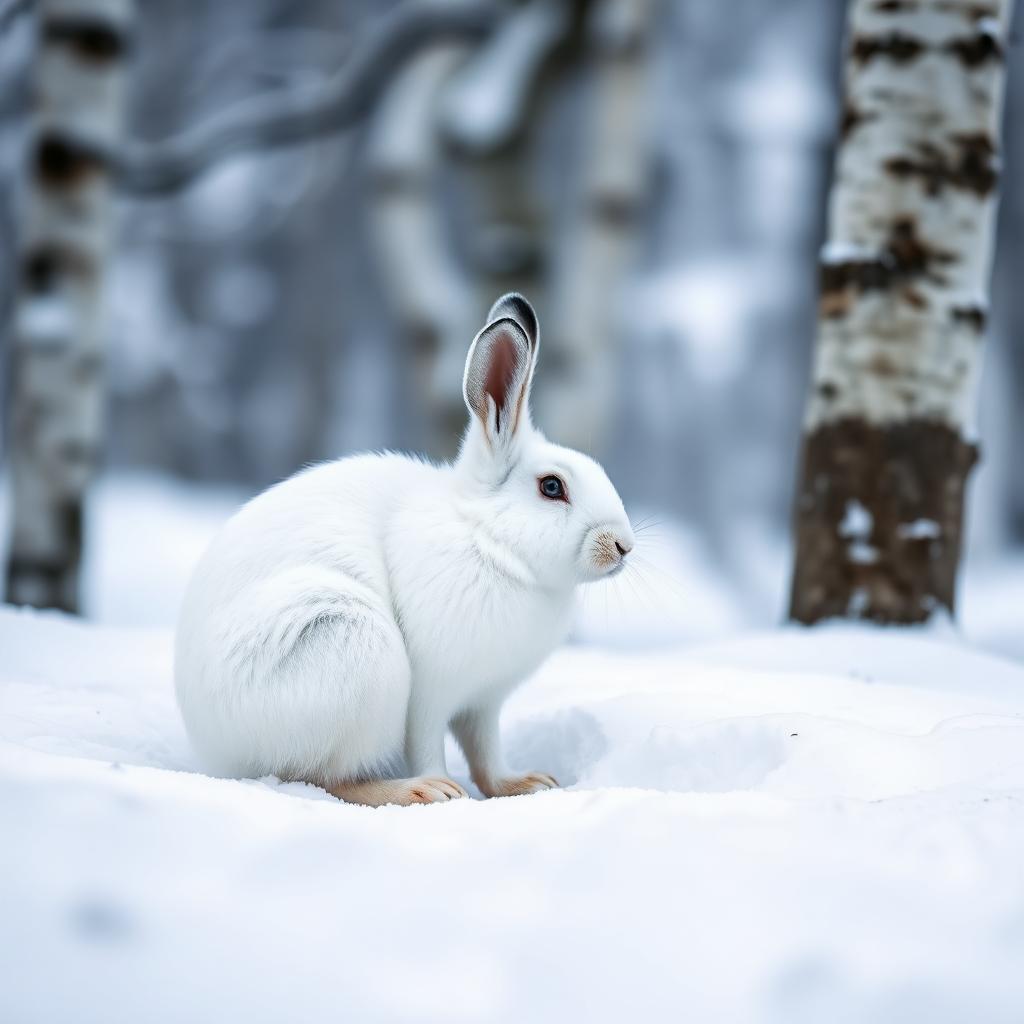 Wildlife guideSnowshoe hareLepus americanus
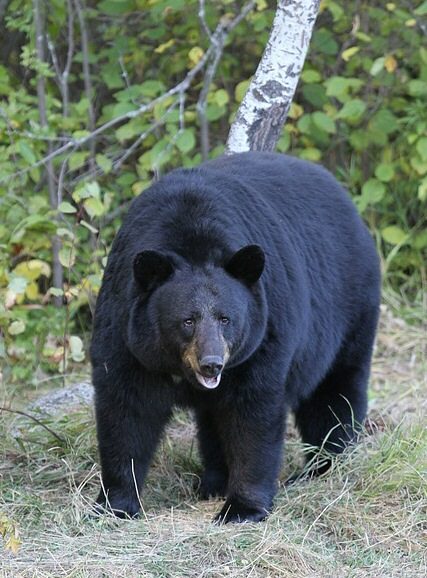 Big gameBlack BearUrsus americanus
Raised bogland in Croatan National Forest
Catfish Lake South Wilderness protects a predominantly raised-bog landscape in North Carolina’s Croatan National Forest. The surrounding forest occupies a coastal setting between the Atlantic Ocean and the Neuse River, with estuaries that support oysters, shrimp, and crabs. Here, the defining terrain is bogland rather than a developed hiking network. Roads border the wilderness, and Catfish Lake forms its northeastern edge, but there are no trails within the wilderness. That distinction matters when planning a visit: a road nearby does not establish a usable entrance or an easy walking route. Treat this as a destination requiring careful navigation and advance access checks, not a place to arrive expecting signed loops. Choose objectives conservatively and confirm a suitable entry location before setting out.
Wildlife and insectivorous plants
The wilderness supports an unusually varied collection of insectivorous plants: pitcher plants, round-leafed sundews, butterworts, Venus flytraps, and aquatic bladderworts. Their different forms make close observation rewarding without requiring a long walking itinerary. Leave plants undisturbed and avoid trampling vegetation while looking for them. Wildlife includes deer, bears, squirrels, rabbits, raccoons, muskrats, minks, and otters. Catfish Lake lies on the Atlantic Flyway and attracts ducks and geese; other birds recorded here include egrets, flycatchers, woodpeckers, hawks, woodcocks, owls, and ospreys. Binoculars are useful for watching birds and mammals without approaching them. Keep observation plans flexible rather than expecting particular sightings. With no trail system to guide movement, finding wildlife should remain secondary to maintaining a clear sense of position and a dependable way back.
Conditions and trip preparation
Biting insects are a significant part of the experience, so bring repellent and clothing that limits exposed skin. American alligators and venomous snakes occur here, including cottonmouths, copperheads, canebrake rattlers, eastern diamondback rattlers, and pygmy rattlers. Watch where hands and feet go, give animals space, and avoid approaching wildlife at the water’s edge. Carry navigation tools and drinking water, and keep plans modest in this trail-less bog environment. Catfish Lake draws anglers seeking bass, redbreast, bluegill, chain pickerel, warmouth, yellow perch, and catfish, though its high acidity can make fishing disappointing. Do not build a trip around an expected catch. Before departure, confirm current access arrangements, applicable permits, and activity rules with the Forest Service, including any requirements relevant to fishing or an overnight visit.
Sample itineraries
- Short bogland exploration · 1 day
After confirming legal access with the Forest Service, plan a conservative out-and-back in Catfish Lake South Wilderness. There are no trails. Keep the outing within your off-trail navigation ability, leave time to retrace your route, and observe carnivorous plants without disturbing the bog.
- Catfish Lake birdwatching · 1 day
Confirm a suitable legal approach before planning a birdwatching day near Catfish Lake, which borders the wilderness on the northeast. Look for ducks, geese, egrets, and ospreys. Do not assume there is a maintained shoreline route or developed access.
Seasonal conditions
Spring
Spring; confirm local conditions before departure.
Plan for trail-free travel through raised bogland. Check weather and ground conditions with the Forest Service rather than assuming an easy walking route. Carry insect protection.
Summer
Summer; confirm local conditions before departure.
Biting insects are a prominent concern in this coastal wilderness. Use protective clothing and repellent, carry drinking water, and adjust the outing to the forecast. No maintained trails simplify navigation.
Fall
Fall; confirm local conditions before departure.
Catfish Lake lies on the Atlantic Flyway and attracts ducks and geese. Confirm bird activity locally rather than relying on a fixed migration window. Off-trail navigation and bogland footing remain central planning concerns.
Winter
Winter; confirm local conditions before departure.
Do not assume winter makes the bogland firm or easy to cross. Check weather and ground conditions, carry appropriate layers, and keep a conservative turnaround plan in this trail-free wilderness.
| Season | Window | Conditions |
|---|---|---|
| Spring | Spring; confirm local conditions before departure. | Plan for trail-free travel through raised bogland. Check weather and ground conditions with the Forest Service rather than assuming an easy walking route. Carry insect protection. |
| Summer | Summer; confirm local conditions before departure. | Biting insects are a prominent concern in this coastal wilderness. Use protective clothing and repellent, carry drinking water, and adjust the outing to the forecast. No maintained trails simplify navigation. |
| Fall | Fall; confirm local conditions before departure. | Catfish Lake lies on the Atlantic Flyway and attracts ducks and geese. Confirm bird activity locally rather than relying on a fixed migration window. Off-trail navigation and bogland footing remain central planning concerns. |
| Winter | Winter; confirm local conditions before departure. | Do not assume winter makes the bogland firm or easy to cross. Check weather and ground conditions, carry appropriate layers, and keep a conservative turnaround plan in this trail-free wilderness. |
Permits, fees & closures
Confirm current permit requirements and activity rules with the Forest Service before visiting Catfish Lake South Wilderness.
Official source: Cane Creek Park | Union County, NC · Verified October 19, 2026
Hazards & regulations
- There are no trails. Carry reliable navigation tools and know how to retrace an off-trail route.
- Raised bogland can complicate footing and route choice. Avoid committing to ground you cannot safely cross and return through.
- Biting insects can make travel uncomfortable. Bring repellent and protective clothing.
- American alligators and venomous snakes occur here, including cottonmouths, copperheads, and several rattlesnakes. Watch where you step and keep your distance.
- Bears occur in the wilderness. Keep food secured and give wildlife space.
What to pack for Catfish Lake South Wilderness
- Detailed wilderness boundary map
- Compass and off-trail navigation skills
- Offline navigation device with backup power
- Insect repellent
- Long sleeves and long trousers
- Footwear suitable for wet ground
- Spare dry socks
- Drinking water
- Food and secure storage
- Weather-appropriate layers
- First-aid kit
- Headlamp
Catfish Lake South Wilderness FAQ
- What kind of landscape is Catfish Lake South Wilderness?
- It is primarily raised bogland in North Carolina's Croatan National Forest. The surrounding coastal ecosystem lies between the Atlantic Ocean and the Neuse River. Roads border the wilderness, with Catfish Lake along its northeast side.
- Are there hiking trails or a confirmed trailhead?
- There are no trails. Confirm legal access with the Forest Service before choosing an approach. The inventory map point is inside the wilderness, not a trailhead, campsite, or access point.
- Is this a suitable place for a casual marked-trail walk?
- No. This is trail-free bogland, not a maintained walking circuit. Visitors need off-trail navigation skills and a conservative route plan. Road boundaries do not establish usable entry points.
- What plants make the wilderness distinctive?
- Five genera of carnivorous plants occur here: pitcher plants, sundews, butterworts, Venus flytraps, and bladderworts. Observe them without collecting plants or disturbing their habitat.
- Is Catfish Lake a dependable fishing destination?
- The lake holds bass, redbreast, bluegill, chain pickerel, warmouth, yellow perch, and catfish, but its high acidity can make fishing disappointing. Confirm legal access and current fishing requirements before planning an outing.
- Do Cane Creek Park facilities and fees apply here?
- No. Cane Creek Park is a different destination. Its campgrounds, rentals, entrance fees, and reservation arrangements should not be used to plan a Catfish Lake South Wilderness visit.