



- Region
- AK, USA
- Country
- United States
- Best for
- hiking
- Best season
- Spring, Summer
- Permits
- Confirm current permit requirements and ac…
- Managed by
- U.S. Fish & Wildlife Service
Plan with verified data
Izembek Wilderness trip tools
Tools for a trip here
Picked for how, when and where you're going. Free, no signup.
Photos of Izembek Wilderness
How to get there
Most visitors reach the refuge through Cold Bay, traveling by commercial flight from Anchorage or by ferry with the Alaska Marine Highway System. Refuge headquarters is at 1 Izembek Drive in Cold Bay; its mini visitor center offers displays, information, and staff assistance. Contact headquarters at (907) 302-5029 to discuss onward access and trip plans.
- Cold Bay
The main gateway community for refuge visitors arriving by commercial flight from Anchorage or by Alaska Marine Highway System ferry. Arrange and confirm onward access before setting out.
- Refuge Headquarters
Located at 1 Izembek Drive in Cold Bay. This is an orientation and information stop, with a mini visitor center and refuge staff, rather than a wilderness trailhead.
Sources: fws.gov · University of Montana / federal agency partners · Wilderness Connect / federal wilderness boundary inventory. Confirm road and trailhead conditions with the managing agency before you leave.
AK, USA · United States
- Fishing
- Hunting
- Sea Kayaking
- Beachcombing
- Hiking
- Wildlife Viewing
- Winter Camping
Coastal wilderness at the end of the Alaska Peninsula
Izembek Wilderness occupies most of Izembek National Wildlife Refuge near the tip of the Alaska Peninsula, between the Bering Sea and the Gulf of Alaska. Land along a gravel road system and several private inholdings falls outside the wilderness. The landscape runs from coastal wetlands through low-growing tundra to glaciated mountains and volcanic terrain. Lakes, ponds, meandering rivers, and alder-lined streams interrupt the open country. Mount Frosty rises above 5,800 feet within the wilderness, while the Aghileen Pinnacles form part of its boundary with Alaska Peninsula National Wildlife Refuge. This is not a destination organized around marked hiking circuits: there are no maintained trails. Plan around the terrain, wildlife interests, and access information available from refuge staff rather than assuming a named landmark has an established route.
Izembek Lagoon and the fall migration
Izembek Lagoon is the ecological center of the refuge. Its extensive eelgrass beds feed and shelter migrating waterfowl, drawing hundreds of thousands of birds, including virtually the entire Pacific black brant population. Fall is a particularly important season for this gathering; spring also brings migrating brant through the lagoon. Canada and emperor geese, ducks, and shorebirds add to the concentrations, while tundra swans live here year-round. Sea otters inhabit the lagoon, and gray, minke, and killer whales migrate along the coast. Inland, salmon-bearing waters, brown bears, and wandering caribou herds broaden the wildlife picture. Bring binoculars or a spotting scope and give feeding and resting animals room. A wildlife-focused visit should allow time for observation without depending on close approaches or a particular sighting.
Planning for wind, wet ground, and unmaintained terrain
Strong winds, regular precipitation, and rugged ground shape travel here. Average summer temperatures range from 47 to 56 degrees Fahrenheit, so summer does not remove the need for insulating layers and weather protection. Waterproof outerwear, footwear suited to wet terrain, and reliable navigation tools are sensible foundations for an outing. Marshes, ponds, streams, and alder brush can complicate travel across apparently open country; choose objectives conservatively where there is no maintained trail to follow. Brown bears are part of this landscape, making careful food handling and bear-aware travel important. Hunting and fishing attract visitors, but trip planning should begin with the refuge headquarters in Cold Bay. Ask staff about current access, appropriate destinations, and the requirements for the activities being considered before heading into the wilderness.
Where on earth
Satellite imagery flying in from a world view to Izembek Wilderness, United States. Use the + / − buttons, or click the map to zoom with your scroll wheel; drag to pan and pinch to zoom on touch.
Coordinates
- Decimal degrees
- 55.3514, -162.3496
- Latitude (DMS)
- 55° 21′ 5.2″ N
- Longitude (DMS)
- 162° 20′ 58.5″ W
Coordinates are an access-point reference for Izembek Wilderness, not a route. Carry a paper map and confirm trailhead or put-in access with the managing agency before you go.
Topic summary
On the tip of the Alaska Peninsula, Izembek Wilderness sees a quarter-million migratory birds land every fall, including the entire world's population of black brants and thousands of Canada and emperor...
Key takeaways
- Region: AK, USA
- Country: United States
- Good for: hiking
- Coordinates: 55.351, -162.350
Intended uses
hiking
Keep planning
Popular pursuits at Izembek Wilderness
- Fishing
Resident gamefish, seasons, and the water that holds them.
- Hunting
Seasons, tags, and the units that hold animals.
- Sea Kayaking
Coastal crossings, tides, and protected camps.
- Beachcombing
Tide-line walking between camps.
- Hiking
Day miles on marked trail, with route notes and trail links below.
- Wildlife Viewing
Best light, best season, and where animals move.
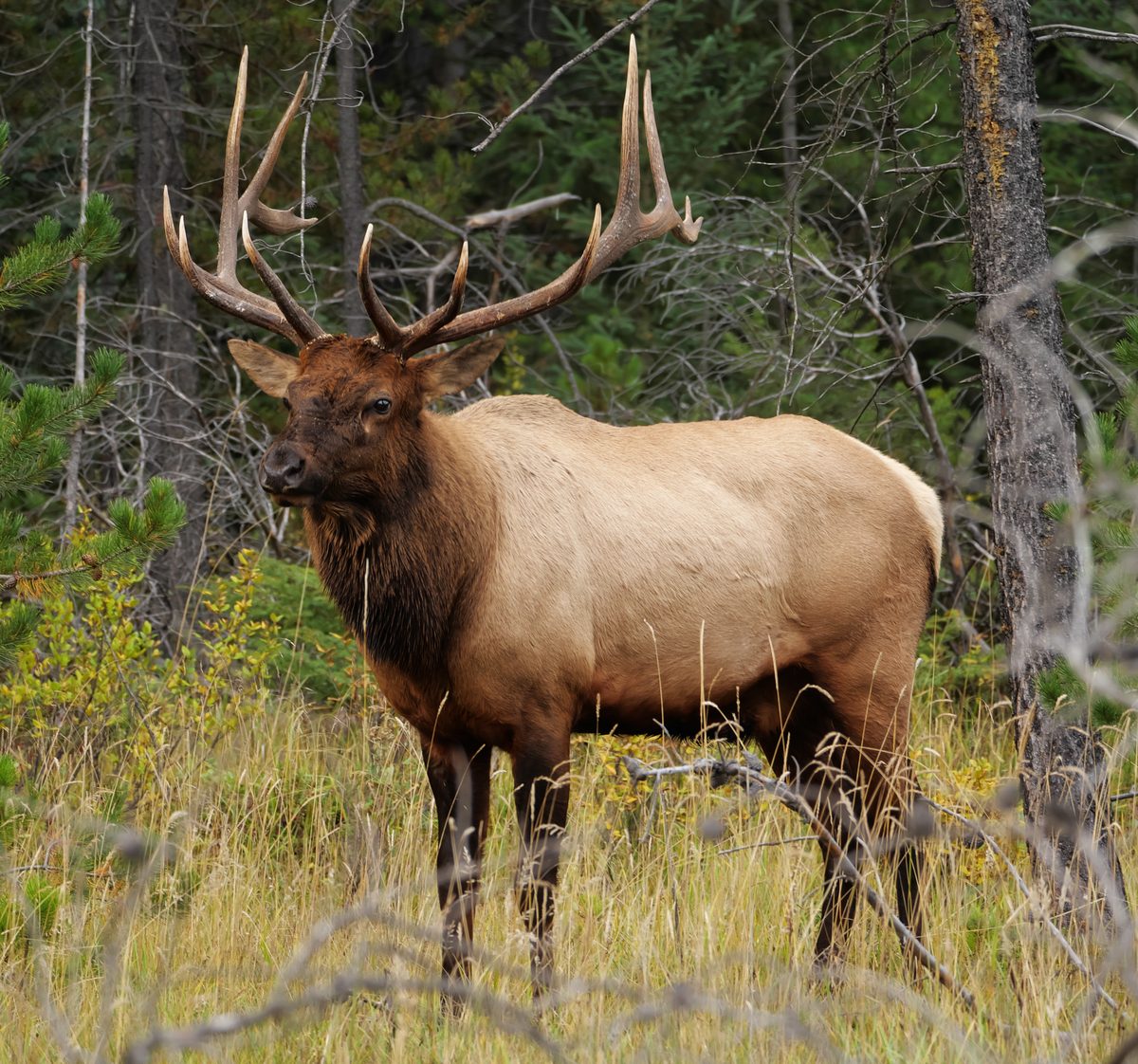
Animals around Izembek Wilderness
Coastal wilderness at the end of the Alaska Peninsula
Izembek Wilderness occupies most of Izembek National Wildlife Refuge near the tip of the Alaska Peninsula, between the Bering Sea and the Gulf of Alaska. Land along a gravel road system and several private inholdings falls outside the wilderness. The landscape runs from coastal wetlands through low-growing tundra to glaciated mountains and volcanic terrain. Lakes, ponds, meandering rivers, and alder-lined streams interrupt the open country. Mount Frosty rises above 5,800 feet within the wilderness, while the Aghileen Pinnacles form part of its boundary with Alaska Peninsula National Wildlife Refuge. This is not a destination organized around marked hiking circuits: there are no maintained trails. Plan around the terrain, wildlife interests, and access information available from refuge staff rather than assuming a named landmark has an established route.
Izembek Lagoon and the fall migration
Izembek Lagoon is the ecological center of the refuge. Its extensive eelgrass beds feed and shelter migrating waterfowl, drawing hundreds of thousands of birds, including virtually the entire Pacific black brant population. Fall is a particularly important season for this gathering; spring also brings migrating brant through the lagoon. Canada and emperor geese, ducks, and shorebirds add to the concentrations, while tundra swans live here year-round. Sea otters inhabit the lagoon, and gray, minke, and killer whales migrate along the coast. Inland, salmon-bearing waters, brown bears, and wandering caribou herds broaden the wildlife picture. Bring binoculars or a spotting scope and give feeding and resting animals room. A wildlife-focused visit should allow time for observation without depending on close approaches or a particular sighting.
Planning for wind, wet ground, and unmaintained terrain
Strong winds, regular precipitation, and rugged ground shape travel here. Average summer temperatures range from 47 to 56 degrees Fahrenheit, so summer does not remove the need for insulating layers and weather protection. Waterproof outerwear, footwear suited to wet terrain, and reliable navigation tools are sensible foundations for an outing. Marshes, ponds, streams, and alder brush can complicate travel across apparently open country; choose objectives conservatively where there is no maintained trail to follow. Brown bears are part of this landscape, making careful food handling and bear-aware travel important. Hunting and fishing attract visitors, but trip planning should begin with the refuge headquarters in Cold Bay. Ask staff about current access, appropriate destinations, and the requirements for the activities being considered before heading into the wilderness.
Route options
- Izembek Lagoon wildlife observation
Use the lagoon as the focus for a birdwatching outing, particularly during migration. Confirm suitable access and observation locations with refuge staff; this is a destination-based option, not a marked trail or established circuit.
- Izembek Wilderness off-trail explorationUnmaintained terrain requiring navigation and conservative route selection.
Discuss a conservative tundra or wetland outing with refuge staff based on current access and conditions. No maintained trails exist, and lakes, streams, brush, and rugged terrain require route-finding. No fixed itinerary is specified.
Sample itineraries
- Cold Bay Orientation and Lagoon Wildlife · 2 days
Use Cold Bay as the starting point. Spend the first day at refuge headquarters reviewing maps and discussing access with staff. Set aside the second day for wildlife observation around Izembek Lagoon, with the outing chosen around current conditions and confirmed access.
- Fall Migration Visit · 3 days
Begin with an access and conditions check at refuge headquarters in Cold Bay. Allow two further days for birdwatching around Izembek Lagoon, where Pacific black brant gather during fall migration. Keep plans flexible for strong winds; this is a wildlife-focused visit, not a marked hiking circuit.
Seasonal conditions
Spring
Spring migration
Pacific black brant stop at Izembek Lagoon during their migration between the Arctic and Baja. Prepare for exposed coastal conditions and wet terrain; confirm local conditions before choosing an outing.
Summer
Summer
Average temperatures range from 47°F to 56°F. Strong winds and precipitation call for warm layers and waterproof clothing even in summer. No maintained trails exist, and rugged terrain can limit travel.
Fall
Fall migration
Hundreds of thousands of waterfowl use the lagoon, including virtually the entire Pacific black brant population. Eelgrass beds provide feeding and resting habitat. Plan birdwatching around wind and local access conditions.
Winter
Winter
Average temperatures range from 24°F to 33°F. Strong winds increase exposure concerns. Tundra swans remain year-round, but winter outings require insulation, weather protection, and conservative plans.
| Season | Window | Conditions |
|---|---|---|
| Spring | Spring migration | Pacific black brant stop at Izembek Lagoon during their migration between the Arctic and Baja. Prepare for exposed coastal conditions and wet terrain; confirm local conditions before choosing an outing. |
| Summer | Summer | Average temperatures range from 47°F to 56°F. Strong winds and precipitation call for warm layers and waterproof clothing even in summer. No maintained trails exist, and rugged terrain can limit travel. |
| Fall | Fall migration | Hundreds of thousands of waterfowl use the lagoon, including virtually the entire Pacific black brant population. Eelgrass beds provide feeding and resting habitat. Plan birdwatching around wind and local access conditions. |
| Winter | Winter | Average temperatures range from 24°F to 33°F. Strong winds increase exposure concerns. Tundra swans remain year-round, but winter outings require insulation, weather protection, and conservative plans. |
Permits, fees & closures
Confirm current permit requirements and activity-specific rules with the U.S. Fish & Wildlife Service at Izembek refuge headquarters before traveling.
Official source: Izembek National Wildlife Refuge | U.S. Fish & Wildlife Service · Verified November 1, 2026
Hazards & regulations
- Strong winds and exposed coastal terrain can make travel uncomfortable and increase heat loss. Carry windproof and waterproof layers.
- No maintained trails exist in the wilderness. Rugged ground requires navigation skills and conservative turnaround decisions.
- Wetlands, lakes, ponds, and alder-lined streams complicate overland travel. Do not assume a direct line on a map is a practical route.
- Brown bears inhabit the refuge. Maintain distance, avoid surprising bears, and plan secure food storage.
- Glaciated mountains and volcanic terrain are not casual extensions of a lagoon visit. Match objectives to skills and equipment.
What to pack for Izembek Wilderness
- Waterproof jacket and pants
- Warm insulating layers
- Windproof outer layer
- Warm hat and gloves
- Detailed map and compass
- Offline navigation with backup power
- Emergency shelter
- First-aid kit
- Remote communication device
- Water-resistant footwear suitable for wet, uneven ground
- Dry bags for essential gear
- Binoculars or spotting scope
- Bear-safety supplies and secure food storage
Izembek Wilderness FAQ
- How do visitors reach Izembek?
- Most visitors approach through Cold Bay, reached by commercial flight from Anchorage or by Alaska Marine Highway System ferry. Travel is logistically challenging. Confirm transportation and onward access before committing to an itinerary.
- Where should trip planning begin?
- Visit refuge headquarters at 1 Izembek Drive in Cold Bay. Its mini visitor center has displays, exhibits, and information; staff can help with planning. The headquarters phone number is (907) 302-5029.
- Are there maintained hiking trails?
- No maintained trails exist in Izembek Wilderness. Expect rugged terrain rather than a signed trail network. Discuss suitable outings with refuge staff and carry independent navigation tools.
- When is the main birdwatching draw?
- Fall brings major waterfowl concentrations, including virtually the entire Pacific black brant population. Spring also brings migrating brant. Izembek Lagoon's extensive eelgrass beds are central to these stopovers.
- Is the entire refuge designated wilderness?
- No. Izembek Wilderness covers most of Izembek National Wildlife Refuge, excluding land along a gravel road system and several private inholdings. Confirm boundaries and access rather than assuming roadside land is wilderness or open to entry.
- What landscape should visitors expect?
- Coastal marshes and low-growing tundra surround lakes, ponds, and alder-lined streams. Izembek Lagoon holds extensive eelgrass beds, while volcanic and glaciated mountains rise inland. The Aghileen Pinnacles form part of the boundary with Alaska Peninsula National Wildlife Refuge.