



- Region
- WA, USA
- Country
- United States
- Best for
- hiking
- Best season
- Spring, Summer
- Permits
- Confirm current permit requirements and ac…
- Managed by
- Bureau of Land Management, Spokane District Office
Plan with verified data
Juniper Dunes Wilderness trip tools
Tools for a trip here
Picked for how, when and where you're going. Free, no signup.
Photos of Juniper Dunes Wilderness
How to get there
Juniper Dunes Wilderness lies approximately seven miles northeast of Pasco. For the final approach, follow paved Juniper Dunes Road to its northern end, where it meets a primitive OHV access road. Continue north 1.25 miles to the upper OHV parking and staging area in loose sand. Another road mile north reaches the signed Wilderness Road intersection; Wilderness Road continues one more mile to the Wilderness Gate. High-clearance four-wheel drive is strongly recommended beyond the pavement, and even suitable vehicles can become stuck. Stop earlier and continue on foot or horseback if conditions or vehicle capability do not support further driving. Confirm the approach with BLM before departure.
- Northern end of paved Juniper Dunes Road
The transition from pavement to the primitive OHV access road. Many visitors park or unload here and continue on foot, horseback or an OHV suited to dunes travel. Motorized travel must stop before entering the wilderness.
- Upper OHV parking and staging area
Located 1.25 miles north of the pavement along the primitive access road. The staging area itself has loose sand. Vehicles pulling trailers must not continue beyond it, and the risk of getting stuck increases farther north.
- Wilderness Gate
The main wilderness entrance, at its southern end. Reach it by Wilderness Road, where even high-clearance four-wheel-drive vehicles can become stuck. Only non-motorized, non-mechanized travel is allowed beyond the gate.
Sources: blm.gov · University of Montana / federal agency partners · Wilderness Connect / federal wilderness boundary inventory. Confirm road and trailhead conditions with the managing agency before you leave.
WA, USA · United States
- Winter Camping
- Skiing
- Hiking
- Wildlife Viewing
Dunes, old junipers and open country
Juniper Dunes Wilderness protects more than 7,140 acres of sand dunes and scattered western junipers in eastern Washington, approximately seven miles northeast of Pasco. Designated in 1984, it preserves the northernmost growth of western juniper, including trees around 150 years old. Strong southwest winds shape dunes that reach 130 feet high and 1,200 feet wide. Elevations range from 750 to 1,130 feet, but the low elevation does not make this an easy walking landscape: loose sand and the absence of maintained trails call for deliberate route choices. Junipers are the only trees growing here in significant numbers, with bushes and flowers adding variety in spring. Hiking and horseback riding are the ways to explore inside the wilderness. Plan a self-directed outing rather than a signed trail circuit, and keep enough time and energy for the sandy return to the access road.
Access is the main planning challenge
The wilderness is entirely surrounded by private land, and the Wilderness Gate is its main entrance. Reaching that gate is not a routine passenger-car approach. Paved Juniper Dunes Road ends at a primitive OHV access road with loose sand and large, rolling humps. High-clearance four-wheel drive is strongly recommended beyond the pavement, but even those vehicles can become stuck on Wilderness Road. Dry sand makes warm-month travel especially difficult; late fall through late winter typically offers the best road conditions, not a guarantee of passage. The broader Juniper Dunes recreation area includes three adjoining designations: wilderness, an Area of Critical Environmental Concern and an OHV Open Area. Their rules differ. Motorized and mechanized travel are not allowed inside the wilderness. Choose where to stop driving before committing to deeper sand, and never take a vehicle pulling a trailer beyond the upper OHV parking and staging area.
Water, weather and overnight preparation
There is no water in the wilderness and no facilities or services at the site, including accessible facilities. Carry the water needed for the entire outing; horseback trips also require a water plan for the animals. Annual precipitation is only seven to eight inches, while summer temperatures occasionally exceed 100 degrees Fahrenheit. Winter brings roughly a foot of snow, and overnight visitors should expect substantial temperature changes. Spring flowers offer a reason to visit in that season, but wind, temperature and sandy access conditions still matter more than the calendar. Pack sun protection, layers and navigation tools for unmaintained terrain. Open fires are prohibited; cooking is restricted to camp stoves. Wildlife includes mule deer, coyotes, badgers, hawks, owls and rattlesnakes. Give animals space and watch where hands and feet go. Before an overnight trip, confirm current requirements and access conditions with the Bureau of Land Management.
Where on earth
Satellite imagery flying in from a world view to Juniper Dunes Wilderness, United States. Use the + / − buttons, or click the map to zoom with your scroll wheel; drag to pan and pinch to zoom on touch.
Coordinates
- Decimal degrees
- 46.3913, -118.8551
- Latitude (DMS)
- 46° 23′ 28.6″ N
- Longitude (DMS)
- 118° 51′ 18.5″ W
Coordinates are an access-point reference for Juniper Dunes Wilderness, not a route. Carry a paper map and confirm trailhead or put-in access with the managing agency before you go.
Topic summary
The Juniper Dunes Wilderness preserves the northernmost growth of western juniper, some of which have been around for 150 years, along with windswept sand dunes measuring 130 feet in height and 1,000 feet...
Key takeaways
- Region: WA, USA
- Country: United States
- Good for: hiking
- Coordinates: 46.391, -118.855
Intended uses
hiking
Keep planning
Popular pursuits at Juniper Dunes Wilderness
- Winter Camping
Cold-season travel and camp craft; layering matters more than mileage.
- Skiing
Ski-touring access when the road closes for the season.
- Hiking
Day miles on marked trail, with route notes and trail links below.
- Wildlife Viewing
Best light, best season, and where animals move.
Animals around Juniper Dunes Wilderness

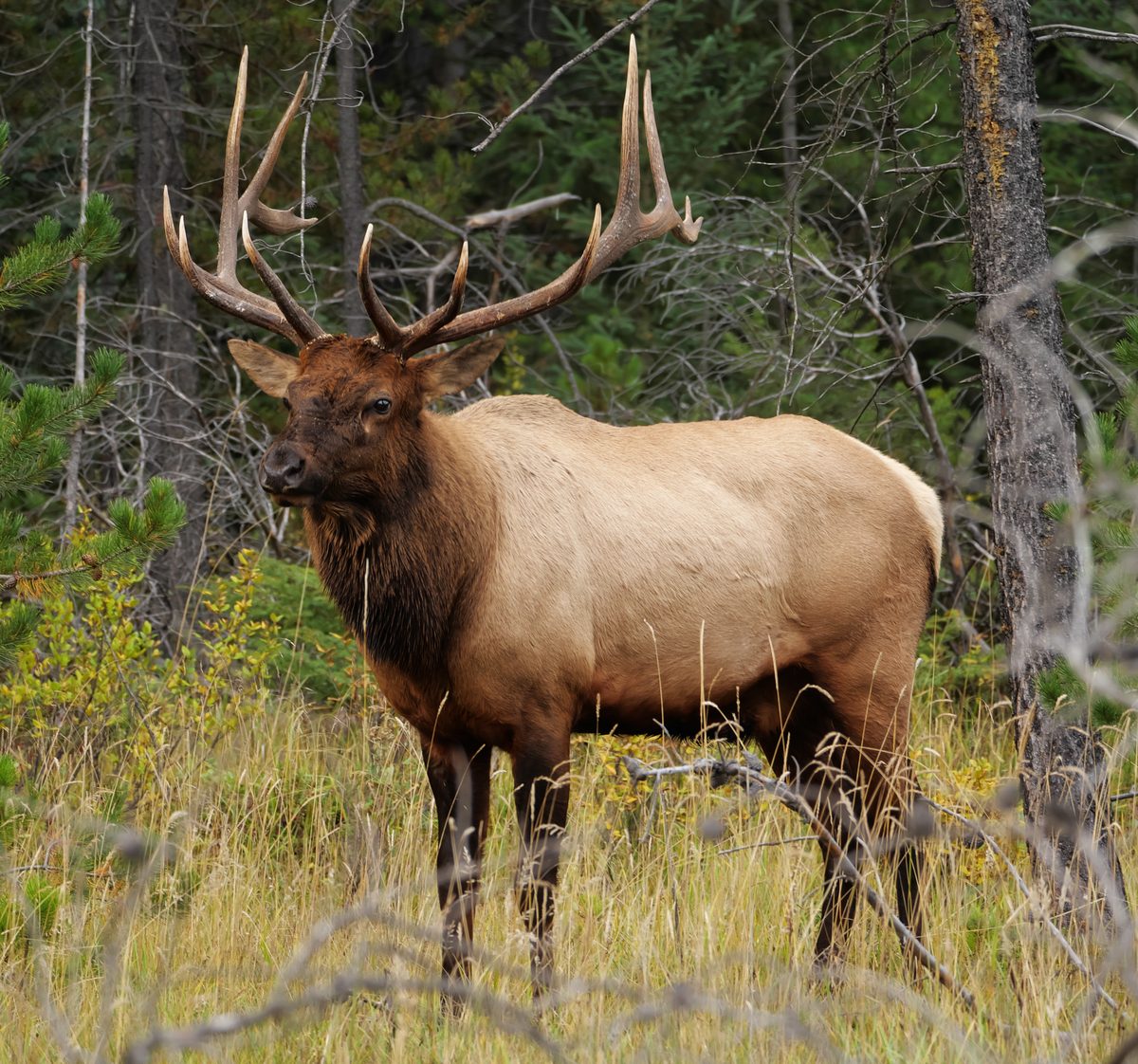
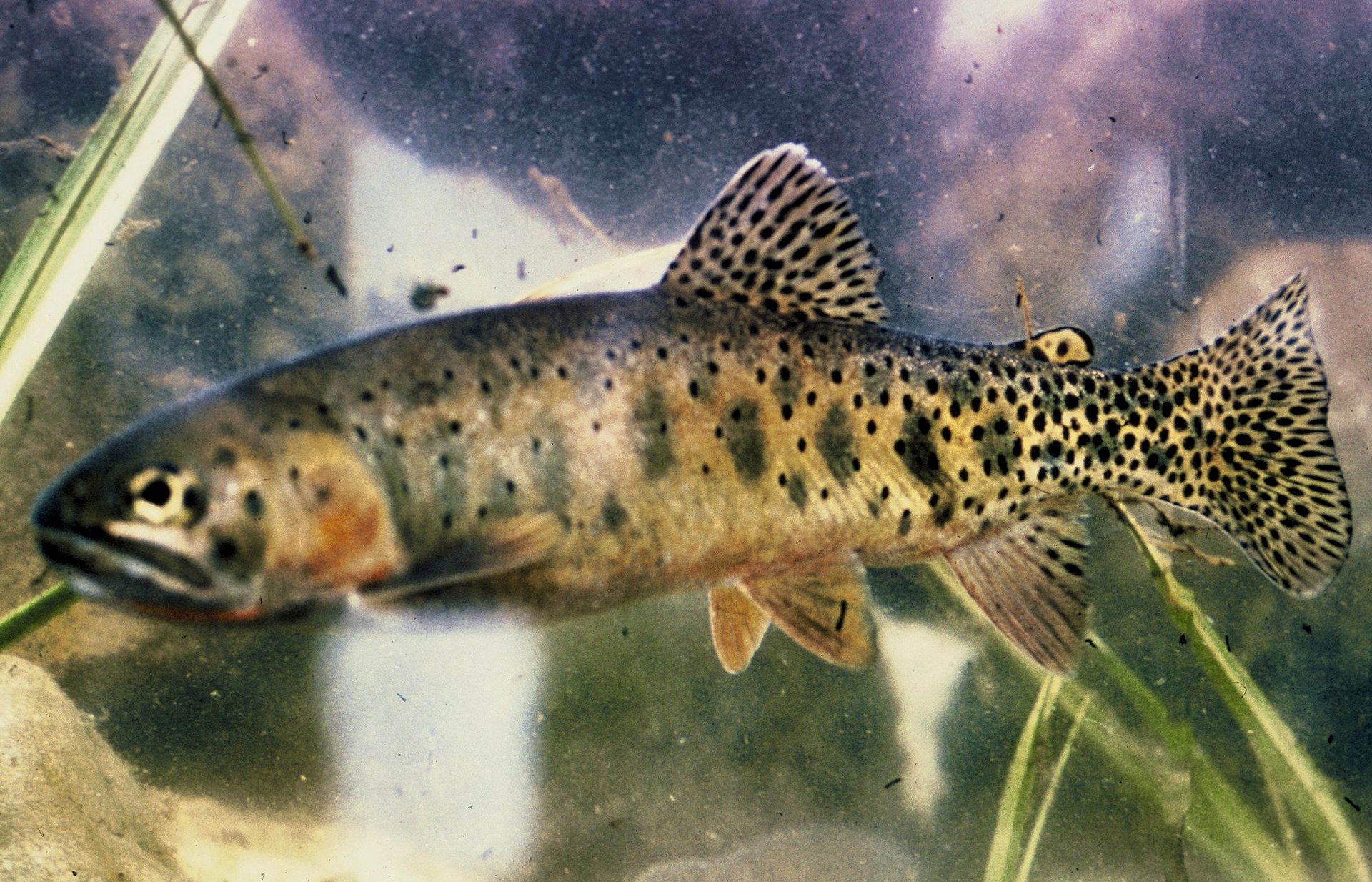

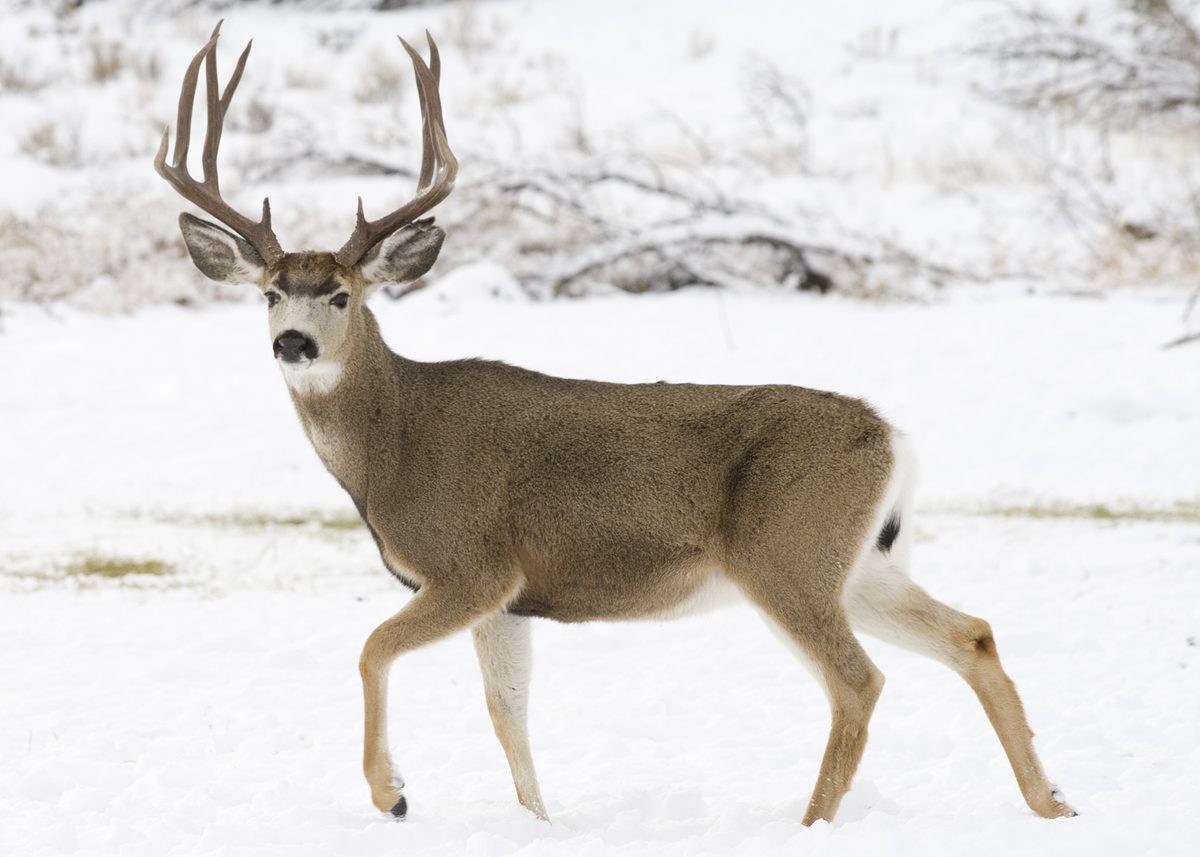
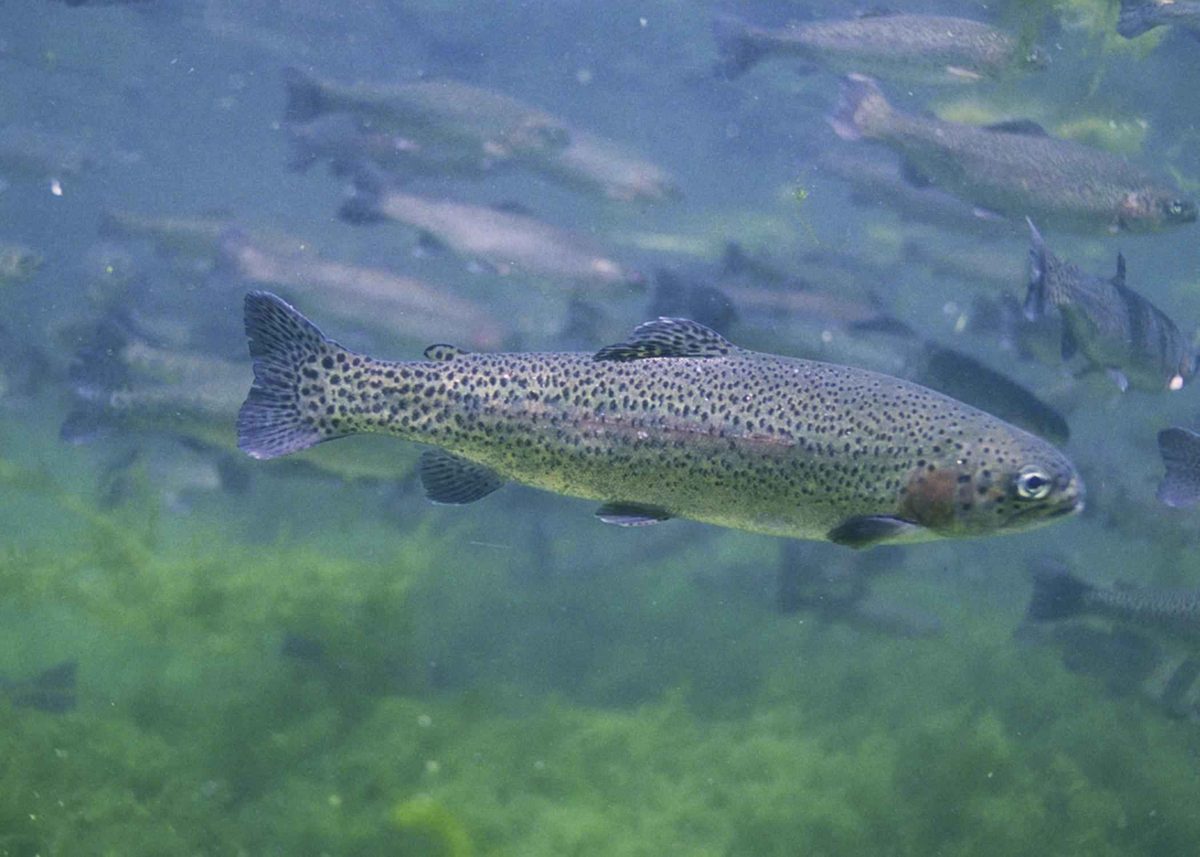

Dunes, old junipers and open country
Juniper Dunes Wilderness protects more than 7,140 acres of sand dunes and scattered western junipers in eastern Washington, approximately seven miles northeast of Pasco. Designated in 1984, it preserves the northernmost growth of western juniper, including trees around 150 years old. Strong southwest winds shape dunes that reach 130 feet high and 1,200 feet wide. Elevations range from 750 to 1,130 feet, but the low elevation does not make this an easy walking landscape: loose sand and the absence of maintained trails call for deliberate route choices. Junipers are the only trees growing here in significant numbers, with bushes and flowers adding variety in spring. Hiking and horseback riding are the ways to explore inside the wilderness. Plan a self-directed outing rather than a signed trail circuit, and keep enough time and energy for the sandy return to the access road.
Access is the main planning challenge
The wilderness is entirely surrounded by private land, and the Wilderness Gate is its main entrance. Reaching that gate is not a routine passenger-car approach. Paved Juniper Dunes Road ends at a primitive OHV access road with loose sand and large, rolling humps. High-clearance four-wheel drive is strongly recommended beyond the pavement, but even those vehicles can become stuck on Wilderness Road. Dry sand makes warm-month travel especially difficult; late fall through late winter typically offers the best road conditions, not a guarantee of passage. The broader Juniper Dunes recreation area includes three adjoining designations: wilderness, an Area of Critical Environmental Concern and an OHV Open Area. Their rules differ. Motorized and mechanized travel are not allowed inside the wilderness. Choose where to stop driving before committing to deeper sand, and never take a vehicle pulling a trailer beyond the upper OHV parking and staging area.
Water, weather and overnight preparation
There is no water in the wilderness and no facilities or services at the site, including accessible facilities. Carry the water needed for the entire outing; horseback trips also require a water plan for the animals. Annual precipitation is only seven to eight inches, while summer temperatures occasionally exceed 100 degrees Fahrenheit. Winter brings roughly a foot of snow, and overnight visitors should expect substantial temperature changes. Spring flowers offer a reason to visit in that season, but wind, temperature and sandy access conditions still matter more than the calendar. Pack sun protection, layers and navigation tools for unmaintained terrain. Open fires are prohibited; cooking is restricted to camp stoves. Wildlife includes mule deer, coyotes, badgers, hawks, owls and rattlesnakes. Give animals space and watch where hands and feet go. Before an overnight trip, confirm current requirements and access conditions with the Bureau of Land Management.
Route options
- Wilderness Road approach to the Wilderness Gate1 mile from the Wilderness Road intersection to the gateLoose-sand road approach
From the signed Wilderness Road intersection, follow the sandy road to the gate. Walking this approach avoids driving the final stretch with its substantial risk of getting stuck, but reaching the intersection requires additional travel from the parking areas.
- Juniper Dunes Wilderness exploration from the Wilderness GateUnmaintained terrain with loose sand and route-finding
Enter on foot or horseback and choose a route through dunes and scattered junipers. This is self-directed travel, not a maintained or signed trail circuit. Carry all water, navigate carefully and choose a turnaround that accounts for the return across sand and any road walk back to the vehicle.
Sample itineraries
- Wilderness Gate day hike · 1 day
Approach via paved Juniper Dunes Road and assess conditions before continuing onto the primitive access road. Walk to the Wilderness Gate rather than risk driving Wilderness Road. Explore the dunes on foot, keeping the return within available water and daylight. There are no maintained trails.
- Juniper and dunes overnight · 2 days
Enter through the Wilderness Gate for a self-supported backpack among windswept dunes and western junipers. Carry all drinking and cooking water, navigate without maintained trails, and prepare for large overnight temperature changes. Use a camp stove only; open fires are prohibited. Return along the planned approach.
- Horseback wilderness day · 1 day
Leave trailers no farther along the approach than the upper OHV parking/staging area. Continue toward Wilderness Road and the Wilderness Gate on horseback. Plan a conservative ride through unmaintained dune terrain, carrying water for riders and horses. Keep motorized travel outside the wilderness.
Seasonal conditions
Spring
Spring bloom season
Bushes and wildflowers bloom among the junipers and dunes. This remains a dry landscape with no wilderness water sources. Prepare for wind and temperature changes rather than assuming mild conditions throughout the day.
Summer
Summer and warm months
Temperatures occasionally exceed 100°F. Dry, loose sand increases the risk of vehicles becoming stuck, especially on Wilderness Road. Carry all water and keep outings conservative in heat.
Fall
Fall; late fall for typically better road conditions
Late fall begins the period when Wilderness Road conditions are typically at their best, but even high-clearance four-wheel-drive vehicles can easily become stuck. Prepare for strong wind and large overnight temperature variations.
Winter
Winter through late winter
About a foot of snow falls in winter. Prepare for cold, wind, and overnight temperature swings. Road conditions are typically best from late fall to late winter, but loose sand still makes vehicle access risky.
| Season | Window | Conditions |
|---|---|---|
| Spring | Spring bloom season | Bushes and wildflowers bloom among the junipers and dunes. This remains a dry landscape with no wilderness water sources. Prepare for wind and temperature changes rather than assuming mild conditions throughout the day. |
| Summer | Summer and warm months | Temperatures occasionally exceed 100°F. Dry, loose sand increases the risk of vehicles becoming stuck, especially on Wilderness Road. Carry all water and keep outings conservative in heat. |
| Fall | Fall; late fall for typically better road conditions | Late fall begins the period when Wilderness Road conditions are typically at their best, but even high-clearance four-wheel-drive vehicles can easily become stuck. Prepare for strong wind and large overnight temperature variations. |
| Winter | Winter through late winter | About a foot of snow falls in winter. Prepare for cold, wind, and overnight temperature swings. Road conditions are typically best from late fall to late winter, but loose sand still makes vehicle access risky. |
Permits, fees & closures
Confirm current permit requirements and access rules with the BLM Spokane District Office before traveling.
Official source: Juniper Dunes Wilderness - Washington · Verified November 1, 2026
Hazards & regulations
- Loose sand and large humps complicate the primitive access road. Even high-clearance four-wheel-drive vehicles can become stuck on Wilderness Road. Never tow trailers beyond the upper OHV parking/staging area.
- Summer temperatures can exceed 100°F, and there is no water in the wilderness. Carry the full trip supply and allow a reserve.
- No maintained trails cross the wilderness. Carry navigation tools and track the return to the Wilderness Gate.
- Strong southwest winds and large overnight temperature changes require wind protection and suitable overnight insulation.
- Rattlesnakes inhabit the area. Watch foot and hand placement and give snakes room.
- Private land surrounds the entire wilderness. Use the established Wilderness Gate approach and verify boundaries before exploring.
What to pack for Juniper Dunes Wilderness
- All drinking and cooking water, plus a reserve
- Sun hat and sunscreen
- Sun-protective clothing
- Map showing wilderness boundaries and the Wilderness Gate approach
- Compass and offline navigation
- Headlamp
- First-aid kit
- Wind-resistant outer layer
- Insulating layers for temperature swings
- Season-appropriate shelter and sleep system for overnight trips
- Camp stove and fuel if cooking; no open fires
Juniper Dunes Wilderness FAQ
- What makes Juniper Dunes Wilderness distinctive?
- This Washington wilderness protects over 7,140 acres of dunes and the northernmost growth of western juniper. Some junipers are around 150 years old. Dunes reach 130 feet high, with spring flowers adding seasonal variety to the dry landscape.
- How do visitors reach the Wilderness Gate?
- Follow paved Juniper Dunes Road to its northern end. The primitive access road continues north 1.25 miles to the upper OHV staging area, then another mile to the signed Wilderness Road intersection. Wilderness Road continues one mile to the gate. Driving the sandy approach is risky; plan where to stop and walk.
- Are OHVs or bicycles allowed inside the wilderness?
- No. Only non-motorized, non-mechanized access is allowed inside the wilderness. Hiking and horseback riding are options. The adjoining OHV Open Area and Area of Critical Environmental Concern have separate use regulations; do not treat the entire Juniper Dunes recreation area as one riding zone.
- Are there trails, water, or facilities?
- There are no maintained trails or water in the wilderness, and no facilities or services are available. There are no accessible facilities. Plan for independent navigation and carry everything needed for the outing.
- Can visitors have a campfire?
- No. Open fires are prohibited. Cooking fires are restricted to camp stoves.
- Who manages the wilderness?
- The Bureau of Land Management manages Juniper Dunes Wilderness. Contact the Spokane District Office at 509-536-1200 or BLM_OR_SP_Mail@blm.gov to confirm current access conditions and trip requirements.