


Where on earth
Satellite imagery flying in from a world view to Virgin Islands National Park, United States. Use the + / − buttons, or click the map to zoom with your scroll wheel; drag to pan and pinch to zoom on touch.
- Region
- US Virgin Islands
- Country
- United States
- Biome
- Caribbean tropical + coral reef
- Best season
- December – April
- Difficulty
- moderate
- Backpacking
- Hiking
- Sea Kayaking
- Beachcombing
- Snorkeling
- Diving
Key takeaways
- Biome: Caribbean tropical + coral reef
- Best season: December – April
- Difficulty: moderate
- Top activity: hiking
Topic summary
Two-thirds of St. John — white sand beaches, coral reefs, and sugar plantation ruins in the Caribbean.
Key takeaways
- Difficulty: moderate
- Best season: December – April
Intended uses
- hiking
- camping
- backpacking
Climate suitability
Caribbean tropical + coral reef
Verification notes
Last verified January 1, 1970.
Tools for a trip here
Picked for how, when and where you're going. Free, no signup.
- Sleep System Temp CalculatorCold nights: check your bag and pad add up to a safe sleep.
- Base Weight CalculatorEvery ounce is carried — total your kit and find your base weight.
- Pack Volume SizerSize the pack for your trip length and season.
- Water Purification MatrixTreat water from streams and lakes on trail.
- Layering CalculatorCold-season miles: layer for climbs and camp.
Plan with verified data
Virgin Islands National Park trip tools
How to get there
The park’s headquarters and visitor center are at 1300 Cruz Bay Creek, St. John, VI 00830. Contact the National Park Service at 340-776-6201 for access information before arranging travel.
- Cruz Bay Visitor Center
Park headquarters and a contact point for visitor information and federal recreation passes. Pass purchases here require a credit or debit card; cash is not accepted.
- Trunk Bay
The fee booth sells Trunk Bay day passes. The expanded amenity fee applies from sunrise until sunset to visitors ages 16 and older. Bring a card or mobile payment method.
- Cruz Bay Finger Pier
One of the park’s overnight mooring payment-station locations. Pay before spending the night and confirm mooring availability before making payment.
Sources: nps.gov · Wikipedia. Confirm road and trailhead conditions with the managing agency before you leave.
Popular pursuits at Virgin Islands National Park
- Backpacking
Multi-day travel with everything on your back — see the packing blocks below.
- Hiking
Day miles on marked trail, with route notes and trail links below.
- Sea Kayaking
Coastal crossings, tides, and protected camps.
- Beachcombing
Tide-line walking between camps.
- Snorkeling
Clear-water days and shore entries.
- Diving
Charter access and seasonal visibility.
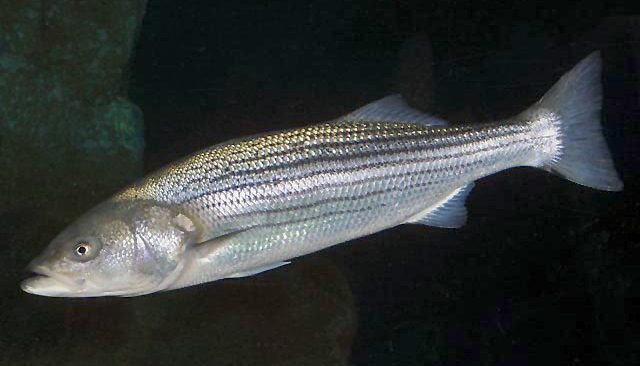
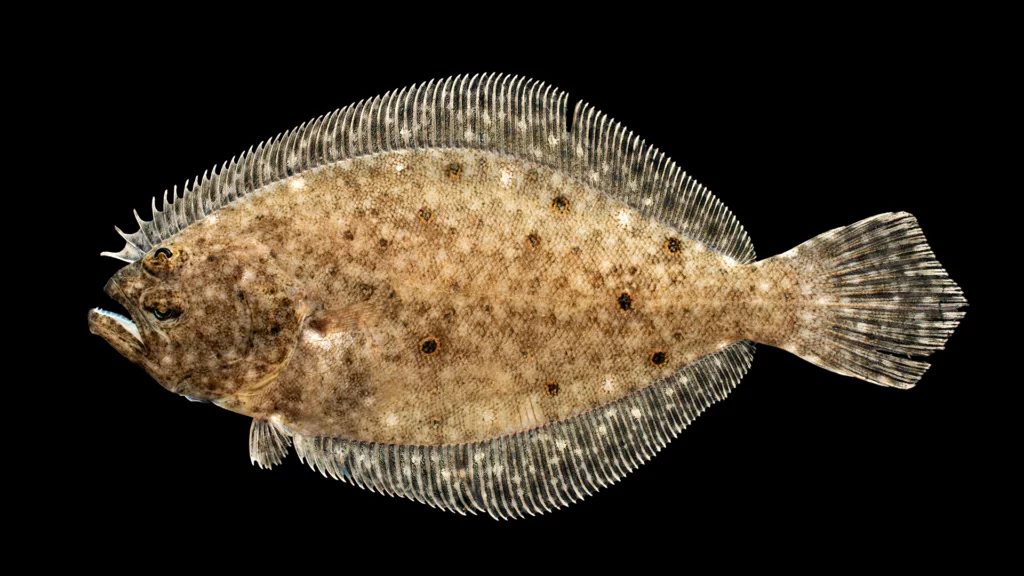
Animals around Virgin Islands National Park

Maps, GPS & compass for this trip
Carry a waterproof paper map and a compass you can steer by, and treat the GPS as the backup — not the other way round. Buying links go to Amazon; Wild10 earns a commission at no cost to you.
Waterproof topo maps
- Waterproof topographic map — Virgin Islands National ParkAmazon search for waterproof, tear-resistant topo maps covering this area.
- National Geographic Trails IllustratedThe waterproof Trails Illustrated series — check for a sheet covering this area.
- Waterproof map case & compass lanyardKeep a paper map readable in rain, spray and a swamped boat.
Fishing at Virgin Islands National Park
Planning to fish Virgin Islands National Park, US Virgin Islands? Fishing licences, open seasons and catch limits in US Virgin Islands are set by the local wildlife authority and change every year — check the official source before you cast a line.
Do I need a fishing licence at Virgin Islands National Park?
- A US Virgin Islands fishing licence is normally required for anyone over the local youth age.
- Read the current US Virgin Islands fishing regulations for special waters, barbless-hook or catch-and-release rules.
- Clean, drain and dry boats and gear between waters to stop invasive species.
- Virgin Islands National Park may add its own fishing rules on top of US Virgin Islands law — check the managing agency too.
We don't have a verified licensing link on file for US Virgin Islands yet — contact the park or land manager listed on this page for current hunting and fishing rules.
Hunting near Virgin Islands National Park
Thinking about hunting Virgin Islands National Park, US Virgin Islands? Hunting seasons, tags and draws in US Virgin Islands are set by the wildlife authority each year. Confirm the rules for your species and unit before you go.
Is hunting allowed at Virgin Islands National Park?
- Hunting is prohibited or heavily restricted in many national parks, wilderness and protected areas — confirm with the Virgin Islands National Park land manager before planning a hunt, and look to surrounding public land.
What do I need to hunt in US Virgin Islands?
- A US Virgin Islands hunting licence — most jurisdictions also require hunter education certification.
- Species tags or draw results for big game such as deer, elk, moose or bear where they occur.
- Knowledge of firearm and bow transport rules, which differ by land type and border crossing.
We don't have a verified licensing link on file for US Virgin Islands yet — contact the park or land manager listed on this page for current hunting and fishing rules.
Plan around Trunk Bay and the park’s bays
Virgin Islands National Park is managed by the National Park Service, with its headquarters and visitor center at Cruz Bay on St. John in the U.S. Virgin Islands. For trip planning, distinguish between general park access, a visit to Trunk Bay, and an overnight stay on the water. The park does not require an entrance pass, and private vehicles entering by road are not charged an entrance fee. Trunk Bay has a separate expanded amenity fee, while overnight mooring and anchoring carry their own charges and stay limits. Choose the kind of visit before sorting out payment. The Cruz Bay Visitor Center is a useful point of contact for questions about park access, passes, and marine visitor use.
Visiting Trunk Bay
Trunk Bay charges an expanded amenity fee of $5 per person for visitors ages 16 and older, from sunrise until sunset. This is separate from a park entrance fee and is not waived on national park entrance fee-free days. Interagency Senior and Access pass holders pay $2.50 for themselves. Individual day passes can be purchased at the Trunk Bay fee booth or through Recreation.gov. Bring a credit card, debit card, or mobile payment method: Trunk Bay is cashless. If purchasing online, print the pass or download it to a mobile device before the visit. General park entry being free does not remove this site-specific charge, so account for it when deciding how to spend the day.
Overnight boating and payment logistics
An overnight stay on park waters requires more planning than a daytime visit. The regular overnight mooring and anchoring fee is $26 per night, with a $13 rate for Senior or Access pass holders. Confirm that the intended mooring space is available before paying, and pay before spending the night. Payments should be made night by night. Overnight stays are limited to seven nights per bay and no more than 30 nights per year. Payment stations are at Cruz Bay Finger Pier, Caneel Bay, Francis Bay, Leinster Bay, Saltpond Bay, and Great Lameshur Bay. For mobile payment, use Recreation.gov and follow the mooring payment instructions, including completing the proof-of-payment slip and depositing it in the iron ranger.
Route options
- Trunk Bay day visit
Build a daytime visit around Trunk Bay, purchasing the required day pass at the fee booth or through Recreation.gov. Download or print an online pass and prepare for cashless payment.
- Overnight bay stay
For a boat-based visit, confirm an available mooring and arrange payment before staying overnight. Payment stations include Caneel Bay, Francis Bay, Leinster Bay, Saltpond Bay, and Great Lameshur Bay. Pay night by night and observe the seven-night limit per bay and 30-night annual limit.
Sample itineraries
- Cruz Bay and Trunk Bay · 1 day
Start at Cruz Bay Visitor Center during its operating hours to confirm current conditions, then visit Trunk Bay. Bring a card or mobile payment method for the beach amenity fee. Keep water activities conditional on conditions and swimming ability.
- Two-Day Boating Visit · 2 days
Plan a boating visit around Francis Bay and Leinster Bay, both with mooring payment stations. Confirm a suitable mooring is available before paying for an overnight stay. Pay before spending the night, and keep the second day's plans flexible for water conditions.
Seasonal conditions
Spring
Before a spring visit
Confirm local weather and marine conditions before planning beach or boating days. No spring-specific conditions are established here; avoid treating the season alone as evidence of safe water.
Summer
Before a summer visit
Check the forecast and current marine guidance before committing to boating or swimming. Keep shore-based alternatives available rather than assuming summer guarantees suitable water conditions.
Fall
Before a fall visit
Confirm weather, marine conditions, and current park guidance close to departure. No fall-specific weather pattern is established here, so build flexibility into plans involving overnight moorings.
Winter
Before a winter visit
Check current conditions for beach visits and boating rather than assuming winter water conditions are suitable. Ask park staff for guidance relevant to the activities planned.
| Season | Window | Conditions |
|---|---|---|
| Spring | Before a spring visit | Confirm local weather and marine conditions before planning beach or boating days. No spring-specific conditions are established here; avoid treating the season alone as evidence of safe water. |
| Summer | Before a summer visit | Check the forecast and current marine guidance before committing to boating or swimming. Keep shore-based alternatives available rather than assuming summer guarantees suitable water conditions. |
| Fall | Before a fall visit | Confirm weather, marine conditions, and current park guidance close to departure. No fall-specific weather pattern is established here, so build flexibility into plans involving overnight moorings. |
| Winter | Before a winter visit | Check current conditions for beach visits and boating rather than assuming winter water conditions are suitable. Ask park staff for guidance relevant to the activities planned. |
Permits, fees & closures
No entrance pass is required for Virgin Islands National Park. Confirm activity-specific permit requirements with the National Park Service.
Fees: Trunk Bay costs $5 per person age 16 and older, sunrise to sunset; Senior/Access pass holders pay $2.50. Overnight moorings cost $26 per night, or $13 with a Senior/Access pass. Private vehicles entering by road pay no park fee.
Reservations: Purchase Trunk Bay day passes at its fee booth or through Recreation.gov. Confirm mooring availability before payment; pay before each overnight stay, night by night. Overnight stays are limited to seven nights per bay and 30 nights per year.
Official source: Fees & Passes - Virgin Islands National Park (U.S. National Park ... · Verified October 18, 2026
Hazards & regulations
- For swimming or snorkeling, assess water conditions and personal ability before entering; do not treat a paid beach visit as assurance of safe swimming.
- For boating, check marine conditions before departure and keep plans flexible if conditions exceed the crew's abilities.
- An overnight mooring payment is not a substitute for checking that the intended space is available. Verify availability before paying.
What to pack for Virgin Islands National Park
- Drinking water
- Sun protection
- Swim gear appropriate to planned activities
- Waterproof storage for phone and payment card
- Credit or debit card, or mobile payment method
- Downloaded or printed Trunk Bay pass if purchased online
- Senior or Access pass if claiming its discount
- Properly fitted life jackets
- Marine navigation and communication equipment
- Phone with Recreation.gov access
- Supplies for completing the mooring proof-of-payment slip
Virgin Islands National Park FAQ
- Is there an entrance fee?
- The park has no entrance fee and requires no entrance pass. Trunk Bay's amenity fee and overnight mooring fees are separate charges.
- Can cash be used at Trunk Bay?
- No. Trunk Bay accepts card and mobile payments only. Bring a credit card, debit card, or contactless payment method.
- Is Trunk Bay free on national park fee-free days?
- No. Trunk Bay's Expanded Amenity Fee is not waived on entrance fee-free days.
- Where can overnight mooring fees be paid?
- Payment stations are at Cruz Bay Finger Pier, Caneel Bay, Francis Bay, Leinster Bay, Saltpond Bay, and Great Lameshur Bay. Confirm the intended space is available and pay before spending the night.
- When is Cruz Bay Visitor Center open?
- Listed hours are Monday through Thursday, 8:15 a.m. to 4 p.m., and Friday, 8:15 a.m. to 1:30 p.m. Confirm hours before making a special trip. The visitor center accepts credit/debit cards, not cash.
- Is Charlotte Amalie on the same island as the park's visitor center?
- No. Charlotte Amalie is on Saint Thomas; Cruz Bay Visitor Center is on St. John. Account for the different islands when arranging transportation.