



- Region
- Wisconsin
- Country
- United States
- Best for
- hiking, wildlife viewing, camping
- Best season
- Spring, Summer
- Permits
- Confirm current entry, camping, boating, f…
Plan with verified data
Yellowstone Lake State Park & Wildlife Area trip tools
Tools for a trip here
Picked for how, when and where you're going. Free, no signup.
- Sleep System Temp CalculatorCold nights: check your bag and pad add up to a safe sleep.
- Bear Country Food StorageBear country: canister, Ursack or hang, and the local rules.
- The 10 EssentialsDay on trail: carry the ten essentials.
- Water Purification MatrixRefilling on trail: compare treatment options.
- Layering CalculatorCool temps: build a layer stack for the climb and the summit.
How to get there
The destination is in Lafayette County, Wisconsin, on the shore of Yellowstone Lake. Confirm driving directions to the specific park or wildlife-area facility before departure.
- Yellowstone Lake State Park boat launch
Launch access to the 453-acre reservoir for boating and fishing outings.
- Yellowstone Lake State Park swimming area
A sand beach for swimming visits, with picnic areas and playgrounds also available in the park.
- Yellowstone Wildlife Area horse trails
Extensive horse trails in the wildlife area surrounding the park. Confirm the appropriate riding access before arrival.
Sources: Wikipedia · Wikivoyage. Confirm road and trailhead conditions with the managing agency before you leave.
Wisconsin · United States · Season: Fall hunting seasons
- Hunting
- Mountaineering
- Hiking
- Wildlife Viewing
- Safari
- Canoeing
- Fishing
Overview
Located in Lafayette County, Yellowstone Lake State Park offers a mix of public hunting opportunities around its core recreation areas. The adjacent Yellowstone Wildlife Area significantly expands the hunting footprint, providing extensive timber and grassland for whitetails. The topography is rolling, with steeper sections giving way to more open fields, typical of the southern Driftless. This unit is popular, but its size allows for dispersal if you're willing to hike away from primary access points off County Highway F. Mature oak stands are present, offering critical food sources. Ideal season is early October for pre-rut patterns or the peak rut in November. Fitness level is moderate, with some uphill climbs. State park entrance fees apply, and Wisconsin hunting licenses are required. Expect competition, especially on weekends, but scout remote corners for undisturbed deer. Hazards include other hunters and potential for mild cattle grazing in some wildlife area sections.
Why it stands out
Combined state park and wildlife area offers significant acreage
Rolling hills and mixed hardwood forests
Proximity to Yellowstone Lake (water source)
Good mix of timber and agricultural edges
Opportunities for both stand and still hunting
Know before you go
State park vehicle entrance fees
Can experience high hunting pressure, especially near roads
Mixed-use area (fishing, camping, etc.)
Potential for domestic animal presence in some adjacent areas
Planning notes
Where: Wisconsin, United States Best season: Fall hunting seasons Good for: Hiking, Wildlife Viewing, Camping Featured on: Top 10 Public-Land Bowhunting Units for Whitetails in the Driftless Area (#3) Access point: Yellowstone Lake State Park, 8495 N Lake Rd, Blanchardville, WI 53516, USA
Check current permits, closures and fire restrictions with the managing agency before you commit to dates.
Field notes
- Combined state park and wildlife area offers significant acreage
- Rolling hills and mixed hardwood forests
- Proximity to Yellowstone Lake (water source)
- Good mix of timber and agricultural edges
- Opportunities for both stand and still hunting
Where on earth
Satellite imagery flying in from a world view to Yellowstone Lake State Park & Wildlife Area, United States. Use the + / − buttons, or click the map to zoom with your scroll wheel; drag to pan and pinch to zoom on touch.
Coordinates
- Decimal degrees
- 42.7624, -89.9787
- Latitude (DMS)
- 42° 45′ 44.6″ N
- Longitude (DMS)
- 89° 58′ 43.5″ W
Coordinates are an access-point reference for Yellowstone Lake State Park & Wildlife Area, not a route. Carry a paper map and confirm trailhead or put-in access with the managing agency before you go.
Topic summary
Located in Lafayette County, Yellowstone Lake State Park offers a mix of public hunting opportunities around its core recreation areas.
Key takeaways
- Region: Wisconsin
- Country: United States
- Best season: Fall hunting seasons
- Good for: hiking, wildlife viewing, camping
- Coordinates: 42.762, -89.979
Intended uses
- hiking
- wildlife viewing
- camping
Climate suitability
Fall hunting seasons
Keep planning
Popular pursuits at Yellowstone Lake State Park & Wildlife Area
- Hunting
Seasons, tags, and the units that hold animals.
- Mountaineering
Glacier and high-route objectives with real consequence.
- Hiking
Day miles on marked trail, with route notes and trail links below.
- Wildlife Viewing
Best light, best season, and where animals move.
- Safari
Game drives and the seasons that concentrate animals.
- Canoeing
Paddle routes, portages, and put-ins.
Animals around Yellowstone Lake State Park & Wildlife Area
 Wildlife guideBlack bearUrsus americanus
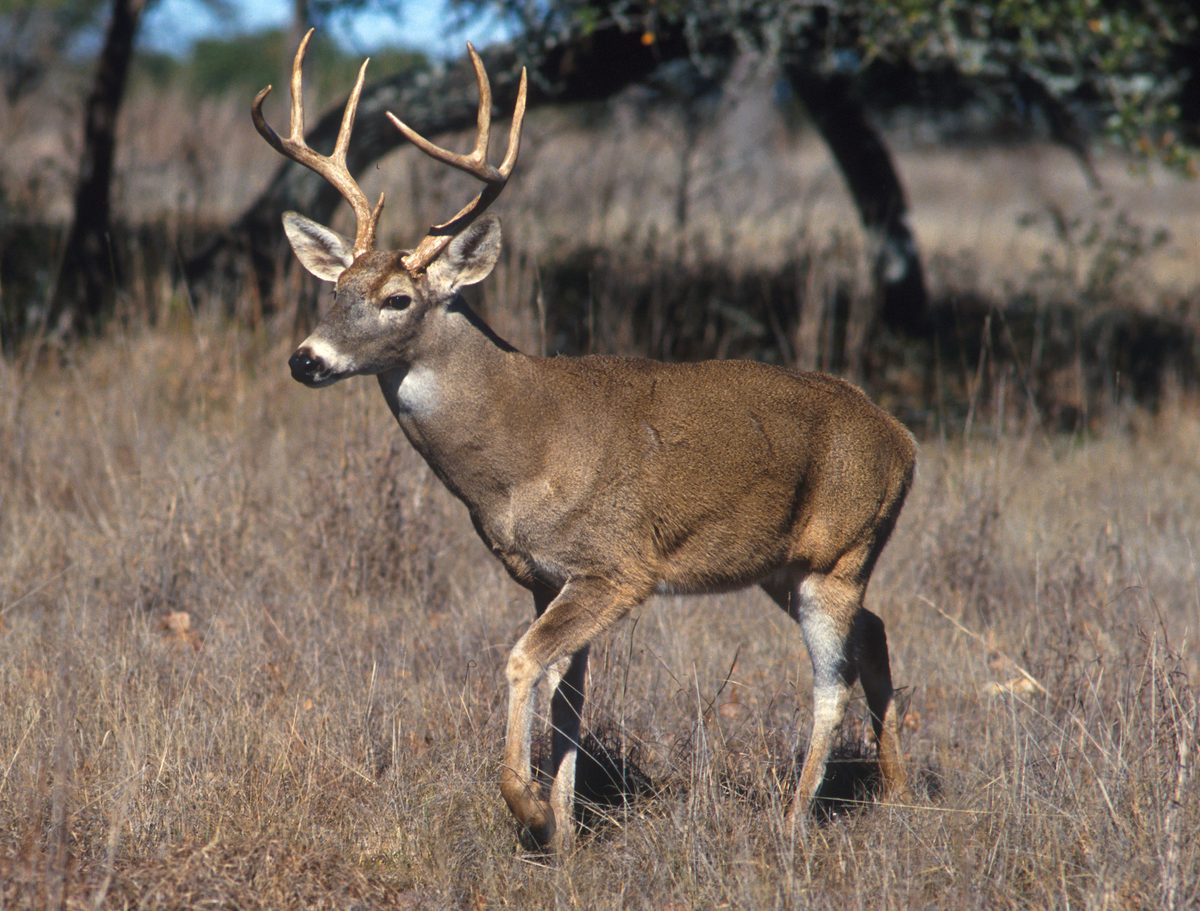 Big gameWhitetail DeerOdocoileus virginianus
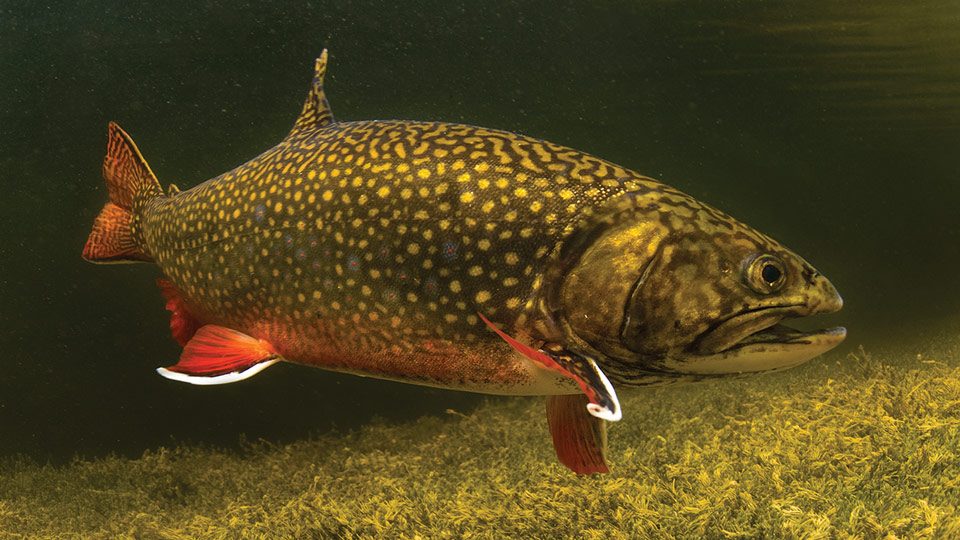 GamefishBrook TroutSalvelinus fontinalis
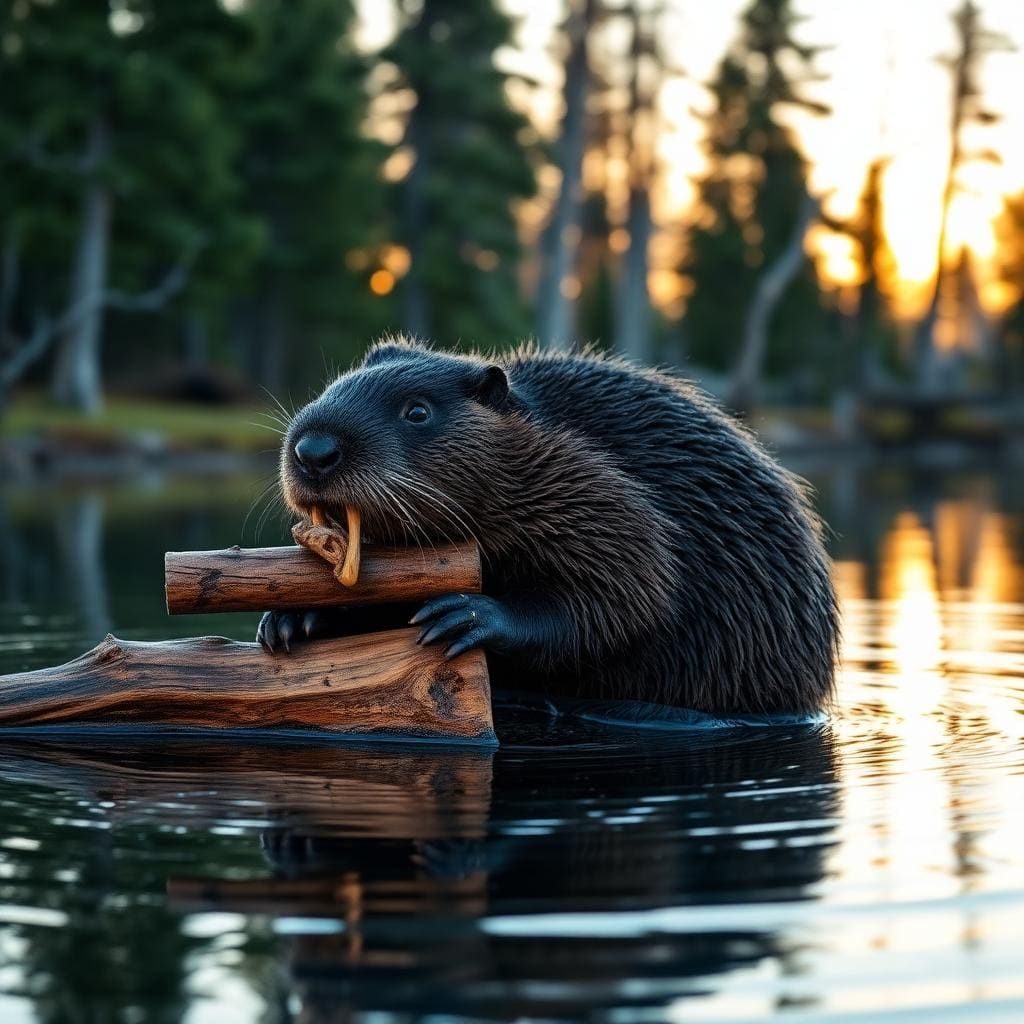 Wildlife guideNorth American beaverCastor canadensis
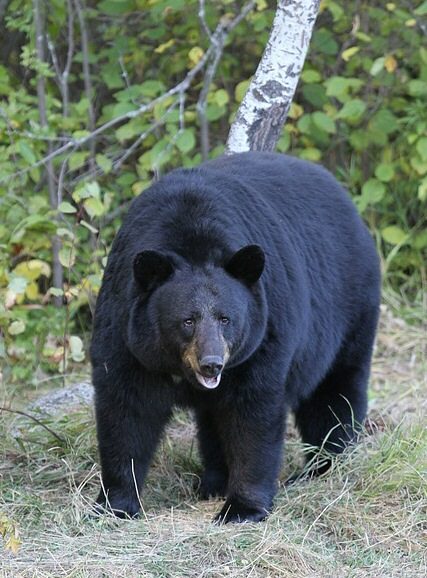 Big gameBlack BearUrsus americanus
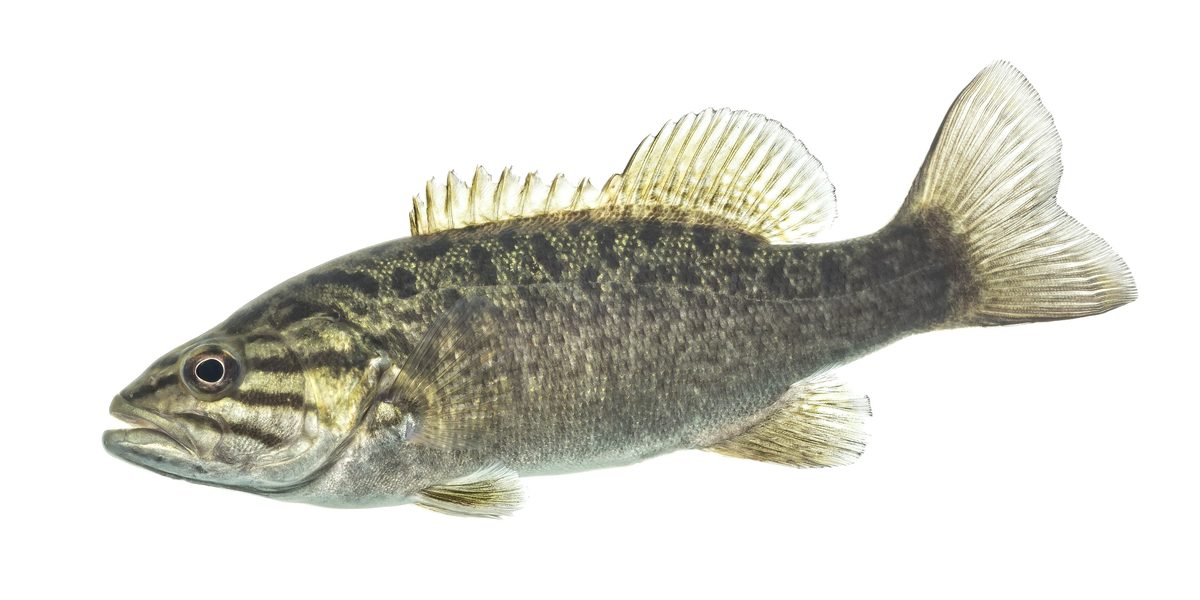 GamefishSmallmouth BassMicropterus dolomieu
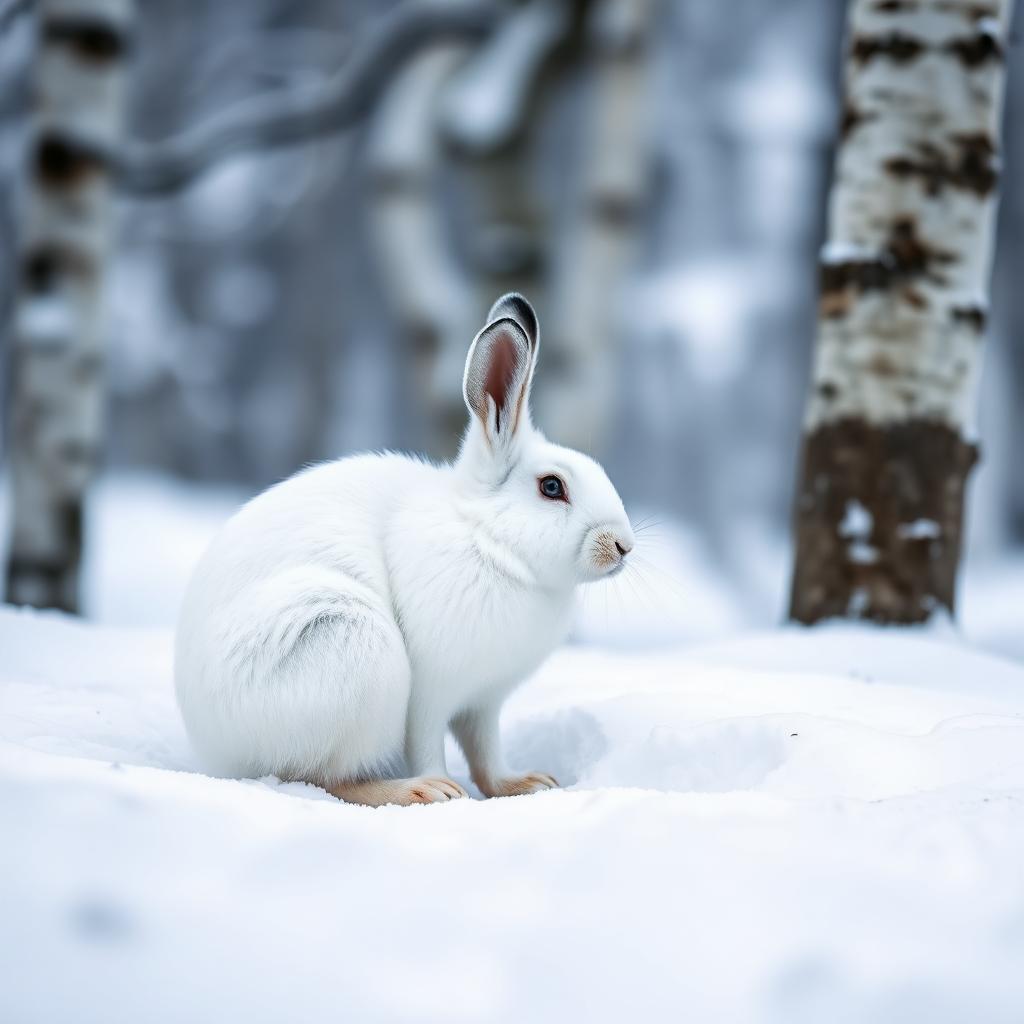 Wildlife guideSnowshoe hareLepus americanus
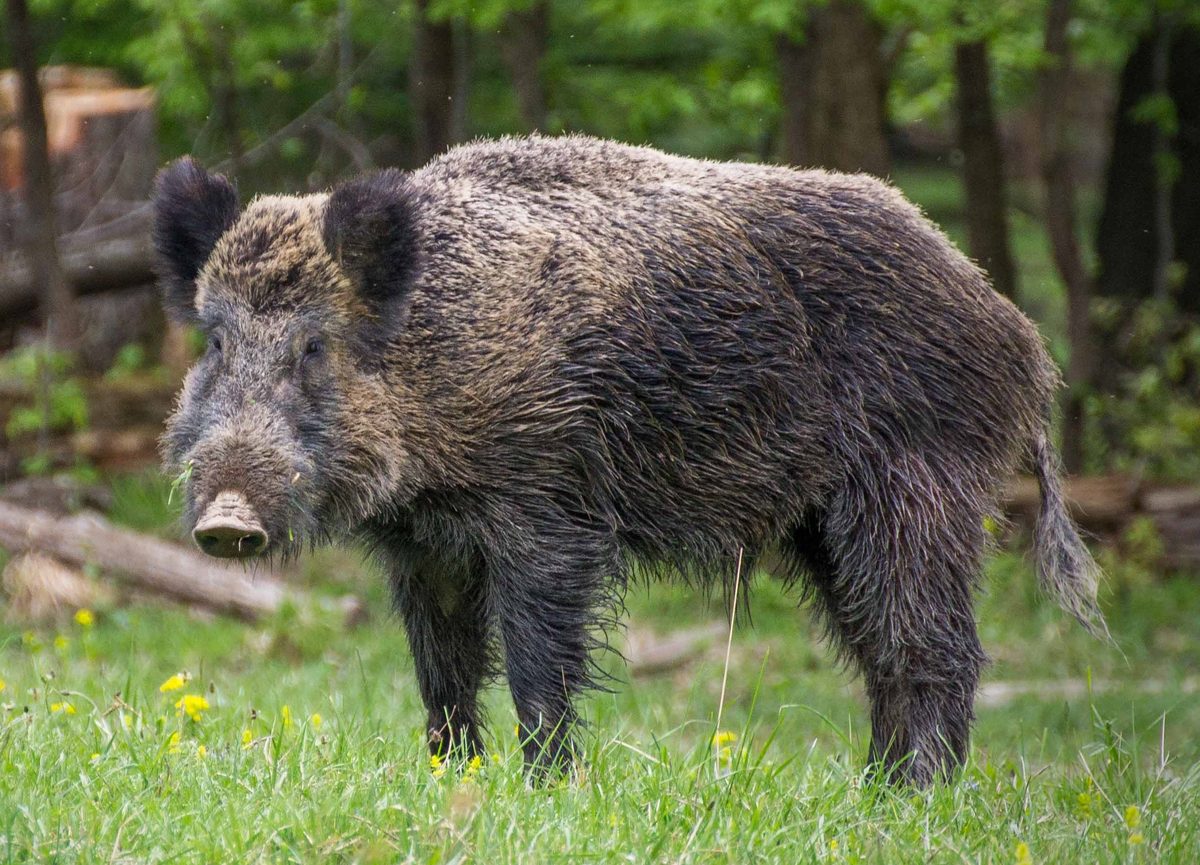 Big gameWild HogSus scrofa
A reservoir park in Lafayette County
Yellowstone Lake State Park sits on the shore of Yellowstone Lake in Lafayette County, Wisconsin. The 453-acre lake is a reservoir on the Yellowstone River, not a natural lake. The river, a tributary of the Pecatonica River, enters on the northwest side; a man-made dike holds the lake on the southeast side. That layout gives the destination two distinct settings: a developed lakeshore park for swimming, camping, picnicking and boating, and a much larger wildlife area with horse trails and a shooting range. The park is included within the 4,047-acre Yellowstone Wildlife Area. Choose the lakeshore for a facilities-based outing, or plan around the wildlife area's trails if horseback riding is the main purpose of the visit.
Beach, boating and fishing
The park's swimming area has a sand beach, with picnic areas and playgrounds providing options for time away from the water. A boat launch supports outings on the reservoir, while anglers have several species to consider: bluegill, largemouth bass, walleye, channel catfish, northern pike and muskellunge. Plan fishing around the species sought rather than assuming the same approach suits the whole lake. The southeast dike and its dam are important features to recognize when orienting around the reservoir. At the southern end of the dike, a narrow steel catwalk crosses the dam; fishing from that catwalk is not allowed. For a mixed day with swimmers and anglers, keep swimming activities separate from hooks, tackle and boat movements.
Camping and the surrounding wildlife area
The park has 128 campsites and five group sites, making an overnight stay an option alongside a shorter beach or fishing visit. Match the camping plan to the activities that matter most: lakeshore recreation within the park, or horseback riding in the surrounding wildlife area. The adjacent wildlife area is described as roughly 4,000 acres and offers extensive horse trails as well as a shooting range. These are different uses, so confirm the appropriate access and layout before setting out rather than treating every path as interchangeable. For camping, bring shelter and clothing suited to the weather, plus drinking water and food for the planned stay. For riding, establish a suitable trail plan before arrival.
Route options
- Yellowstone Lake boating outing
Use the park's boat launch for an outing on the reservoir. Choose the extent of the trip to suit conditions and the boat; this is not a specified marked route.
- Yellowstone Wildlife Area horseback outing
Plan a ride using the wildlife area's extensive horse trails. Confirm trail layout and suitable access before choosing a route.
Sample itineraries
- Yellowstone Lake Beach and Picnic Day · 1 day
Spend a day beside 453-acre Yellowstone Lake in Lafayette County. Plan around the sand beach and swimming area, with a picnic and playground time. Anglers can target the lake’s listed game fish; fishing is not allowed from the narrow steel catwalk at the dam.
- Camping and Lake Outings · 2 days
Use the campground as a base for beach time, picnicking and fishing. Bring a boat to use the launch, or keep the trip shore-based. The park has 128 campsites and five group sites. Confirm campsite availability and facility access before planning an overnight stay.
- Lake and Horse-Trail Weekend · 2 days
Combine a day at Yellowstone Lake with a horseback outing in the adjacent Yellowstone Wildlife Area, which offers extensive horse trails. Arrange riding equipment and confirm trail access beforehand. Keep the lake day flexible for fishing, swimming or a picnic.
Seasonal conditions
Spring
Spring; confirm current conditions before travel
Plan lake outings around water temperature and weather rather than air temperature alone. Check horse-trail conditions and campground access before committing to a riding or overnight trip.
Summer
Summer; confirm facility availability
The swimming area, sand beach, picnic areas and boat launch support a water-focused visit. Carry drinking water and sun protection, and adjust boating or swimming plans when weather changes.
Fall
Fall; confirm current access
Bring layers for time beside the lake and check the forecast before boating or riding. Verify campground and facility availability rather than assuming summer services continue.
Winter
Winter; verify access and lake conditions
Do not assume the reservoir is safe to cross if frozen. Confirm available facilities and access before departure, and bring insulation suitable for exposed time along the shore.
| Season | Window | Conditions |
|---|---|---|
| Spring | Spring; confirm current conditions before travel | Plan lake outings around water temperature and weather rather than air temperature alone. Check horse-trail conditions and campground access before committing to a riding or overnight trip. |
| Summer | Summer; confirm facility availability | The swimming area, sand beach, picnic areas and boat launch support a water-focused visit. Carry drinking water and sun protection, and adjust boating or swimming plans when weather changes. |
| Fall | Fall; confirm current access | Bring layers for time beside the lake and check the forecast before boating or riding. Verify campground and facility availability rather than assuming summer services continue. |
| Winter | Winter; verify access and lake conditions | Do not assume the reservoir is safe to cross if frozen. Confirm available facilities and access before departure, and bring insulation suitable for exposed time along the shore. |
Permits, fees & closures
Confirm current entry, camping, boating, fishing, riding and shooting-range requirements with the managing agency.
Confirm current permits, fees, and closures with the managing agency before you go.
Hazards & regulations
- Yellowstone Lake is a reservoir. Wear a properly fitted life jacket when boating and supervise children closely near the swimming area and shore.
- The dam at the southern end of the dike has a narrow steel catwalk. Take care when crossing; fishing from it is not allowed.
- The adjacent wildlife area includes a shooting range. Stay clear of firing areas and follow posted safety directions.
- Expect horses on the wildlife area’s horse trails. Give riders space and avoid sudden movements around horses.
- Weather changes can make lake outings unsafe. Check conditions before launching and return to shore if conditions deteriorate.
What to pack for Yellowstone Lake State Park & Wildlife Area
- Properly fitted life jackets for boating
- Swimwear and towel
- Sun protection
- Drinking water
- Waterproof storage for essentials
- Tent and weather-appropriate sleep system
- Rain gear and insulating layers
- Food and secure storage containers
- Headlamp
- Trash bags
- Fishing tackle suited to the intended species
- Riding helmet and appropriate footwear for horseback outings
- Eye and hearing protection if using the shooting range
- First-aid kit
Yellowstone Lake State Park & Wildlife Area FAQ
- Where is Yellowstone Lake State Park?
- The park is in Lafayette County, Wisconsin, on Yellowstone Lake. It is included within the Yellowstone Wildlife Area.
- What kind of lake is Yellowstone Lake?
- It is a 453-acre reservoir along the Yellowstone River. The river enters on the northwest side, and a man-made dike lies on the southeast side.
- What facilities are available for families?
- The park has a swimming area with a sand beach, picnic areas and playgrounds. Check current facility availability before visiting.
- Can visitors camp overnight?
- The park has 128 campsites and five group sites. Confirm availability, booking procedures and current camping requirements with the managing agency.
- What are the boating and fishing options?
- A boat launch provides lake access. Fish include bluegill, largemouth bass, walleye, channel catfish, northern pike and muskellunge. Fishing is not allowed from the steel catwalk crossing the dam.
- What does the adjacent wildlife area offer?
- The Yellowstone Wildlife Area offers extensive horse trails and a shooting range. Confirm access, operating conditions and activity requirements before making either the focus of a visit.