Main channel ledges
Core
The break from the flat into the old river channel, 20–50 feet, especially where current runs across it.
Fishing · Species · Blue Catfish
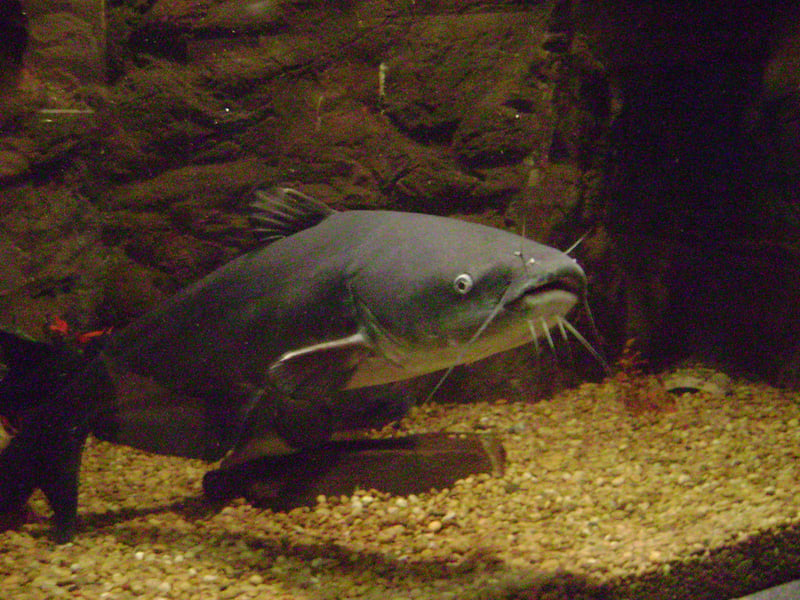
The largest catfish in North America and the most attainable genuine trophy fish in fresh water — 40-pounders come from public river water within an hour of most southern cities.
Blue catfish are current fish. Where channel cats will settle into a still backwater, blues sit behind hard structure in moving water and let the river deliver food to them. That single habit dictates everything about how you fish for them.
They also grow bigger than any other North American catfish — 100-pound fish are documented from the Mississippi and the James, and a healthy river will produce 30- to 50-pound fish for an angler with fresh bait and patience.
The best fishing is cold. From November through February, blues stack in deep holes and on wintering flats, and the average size climbs sharply while the crowds disappear.
01
Blues need volume — big rivers, big reservoirs, and tidal systems. These are the fisheries where a genuine trophy is a reasonable goal rather than a lottery.
| Water & region | Why it's worth your time | Access & license |
|---|---|---|
| James & Rappahannock Rivers, Virginia | Introduced population with extraordinary numbers of 30 lb-plus fish | Virginia freshwater license; no limit on blues in most tidal reaches |
| Mississippi River, Tennessee to Louisiana | Native river fish holding on wing dams and scour holes | State license; check the border-water reciprocity rules |
| Santee Cooper lakes, South Carolina | The lakes that created modern trophy catfishing | SC license; trophy-fish size limits apply on some reaches |
| Missouri River below the dams | Deep tailrace holes with year-round current | State license; snagging and jugline rules vary |
| Lake Texoma, Oklahoma/Texas | Shad-driven population with reliable winter schooling | Texoma-specific license valid on both sides |
02
A blue catfish trip is a hunt for current seams and fresh bait, in that order. Skip either and you will catch small fish.
03
Blues are open-water, current-oriented predators that follow shad. They are far more nomadic than channel cats.
Core
The break from the flat into the old river channel, 20–50 feet, especially where current runs across it.
Follow the bait
Blues sit under and behind shad balls; graph bait first, then position on the fish beneath them.
Current generation
The boil below a dam when water is running is the highest-density blue catfish spot in a system.
Cold water
Deep bends and dam pools stack big fish in 40–70 feet in January and February.
Summer
Blues push shallow after dark on windy flats to feed on shad pushed by wave action.
04
These are the presentations that consistently produce blue catfish, with the conditions each one is actually for — not a tackle-shop wall.
The bait
Cut in chunks with the skin on; freshness matters more than size or species.
Method
Five to eight rods fanned on a ledge with 6/0–10/0 circle hooks and 2–8 oz sinkers.
Covering water
A drift sock and santee-cooper rigs at 0.4–0.8 mph across flats finds scattered fish.
Above snags
Keeps bait off a rocky bottom and in the strike zone over ledges.
Vertical
For winter fish stacked in a hole, a big head or a slow-dropped bait right on their nose.
05
Blues are big-river open-water predators that follow shad. Their season revolves around shad location and river flow.
| Season | Where the fish are | What works |
|---|---|---|
| Winter (Dec–Mar) | Deep holes and channel edges in main-lake and river bends, near dying shad | Fresh cut shad anchored in the holes — the trophy season |
| Spring | Moving up rivers and into creeks with rising water; below dams | Cut bait in current seams and along flooded structure |
| Summer | Suspended over main-lake channels and flats following shad; deep holes by day | Drifting flats with Santee rigs, suspended baits under floats, night fishing |
| Fall | Feeding hard on flats and in creek mouths, then dropping to holes as water cools | Drifting and anchoring with fresh cut shad |
06
Blues feed around the clock; current schedules matter more than daylight.
Key
On tailwaters and reservoirs, the hours when the dam is generating are the bite. Check generation schedules and be on your spot before it starts.
Excellent in summer, when big blues cruise shallow flats after dark.
Cold-water trophy fishing is a daytime game; anchor on a deep hole and wait.
07
Big fish tackle, but the rig itself stays simple.
3–8 oz no-roll sinker, bead, swivel, 18 in of 50–80 lb leader to an 8/0–10/0 circle hook. Rod in the holder, no hookset — let it load and reel.
Same rig with a peg float on the leader; the standard for drifting flats so the bait rides above the bottom and above snags.
Large slip float over a channel edge with a chunk of shad set at the depth suspended fish mark on sonar.
Four to eight rods fanned from an anchored boat across the depth range of a hole, from the shallow lip to the deepest point.
08
Fresh is the entire game. Frozen bait catches a fraction of what fresh does.
#1
Cast-netted the same morning. Head, gut section, and steaks all fish; the head is the best big-fish bait on a big river.
Trophy
Extremely oily and bloody; the top big-blue bait wherever they are available.
Durable and effective; legality varies by state.
Where present, an excellent oily cut bait and good use of an invasive fish.
09
Location plus current plus fresh bait. Nothing else matters much.
10
No draw, no tag — but catfish rules are the most locally variable in fresh water, and several states now protect the big fish specifically.
11
Cold weather is the price of admission for size. The best blue catfish bite of the year happens in the same weeks most people winterize the boat.
The fight is a long, heavy, head-down grind rather than a run-and-jump. Expect to spend several minutes on a 40 lb fish with the drag set firm.
Bring more bait than you think you need. A good day burns through a full cast net of shad, and running out ends the trip.
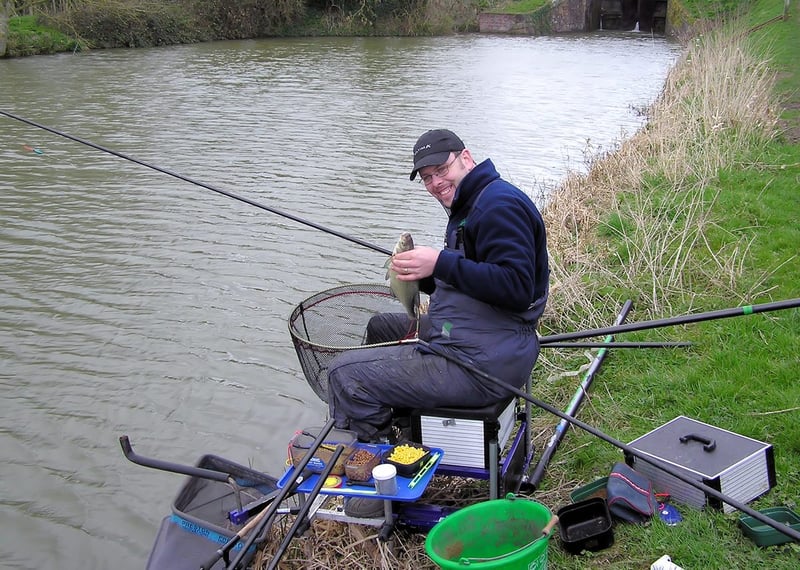
12
The rod, line, and terminal choices that actually change your hookup rate — with the numbers, not vague categories.
Core rod
Long enough to control a spread of baits and cushion a heavy head shake.
Line-out clicker lets a fish take without pulling the rod overboard.
Braid for hooksets at distance; mono leader for abrasion and shock.
Non-negotiable
Corner-of-the-mouth hookups that release big fish alive.
Hold bottom in current without tumbling downstream.
Bait first
Fresh shad is the actual key to this fishery — everything else is secondary.
13
What happens between the hookset and the cooler decides whether you land the fish and whether it is worth eating.
14
Cleaning a blue catfish the right way takes about four minutes once you know the sequence.
15
Blues under about ten pounds are outstanding — firm, white, and cleaner-tasting than most other catfish because they live in moving water.
Trim the red lateral line and any fat along the belly; that tissue carries whatever the river carries.
Release the giants. A 50 lb blue is decades old, is the breeding stock of the fishery, and eats poorly compared to a five-pounder.
Size limits, creel limits, and seasons are set water by water and change every year. These agencies publish the current rules.
Regulations and trophy-fish provisions for the James and Rappahannock.
Native and introduced range data with documented impacts.
Population status and management guidance in the Bay watershed.
Questions
Where every fishing guide on The Wild10 starts.
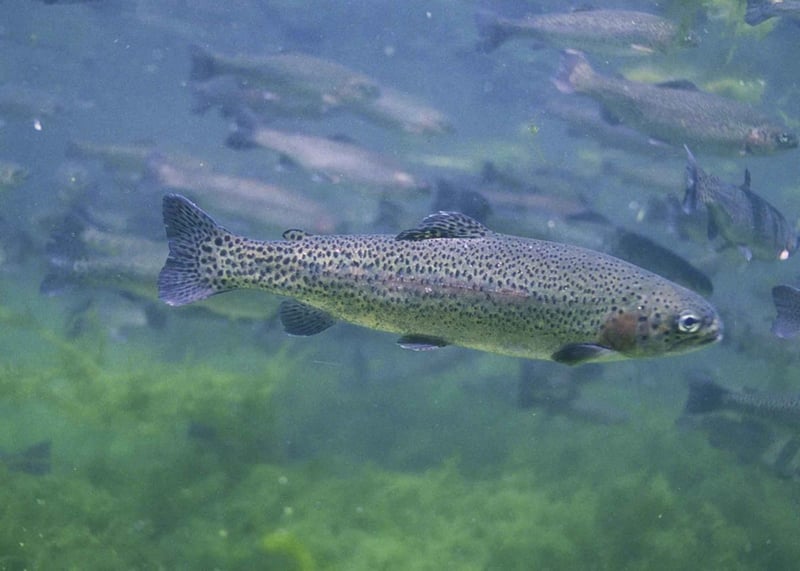
Body shape, fins, mouth, and markings for 30+ North American gamefish.
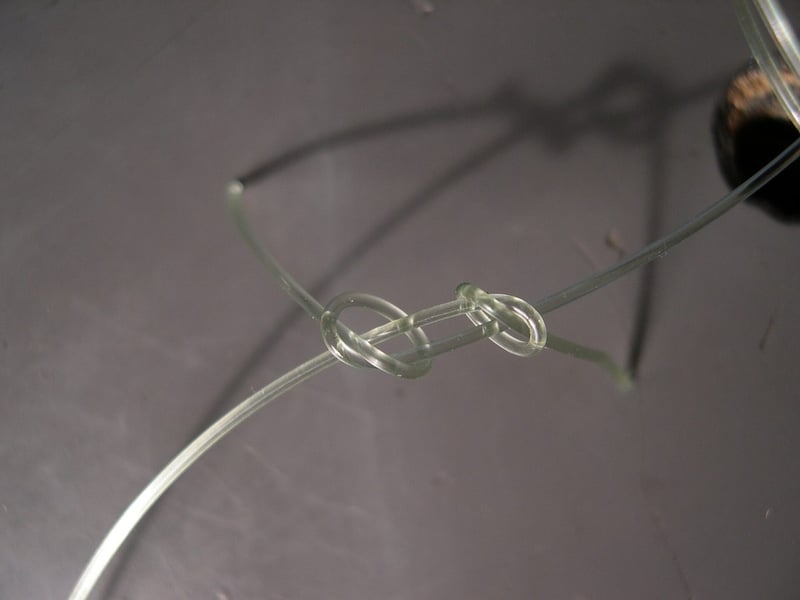
Twelve knots covering every hook, leader, and loop connection you need.
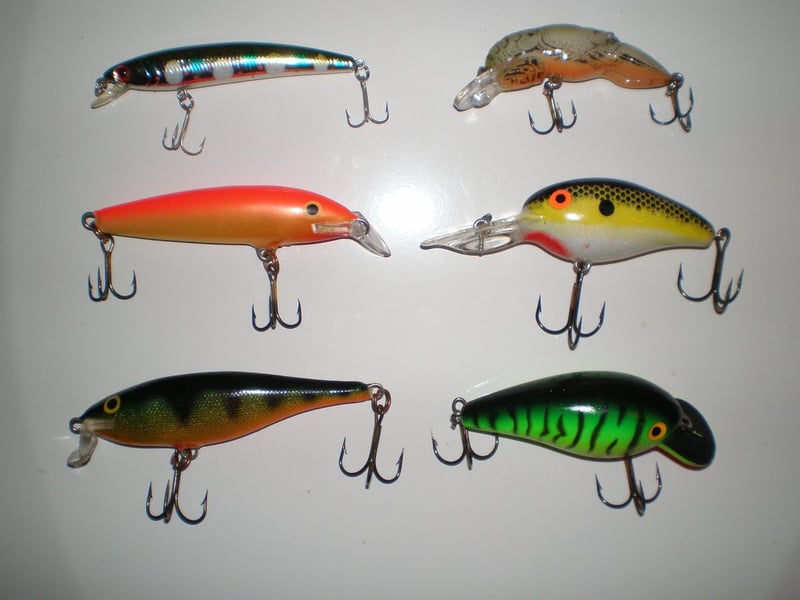
Matching lure category to temperature, clarity, depth, and season.
Reading water, timing the bite, and fixing a slow day on the spot.
Keep going
Tell lookalike species apart by fins, mouth, and markings.
Read →Match lure category to depth, clarity, and water temperature.
Read →The connections that keep big fish attached.
Read →Reading water and fixing a slow day on the spot.
Read →Top 10 lists
Ranked picks with real product photos, specs, and editor notes — the buying side of everything covered in these guides.
Bass, walleye, trout, and panfish rods ranked on feel.
See the ranking →Jig, crank, and heavy-cover rods by blank and taper.
See the ranking →Drag smoothness, line management, and long-haul gears.
See the ranking →Brake systems, backlash control, and drag under load.
See the ranking →Also on The Wild10
Same field-tested approach, applied to game species, rifles, shotguns, and bows — from scouting through meat care.
Open the hunting hub →