
Log jams
Daytime lair
The deepest, nastiest wood pile in a river bend holds the biggest fish in the reach.
Fishing · Species · Flathead Catfish
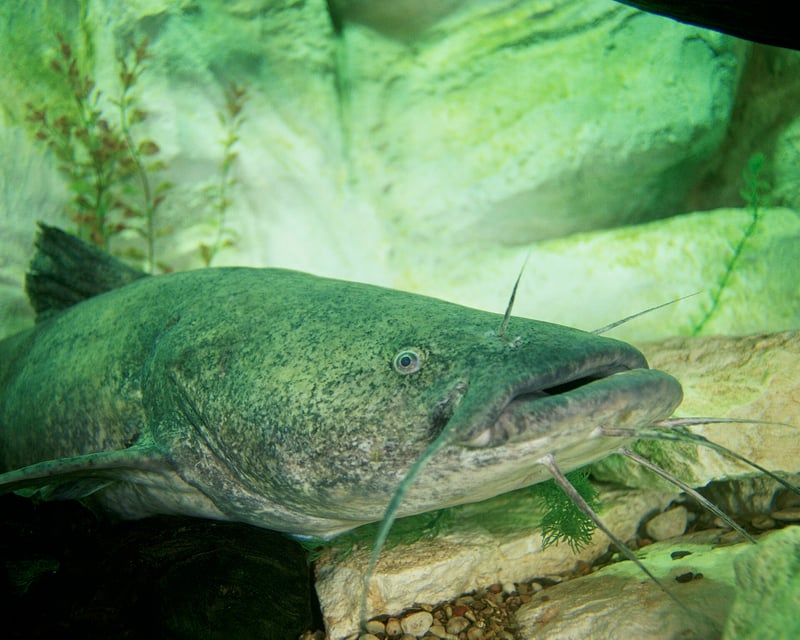
A live-bait predator that lives inside logjams and refuses everything dead — the most specialized catfish in North America and the best eating of the three.
Flatheads break the catfish stereotype. They do not scavenge, they do not follow stink bait, and they do not roam open flats. A flathead is a solitary ambush predator that spends the day jammed inside a pile of wood and comes out at night to hunt live fish.
Because of that, flathead fishing looks more like bass fishing than catfishing: you are targeting individual pieces of cover with live bait, on short casts, at close range.
It is also the most rewarding catfish to eat. Flathead fillets are firm, white, and clean-tasting, and a 10-pound fish feeds a crowd.
01
Flatheads want wood, depth, and moderate current — rivers more than lakes, and the older and messier the cover, the better.
| Water & region | Why it's worth your time | Access & license |
|---|---|---|
| Kansas and Oklahoma rivers | Classic flathead country with deep logjam holes | State license; noodling seasons regulated separately |
| Ohio and Wabash Rivers | Big fish on lock-and-dam wood and bridge structure | State license; some tailrace areas closed seasonally |
| Susquehanna & Schuylkill, Pennsylvania | Introduced and abundant; harvest encouraged | PA license; no limit in several designated reaches |
| Red River, Texas/Oklahoma | Reliable 40 lb-class fish in summer | Either state's license on the shared reach |
| Missouri River oxbows | Slack-water wood piles that hold resident fish | State license; trotline rules differ from rod and reel |
02
This is a slow, deliberate fishery. Two good logjams fished properly all night beats a dozen fished for twenty minutes each.
03
Flatheads are solitary ambush predators that hold in heavy wood by day and hunt shallow by night. They want live prey, not scent.
Daytime lair
The deepest, nastiest wood pile in a river bend holds the biggest fish in the reach.
Rivers
Flatheads back into cover with their nose out, waiting for something to swim past.
Classic
The scoured hole below fast water is a night feeding station and a daytime hideout.
Night
Fish leave cover and hunt in 2–6 feet of water; set baits on the edge of the wood and wait.
Reservoirs
Hard structure adjacent to deep water gives flatheads exactly what they want in lakes.
04
These are the presentations that consistently produce flathead catfish, with the conditions each one is actually for — not a tackle-shop wall.
Number one
Where legal, a 4–7 inch live sunfish hooked through the back is the definitive flathead bait.
Toughest bait
Stays lively for hours in current and survives being cast; clip the spines if local rules and ethics allow.
Rivers
Matches the natural forage in many drainages; keep it in an aerated tank, not a bucket.
Rig
A 3–8 oz dropper on light line, a 60–100 lb leader, and an 8/0 circle hook, anchored above the wood.
Traditional
Legal in some states, banned in others; check regulations before you set a single one.
05
Flatheads want live prey and a home. They hold in wood and rock and leave it at night to hunt.
| Season | Where the fish are | What works |
|---|---|---|
| Spring (60–70°F) | Moving out of wintering holes to the log jams and rock they'll live in all summer | Live bluegill on the edge of cover as water warms into the 60s |
| Summer (peak) | Deep log jams, undercut banks, and rock ledges by day; shallow flats and riffles at night | Live bait anchored at the head and tail of holes overnight |
| Fall | Feeding heavily before winter; still on cover but moving more in daylight | Big live baits; the largest fish of the year come in September–October |
| Winter | Stacked in deep wintering holes, nearly dormant, often in groups | Very slow; live or fresh cut bait fished with extreme patience in the deepest wood |
06
Flatheads are nocturnal hunters. Plan on being out after dark.
Best
Flatheads leave the log jam and move onto shallow flats and the head of the hole to hunt. The strongest feeding window by a wide margin.
Second window; often the biggest fish of the night comes near first light.
Fish are in the wood and rarely move. Put the bait inches from the cover if you fish during the day.
07
Heavy tackle, live bait, and hooks that hold in a log jam fight.
3–6 oz no-roll sinker, bead, swivel, 24 in of 80–100 lb mono leader, 7/0–10/0 circle or octopus hook through the back of a live sunfish.
Three-way swivel with the sinker on lighter dropper line so it breaks off in the rocks instead of costing the rig.
Set lines on the bank or overhanging limbs with a live bait — legal in some states, heavily regulated in others; check first.
Large float with a live bluegill suspended above a log jam so the bait stays out of the branches.
08
Live only, for the most part. Flatheads want it moving.
#1
4–8 in, hooked through the back behind the dorsal on a circle hook. The single best flathead bait there is where legal.
Extremely durable and lively for hours; a favorite for big fish overnight.
Excellent in rivers where sunfish are not legal bait.
Works occasionally, especially in cold water, but produces far fewer flatheads than live bait.
09
Ambush the ambusher: put the bait where it has to walk past.
10
No draw or tag, but flatheads are increasingly managed as an invasive species outside their native basin, and rules diverge sharply as a result.
11
Nothing about this fishery is fast. Expect long, quiet stretches punctuated by a single violent take, and plan the night around that rhythm.
Flatheads fight for the wood immediately. Heavy line and locked-down drag are safety equipment for the fish as much as tackle for you.
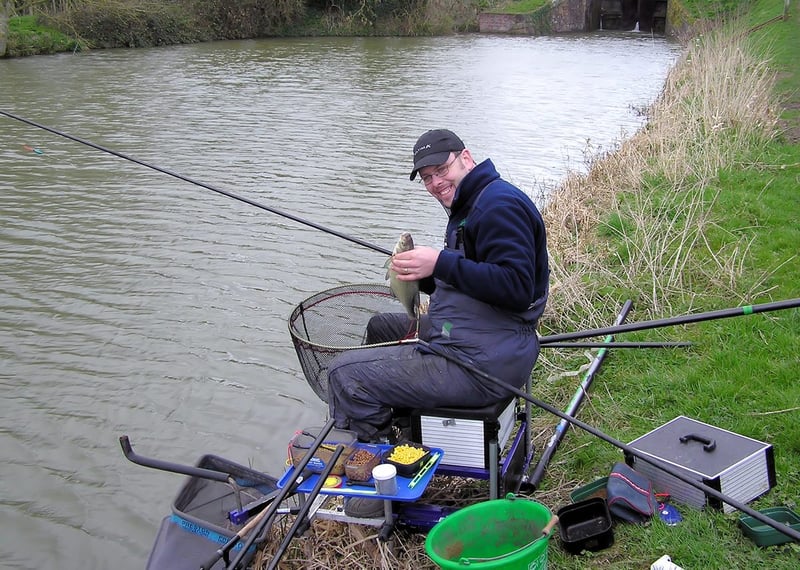
Live bait quality is the whole game. A tired bluegill catches nothing; keep the tank cool and change baits before they fade.
12
The rod, line, and terminal choices that actually change your hookup rate — with the numbers, not vague categories.
Core rod
Enough backbone to turn a 40 lb fish out of a logjam on a short line.
Set the drag heavy; there is no room to let a flathead run.
Wood shreds light line. Overbuild everything.
Hooks the corner of the jaw and holds through a wood fight.
Essential
Lively bluegill or chubs are the only bait flatheads reliably eat.
Keeps night vision and avoids lighting up shallow cover.
13
What happens between the hookset and the cooler decides whether you land the fish and whether it is worth eating.
14
Cleaning a flathead catfish the right way takes about four minutes once you know the sequence.
15
Flathead is the best-eating catfish in North America — firm, white, low-fat, and free of the muddy note that plagues warm-water channel cats.
Fish in the 5–15 lb range are the sweet spot. Skin them, remove the red line, and cut the fillet into finger-thick strips.
Where flatheads are introduced, harvesting them is conservation. Where they are native, release the biggest breeders and keep a mid-sized fish.
Size limits, creel limits, and seasons are set water by water and change every year. These agencies publish the current rules.
Introduced-population status and harvest guidance.
Native range map and documented introduction impacts.
Regulations, noodling seasons, and river access maps.
Questions
Where every fishing guide on The Wild10 starts.
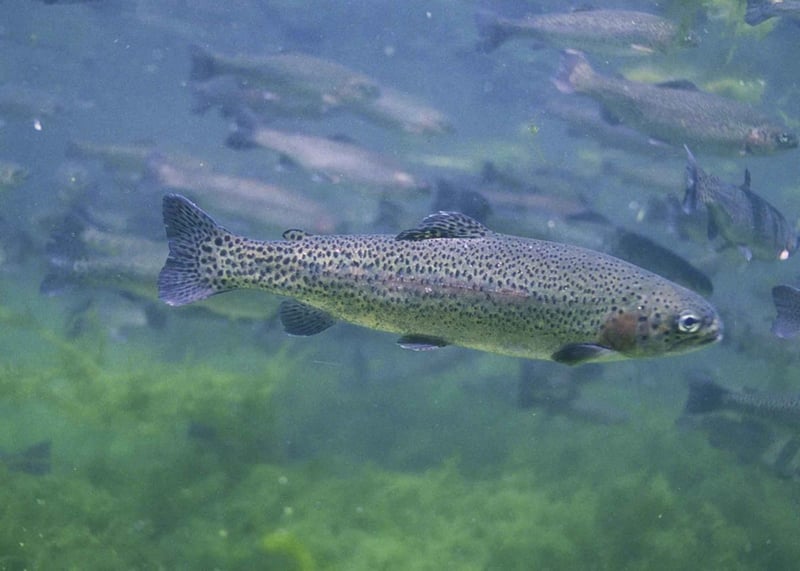
Body shape, fins, mouth, and markings for 30+ North American gamefish.
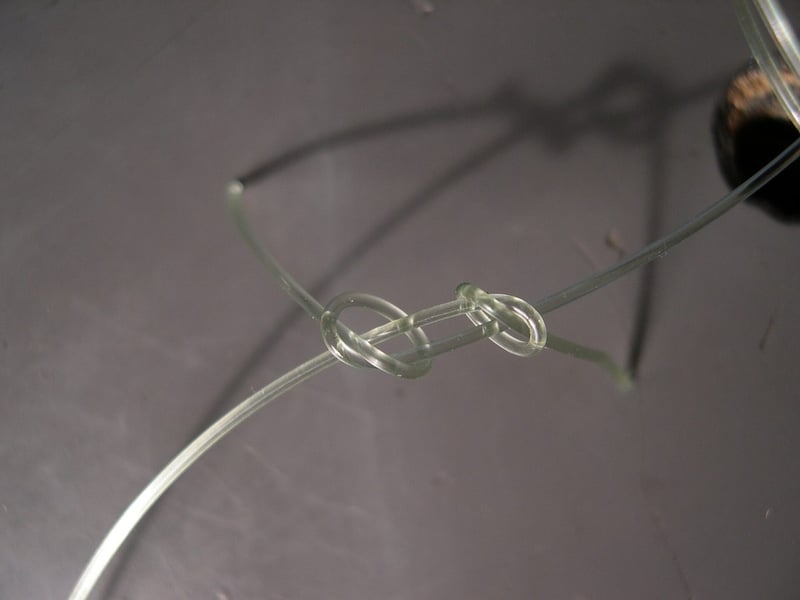
Twelve knots covering every hook, leader, and loop connection you need.
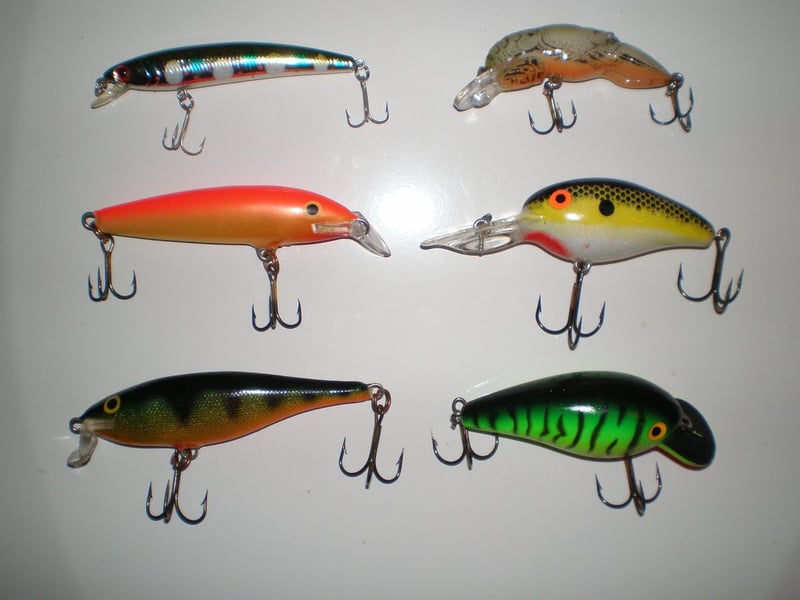
Matching lure category to temperature, clarity, depth, and season.
Reading water, timing the bite, and fixing a slow day on the spot.
Keep going
Tell lookalike species apart by fins, mouth, and markings.
Read →Match lure category to depth, clarity, and water temperature.
Read →The connections that keep big fish attached.
Read →Reading water and fixing a slow day on the spot.
Read →Top 10 lists
Ranked picks with real product photos, specs, and editor notes — the buying side of everything covered in these guides.
Bass, walleye, trout, and panfish rods ranked on feel.
See the ranking →Jig, crank, and heavy-cover rods by blank and taper.
See the ranking →Drag smoothness, line management, and long-haul gears.
See the ranking →Brake systems, backlash control, and drag under load.
See the ranking →Also on The Wild10
Same field-tested approach, applied to game species, rifles, shotguns, and bows — from scouting through meat care.
Open the hunting hub →