River spawning runs
Spring
Massive runs up tributaries and into tailwaters when water reaches the mid-50s; a hundred-fish day is normal.
Fishing · Species · White Bass
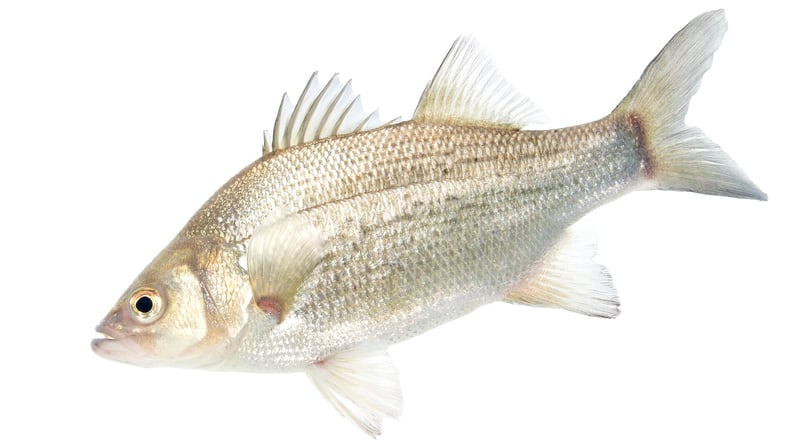
A schooling shad-chaser that runs up rivers by the thousand every spring — the fastest fishing of the year for anyone who times it right.
White bass live by the school. They spend the year following shad around a reservoir, then in early spring they push up the feeder rivers to spawn in current, and for two to three weeks a wading angler can catch fish on nearly every cast.
The rest of the year they are a surface fishery. When shad get corralled against the top on a summer evening, whole acres of water erupt, and a jigging spoon dropped into the boil catches fish until the school sounds.
They are also a legitimately underrated table fish. Bled immediately, iced, and trimmed of the red line, white bass fry as well as crappie.
01
Anywhere there is a reservoir with a shad forage base and a feeder creek, there is a white bass run. These systems are the best known.
| Water & region | Why it's worth your time | Access & license |
|---|---|---|
| Lake Texoma tributaries, OK/TX | Enormous spring run up the Red and Washita | Texoma license covers both states |
| Lake Erie western basin | Big summer schools and heavy average size | Ohio or Michigan license depending on launch |
| Arkansas River system | Reliable March run into every feeder creek | State license; some tailwaters have closures |
| Kansas reservoirs (Milford, Wilson) | Wadeable spring runs within a short walk of parking | Kansas license; some spots need a state park pass |
| Tennessee River reservoirs | Year-round schooling and strong fall surface bite | TWRA license; check reciprocity below dams |
02
Timing is nearly everything. Find water temperature and current, and the fish will already be stacked before you arrive.
03
White bass are open-water schoolers that chase shad. They are either there in numbers or gone entirely — there is no in-between.
Spring
Massive runs up tributaries and into tailwaters when water reaches the mid-50s; a hundred-fish day is normal.
Summer/fall
Schools push shad to the top in open water; look for gulls and boils, and stay off the school with the trolling motor.
Transition
Wind-blown points and humps in 10–25 feet hold schools between feeding pushes.
Current
Whites stack in the eddies below generation and feed hard when water is running.
04
These are the presentations that consistently produce white bass, with the conditions each one is actually for — not a tackle-shop wall.
Standard
A white or chartreuse grub on a jig head matches shad and fishes at any depth.
Deep schools
A 1/2–1 oz slab dropped into a marked school and jigged vertically.
Surface feeds
A popper or walking bait thrown to the edge of a jump — never into the middle of it.
River run
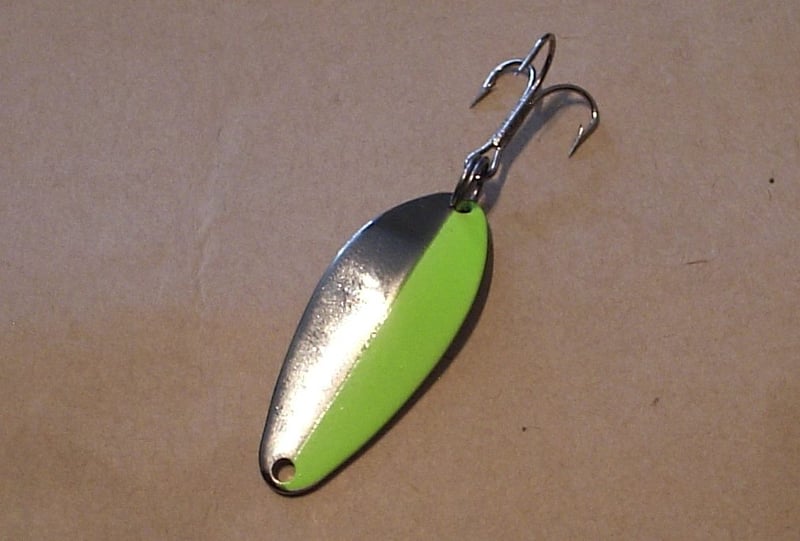
The classic spring tributary bait, cast up and swung across current.
Cold water
Vertical snap-jigged over wintering schools on deep structure.
05
White bass are open-water schooling fish with one of the most predictable runs in fishing: the spring river migration.
| Season | Where the fish are | What works |
|---|---|---|
| Spring run (52–60°F) | Rivers and creek arms above the reservoir, below the first barrier; huge concentrations | Small jigs, inline spinners, and blade baits cast into current seams — the year's best fishing |
| Early summer | Back to the main lake; scattered on points and humps | Jigging spoons and swimbaits on structure; trolling small cranks |
| Summer / fall | Surface schooling ('jumps') over open water as they herd shad | Cast small topwater and swimbaits into the boils; drop a spoon under the school |
| Winter | Deep, tightly schooled over channel edges and humps in 25–45 ft | Vertical spooning and blade baits; find them on sonar and drop straight down |
06
The surface bite is a light-driven event; the deep bite is all day.
Best
Surface schooling activity peaks; watch for gulls and boils on calm mornings and evenings.
Fish deep with spoons and blade baits on structure; the spring run bites through the middle of the day.
In the spring river run, whites bite all day when the water temp and flow are right.
07
Fast, simple, and easy to change — you will be catching a lot of fish.
1/8–1/4 oz jig head with a 2–3 in white or chartreuse curly-tail grub; cast, count down, retrieve steadily. The white-bass workhorse.
A small jig on a dropper 18 in above a heavier jig; doubles are common in a school.
1/2–1 oz spoon dropped into a marked school and ripped with 2 ft lifts; the deep-water method.
#2 spinner or a 2 in shad crank cast into current seams during the run.
1/4–1/2 oz blade fished vertically or cast and hopped; excellent in cold water and heavy current.
08
Live bait is rarely needed but works.
Under a float or on a jig head; the natural forage and a good choice for kids.
On a jig or small hook drifted in the river during the run.
09
Find the shad and the current and you will find hundreds of fish.
10
White bass are managed simply. The details worth checking are creel limits and whether the water has hybrid striped bass in the mix.
11
A good run day is genuinely nonstop. Bring more jigs than you expect to need; you will lose them on rock all day.
The run is short. Two weeks late and the fish are gone back to the lake, which is why local reports matter more than a calendar.
Summer surface fishing is a chase. Keep the trolling motor down, stay off the school, and let them come up in front of you.
12
The rod, line, and terminal choices that actually change your hookup rate — with the numbers, not vague categories.
Core rod
Enough tip to cast light jigs and enough backbone for current.
Braid transmits the tick of a jig bouncing through gravel.
Run bait
White, chartreuse, and smoke — the whole spring lure selection.
The answer when a summer school sounds under the boat.
Matches shad size and burns through surface boils.
Spring creeks are cold and the gravel is slick.
13
What happens between the hookset and the cooler decides whether you land the fish and whether it is worth eating.
14
Cleaning a white bass the right way takes about four minutes once you know the sequence.
15
White bass have a reputation for strong flavor that is almost entirely a handling problem. Bleed them at the bank and ice them immediately and the fillets are mild and white.
Trim every trace of the red lateral meat — that tissue holds the flavor people complain about.
They fry beautifully, hold up in fish tacos, and are a good candidate for smoking when you have a cooler full.
Size limits, creel limits, and seasons are set water by water and change every year. These agencies publish the current rules.
Run timing, identification, and statewide limits.
Reservoir reports and spring run access information.
Weekly reports covering white bass schooling activity.
Questions
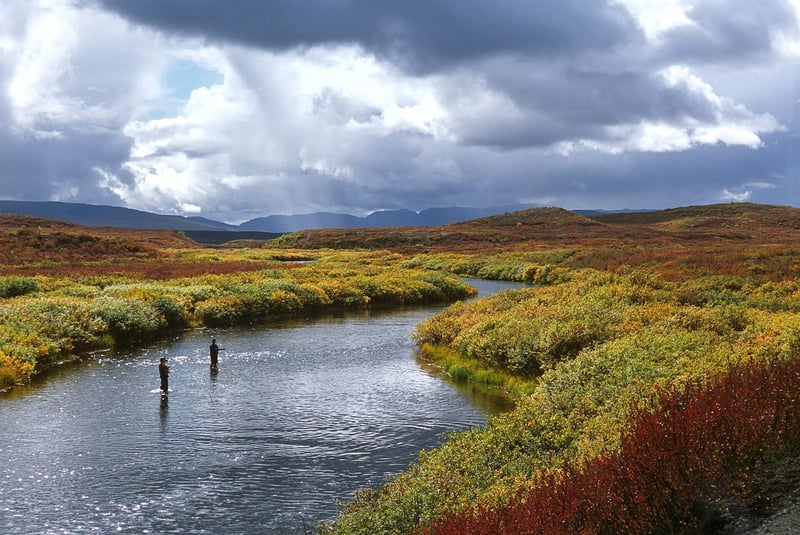
Where every fishing guide on The Wild10 starts.
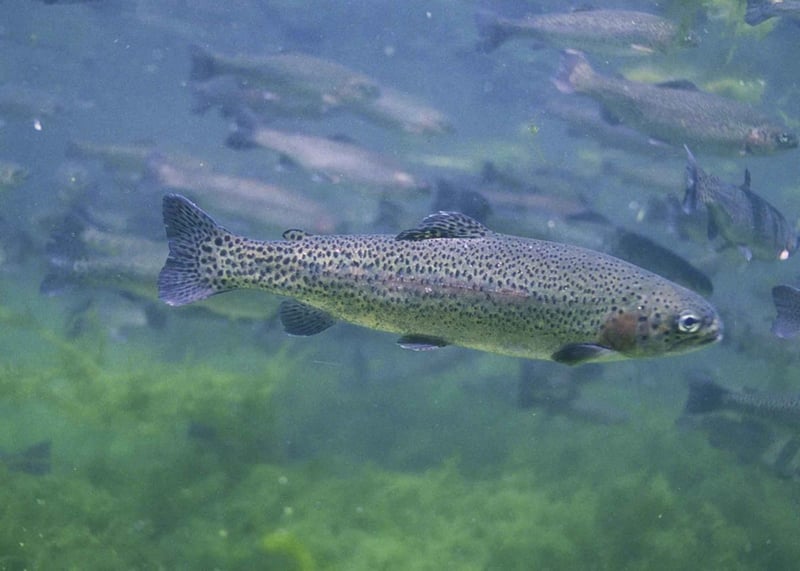
Body shape, fins, mouth, and markings for 30+ North American gamefish.
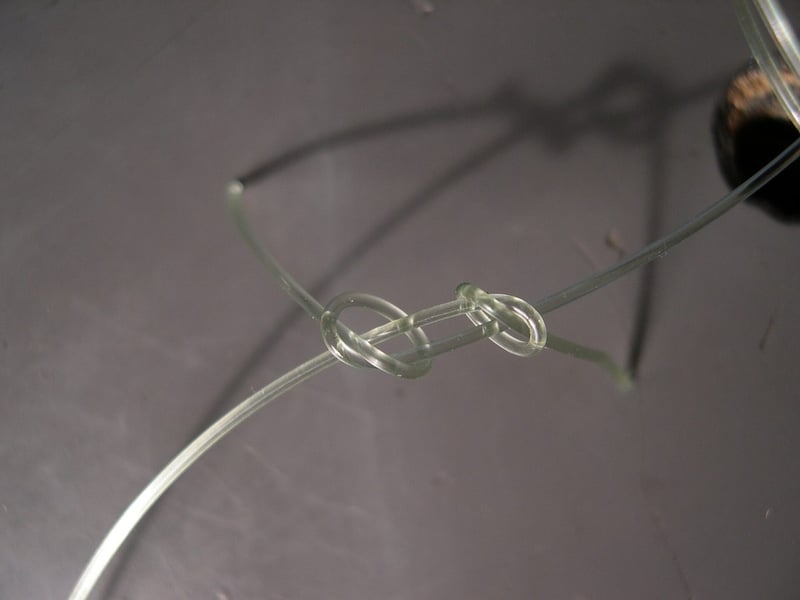
Twelve knots covering every hook, leader, and loop connection you need.
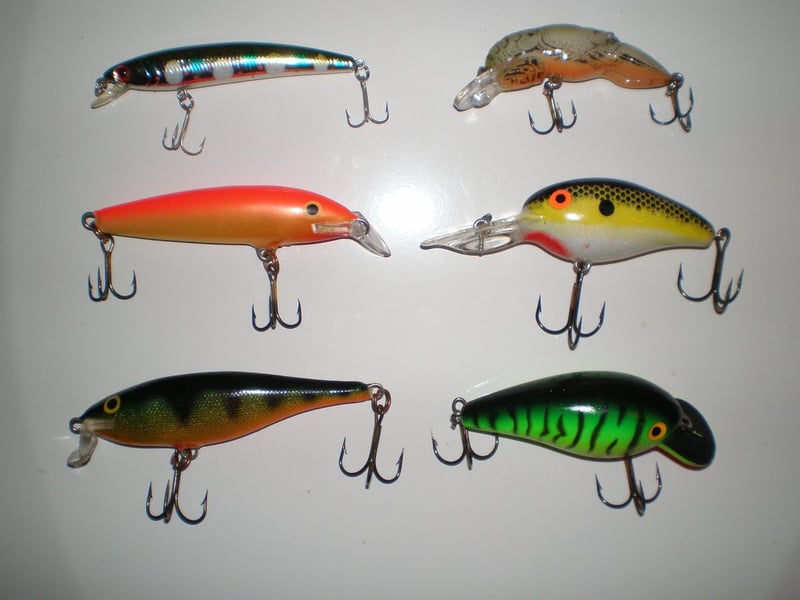
Matching lure category to temperature, clarity, depth, and season.
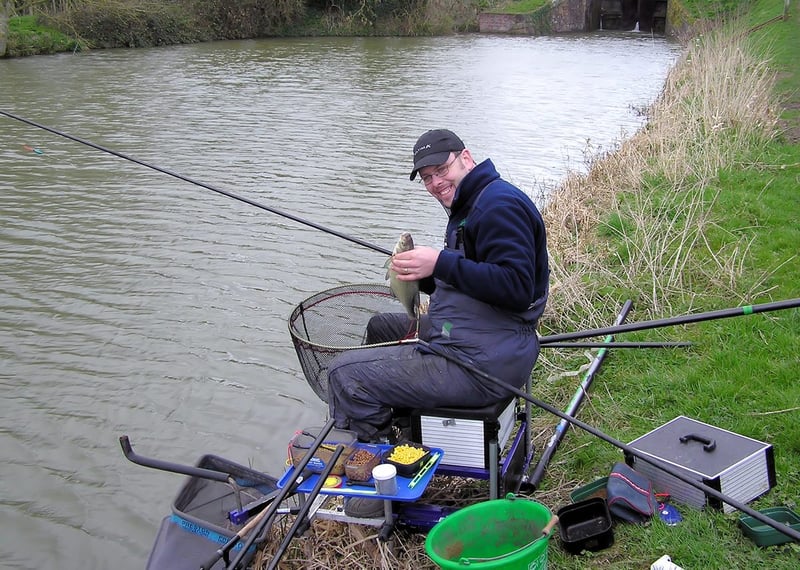
Reading water, timing the bite, and fixing a slow day on the spot.
Keep going
Tell lookalike species apart by fins, mouth, and markings.
Read →Match lure category to depth, clarity, and water temperature.
Read →The connections that keep big fish attached.
Read →Reading water and fixing a slow day on the spot.
Read →Top 10 lists
Ranked picks with real product photos, specs, and editor notes — the buying side of everything covered in these guides.
Bass, walleye, trout, and panfish rods ranked on feel.
See the ranking →Jig, crank, and heavy-cover rods by blank and taper.
See the ranking →Drag smoothness, line management, and long-haul gears.
See the ranking →Brake systems, backlash control, and drag under load.
See the ranking →Also on The Wild10
Same field-tested approach, applied to game species, rifles, shotguns, and bows — from scouting through meat care.
Open the hunting hub →