Spawning colonies
Late spring
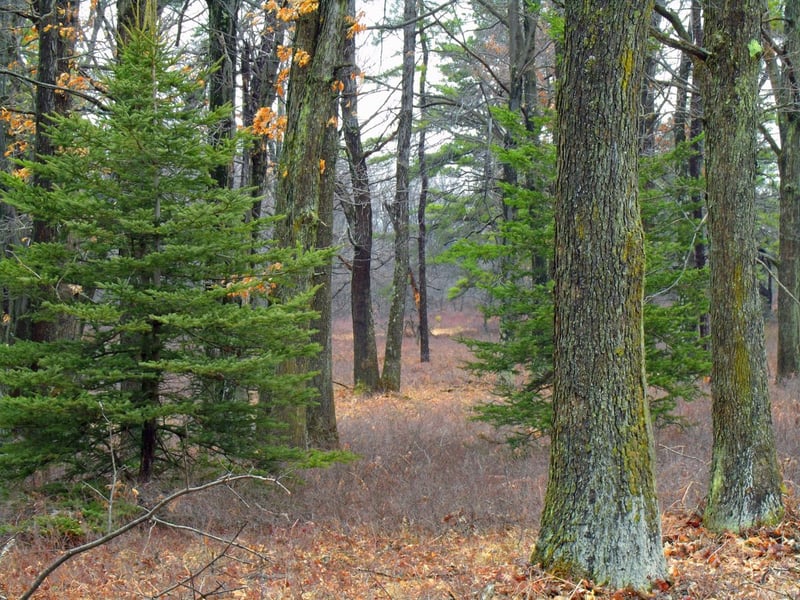
Dinner-plate beds clustered on hard bottom in 1–4 feet; find one bed and you have found forty fish.
Fishing · Species · Bluegill
The fish that teaches everyone to fish, and still the best afternoon on the water for most families.
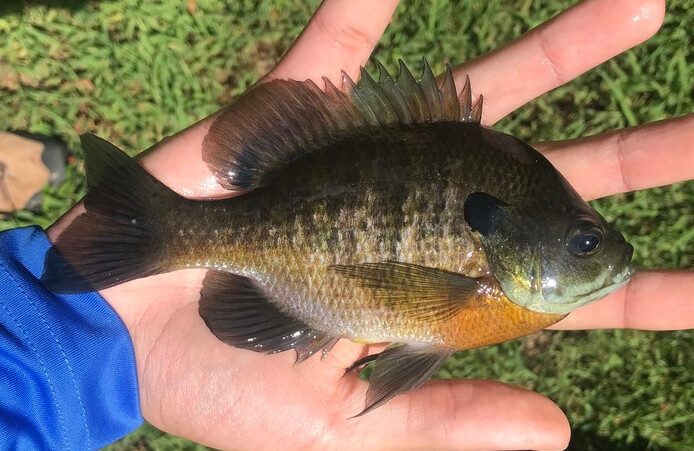
Bluegill are the most-caught gamefish in America and the reason most people own a tackle box. They live in nearly every warm-water pond, lake, and slow river on the continent.
They also reward doing it properly. A nine-inch bluegill on a 4-weight fly rod or an ultralight spinning rod fights harder for its size than any other freshwater fish.
The bedding period — full moons from late May through July — is the peak, when hundreds of fish fan visible saucer-shaped nests in shallow water and defend them aggressively.
01
You can find bluegill almost anywhere. These are places where they get big.
| Water & region | Why it's worth your time | Access & license |
|---|---|---|
| Farm ponds | Least pressured, often the biggest fish | Landowner permission; license rules vary by state |
| Florida lakes | Year-round growth and huge bull bluegill | FL freshwater license |
| Great Lakes bays and drowned rivermouths | Big, healthy panfish on weed edges | State license; note reduced panfish bag limits |
| Southern reservoirs | Long season, heavy spawning colonies | Basic state license |
| Urban fishing program lakes | Stocked and open to everyone | Often free or reduced license for youth |
02
Find shallow cover in warm water, present something small, and keep it still enough for them to eat.
03
Bluegill live where the cover is and go shallow to spawn repeatedly through the summer, which makes them the most predictable fish there is.
Late spring
Dinner-plate beds clustered on hard bottom in 1–4 feet; find one bed and you have found forty fish.
Summer
Openings inside cabbage and lily pads hold fish out of the sun with instant escape cover.
All season
Shade plus barnacle and insect growth on the posts makes docks a permanent food source.
Big fish
The largest bluegill in a lake spend most of their time on the deep grass edge in 10–18 feet, not in the shallows.
04
These are the presentations that consistently produce bluegill, with the conditions each one is actually for — not a tackle-shop wall.
Unbeatable
A piece of nightcrawler on a #8 hook eighteen inches under a small float. Nothing catches more bluegill.
Precision
Lets you hold a bait at an exact depth over a bed or a weed pocket.
Fly rod
A #10 popper on a 4-weight over a bed in the evening is the best hour in panfish fishing.
Big gills
Deep, slow-sinking nymphs on the outside weed line take the biggest fish in the lake.
Search
A #0 spinner covers water quickly to locate a school on unfamiliar water.
05
Bluegill are the most catchable fish in America, and their whole year revolves around the spawning beds.
| Season | Where the fish are | What works |
|---|---|---|
| Spring (65–75°F) | Colonial beds on hard sand and gravel in 1–5 ft; visible saucers along protected shorelines | Worm or cricket under a float; the easiest fishing of the year |
| Summer | Weed edges, dock shade, and deeper structure in 8–15 ft; big fish go deeper than the beds | Small jigs, worms fished on the bottom, tiny crankbaits; fish deeper for bulls |
| Fall | Feeding hard along weed edges and dropping onto deeper flats | Small jigs and worms on the outside weed edge |
| Winter / ice | Basin edges and deep weeds in 10–25 ft, suspended | Tungsten micro jigs with wax worms or plastics, fished with a spring bobber and a flasher |
06
Bluegill feed nearly all day but the size shifts with the light.
Fish on the beds and along weed edges; the most action of the day for numbers.
Move to shade and deeper weeds; dock pilings and bridge shade hold fish through the heat.
Bulls
The biggest bluegill in a lake feed last hour of light, often deeper than the crowd is fishing.
07
Everything shrinks. A #8 hook is often too big for a bull's small mouth.
Small fixed float, split shot, #8–#10 hook with a half worm set 12–36 in deep. The rig every angler learns on and none outgrows.
1/64–1/32 oz jig with a small plastic under a pencil float; the float's resistance is small enough that they don't drop it.
1/8 oz weight, #8 hook 10 in up, a small plastic worm; fished over deep weed edges for the large fish that never come to the beds.
2 lb line, tungsten 3–4 mm jig, spring bobber, tipped with wax worms or soft plastic; the deadstick with a crappie minnow beside it.
Size 10–12 foam popper or a rubber-leg spider on a 4 wt; the most fun way to fish a bedding colony.
08
Small, alive, and wiggling.
#1
A half-inch piece on a #8 hook. More bluegill have been caught on this than everything else combined.
Southern classic
Hooked through the collar under a float; deadly on bedding fish.
Ice and cold water; two or three on a tungsten jig.
Late summer, on the surface with no weight along grass banks.
09
Catching bluegill is easy; catching big bluegill takes a deliberate approach.
10
The lowest-barrier fishing in the country — but panfish limits are getting tighter as agencies protect big fish.
11
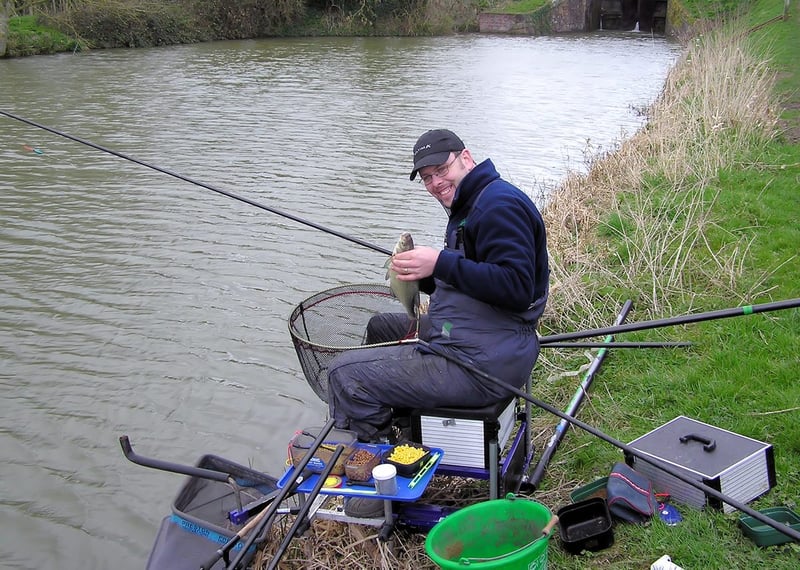
This is the most enjoyable low-stakes fishing there is. A summer evening, a bucket of crickets, and a shoreline is a complete outing.
It's also the best possible way to teach a child to fish: constant action, no casting distance required, and immediate feedback.
The fly-rod version is genuinely fun for experienced anglers — a bull bluegill on a 3-weight turns sideways and refuses to come in.
12
The rod, line, and terminal choices that actually change your hookup rate — with the numbers, not vague categories.
Core rod
Makes a half-pound fish feel like a real one; 4 lb line is plenty.
The most fun way to fish bedding bluegill with poppers.
Key detail
Small hooks are the single biggest fix for missed bites.
A pencil float shows the light take that a round bobber hides.
Live bait outfishes everything; jigs keep you fishing when bait runs out.
Fly box
Sizes 8–12, black and yellow, cover the whole summer.
13
What happens between the hookset and the cooler decides whether you land the fish and whether it is worth eating.
14
Cleaning a bluegill the right way takes about four minutes once you know the sequence.
15
Bluegill are outstanding eating — sweet, firm, and among the cleanest-tasting freshwater fish.
Fillets are small; many people scale and pan-fry the whole fish instead, which is faster and better.
On small ponds, harvesting numbers of small bluegill actually improves the fishery, while removing the big bulls hurts it.
Ice immediately and eat fresh — panfish do not improve in the freezer.
Size limits, creel limits, and seasons are set water by water and change every year. These agencies publish the current rules.
Reduced panfish bag limits and the reasoning behind them.
Site forecasts for bluegill and shellcracker.
Questions
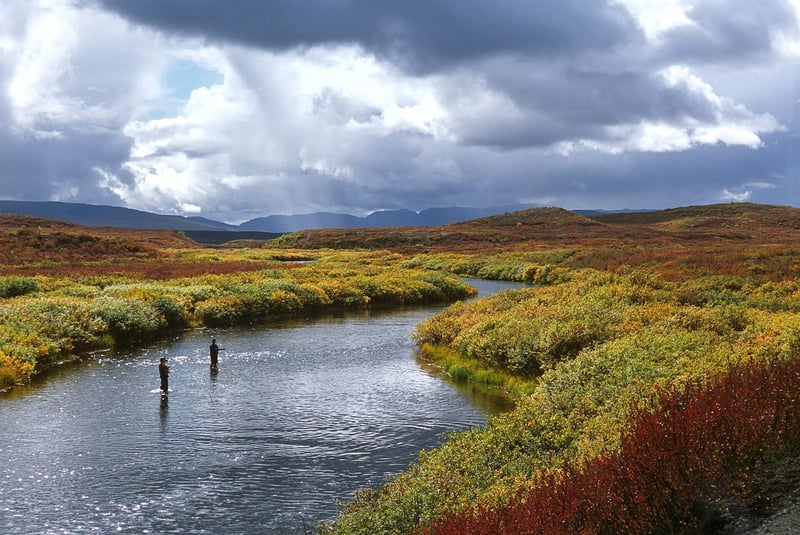
Where every fishing guide on The Wild10 starts.
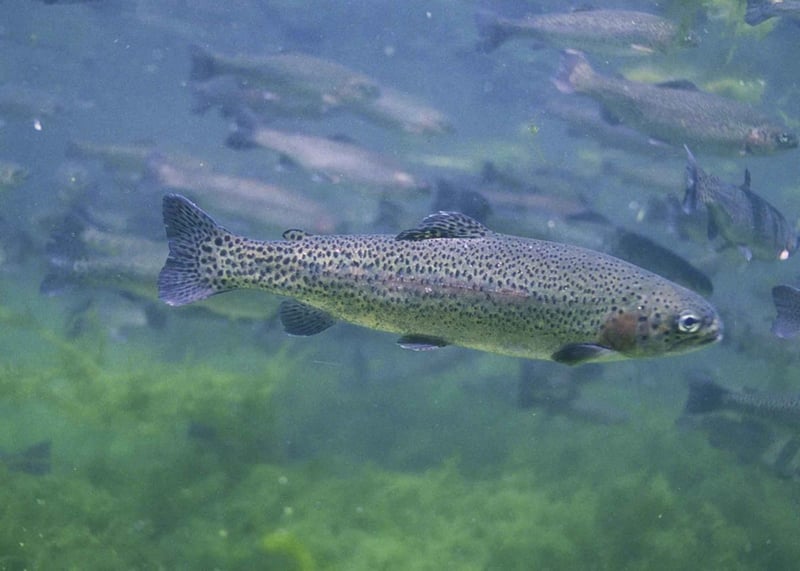
Body shape, fins, mouth, and markings for 30+ North American gamefish.
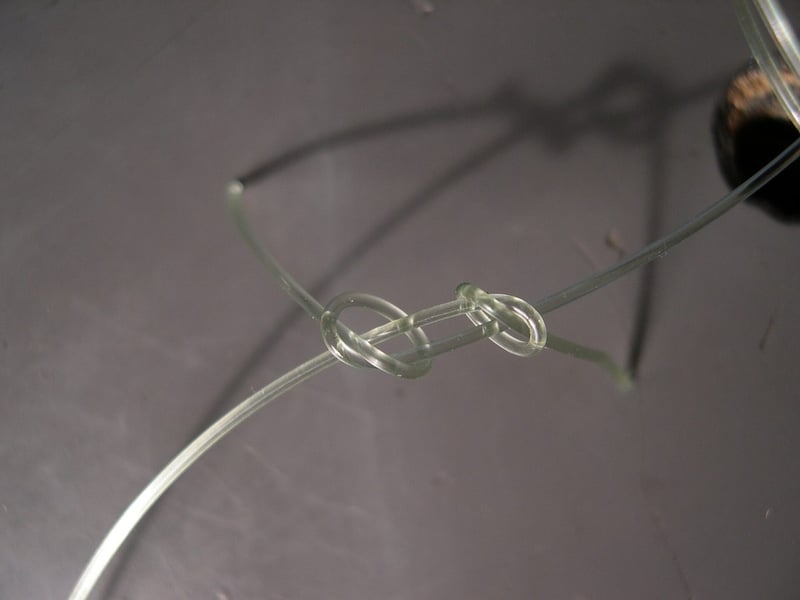
Twelve knots covering every hook, leader, and loop connection you need.
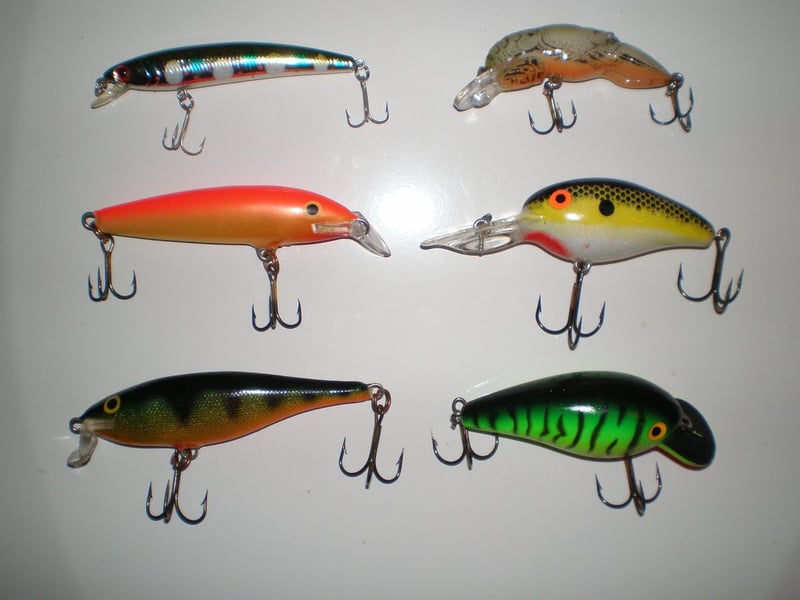
Matching lure category to temperature, clarity, depth, and season.
Reading water, timing the bite, and fixing a slow day on the spot.
Keep going
Tell lookalike species apart by fins, mouth, and markings.
Read →Match lure category to depth, clarity, and water temperature.
Read →The connections that keep big fish attached.
Read →Reading water and fixing a slow day on the spot.
Read →Top 10 lists
Ranked picks with real product photos, specs, and editor notes — the buying side of everything covered in these guides.
Bass, walleye, trout, and panfish rods ranked on feel.
See the ranking →Jig, crank, and heavy-cover rods by blank and taper.
See the ranking →Drag smoothness, line management, and long-haul gears.
See the ranking →Brake systems, backlash control, and drag under load.
See the ranking →Also on The Wild10
Same field-tested approach, applied to game species, rifles, shotguns, and bows — from scouting through meat care.
Open the hunting hub →