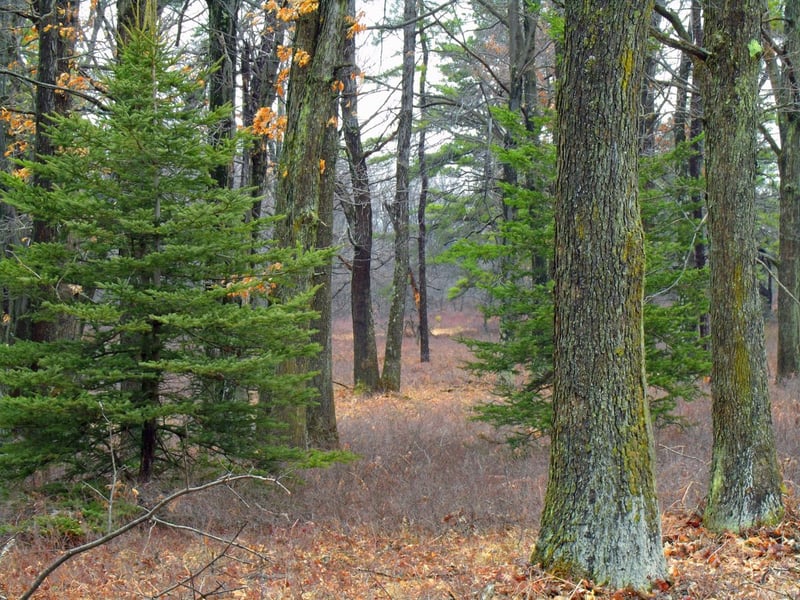

Sand and gravel flats
Core
8–25 feet of clean bottom near weeds; the school patrols it in a loop, so stay put once you find them.
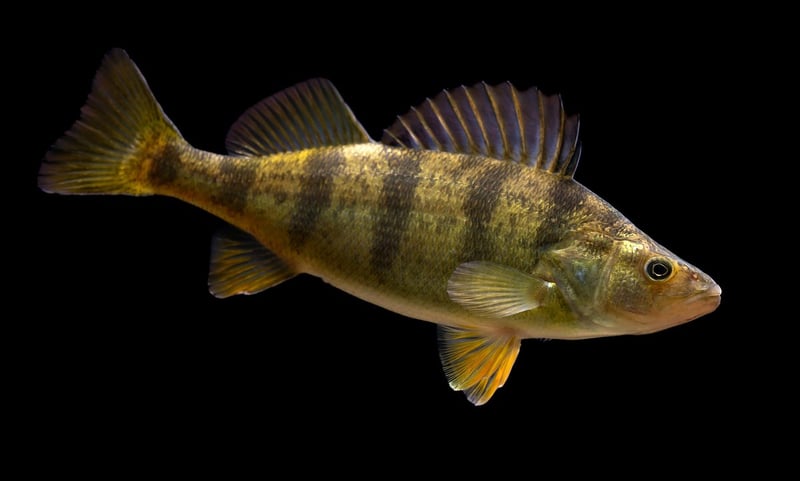
Fishing · Species · Yellow Perch
A schooling, bottom-oriented panfish that gets better the colder it gets — and the best-eating small fish in fresh water.
Yellow perch are a schooling fish that lives on the bottom in sand, gravel, and the outside edges of weed beds. Where you find one you'll find a hundred, and they move as a unit.
They peak in cold water. Late fall and the ice season produce both the most fish and the largest ones, and Lake Erie's fall perch run is a legitimate destination fishery.
They also happen to be one of the two or three best-eating fish in fresh water, which is why the limits on productive water get filled every day of the season.
01
Perch are widespread in the north. These are the places where 'jumbo' perch over 12 inches are a realistic target.
| Water & region | Why it's worth your time | Access & license |
|---|---|---|
| Lake Erie (all states) | The best jumbo perch fishery in the world | State license; daily limit typically 30 |
| Devils Lake, North Dakota | Huge perch under the ice | ND license; excellent access and rental houses |
| Lake Simcoe, Ontario | Famous ice perch and whitefish fishery | Ontario Outdoors Card and license |
| Chesapeake tributaries (MD/VA) | Spring yellow perch runs up feeder creeks | State tidal license; short spring season |
| Minnesota/Wisconsin lakes | Reliable numbers alongside walleye | State license; combined panfish limits in places |
02
Find the bottom, find the school, and use small baits presented tight to the bottom.
03
Perch roam in tight schools along the bottom over sand, gravel, and weed edges, and they move constantly.
Core
8–25 feet of clean bottom near weeds; the school patrols it in a loop, so stay put once you find them.
Summer
The outside cabbage line holds perch feeding on bugs and minnows all day.
Winter
Perch shift to soft basin bottom for bloodworms under the ice; jumbo perch live here.
Great Lakes
Break walls, harbor mouths, and pier ends concentrate perch in fall.
04
These are the presentations that consistently produce yellow perch, with the conditions each one is actually for — not a tackle-shop wall.
Standard
1/16–1/8 oz jig tipped with a minnow head or a soft plastic worm, pounded on the bottom.
Numbers
Two hooks above a bell sinker, baited with minnows or worms, fished vertically.
Aggressive fish
The flash pulls in a school; switch to bait once they are under you.
Fast fishing
Keeps you fishing instead of re-baiting when the school is on top of you.
05
Perch school by size and roam. Finding the school is 90 percent of perch fishing.
| Season | Where the fish are | What works |
|---|---|---|
| Spring (spawn, 45–52°F) | Shallow weedy bays and marina basins where they drape egg ribbons on vegetation | Small jigs and minnows near the weeds; excellent shore fishing |
| Summer | Weed edges and sand flats in 10–25 ft; schools roam, feeding on insects and young-of-year baitfish | Drop shots, small jigs with minnow heads, crawler chunks on the bottom |
| Fall | Deeper: 25–45 ft on hard bottom and gravel, schooling tightly; the jumbo bite | Vertical jigging spoons and jigs tipped with minnow heads |
| Winter / ice | Deep basin edges and mud flats where they root for insect larvae | Tungsten jigs with spikes, small spoons to call fish, drop-shot for finicky jumbos |
06
Perch are strictly daytime feeders — one of the few gamefish that essentially shut down at night.
Best
Perch schools become active a couple hours after sunrise; 9 a.m. to noon is often the peak.
Steady bite continues; jumbo perch often bite best in the last two hours of daylight in fall.
Perch stop feeding and settle to the bottom. Do not plan a night trip for them.
07
Perch rigs are small, vertical, and scent-tipped.
Wire spreader with two dropper hooks (#4–#6) and a 1 oz sinker, baited with minnows or worm chunks, dropped straight down. The Great Lakes standard.
1/4 oz weight, #6 hook 8–12 in above with a minnow head or small plastic; the best rig for a picky school.
1/16–1/8 oz jig tipped with the head of a fathead — perch attack the head and the plastic body keeps the profile.
1/16–1/8 oz flash spoon tipped with a minnow head, used to call fish in, then switch to a small tungsten jig for the finicky ones.
08
Perch respond to scent and small live offerings.
#1
Whole under a float or as a hooked-through head on jigs.
One-inch chunks on a spreader rig or jig; excellent for summer perch on flats.
Ice-fishing staples on tungsten jigs.
Old-school ice tipping bait — durable and effective; illegal in some states, so verify.
09
Mobility beats patience. Perch schools do not come to you.
10
Basic licensing, but perch limits are among the most actively managed panfish rules in the country.
11
Perch fishing is a numbers game, and on a good school it is fast, social, and productive — often a limit in an hour or two.
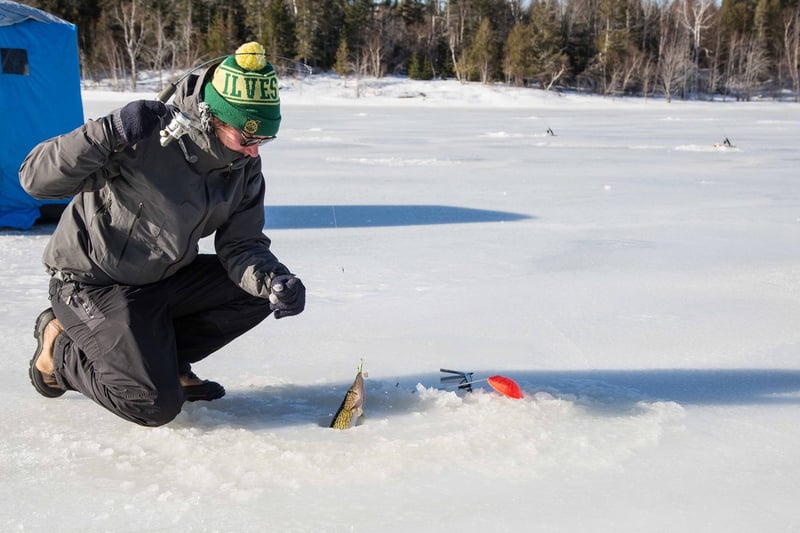
Ice fishing is where perch shine. A portable shelter, a flasher, and a bucket of small jigs is the whole kit.
The Lake Erie fall bite is the biggest event — head boats and private boats limit out on jumbos through October and November.
12
The rod, line, and terminal choices that actually change your hookup rate — with the numbers, not vague categories.
Open water
Fast tip to detect a light take on bottom.
Hardwater
Short enough for a shelter, sensitive enough for a perch bite.
Thin diameter keeps small baits on bottom in current.
The Lake Erie standard — two hooks, a sinker, and minnow heads.
Tungsten gets down fast and holds bottom in wind or current.
Best bait
Perch key on live scent; plastics work but bait wins on tough days.
13
What happens between the hookset and the cooler decides whether you land the fish and whether it is worth eating.
14
Cleaning a yellow perch the right way takes about four minutes once you know the sequence.
15
Yellow perch fillets are the equal of walleye — sweet, firm, and completely mild.
They're small, so filleting a limit takes time; an electric fillet knife pays for itself in one trip.
Ice them immediately and fry them fresh. Perch is the classic Friday fish fry of the upper Midwest for good reason.
Size limits, creel limits, and seasons are set water by water and change every year. These agencies publish the current rules.
Weekly perch locations, depths, and daily limits.
Zone limits for perch and ice shelter rules.
Questions
Where every fishing guide on The Wild10 starts.
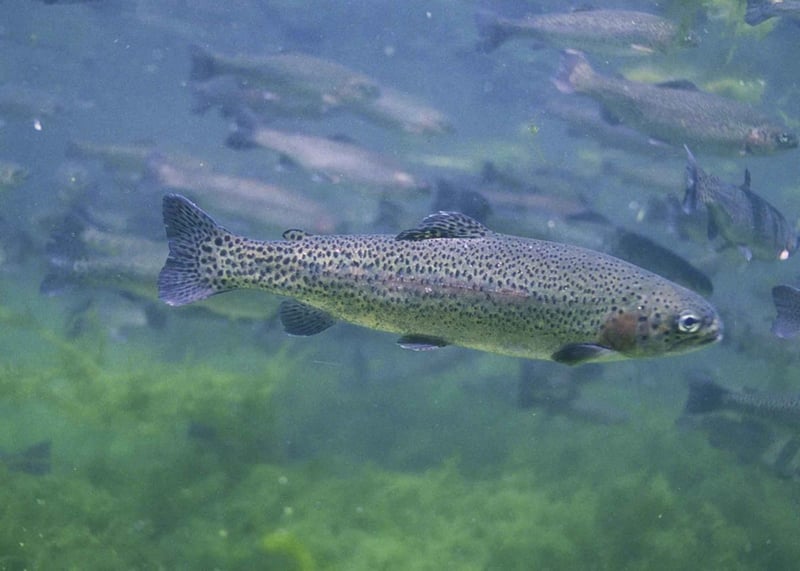
Body shape, fins, mouth, and markings for 30+ North American gamefish.
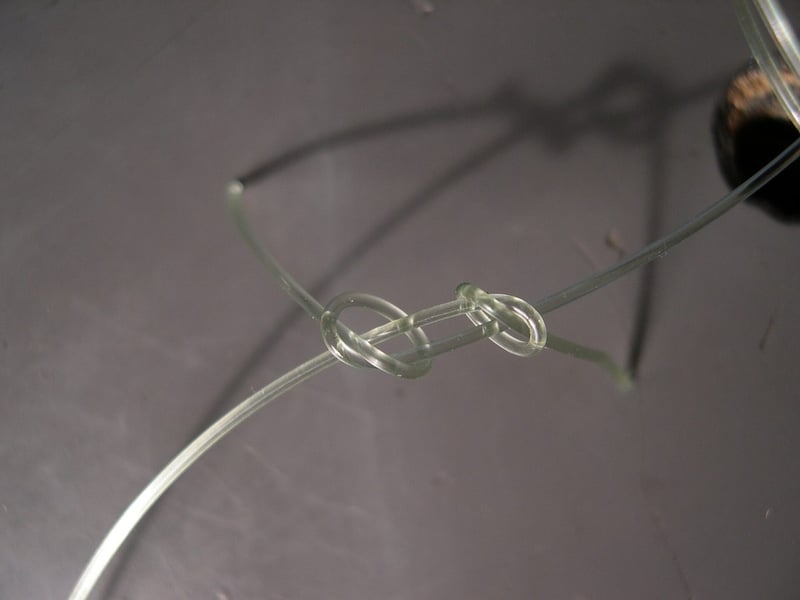
Twelve knots covering every hook, leader, and loop connection you need.
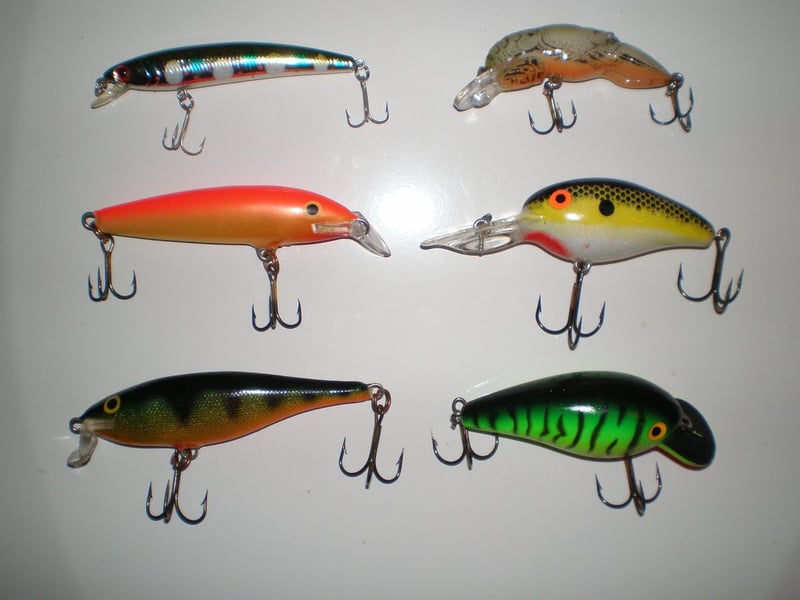
Matching lure category to temperature, clarity, depth, and season.
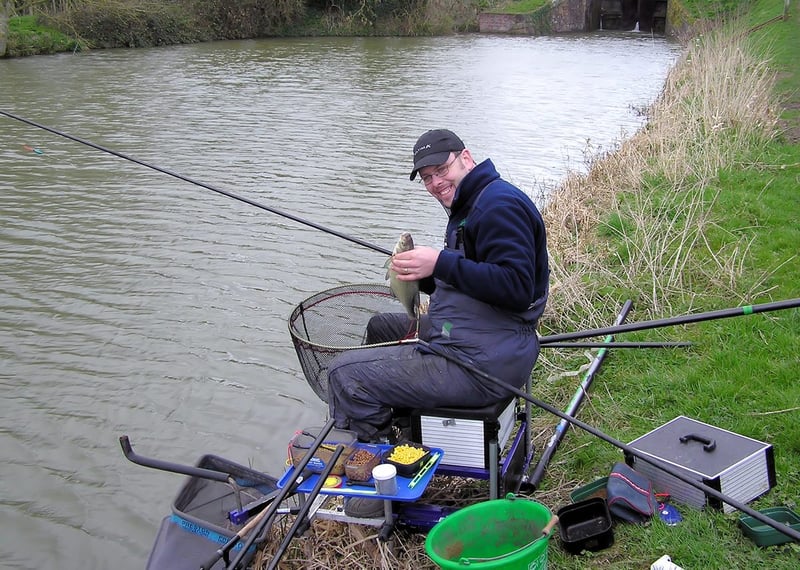
Reading water, timing the bite, and fixing a slow day on the spot.
Keep going
Tell lookalike species apart by fins, mouth, and markings.
Read →Match lure category to depth, clarity, and water temperature.
Read →The connections that keep big fish attached.
Read →Reading water and fixing a slow day on the spot.
Read →Top 10 lists
Ranked picks with real product photos, specs, and editor notes — the buying side of everything covered in these guides.
Bass, walleye, trout, and panfish rods ranked on feel.
See the ranking →Jig, crank, and heavy-cover rods by blank and taper.
See the ranking →Drag smoothness, line management, and long-haul gears.
See the ranking →Brake systems, backlash control, and drag under load.
See the ranking →Also on The Wild10
Same field-tested approach, applied to game species, rifles, shotguns, and bows — from scouting through meat care.
Open the hunting hub →