Undercut banks
Prime lie
The single best brown trout address on any river; fish it from downstream with a low profile.
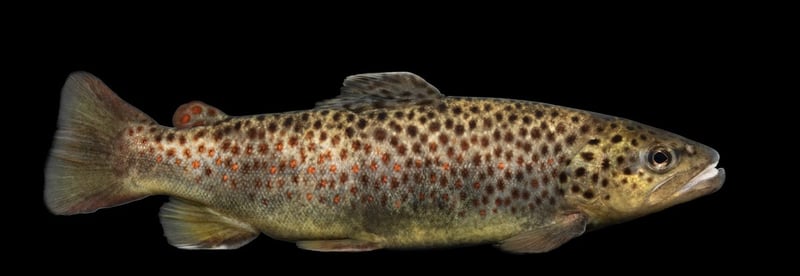
Fishing · Species · Brown Trout
The most cautious trout in the river, and the one most likely to be the biggest fish in it.
Brown trout tolerate slightly warmer, siltier water than brookies or rainbows, which is why they persist in rivers where native trout have thinned out.
They are also the most predatory and the most nocturnal. A big brown feeds at night, in dirty water, and at the edges of light, which is exactly why most anglers never see the biggest fish in their home river.
Fish them like a predator — bigger flies, low light, undercut banks and wood — and the size of the average fish changes noticeably.
01
Brown trout water rewards knowing a single river well, but these fisheries produce big fish consistently.
| Water & region | Why it's worth your time | Access & license |
|---|---|---|
| Missouri River, Montana | Huge wild browns in a rich tailwater | MT license; heavy guide and access infrastructure |
| Delaware River system (NY/PA) | Wild, selective browns on technical water | NY or PA license; dry fly fishing at its hardest |
| Driftless Area (WI/MN/IA) | Spring creeks with high wild brown density | State license plus trout stamp; excellent public easements |
| White & Norfork Rivers, Arkansas | Trophy browns over 20 lb in tailwater | AR license plus trout permit; watch generation schedules |
| Lake Michigan tributaries | Fall run of lake-run browns | State license plus Great Lakes stamp |
02
The approach separates brown trout from every other trout: fish low light, fish the edges, and fish bigger than you think.
03
Brown trout claim the best low-light lies in a river and defend them. They hold tighter to cover and deeper shade than rainbows do.
Prime lie
The single best brown trout address on any river; fish it from downstream with a low profile.
Big fish
Heavy wood in a deep bend holds the largest fish in most trout streams.
Daytime
The turbulent water at the top of a pool gives cover and oxygen and delivers a constant food line.
After dark
Large browns move onto shallow flats and tailouts to hunt after dark — the trophy window in summer.
04
These are the presentations that consistently produce brown trout, with the conditions each one is actually for — not a tackle-shop wall.
Trophy hunting
Stripped hard on a sink tip along banks and past wood; browns eat streamers out of aggression, not hunger.
Night
Skated across shallow tailouts on summer nights — the most exciting take in trout fishing.
Daytime
Two-fly rig with a heavy anchor fly drifted through pool heads and deep seams.
Evening
Browns key on evening caddis and spinner falls; fish the last hour of light hard.
Spin gear
A 3–4" suspending minnow twitched along undercut banks in stained water.
Small streams
Silver or gold #2 spinner worked upstream and across in tight brushy water.
05
Browns are fall spawners, tolerate warmer water than other trout, and grow big by eating other fish. They are the wariest trout in the river.
| Season | Where the fish are | What works |
|---|---|---|
| Spring | Riffles and runs as water warms; big fish feed heavily after winter | Nymphs, streamers on high water, spinners; the worm bite on rising rivers |
| Summer | Undercut banks, deep pools, shade, and cold tributaries; nocturnal feeding on big fish | Dry flies at dusk, terrestrials (hoppers, ants) midday along grass banks, mouse patterns and big streamers at night |
| Fall (pre-spawn) | Migrating upstream to spawning gravel; extremely aggressive and territorial | Large streamers, jerkbaits, spinners; egg patterns behind redds (fish the pools below, not the redds) |
| Winter | Slow, deep pools and tailwaters | Small nymphs and midges dead-drifted deep; slow-jigged spoons in lakes |
06
Brown trout are the most nocturnal of the trout. The biggest fish feed after dark.
Good streamer and nymph bite in low light before the sun hits the water.
Small fish rise to hatches; big fish stay under cover. Terrestrials tight to banks in summer and nymphs in deep runs.
Best
Evening hatches, spinner falls, and the first streamer action of the night; large fish move out of cover.
Trophy
Mouse patterns on the surface, big black streamers, and large stickbaits fished slowly through pools produce the biggest browns of the year.
07
Stealth rigs by day, heavy rigs by night.
Sink-tip line or a 9 ft 2X leader with split shot, 4–6 in articulated streamer, stripped across and down pools. Or a 3–4 in jerkbait on 8 lb fluoro for spin anglers.
A buoyant dry (hopper, stimulator) with 18–24 in of tippet to a small nymph off the bend. Covers surface and subsurface in one drift.
Long leader, no indicator, two heavy tungsten nymphs, led downstream under tension for a direct feel of the take in fast pocket water.
A black or dark 4–5 in floating minnow bait on 10–12 lb line, retrieved painfully slow with pauses through the head of a pool.
Split shot 12–18 in above a #8 bait hook with a crawler, drifted along undercut banks and through pools on rising or stained water.
08
Browns eat meat. Bigger, natural baits reach the larger fish.
Rising water
Whole crawler drifted after rain when rivers rise and color; big browns move out to feed.
Lip-hooked and drifted through deep pools; the bait for a trophy where legal.
Small softshells drifted along rock bottoms in summer.
Behind spawning suckers in spring and salmon in fall on Great Lakes tributaries.
09
Assume the fish has already seen you, and plan around that.
10
Same permit structure as other trout, with more special-regulation water in the mix.
11
Brown trout fishing gets quieter and more solitary the better it gets. The best hours are before dawn and after dark.
Expect fewer, larger fish than a rainbow day. A single 20-inch brown is a successful outing on most rivers.
The fall spawn is the ethical line: fish move onto shallow gravel redds and should be left alone there.
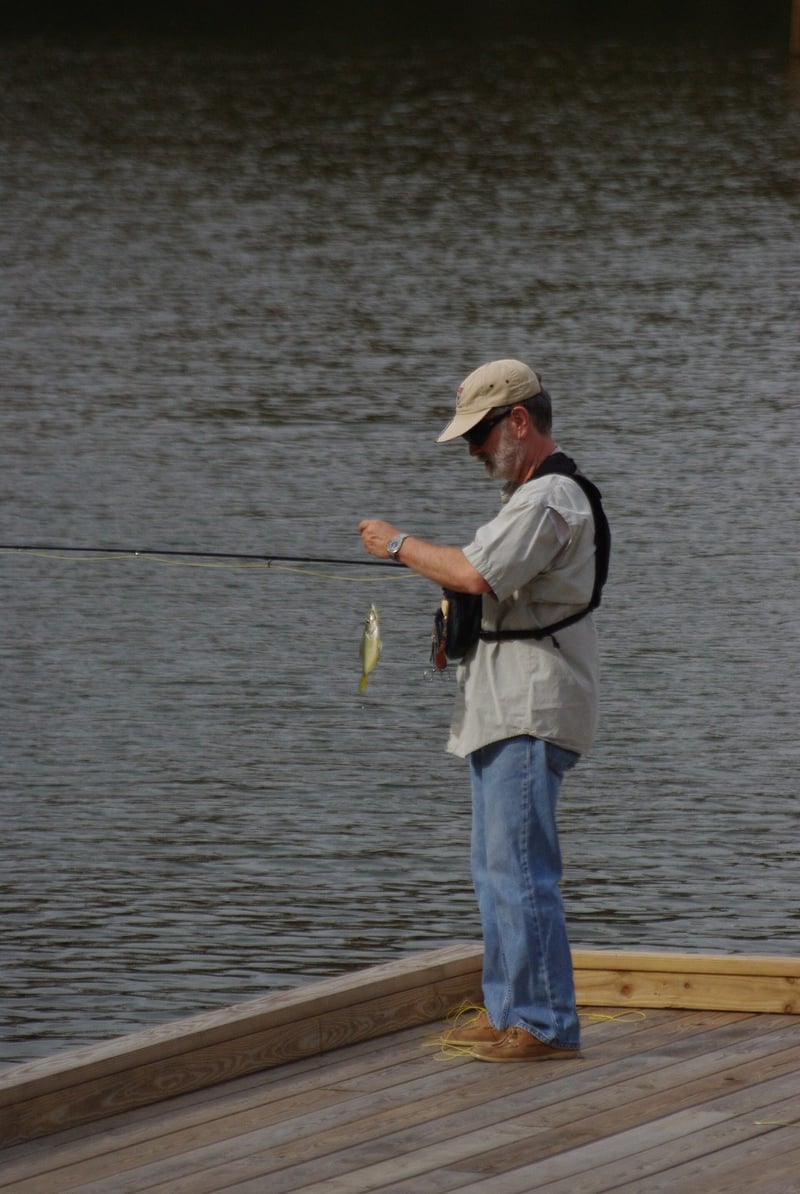
12
The rod, line, and terminal choices that actually change your hookup rate — with the numbers, not vague categories.
Streamer rod
Enough backbone to throw weighted streamers and big terrestrials.
Gets the streamer down along banks and through deep slots.
Heavier than nymph tippet — big browns eat hard and hold structure.
Core flies
Olive and black patterns in 3–5 inches cover most water.
The night fly; unglamorous and shockingly effective on the largest fish.
Night gear
Preserves your night vision and doesn't blow the pool.
13
What happens between the hookset and the cooler decides whether you land the fish and whether it is worth eating.
14
Cleaning a brown trout the right way takes about four minutes once you know the sequence.
15
Browns eat well, especially fish in the 12–16 inch class from cold water.
Big wild browns are slow-growing and disproportionately valuable to the fishery — most anglers release everything over 18 inches.
Firm flesh takes smoke, grill, and pan equally well; gut and ice immediately.
Size limits, creel limits, and seasons are set water by water and change every year. These agencies publish the current rules.
Stream classifications, easements, and special regulations.
Tailwater trout rules and generation schedules.
Questions
Where every fishing guide on The Wild10 starts.
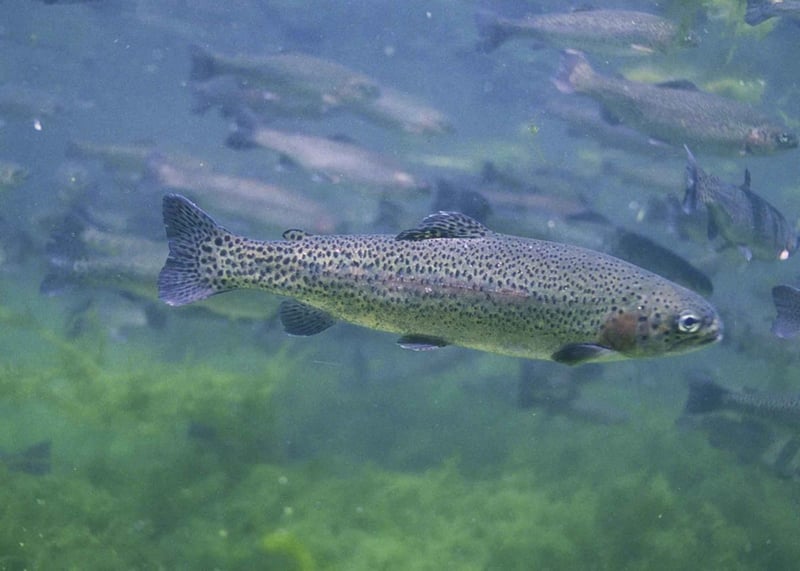
Body shape, fins, mouth, and markings for 30+ North American gamefish.
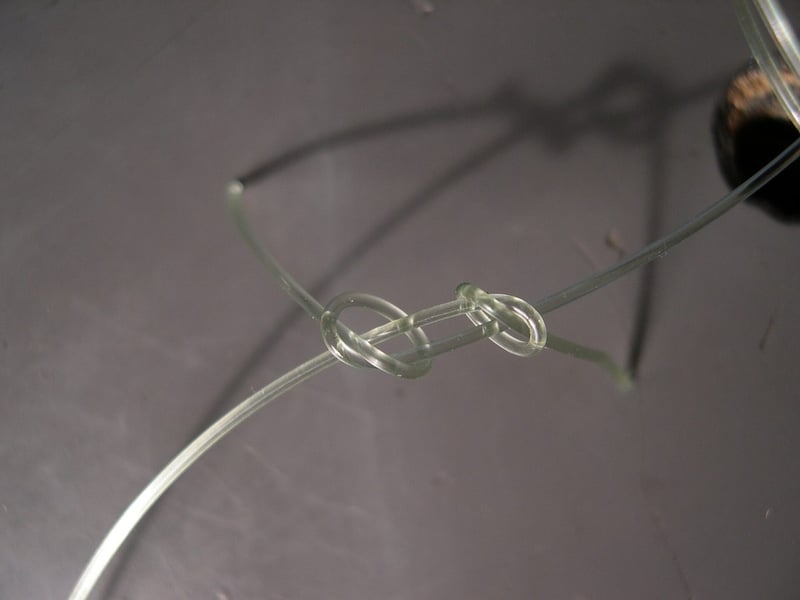
Twelve knots covering every hook, leader, and loop connection you need.
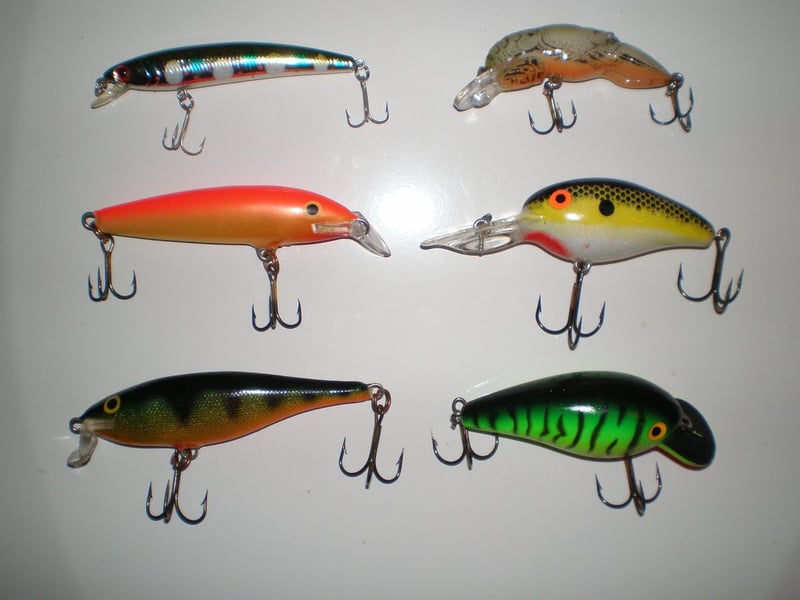
Matching lure category to temperature, clarity, depth, and season.
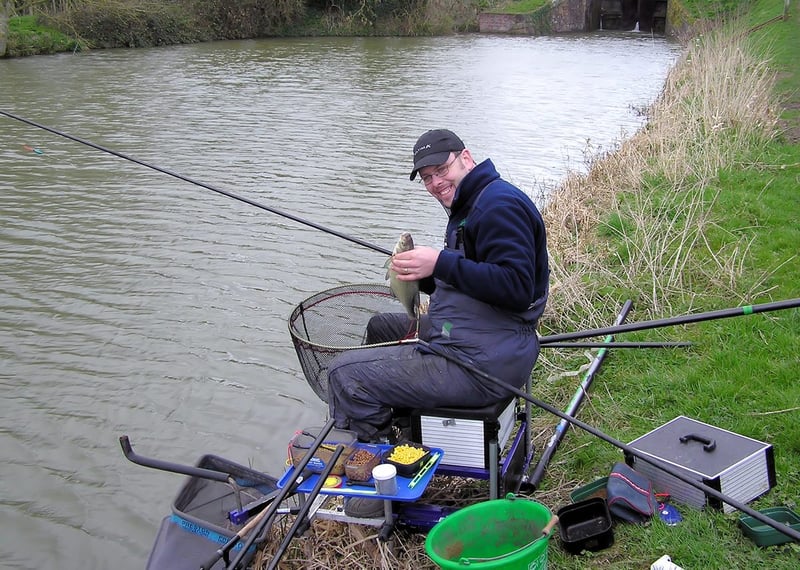
Reading water, timing the bite, and fixing a slow day on the spot.
Keep going
Tell lookalike species apart by fins, mouth, and markings.
Read →Match lure category to depth, clarity, and water temperature.
Read →The connections that keep big fish attached.
Read →Reading water and fixing a slow day on the spot.
Read →Top 10 lists
Ranked picks with real product photos, specs, and editor notes — the buying side of everything covered in these guides.
Bass, walleye, trout, and panfish rods ranked on feel.
See the ranking →Jig, crank, and heavy-cover rods by blank and taper.
See the ranking →Drag smoothness, line management, and long-haul gears.
See the ranking →Brake systems, backlash control, and drag under load.
See the ranking →Also on The Wild10
Same field-tested approach, applied to game species, rifles, shotguns, and bows — from scouting through meat care.
Open the hunting hub →