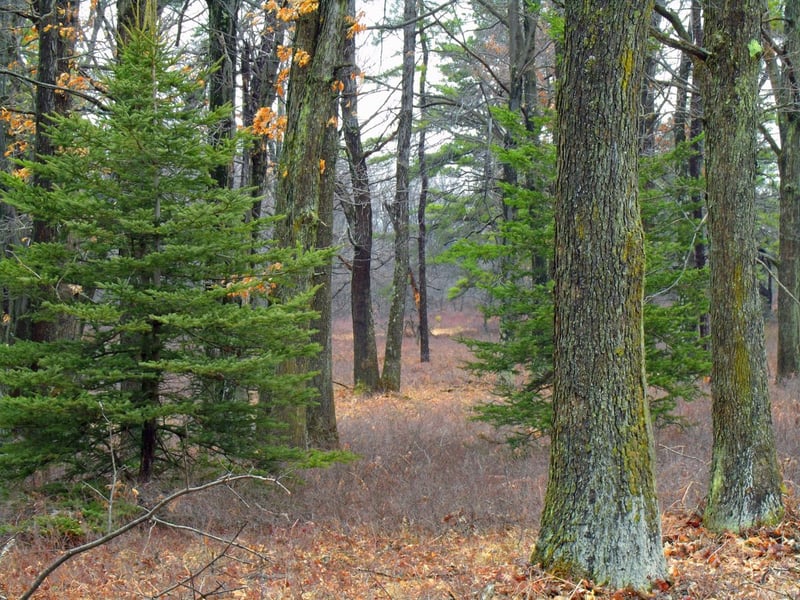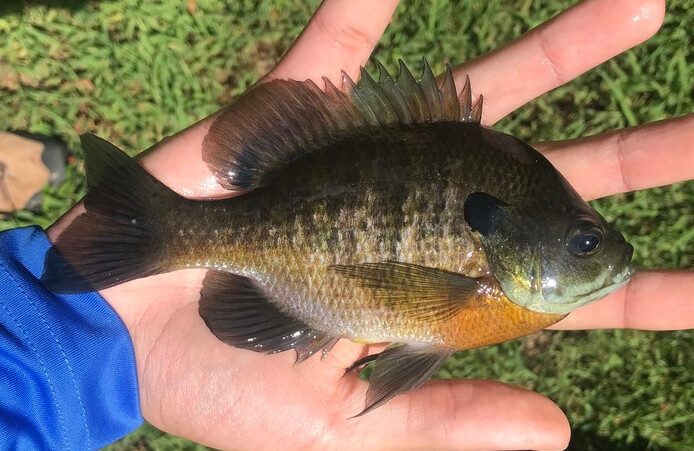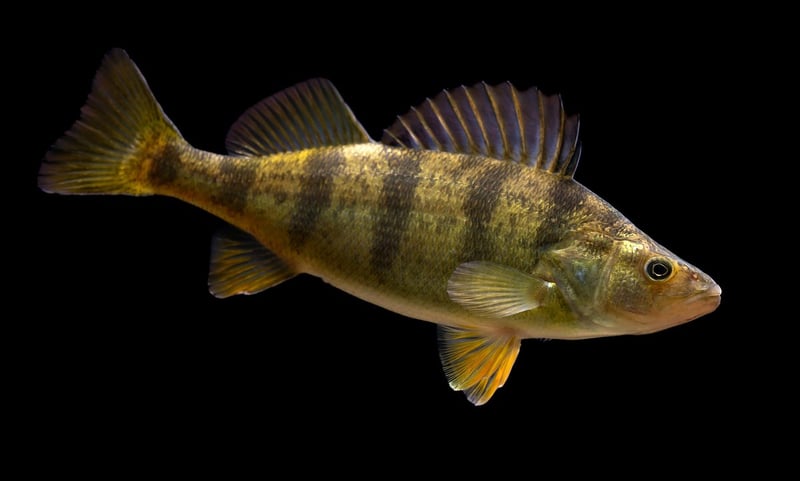
Brush piles
Core
Sunken cedar and hardwood brush in 8–20 feet holds crappie nearly year-round in reservoirs.
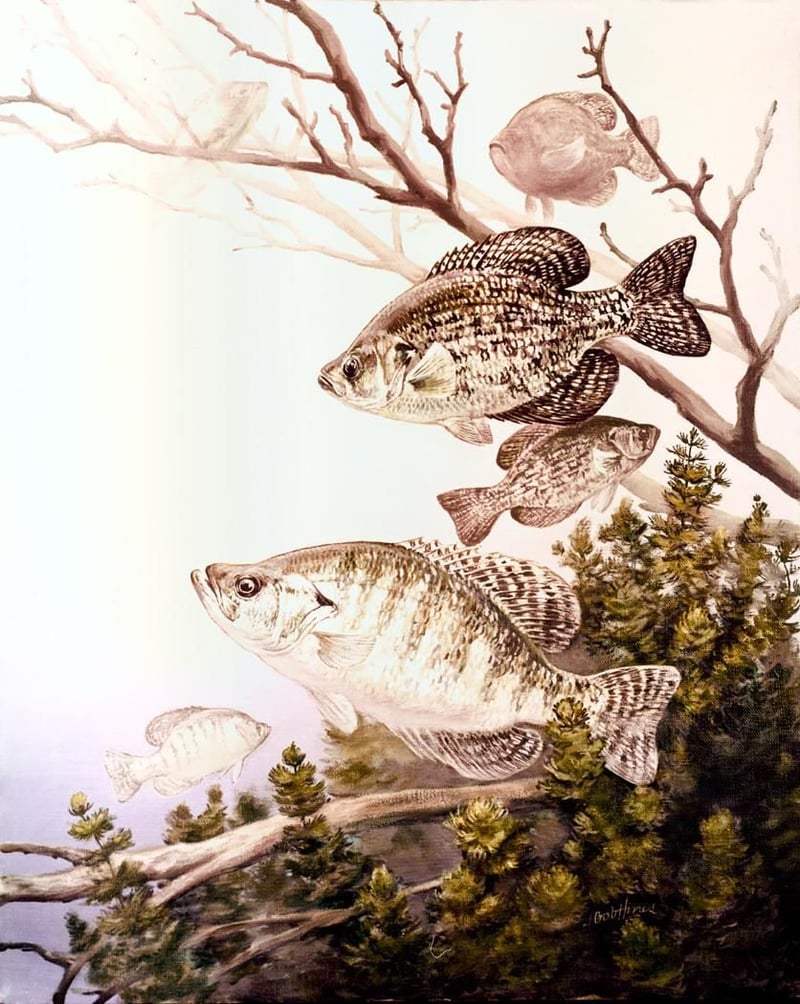
Fishing · Species · Crappie
The best-tasting fish most people can catch in numbers, and the one that schools tight enough to fill a cooler.
Crappie do one thing that makes them special to anglers: they school tightly. Find one and you have generally found thirty, and that turns a slow day into a limit inside an hour.
They relate to vertical cover — brush piles, standing timber, dock posts, bridge pilings — and they suspend at a specific depth within it, which is the single most important thing to figure out on a given day.
The spring spawn, when they push into two to six feet of water, is the most accessible fishing of the entire year for anyone without a boat.
01
Crappie fisheries are everywhere; these are the ones with genuine size as well as numbers.
| Water & region | Why it's worth your time | Access & license |
|---|---|---|
| Grenada Lake, Mississippi | The country's best big-crappie water — 3 lb fish | MS license; length limit protects the fishery |
| Kentucky & Barkley Lakes (KY/TN) | Huge numbers plus managed brush piles | KY or TN license; reciprocal on parts |
| Lake Fork & Sam Rayburn, Texas | Long season and heavy timber | TX license; some lakes have 10-inch minimums |
| Minnesota/Wisconsin lakes | Excellent ice fishing for slabs | State license; check panfish bag reductions |
| Local reservoirs with brush programs | State agencies publish brush pile GPS coordinates | Standard state license |
02
Find cover, find the depth, then keep the bait just above the fish.
03
Crappie are school fish that live vertically. Once you find the depth, you have usually found the whole group.
Core
Sunken cedar and hardwood brush in 8–20 feet holds crappie nearly year-round in reservoirs.
Suspended
Fish hold at a specific depth against the trunk; the trick is finding the depth, not the tree.
Spring
Shallow wood and rock on protected north banks when water hits 58–65°F.
All season
Vertical structure with shade lets fish adjust depth without moving.
Summer/winter
Suspended over the deepest part of the lake chasing shad; found only with electronics.
04
These are the presentations that consistently produce crappie, with the conditions each one is actually for — not a tackle-shop wall.
Standard
A 2" tube, grub, or minnow body, fished at or just above the fish's depth. Crappie feed up, never down.
Reliable
The most forgiving crappie presentation and still the best for beginners and cold fronts.
Cold water
Marabou or bucktail breathes on the pause and out-fishes plastics in 45–55°F water.
Locating
Long-lining or spider-rigging tiny cranks at 0.8–1.5 mph covers open water and finds schools.
Spring shallows
A jig 18–30 inches under a small float, pitched to shoreline wood, is the whole spring pattern.
05
Crappie live and die by depth. They move shallow to spawn and stack on brush and timber the rest of the year.
| Season | Where the fish are | What works |
|---|---|---|
| Pre-spawn (48–58°F) | Staging on the first drop outside spawning coves, on brush and bridge pilings in 8–15 ft | Vertical jigging, slow-trolling minnows, casting small swimbaits to the break |
| Spawn (58–68°F) | Bank cover in 1–6 ft: buck brush, laydowns, stumps, boat-dock corners | Jig under a float, minnow under a float, dock shooting; males dark and aggressive |
| Summer | Deep brush piles, standing timber, and bridge columns in 12–25 ft; suspended over creek channels | Spider-rigging, vertical jigging with electronics, night fishing under lights |
| Fall | Following shad into creek arms, roaming mid-depth, then back to brush | Casting small jigs, long-line trolling 1/16 oz jigs at 0.8–1.2 mph |
| Winter / ice | Deepest brush and channel edges, suspended off bottom | Tiny jigs and minnows held at the exact suspension depth; slow presentations |
06
Crappie feed up. Find the depth they suspend at and put the bait just above it.
Best
Fish rise higher in the column and push shallow; the strongest bite windows.
Fish sink into brush and shade. Vertical presentations right in the cover, or docks and bridge shade.
Best
Green submersible lights over deep brush draw plankton, then shad, then crappie. One of the most reliable bites of the year.
Crappie stay higher and shallower all day under clouds; cast and swim jigs instead of vertical fishing.
07
Small hooks and light line — crappie have paper mouths and clear-water eyes.
Bobber stop set to depth, slip float, 1/32–1/16 oz jig or #4 hook with a minnow, hung just above the cover. The most versatile crappie rig.
Two 1/16 oz jigs 12–18 in apart on a dropper loop; fish two colors and two depths per drop until they tell you which.
Six to eight 10–16 ft rods in front of the boat, each with a 1/2–1 oz weight and two hooks/jigs, pushed at 0.3–0.6 mph over structure.
1/16 oz jigs let out 60–100 ft behind the boat at 0.8–1.2 mph to cover open water in fall.
6 ft light spinning rod, 4–6 lb line, 1/24 oz jig slingshot under docks; the technique for pressured summer fish.
08
A live minnow is still the great equalizer.
#1
Lip- or dorsal-hooked on a #4–#6 light-wire hook or tipped on a jig head under a float.
Combines profile with scent; the standard cold-water and pressured-fish combination.
On micro jigs through the ice.
09
Crappie fishing is a search game solved by electronics or by systematically working depths.
10
Simple licensing, but crappie limits have been tightening across the country as pressure increases.
11
The spring spawn is the most family-accessible fishing in America — shallow, visual, and productive from a bank or a dock.
Summer and winter fishing turns technical: electronics, brush piles, and precise depth control separate good anglers from lucky ones.
A crappie fry after a good day is the whole point for most of the people who chase them.
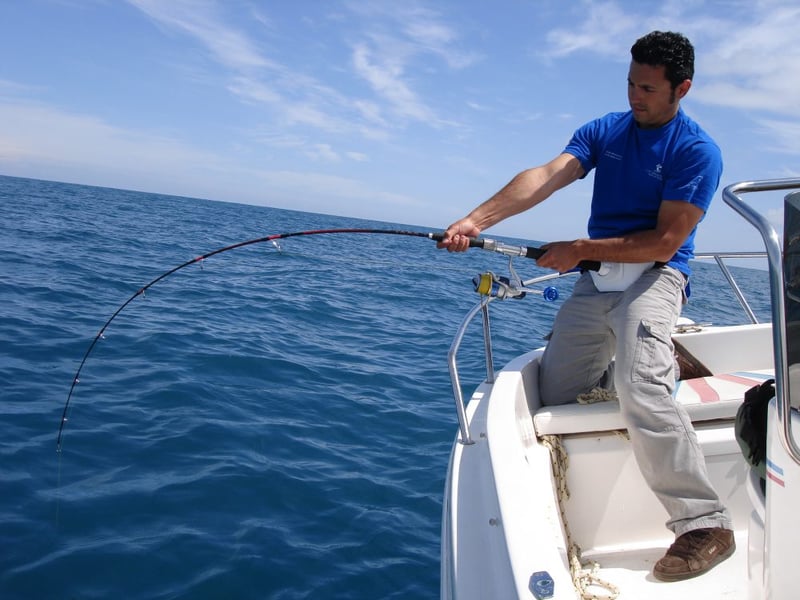
12
The rod, line, and terminal choices that actually change your hookup rate — with the numbers, not vague categories.
Core rod
Soft tip protects a thin mouth; length helps swing fish out of brush.
Mono forgives the hookset; braid gives depth feel in brush.
Core bait
The most productive crappie presentation, period.
Locks the bait at an exact depth and keeps it above the school.
The tiebreaker on tough, pressured days.
Harvest kit
Crappie are a keeping fish; get them on ice fast.
13
What happens between the hookset and the cooler decides whether you land the fish and whether it is worth eating.
14
Cleaning a crappie the right way takes about four minutes once you know the sequence.
15
Crappie are among the best-eating freshwater fish in North America — sweet, white, and completely mild.
Fillet and skin them; the fillets are small but clean and cook in a couple of minutes.
Ice immediately, especially in warm weather — crappie flesh softens quickly.
Respect the length limit and keep a reasonable number; heavily pressured crappie lakes decline fast.
Size limits, creel limits, and seasons are set water by water and change every year. These agencies publish the current rules.
Grenada and Delta lake regulations and length limits.
Published brush pile coordinates and crappie limits.
Questions
Where every fishing guide on The Wild10 starts.
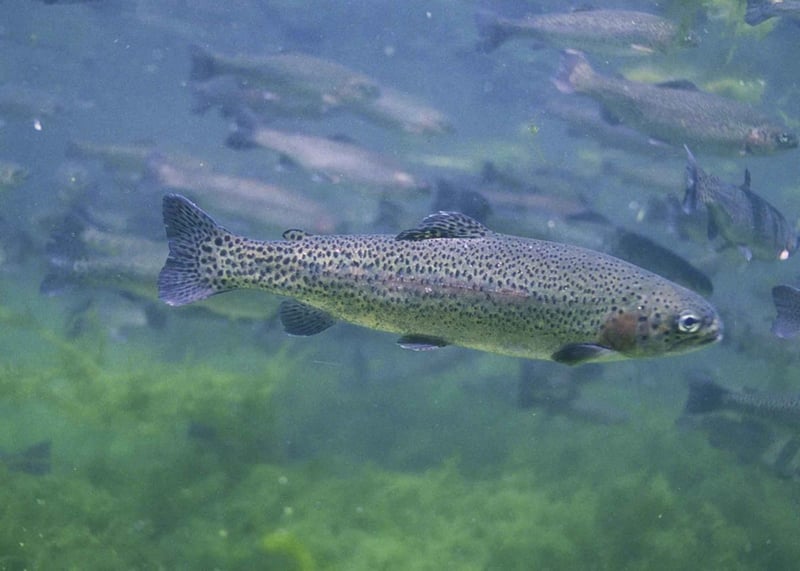
Body shape, fins, mouth, and markings for 30+ North American gamefish.
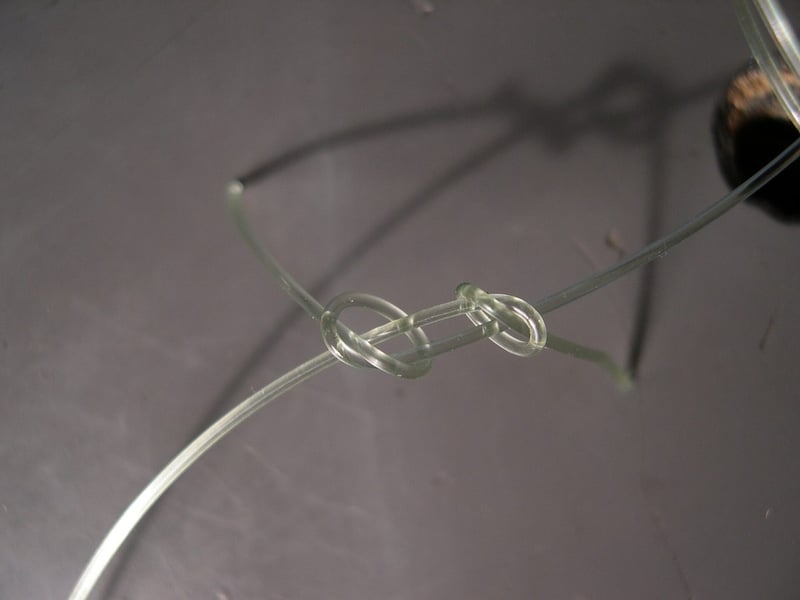
Twelve knots covering every hook, leader, and loop connection you need.
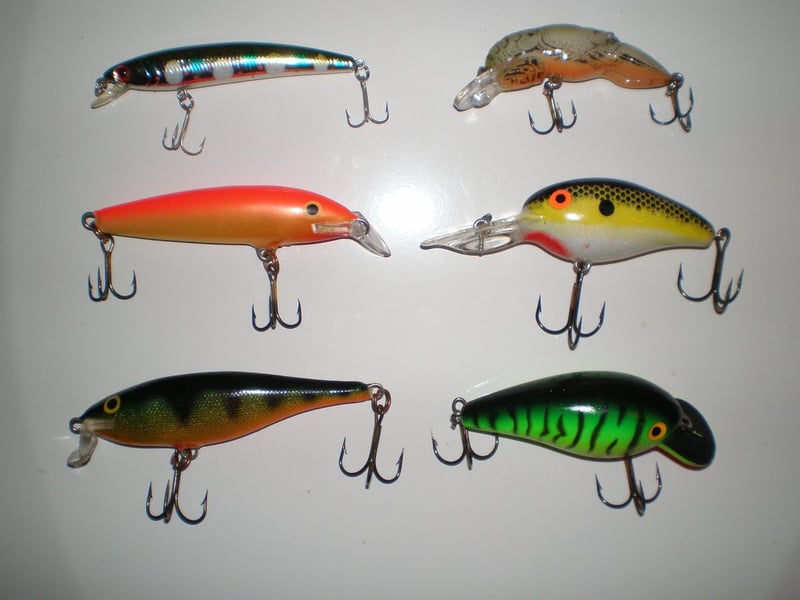
Matching lure category to temperature, clarity, depth, and season.
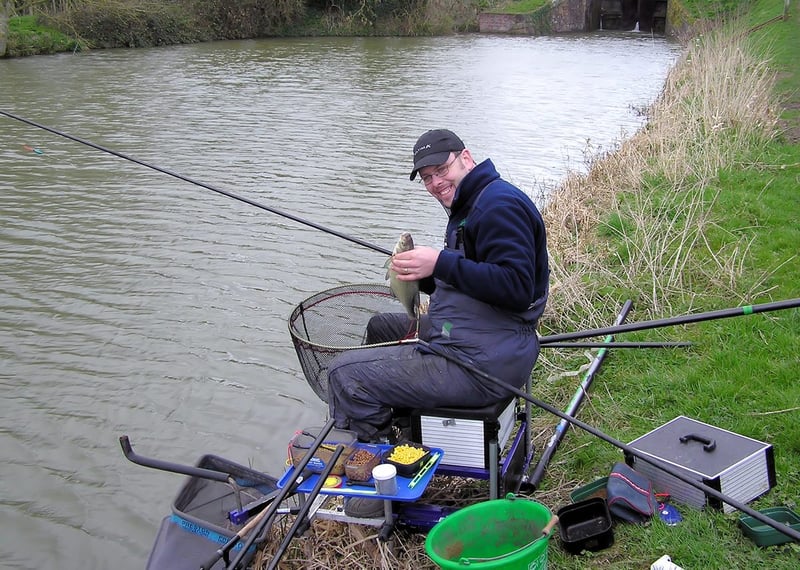
Reading water, timing the bite, and fixing a slow day on the spot.
Keep going
Tell lookalike species apart by fins, mouth, and markings.
Read →Match lure category to depth, clarity, and water temperature.
Read →The connections that keep big fish attached.
Read →Reading water and fixing a slow day on the spot.
Read →Top 10 lists
Ranked picks with real product photos, specs, and editor notes — the buying side of everything covered in these guides.
Bass, walleye, trout, and panfish rods ranked on feel.
See the ranking →Jig, crank, and heavy-cover rods by blank and taper.
See the ranking →Drag smoothness, line management, and long-haul gears.
See the ranking →Brake systems, backlash control, and drag under load.
See the ranking →Also on The Wild10
Same field-tested approach, applied to game species, rifles, shotguns, and bows — from scouting through meat care.
Open the hunting hub →