Nearshore wrecks and reefs
Core
Hard bottom in 50–120 feet that holds bait attracts kings on every tide.
Fishing · Species · King Mackerel
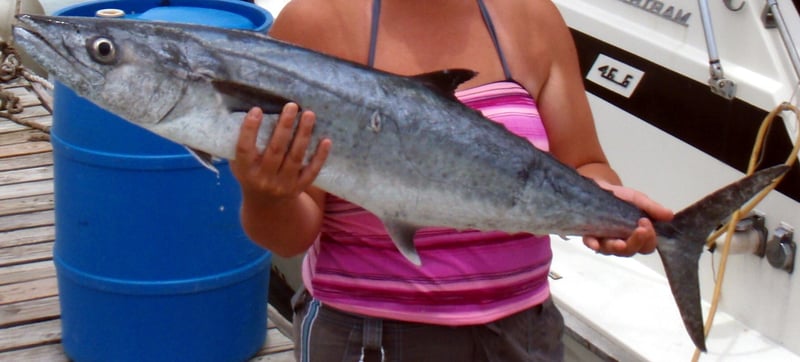
A high-speed pelagic predator that skyrockets on live bait and strips a hundred yards of line before you get the rod out of the holder.
King mackerel are speed. They cruise nearshore reefs, wrecks, and bait schools in the Gulf and along the Atlantic coast, and when one eats a slow-trolled bait it does so at a dead sprint — often clearing the water with the bait crossways in its jaws.
The fishery is built around that. Slow-trolled live bait on a two-hook stinger rig with a wire leader is the standard, because kings routinely bite a bait in half without touching the front hook.
They are also the most accessible offshore-feeling fish for a small boat. Plenty of kings are caught within a few miles of the beach, and the pier fishery for them is a tradition of its own along the Carolinas and the Gulf.
01
Kings follow bait and temperature. Find the bait schools over nearshore structure and you have found the fish.
| Water & region | Why it's worth your time | Access & license |
|---|---|---|
| North Carolina nearshore reefs | Strong fall run within a few miles of the beach | NC coastal recreational fishing license |
| Florida Panhandle and Gulf reefs | Spring and fall migrations over artificial reefs | FL license; federal reef fish permit for some trips |
| Texas jetties and nearshore rigs | Summer fish around platforms and passes | TX license with saltwater stamp |
| South Florida wrecks | Winter concentration on the deep edge | FL license; check HMS requirements for combo trips |
| Gulf and Atlantic fishing piers | Live-bait pier fishery with kite and float rigs | State license or pier blanket license |
02
Slow-troll live bait over structure with bait present. Everything else is refinement.
03
Kings follow bait along the coast and around structure. Find the bait pods and the temperature break, and the fish are with them.
Core
Hard bottom in 50–120 feet that holds bait attracts kings on every tide.
Follow the food
Menhaden and cigar minnow schools on the surface; kings work the deep side of the pod.
Shore access
The end of a long pier during the fall run is genuine king mackerel water from land.
Offshore
A clean water edge with bait on it in 70–75°F water is the classic smoker king setup.
Structure
Isolated structure inshore concentrates fish, especially early and late in the run.
04
These are the presentations that consistently produce king mackerel, with the conditions each one is actually for — not a tackle-shop wall.
Big fish
A live menhaden or blue runner on a two-hook wire stinger at 1.5–2.5 knots is the tournament method.
Covering water
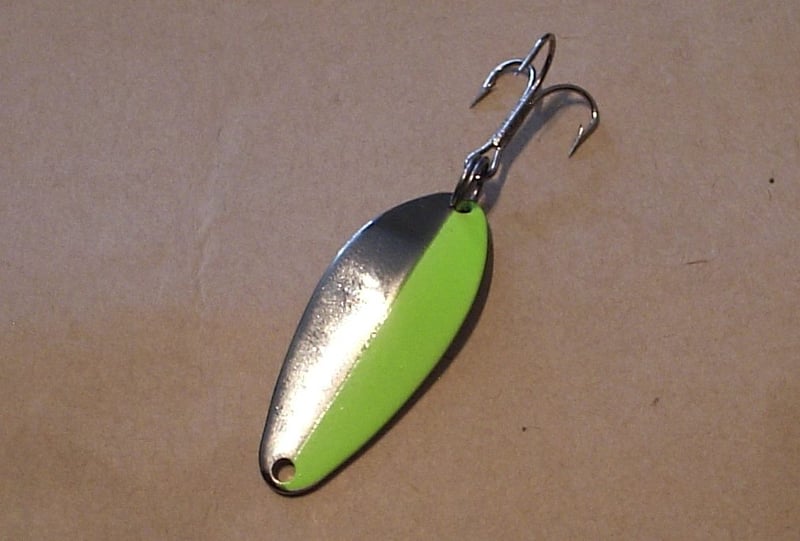
A #3.5 silver spoon on a #1 planer at 6–7 knots finds fish fast.
Trophy
A rigged ribbonfish swimming behind the boat is deadly on large fish.
Surface feeds
Heavy metal thrown into a skyrocketing king; retrieve as fast as you can crank.
Mandatory
Kings shear mono instantly; single-strand #4 or #5 wire is the standard bite trace.
05
Kings migrate with water temperature, showing up when the water hits about 68–70°F and leaving when it drops.
| Season | Where the fish are | What works |
|---|---|---|
| Spring | Moving north/inshore as water warms; first fish on near-shore reefs and beaches | Slow-trolling live baits over structure; casting spoons in the surf and off piers |
| Summer | Spread across near-shore and offshore structure, wrecks, and reefs; smaller 'snakes' inshore | Slow-trolling live pogies and blue runners over reefs, high-speed trolling spoons |
| Fall (peak) | Big smoker kings following the mullet run along the beaches; the trophy window | Live mullet and pogies slow-trolled just off the beach and around piers |
| Winter | Retreated south to Florida and the deep Gulf | Trolling structure in south Florida and the Keys |
06
Kings feed in daylight and key on bait and water clarity.
Best
Calm water and active bait; the first hours after sunrise produce the most strikes.
Still productive over deeper structure and wrecks; move offshore as the sun climbs.
Second window along the beach in fall during the mullet run.
07
The stinger rig exists because kings slash baits in half.
Single 4/0 nose hook on light wire, with a trailing #4 treble on 4–6 in of wire behind it, set in the bait's back. Catches the short-strikers, which is most of them.
Live pogy or blue runner on a stinger rig, trolled at 1.5–2.5 knots over structure with a small trolling weight or a downrigger to control depth.
#3.5 Drone spoon behind a #1 planer and 50 ft of heavy leader, trolled at 6–8 knots to find scattered fish fast.
Balloon or float with a live bait on a stinger rig, drifted out from a pier with the current.
08
Live, oily, and matched to the local forage.
#1
Cast-netted from the beach schools; the top king bait on the Atlantic coast.
Big kings
Tough, long-lived, and preferred by smoker kings over structure.
Fall run
Fall beach kings key on mullet; match the run.
Trolled fast when live bait isn't available.
09
Find the bait pods over structure and troll them slowly.
10
Kings are federally managed with separate Gulf and Atlantic zones, and the rules diverge on size and bag.
11
The strike is the best part of the day. A skyrocketing king clearing the water with a bait is one of the great sights in nearshore fishing.
Live bait is the bottleneck. Plan the first hour of the trip around catching it and the day works; skip it and it usually doesn't.
Handle them carefully. Kings have razor teeth and thrash violently, and most injuries in this fishery happen at the boat.
12
The rod, line, and terminal choices that actually change your hookup rate — with the numbers, not vague categories.
Core rod
Moderate action that cushions a screaming first run.
Capacity matters; a big king takes a lot of line quickly.
Required
Kings shear mono instantly and often bite baits in half.
The most effective baits, in that order, where available.
Puts a second bait in the strike zone below the surface.
Safe boarding of a thrashing, toothy fish.
13
What happens between the hookset and the cooler decides whether you land the fish and whether it is worth eating.
14
Cleaning a king mackerel the right way takes about four minutes once you know the sequence.
15
King mackerel is a strong, oily, dark-fleshed fish. Small 'snake' kings eaten fresh are perfectly good; large fish are best smoked.
Bleed immediately and ice hard. Trim every bit of the dark bloodline — it holds most of the strong flavor.
Large king mackerel carry elevated mercury. Health agencies advise limiting or avoiding consumption of big fish, especially for children and pregnant women.
Size limits, creel limits, and seasons are set water by water and change every year. These agencies publish the current rules.
Federal management zones, stock status, and annual catch limits.
Size and bag limits, and gear requirements.
Mercury guidance covering large king mackerel.
Questions
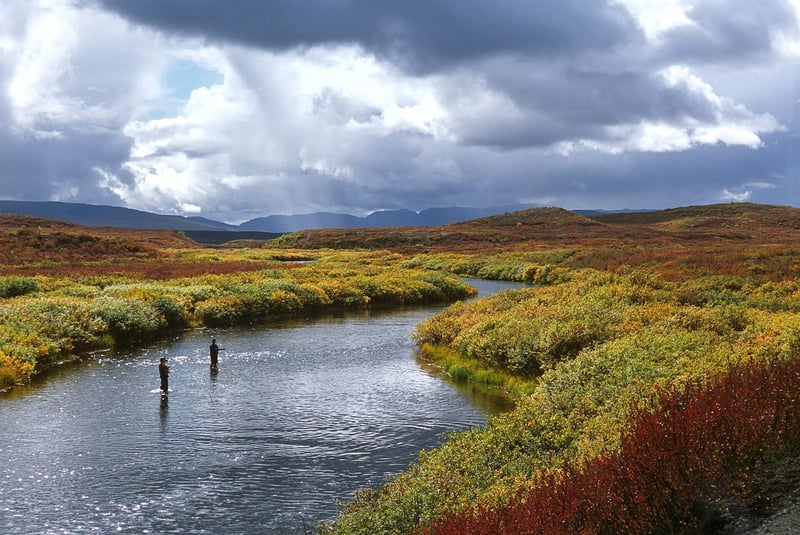
Where every fishing guide on The Wild10 starts.
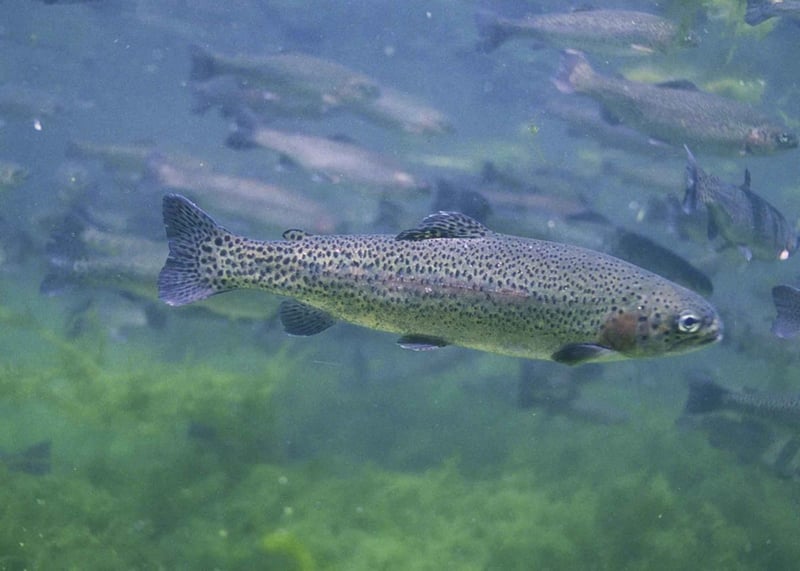
Body shape, fins, mouth, and markings for 30+ North American gamefish.
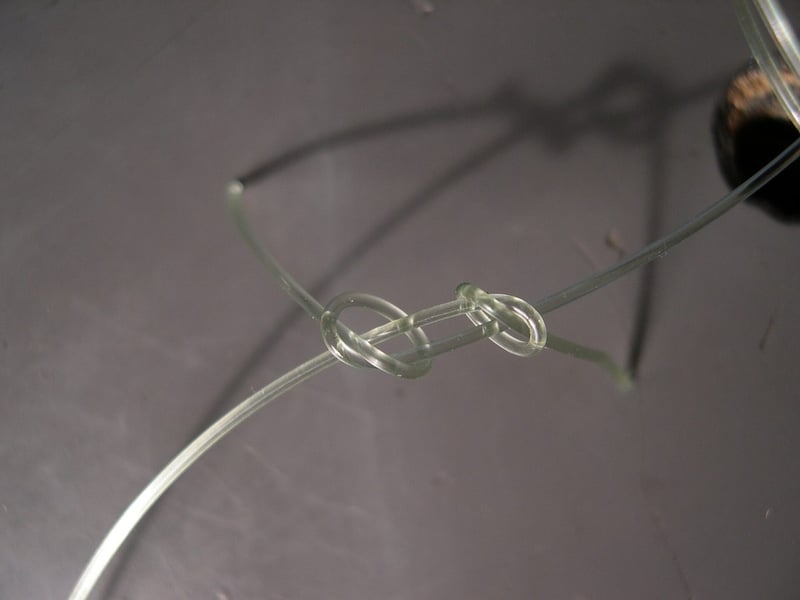
Twelve knots covering every hook, leader, and loop connection you need.
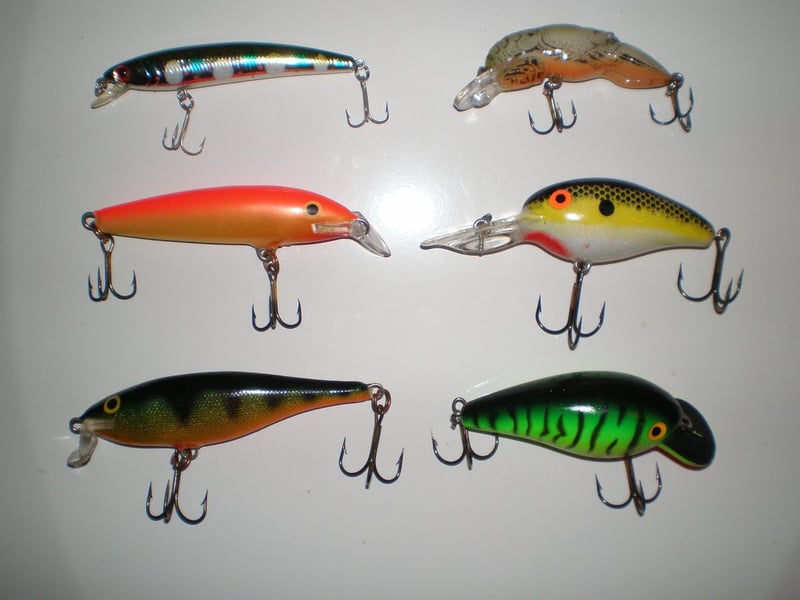
Matching lure category to temperature, clarity, depth, and season.
Reading water, timing the bite, and fixing a slow day on the spot.
Keep going
Tell lookalike species apart by fins, mouth, and markings.
Read →Match lure category to depth, clarity, and water temperature.
Read →The connections that keep big fish attached.
Read →Reading water and fixing a slow day on the spot.
Read →Top 10 lists
Ranked picks with real product photos, specs, and editor notes — the buying side of everything covered in these guides.
Bass, walleye, trout, and panfish rods ranked on feel.
See the ranking →Jig, crank, and heavy-cover rods by blank and taper.
See the ranking →Drag smoothness, line management, and long-haul gears.
See the ranking →Brake systems, backlash control, and drag under load.
See the ranking →Also on The Wild10
Same field-tested approach, applied to game species, rifles, shotguns, and bows — from scouting through meat care.
Open the hunting hub →