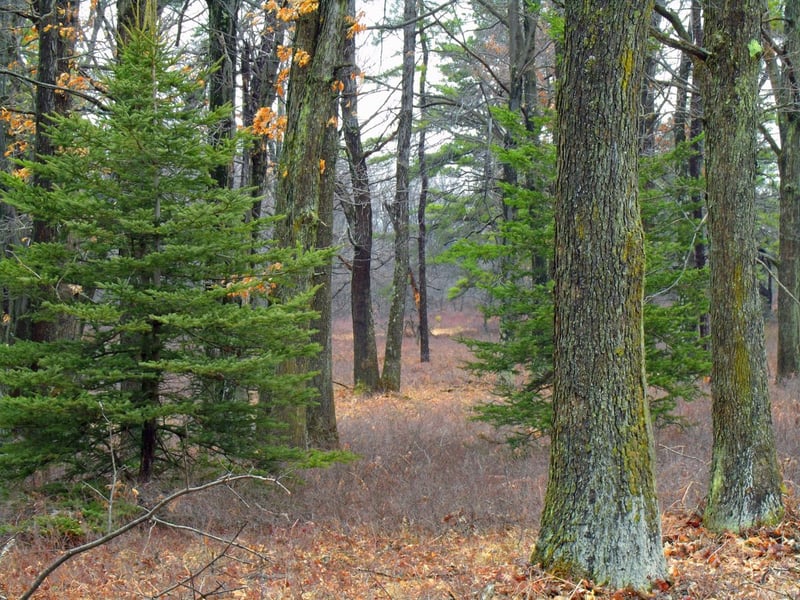
Barnacle-covered pilings
Core
Bridge and dock pilings with growth on them; fish sit vertically against the piling, not out from it.
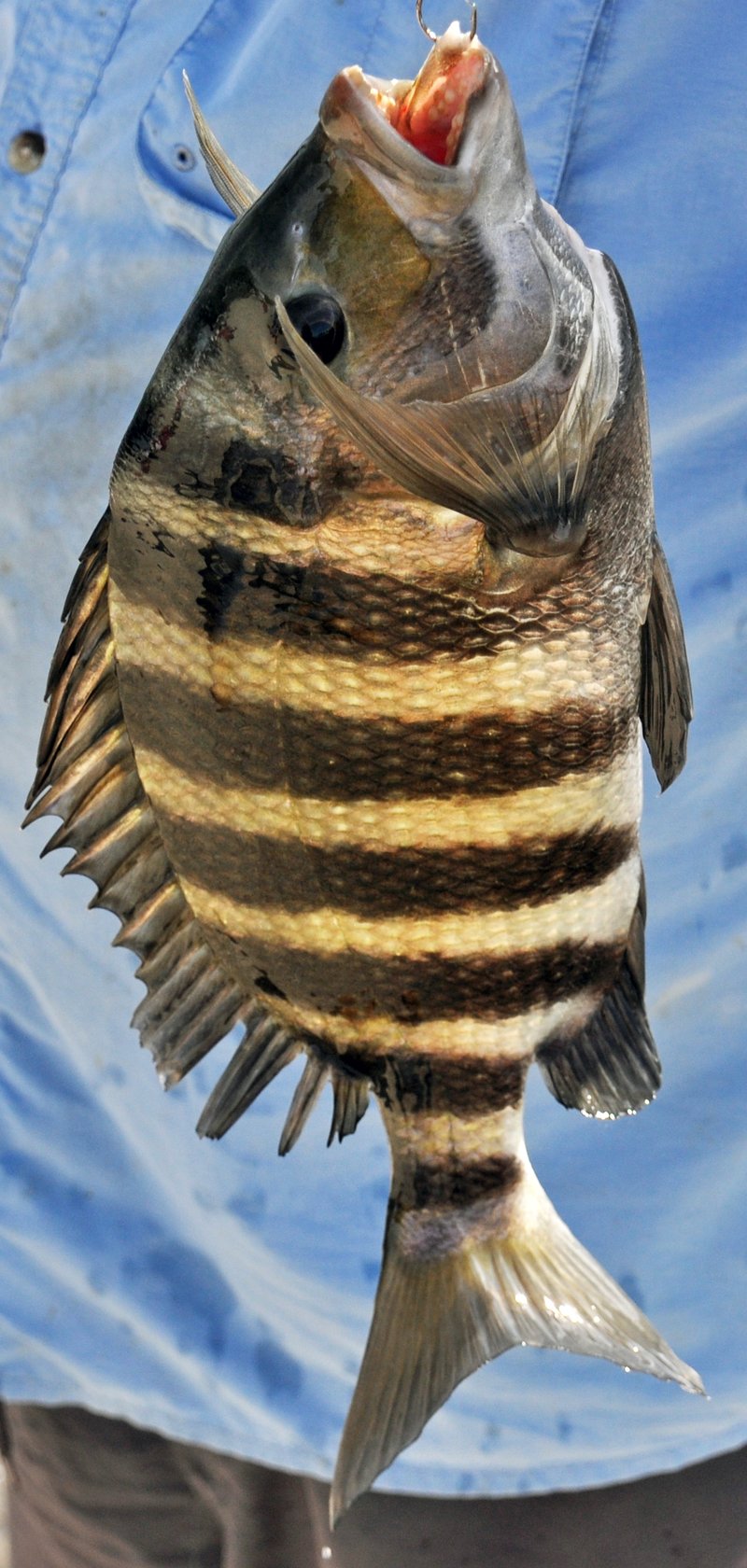
Fishing · Species · Sheepshead
A structure-hugging convict-striped bait thief with human-like teeth — the hardest inshore fish to hook and one of the best to eat.
Sheepshead are a bait thief with a professional reputation. They eat barnacles, oysters, crabs, and shrimp off hard structure using a mouth full of flat, human-looking molars, and they can remove a shrimp from a hook without moving your rod tip.
The species rewards a completely different skill set from most inshore fishing. Instead of casting and covering water, you tie up to a piling, drop a small bait vertically against it, and learn to detect a bite that feels like nothing at all.
Winter is their season. From December through April, sheepshead move to nearshore structure to spawn and concentrate in numbers around bridges, jetties, reefs, and dock pilings, exactly when most other inshore species are slow.
01
Anywhere there is hard structure with growth on it in the Gulf or South Atlantic, there are sheepshead.
| Water & region | Why it's worth your time | Access & license |
|---|---|---|
| Gulf Coast bridges and piers | Dense winter concentrations on piling growth | State license; some piers hold a blanket license |
| Louisiana nearshore rigs and reefs | Very large fish on platform legs | LA license with saltwater endorsement |
| Florida jetties and inlets | Year-round fish with a strong winter peak | FL saltwater license |
| Chesapeake Bay bridge-tunnel | Northern-range fish on rock and pilings | VA saltwater registration |
| Texas jetties and bay docks | Consistent winter and spring fishery | TX license with saltwater stamp |
02
Get tight to structure, use small hooks and natural bait, and learn to set on pressure rather than on a strike.
03
Sheepshead live on hard, fouled structure and eat what grows on it. If there are barnacles, there are sheepshead.
Core
Bridge and dock pilings with growth on them; fish sit vertically against the piling, not out from it.
Coastal
The rock face and the sand pocket at its base, especially on moving water.
Inshore
Fish work the edges on the last of the incoming tide.
Winter spawn
Big sheepshead move offshore to hard bottom in late winter to spawn — the trophy season.
Easy access
Any marina with growth on the pilings holds fish and is fishable from shore.
04
These are the presentations that consistently produce sheepshead, with the conditions each one is actually for — not a tackle-shop wall.
Number one
Hooked once through the shell from the back; nothing else comes close.
Widely available
Small pieces on a small, strong hook fished tight to the piling.
Local bait
Scrape the pilings with a hoe to chum and use the same growth as bait.
Jetties
The best bait on a rock jetty and free if you dig them in the wash.
Terminal
Sheepshead have a small mouth and human-like teeth; a big hook does not fit and a weak hook straightens.
Rig
Just enough weight to keep the bait against the piling in current, with nothing to snag on.
05
Sheepshead are structure residents year-round, but they concentrate spectacularly in late winter and early spring to spawn.
| Season | Where the fish are | What works |
|---|---|---|
| Late winter / early spring (peak) | Massed on jetties, bridge pilings, and near-shore reefs to spawn; huge concentrations | Fiddler crabs and oysters dropped tight to structure — the best month of the year |
| Spring | Spreading back to bay structure: docks, bridges, and oyster bars | Shrimp and crabs on a knocker rig along pilings |
| Summer | Docks, jetties, and near-shore reefs; scattered but present all day | Small live shrimp and barnacles scraped from pilings |
| Fall | Feeding heavily on structure before the winter migration | Crabs and shrimp; a good size class |
06
Sheepshead feed by picking crustaceans off structure, so current and daylight matter more than the hour.
Key
Current keeps the fish positioned on the up-current side of pilings; a slack tide scatters them.
Sight-oriented feeders; they bite all day on structure. There is no early-morning requirement.
Following a front, the spawning aggregation on jetties and near-shore reefs bites well in cold, clear water.
07
Small, strong hooks and a bait presented right against the structure.
1/4–1 oz egg sinker sliding directly to the hook eye, 20–30 lb fluoro, #1–1/0 short-shank live-bait hook. Drops straight down the piling and stays vertical in current.
One or two split shots 12 in above a #1 hook with a fiddler crab, dropped alongside a dock post in calm water.
1/2 oz egg sinker, swivel, 12 in leader, 1/0 hook — for fishing near-shore reefs and rubble in current.
Not a rig but essential: a hoe or scraper to knock barnacles and oysters off the pilings and chum the fish into a feeding mood.
08
Crustaceans, always.
#1
Hooked through the shell from one side; the single best sheepshead bait there is. Gathered from marsh mud at low tide or bought at coastal shops.
Threaded on a small hook; catches sheepshead and everything else.
Scraped from the piling you're fishing; the natural forage and free.
Excellent on jetties and in the surf.
09
Sheepshead are called convict fish because they steal bait. Beating them is a feel game.
10
Simple licensing, but size and bag limits differ meaningfully between Gulf states and have tightened in recent years.
11
The learning curve is the bite detection. Expect to lose a lot of bait before you start recognizing the pressure change.
Cold, windy winter days on a bridge are the productive ones. Dress for it, because the best fishing is in the least pleasant weather.
Sheepshead have real teeth and sharp dorsal spines. Handle them with a towel and grip behind the head.
12
The rod, line, and terminal choices that actually change your hookup rate — with the numbers, not vague categories.
Core rod
Sensitive tip to feel the bite, backbone to lift a fish off structure.
Braid transmits the subtle weight change that is the bite.
Abrasion resistance against barnacles and low visibility in clear water.
Small hooks
Fit a sheepshead's small mouth; big hooks simply do not get eaten.
Fiddlers are the premium bait and stay on the hook better.
Chum tool
Scraping growth off a piling pulls fish to your spot within minutes.
13
What happens between the hookset and the cooler decides whether you land the fish and whether it is worth eating.
14
Cleaning a sheepshead the right way takes about four minutes once you know the sequence.
15
Sheepshead is superb eating — firm, white, sweet, and often described as tasting faintly of crab because of what it eats.
They are difficult to clean. The scales are heavy, the rib bones are thick, and a sharp, stiff fillet knife is required.
Fillet, skin, and cook simply — pan-seared or fried. The meat is good enough that it needs almost nothing.
Size limits, creel limits, and seasons are set water by water and change every year. These agencies publish the current rules.
Size limits, bag limits, and vessel limits by season.
Regulations and nearshore structure access.
Jetty and bay regulations and current limits.
Questions
Where every fishing guide on The Wild10 starts.
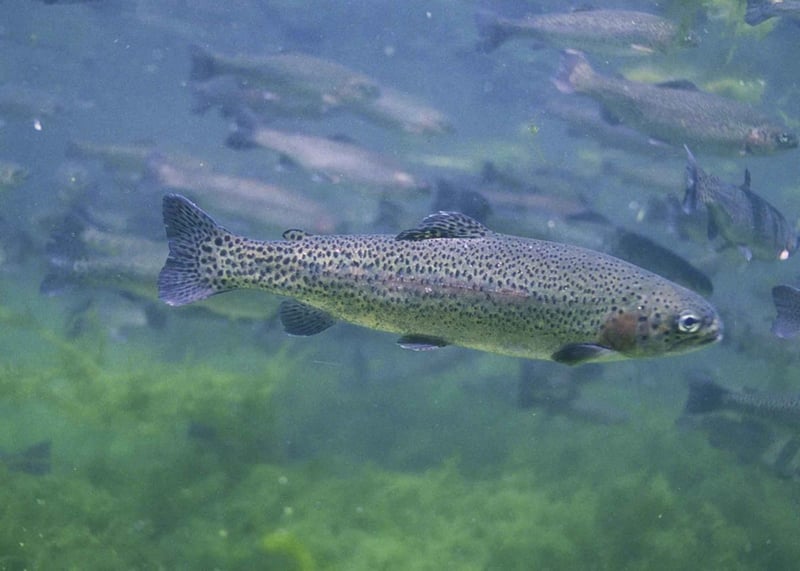
Body shape, fins, mouth, and markings for 30+ North American gamefish.
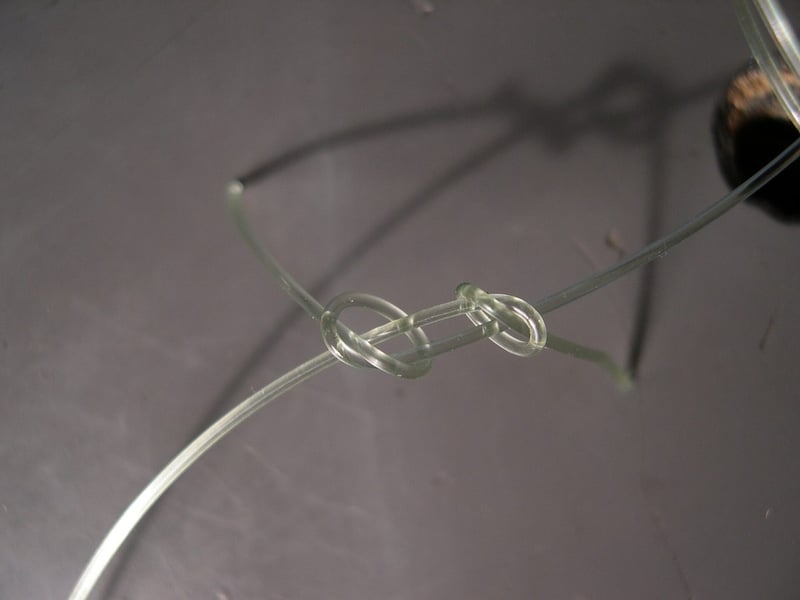
Twelve knots covering every hook, leader, and loop connection you need.
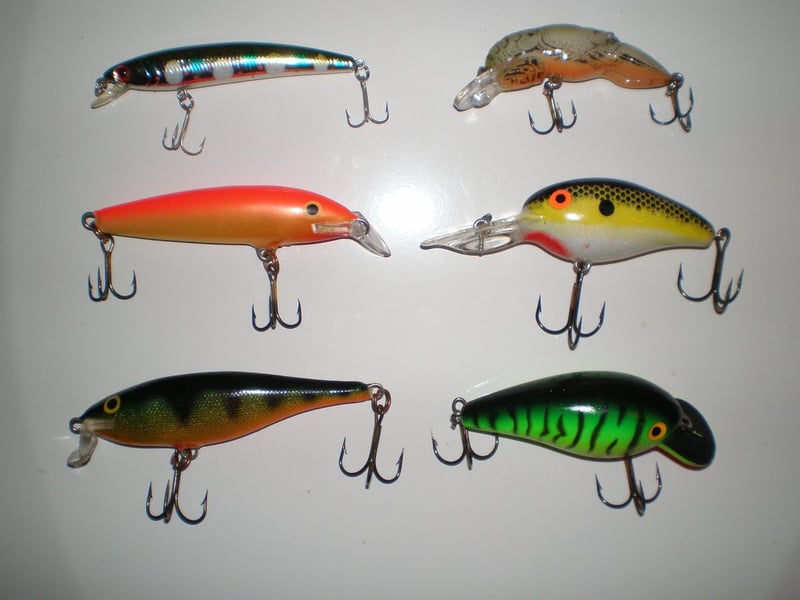
Matching lure category to temperature, clarity, depth, and season.
Reading water, timing the bite, and fixing a slow day on the spot.
Keep going
Tell lookalike species apart by fins, mouth, and markings.
Read →Match lure category to depth, clarity, and water temperature.
Read →The connections that keep big fish attached.
Read →Reading water and fixing a slow day on the spot.
Read →Top 10 lists
Ranked picks with real product photos, specs, and editor notes — the buying side of everything covered in these guides.
Bass, walleye, trout, and panfish rods ranked on feel.
See the ranking →Jig, crank, and heavy-cover rods by blank and taper.
See the ranking →Drag smoothness, line management, and long-haul gears.
See the ranking →Brake systems, backlash control, and drag under load.
See the ranking →Also on The Wild10
Same field-tested approach, applied to game species, rifles, shotguns, and bows — from scouting through meat care.
Open the hunting hub →