Weed lines
Primary
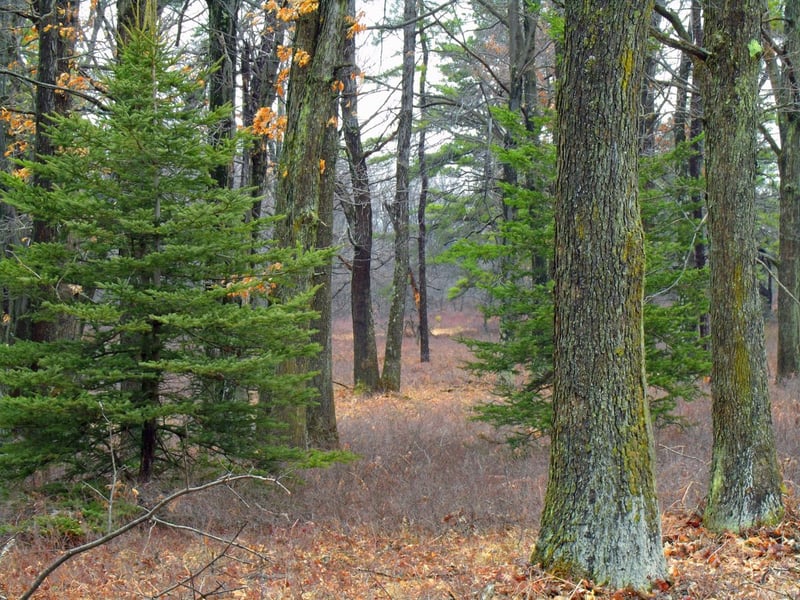
A defined sargassum line in blue water is the single most productive mahi structure; work both sides.
Fishing · Species · Mahi-mahi
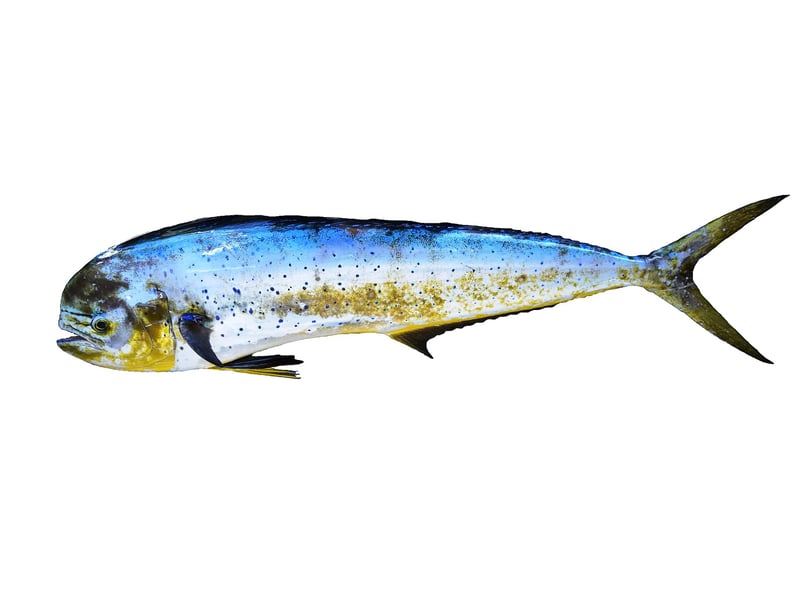
The fastest-growing gamefish in the ocean — electric blue and gold, willing to eat almost anything, and the best fillet you can bring home from blue water.
Mahi-mahi live short, fast lives. They can grow more than four feet in a single year, they spawn multiple times a season, and they rarely live past four or five years. That biology is why the fishery is resilient and why the average fish you catch is young and hungry.
Finding them is about finding structure in open water. Weed lines, floating pallets, current rips, buoys, and even a single drifting palm frond will hold a school, because everything from bait to predator organizes around any object in blue water.
They are aggressive, they jump, they light up gold and electric blue when hooked, and they are the best-eating fish most people will ever catch offshore. There is very little not to like.
01
Mahi follow warm water and structure. These are the U.S. fisheries where they are most reliably within a reasonable run.
| Water & region | Why it's worth your time | Access & license |
|---|---|---|
| Florida Keys and Gulf Stream edge | Short run to blue water and weed lines | FL license or a charter's; federal HMS permit for some trips |
| Outer Banks, North Carolina | Gulf Stream fish May through July | NC coastal recreational license |
| Louisiana and Texas rigs | Structure-oriented fish around offshore platforms | State license plus saltwater stamp |
| Southern California offshore | Late summer fish under kelp paddies | CA license plus ocean enhancement stamp |
| Hawaii (mahimahi) | Year-round fishery with heavy average size | No recreational license required for shore/boat in HI |
02
Offshore, you are searching for structure first and fish second. Once you find a school, keeping it at the boat is its own skill.
03
Mahi live under anything floating. Structure offshore is not bottom — it is a weed line, a log, or a buoy, and that is where you fish.
Primary
A defined sargassum line in blue water is the single most productive mahi structure; work both sides.
Best odds
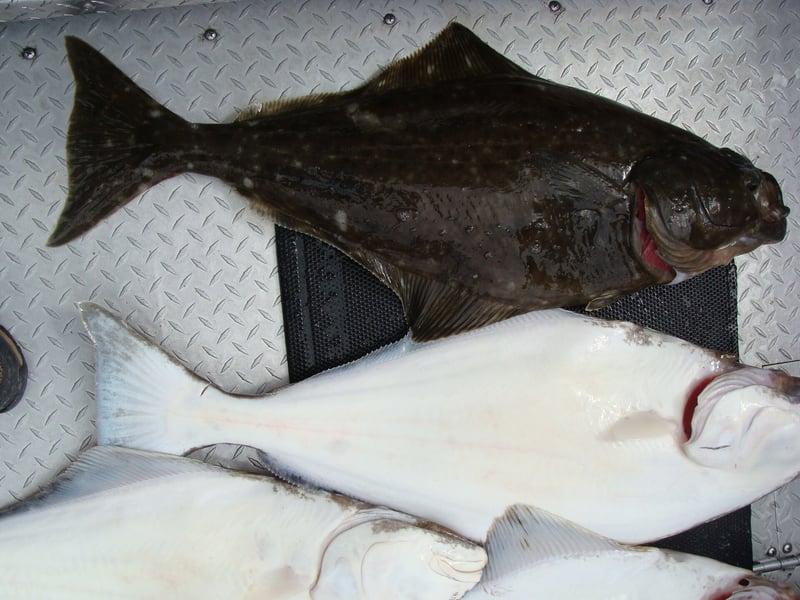
A pallet, log, or bucket in open water can hold a school of fifty fish. Never run past one.
Offshore
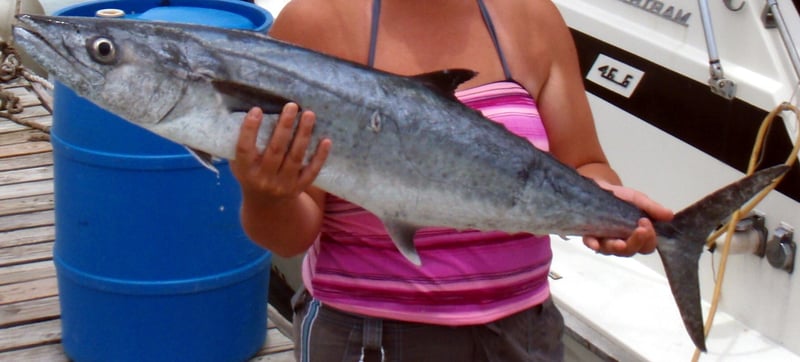
The edge where green water meets blue holds bait and everything that eats it.
Reliable
Permanent structure gathers fish; check every marker on the run out.
Sign
A frigate bird working low over open water is usually over a mahi school pushing bait.
04
These are the presentations that consistently produce mahi-mahi, with the conditions each one is actually for — not a tackle-shop wall.
Finding fish
A small blue-white or pink-white skirt over ballyhoo at 6–8 knots along a weed line.
Once located
Once a school is up, pitch live bait and they will stay behind the boat.
Casting
For fish holding tight to debris that will not follow the boat.
Sight casting
A surface bait thrown at a visible school triggers instant competition.
Holding a school
Keep a hooked fish in the water and toss chunks; the school stays with it.
Fly rod
10-weight with a chartreuse-white streamer thrown at a teased-up school.
05
Mahi are blue-water pelagics that follow warm currents and floating structure. Their season is where the warm water and weed lines are.
| Season | Where the fish are | What works |
|---|---|---|
| Spring | Moving north with warming water; first schoolies show around weed lines and floating debris | Trolling ballyhoo, casting to weed lines with bucktails and live bait |
| Summer (peak) | Warm blue water offshore, along weed lines, current edges, and around any floating object or buoy | Run-and-gun to floating debris; troll skirted ballyhoo at 6–8 knots; pitch live bait once a school is found |
| Fall | Still present and often the biggest bulls of the year as fish move back south | Same tactics; watch for larger, solitary bulls under bigger debris |
| Winter | South Florida, the Keys, and the Gulf Stream year-round; farther offshore | Trolling the edge and the current break; fewer but often bigger fish |
06
Mahi feed by sight in daylight, so this is a run-early, fish-all-day species.
Best
Calm water makes weed lines and floating debris visible, and the fish feed hard in the first hours after sunrise.
Still productive — mahi are visual feeders that stay active in bright sun. Watch for frigate birds working.
A second push; also the time to be running home from far offshore.
07
Trolling to find, pitching to catch.
Rigged ballyhoo behind an Ilander or sea-witch skirt on 60–80 lb mono leader with a 7/0–8/0 hook, pulled at 6–8 knots in a spread of four to six lines.
40–50 lb fluorocarbon, 4/0 circle hook, live pilchard, goggle-eye, or a chunk of bonito, thrown to a school held at the boat.
1–2 oz bucktail with a squid trailer cast at weed lines and worked with sharp jerks.
10–12 wt with a big popper or a chartreuse baitfish fly cast into a teased-up school; mahi are one of the best fly targets in the ocean.
08
Live and fresh dead baits both work.
#1 trolling
Naked or skirted; the offshore standard.
Pitched to a held school; keeps them at the boat and feeding.
Chunked to hold a school beside the boat while you rig.
09
Find structure in an empty ocean and keep the school at the boat.
10
Licensing offshore is a two-layer question: state license for the trip, and federal permits for certain highly migratory species trips.
11
Mahi fishing goes from silence to chaos instantly. Have rods rigged and ready before you reach the weed line, not after.
The color change when a fish comes out of the water is genuinely startling the first time — electric blue and gold that fades within minutes of death.
Sea conditions govern the day. Anything above three feet makes reading weed lines miserable and unsafe in a small boat.
12
The rod, line, and terminal choices that actually change your hookup rate — with the numbers, not vague categories.
Core rod
For casting to the school once the trolled fish is hooked.
Capacity and drag for a fish that runs and jumps repeatedly.
Abrasion resistance without spooking fish in clear blue water.
Search
The standard spread for covering weed lines.
For sight casting to the school held at the boat.
Non-negotiable
Fillet quality depends entirely on immediate chilling.
13
What happens between the hookset and the cooler decides whether you land the fish and whether it is worth eating.
14
Cleaning a mahi-mahi the right way takes about four minutes once you know the sequence.
15
Mahi is one of the best fish in the ocean — firm, mild, white, and forgiving of nearly any cooking method from grilling to blackening to ceviche.
Bleed the fish and get it into an ice slurry immediately. Mahi held warm turns soft and loses its texture faster than most species.
Remove the bloodline and the dark red muscle strip along the lateral line before cooking for the cleanest flavor.
Size limits, creel limits, and seasons are set water by water and change every year. These agencies publish the current rules.
Stock status, biology, and federal management overview.
Size and bag limits, including vessel caps.
Tagging results and migration data from angler-reported recaptures.
Questions
Where every fishing guide on The Wild10 starts.
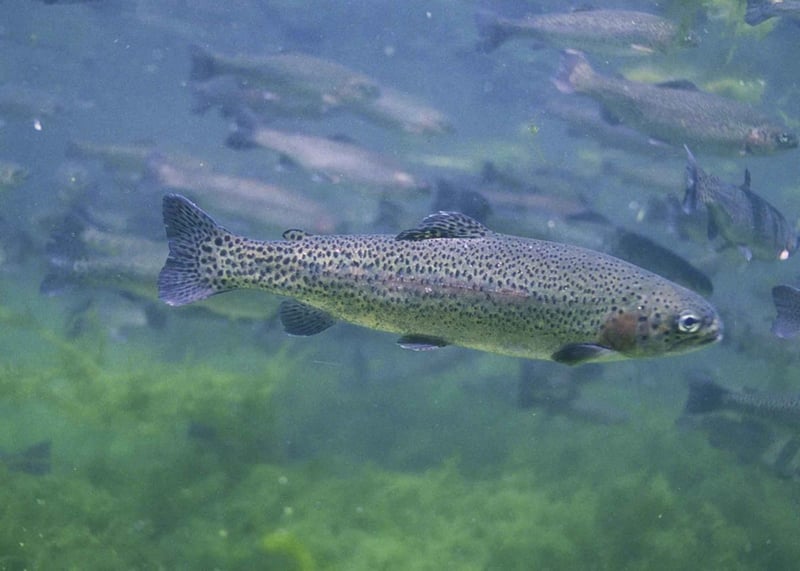
Body shape, fins, mouth, and markings for 30+ North American gamefish.
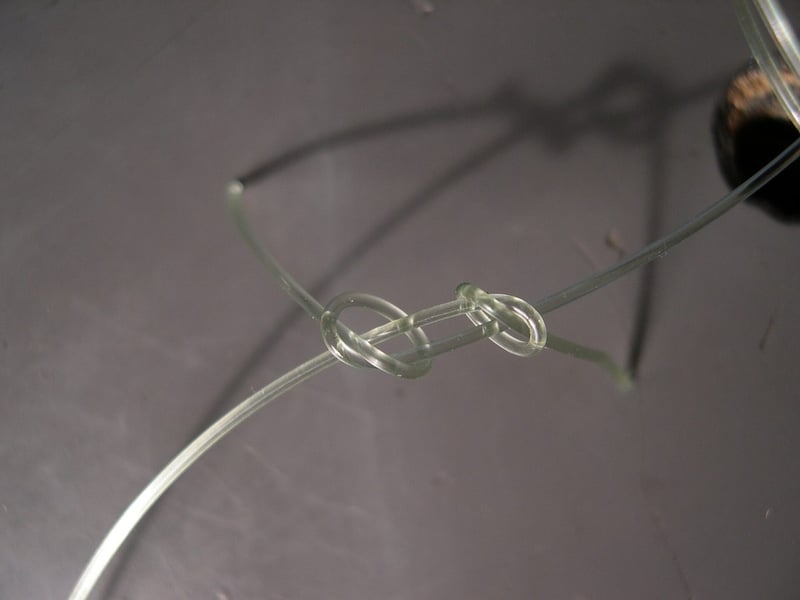
Twelve knots covering every hook, leader, and loop connection you need.
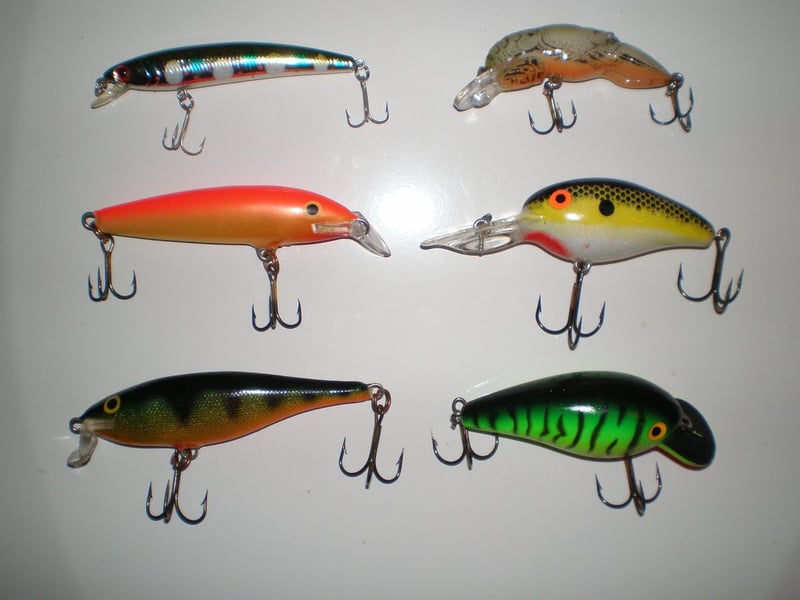
Matching lure category to temperature, clarity, depth, and season.
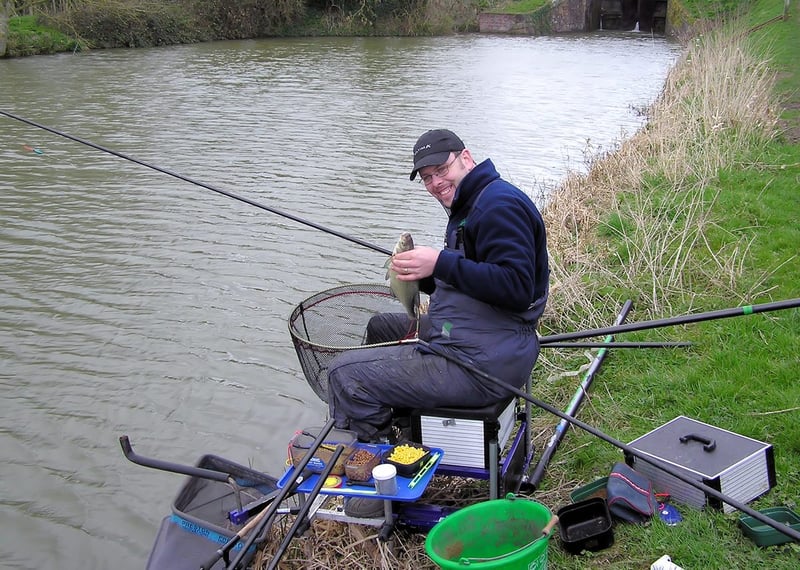
Reading water, timing the bite, and fixing a slow day on the spot.
Keep going
Tell lookalike species apart by fins, mouth, and markings.
Read →Match lure category to depth, clarity, and water temperature.
Read →The connections that keep big fish attached.
Read →Reading water and fixing a slow day on the spot.
Read →Top 10 lists
Ranked picks with real product photos, specs, and editor notes — the buying side of everything covered in these guides.
Bass, walleye, trout, and panfish rods ranked on feel.
See the ranking →Jig, crank, and heavy-cover rods by blank and taper.
See the ranking →Drag smoothness, line management, and long-haul gears.
See the ranking →Brake systems, backlash control, and drag under load.
See the ranking →Also on The Wild10
Same field-tested approach, applied to game species, rifles, shotguns, and bows — from scouting through meat care.
Open the hunting hub →