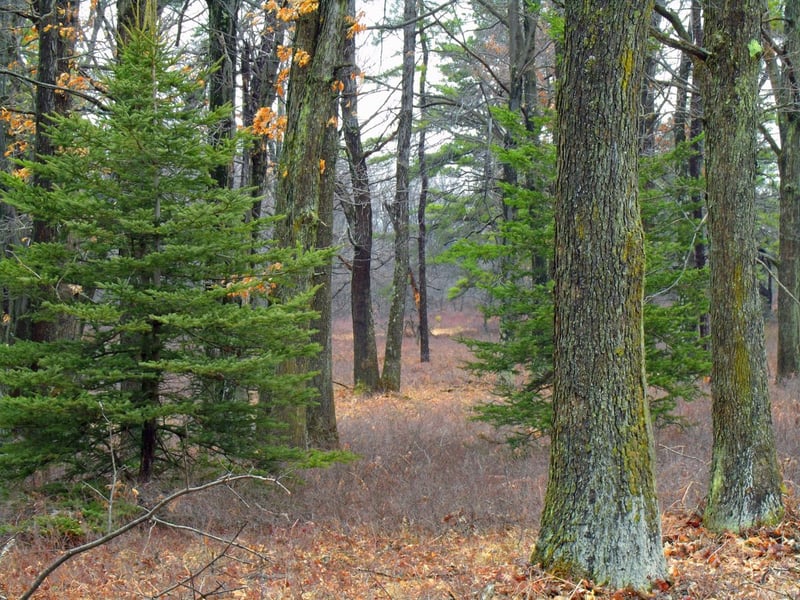
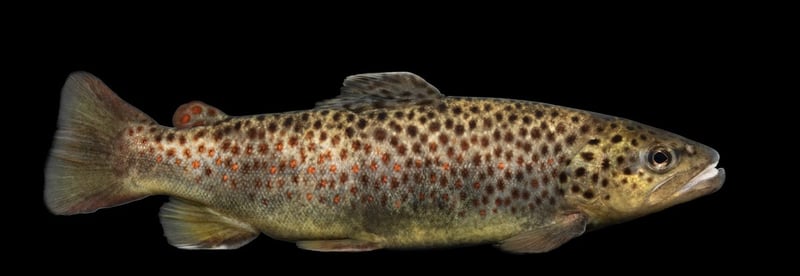
Weed edges and points
Summer
Green cabbage or coontail edges adjacent to deep water; fish the corners of the weed bed, not the middle.
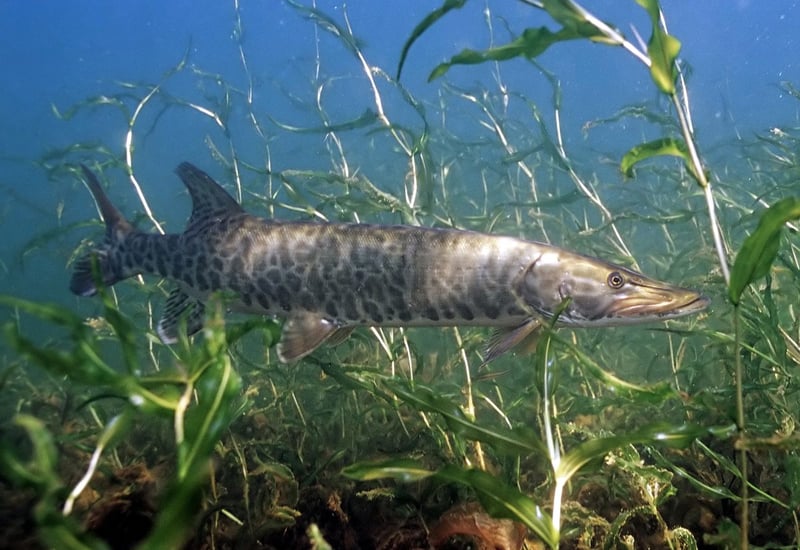
Fishing · Species · Muskellunge
The fish of ten thousand casts — and the reason a whole subculture of anglers throws baits the size of a walleye.
Muskie fishing is a deliberate choice to fish for very few, very large fish. A good day is one follow and one bite; a great day is two fish in the net.
The payoff is scale. A 50-inch muskie is a genuinely large animal, and the strike — usually visible, often at the boat — is unlike anything else in fresh water.
It is also the most gear-dependent freshwater fishery. Undersized rods, nets, and pliers get fish killed and anglers hurt, and the community takes that seriously.
01
Muskie waters are specific and well known. These are the ones with both a real population and public access.
| Water & region | Why it's worth your time | Access & license |
|---|---|---|
| Lake St. Clair (MI/ON) | Highest catch rate in the world | MI or ON license; guides fish it year-round |
| Green Bay, Wisconsin | Trophy-class fish over 55 inches | WI license; strict 54-inch minimum protects the fishery |
| Vilas & Oneida Counties, WI | Classic small-lake muskie fishing | WI license; many lakes have 50-inch minimums |
| Lake of the Woods (ON/MN) | Big structure fish in cold water | ON Outdoors Card or MN license by side |
| St. Lawrence River (NY/ON) | Big-river fish on current structure | NY or ON license; strong fall trolling fishery |
02
Cover water, fish the whole cast to the boat, and be ready for the strike at your feet.
03
Musky are low-density, high-effort fish. They relate to structure that holds forage and to the deep edges beside it.
Summer
Green cabbage or coontail edges adjacent to deep water; fish the corners of the weed bed, not the middle.
Fall
Main-lake rock topping out at 8–20 feet near a basin break holds big fall fish.
Late season
Fish suspended over 30–60 feet following ciscoes; trolling and casting large soft baits.
Flow systems
Deep bends, bridge pilings, and dam eddies concentrate musky in flowing water.
04
These are the presentations that consistently produce muskellunge, with the conditions each one is actually for — not a tackle-shop wall.
Search
Double 8s and 10s burned along weed edges cover more water than anything else in the box.
Neutral fish
A wide-tracking glider with long pauses pulls fish that follow bucktails without eating.
Cold water
Big soft baits pulled and dropped along breaks and over basins in October and November.
Low light
Warm-water evenings over shallow weed flats; keep the retrieve rhythmic and constant.
Open water
Large deep divers at 3–5 mph on planer boards to find suspended basin fish.
Late fall
A live sucker on a quick-strike rig is the highest-percentage trophy method after turnover.
05
Muskie fishing is about putting hours in when the conditions are right. The calendar tells you where; weather and moon tell you when.
| Season | Where the fish are | What works |
|---|---|---|
| Late spring (opener, 55–65°F) | Recovering from the spawn in shallow bays and emerging weeds; smaller baits | 6–8 in bucktails, small glide baits, and twitch baits over shallow weeds |
| Early summer | Weed edges, points, and rock bars in 6–15 ft; fish are active and eating | Double-bladed bucktails burned fast, topwater at dusk, rubber baits on weed edges |
| Mid-summer | Deep weed edges and open-water suspended fish over the basin following cisco and shad | Trolling large cranks, casting big rubber to breaks, night topwater in the heat |
| Fall (turnover to ice) | Shallow rock and remaining green weeds, then deep points and steep breaks as water drops below 50°F | Big rubber, big gliders, jerkbaits, and live suckers on quick-strike rigs — the trophy window |
06
Muskie feeding windows are short and often tied to light change and moon phase.
Best
The most reliable windows. Topwater and bucktails at last light in summer produce the most strikes of the day.
Slow but not dead; overcast midday with wind can be excellent. Fish deeper edges with rubber or troll.
Muskie anglers plan around solunar windows; be on your best spot fifteen minutes before a major period.
Big topwater (creepers, propeller baits) on calm summer nights over shallow rock and weed flats.
07
Muskie tackle is heavy for a reason. Under-gunned gear means lost fish and long fights that kill them.
12–14 in, 130–150 lb fluorocarbon or 174 lb 7-strand wire with a 150 lb swivel and a heavy-duty snap. Check it after every fish and every rock.
Two #2 trebles on wire, one in the nose and one in the back of a 12–18 in live sucker, fished under a float or slow-dragged in fall. Set immediately.
10–12 in crankbaits on 100 lb braid with a heavy fluorocarbon leader, run 30–80 ft back at 3–5 mph over basins and breaks.
Straight-retrieve or rip-and-fall on 100 lb braid with an extra-heavy rod; the large soft plastics rise and fall to trigger following fish.
08
Live bait for muskie means large suckers on rigs designed to prevent gut hooking.
Fall
On a quick-strike rig, fished under a float alongside the boat while you cast. Huge fall producer; illegal or restricted in some waters — check.
A smaller alternative on quick-strike rigs where suckers are unavailable.
09
The fish of ten thousand casts is really the fish of a disciplined routine.
10
Some states require a separate muskie stamp on top of a license. Minimum lengths are high and enforced.
11
Expect long blank stretches. The mental game — keeping the retrieve sharp on cast four hundred — is most of the skill.
The follow is its own event. A muskie appearing behind the bait five feet from the boat is why people keep doing this.
October and November are cold, wet, and by far the best time. Dress for the weather and fish the whole day.
12
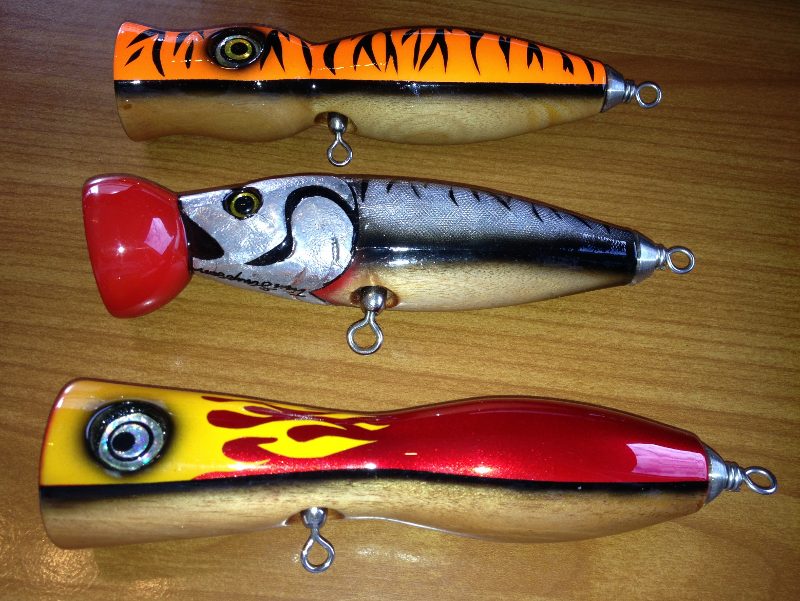
The rod, line, and terminal choices that actually change your hookup rate — with the numbers, not vague categories.
Mandatory
Throws 8-ounce baits and gives the leverage for a proper figure-eight.
No stretch, and the strength to turn a fish that runs under the boat.
Long leader, quality swivel, welded rings — this is where cheap gear fails.
Search bait
The most-cast muskie bait; covers water and triggers hot fish.
The cold-water big-fish bait for late fall.
Release kit
Non-optional. Fish and hands both depend on it.
13
What happens between the hookset and the cooler decides whether you land the fish and whether it is worth eating.
14
Cleaning a muskellunge the right way takes about four minutes once you know the sequence.
15
Muskie are not a table fish in practice. Populations are small, growth to trophy size takes over a decade, and the entire fishery runs on release.
Keep the fish in the water, unhook in the net, and limit air exposure to a few seconds for a photo.
Revive properly in cool water; a fish released too fast in warm water often does not survive.
Size limits, creel limits, and seasons are set water by water and change every year. These agencies publish the current rules.
Release handling standards and volunteer data programs.
Water-by-water minimum lengths and stocking plans.
Questions
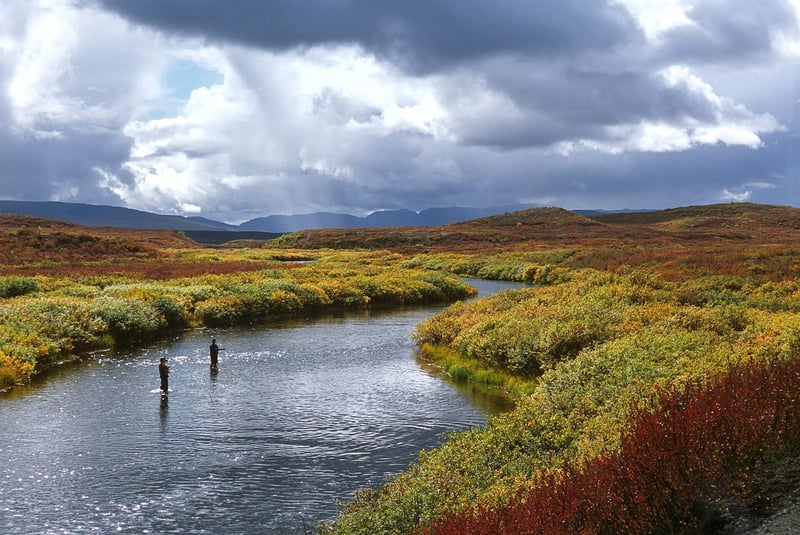
Where every fishing guide on The Wild10 starts.
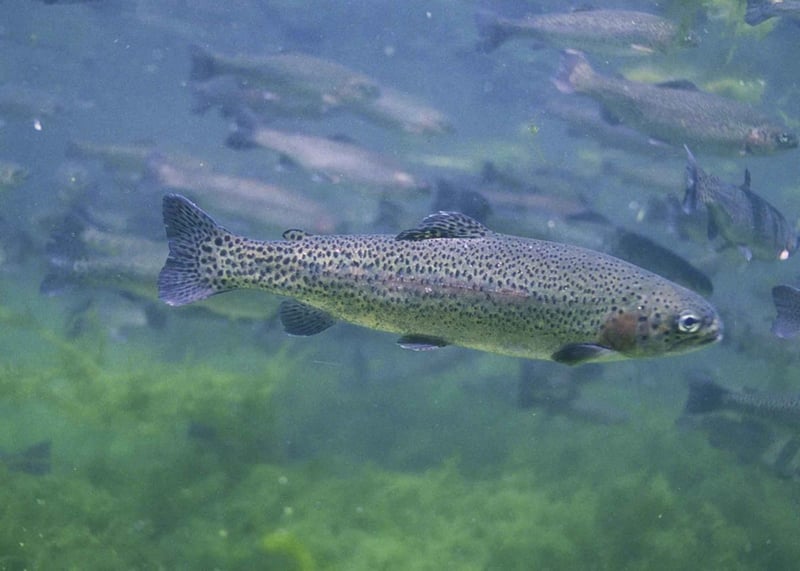
Body shape, fins, mouth, and markings for 30+ North American gamefish.
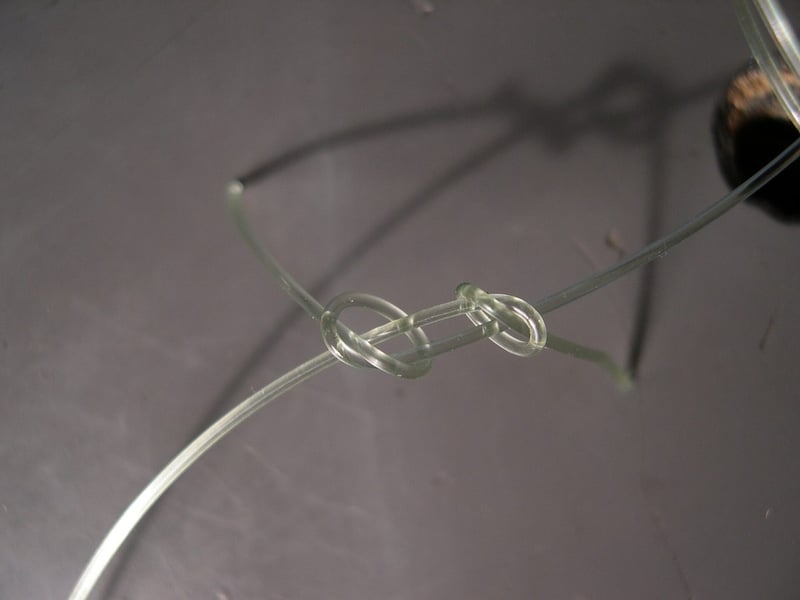
Twelve knots covering every hook, leader, and loop connection you need.
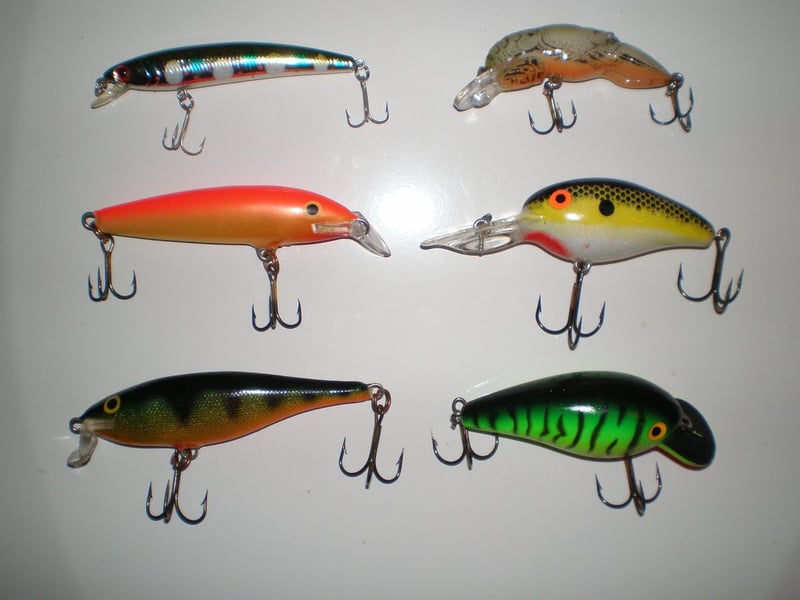
Matching lure category to temperature, clarity, depth, and season.
Reading water, timing the bite, and fixing a slow day on the spot.
Keep going
Tell lookalike species apart by fins, mouth, and markings.
Read →Match lure category to depth, clarity, and water temperature.
Read →The connections that keep big fish attached.
Read →Reading water and fixing a slow day on the spot.
Read →Top 10 lists
Ranked picks with real product photos, specs, and editor notes — the buying side of everything covered in these guides.
Bass, walleye, trout, and panfish rods ranked on feel.
See the ranking →Jig, crank, and heavy-cover rods by blank and taper.
See the ranking →Drag smoothness, line management, and long-haul gears.
See the ranking →Brake systems, backlash control, and drag under load.
See the ranking →Also on The Wild10
Same field-tested approach, applied to game species, rifles, shotguns, and bows — from scouting through meat care.
Open the hunting hub →