


Fly-Fishing Destinations · #1
Madison / Yellowstone / Gallatin
Montana, USA

Reader rating
Rate it and you move it. Community ratings re-rank this product inside its Top 10 list.
Expert-picked, reader-ranked. Our editors choose the products and the launch order; member star ratings move picks up or down over time.
The heart of American trout fishing. Wade or float, month-long trip potential.
Pros
- Unparalleled diversity and abundance of wild trout
- Extensive fishable water for wade and float anglers
- Long, productive fishing season with varied hatches
- Stunning natural beauty and abundant wildlife
- Robust local angling infrastructure and expertise
Cons
- Can experience significant fishing pressure and crowds
- Weather can be highly unpredictable and change rapidly
- Higher cost for lodging, guides, and services during peak season
- Bear country requires constant vigilance and preparedness
Best uses
- Multi-day float trips
- Targeting trophy brown trout
- Hatch-matching dry fly fishing
- Immersive wilderness angling
- Guided fly-fishing vacations
Specifications
- Primary Species
- Brown, Rainbow, Cutthroat Trout
- River Type
- Freestone
- Best Season
- May - October
- Access
- Public, Wade & Float
- Geography
- Rocky Mountains, High Plains
- Notable Hatches
- Salmonflies, Caddis, Tricos, Terrestrials
Best for
Multi-day float trips, Targeting trophy brown trout, Hatch-matching dry fly fishing, Immersive wilderness angling, Guided fly-fishing vacations
Montana’s Madison, Yellowstone, and Gallatin Rivers, often collectively referred to as the ‘Big Three,’ form the undisputed epicenter of American fly-fishing. Originating high in the Yellowstone ecosystem, these freestone rivers offer an unparalleled diversity of trout species, primarily wild browns, rainbows, and native cutthroat. The sheer volume of fishable water, from intimate headwaters to broad, meandering lower sections, provides endless opportunities for both wade and float anglers. This region isn't just about catching fish; it's an immersive experience in a breathtaking landscape, with dramatic mountain backdrops, abundant wildlife, and a vibrant angling culture that has evolved over decades. The accessibility, coupled with a healthy and resilient fish population, makes this a destination where a month-long trip barely scratches the surface of what's available. What truly sets this triumvirate apart is the consistent, high-quality angling across a remarkably long season. Unlike many destinations with fleeting hatches, the Madison, Yellowstone, and Gallatin offer productive fishing from early spring runoff through late fall, with distinct strategies and insect patterns dominating each period. Whether you're chasing large migratory browns on the Madison in the fall, navigating the Yellowstone's prolific hatches in summer, or exploring the Gallatin's pocket water year-round, the challenge and reward are consistently high. The infrastructure supporting fishing tourism is robust, with experienced guides, well-stocked fly shops, and a community deeply invested in preserving these world-class resources for future generations. This isn't just a bucket-list destination; it’s a living, breathing example of a healthy wild fishery.
Geography & Terrain
These rivers flow through diverse Montana landscapes, from the high-alpine meadows and forests of their headwaters in and around Yellowstone National Park, down through broad valleys and agricultural lands. The Madison carves through canyons and open ranchland, offering a mix of fast riffles, deep runs, and classic "pocket water." The Yellowstone, America's longest free-flowing river, is a powerful, wide river in its lower sections, with braids, islands, and sweeping turns. The Gallatin, initially a tumbling mountain stream, mellows into a more accessible valley river. All three are characterized by cold, clear waters, gravel bottoms, and significant riparian vegetation, providing excellent trout habitat. Expect dramatic mountain vistas, especially in the upper reaches, and often treeless, windswept sections in the lower valleys.
Best Season & Weather
The prime fishing season typically runs from late May, after spring runoff subsides, through October. June and July offer prolific insect hatches like Salmonflies, Caddis, and PMDs, making for exciting dry fly action. August and September bring consistent terrestrial fishing (hoppers, ants, beetles) and excellent streamer fishing as water temperatures begin to cool. October sees large brown trout becoming more active and aggressive as they prepare for spawning. Weather can be highly variable; summer days are generally warm and sunny (70s-80s F), but sudden thunderstorms are common. Spring and fall can bring anything from mild sun to snow, with temperatures ranging from 30s to 60s F. Always pack layers and rain gear, regardless of the forecast.
Wildlife Encounters
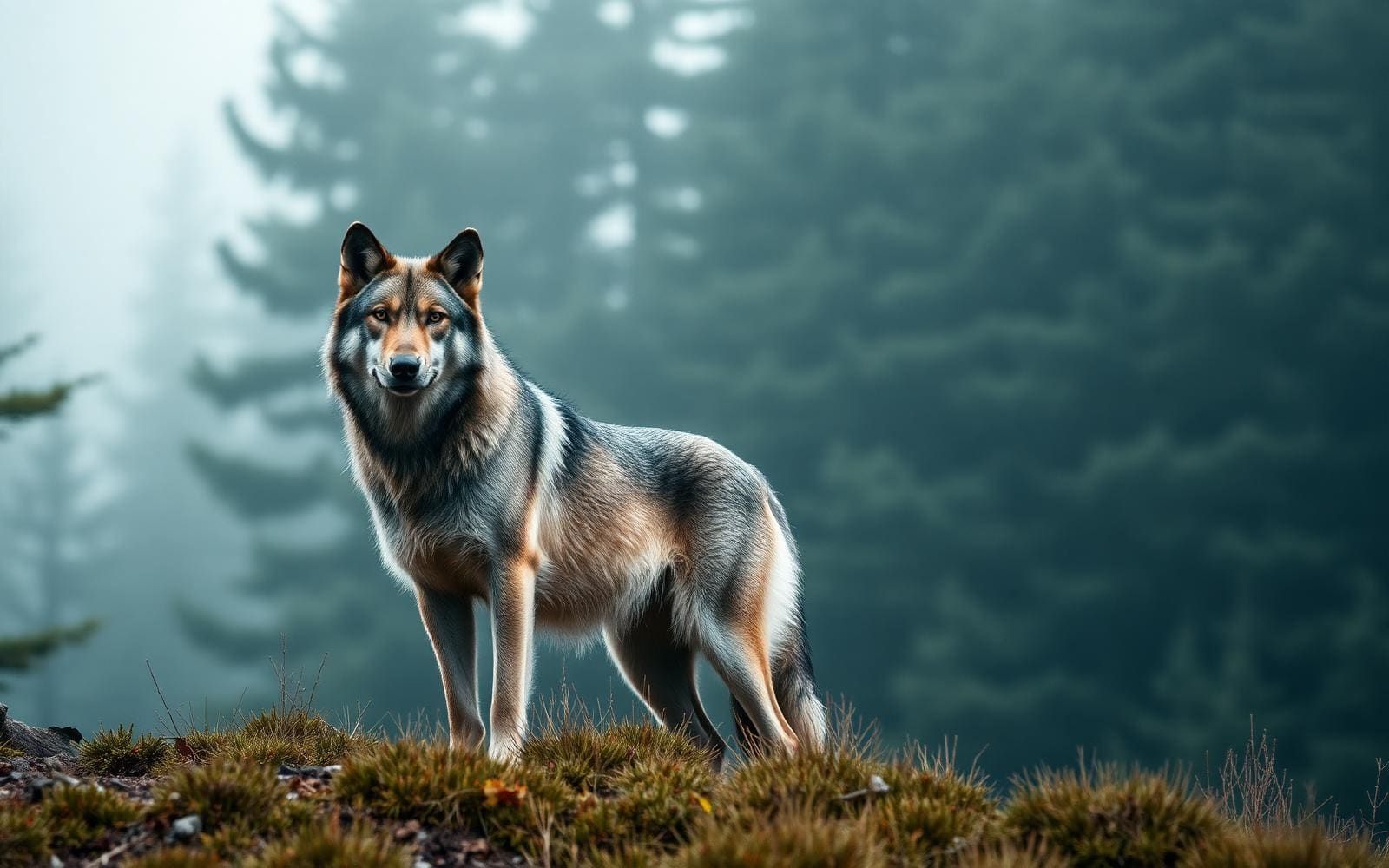
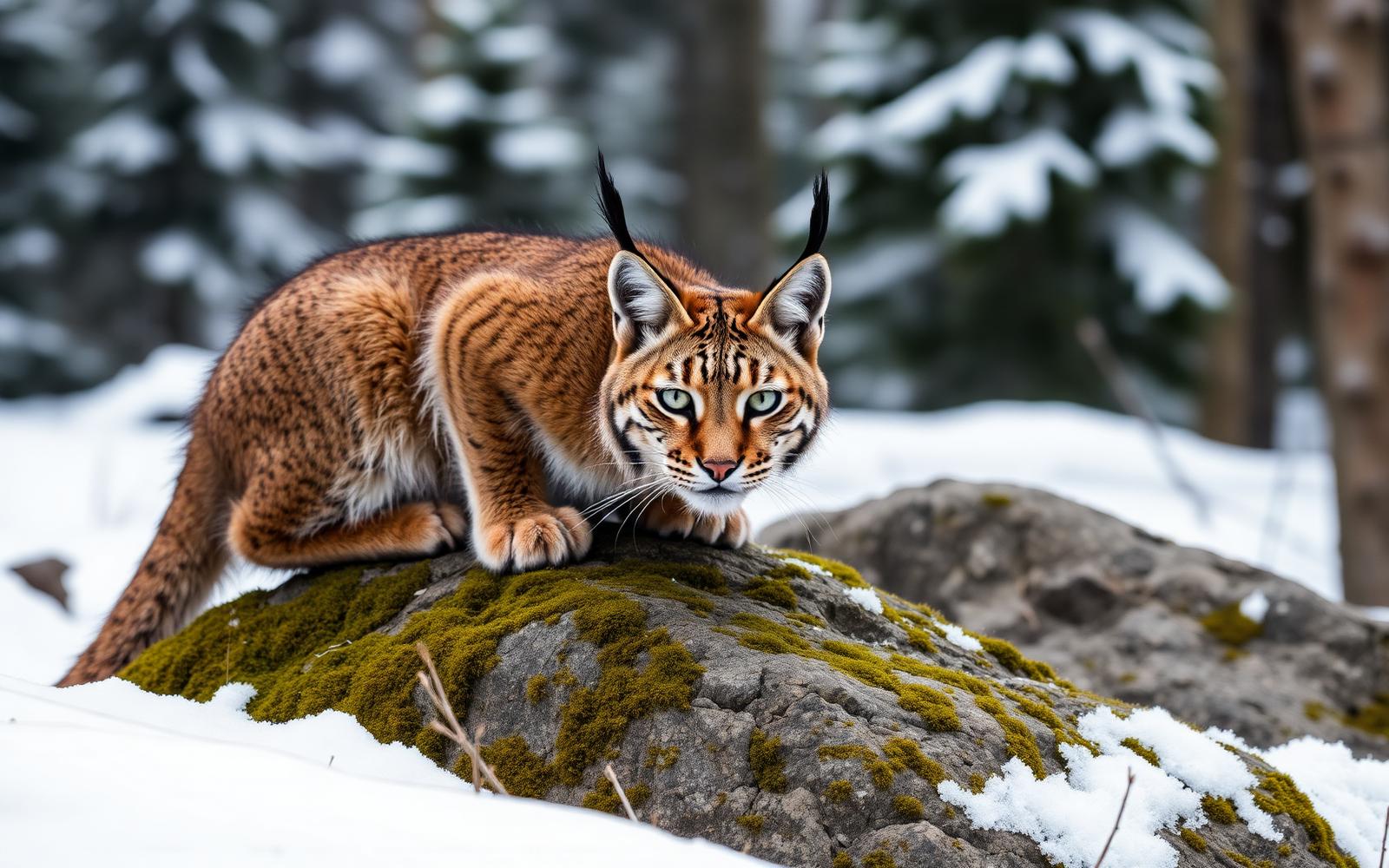
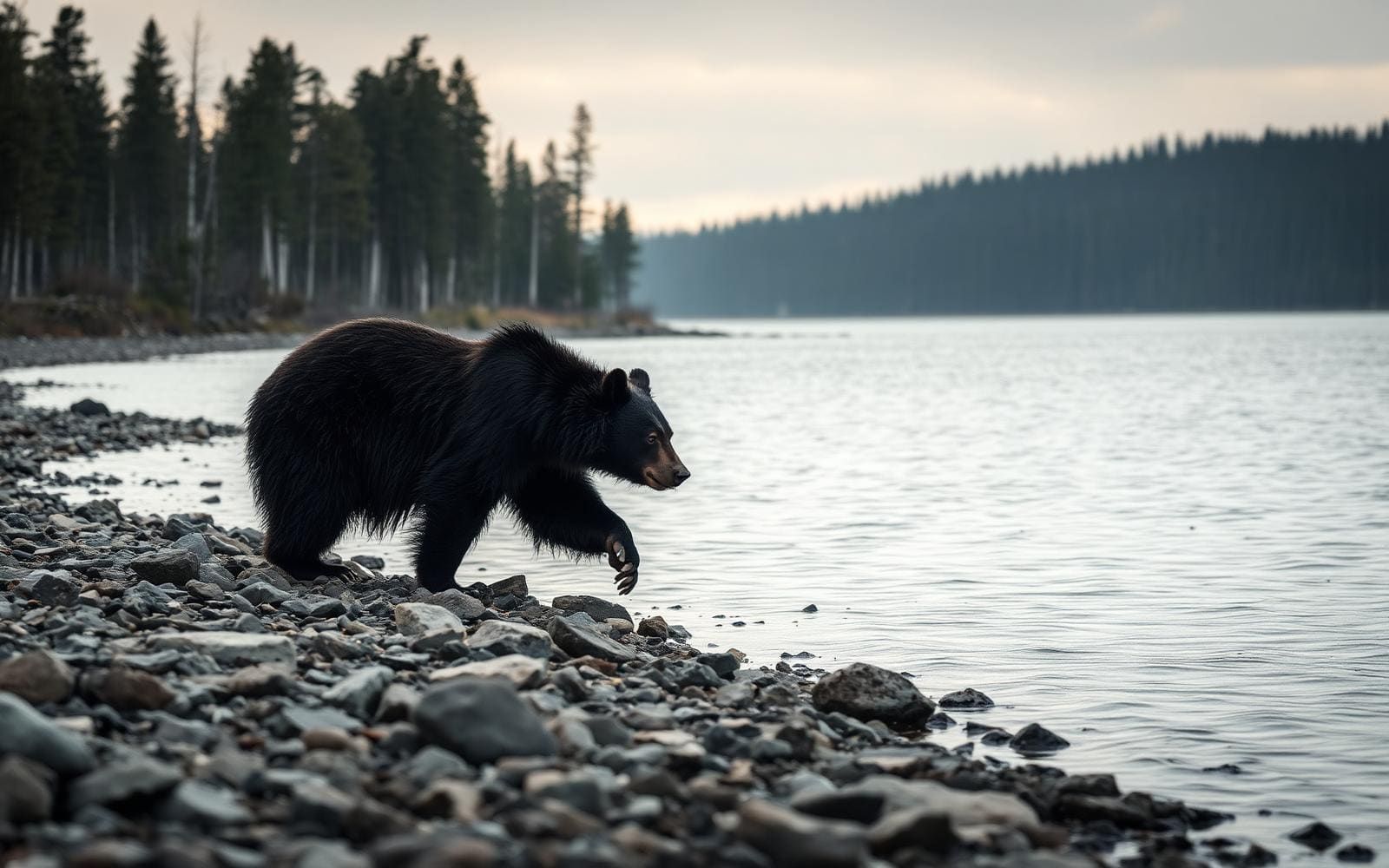
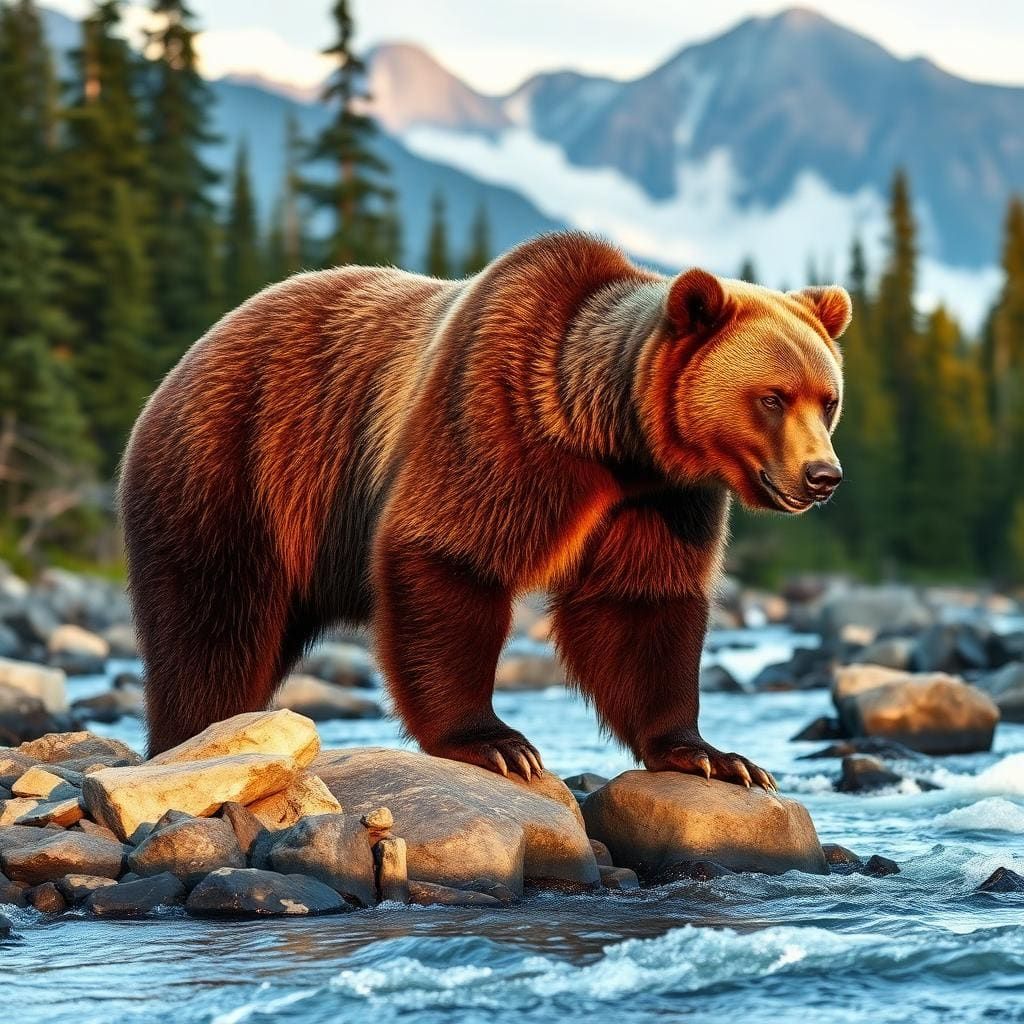
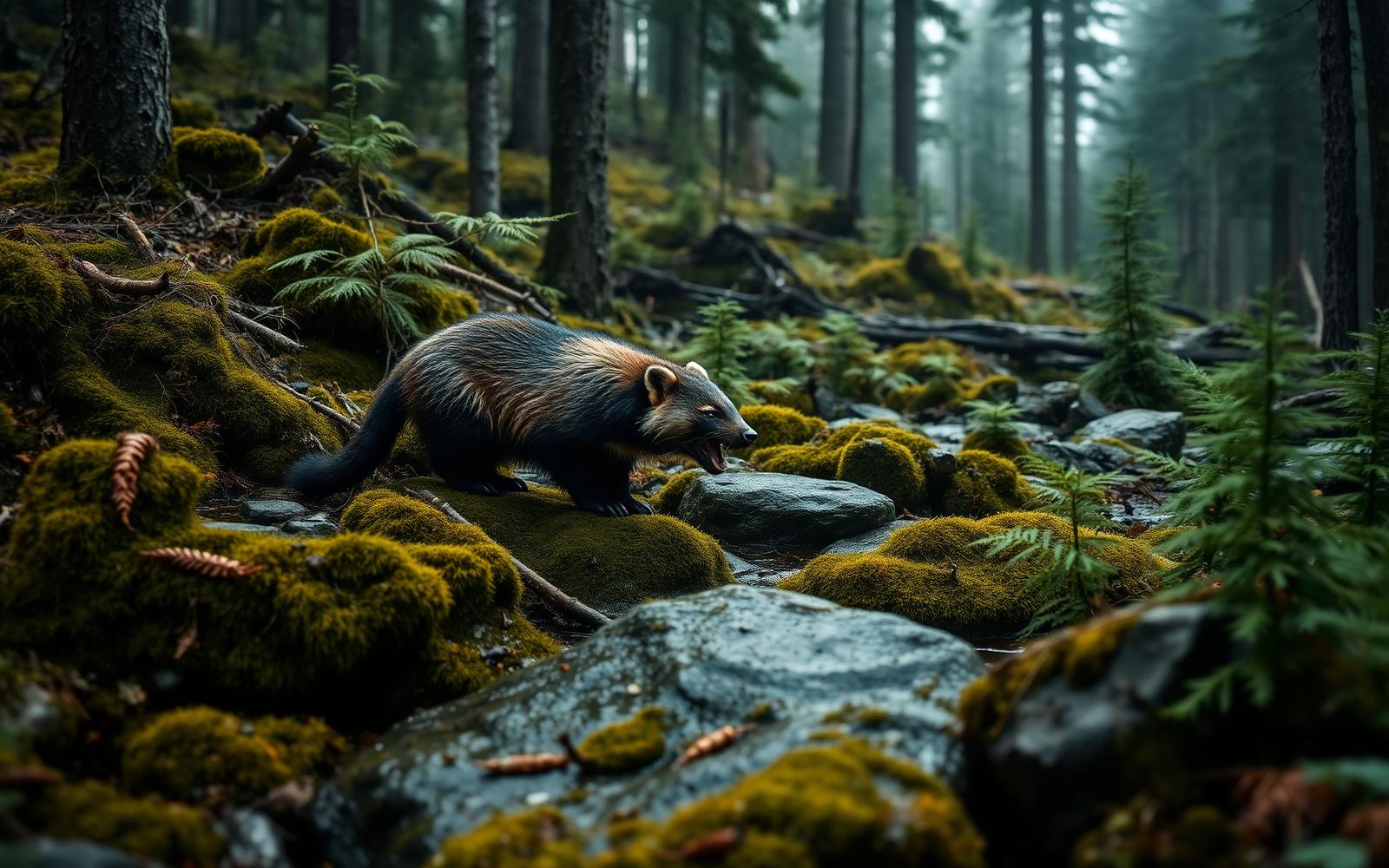
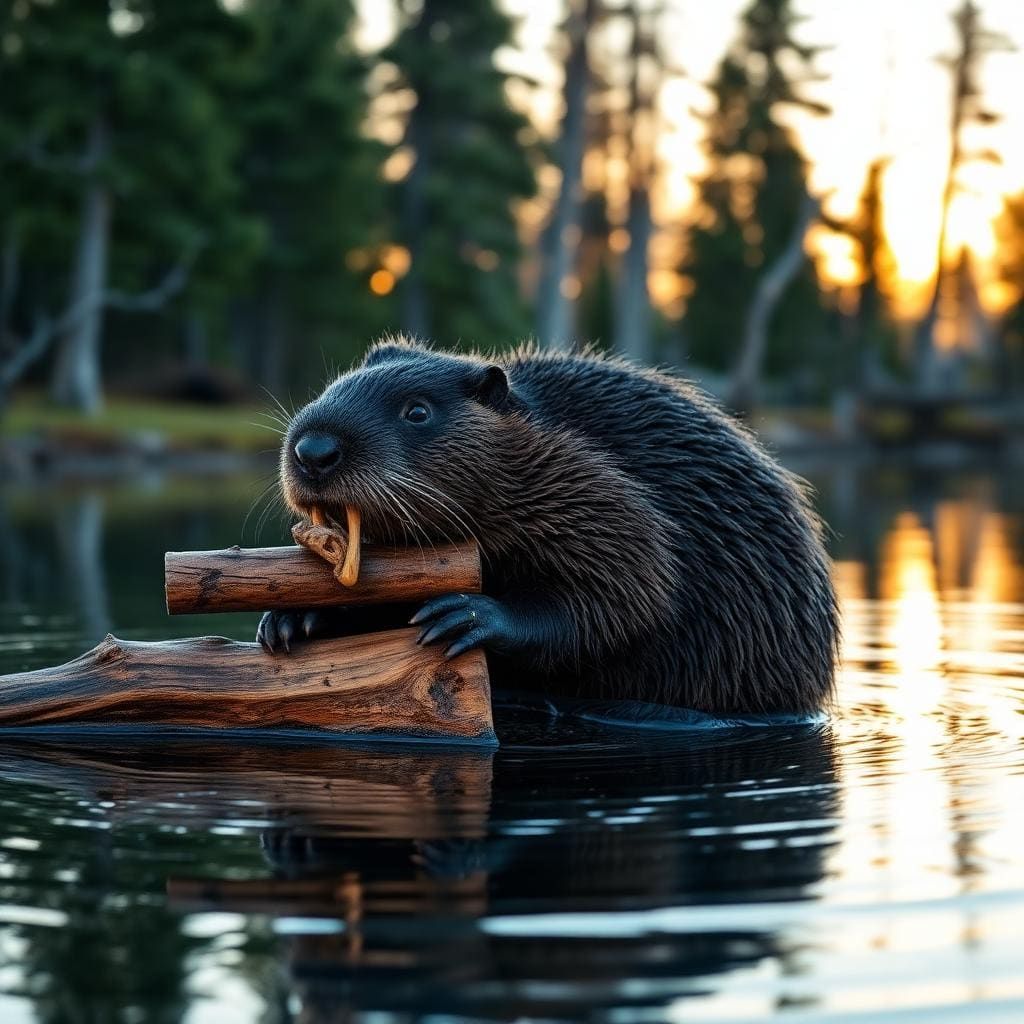
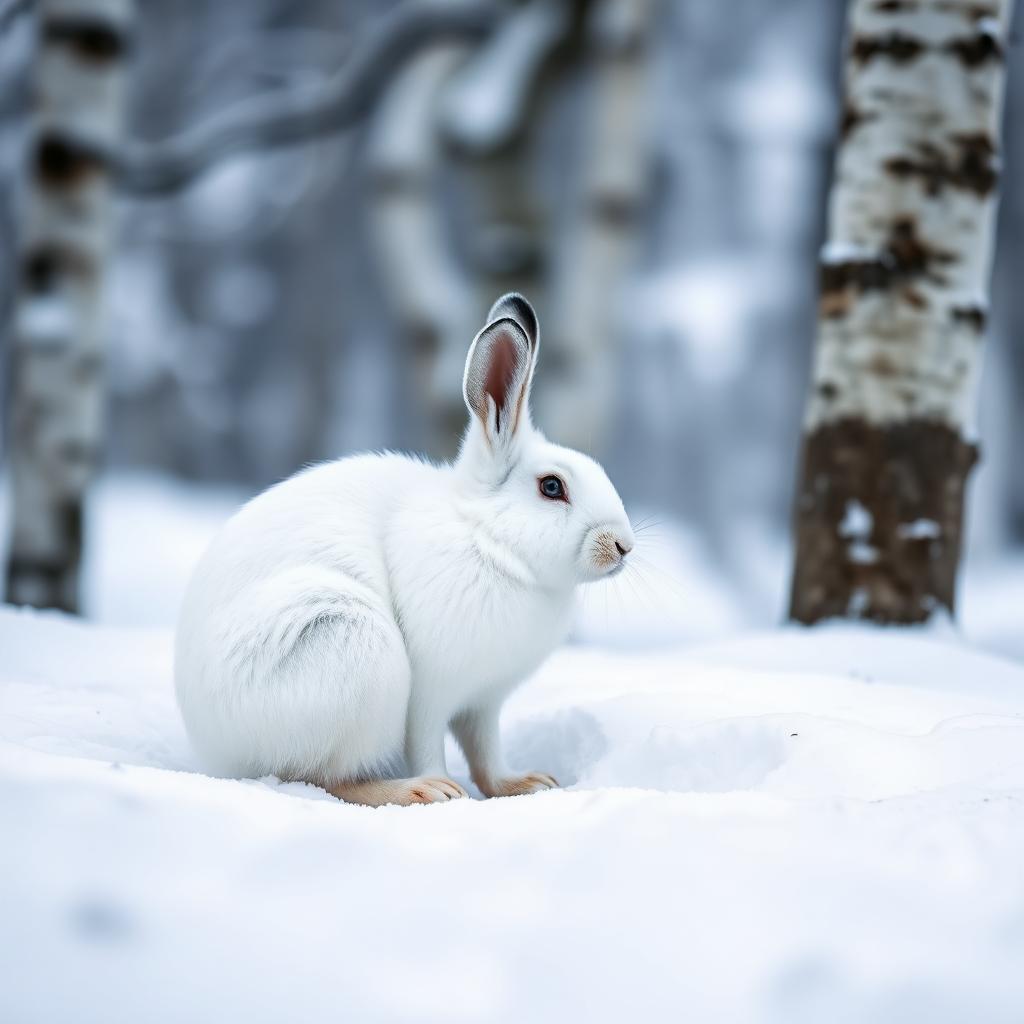
Anglers in this region are truly immersed in a wild landscape. Expect regular sightings of deer, elk, and various bird species, including bald eagles and ospreys. Black bears are common, and grizzly bears are present, particularly in the more remote areas closer to Yellowstone National Park. Proper bear safety protocols, including carrying bear spray and knowing how to use it, are essential. Other wildlife such as moose, coyotes, and various waterfowl are also frequently observed. This rich biodiversity is a significant part of the overall experience, reminding anglers of the pristine nature of these fisheries, but also requiring vigilance and respect for the environment.
Key Routes & Attractions
The Madison River's '50-mile riffle' is legendary, offering endless wade-fishing opportunities from Lyon's Bridge down to Ennis. For float trips, the sections below Ennis Lake (Lower Madison) and upstream (Upper Madison) are popular. The Yellowstone River offers extensive floating from Gardiner down through Paradise Valley and beyond. The Gallatin, especially its upper sections within the National Forest and closer to Big Sky, is excellent for wade fishing pocket water. Beyond fishing, Yellowstone National Park is on the doorstep, offering geothermal features and wildlife viewing. The towns of Bozeman, Livingston, Ennis, and West Yellowstone serve as excellent bases with amenities, fly shops, and guide services.
Permits & Access
A Montana fishing license is required for all anglers aged 12 and older. These can be purchased online through Montana Fish, Wildlife & Parks or at local fly shops and sporting goods stores. While much of the rivers are accessible via public access points, designated fishing access sites, or national forest lands, it's crucial to respect private property boundaries. Floating access is generally robust, but always verify current regulations regarding specific river sections, especially within Yellowstone National Park where separate permits and regulations apply. Employing a local guide is highly recommended, not only for their expertise in finding fish but also for navigating access and understanding dynamic regulations.
Trade-offs
The popularity of these rivers means crowds, especially during peak summer months and prime hatch windows. Finding solitude can be challenging on popular sections, particularly during weekdays. Guided drift boat traffic can also be significant. While regulations are in place to protect the fishery, fishing pressure is undeniable. The weather, as mentioned, can be unpredictable, sometimes shifting dramatically within a single day. Lastly, the cost of lodging, guiding, and travel in this desirable region can be high, particularly during peak season. Advanced booking for guides and accommodations is essential to secure preferred dates and avoid disappointment.
How we chose
We built this ranking from trip reports, agency data, permit records, and our editors' own time on the ground. 10 places made the final cut out of a much longer working list, and each one had to clear the same set of criteria before it earned a spot.
- Quality of the terrain
- Landscape, route variety, and whether the place rewards multiple days rather than one overlook.
- Season and weather windows
- How long the reliable window is, and how badly the shoulder seasons punish a bad forecast.
- Access and permits
- Trailhead logistics, permit odds, quotas, and how much lead time a trip realistically takes.
- Solitude vs. crowding
- How far you have to walk before the place feels like wilderness instead of a queue.
- Wildlife and ecology
- What you can reasonably expect to see, and what you have to plan around.
- Risk and skill required
- Navigation, water crossings, exposure, and rescue distance — stated plainly.
Madison / Yellowstone / Gallatin — frequently asked questions
- Is Madison / Yellowstone / Gallatin worth the trip?
- We rank it #1 in Fly-Fishing Destinations. The heart of American trout fishing. Wade or float, month-long trip potential.
- Who is Madison / Yellowstone / Gallatin best for?
- Best for multi-day float trips, targeting trophy brown trout, hatch-matching dry fly fishing and immersive wilderness angling. Standouts: unparalleled diversity and abundance of wild trout and extensive fishable water for wade and float anglers.
- What are the drawbacks of Madison / Yellowstone / Gallatin?
- Can experience significant fishing pressure and crowds, Weather can be highly unpredictable and change rapidly and Higher cost for lodging, guides, and services during peak season.
- What are the key details for Madison / Yellowstone / Gallatin?
- Primary Species: Brown, Rainbow, Cutthroat Trout · River Type: Freestone · Best Season: May - October · Access: Public, Wade & Float · Geography: Rocky Mountains, High Plains
- Geography & Terrain — what should I know about the Madison / Yellowstone / Gallatin?
- These rivers flow through diverse Montana landscapes, from the high-alpine meadows and forests of their headwaters in and around Yellowstone National Park, down through broad valleys and agricultural lands. " The Yellowstone, America's longest free-flowing river, is a powerful, wide river in its lower sections, with…
- Best Season & Weather — what should I know about the Madison / Yellowstone / Gallatin?
- The prime fishing season typically runs from late May, after spring runoff subsides, through October. June and July offer prolific insect hatches like Salmonflies, Caddis, and PMDs, making for exciting dry fly action.
Where on earth
Satellite imagery flying in from a world view to Madison / Yellowstone / Gallatin, Montana, United States. Use the + / − buttons, or click the map to zoom with your scroll wheel; drag to pan and pinch to zoom on touch.
Gallatin County, MT, USA · 45.539, -111.119
Wildlife found around Madison / Yellowstone / Gallatin
Compare side by side
Put the Madison / Yellowstone / Gallatin against any other pick on this list — specs, price, pros, cons and reader ratings.