


US National Parks · #3
Yellowstone
Wyoming / Montana / Idaho

Reader rating
Rate it and you move it. Community ratings re-rank this product inside its Top 10 list.
Expert-picked, reader-ranked. Our editors choose the products and the launch order; member star ratings move picks up or down over time.
Vast backcountry beyond the geyser basins — thermal features, bison, and real solitude.
Pros
- Unparalleled solitude in vast wilderness areas
- Unique geothermal features deep in the backcountry
- Exceptional wildlife viewing opportunities
- Diverse ecosystems and challenging terrain
- Opportunity for multi-day, immersive trips
Cons
- Crowds at popular trailheads and access points
- Competitive permit system for desirable campsites
- Active grizzly bear population requires vigilance
- Rapidly changing weather and potential for snow year-round
Best uses
- Multi-day backpacking trips
- Wildlife photography
- Geothermal feature exploration
- Remote wilderness immersion
- Fly fishing in backcountry streams
Specifications
- Location
- Wyoming, Montana, Idaho
- Established
- March 1, 1872
- Size
- 2.2 million acres
- Terrain
- Volcanic plateaus, mountains, forests, rivers
- Wildlife
- Bison, elk, bears, wolves
- Permits
- Required for all overnight stays
Best for
Multi-day backpacking trips, Wildlife photography, Geothermal feature exploration, Remote wilderness immersion, Fly fishing in backcountry streams
Yellowstone's reputation often precedes it, conjuring images of Old Faithful and crowded boardwalks. But beyond the well-trod paths of the Lower and Upper Geyser Basins lies a vast, untamed backcountry, encompassing nearly 3,500 square miles across Wyoming, Montana, and Idaho. This is a land of stark contrasts: steamy thermal features hidden deep in forested valleys, high alpine meadows grazed by bison and elk, and roaring rivers carving through ancient volcanic rock. While its iconic geysers draw millions, the park's true wild heart beats in its interior, offering an immersive wilderness experience few other National Parks can match. The sheer scale and diversity of terrain mean that solitude is readily available for those willing to venture beyond the road system, making it a prime destination for multi-day backpacking trips. The park's unique geothermal activity extends deep into the wilderness, providing a constant reminder of the volatile forces at play beneath the surface. This creates a distinctive environment, unlike any other backcountry landscape in North America, demanding respect and careful planning from those who explore it.
Geography and Terrain
Yellowstone's backcountry is dominated by a high volcanic plateau, averaging 8,000 feet, surrounded by mountain ranges like the Absarokas, Gallatins, and Tetons. This translates to diverse terrain: dense lodgepole pine forests, expansive sagebrush steppes, and alpine tundra. The park is crisscrossed by major rivers like the Yellowstone, Snake, and Gallatin, often flowing through deep canyons. Geothermal features, including hot springs, fumaroles, and mud pots, are scattered throughout, even far from paved roads. Navigation can be challenging due to thick forests and unmarked trails, demanding proficient map and compass skills. Elevation changes are significant, though not always as dramatic as in more jagged mountain ranges, but the sheer mileage required to reach deep wilderness areas means sustained effort.
Best Season and Weather
The prime season for backcountry travel in Yellowstone is late June through September. Early season (June) can still see significant snow at higher elevations and muddy trails. July and August offer the most stable weather, with warm days and cool nights, but also the highest potential for afternoon thunderstorms. September brings cooler temperatures, fewer insects, and vibrant fall colors, but also the possibility of early snowfalls, especially at higher altitudes. Winter backcountry travel is possible for experienced and well-equipped adventurers, requiring advanced avalanche awareness and winter camping skills. Always be prepared for rapid weather shifts, regardless of the season; a sunny morning can quickly turn into a snowy afternoon even in mid-summer.
Wildlife Encounters
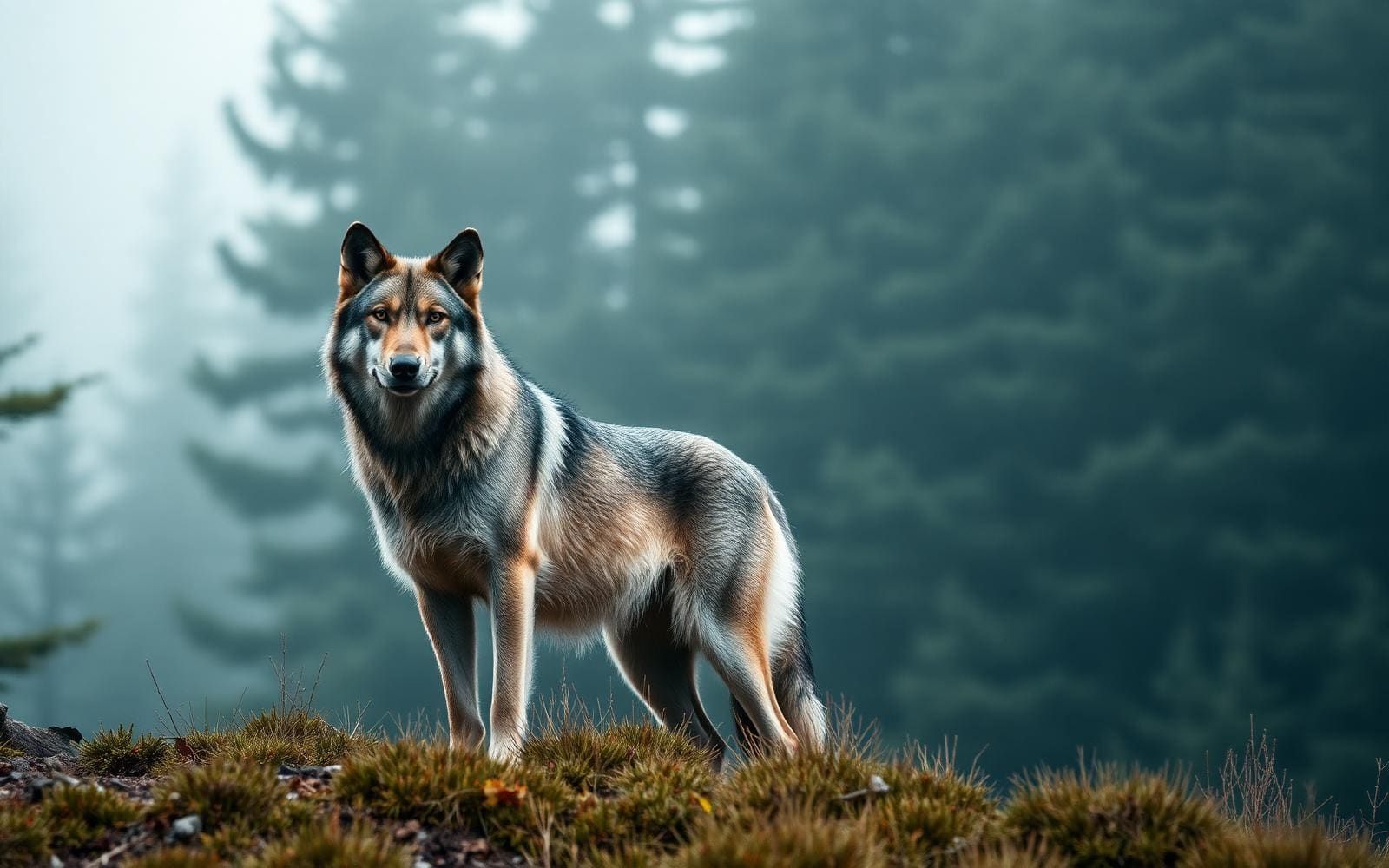
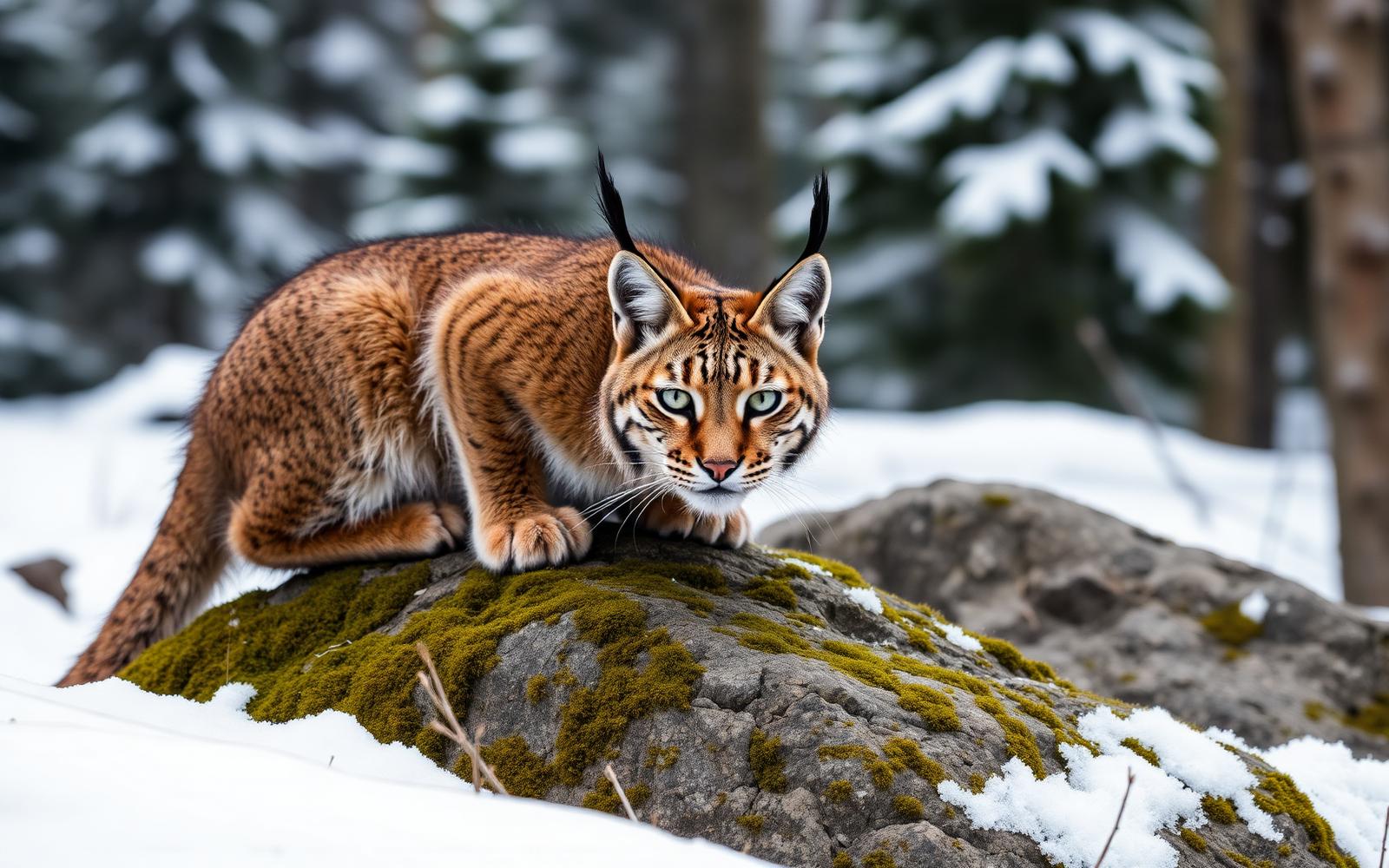
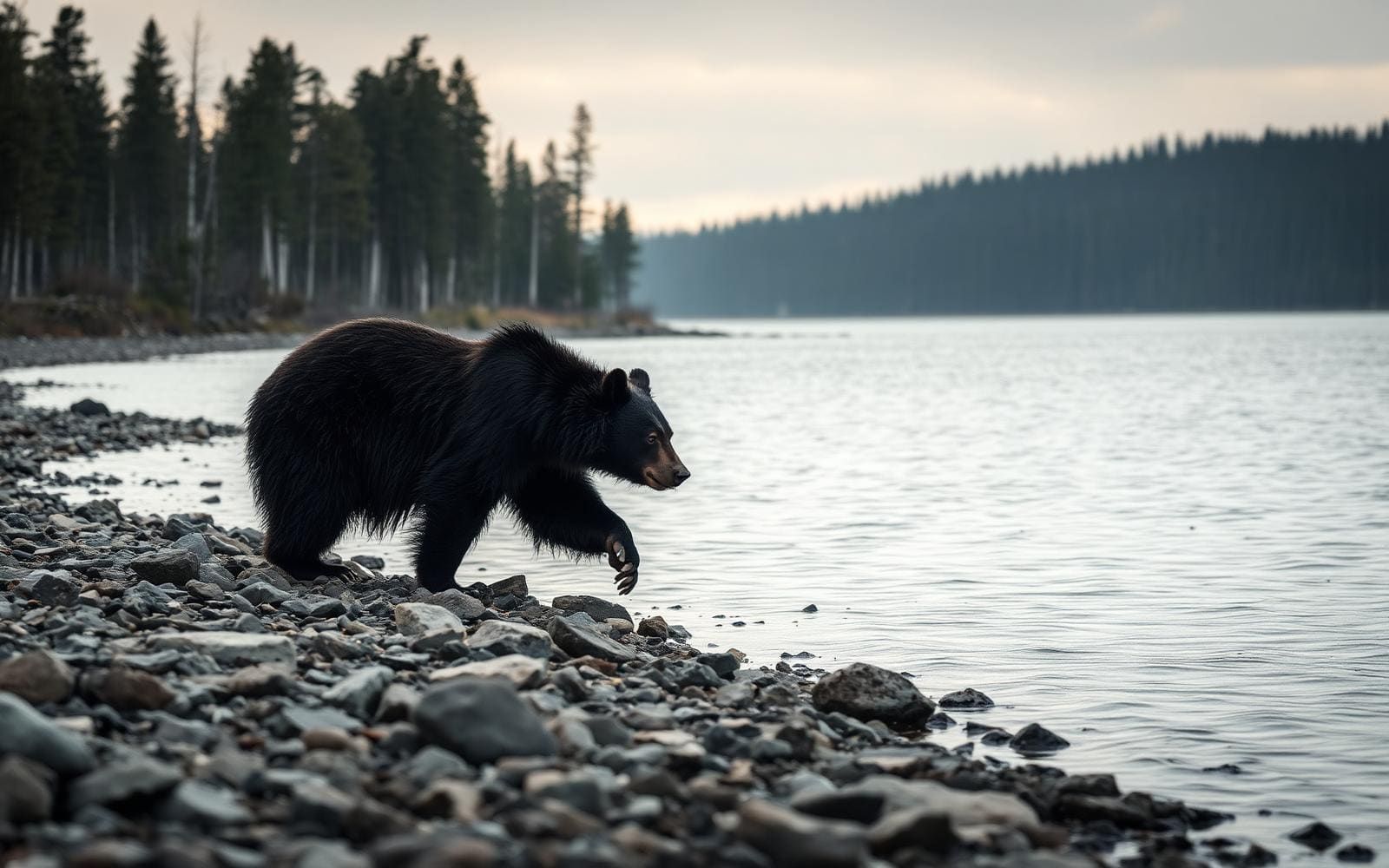
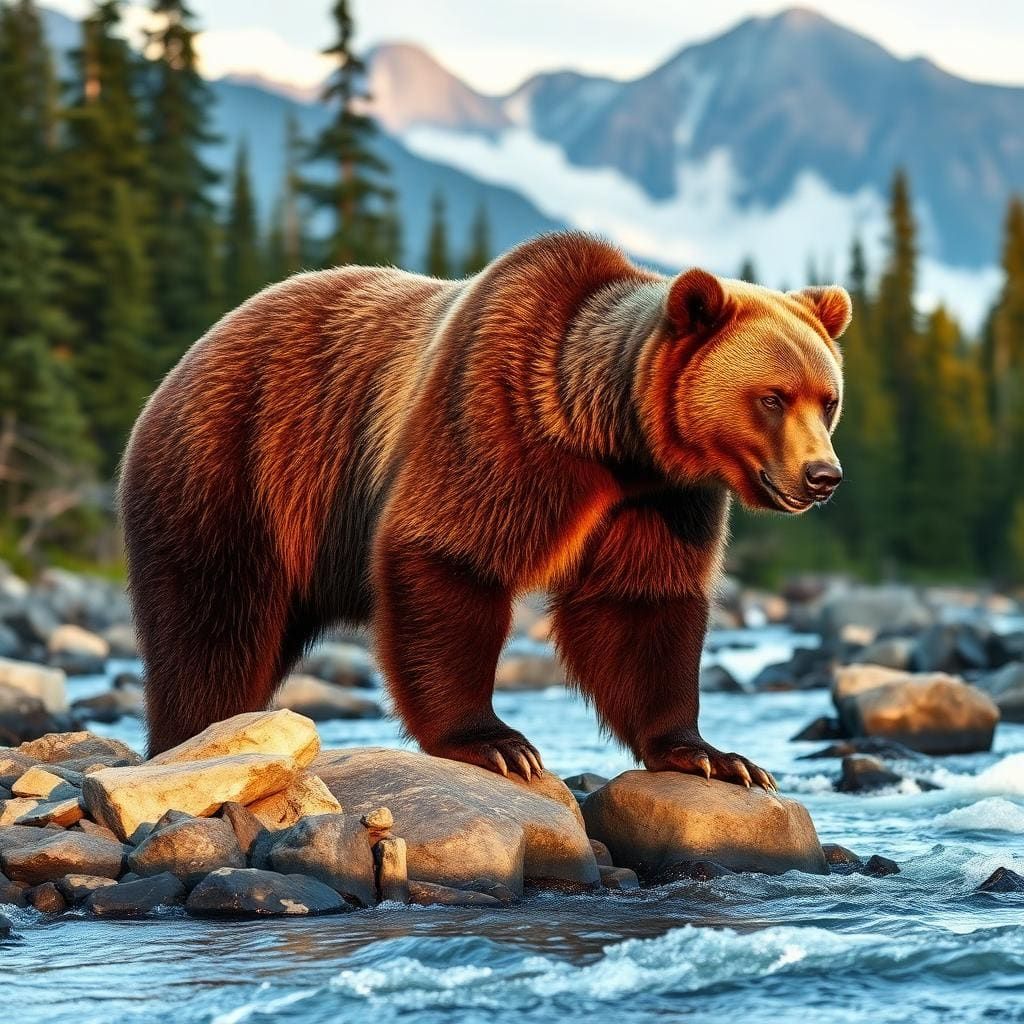
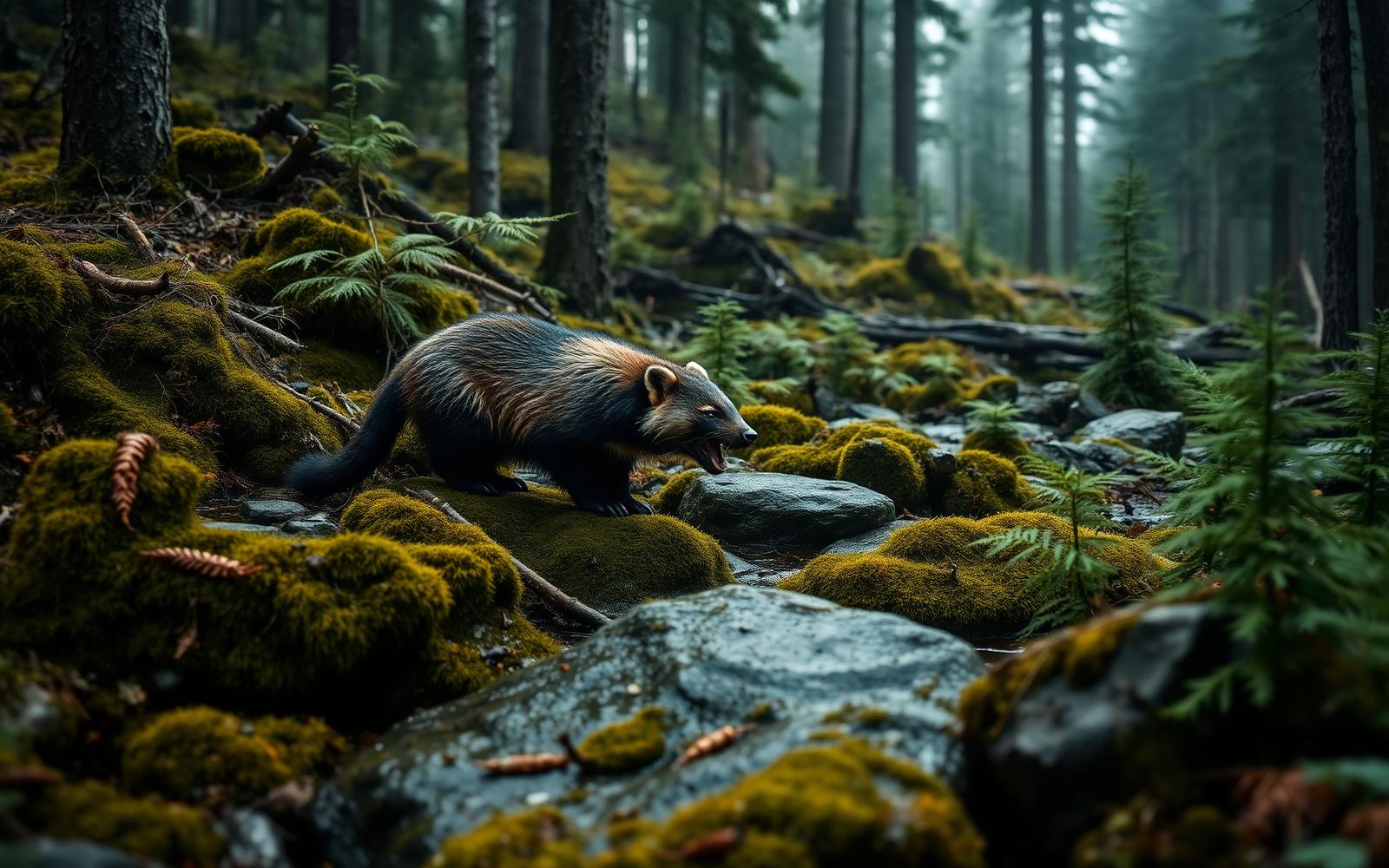
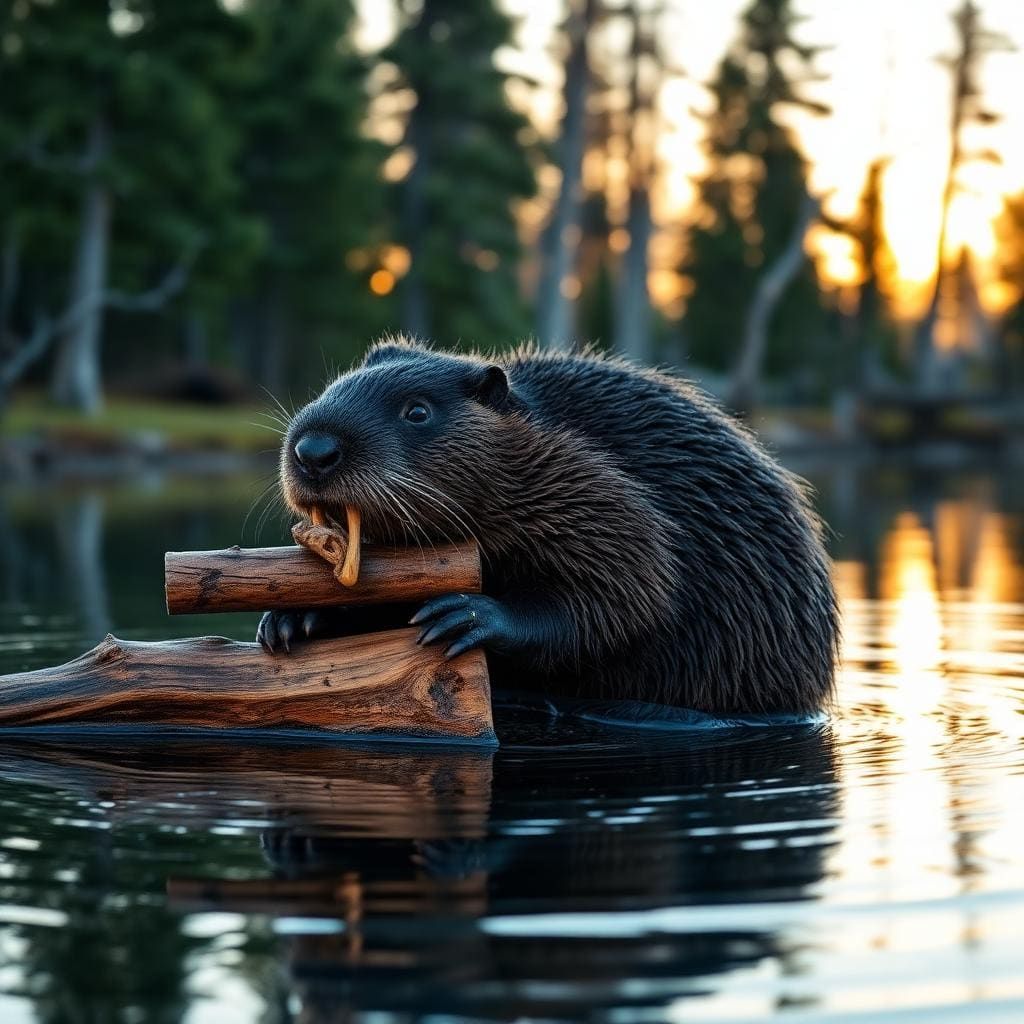
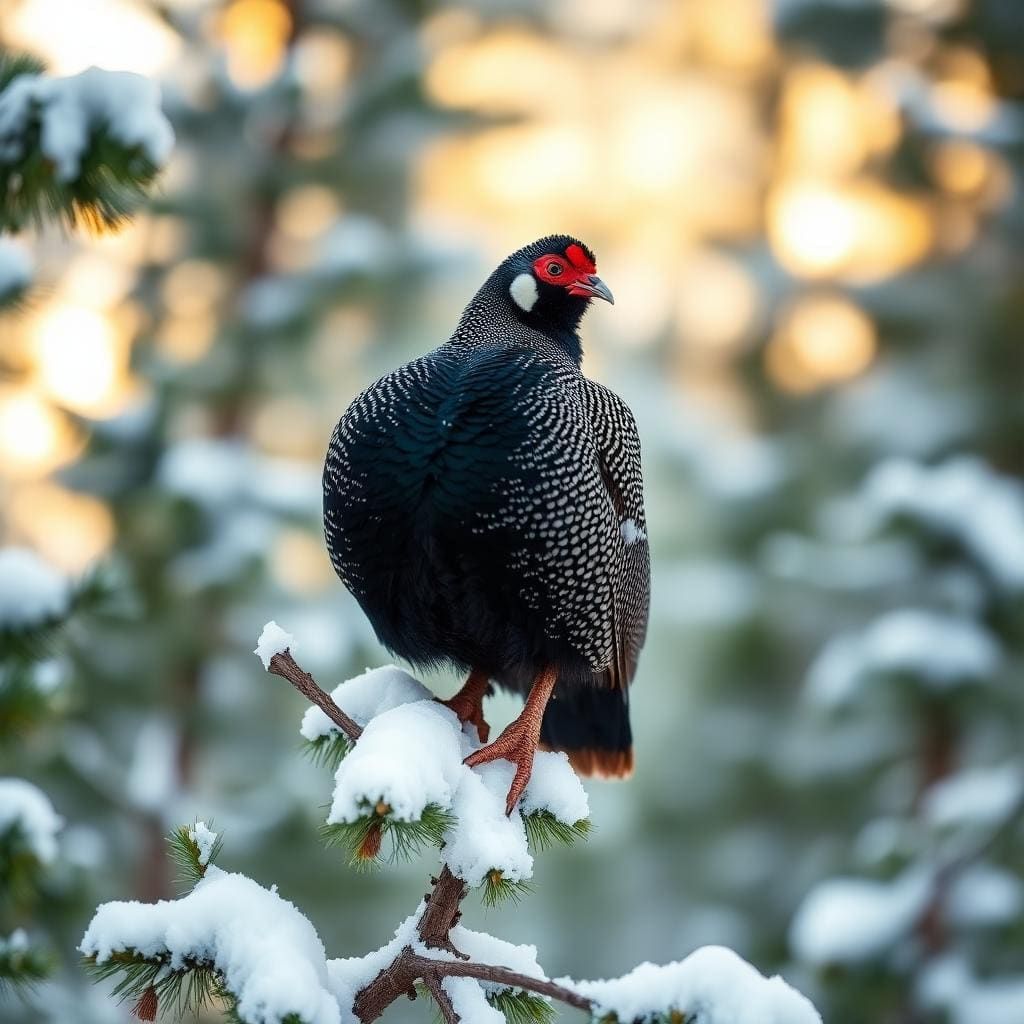
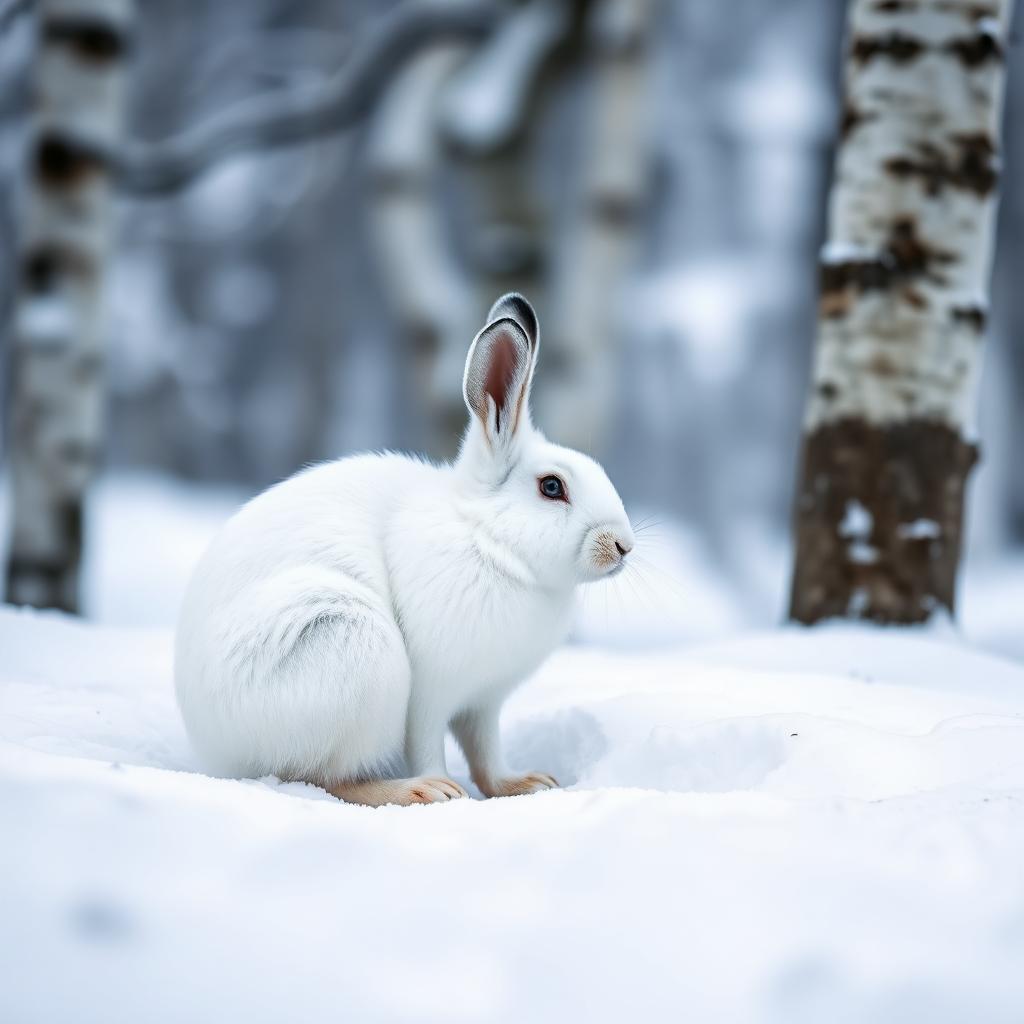
Yellowstone is home to the full suite of large North American mammals, and backcountry travel significantly increases your chances of encountering them. Bison and elk are common in open areas, while grizzly and black bears are present throughout the park, requiring diligent bear-resistant food storage and carrying bear spray. Wolves, though elusive, are also present. Smaller mammals and a wide variety of birds are also abundant. It's crucial to understand and practice Leave No Trace principles, especially regarding wildlife, to minimize impact and ensure safety for both humans and animals. Maintaining a safe distance and never approaching or feeding wildlife is paramount to a responsible visit.
Key Routes and Attractions
Iconic backcountry routes include the Black Canyon of the Yellowstone, offering dramatic river views and opportunities to spot wildlife, and the Thorofare region, one of the most remote areas in the Lower 48. The Mirror Lake/Shoshone Lake area provides access to lakeside geysers and hot springs reachable only by foot or paddle. The Slough Creek and Lamar Valley drainages are excellent for wildlife viewing, though often require lengthy approaches. For a truly immersive experience, linking multiple backcountry campsites over several days is the way to go. Consider routes that incorporate both forested sections and open meadows to maximize ecological diversity and scenic variation.
Permits and Access
Overnight backcountry permits are mandatory for all camping outside of designated frontcountry campgrounds. Permits can be reserved online in advance (releasing in late April for the upcoming season) or obtained in person as a walk-up permit, though these are limited and highly competitive for popular areas. Reservations are strongly recommended, especially for peak season. Access points vary widely, with trailheads located off the main park road system. Some trailheads require significant driving. Be aware that specific quotas exist for each campsite, and these fill up quickly. Familiarize yourself with the park's backcountry regulations regarding food storage, fire restrictions, and group size before planning your trip.
How we chose
We built this ranking from trip reports, agency data, permit records, and our editors' own time on the ground. 10 places made the final cut out of a much longer working list, and each one had to clear the same set of criteria before it earned a spot.
- Quality of the terrain
- Landscape, route variety, and whether the place rewards multiple days rather than one overlook.
- Season and weather windows
- How long the reliable window is, and how badly the shoulder seasons punish a bad forecast.
- Access and permits
- Trailhead logistics, permit odds, quotas, and how much lead time a trip realistically takes.
- Solitude vs. crowding
- How far you have to walk before the place feels like wilderness instead of a queue.
- Wildlife and ecology
- What you can reasonably expect to see, and what you have to plan around.
- Risk and skill required
- Navigation, water crossings, exposure, and rescue distance — stated plainly.
Yellowstone — frequently asked questions
- Is Yellowstone worth the trip?
- We rank it #3 in US National Parks. Vast backcountry beyond the geyser basins — thermal features, bison, and real solitude.
- Who is Yellowstone best for?
- Best for multi-day backpacking trips, wildlife photography, geothermal feature exploration and remote wilderness immersion. Standouts: unparalleled solitude in vast wilderness areas and unique geothermal features deep in the backcountry.
- What are the drawbacks of Yellowstone?
- Crowds at popular trailheads and access points, Competitive permit system for desirable campsites and Active grizzly bear population requires vigilance.
- What are the key details for Yellowstone?
- Location: Wyoming, Montana, Idaho · Established: March 1, 1872 · Size: 2.2 million acres · Terrain: Volcanic plateaus, mountains, forests, rivers · Wildlife: Bison, elk, bears, wolves
- Geography and Terrain — what should I know about the Yellowstone?
- Yellowstone's backcountry is dominated by a high volcanic plateau, averaging 8,000 feet, surrounded by mountain ranges like the Absarokas, Gallatins, and Tetons. This translates to diverse terrain: dense lodgepole pine forests, expansive sagebrush steppes, and alpine tundra.
- Best Season and Weather — what should I know about the Yellowstone?
- The prime season for backcountry travel in Yellowstone is late June through September. Early season (June) can still see significant snow at higher elevations and muddy trails.
Where on earth
Satellite imagery flying in from a world view to Yellowstone, United States. Use the + / − buttons, or click the map to zoom with your scroll wheel; drag to pan and pinch to zoom on touch.
United States · 38.795, -106.535
Wildlife found around Yellowstone
Compare side by side
Put the Yellowstone against any other pick on this list — specs, price, pros, cons and reader ratings.