


Winter Camping · #2
Algonquin Provincial Park (winter)
Ontario, Canada
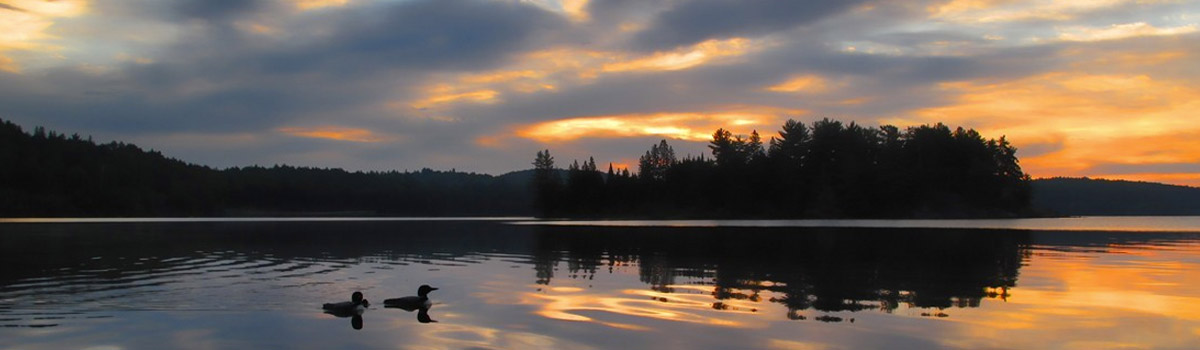
Reader rating
Rate it and you move it. Community ratings re-rank this product inside its Top 10 list.
Expert-picked, reader-ranked. Our editors choose the products and the launch order; member star ratings move picks up or down over time.
Ski-in yurt and hot-tent camping just three hours from Toronto. Well-established winter routes.
Pros
- Proximity to major population centers
- Well-maintained winter trails and facilities
- Opportunity for deep solitude in nature
- Designated hot-tenting sites available
- Variety of camping options from yurts to backcountry
Cons
- Can be extremely cold, requiring specialized gear
- Popular areas like Mew Lake can still be busy
- Limited vehicle access to the park's interior
- Hazards of thin ice on lakes and difficult navigation
Best uses
- Beginner winter camping
- Cross-country ski touring
- Snowshoeing adventures
- Hot-tenting trips
- Winter photography
Specifications
- Location
- Ontario, Canada
- Closest City
- Huntsville, Ontario
- Winter Season
- Late Nov - Early April
- Permit Required
- Yes, backcountry & day use
- Activities
- Skiing, Snowshoeing, Hot Tenting
- Access
- Mostly ski-in, some plowed roads
Best for
Beginner winter camping, Cross-country ski touring, Snowshoeing adventures, Hot-tenting trips, Winter photography
Algonquin Provincial Park in winter transforms into a hushed, snow-covered wilderness, offering a stark contrast to its bustling summer months. This iconic Ontario park, roughly three hours north of Toronto, becomes a haven for winter camping enthusiasts seeking solitude and a genuine connection with nature. While the majority of the park is inaccessible by vehicle in winter, specific areas like Mew Lake Campground provide plowed access, making it a popular base for activities. The park's extensive trail system, often groomed for skiing and snowshoeing, allows for deep exploration into its frozen lakes and snow-laden forests. Winter in Algonquin demands preparation and respect for the elements, but rewards visitors with unparalleled tranquility and breathtaking frosty landscapes. The park's terrain in winter is characterized by rolling hills, frozen lakes, and dense mixed forests of spruce, fir, and birch. Snow depths can be significant, often exceeding a meter, creating ideal conditions for cross-country skiing and hot-tenting. The quiet during this season is profound, broken only by the crunch of snow underfoot or the distant call of a raven. Wildlife, though less visible, is present; tracks of moose, deer, foxes, and martens are common. The cold weather windows extend from late November through March, with the most reliable snow cover typically from mid-December to mid-March. Ideal conditions involve clear, crisp days following a fresh snowfall, offering stunning visual contrasts and excellent trail conditions.
Geography & Terrain
Algonquin's winter geography is defined by its pre-Cambrian Shield bedrock, resulting in a landscape of rounded hills, numerous lakes, and wetlands, all blanketed in snow. The park's varied elevation offers gentle slopes suitable for cross-country skiing, while its frozen lakes provide expansive, navigable pathways when conditions are safe. Dense coniferous forests dominate higher grounds, interspersed with deciduous stands that create a striking contrast of bare branches and snow-covered evergreens. The terrain, while generally not mountainous, presents enough undulation to keep ski tours interesting and provide sheltered valleys for camping. Ice thickness on lakes should always be verified before venturing out, as conditions can vary.
Best Season & Weather
The prime window for winter camping in Algonquin is from mid-December to mid-March. This period typically offers consistent snow cover and stable ice conditions. January and February are often the coldest months, with temperatures frequently dropping well below -20°C, requiring appropriate cold-weather gear and experience. Clear, sunny days following a fresh snowfall offer the most picturesque conditions, illuminating the snow-laden trees and creating stunning photographic opportunities. While beautiful, strong winds can make exposed lake crossings challenging and increase the risk of frostbite. Always check the forecast and be prepared for rapidly changing weather, as winter storms can bring heavy snow and plummeting temperatures.
Wildlife Encounters
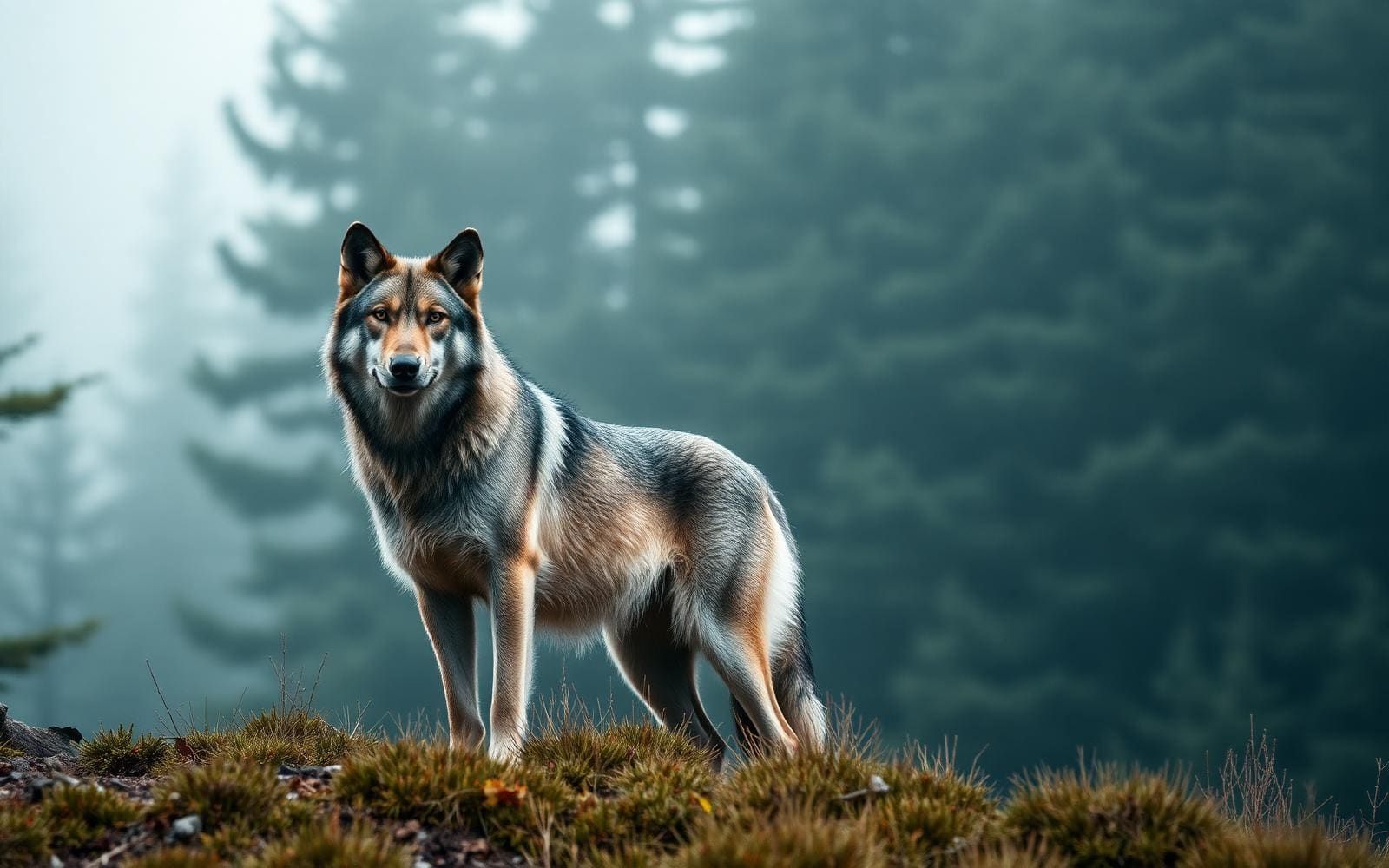
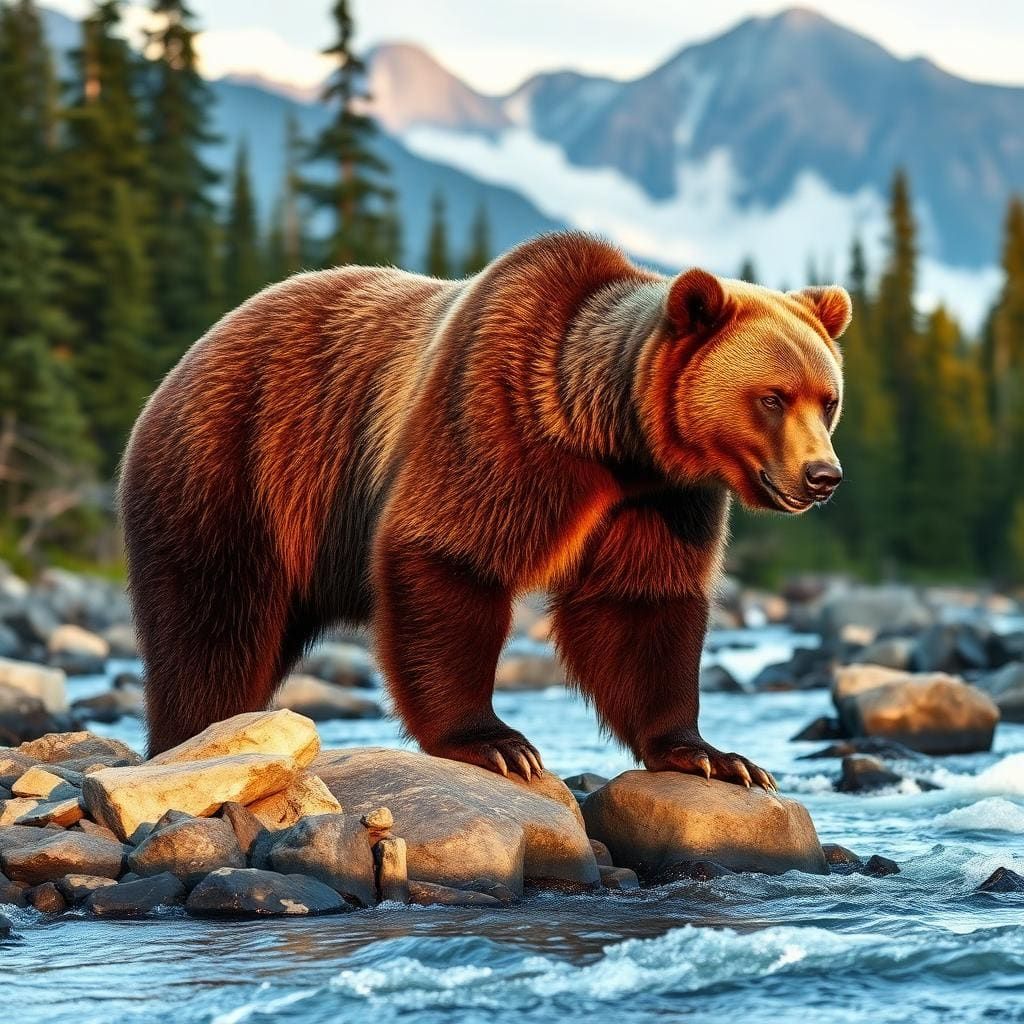
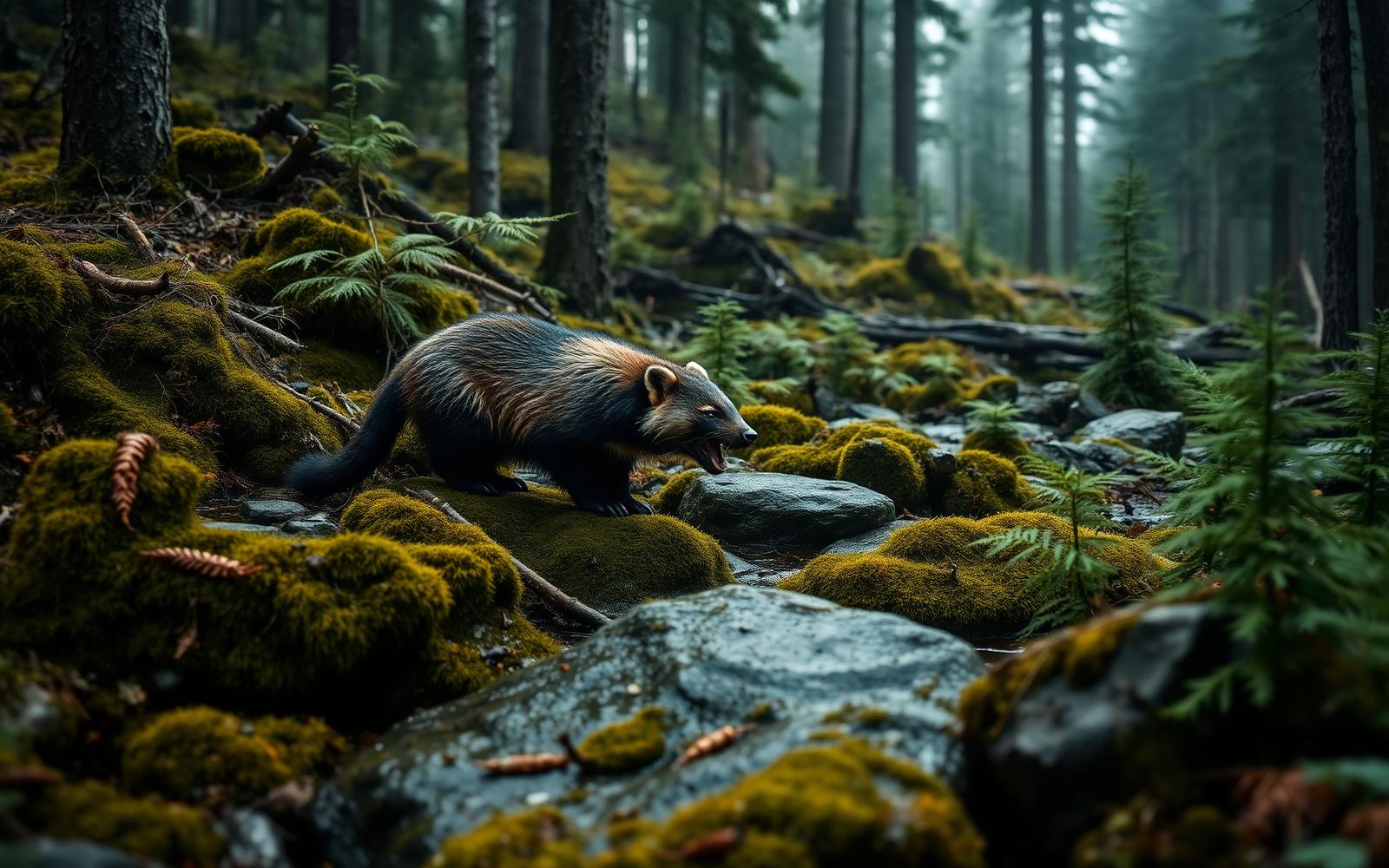
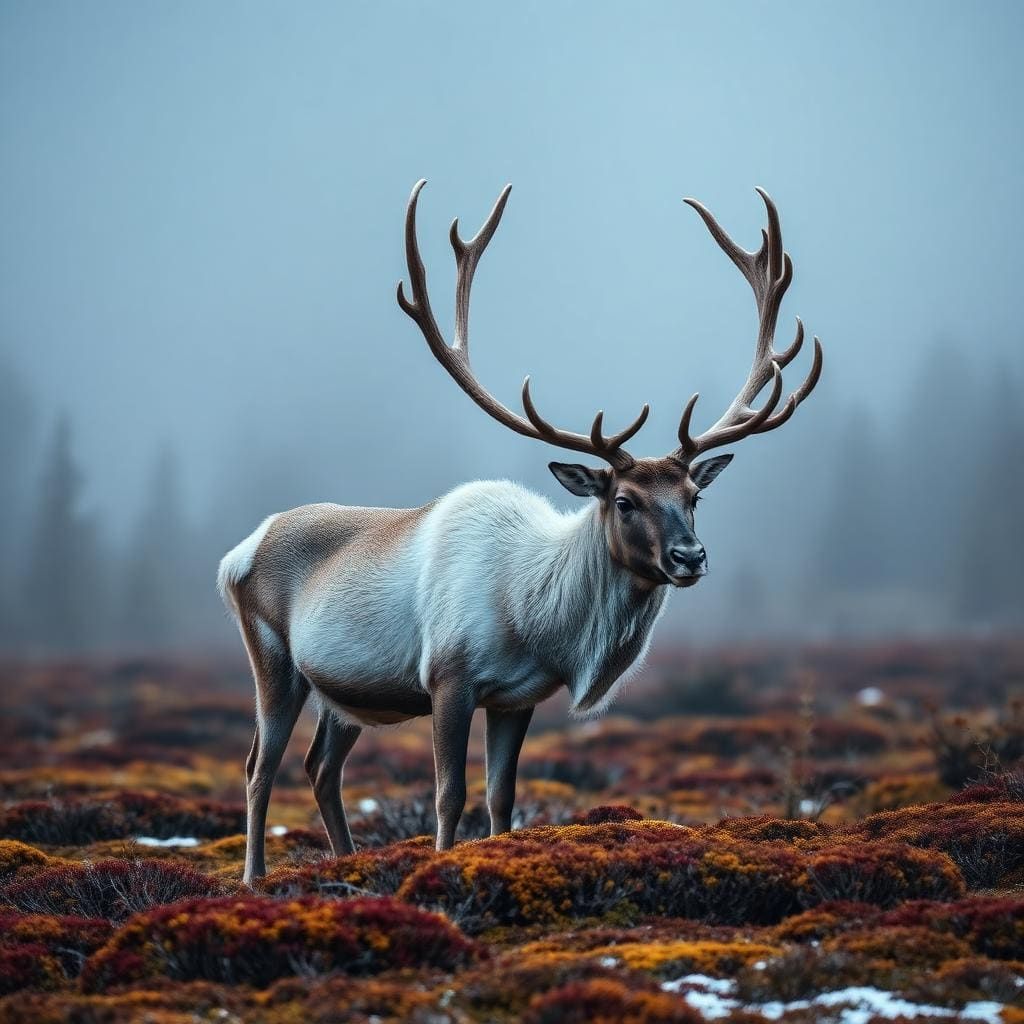
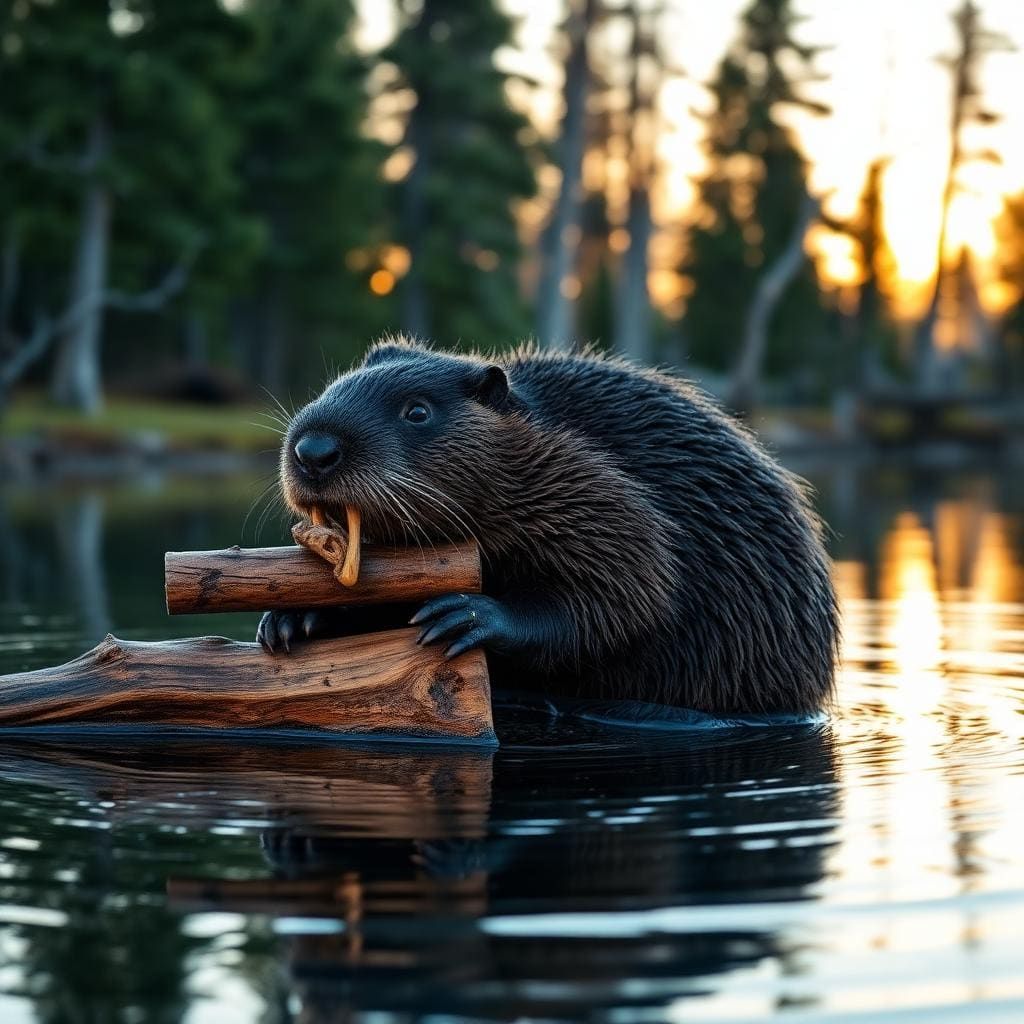
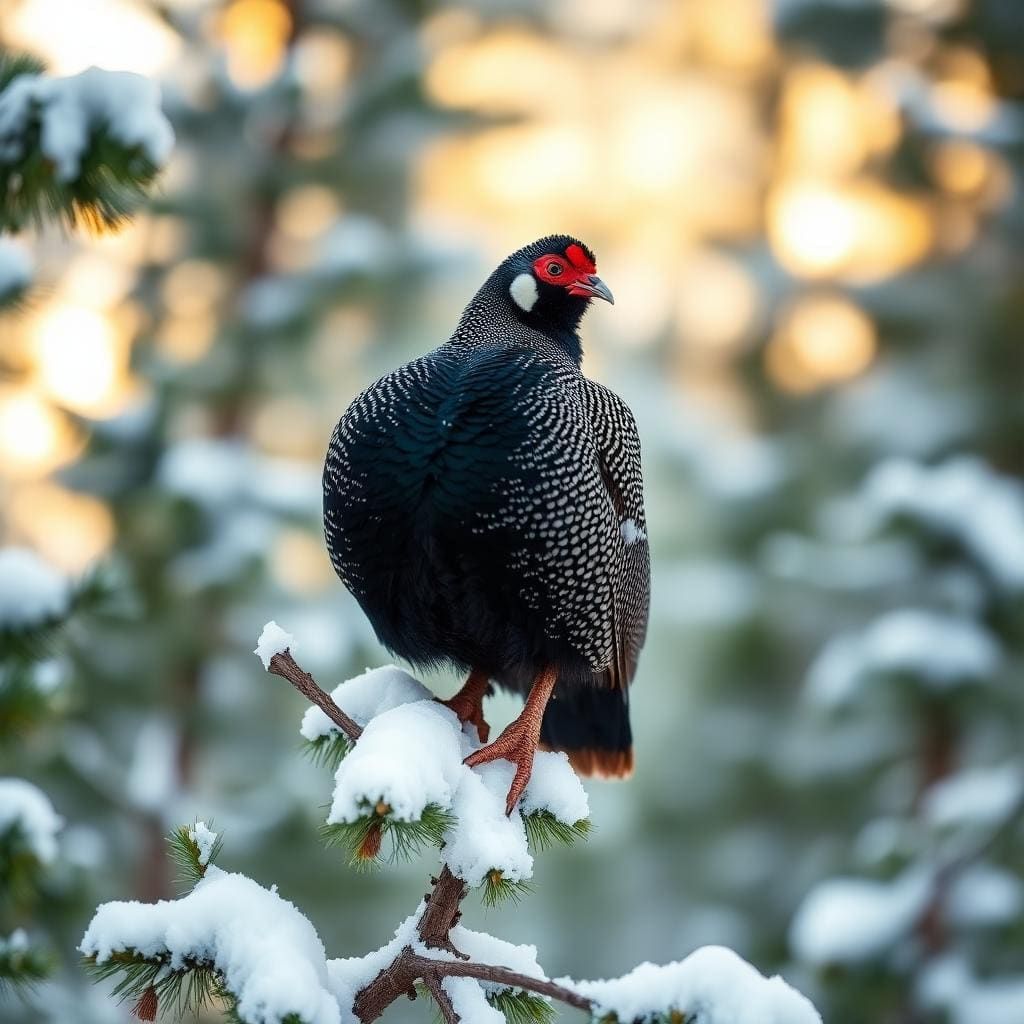
Winter in Algonquin offers a unique opportunity for wildlife observation, primarily through tracks and indirect signs. Moose are often seen along ploughed roads or winter trails, browsing on willow and dogwood. Deer are also present, often congregating in sheltered areas. Predator tracks, such as those of wolves, foxes, and coyotes, are a common sight, indicating their active pursuit of prey. Occasionally, winter campers might spot a resident pine marten or otter. Birdlife, though reduced, includes hardy species like Gray Jays, Black-capped Chickadees, and various woodpeckers. Respecting wildlife space and minimizing disturbance is paramount, especially when animals are conserving energy in the cold.
Routes & Attractions
Key winter routes center around the Highway 60 corridor and its access points. The Western Uplands Backpacking Trail offers sections suitable for multi-day snowshoe or ski trips, leading to interior campsites. For hot-tenters, the designated sites along established ski trails, accessible from areas like Mew Lake, are popular. The Old Railway Bike Trail transforms into a groomed ski trail, providing a relatively flat and scenic route. The Algonquin Visitor Centre (open intermittently in winter) offers exhibits and a viewing deck, while nearby interpretive trails, such as the Spruce Bog Boardwalk, become tranquil snowshoe paths. Interior routes require strong navigation skills and self-sufficiency.
Permits & Access
All visitors require permits, whether for day use or backcountry camping. Backcountry winter camping permits must be reserved through the park's online reservation system. Mew Lake Campground offers plowed sites, yurts, and walk-in winter camping, with reservations essential, especially for yurts. Access to the vast interior is primarily via ski-in or snowshoe-in from designated access points, such as those along Highway 60. Roads beyond these points are typically not plowed. Check the park's official website for up-to-date information on road closures, trail conditions, and specific winter operating hours for facilities, as these can change with weather and staffing.
How we chose
We built this ranking from trip reports, agency data, permit records, and our editors' own time on the ground. 10 places made the final cut out of a much longer working list, and each one had to clear the same set of criteria before it earned a spot.
- Quality of the terrain
- Landscape, route variety, and whether the place rewards multiple days rather than one overlook.
- Season and weather windows
- How long the reliable window is, and how badly the shoulder seasons punish a bad forecast.
- Access and permits
- Trailhead logistics, permit odds, quotas, and how much lead time a trip realistically takes.
- Solitude vs. crowding
- How far you have to walk before the place feels like wilderness instead of a queue.
- Wildlife and ecology
- What you can reasonably expect to see, and what you have to plan around.
- Risk and skill required
- Navigation, water crossings, exposure, and rescue distance — stated plainly.
Algonquin Provincial Park (winter) — frequently asked questions
- Is Algonquin Provincial Park (winter) worth the trip?
- We rank it #2 in Winter Camping. Ski-in yurt and hot-tent camping just three hours from Toronto. Well-established winter routes.
- Who is Algonquin Provincial Park (winter) best for?
- Best for beginner winter camping, cross-country ski touring, snowshoeing adventures and hot-tenting trips. Standouts: proximity to major population centers and well-maintained winter trails and facilities.
- What are the drawbacks of Algonquin Provincial Park (winter)?
- Can be extremely cold, requiring specialized gear, Popular areas like Mew Lake can still be busy and Limited vehicle access to the park's interior.
- What are the key details for Algonquin Provincial Park (winter)?
- Location: Ontario, Canada · Closest City: Huntsville, Ontario · Winter Season: Late Nov - Early April · Permit Required: Yes, backcountry & day use · Activities: Skiing, Snowshoeing, Hot Tenting
- Geography & Terrain — what should I know about the Algonquin Provincial Park (winter)?
- Algonquin's winter geography is defined by its pre-Cambrian Shield bedrock, resulting in a landscape of rounded hills, numerous lakes, and wetlands, all blanketed in snow. The park's varied elevation offers gentle slopes suitable for cross-country skiing, while its frozen lakes provide expansive, navigable pathways…
- Best Season & Weather — what should I know about the Algonquin Provincial Park (winter)?
- The prime window for winter camping in Algonquin is from mid-December to mid-March. This period typically offers consistent snow cover and stable ice conditions.
Where on earth
Satellite imagery flying in from a world view to Algonquin Provincial Park (winter), Ontario, Canada. Use the + / − buttons, or click the map to zoom with your scroll wheel; drag to pan and pinch to zoom on touch.
Algonquin Provincial Park, Ontario 60, Ontario K0J 2M0, Canada · 45.837, -78.379
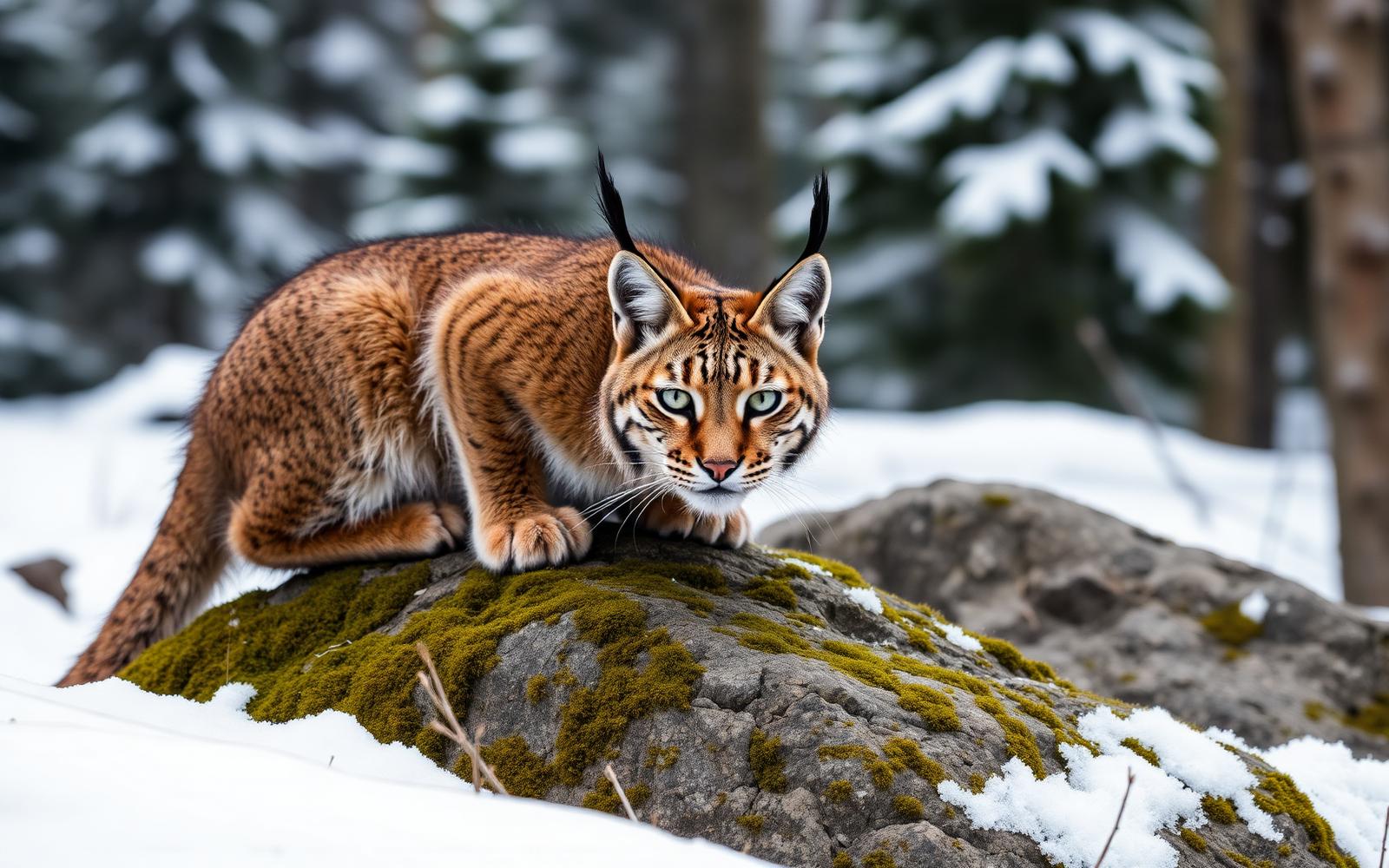
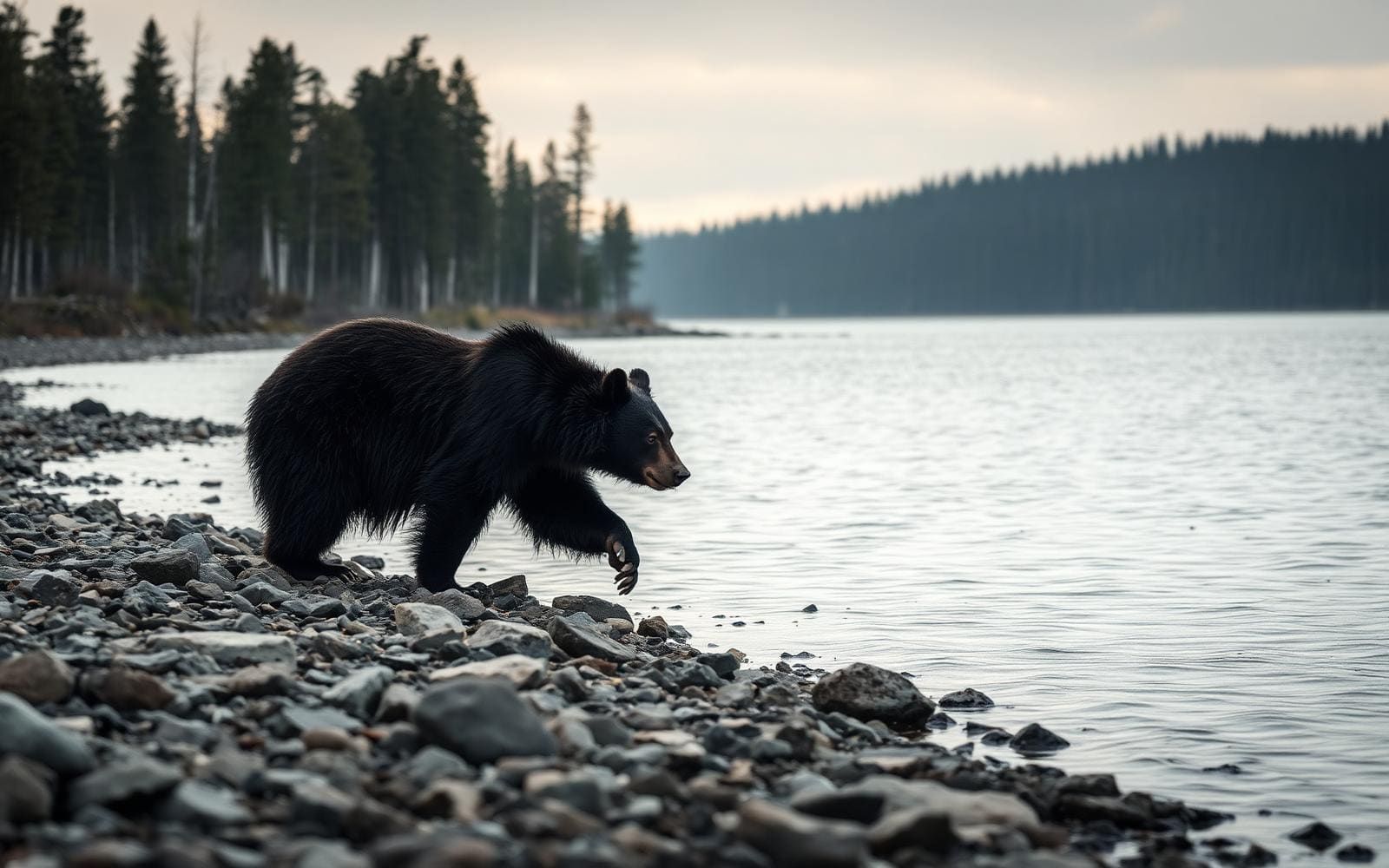
Wildlife found around Algonquin Provincial Park (winter)
Compare side by side
Put the Algonquin Provincial Park (winter) against any other pick on this list — specs, price, pros, cons and reader ratings.