


Winter Camping · #3
Yellowstone backcountry
Wyoming, USA

Reader rating
Rate it and you move it. Community ratings re-rank this product inside its Top 10 list.
Expert-picked, reader-ranked. Our editors choose the products and the launch order; member star ratings move picks up or down over time.
Ski or snowshoe past thermal features under near-total silence. Permit and preparation heavy.
Pros
- Unparalleled solitude and tranquility
- Dramatic, steaming thermal features against snow
- Excellent opportunities for wildlife viewing
- Profound sense of wilderness immersion
- Unique challenge for experienced winter campers
Cons
- Extreme cold and unpredictable weather
- Demanding physical exertion for travel
- Complex permit and planning logistics
- Limited emergency services and self-reliance required
- Potential for dangerous wildlife encounters
Best uses
- Experienced winter camping
- Backcountry skiing expeditions
- Advanced snowshoeing
- Wildlife photography in winter
- Seeking profound solitude
Specifications
- Location
- Northwest Wyoming, USA
- Terrain
- Volcanic plateau, mountains, forests, thermal areas
- Best Season
- Late December - Early March
- Access
- West Yellowstone (seasonal road openings)
- Primary Activities
- Cross-country skiing, snowshoeing, wildlife viewing
- Permits Required
- Backcountry permit, park entrance pass
Best for
Experienced winter camping, Backcountry skiing expeditions, Advanced snowshoeing, Wildlife photography in winter, Seeking profound solitude
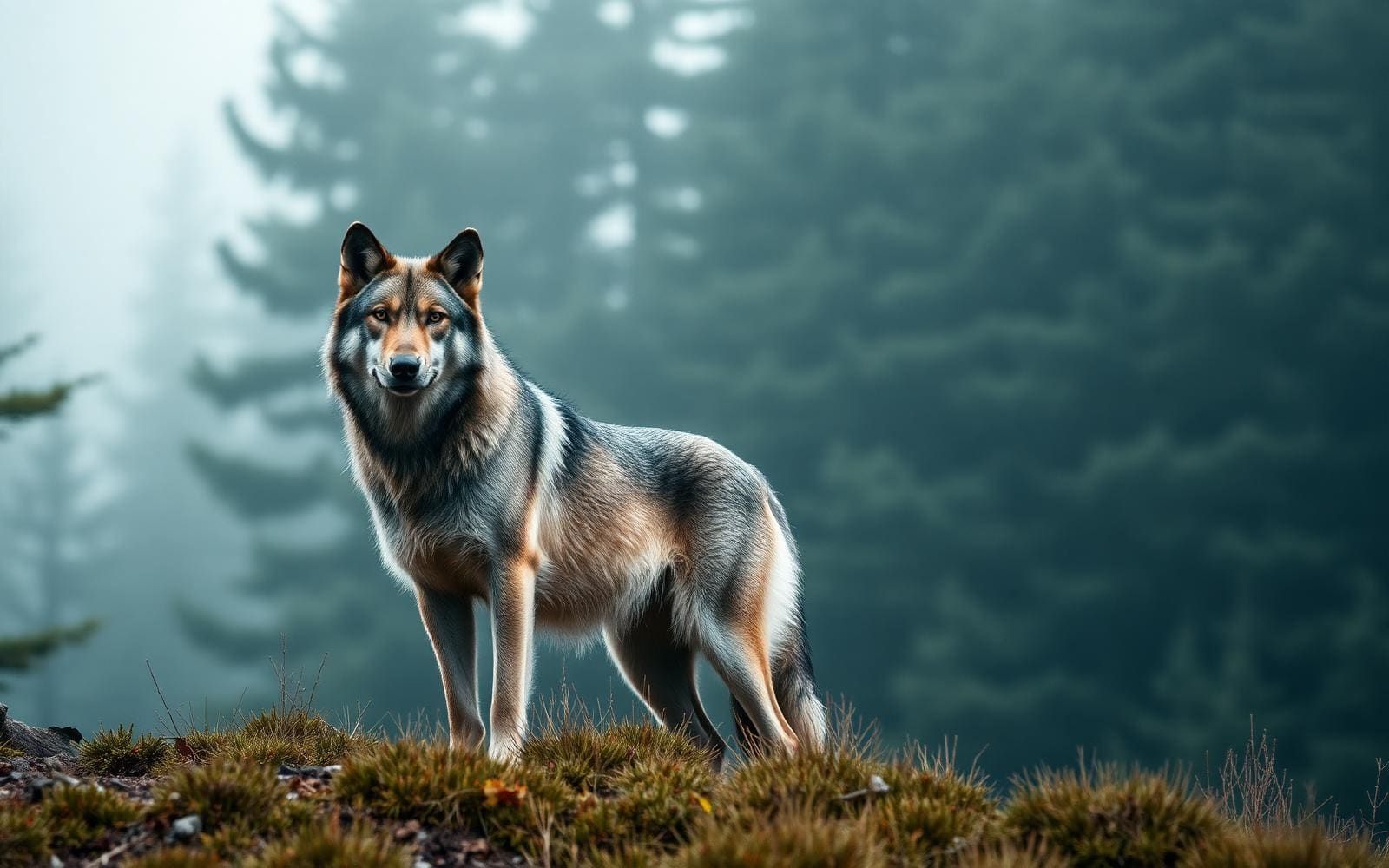
Yellowstone's backcountry in winter offers an unparalleled experience of solitude and raw natural power. When the crowds dissipate and the snow blankets the landscape, the park transforms into a starkly beautiful wilderness. Geothermal features, usually bustling with onlookers, steam quietly against a backdrop of frosted trees, creating an otherworldly scene. This isn't a casual winter trip; it demands thorough preparation, navigational skills, and an understanding of extreme cold, deep snow, and potential wildlife encounters. However, for those willing to put in the work, the reward is an intimate connection with one of America's most iconic national parks, stripped down to its essential, awe-inspiring elements. The snow-covered terrain, crisscrossed by animal tracks, becomes a playground for cross-country skiers and snowshoers. Bison and elk are more visible, their breath pluming in the frigid air, often congregating near thermal areas where the ground provides warmth. Wolves, too, are more active and visible against the white landscape, making it a prime season for wildlife viewing. While the beauty is undeniable, the challenges are significant: unpredictable weather, limited daylight, and the absolute necessity of self-sufficiency. This is a journey into true wilderness, where respect for nature's power is paramount and complacency has no place.
Geography & Terrain
Yellowstone's winter backcountry is a vast, high-elevation volcanic plateau, primarily covered in lodgepole pine forests interspersed with expansive meadows and the park's famous geysers and hot springs. The average elevation sits around 8,000 feet, contributing to significant snowfall and frigid temperatures. Mountain ranges like the Gallatin, Absaroka, and Teton border the park, offering dramatic backdrops and contributing to complex weather patterns. Deep snowpack is the norm, often exceeding several feet, making skis or snowshoes essential for travel off groomed routes. The thermal features remain active year-round, creating steaming landscapes and unique microclimates that attract wildlife.
Best Season & Weather
The optimal window for a winter backcountry trip in Yellowstone is typically late December through early March. This period offers reliable snow depths for travel and the coldest temperatures, which contribute to the dramatic steaming of thermal features. Expect extreme cold, with daytime temperatures often below 20°F and nighttime lows frequently dropping well below 0°F. Blizzards and whiteout conditions can occur rapidly, and clear, sunny days can quickly turn to severe storms. Layers, proper insulation, and preparedness for sudden weather shifts are not optional; they are critical for survival.
Wildlife Encounters
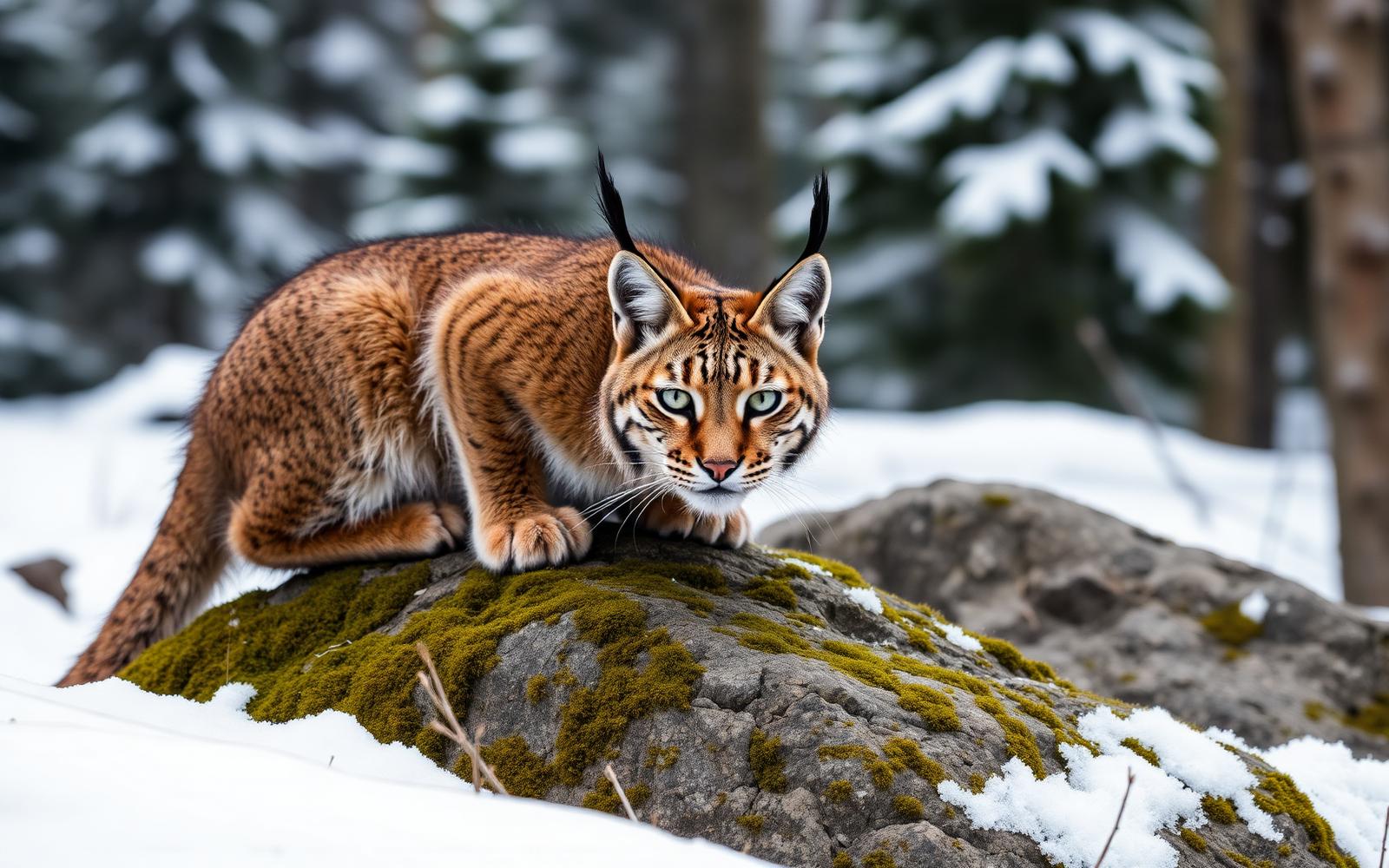
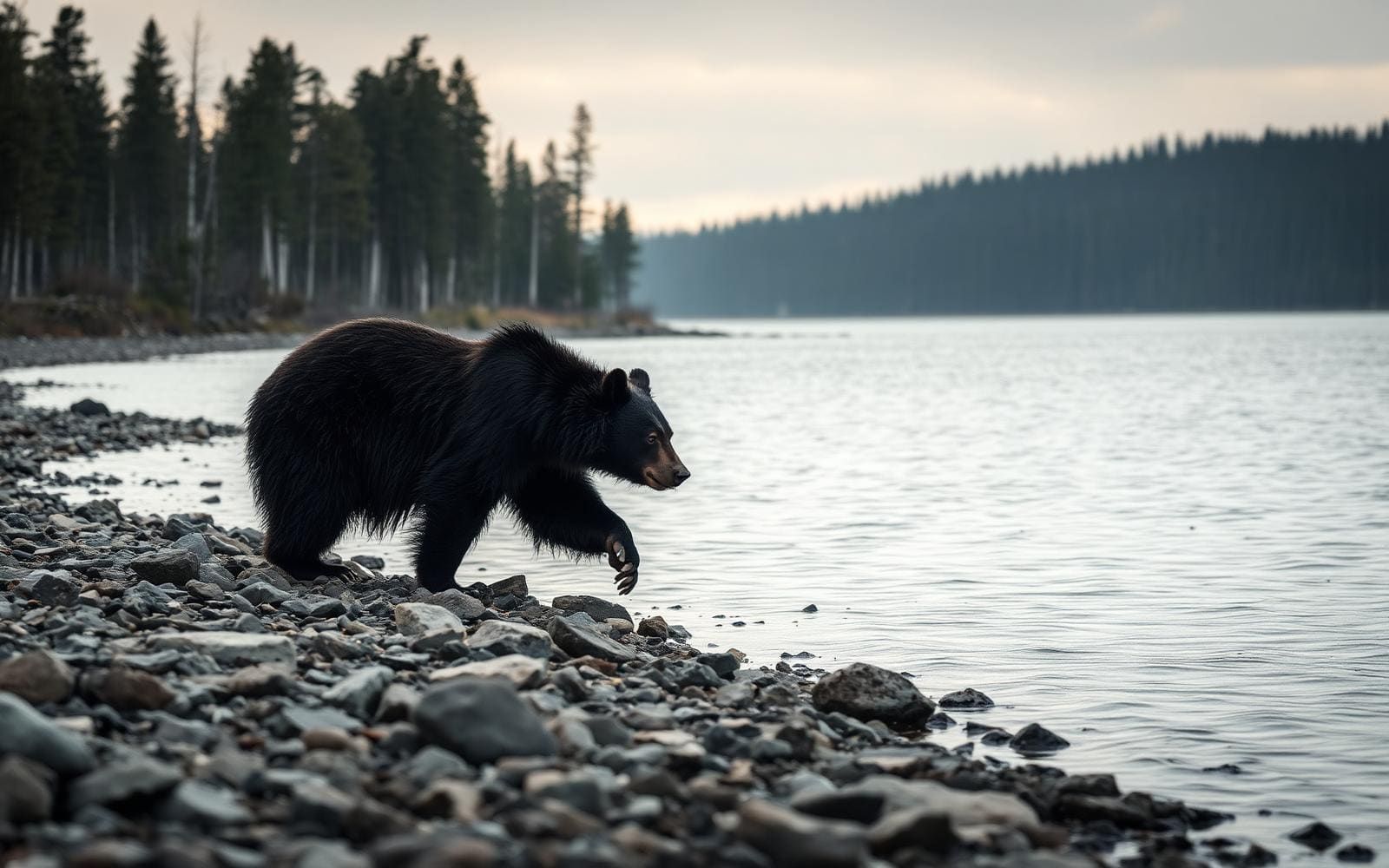
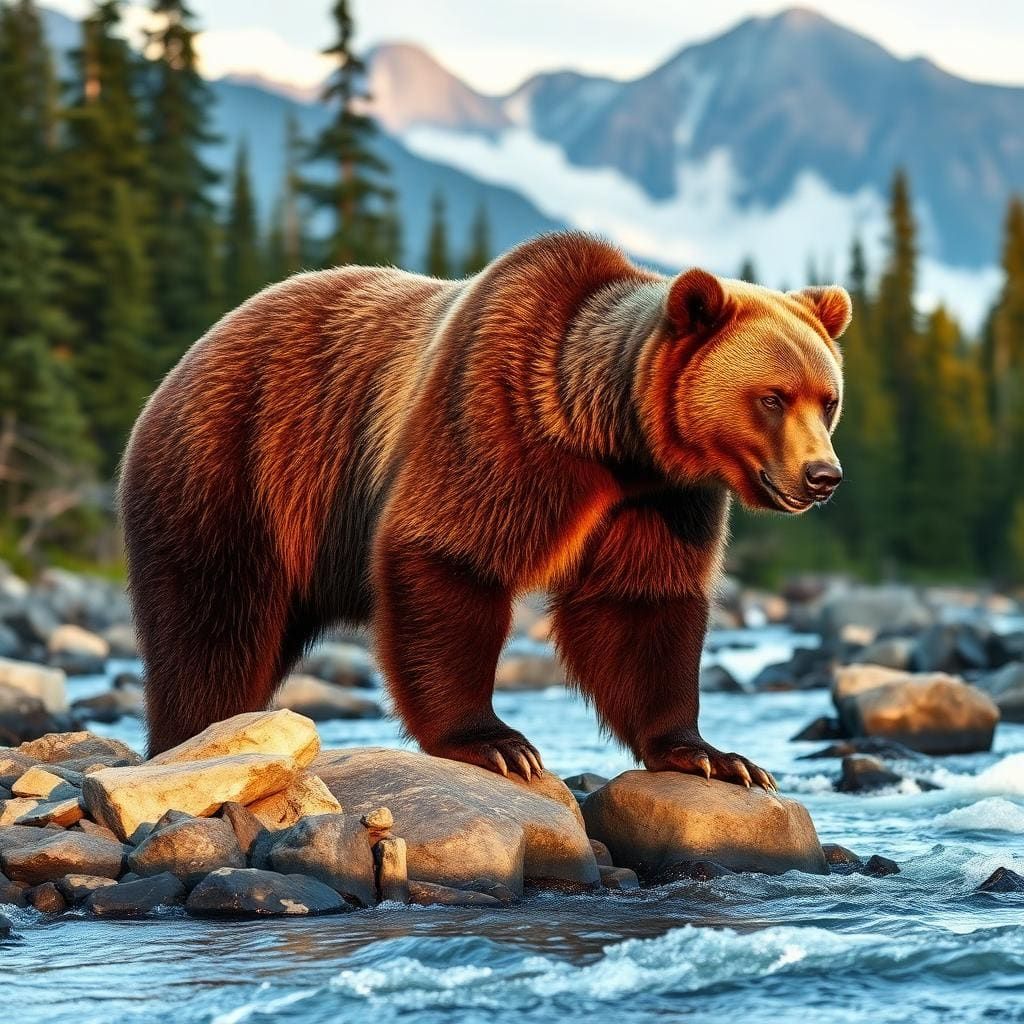
Winter in Yellowstone is a prime time for wildlife viewing, as many animals congregate in thermal areas or along river corridors for warmth and easier access to food. Bison and elk are commonly seen, sometimes directly on travel routes, and require a wide berth. Wolves, coyotes, and foxes are more visible against the white landscape, and their tracks are ubiquitous. Bear activity is rare in winter as they den, but awareness of their presence year-round is prudent. Always carry bear spray, even in winter, as rare encounters are possible, and it is also effective against other aggressive animals if needed.
Routes & Attractions
Key routes include the trail to Old Faithful, bypassing the plowed road, and various trails in the northern range, such as those leading to Blacktail Deer Creek or Hellroaring Creek, offering access to more remote areas. The Canyon Village area and Norris Geyser Basin also provide access to extensive ski and snowshoe trails leading to quieter thermal features. While iconic geysers are accessible, the real attraction lies in the smaller, unnamed thermal features and the serene, snow-covered forests away from the main park roads, offering a profound sense of isolation and discovery.
Permits & Access
A valid park entrance pass and a backcountry permit are mandatory for overnight stays in Yellowstone's wilderness. Permits are highly competitive and can be reserved in advance through the park's online system, typically starting in the fall. Walk-up permits are sometimes available but not reliable for popular zones. Access to the park in winter is primarily via the west entrance (West Yellowstone, Montana), with limited oversnow vehicle travel on designated roads to places like Old Faithful and Canyon Village. Most backcountry access points require skiing or snowshoeing in from these limited plowed or groomed areas.
How we chose
We built this ranking from trip reports, agency data, permit records, and our editors' own time on the ground. 10 places made the final cut out of a much longer working list, and each one had to clear the same set of criteria before it earned a spot.
- Quality of the terrain
- Landscape, route variety, and whether the place rewards multiple days rather than one overlook.
- Season and weather windows
- How long the reliable window is, and how badly the shoulder seasons punish a bad forecast.
- Access and permits
- Trailhead logistics, permit odds, quotas, and how much lead time a trip realistically takes.
- Solitude vs. crowding
- How far you have to walk before the place feels like wilderness instead of a queue.
- Wildlife and ecology
- What you can reasonably expect to see, and what you have to plan around.
- Risk and skill required
- Navigation, water crossings, exposure, and rescue distance — stated plainly.
Yellowstone backcountry — frequently asked questions
- Is Yellowstone backcountry worth the trip?
- We rank it #3 in Winter Camping. Ski or snowshoe past thermal features under near-total silence. Permit and preparation heavy.
- Who is Yellowstone backcountry best for?
- Best for experienced winter camping, backcountry skiing expeditions, advanced snowshoeing and wildlife photography in winter. Standouts: unparalleled solitude and tranquility and dramatic, steaming thermal features against snow.
- What are the drawbacks of Yellowstone backcountry?
- Extreme cold and unpredictable weather, Demanding physical exertion for travel and Complex permit and planning logistics.
- What are the key details for Yellowstone backcountry?
- Location: Northwest Wyoming, USA · Terrain: Volcanic plateau, mountains, forests, thermal areas · Best Season: Late December - Early March · Access: West Yellowstone (seasonal road openings) · Primary Activities: Cross-country skiing, snowshoeing, wildlife viewing
- Geography & Terrain — what should I know about the Yellowstone backcountry?
- Yellowstone's winter backcountry is a vast, high-elevation volcanic plateau, primarily covered in lodgepole pine forests interspersed with expansive meadows and the park's famous geysers and hot springs. The average elevation sits around 8,000 feet, contributing to significant snowfall and frigid temperatures.
- Best Season & Weather — what should I know about the Yellowstone backcountry?
- The optimal window for a winter backcountry trip in Yellowstone is typically late December through early March. This period offers reliable snow depths for travel and the coldest temperatures, which contribute to the dramatic steaming of thermal features.
Where on earth
Satellite imagery flying in from a world view to Yellowstone backcountry, United States. Use the + / − buttons, or click the map to zoom with your scroll wheel; drag to pan and pinch to zoom on touch.
Yellowstone National Park, United States · 44.598, -110.561
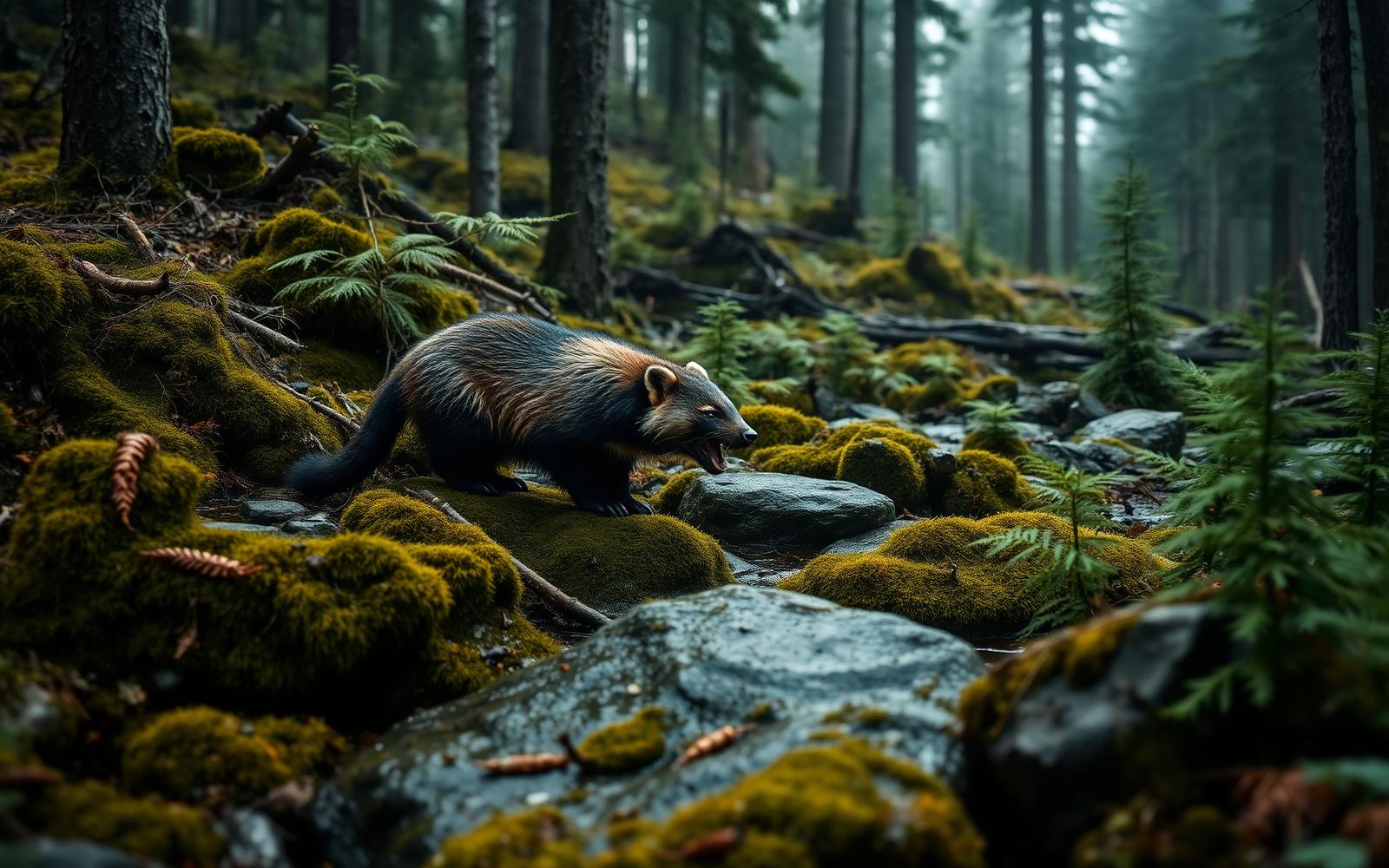
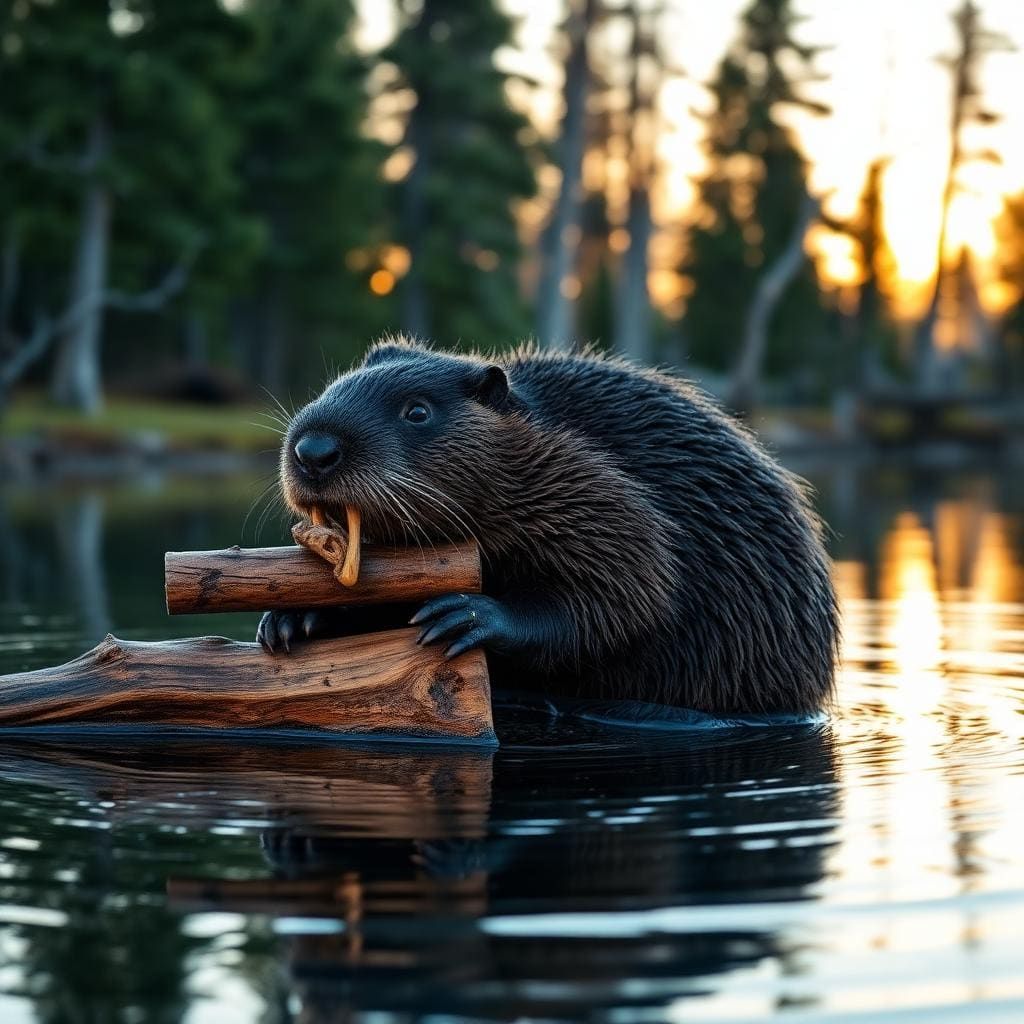
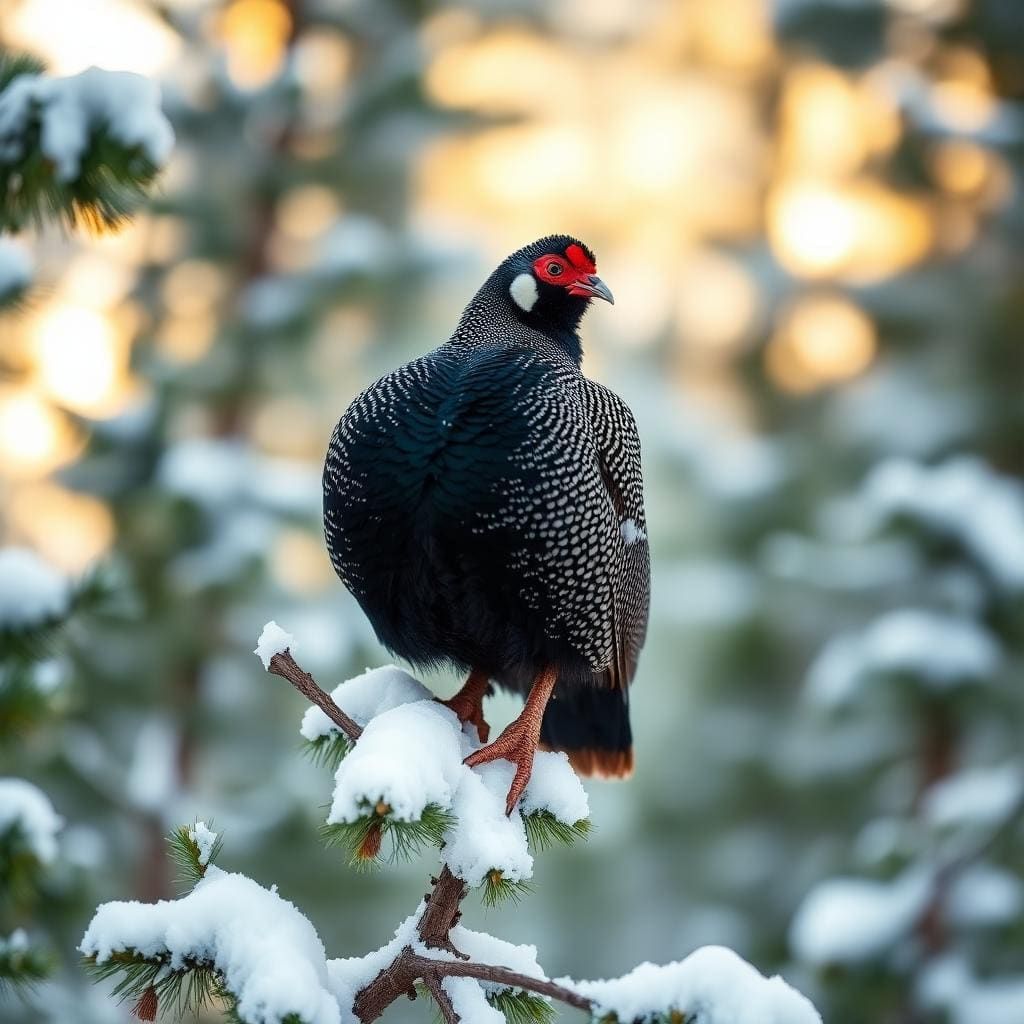
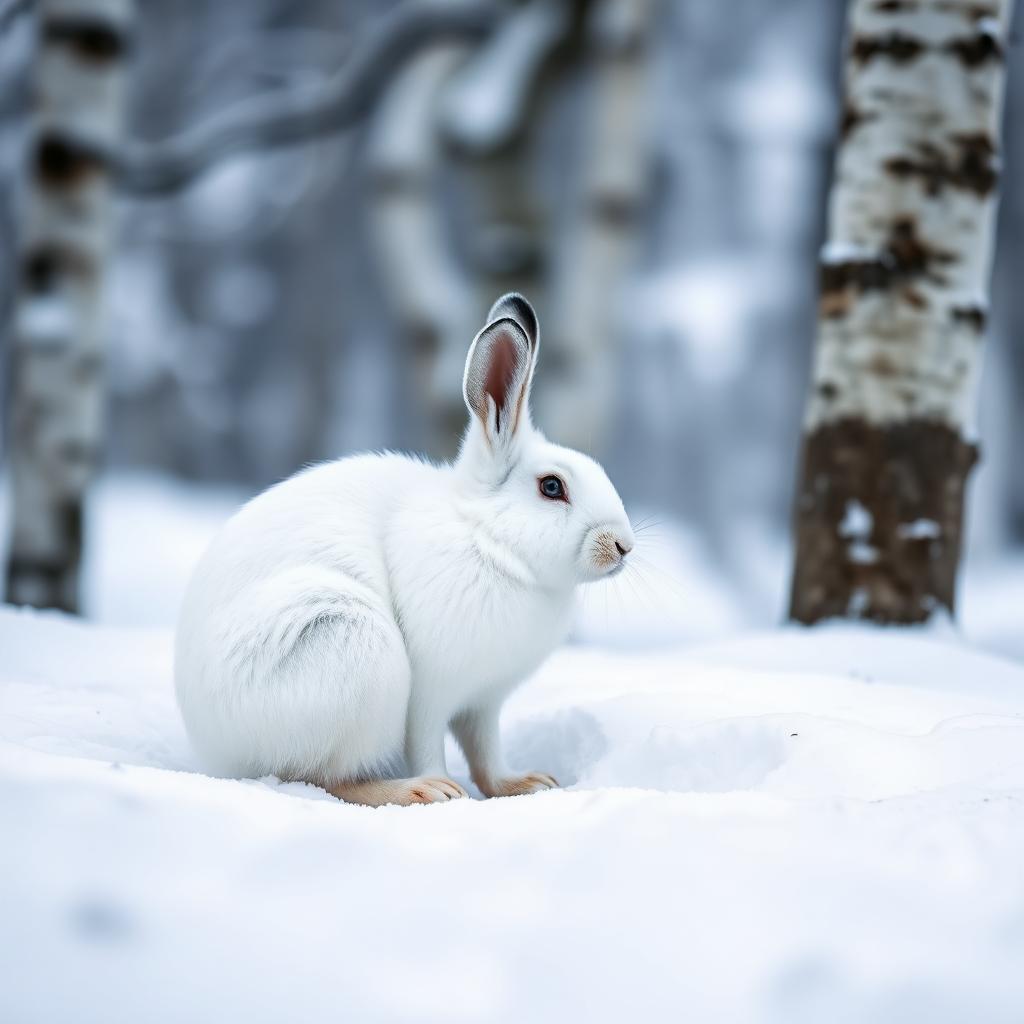
Wildlife found around Yellowstone backcountry
Compare side by side
Put the Yellowstone backcountry against any other pick on this list — specs, price, pros, cons and reader ratings.