



Where on earth
Satellite imagery flying in from a world view to South Pole Last Degree Ski, Polar Regions. Use the + / − buttons, or click the map to zoom with your scroll wheel; drag to pan and pinch to zoom on touch.
- Region
- Antarctica
- Country
- Polar Regions
- Biome
- Polar plateau (2,835 m)
- Best season
- December – January
- Difficulty
- moderate
- Backpacking
- Hiking
- Mountaineering
- Winter Camping
- Skiing
- Wildlife Viewing
Key takeaways
- Biome: Polar plateau (2,835 m)
- Best season: December – January
- Difficulty: moderate
- Top activity: backpacking
Photos of South Pole Last Degree Ski
Topic summary
A guided ski expedition on the final degree (111 km) to the geographic South Pole.
Key takeaways
- Difficulty: moderate
- Best season: December – January
Intended uses
backpacking
Climate suitability
Polar plateau (2,835 m)
Tools for a trip here
Picked for how, when and where you're going. Free, no signup.
- Sleep System Temp CalculatorCold nights: check your bag and pad add up to a safe sleep.
- Base Weight CalculatorEvery ounce is carried — total your kit and find your base weight.
- Pack Volume SizerSize the pack for your trip length and season.
- Water Purification MatrixTreat water from streams and lakes on trail.
- Layering CalculatorCold-season miles: layer for climbs and camp.
Plan with verified data
South Pole Last Degree Ski trip tools
How to get there
South Pole Last Degree Ski is in Antarctica, Polar Regions. Its center point is -90.0000, 0.0000. Use these links for live turn-by-turn directions from where you are, then confirm road, trailhead and access conditions with the managing agency before you leave.
- Geographic South Pole
The geographic endpoint at 90° South has a marker repositioned annually as the ice moves. It is an arrival landmark, not an established transport gateway or documented ski departure point.
- Amundsen–Scott South Pole Station
The permanently staffed United States station is located at the Pole. Visitor entry and use of station facilities must not be assumed; access arrangements need separate confirmation.
Popular pursuits at South Pole Last Degree Ski
- Backpacking
Multi-day travel with everything on your back — see the packing blocks below.
- Hiking
Day miles on marked trail, with route notes and trail links below.
- Mountaineering
Glacier and high-route objectives with real consequence.
- Winter Camping
Cold-season travel and camp craft; layering matters more than mileage.
- Skiing
Ski-touring access when the road closes for the season.
- Wildlife Viewing
Best light, best season, and where animals move.
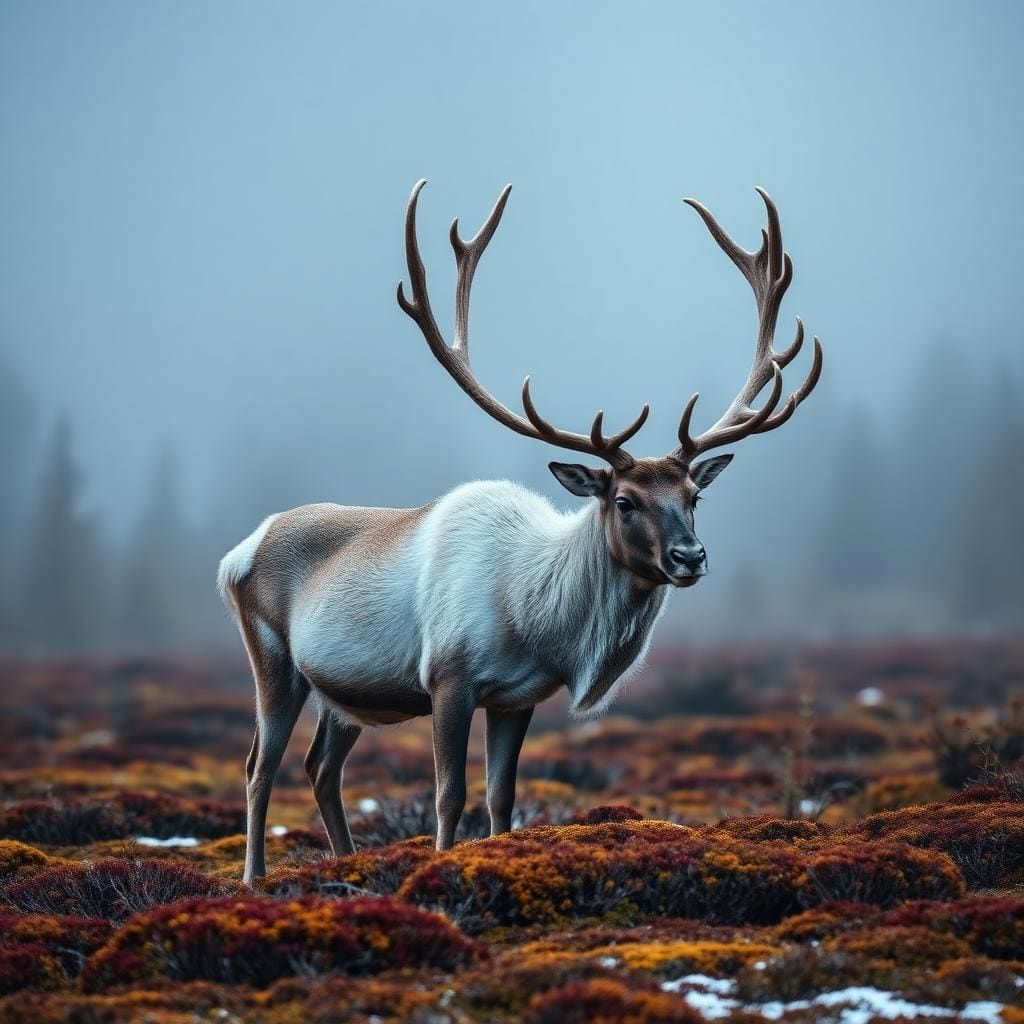
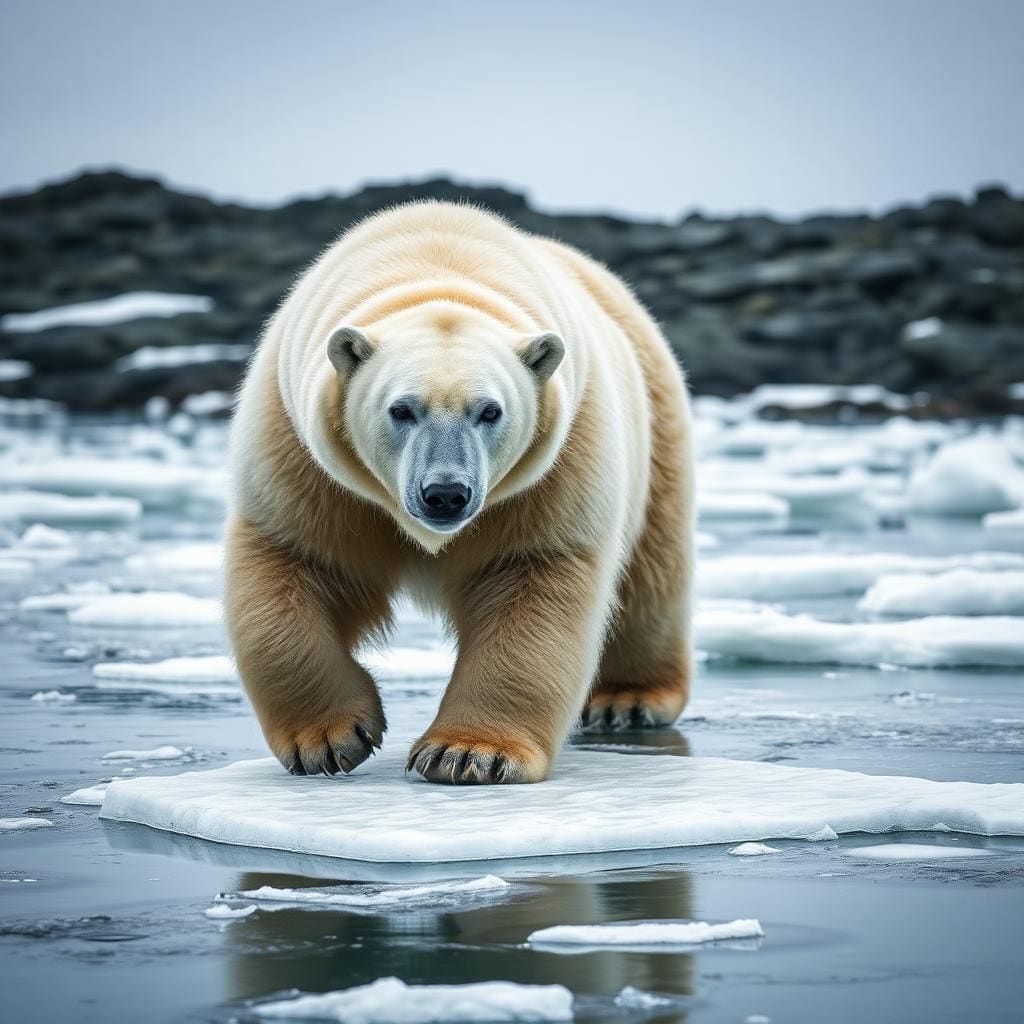
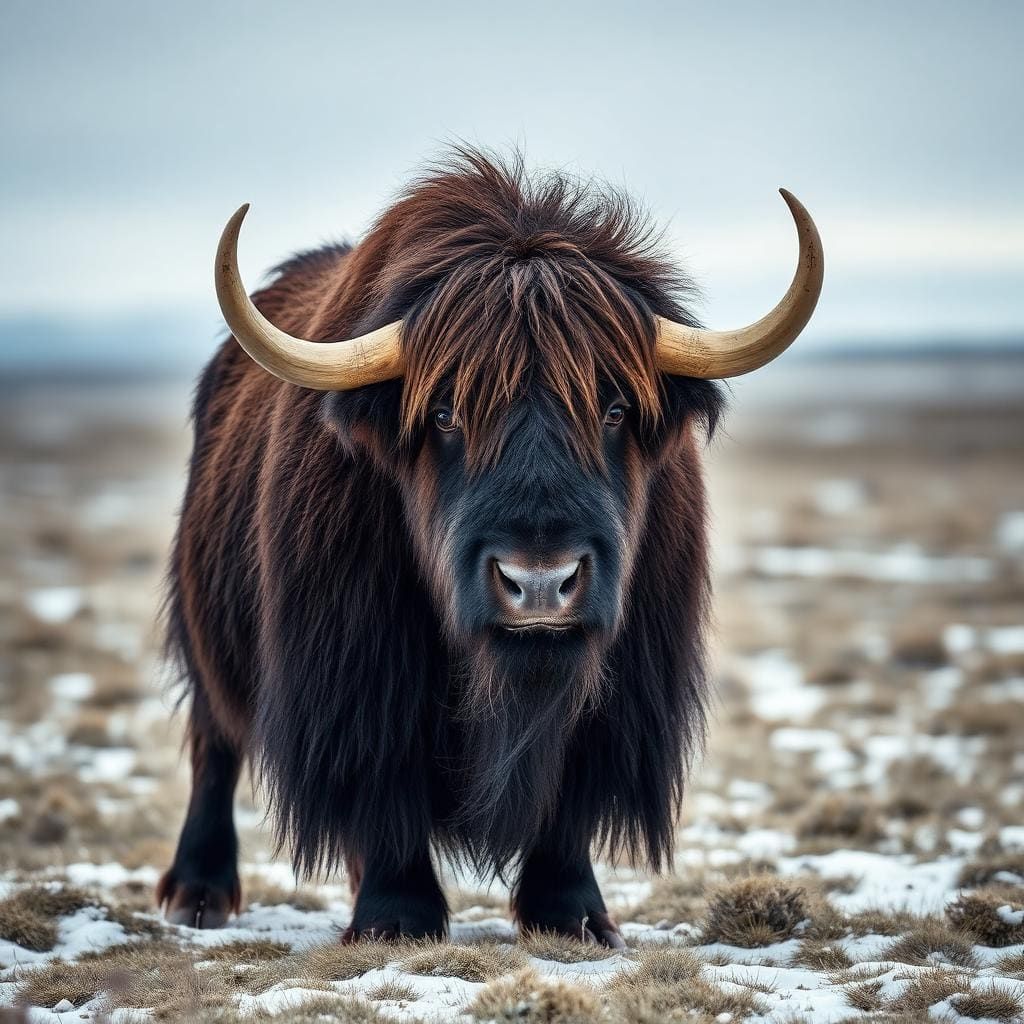
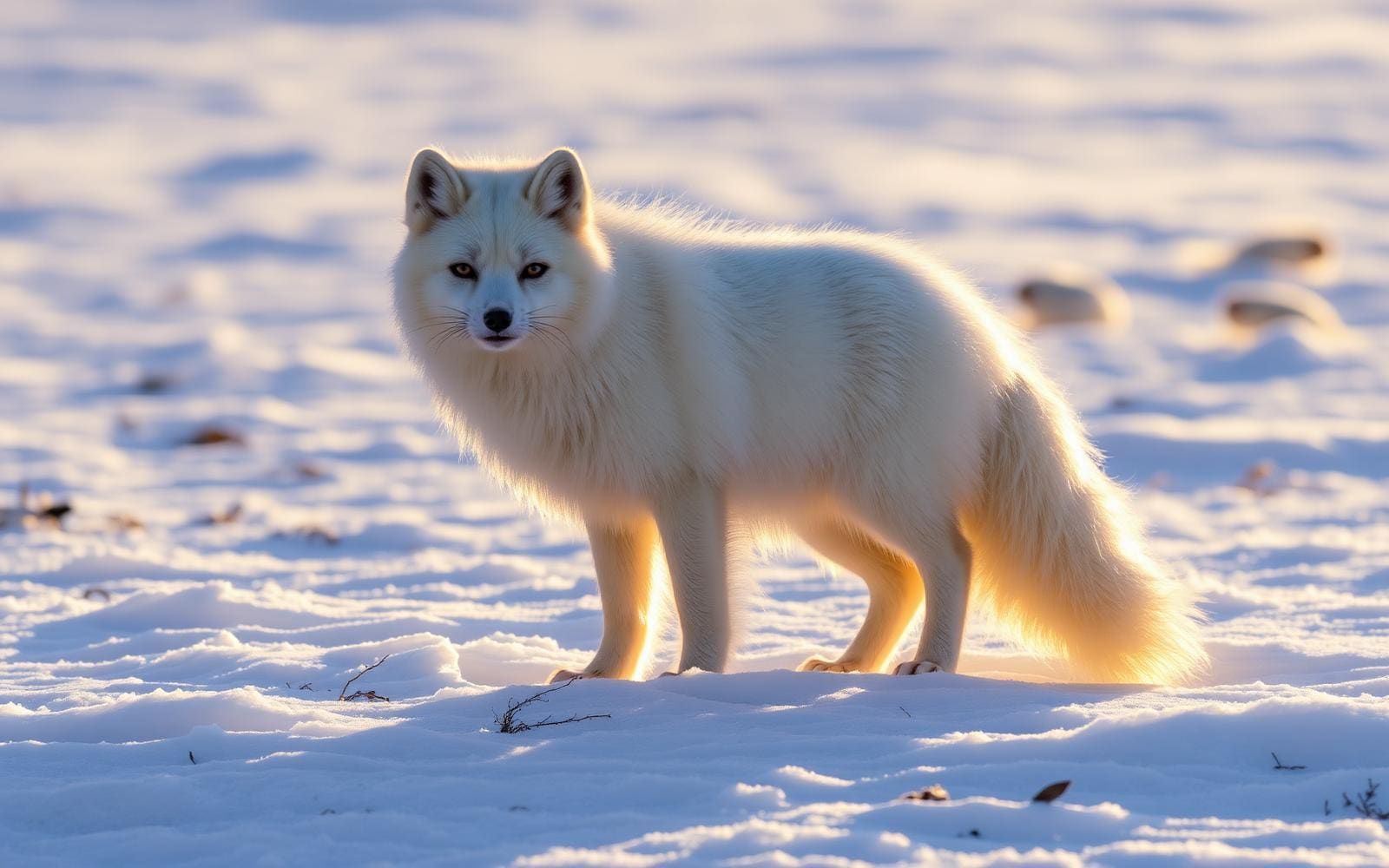
Animals around South Pole Last Degree Ski
Maps, GPS & compass for this trip
Carry a waterproof paper map and a compass you can steer by, and treat the GPS as the backup — not the other way round. Buying links go to Amazon; Wild10 earns a commission at no cost to you.
Waterproof topo maps
- Waterproof topographic map — South Pole Last Degree SkiAmazon search for waterproof, tear-resistant topo maps covering this area.
- National Geographic Trails IllustratedThe waterproof Trails Illustrated series — check for a sheet covering this area.
- Waterproof map case & compass lanyardKeep a paper map readable in rain, spray and a swamped boat.
Fishing at South Pole Last Degree Ski
Planning to fish South Pole Last Degree Ski, Antarctica? Fishing licences, open seasons and catch limits in Antarctica are set by the local wildlife authority and change every year — check the official source before you cast a line.
Do I need a fishing licence at South Pole Last Degree Ski?
- A Antarctica fishing licence is normally required for anyone over the local youth age.
- Read the current Antarctica fishing regulations for special waters, barbless-hook or catch-and-release rules.
- Clean, drain and dry boats and gear between waters to stop invasive species.
We don't have a verified licensing link on file for Antarctica yet — contact the park or land manager listed on this page for current hunting and fishing rules.
Hunting near South Pole Last Degree Ski
Thinking about hunting South Pole Last Degree Ski, Antarctica? Hunting seasons, tags and draws in Antarctica are set by the wildlife authority each year. Confirm the rules for your species and unit before you go.
Is hunting allowed at South Pole Last Degree Ski?
- Confirm the land around South Pole Last Degree Ski is open to hunting and which management unit it falls in.
What do I need to hunt in Antarctica?
- A Antarctica hunting licence — most jurisdictions also require hunter education certification.
- Species tags or draw results for big game such as deer, elk, moose or bear where they occur.
- Knowledge of firearm and bow transport rules, which differ by land type and border crossing.
We don't have a verified licensing link on file for Antarctica yet — contact the park or land manager listed on this page for current hunting and fishing rules.
The destination: 90° South
The South Pole Last Degree Ski has the Geographic South Pole as its defining destination: 90° South, where Earth’s axis of rotation meets the surface of the Southern Hemisphere. This is the True South Pole, not the South Magnetic Pole or South Geomagnetic Pole. It sits in Antarctica’s remote interior on a broad ice-covered plateau, rather than on exposed ground. All lines of longitude meet here, and every direction away from the Pole is north. That unusual geography makes the endpoint precise, but it does not establish a ski itinerary. A departure point, approach line, daily stages and transport arrangements still need to be confirmed before treating this destination profile as a workable expedition plan.
An elevated, featureless ice plateau
The surface at the Pole stands at about 2,835 metres above sea level, even though the underlying land is close to sea level. Several kilometres of ice account for that difference. The surrounding plateau is flat and featureless, so a ski approach should be understood as travel across elevated polar ice, not a mountain route with obvious terrain landmarks. Remoteness and altitude belong at the centre of preparation: fitness alone does not replace a suitable navigation system, protective clothing or a plan for problems far from ordinary services. The landscape also moves slowly with the ice sheet. Snow accumulates around structures rather than melting away, and buildings can gradually become buried. These conditions distinguish the Pole from lower-elevation snow destinations.
The geographic marker, ceremonial site and station
Arrival involves distinguishing between the actual geographic marker and the nearby ceremonial representation of the Pole. The geographic marker is placed each year to account for movement of the ice sheet; the Ceremonial South Pole is identified by flags and a special post. They serve different purposes, so reaching the ceremonial site should not be confused with identifying the geographic endpoint. The United States Amundsen–Scott South Pole Station has been permanently staffed since its establishment in 1956. Its presence does not establish visitor access, accommodation or expedition support. For a ski journey, confirm those arrangements separately rather than planning around presumed station services. The Pole was first reached by Amundsen in 1911, well before the permanent station was established.
Route options
- Geographic South Pole ski objective
Use the geographic marker as the endpoint for a South Pole ski approach. No departure location, mapped approach or staged Last Degree itinerary is established here; obtain an expedition-specific route plan before committing.
- Ceremonial South Pole visit
The flags and special post mark a distinct ceremonial destination at the Pole, not a separate documented ski expedition. Confirm whether a visit can be included in arrival arrangements.
Sample itineraries
- Last Degree Ski Preparation · 1 day
A preparation day, not a complete ski itinerary. Review cold-weather equipment, navigation on a featureless plateau, and the effects of the Pole’s 2,835 m elevation. Confirm the starting point, expedition duration, transport, and emergency arrangements with the expedition organizer before committing.
- South Pole Orientation Planning · 1 day
A planning day focused on the destination rather than a confirmed excursion. Distinguish the Geographic South Pole marker from the flag-ringed Ceremonial South Pole. Confirm whether either can be visited on the planned expedition; do not assume access to Amundsen–Scott South Pole Station.
Seasonal conditions
Spring
Austral spring
The destination remains an ice-covered interior plateau. Do not treat spring as a thaw season: snow at the Pole does not melt. Confirm expedition operating conditions rather than assuming seasonal access.
Summer
Austral summer
Summer does not mean bare ground or ordinary hiking conditions. Plan for travel over ice and snow at elevation. Confirm suitable skiing conditions, transport availability, and the expedition’s operating window.
Fall
Austral fall
The remote plateau requires cold-weather preparation regardless of season. Obtain a season-specific assessment from the expedition organizer before planning travel; a dependable fall ski window cannot be specified here.
Winter
Austral winter
Do not infer visitor access from the station’s permanent staffing. Winter travel requires explicit confirmation of transport, expedition support, and emergency arrangements in this remote Antarctic interior.
| Season | Window | Conditions |
|---|---|---|
| Spring | Austral spring | The destination remains an ice-covered interior plateau. Do not treat spring as a thaw season: snow at the Pole does not melt. Confirm expedition operating conditions rather than assuming seasonal access. |
| Summer | Austral summer | Summer does not mean bare ground or ordinary hiking conditions. Plan for travel over ice and snow at elevation. Confirm suitable skiing conditions, transport availability, and the expedition’s operating window. |
| Fall | Austral fall | The remote plateau requires cold-weather preparation regardless of season. Obtain a season-specific assessment from the expedition organizer before planning travel; a dependable fall ski window cannot be specified here. |
| Winter | Austral winter | Do not infer visitor access from the station’s permanent staffing. Winter travel requires explicit confirmation of transport, expedition support, and emergency arrangements in this remote Antarctic interior. |
Permits, fees & closures
Confirm permit requirements and access permissions with the managing agency before booking.
Confirm current permits, fees, and closures with the managing agency before you go.
Hazards & regulations
- Cold exposure on an ice-covered Antarctic plateau calls for protective clothing and a shelter plan.
- The surface stands at approximately 2,835 m; account for elevation when assessing fitness and acclimatization needs.
- Flat, featureless terrain makes navigation demanding. Do not rely on visible landmarks alone.
- Remote interior travel requires explicit communication and emergency arrangements; nearby station facilities should not be assumed available.
- At the Geographic South Pole, all directions point north and longitude lines converge. Understand how navigation equipment behaves near the Pole.
What to pack for South Pole Last Degree Ski
- Layered insulating clothing
- Wind-resistant outer layers
- Insulated gloves and spare hand protection
- Face protection and insulated footwear
- Expedition-approved skis, bindings, and poles
- Navigation equipment suitable for polar use
- Backup navigation tools
- Equipment repair supplies
- Cold-rated shelter and sleeping system
- Reliable expedition communications
- Emergency supplies agreed with the organizer
- Food and a confirmed drinking-water system
South Pole Last Degree Ski FAQ
- Where does this trip aim to finish?
- The Geographic South Pole lies at 90° South in Antarctica’s remote interior. It is where Earth’s rotation axis meets the surface in the Southern Hemisphere, not the South Magnetic Pole.
- How long is the Last Degree ski journey?
- Confirm the route length and skiing schedule with the expedition organizer. The one-day entries here are preparation outlines, not estimates of the expedition’s duration.
- What is the terrain like?
- The Pole sits on a flat, featureless ice plateau at approximately 2,835 m above sea level. The underlying land is close to sea level, but a thick ice sheet raises the travel surface.
- Are the Geographic and Ceremonial South Poles the same marker?
- No. The Geographic South Pole has a marker placed each year. The Ceremonial South Pole has flags and a special post. The moving ice sheet means the geographic marker must be repositioned.
- Can travelers use Amundsen–Scott South Pole Station?
- The station is permanently staffed, but that does not establish visitor access or expedition support. Confirm all arrangements beforehand rather than treating it as public accommodation or an assured emergency resource.
- What time zone applies at the Pole?
- No time zone has been assigned to the South Pole. Agree on a shared time standard with the expedition team for navigation records, communications, and transport coordination.