



Where on earth
Satellite imagery flying in from a world view to Antarctic Peninsula Camping Expedition, Polar Regions. Use the + / − buttons, or click the map to zoom with your scroll wheel; drag to pan and pinch to zoom on touch.
- Region
- Antarctica
- Country
- Polar Regions
- Biome
- Antarctic coast (0–500 m)
- Best season
- November – February
- Difficulty
- moderate
- Backpacking
- Hiking
- Sea Kayaking
- Beachcombing
- Winter Camping
- Wildlife Viewing
Key takeaways
- Biome: Antarctic coast (0–500 m)
- Best season: November – February
- Difficulty: moderate
- Top activity: backpacking
Photos of Antarctic Peninsula Camping Expedition
Topic summary
Ship-based expedition with overnight camping on the Antarctic Peninsula.
Key takeaways
- Difficulty: moderate
- Best season: November – February
Intended uses
backpacking
Climate suitability
Antarctic coast (0–500 m)
Tools for a trip here
Picked for how, when and where you're going. Free, no signup.
- Sleep System Temp CalculatorCold nights: check your bag and pad add up to a safe sleep.
- Base Weight CalculatorEvery ounce is carried — total your kit and find your base weight.
- Pack Volume SizerSize the pack for your trip length and season.
- Water Purification MatrixTreat water from streams and lakes on trail.
- Layering CalculatorCold-season miles: layer for climbs and camp.
Plan with verified data
Antarctic Peninsula Camping Expedition trip tools
How to get there
Tourist visits are largely concentrated in the Peninsula, Islands, and Ross Sea. A departure port, transport connection, and Peninsula landing location are not established here; confirm these with the expedition provider before arranging onward travel.
- Antarctic Peninsula
A principal Antarctic tourist region and the geographic focus of this trip. This is a broad destination area, not an identified landing point or campsite.
- Islands
Another broad area of Antarctic tourist visitation. No individual island or landing point is identified, and access onward to a Peninsula camp is not established.
Sources: Wikipedia · Wikivoyage. Confirm road and trailhead conditions with the managing agency before you leave.
Popular pursuits at Antarctic Peninsula Camping Expedition
- Backpacking
Multi-day travel with everything on your back — see the packing blocks below.
- Hiking
Day miles on marked trail, with route notes and trail links below.
- Sea Kayaking
Coastal crossings, tides, and protected camps.
- Beachcombing
Tide-line walking between camps.
- Winter Camping
Cold-season travel and camp craft; layering matters more than mileage.
- Wildlife Viewing
Best light, best season, and where animals move.
Animals around Antarctic Peninsula Camping Expedition
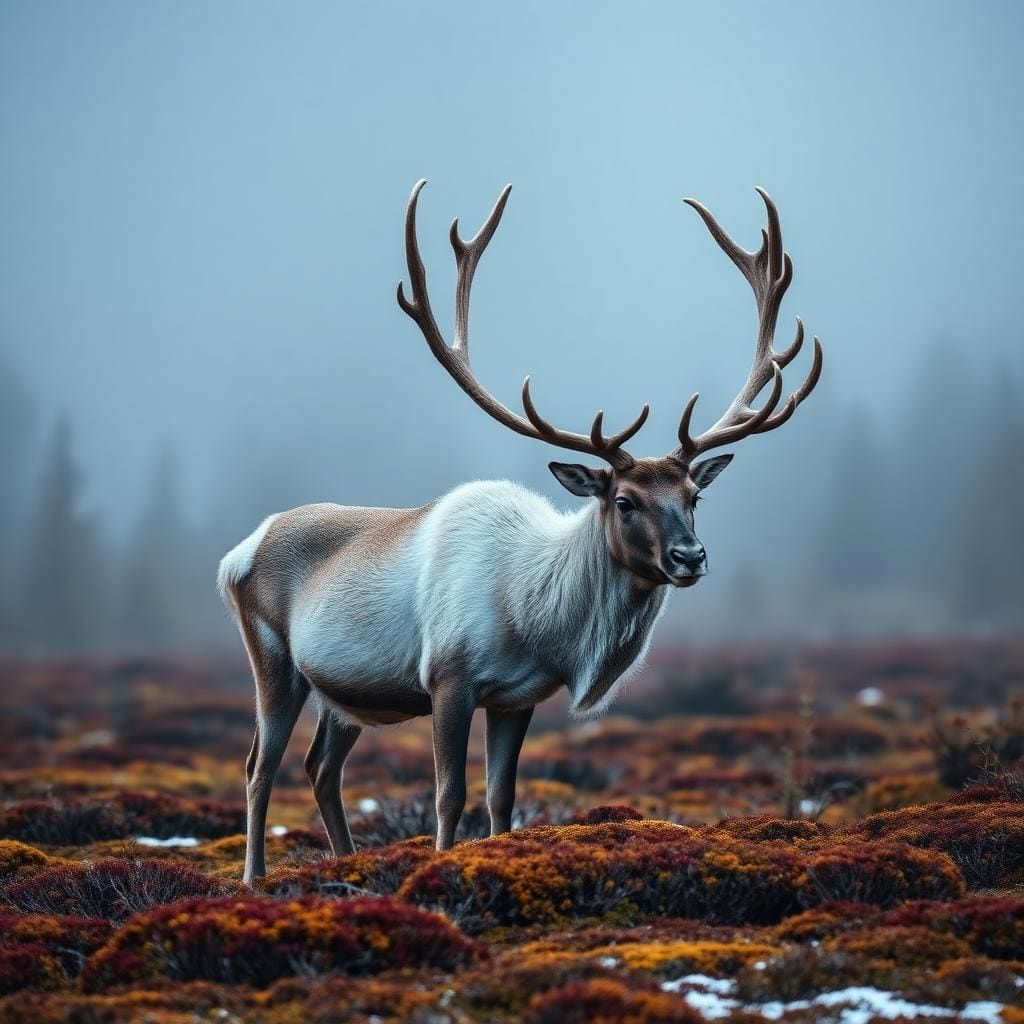 Wildlife guideWoodland caribouRangifer tarandus caribou
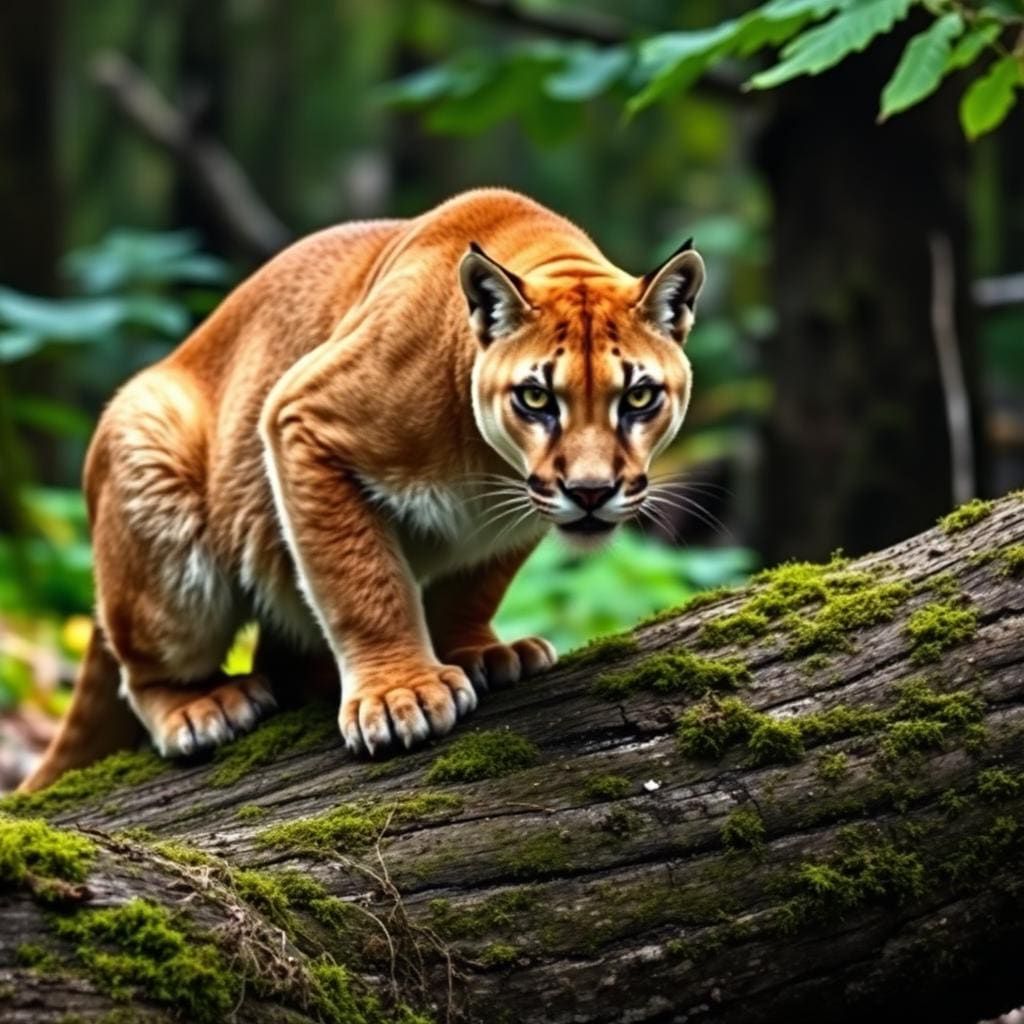 Wildlife guideCougarPuma concolor
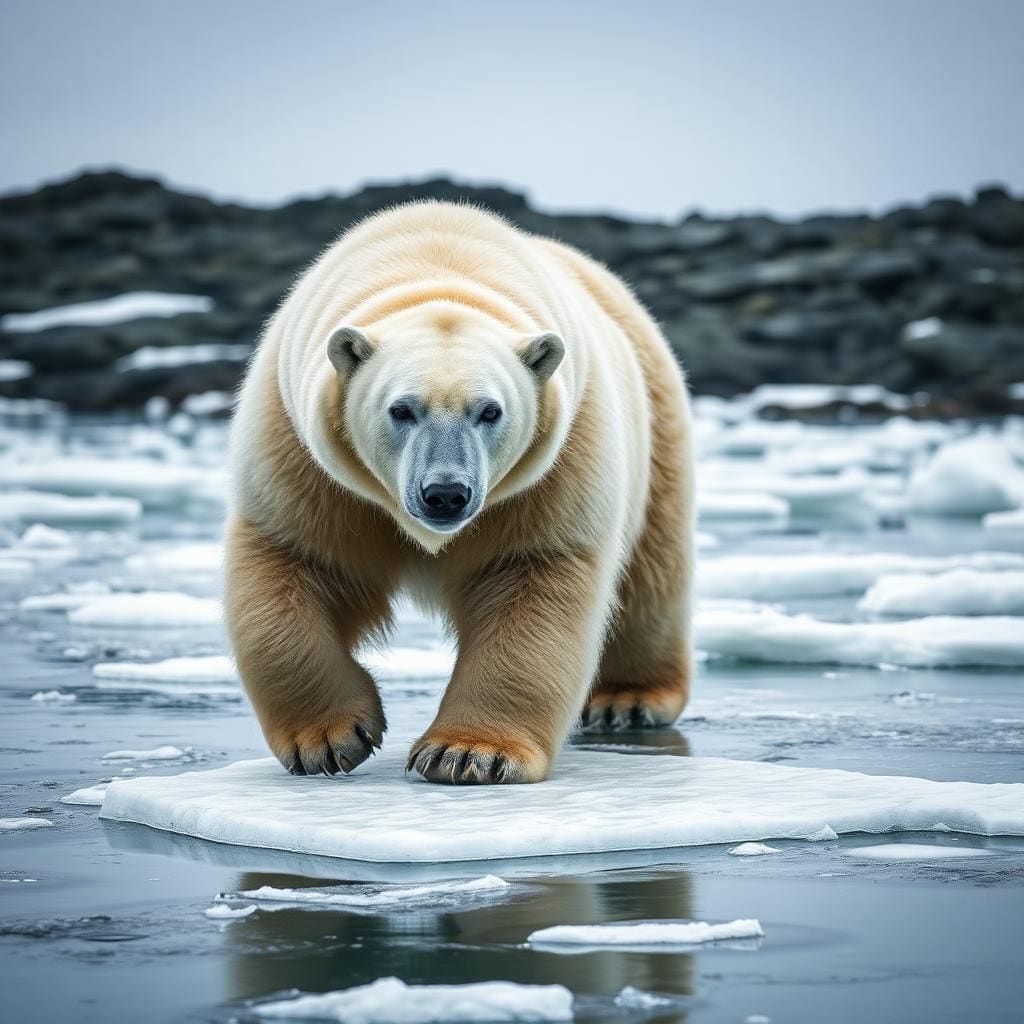 Wildlife guidePolar bearUrsus maritimus
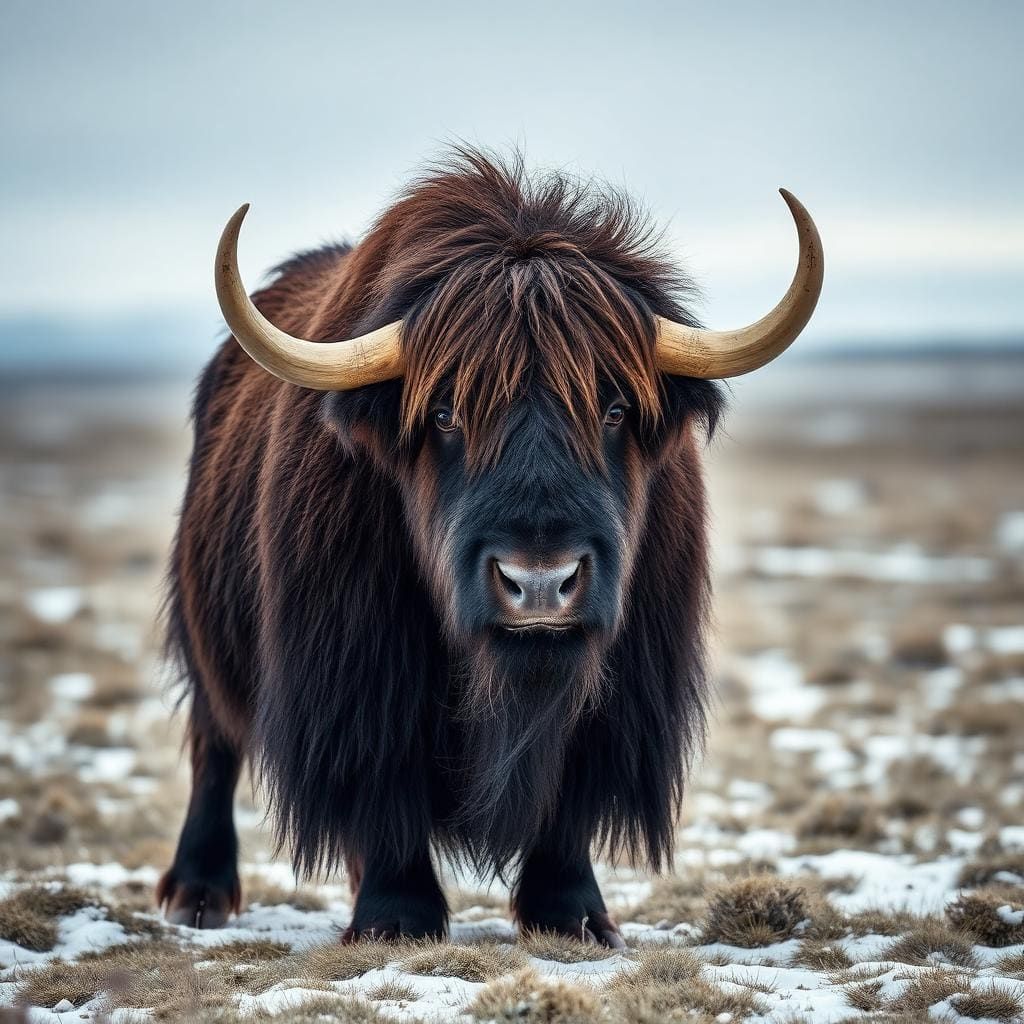 Wildlife guideMuskoxOvibos moschatus
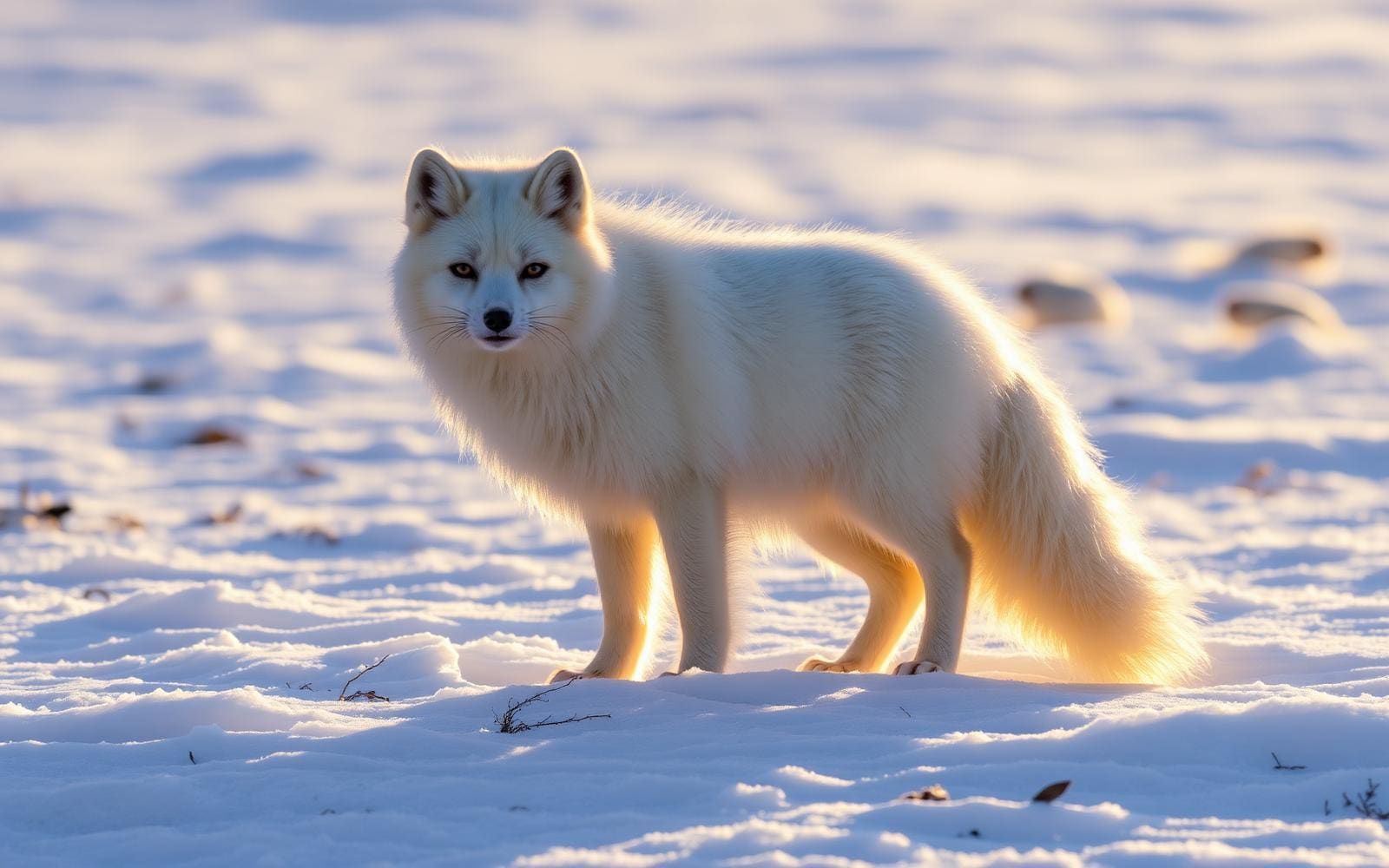 Wildlife guideArctic foxVulpes lagopus
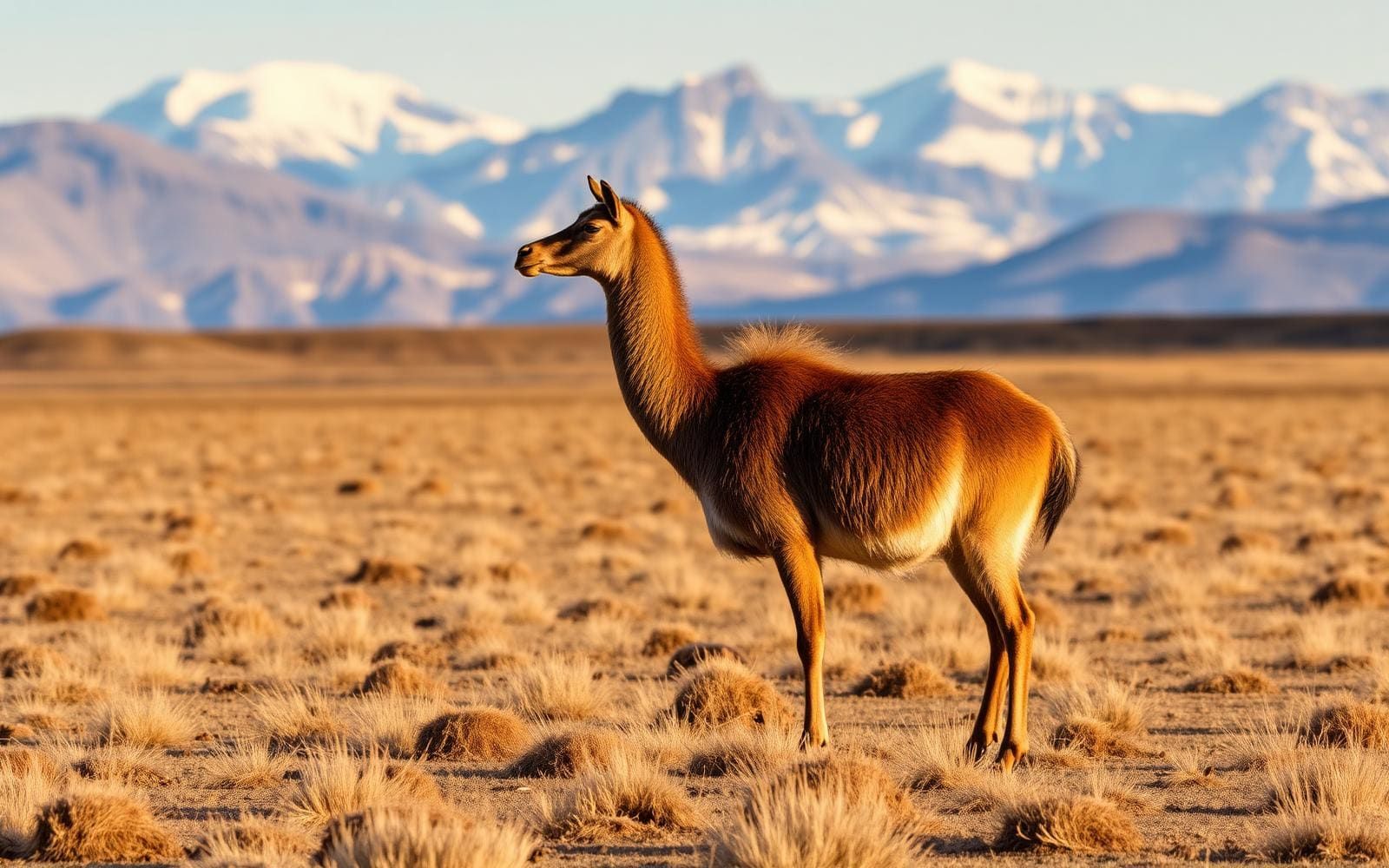 Wildlife guideGuanacoLama guanicoe
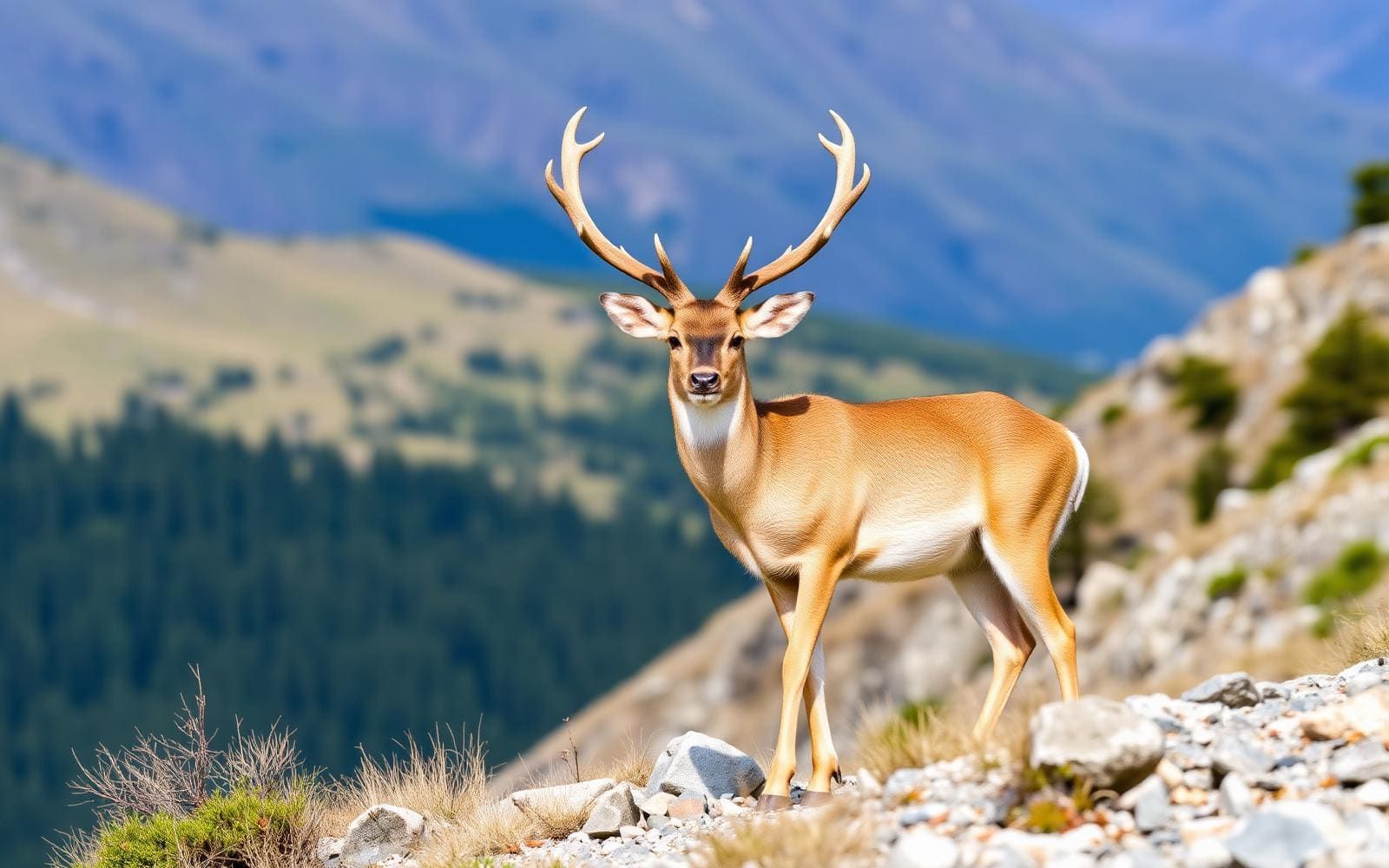 Wildlife guideHuemulHippocamelus bisulcus
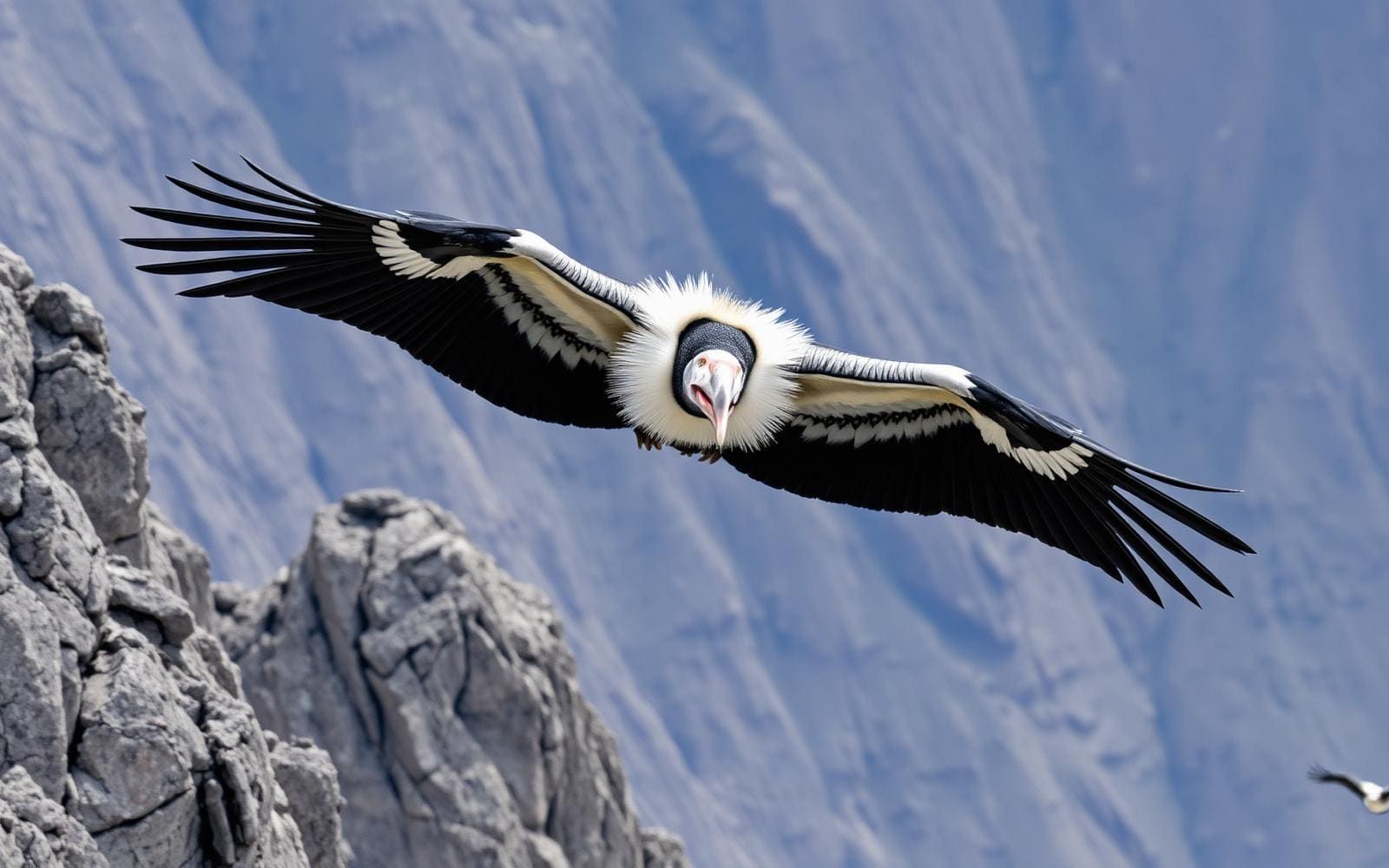 Wildlife guideAndean condorVultur gryphus
Maps, GPS & compass for this trip
Carry a waterproof paper map and a compass you can steer by, and treat the GPS as the backup — not the other way round. Buying links go to Amazon; Wild10 earns a commission at no cost to you.
Waterproof topo maps
- Waterproof topographic map — Antarctic Peninsula Camping ExpeditionAmazon search for waterproof, tear-resistant topo maps covering this area.
- National Geographic Trails IllustratedThe waterproof Trails Illustrated series — check for a sheet covering this area.
- Waterproof map case & compass lanyardKeep a paper map readable in rain, spray and a swamped boat.
Fishing at Antarctic Peninsula Camping Expedition
Planning to fish Antarctic Peninsula Camping Expedition, Antarctica? Fishing licences, open seasons and catch limits in Antarctica are set by the local wildlife authority and change every year — check the official source before you cast a line.
Do I need a fishing licence at Antarctic Peninsula Camping Expedition?
- A Antarctica fishing licence is normally required for anyone over the local youth age.
- Read the current Antarctica fishing regulations for special waters, barbless-hook or catch-and-release rules.
- Clean, drain and dry boats and gear between waters to stop invasive species.
We don't have a verified licensing link on file for Antarctica yet — contact the park or land manager listed on this page for current hunting and fishing rules.
Hunting near Antarctic Peninsula Camping Expedition
Thinking about hunting Antarctic Peninsula Camping Expedition, Antarctica? Hunting seasons, tags and draws in Antarctica are set by the wildlife authority each year. Confirm the rules for your species and unit before you go.
Is hunting allowed at Antarctic Peninsula Camping Expedition?
- Confirm the land around Antarctic Peninsula Camping Expedition is open to hunting and which management unit it falls in.
What do I need to hunt in Antarctica?
- A Antarctica hunting licence — most jurisdictions also require hunter education certification.
- Species tags or draw results for big game such as deer, elk, moose or bear where they occur.
- Knowledge of firearm and bow transport rules, which differ by land type and border crossing.
We don't have a verified licensing link on file for Antarctica yet — contact the park or land manager listed on this page for current hunting and fishing rules.
A Peninsula expedition, not an established camping route
The Antarctic Peninsula is one of the main areas visited by tourists in Antarctica, alongside the Islands and Ross Sea. That makes it a relevant focus for an Antarctic trip, but a destination name alone does not establish where an overnight camp can take place. Plan this as an expedition requiring a confirmed itinerary, rather than as a conventional camping trip with a trailhead and a choice of campsites. Before committing, ask the expedition provider to identify the landing area, explain whether camping is actually included, and describe the arrangements for returning from shore. No specific Peninsula campsite, landing point, or camping route is established here. The distinction matters: visiting Antarctica and spending a night ashore are different trip expectations, and the latter should be confirmed explicitly.
Summer timing and physical preparation
Antarctica is the coldest and driest place on Earth. Tourist visits take place in the austral summer, from November to February, and require physical fitness as well as a substantial budget. Summer is the travel season, not a reason to treat an overnight stay as ordinary fair-weather camping. For a proposed Peninsula camp, clarify the expected activity level and the sleeping equipment before choosing what to pack. Ask how the expedition assesses participants’ fitness and what support is available during shore activities. Clothing, shelter, and hydration planning should reflect the combination of cold and dryness. Avoid choosing equipment solely from the calendar: the relevant question is whether it is appropriate for the conditions and overnight arrangements of the particular expedition.
Coastal wildlife and the wider Antarctic setting
Antarctic wildlife needs access to the sea and is confined to the coasts. For a Peninsula visit, that makes coastal surroundings central to understanding the place, while also calling for care around animals and their access to the water. Give wildlife space and follow the expedition’s instructions rather than treating a shore visit as unrestricted wandering. Inland Antarctica is a very different environment: a desolate plateau covered by two to three kilometres of ice. Occasional specialist air tours travel inland for mountaineering or to reach the South Pole, but those are separate undertakings from a Peninsula camping plan. Research bases are another part of Antarctica’s human presence; their existence should not be taken as evidence of visitor accommodation, public access, or support for an independent camp.
Route options
- Peninsula-focused visit
Keep the itinerary focused on the Antarctic Peninsula. This is a destination-level option rather than a mapped route; confirm shore activities and any overnight camping separately.
- Islands-focused visit
Consider the Islands as an alternative Antarctic tourist area, not as a confirmed extension of a Peninsula camping route. Specific stops, connections, and overnight arrangements remain unestablished.
Sample itineraries
- Peninsula Coastal Day · 1 day
A planning outline for one coastal day within a longer summer expedition, not a standalone Antarctic trip. Keep the focus on the Peninsula coast, where wildlife has access to the sea. Confirm landing arrangements and physical requirements before booking.
- Peninsula Overnight Camping Outline · 2 days
A conditional two-day outline within a longer expedition: a coastal visit followed by an overnight ashore and return the next day. Camping availability, sites and access are not established here. Use this outline only if the expedition operator confirms an authorized overnight arrangement.
Seasonal conditions
Spring
Before the November–February visitor window
Do not assume spring access. Tourist visits are limited to the summer window, and Antarctica remains an exceptionally cold, dry environment.
Summer
November–February
This is the stated tourist season. Visits are largely concentrated on the Peninsula, islands and Ross Sea. Summer does not remove the need for cold-weather equipment or physical preparation.
Fall
After the November–February visitor window
Fall is outside the stated tourist season. Do not plan a routine Peninsula camping visit beyond the summer window.
Winter
Outside the summer visitor season
Tourist visits are not described as a winter option. Only a small number of research staff remain through winter; their presence does not imply visitor access.
| Season | Window | Conditions |
|---|---|---|
| Spring | Before the November–February visitor window | Do not assume spring access. Tourist visits are limited to the summer window, and Antarctica remains an exceptionally cold, dry environment. |
| Summer | November–February | This is the stated tourist season. Visits are largely concentrated on the Peninsula, islands and Ross Sea. Summer does not remove the need for cold-weather equipment or physical preparation. |
| Fall | After the November–February visitor window | Fall is outside the stated tourist season. Do not plan a routine Peninsula camping visit beyond the summer window. |
| Winter | Outside the summer visitor season | Tourist visits are not described as a winter option. Only a small number of research staff remain through winter; their presence does not imply visitor access. |
Permits, fees & closures
Confirm camping authorization and entry requirements with the managing agency before booking.
Confirm current permits, fees, and closures with the managing agency before you go.
Hazards & regulations
- Extreme cold can make time ashore dangerous without suitable clothing and shelter, even during the summer visitor season.
- The exceptionally dry environment makes deliberate hydration and protection from exposure important.
- Tourist visits demand physical fitness. Check the expedition's activity requirements rather than treating a coastal visit as an easy outing.
- Wildlife is concentrated along the coast and needs access to the sea. Keep clear of animals and avoid blocking their movement.
What to pack for Antarctic Peninsula Camping Expedition
- Insulating layers
- Protective outer layers
- Warm hat and gloves
- Insulated footwear
- Operator-approved cold-weather shelter
- Cold-rated sleeping system
- Insulated sleeping mat
- Water containers
- Personal medications
- Dry storage for spare clothing
Wildlife you may see
- Antarctic wildlife is confined to coastal areas because it needs access to the sea.
Antarctic Peninsula Camping Expedition FAQ
- When can tourists visit the Antarctic Peninsula?
- The stated visitor season is summer, from November to February. Plan within that window rather than assuming year-round access.
- Is overnight camping guaranteed?
- No camping sites, overnight arrangements or camping permissions are established here. Confirm that the expedition explicitly includes authorized camping before paying for a trip.
- How physically demanding is a visit?
- Antarctic tourist visits require physical fitness. Ask the operator about the specific demands of coastal activities and any proposed overnight ashore.
- Where should wildlife viewing be focused?
- Along the coast. Wildlife needs access to the sea, so inland ice is not the focus for wildlife viewing. Give animals space and keep their routes to the water clear.
- Can research stations be treated as visitor facilities?
- Do not assume so. Antarctica has research bases, but their existence does not establish public access, accommodation or support for a camping expedition.
- Is this a low-cost camping destination?
- No. Antarctic tourist visits are described as costly. Obtain a complete expedition quote and confirm whether any overnight camping equipment and arrangements are included.