



Where on earth
Satellite imagery flying in from a world view to Camino Primitivo, Spain. Use the + / − buttons, or click the map to zoom with your scroll wheel; drag to pan and pinch to zoom on touch.
- Region
- Spain
- Biome
- Cantabrian ridge (300–1,300 m)
- Best season
- May – October
- Difficulty
- moderate
- Backpacking
- Hiking
- Mountaineering
Key takeaways
- Biome: Cantabrian ridge (300–1,300 m)
- Best season: May – October
- Difficulty: moderate
- Top activity: backpacking
Photos of Camino Primitivo
Topic summary
The oldest 320-km pilgrimage route from Oviedo to Santiago — mountain villages and quiet monasteries.
Key takeaways
- Difficulty: moderate
- Best season: May – October
Intended uses
backpacking
Climate suitability
Cantabrian ridge (300–1,300 m)
Tools for a trip here
Picked for how, when and where you're going. Free, no signup.
- Sleep System Temp CalculatorCold nights: check your bag and pad add up to a safe sleep.
- Base Weight CalculatorEvery ounce is carried — total your kit and find your base weight.
- Pack Volume SizerSize the pack for your trip length and season.
- Water Purification MatrixTreat water from streams and lakes on trail.
- Layering CalculatorCold-season miles: layer for climbs and camp.
Plan with verified data
Camino Primitivo trip tools
How to get there
The Camino Primitivo begins in Oviedo, Spain. Confirm transport to Oviedo and onward arrangements from Santiago de Compostela separately; Lugo and Melide are other named points along the route.
- Oviedo
The old Asturian capital and starting point of the Camino Primitivo.
- Lugo
An intermediate city reached on the westward route from Oviedo, before the course continues south toward Santiago de Compostela.
- Melide
The junction where the Camino Primitivo joins the more popular French Way for the final two hiking days.
- Santiago de Compostela
The finishing destination of the Camino Primitivo and the wider Camino pilgrimage network.
Sources: Wikipedia · Wikivoyage. Confirm road and trailhead conditions with the managing agency before you leave.
Popular pursuits at Camino Primitivo
- Backpacking
Multi-day travel with everything on your back — see the packing blocks below.
- Hiking
Day miles on marked trail, with route notes and trail links below.
- Mountaineering
Glacier and high-route objectives with real consequence.
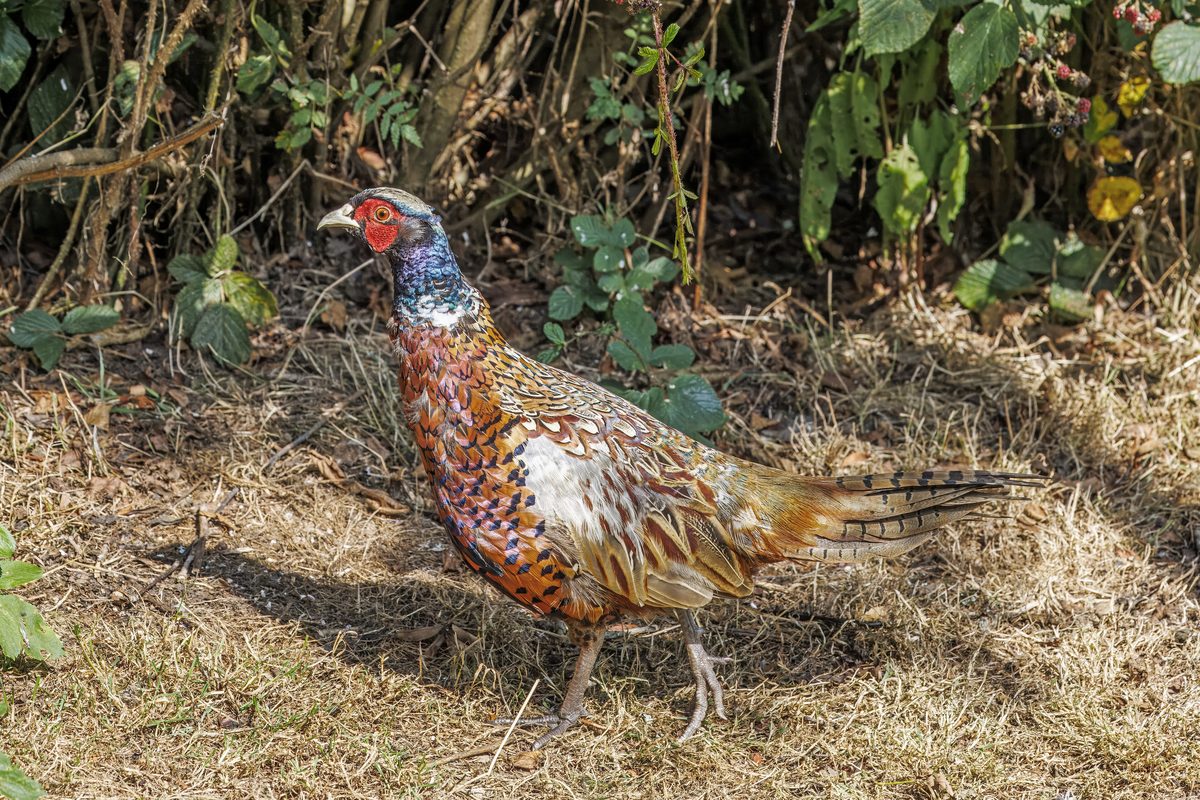
Animals around Camino Primitivo

Maps, GPS & compass for this trip
Carry a waterproof paper map and a compass you can steer by, and treat the GPS as the backup — not the other way round. Buying links go to Amazon; Wild10 earns a commission at no cost to you.
Waterproof topo maps
- Waterproof topographic map — Camino PrimitivoAmazon search for waterproof, tear-resistant topo maps covering this area.
- National Geographic Trails IllustratedThe waterproof Trails Illustrated series — check for a sheet covering this area.
- Waterproof map case & compass lanyardKeep a paper map readable in rain, spray and a swamped boat.
Fishing at Camino Primitivo
Planning to fish Camino Primitivo, Spain? Fishing licences, open seasons and catch limits in Spain are set by the local wildlife authority and change every year — check the official source before you cast a line.
Do I need a fishing licence at Camino Primitivo?
- A Spain fishing licence is normally required for anyone over the local youth age.
- Read the current Spain fishing regulations for special waters, barbless-hook or catch-and-release rules.
- Clean, drain and dry boats and gear between waters to stop invasive species.
We don't have a verified licensing link on file for Spain yet — contact the park or land manager listed on this page for current hunting and fishing rules.
Hunting near Camino Primitivo
Thinking about hunting Camino Primitivo, Spain? Hunting seasons, tags and draws in Spain are set by the wildlife authority each year. Confirm the rules for your species and unit before you go.
Is hunting allowed at Camino Primitivo?
- Confirm the land around Camino Primitivo is open to hunting and which management unit it falls in.
What do I need to hunt in Spain?
- A Spain hunting licence — most jurisdictions also require hunter education certification.
- Species tags or draw results for big game such as deer, elk, moose or bear where they occur.
- Knowledge of firearm and bow transport rules, which differ by land type and border crossing.
We don't have a verified licensing link on file for Spain yet — contact the park or land manager listed on this page for current hunting and fishing rules.
The Original Way from Oviedo
The Camino Primitivo, also called the Primitive Way or Original Way, is a Camino de Santiago route beginning in Oviedo, the old Asturian capital. Its approximately 320 km (199 miles) lead west to Lugo and then south toward Santiago de Compostela. At Melide, it joins the more popular French Way for the last two hiking days. That sequence gives a useful outline for planning: Oviedo is the starting point, Lugo is the intermediate city, and Melide marks the change from the Primitivo to a shared approach to Santiago. Treat the total distance as an approximate measure of the full journey, not as a daily walking schedule. The route belongs to the wider pilgrimage network rather than standing apart as an unrelated long-distance walk.
A Pilgrimage with Different Reasons to Walk
Santiago de Compostela is the final destination of the Camino network, one of Europe's important Christian pilgrimages. The Camino Primitivo offers one path into that shared destination, but walking it need not be a religious undertaking. People now take part in the Camino for cultural, spiritual, and personal reasons, including those with other faiths or world views. The journey itself matters alongside arrival: physical challenge, time in nature, distance from everyday routines, self-reflection, and companionship are all part of the wider Camino experience. For a Primitivo trip, that leaves room for different priorities without changing the route's basic geography. A walker focused on pilgrimage and one seeking a sustained walking journey can follow the same line from Oviedo through Lugo toward Santiago.
Planning Around the Route's Main Anchors
Use Oviedo, Lugo, Melide, and Santiago de Compostela as the main geographic anchors when outlining a trip. The full Primitivo starts in Oviedo; Lugo lies on its westward course before the route turns south toward Santiago. Melide is especially important because it is where the Primitivo joins the French Way, rather than continuing as a separate route all the way to the finish. The final two hiking days therefore belong to that shared approach. For a shorter walk, distinguish a portion of the Primitivo from the complete approximately 320 km journey, and check the practical arrangements for the chosen start and finish before committing. The broad route outline is useful for orientation, but it does not establish daily stages, transport connections, or overnight arrangements.
Route options
- Full Camino Primitivo: Oviedo to Santiago de CompostelaApproximately 320 km (199 miles)
Follow the Original Way west from Oviedo to Lugo, then south toward Santiago, joining the French Way at Melide for the last two hiking days.
- Oviedo to Lugo portion
The westward portion of the Camino Primitivo, linking its starting city with Lugo. This is part of the full pilgrimage route, not the complete journey to Santiago.
- Melide to Santiago de Compostela shared approach
The final two hiking days follow the French Way after the Camino Primitivo joins it at Melide.
Sample itineraries
- Oviedo to Santiago de Compostela · 16 days
Suggested planning framework for the approximately 320 km route: start in Oviedo, head west to Lugo, then continue toward Santiago de Compostela, joining the French Way at Melide. Adjust the overall schedule to walking ability and confirmed overnight stops; this is not a fixed stage plan.
- Melide to Santiago de Compostela · 2 days
Walk the final two hiking days from Melide, where the Camino Primitivo joins the more popular French Way. This shorter option follows the shared finish rather than the distinct route from Oviedo through Lugo. Confirm overnight arrangements before setting out.
Seasonal conditions
Spring
Check conditions for the intended travel dates.
Plan this long walking journey around current forecasts rather than a fixed seasonal assumption. Check conditions along the route, not only at Oviedo or Santiago de Compostela, and keep daily walking plans flexible.
Summer
Check conditions for the intended travel dates.
Let forecast temperatures guide departure times, water needs, and daily effort. Do not assume that choosing summer guarantees suitable weather throughout the approximately 320 km journey.
Fall
Check conditions for the intended travel dates.
Check daylight and weather before committing to each day's walk. Choose manageable overnight stops and carry layers suited to the forecast; a route-wide seasonal prediction is not available here.
Winter
Confirm local conditions before departure.
Verify whether the expected weather and available daylight suit the planned stages. Do not treat this itinerary as confirmation of winter access or overnight availability.
| Season | Window | Conditions |
|---|---|---|
| Spring | Check conditions for the intended travel dates. | Plan this long walking journey around current forecasts rather than a fixed seasonal assumption. Check conditions along the route, not only at Oviedo or Santiago de Compostela, and keep daily walking plans flexible. |
| Summer | Check conditions for the intended travel dates. | Let forecast temperatures guide departure times, water needs, and daily effort. Do not assume that choosing summer guarantees suitable weather throughout the approximately 320 km journey. |
| Fall | Check conditions for the intended travel dates. | Check daylight and weather before committing to each day's walk. Choose manageable overnight stops and carry layers suited to the forecast; a route-wide seasonal prediction is not available here. |
| Winter | Confirm local conditions before departure. | Verify whether the expected weather and available daylight suit the planned stages. Do not treat this itinerary as confirmation of winter access or overnight availability. |
Permits, fees & closures
Confirm any permit or access requirements with the managing agency before departure.
Confirm current permits, fees, and closures with the managing agency before you go.
Hazards & regulations
- Cumulative fatigue on an approximately 320 km walk: allow a pace that can be sustained across consecutive days.
- Blisters and foot discomfort from repeated walking: test footwear beforehand and address rubbing early.
- Weather exposure during daily walking: check forecasts and carry appropriate protection.
- Dehydration during sustained exertion: carry water and confirm opportunities to replenish it.
What to pack for Camino Primitivo
- Broken-in walking footwear
- Comfortable walking socks
- Blister care supplies
- Comfortably fitted pack
- Weather protection matched to the forecast
- Adjustable clothing layers
- Refillable water containers
- Sun protection
- Route information covering Oviedo, Lugo, Melide, and Santiago de Compostela
- Phone and charging equipment
- Confirmed overnight-stop details
Camino Primitivo FAQ
- Where does the Camino Primitivo start and finish?
- It begins in Oviedo, the old Asturian capital, travels west to Lugo, and then heads south toward Santiago de Compostela. At Melide, it joins the French Way for the last two hiking days.
- How long is the route?
- The Camino Primitivo is approximately 320 km, or 199 miles. The suggested 16-day itinerary is a planning framework, not an established stage schedule or a guarantee of a suitable pace.
- What other names does the route have?
- Camino Primitivo is also called the Primitive Way or Original Way. It is one of the Camino de Santiago paths.
- Does the whole route follow the French Way?
- No. The Camino Primitivo runs from Oviedo through Lugo before joining the French Way at Melide. Only the final two hiking days follow that shared approach to Santiago de Compostela.
- Is the walk only for religious pilgrims?
- No. Although the Camino is a Christian pilgrimage, people also walk for cultural, spiritual, or personal reasons. The journey can center on walking, nature, reflection, and time with fellow pilgrims.