



Where on earth
Satellite imagery flying in from a world view to Corcovado — Sirena Station Trek, Costa Rica. Use the + / − buttons, or click the map to zoom with your scroll wheel; drag to pan and pinch to zoom on touch.
- Region
- Costa Rica
- Biome
- Coastal rainforest (0–100 m)
- Best season
- December – April
- Difficulty
- moderate
- Backpacking
- Hiking
- Sea Kayaking
- Beachcombing
- Wildlife Viewing
Key takeaways
- Biome: Coastal rainforest (0–100 m)
- Best season: December – April
- Difficulty: moderate
- Top activity: backpacking
Photos of Corcovado — Sirena Station Trek
Topic summary
A 20-km wildlife-rich beach hike on the Osa Peninsula — the wildest rainforest in Central America.
Key takeaways
- Difficulty: moderate
- Best season: December – April
Intended uses
backpacking
Climate suitability
Coastal rainforest (0–100 m)
Tools for a trip here
Picked for how, when and where you're going. Free, no signup.
- Sleep System Temp CalculatorCold nights: check your bag and pad add up to a safe sleep.
- Base Weight CalculatorEvery ounce is carried — total your kit and find your base weight.
- Pack Volume SizerSize the pack for your trip length and season.
- Water Purification MatrixTreat water from streams and lakes on trail.
- Layering CalculatorCold-season miles: layer for climbs and camp.
Plan with verified data
Corcovado — Sirena Station Trek trip tools
How to get there
Corcovado National Park is on the Osa Peninsula in Osa Canton, southwestern Costa Rica. Confirm the specific park entrance and onward transport with the managing agency before arranging travel; regional location alone is not sufficient for planning a station approach.
- Osa Peninsula
The regional setting for Corcovado National Park, which occupies about a third of the peninsula. This identifies the wider approach area, not a confirmed trailhead or transport connection.
- Corcovado National Park
The protected area containing the destination. Confirm the appropriate entrance and station access directly before travel; no specific entry point is established here.
Sources: Wikipedia · Wikivoyage. Confirm road and trailhead conditions with the managing agency before you leave.
Popular pursuits at Corcovado — Sirena Station Trek
- Backpacking
Multi-day travel with everything on your back — see the packing blocks below.
- Hiking
Day miles on marked trail, with route notes and trail links below.
- Sea Kayaking
Coastal crossings, tides, and protected camps.
- Beachcombing
Tide-line walking between camps.
- Wildlife Viewing
Best light, best season, and where animals move.
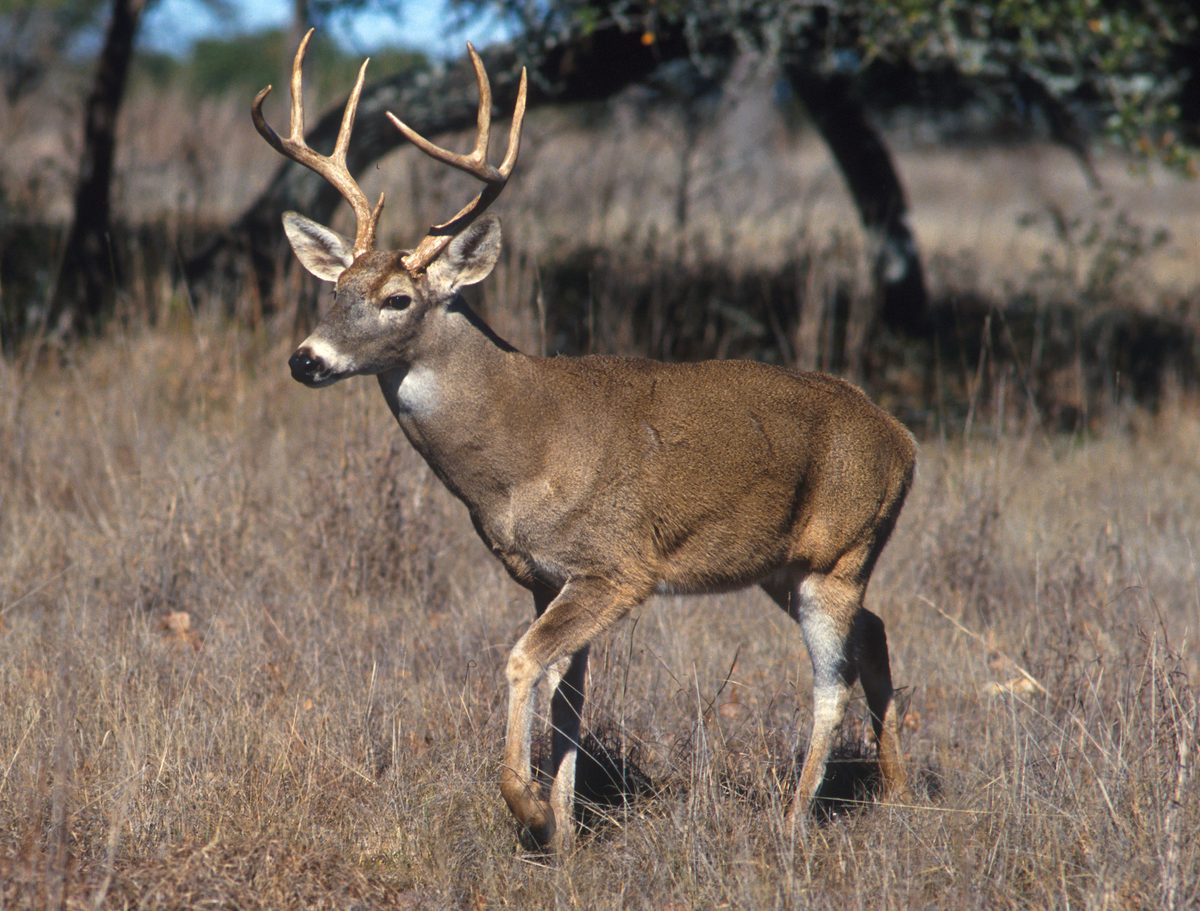
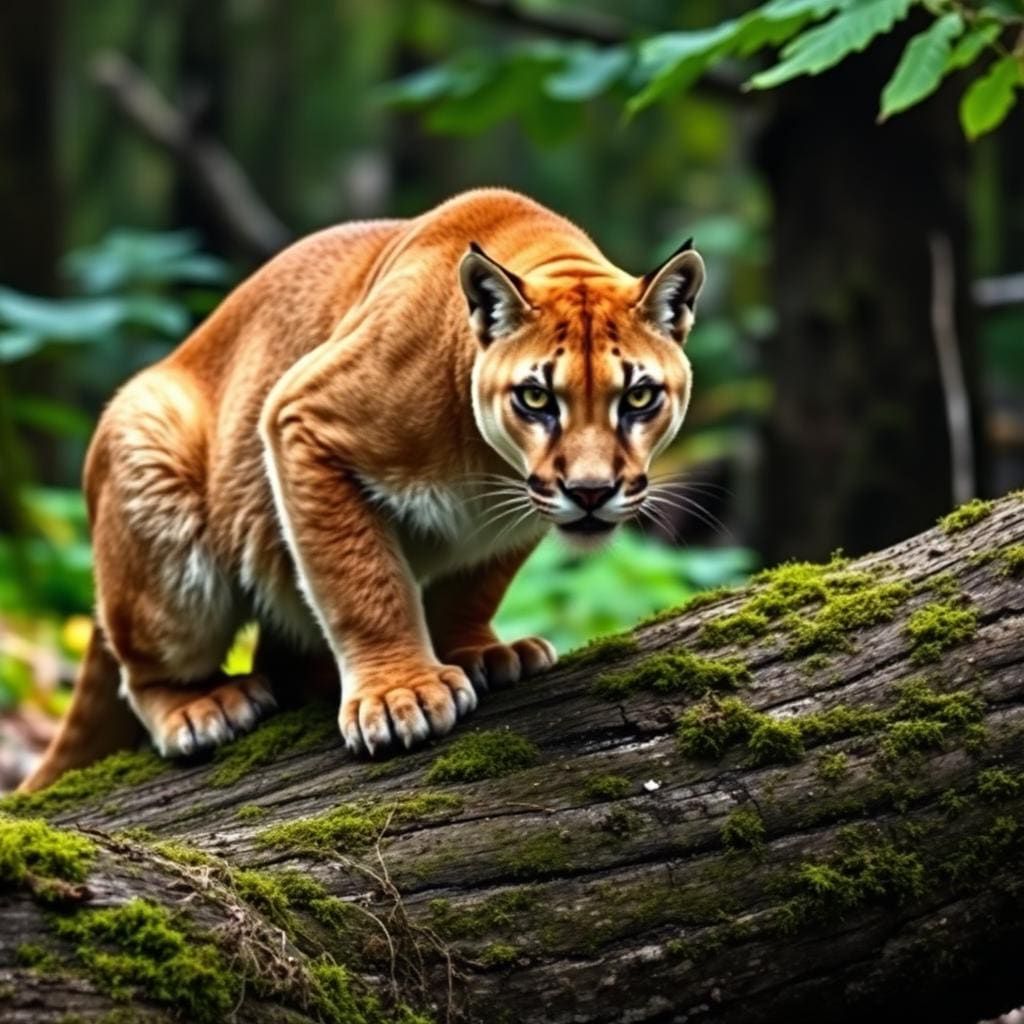
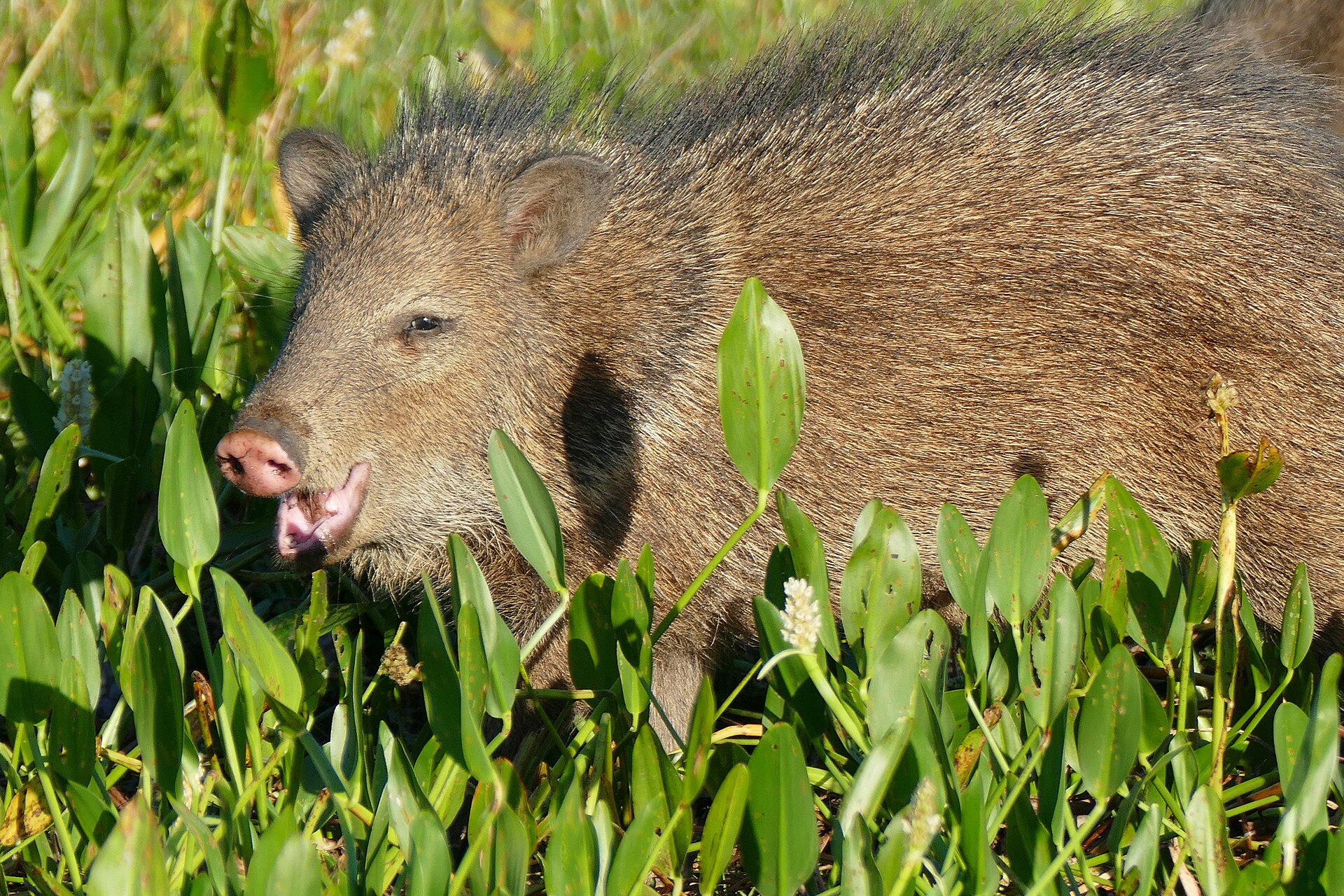
Animals around Corcovado — Sirena Station Trek

Maps, GPS & compass for this trip
Carry a waterproof paper map and a compass you can steer by, and treat the GPS as the backup — not the other way round. Buying links go to Amazon; Wild10 earns a commission at no cost to you.
Waterproof topo maps
- Waterproof topographic map — Corcovado — Sirena Station TrekAmazon search for waterproof, tear-resistant topo maps covering this area.
- National Geographic Trails IllustratedThe waterproof Trails Illustrated series — check for a sheet covering this area.
- Waterproof map case & compass lanyardKeep a paper map readable in rain, spray and a swamped boat.
Fishing at Corcovado — Sirena Station Trek
Planning to fish Corcovado — Sirena Station Trek, Costa Rica? Fishing licences, open seasons and catch limits in Costa Rica are set by the local wildlife authority and change every year — check the official source before you cast a line.
Do I need a fishing licence at Corcovado — Sirena Station Trek?
- A Costa Rica fishing licence is normally required for anyone over the local youth age.
- Read the current Costa Rica fishing regulations for special waters, barbless-hook or catch-and-release rules.
- Clean, drain and dry boats and gear between waters to stop invasive species.
We don't have a verified licensing link on file for Costa Rica yet — contact the park or land manager listed on this page for current hunting and fishing rules.
Hunting near Corcovado — Sirena Station Trek
Thinking about hunting Corcovado — Sirena Station Trek, Costa Rica? Hunting seasons, tags and draws in Costa Rica are set by the wildlife authority each year. Confirm the rules for your species and unit before you go.
Is hunting allowed at Corcovado — Sirena Station Trek?
- Confirm the land around Corcovado — Sirena Station Trek is open to hunting and which management unit it falls in.
What do I need to hunt in Costa Rica?
- A Costa Rica hunting licence — most jurisdictions also require hunter education certification.
- Species tags or draw results for big game such as deer, elk, moose or bear where they occur.
- Knowledge of firearm and bow transport rules, which differ by land type and border crossing.
We don't have a verified licensing link on file for Costa Rica yet — contact the park or land manager listed on this page for current hunting and fishing rules.
A large lowland forest on the Osa Peninsula
Corcovado National Park lies on the Osa Peninsula in southwestern Costa Rica, within Osa Canton and the Osa Conservation Area. The park covers 424 square kilometres, extending across about a third of the peninsula. That scale matters: this is a substantial protected forest landscape, not simply a small woodland beside the coast. Its defining feature is the largest primary forest on the American Pacific coastline, alongside one of the world's remaining sizable areas of lowland tropical forest. For a walking trip, the main draw is the forest itself and its biological diversity. Plan around time spent observing the landscape rather than assuming that a particular wildlife sighting or a tightly timed itinerary will define the visit.
Why the forest matters
Corcovado's conservation importance is closely tied to the survival of extensive lowland forest. Lowland areas have historically been attractive to logging because they are comparatively accessible and contain large, commercially valuable trees. Those same habitats can hold especially diverse vegetation and rich biodiversity. Elsewhere, surviving fragments of these forests are often too small to sustain their original biological diversity. Corcovado protects a much larger stretch of this habitat, making forest continuity an important part of understanding the destination. On a visit, give attention to the vegetation and the forest as a whole rather than treating it only as a backdrop for animal sightings. Keep wildlife observation unobtrusive, avoid disturbing plants, and follow the managing agency's instructions for moving through protected habitat.
Planning a station-based trek
A station-based trek here needs more detailed logistical confirmation than a general description of the park can provide. Confirm the intended station, approved entry point, walking itinerary, and any overnight arrangements with the managing agency before committing to transport. Do not assume that a location on the Osa Peninsula is a usable park entrance or that different approaches are interchangeable. Confirm current access requirements directly as well. For walking in a lowland tropical forest, prepare for wet conditions, protect essential items from moisture, and establish a reliable drinking-water plan. Carry footwear and clothing suited to sustained forest walking. Keep the schedule flexible enough to accommodate conditions, and obtain current local advice before deciding how much ground to cover each day.
Sample itineraries
- Corcovado lowland forest day · 1 day
Plan a day focused on Corcovado’s lowland tropical forest on the Osa Peninsula. Keep the walking schedule flexible for heat, rain, and nature observation. Confirm the Sirena route, access arrangements, and feasible walking time with the managing agency before committing.
- Two-day Corcovado forest plan · 2 days
Allow two days to explore Corcovado’s primary Pacific-coast forest at an unhurried pace. Treat this as a planning outline, not a confirmed overnight trek: verify Sirena access, overnight arrangements, and a suitable route with the managing agency before booking travel.
Seasonal conditions
Spring
Spring travel; verify local conditions
Plan for a lowland tropical forest environment rather than assuming temperate spring weather. Check local rainfall and route conditions before choosing trekking days.
Summer
Summer travel; verify local conditions
Do not assume summer means dry trails. Allow flexibility for rain and heat, protect essential gear from moisture, and confirm whether the intended trek suits current conditions.
Fall
Fall travel; verify local conditions
Use current local guidance to judge trail suitability. In tropical forest, rain and wet footing can affect pace; avoid building a schedule around an unverified walking time.
Winter
Winter travel; verify local conditions
Corcovado is a lowland tropical destination, not a temperate winter trek. Check rainfall and heat forecasts rather than relying on the season’s name when packing and scheduling.
| Season | Window | Conditions |
|---|---|---|
| Spring | Spring travel; verify local conditions | Plan for a lowland tropical forest environment rather than assuming temperate spring weather. Check local rainfall and route conditions before choosing trekking days. |
| Summer | Summer travel; verify local conditions | Do not assume summer means dry trails. Allow flexibility for rain and heat, protect essential gear from moisture, and confirm whether the intended trek suits current conditions. |
| Fall | Fall travel; verify local conditions | Use current local guidance to judge trail suitability. In tropical forest, rain and wet footing can affect pace; avoid building a schedule around an unverified walking time. |
| Winter | Winter travel; verify local conditions | Corcovado is a lowland tropical destination, not a temperate winter trek. Check rainfall and heat forecasts rather than relying on the season’s name when packing and scheduling. |
Permits, fees & closures
Confirm current entry requirements, Sirena access, and any overnight or reservation arrangements with the managing agency.
Confirm current permits, fees, and closures with the managing agency before you go.
Hazards & regulations
- Heat and humidity can make tropical lowland walking demanding; pace conservatively and carry sufficient drinking water.
- Rain can leave forest footing slippery; use footwear with reliable grip and allow extra walking time.
- Moisture can damage navigation and communication equipment; protect essential items in waterproof storage.
- Wildlife encounters require space; do not approach, feed, or attempt to handle animals.
What to pack for Corcovado — Sirena Station Trek
- Footwear with reliable wet-surface grip
- Lightweight, breathable walking clothes
- Rain protection
- Drinking water appropriate to the confirmed route
- Insect repellent
- Basic first-aid supplies
- Confirmed route information
- Charged communication device
- Waterproof bags for electronics and dry clothing
Corcovado — Sirena Station Trek FAQ
- Where is Corcovado National Park?
- Corcovado lies on the Osa Peninsula in southwestern Costa Rica, within the Osa Conservation Area.
- What makes the forest distinctive?
- The park protects the largest primary forest on the American Pacific coastline and one of the world’s remaining sizable areas of lowland tropical forest.
- How large is the park?
- Corcovado covers 424 square kilometres and extends over about a third of the Osa Peninsula. Park area should not be confused with the distance of a Sirena trek.
- How should a Sirena trek be planned?
- Confirm the access point, route, walking time, entry requirements, and any overnight arrangements with the managing agency. Do not treat the suggested day counts as verified route durations.
- Which animals should be expected?
- Corcovado’s tropical forests support rich biodiversity, but specific species or sightings cannot be promised. Make observation time flexible and keep a respectful distance from any wildlife encountered.